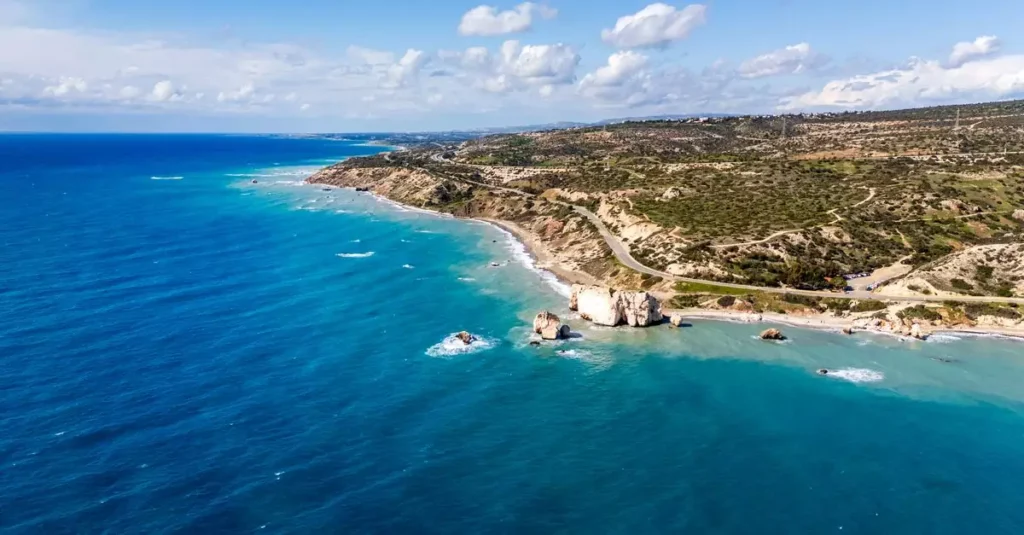
Embarking on one of the best coastal road trips in Europe offers a unique sense of freedom, allowing you to discover breathtaking landscapes and charming hidden gems at your own pace. From the dramatic cliffs of Ireland’s Wild Atlantic Way to the sun-drenched shores of Italy’s Amalfi Coast, Europe’s coastlines are a treasure trove for any traveler seeking memorable drives. This guide will help you plan your ultimate adventure, detailing iconic routes, essential planning tips, and delectable local flavors. You’ll learn how to choose the best time to travel, what to pack, and how to navigate your journey, ensuring a seamless experience filled with stunning vistas and authentic cultural encounters. Get ready to explore the continent’s most scenic drives and uncover the secrets that lie just beyond the well-trodden paths.
Iconic European Coastal Drives for Unforgettable Road Trips
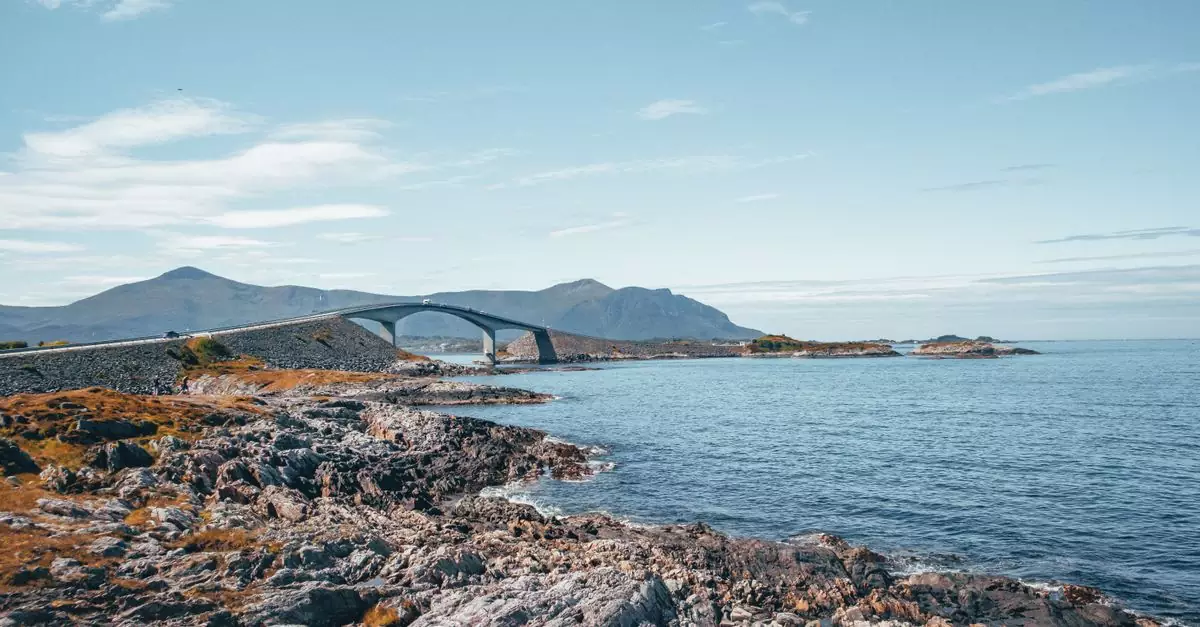
When planning a European adventure, few experiences rival the freedom and scenery of a coastal road trip. These routes offer a unique blend of breathtaking landscapes, charming villages, and historical sites, making them some of the best road trips in Europe. From dramatic cliffs to sun-drenched beaches, the continent’s coastlines are a treasure trove for travelers.
Amalfi Coast, Italy: A UNESCO World Heritage Drive
The Amalfi Coast in southern Italy is renowned for its spectacular cliffside drives and vibrant seaside towns. This UNESCO World Heritage site presents a challenging yet rewarding experience for drivers. The SS163, or “Strada Amalfitana,” winds precariously along sheer drops, offering breathtaking views of the Tyrrhenian Sea.
Key towns like Positano, Amalfi, and Ravello are essential stops, each with its own charm. Positano cascades down the hillside in a riot of colorful buildings, while Amalfi boasts a rich maritime history and a stunning cathedral. Ravello, perched high above the sea, offers serene gardens and panoramic vistas.
Traveler Tips for the Amalfi Coast:
- Best Time to Visit: Spring (April-May) and Autumn (September-October) provide pleasant weather and fewer crowds than the peak summer months.
- Driving Challenges: Roads are narrow and winding, with limited parking. Consider a smaller vehicle or using local buses and ferries between towns.
- Budget: The Amalfi Coast is an upscale destination, with prices reflecting its popularity. Accommodation and dining can be expensive, especially in peak season.
Wild Atlantic Way, Ireland: Emerald Isle’s Rugged Coastline
Stretching over 2,500 kilometers along Ireland’s western seaboard, the Wild Atlantic Way is one of the longest defined coastal routes in the world. This journey showcases the raw beauty of the Emerald Isle, featuring dramatic cliffs, windswept beaches, and charming fishing villages. It’s a prime example of truly epic European road trips.
Highlights include the Cliffs of Moher in County Clare, rising majestically over the Atlantic, and the stunning landscapes of Connemara National Park. The route is divided into sections, allowing travelers to tailor their journey based on time and interest, from the dramatic peninsulas of Kerry to the wild beauty of Donegal.
Logistics for the Wild Atlantic Way:
- Navigation: Signage is generally good, but a reliable GPS or map is recommended. Many sections are single-track roads.
- Accommodation: Options range from cozy B&Bs and guesthouses to hotels and self-catering cottages. Booking in advance is advisable, particularly during the summer.
- Weather: Expect changeable weather year-round, with sunshine, rain, and wind often occurring within the same day. Pack layers.
Cornish Coastal Route, England: Castles and Cliffs
England’s Cornwall offers a quintessential British coastal road trip experience, characterized by dramatic cliffs, sandy beaches, and historic fishing villages. The Cornish Coastal Route is a network of scenic roads that hug the coastline, providing access to some of the most picturesque parts of the county.
Explore St Ives, an artistic hub with galleries and beautiful beaches, or visit the iconic Eden Project near St Austell. Further west, Land’s End marks the most westerly point of mainland England, offering breathtaking views. Tintagel Castle, perched dramatically on the cliffs, adds a touch of myth and legend to the journey.
Planning Your Cornish Drive:
- Getting Around: While driving offers flexibility, parking can be a challenge in popular villages. Consider using local bus services for day trips within specific areas.
- Coastal Path: Much of the route is adjacent to the South West Coast Path, offering opportunities for scenic hikes.
- Seafood: Cornwall is renowned for its fresh seafood. Be sure to sample local specialties like Cornish pasties and fresh fish and chips.
Comparing these European coastal drives reveals distinct experiences: the Amalfi Coast offers glamorous vistas and Italian flair, the Wild Atlantic Way showcases rugged, natural beauty, and the Cornish Coastal Route delivers classic British charm with historical depth. Each promises an unforgettable road trip adventure.
Planning Your Ultimate European Coastal Road Trip Itinerary
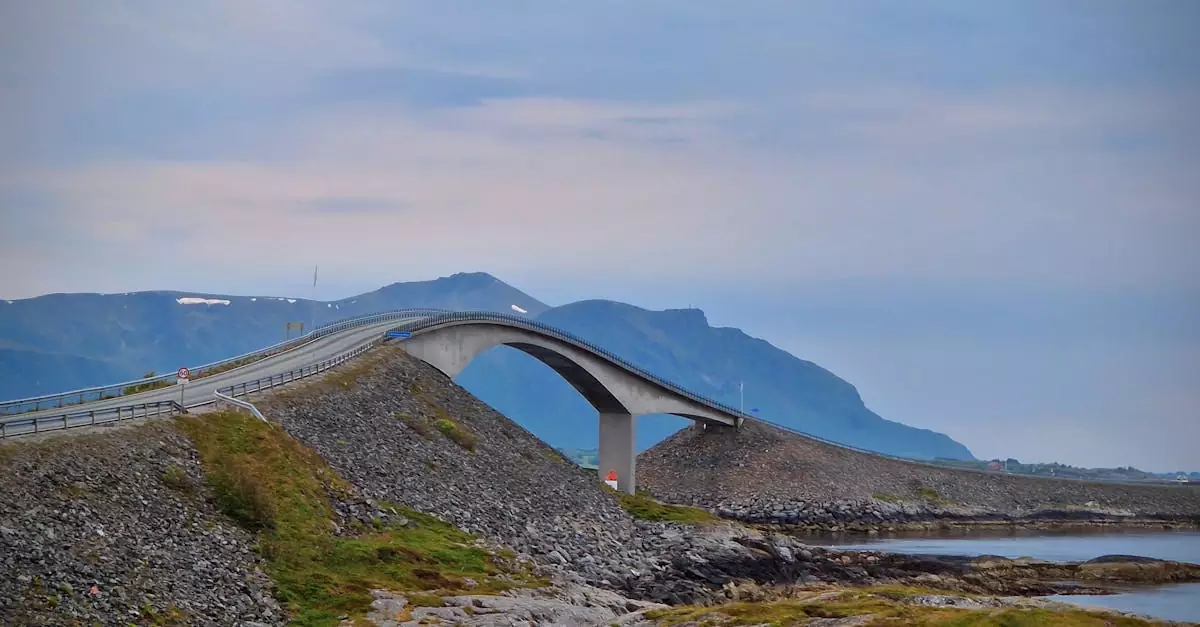
Embarking on one of the best coastal road trips in Europe requires thoughtful planning to maximize scenic beauty and minimize logistical headaches. Understanding the nuances of timing, vehicle choice, and route construction will set the stage for an unforgettable journey along Europe’s diverse shorelines.
Best Time to Drive Europe’s Coastlines: Summer vs. Shoulder Seasons
Deciding when to undertake your European coastal adventure significantly impacts the experience. Summer, from June to August, offers the warmest weather and longest daylight hours, making it ideal for beach stops and al fresco dining. However, this peak season also brings crowds to popular destinations and higher prices for accommodations and car rentals.
The shoulder seasons—April to May and September to October—often present a more balanced option. You’ll typically find pleasant weather, fewer tourists, and more competitive pricing. Coastal areas can still be vibrant, with many attractions open, while the driving experience is generally more relaxed. For instance, the Amalfi Coast in Italy is stunning in late spring or early autumn, offering fewer crowds than the height of summer. Similarly, the rugged beauty of the Wild Atlantic Way in Ireland is more accessible during these periods.
| Season | Pros | Cons | Best For |
|---|---|---|---|
| Summer (Jun-Aug) | Warmest weather, long daylight, lively atmosphere | Crowds, higher prices, busy roads | Beach lovers, families, culture seekers |
| Shoulder (Apr-May, Sep-Oct) | Pleasant weather, fewer crowds, moderate prices | Some attractions may have reduced hours, cooler evenings | Sightseers, photographers, relaxed travelers |
| Winter (Nov-Mar) | Lowest prices, solitude, dramatic scenery | Cold weather, limited daylight, many closures | Budget travelers, solitude seekers, storm watchers |
Essential Vehicle Rental Tips for European Road Trips
Securing the right vehicle is crucial for navigating Europe’s varied coastal roads. When renting a car, consider the size of your party and the type of terrain you’ll encounter. Narrow, winding roads, common in places like the Greek Islands or the Croatian coast, might make a smaller, more agile vehicle a better choice than a large SUV.
Always check the rental company’s policies regarding cross-border travel if your itinerary spans multiple countries. Ensure you have the necessary documentation, including your driver’s license and an International Driving Permit (IDP) if required for your nationality and destination. Familiarize yourself with local driving laws, such as speed limits, toll roads (vignettes or electronic payment systems), and parking regulations, which can differ significantly across Europe. Many rental agreements include basic insurance, but consider opting for additional coverage for peace of mind, especially when driving on unfamiliar or challenging routes.
Mapping Your Route: Balancing Scenic Views and Drive Time
Designing an effective itinerary involves striking a balance between soaking in breathtaking vistas and covering necessary ground. It’s easy to get carried away by the allure of every picturesque cove and charming village, but over-scheduling can lead to a rushed experience. Prioritize quality over quantity; choose a few key areas to explore deeply rather than trying to see everything superficially.
When planning, use mapping tools that offer scenic route options, but always cross-reference with estimated drive times. Factor in extra time for spontaneous stops, photo opportunities, and potential traffic delays, especially during peak season or near major cities. For example, a drive along France’s Côte d’Azur might look short on a map, but with frequent stops in towns like Èze or Saint-Tropez, it can easily consume an entire day. Consider breaking longer drives into manageable segments, perhaps with an overnight stay in a smaller coastal town to discover hidden gems. This approach ensures you enjoy the journey itself, not just the destination.
Discovering Hidden Gems Along Europe’s Shores
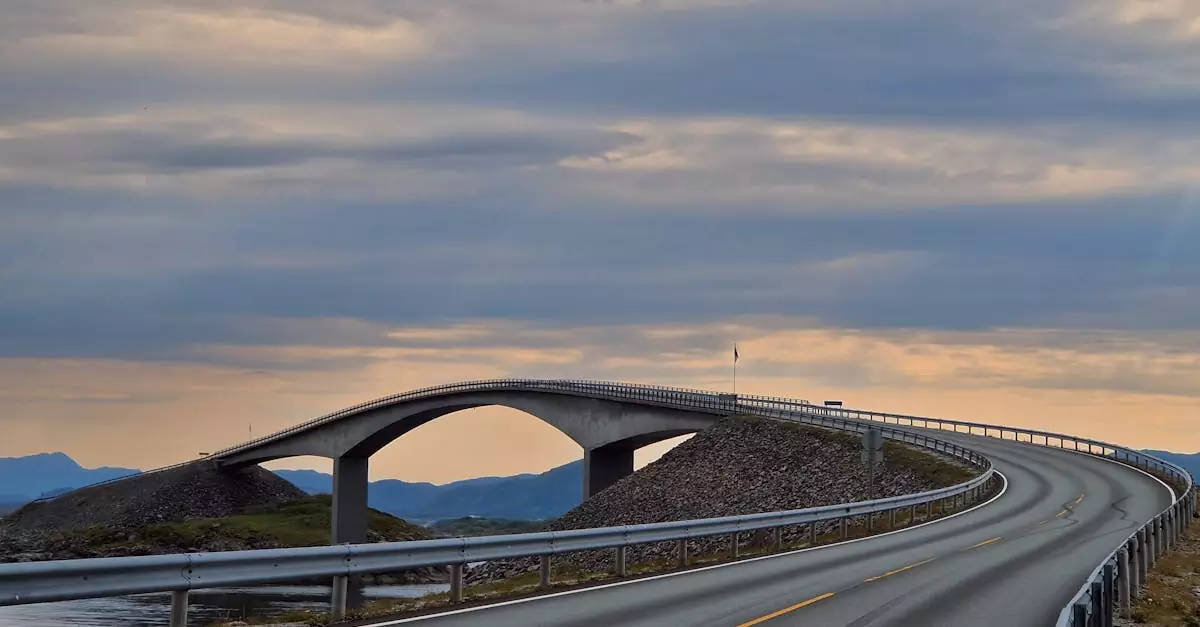
While iconic routes like the Amalfi Coast or the Great Ocean Road in Australia often dominate discussions of the best coastal road trips, Europe offers a wealth of lesser-known drives that reward travelers with authentic experiences and stunning scenery. Moving beyond the well-trodden paths allows for a more intimate connection with local culture and a chance to uncover truly special places. These routes provide opportunities to escape the crowds and find secluded beaches, charming villages, and unique cultural landmarks.
Secret Beaches of the Algarve, Portugal
The Algarve coastline is famous for its golden cliffs and popular resort towns, but venturing slightly off the main tourist trail reveals a different side of this southern Portuguese region. Instead of the bustling beaches of Albufeira, seek out the more secluded coves accessible via winding coastal paths or by boat. The area west of Sagres, particularly around Vila do Bispo, offers dramatic cliff formations and wilder beaches like Praia do Beliche and Praia da Cordoama, which are popular with surfers but less crowded with sunbathers.
Timing your visit to the Algarve is key for enjoying its beaches. Summer (June to August) brings warm weather and calm seas, but also peak crowds. For a more tranquil experience and pleasant temperatures for exploring, consider late spring (May) or early autumn (September). Accessing these hidden beaches often involves short hikes down cliffside trails, so comfortable walking shoes are essential. Parking can be limited at some smaller access points, so arriving early in the day is advisable.
Lesser-Known Villages of the French Riviera
Beyond the glitz of Cannes and Saint-Tropez, the French Riviera (Côte d’Azur) hides charming villages that retain their authentic Provençal character. Consider driving the Corniches roads east of Nice, where you can discover the medieval hilltop village of Èze, perched dramatically between the mountains and the sea. Further along, explore the artistic enclave of Saint-Paul-de-Vence, known for its galleries and cobblestone streets, or the picturesque fishing harbor of Cassis, with its stunning calanques accessible by boat or a strenuous hike.
These villages offer a more relaxed pace and a glimpse into the region’s history. While the main Riviera cities are easily accessible by train, a car is highly recommended for exploring these smaller communities and enjoying the scenic drives between them. Be prepared for narrow, winding roads in the hilltop villages, and limited parking. Visiting outside of the peak summer months (July and August) will significantly enhance the experience, allowing for more leisurely exploration of these gems.
Puglia’s Trulli Houses and Adriatic Coastline
The “heel” of Italy, Puglia, presents a unique road trip experience characterized by its distinctive trulli houses and captivating Adriatic coastline. While the popular towns of Alberobello and Ostuni are must-sees for their trulli districts, the coastal drives reveal numerous smaller fishing villages and unspoiled beaches. Explore the Salento peninsula, driving south from Brindisi, and discover towns like Otranto with its historic castle and crystal-clear waters, or the charming bay of Torre dell’Orso.
The region’s coastline offers diverse scenery, from the rugged cliffs of the Gargano promontory in the north to the sandy beaches of the Ionian Sea in the south. Driving through Puglia allows for spontaneous stops at local masseria (farmhouses) for authentic regional cuisine and wine. The best time to visit Puglia for a coastal road trip is during the shoulder seasons, April to June and September to October, when the weather is warm and pleasant, and the summer crowds have thinned. The roads are generally well-maintained, making for a comfortable driving experience.
What to Eat and Drink on a European Coastal Adventure?
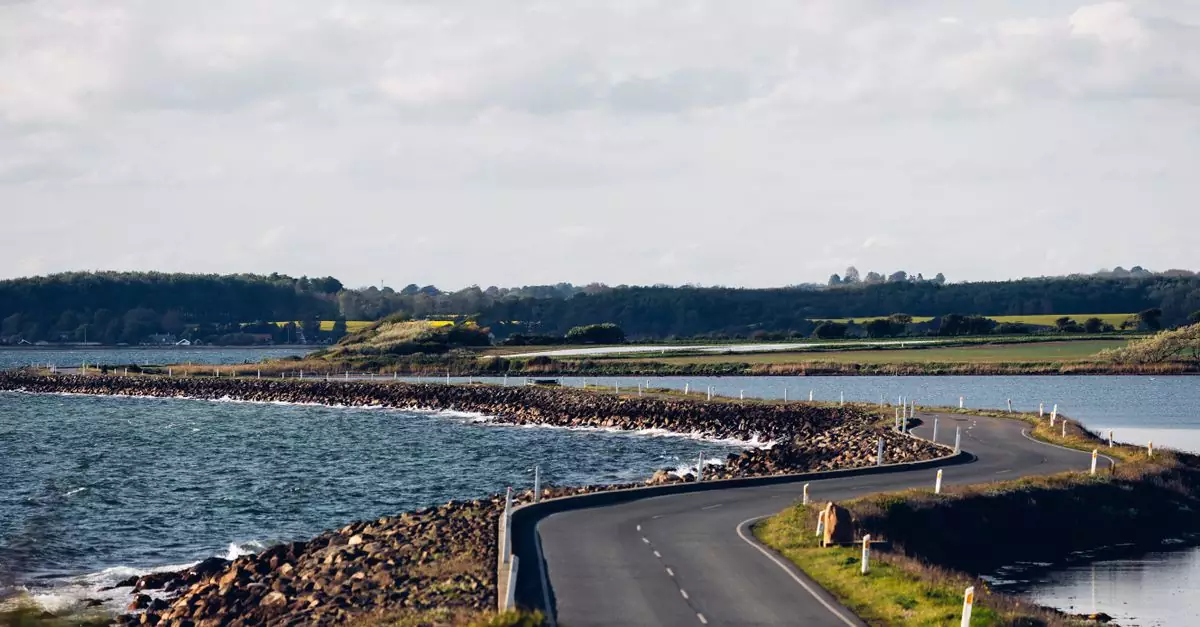
Embarking on one of the best coastal road trips in Europe means more than just stunning vistas; it’s a culinary journey. The diverse coastlines offer a feast for the senses, with local specialties reflecting centuries of maritime tradition and regional produce. From sun-drenched Mediterranean shores to rugged Atlantic routes, your taste buds are in for a treat.
Fresh Seafood Delights from the Mediterranean
The Mediterranean Sea is a treasure trove of fresh seafood, and coastal towns across countries like Italy, Greece, and Spain celebrate this bounty. Expect to find grilled octopus drizzled with olive oil and lemon, succulent prawns cooked in garlic, and a variety of freshly caught fish prepared simply to highlight their natural flavors. In coastal regions of Croatia, brodet (fish stew) is a hearty and flavorful dish not to be missed. For an authentic experience, seek out local tavernas or trattorias away from the main tourist hubs, where fishermen often bring their daily catch.
A classic Mediterranean dish to savor is fritto misto, a delightful mix of lightly fried small fish and seafood, often served with a squeeze of lemon. On the Greek islands, gavros tiganitos (fried anchovies) are a popular appetizer, best enjoyed with a cold glass of ouzo. Don’t overlook the simple pleasure of freshly shucked oysters or mussels steamed in white wine, a staple in many French coastal villages.
Regional Wines to Pair with Coastal Cuisine
Complementing the fresh seafood is a rich tapestry of regional wines, each unique to its coastal terroir. Along the French Riviera, crisp white wines like Vermentino from Corsica or a dry Rosé from Provence are perfect pairings for grilled fish and bouillabaisse. Italy boasts an incredible array of coastal wines; consider a light and zesty Vernaccia di San Gimignano from Tuscany or a mineral-driven Vermentino from Sardinia to accompany seafood pasta.
Spain’s northern coast offers Albariño from Rías Baixas, a white wine with bright acidity and subtle fruit notes that complements grilled turbot or hake. Further south, in Andalusia, a dry Sherry can be an excellent accompaniment to tapas featuring gambas al ajillo (garlic shrimp). Exploring these local vintages is an integral part of the road trip experience, offering a deeper connection to the culture and landscape. Many wineries along popular routes offer tastings, providing an enjoyable stopover.
Local Pastries and Coffee Culture by the Sea
Beyond savory dishes, coastal Europe offers delightful sweet treats and a vibrant coffee culture. In Portugal, no visit to the coast is complete without indulging in a pastel de nata, the iconic custard tart, often enjoyed with a strong espresso. Italian coastal towns are famous for their granita, a semi-frozen dessert made from sugar, water, and various flavorings like lemon or coffee, a refreshing respite on a warm afternoon.
In Greece, loukoumades (fried dough balls drizzled with honey) are a popular sweet snack, often found at seaside kiosks. Many coastal cities also boast charming cafes where locals gather. Enjoying a leisurely coffee or a glass of chilled local wine at a seaside café, watching the world go by, is a quintessential part of the European coastal road trip. This relaxed pace allows for spontaneous discoveries and memorable encounters with local life.
Navigating Coastal Road Trip Logistics: Accommodation & Budget

Planning the logistics for your European coastal adventure is key to a smooth and enjoyable journey. Understanding accommodation options and budgeting for expenses like fuel, tolls, and parking will help you maximize your experience without unexpected financial stress.
Charming Seaside Hotels and Boutique Stays
For those seeking comfort and local character, numerous charming seaside hotels and boutique stays dot the European coastlines. These establishments often offer unique architecture, personalized service, and stunning ocean views. Consider booking in advance, especially during peak season (June to August), when popular coastal towns can fill up quickly. Many offer packages that include breakfast, providing a convenient start to your day of driving. For instance, along the Amalfi Coast in Italy, you’ll find cliffside hotels with breathtaking vistas, while in Brittany, France, historic inns offer a taste of regional charm.
Budget-Friendly Guesthouses and Camping Options
Travelers on a tighter budget have plenty of excellent alternatives. Guesthouses (pensions or gîtes) provide a more intimate and often more affordable lodging experience than larger hotels. Many are family-run, offering local insights and a warm welcome. Camping is another fantastic way to immerse yourself in nature and significantly reduce accommodation costs. Europe boasts a wide network of well-maintained campsites, from basic sites with essential facilities to those offering glamping and extensive amenities. Many are located directly on or near the coast, providing direct access to beaches and scenic trails. Researching campsites in regions like the Algarve in Portugal or the Baltic coast of Germany can reveal numerous options.
Estimating Costs for Fuel, Tolls, and Parking
Budgeting for a European road trip requires factoring in several variable costs. Fuel prices fluctuate across countries, so it’s wise to check current rates before you embark. Toll roads are common on major highways in many European countries, such as France, Italy, and Spain, and can add up significantly. Consider purchasing a vignette or toll pass if available for extended travel through a specific country. Parking can also be a challenge and an expense in popular coastal towns, especially during summer. Look for accommodations that offer parking, or research public parking options in advance to avoid surprises.
Here’s a general breakdown of potential daily costs for a road trip in popular European coastal regions:
| Category | Low Budget (per day) | Mid-Range (per day) | High-End (per day) | Notes |
|---|---|---|---|---|
| Accommodation | €40 – €80 (camping/hostel) | €80 – €150 (guesthouse/budget hotel) | €150+ (boutique hotel/villa) | Prices vary significantly by season and location. |
| Fuel | €20 – €40 | €30 – €50 | €40 – €60+ | Depends on vehicle fuel efficiency and distance driven daily. |
| Tolls & Parking | €5 – €15 | €10 – €30 | €20 – €50+ | Higher in countries with extensive toll networks and busy cities. |
| Food | €30 – €50 | €50 – €80 | €80+ | Self-catering and local markets are budget-friendly. |
| Activities | €10 – €20 | €20 – €50 | €50+ | Varies greatly based on chosen excursions and attractions. |
This table provides a rough estimate; actual costs can vary based on travel style, specific destinations within Europe, and time of year. Planning your route to minimize toll roads where feasible, or opting for scenic secondary routes, can help manage expenses. Many smaller towns offer free or cheaper parking slightly away from the immediate waterfront.
Frequently Asked Questions About European Coastal Road Trips
What are the best coastal road trips in Europe for families?
For families, the Amalfi Coast in Italy offers stunning scenery and charming towns, though some roads can be narrow. Consider the Dalmatian Coast in Croatia for its numerous islands, clear waters, and historical sites, providing a good mix of relaxation and exploration. The Algarve region of Portugal is also family-friendly, with accessible beaches and family-oriented resorts. When planning, look for routes with shorter driving days and plenty of stops for swimming or sightseeing.
Are European coastal roads suitable for campervans?
Many European coastal roads are suitable for campervans, but it depends on the specific route. Popular routes like the Atlantic Road in Norway are generally well-maintained. However, some routes, such as the Amalfi Coast or certain stretches of the French Riviera, feature very narrow, winding roads and strict parking regulations that can be challenging for larger vehicles. Always check local road conditions and vehicle size restrictions before you go. Campground availability can also vary seasonally.
What are common tourist mistakes to avoid on these drives?
A common mistake is trying to cover too much ground in too little time. The allure of the best coastal road trips in Europe often leads travelers to overschedule, resulting in rushed experiences. Instead, focus on a specific region and allow ample time for spontaneous stops and relaxation. Another pitfall is underestimating parking challenges, especially in popular towns during peak season. Research parking options in advance or consider visiting smaller, less-known villages. Finally, failing to book accommodations or ferries in advance during summer can lead to disappointment.
What should I pack for a European coastal road trip?
Packing for a European coastal road trip requires versatility. Essential items include comfortable walking shoes for exploring towns and coastal paths, swimwear, and a light jacket or sweater for cooler evenings. Sunscreen, a hat, and sunglasses are crucial for sunny days. Don’t forget a good map or reliable GPS, and consider a portable charger for your devices. For driving, ensure you have your international driving permit if required, and copies of all important documents. A basic first-aid kit is also advisable.
| Item | Seasonality | Notes |
|---|---|---|
| Swimwear | Spring-Autumn | Essential for coastal exploration. |
| Light Jacket/Sweater | Year-round | Evenings can be cool. |
| Sunscreen & Hat | Spring-Autumn | Protection from strong sun. |
| Comfortable Shoes | Year-round | For walking and exploring. |
| International Driving Permit | Year-round | Check requirements for your destination. |
| Portable Charger | Year-round | Keep devices powered on the go. |