Beyond the bustling metropolises and famous coastlines, Europe offers a treasure trove of charming seaside towns waiting to be discovered. As travelers increasingly seek authentic experiences and tranquil escapes, these lesser-known gems provide a refreshing alternative to crowded tourist hotspots. This guide explores some of the best hidden seaside towns in Europe, ideal for your 2026 travel plans. You’ll discover picturesque villages with rich histories, stunning natural beauty, and unique local cultures that remain largely untouched by mass tourism. Prepare to uncover coastal havens where you can savor fresh seafood, wander through historic streets, and truly connect with the essence of European coastal life, far from the usual crowds.
Unveiling the Best Hidden Seaside Towns in Europe for 2026
Why Seek Out Europe’s Undiscovered Coastal Gems?
As 2026 approaches, many travelers are venturing beyond the well-trodden paths of Europe’s famous coastal resorts. The allure of discovering lesser-known seaside towns lies in their authenticity, quieter atmosphere, and often more affordable prices. These destinations provide an opportunity to connect with local culture, enjoy pristine natural beauty without the crowds, and create unique travel memories. Escaping the typical tourist hubs allows for a more immersive experience of European coastal life.
Defining ‘Hidden’ in Europe’s Popular Seaside Landscape
Identifying truly “hidden” seaside towns in a continent as explored as Europe requires a nuanced approach. For this guide, we consider towns that, while perhaps known to locals or regional visitors, remain off the radar for most international tourists. These places have not been heavily commercialized, retain much of their traditional character, and offer a genuine glimpse into coastal living. They are not necessarily remote but rather overlooked gems that reward those who venture slightly off the beaten track. Understanding this distinction is crucial for finding your next unforgettable European coastal escape.
The Allure of Lesser-Known European Coastal Villages
The charm of Europe’s lesser-known coastal villages is multifaceted. They often feature stunning natural scenery, from rugged cliffs and secluded coves to tranquil beaches, unmarred by mass tourism infrastructure. The pace of life is typically slower, encouraging visitors to relax and savor the moment. Expect fresh, local cuisine served in family-run tavernas and opportunities to engage with communities proud of their heritage. These villages provide a refreshing alternative to bustling cities and crowded beaches, offering a more intimate and rewarding travel experience.
Coastal Charms of the Adriatic: Croatia’s Secret Shores
Croatia’s coastline along the Adriatic Sea is renowned for its stunning beauty, but beyond the popular hubs lie quieter, more authentic seaside towns. These hidden gems offer a glimpse into traditional Mediterranean life, with charming architecture, crystal-clear waters, and delicious local cuisine. For travelers seeking the best hidden seaside towns in Europe, Croatia’s Istrian peninsula and its islands provide exceptional experiences.
Exploring Rovinj’s Venetian Architecture and Istrian Flavors
Rovinj, a picturesque town on the Istrian peninsula, captivates visitors with its tightly packed houses cascading down to the sea, all crowned by the towering bell tower of St. Euphemia’s Church. Its Venetian heritage is evident in the narrow cobblestone streets, ornate architecture, and vibrant piazzas. Wandering through the old town feels like stepping back in time, with artisan shops, small galleries, and intimate konobas (taverns) lining the winding alleys.
The culinary scene in Rovinj is a significant draw, focusing on fresh seafood and the region’s famed truffles. Istrian olive oil is exceptional, often produced locally and available for tasting. Consider visiting during the shoulder seasons of late spring or early autumn to enjoy pleasant weather and fewer crowds. Getting to Rovinj is straightforward, with Pula Airport (PUY) being the closest, followed by a scenic drive or bus journey.
Discovering the Tranquility of Vis Island’s Stiniva Cove
Vis Island, the furthest inhabited island from the Croatian mainland, retains a sense of untouched natural beauty and tranquility. Its main draw for many is Stiniva Cove, a breathtaking beach accessible by a steep, winding path or by boat. Framed by dramatic cliffs, the cove creates a secluded paradise with incredibly clear turquoise waters.
While Stiniva is the star attraction, the island itself offers much to explore, from charming fishing villages to ancient ruins. Vis Town and Komiža are the primary settlements, each presenting a distinct atmosphere. Transportation to Vis typically involves a ferry from Split, taking approximately two to three hours. Due to its remote location, Vis is an excellent choice for those looking to escape and experience a more laid-back pace of life, making it one of the best hidden seaside towns.
Why Komiža Offers an Authentic Croatian Seaside Experience
Komiža, situated on the western coast of Vis Island, is a quintessential fishing village that has preserved its authentic charm. Unlike more developed tourist destinations, Komiža retains a genuine local feel, with fishermen mending nets by the harbor and traditional stone houses clustered along the waterfront. The town’s relaxed atmosphere and stunning surroundings make it a delightful place to unwind.
Visitors can enjoy swimming in the clear waters, savoring fresh seafood at waterfront restaurants, or simply soaking in the local ambiance. The island’s history is rich, with remnants of ancient Greek and Roman settlements, and the Blue Cave on the nearby island of Biševo is a popular day trip. Komiža’s relative isolation contributes to its appeal as a tranquil escape, offering a more intimate and genuine Croatian seaside experience compared to busier mainland destinations.
| Town/Island | Region | Best For | Typical Budget (per day, mid-range) | Transportation Access |
|---|---|---|---|---|
| Rovinj | Istria | Venetian architecture, culinary experiences | €100 – €150 | Fly into Pula (PUY), then bus/car. Ferry from Venice. |
| Vis Island | Dalmatia | Natural beauty, secluded coves, tranquility | €90 – €130 | Ferry from Split (approx. 2-3 hours) |
| Komiža | Vis Island | Authentic fishing village, relaxed atmosphere | €85 – €125 | Ferry to Vis Town, then bus or taxi to Komiža |
Atlantic Breezes: Portugal’s Untouched Fishing Villages
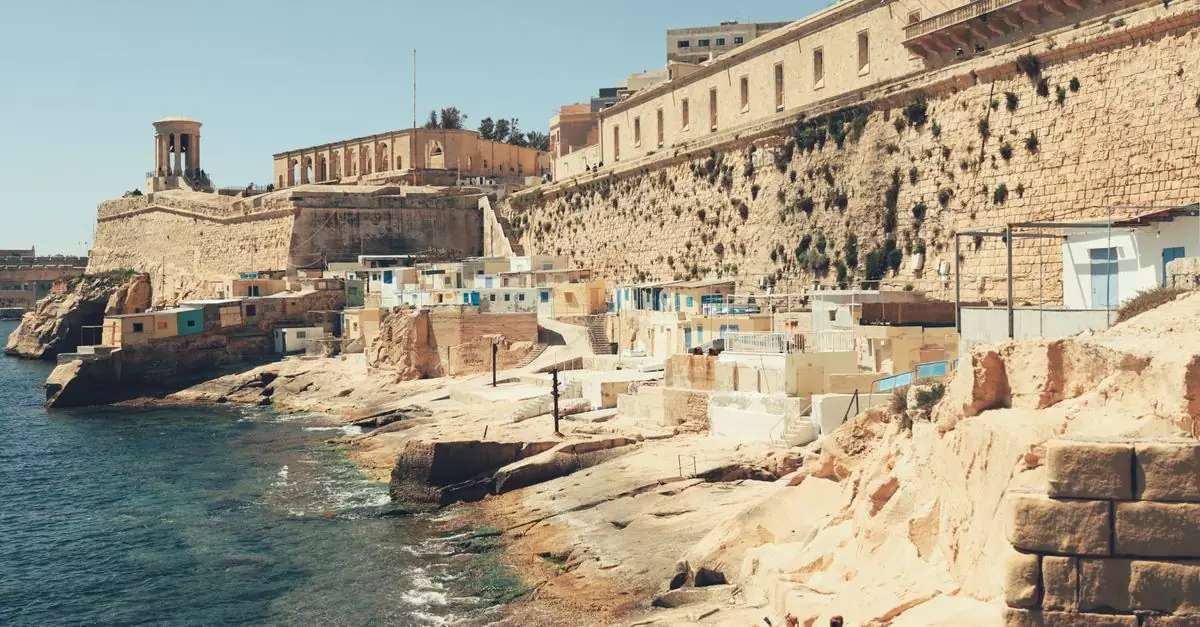
Portugal’s coastline offers a compelling alternative to more crowded European destinations, with a wealth of charming fishing villages and seaside towns that retain their authentic character. These spots provide a slower pace of life, stunning natural beauty, and some of the freshest seafood you’ll find. For travelers seeking the best hidden seaside towns in Europe, Portugal’s Atlantic coast delivers.
A Day Trip to Azenhas do Mar: Cliffside Beauty Near Sintra
Just a short drive from the historic palaces of Sintra lies Azenhas do Mar, a picturesque village clinging to dramatic cliffs overlooking the Atlantic. Its whitewashed houses cascade down towards a small, natural tidal pool, creating a postcard-perfect scene. The village is easily accessible as a day trip from Lisbon or Sintra, making it a convenient escape for those exploring Portugal’s cultural heartland.
Getting to Azenhas do Mar typically involves a car or a combination of train and bus. From Sintra train station, local bus routes can take you directly to the village. The journey offers glimpses of the rugged coastline, building anticipation for the views that await. Once there, a stroll down to the ocean is a must, where you can watch the waves crash against the rocks and enjoy the salty air. The village has a few restaurants offering fresh catches with spectacular ocean vistas.
The Unspoiled Beaches and Seafood of Ericeira
Ericeira stands out as a UNESCO World Surfing Reserve, but its appeal extends far beyond the waves. This vibrant fishing town boasts a collection of beautiful beaches and a culinary scene deeply rooted in its maritime heritage. It’s a place where you can experience both active pursuits and relaxed seaside living.
The town center is a labyrinth of narrow, cobbled streets lined with traditional blue and white buildings. Local fish markets are a hub of activity, showcasing the day’s catch. For beach lovers, Praia dos Pescadores (Fishermen’s Beach) is conveniently located in town, while Praia do Sul offers more expansive shores. Ericeira is a fantastic base for exploring other coastal areas, and its proximity to Lisbon makes it an accessible choice for a longer stay or a dedicated beach holiday.
Getting to Ericeira:
| Transportation | Estimated Travel Time (from Lisbon) | Cost Range (EUR) | Notes |
|---|---|---|---|
| Bus | 1 hour 15 minutes | 5-10 | Frequent departures from Campo Grande bus station. |
| Car | 45 minutes | N/A | Parking can be challenging in peak season. |
| Ride-sharing | 45 minutes | 30-50 | Convenient but more expensive. |
Why Tavira in the Algarve is a Hidden Coastal Paradise
While the Algarve is known for its bustling resorts, Tavira offers a more tranquil and authentic experience. Situated on the Gilão River, just a short ferry ride from the stunning Ilha de Tavira, this charming town provides a perfect blend of history, natural beauty, and a relaxed atmosphere. It represents one of the best hidden seaside towns in southern Europe.
Tavira’s historic center is a delight to wander, featuring Roman bridges, numerous churches, and a Moorish castle. The real magic lies across the river on Ilha de Tavira, a long, sandy island with pristine beaches that stretch for miles. Access is via a short and inexpensive ferry ride from the town’s waterfront. The island feels a world away from the mainland, offering a serene beach escape with clear waters and soft sand.
Accommodations in Tavira range from boutique hotels in historic buildings to comfortable guesthouses and apartments. The town is well-connected by train, making it easy to reach without a car, though renting one offers flexibility for exploring the wider Algarve region. Tavira provides a more authentic taste of coastal Portugal, far from the more commercialized tourist hubs.
Mediterranean Magic: Greece’s Secluded Island Havens
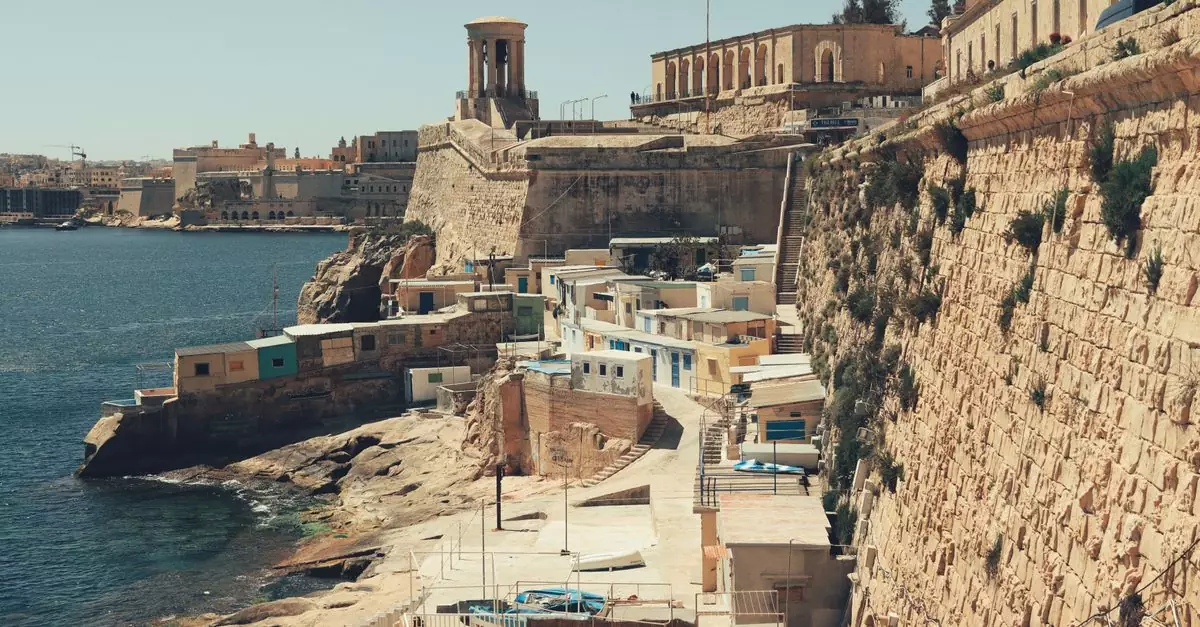
Greece offers a wealth of charming coastal villages, many of which remain blissfully untouched by mass tourism. For travelers seeking authentic experiences and breathtaking scenery away from the crowds, these hidden gems provide an unforgettable escape. Imagine whitewashed villages clinging to cliffs, turquoise waters lapping at secluded coves, and the scent of wild herbs in the air.
Finding Peace on Folegandros: Chora and its Dramatic Views
Folegandros, a rugged Cycladic island, stands out for its dramatic landscapes and captivating main town, Chora. Perched on a cliff edge, Chora offers panoramic views of the Aegean Sea that are simply unparalleled. Unlike its more famous neighbors, Folegandros retains a tranquil atmosphere, making it one of the best hidden seaside towns in Europe for those prioritizing serenity.
Wander through Chora’s labyrinthine alleys, where bougainvillea spills over whitewashed walls and small squares invite lingering over coffee. The Kastro, the oldest part of Chora, is a medieval settlement with a unique charm. Evenings here are magical, with locals and visitors gathering in the central squares to enjoy simple, delicious Greek cuisine. Reaching Folegandros typically involves a ferry from Athens or nearby islands like Santorini, requiring a bit more planning but rewarding travelers with a genuine sense of discovery.
Exploring the Blue Caves and Crystal Waters of Zakynthos’s Northern Coast
While the southern part of Zakynthos is known for its popular Navagio Beach, the island’s northern coast harbors quieter, equally stunning seaside locations. Towns like Agios Nikolaos serve as gateways to some of the most pristine waters in the Ionian Sea. This region is renowned for its sea caves, particularly the Blue Caves, where sunlight refracts to create an ethereal blue glow.
Boat trips from Agios Nikolaos offer intimate access to these natural wonders and secluded coves ideal for swimming and snorkeling. The crystal-clear water reveals vibrant marine life, making it a delight for underwater enthusiasts. Accommodations here tend to be smaller guesthouses and villas, providing a more personal touch than larger resorts found elsewhere on the island. The journey to this part of Zakynthos often involves a ferry from mainland Greece to Zante Town, followed by a scenic drive north.
Why Symi Island Captures the Essence of a Greek Hidden Gem
Symi, a Dodecanese island near Rhodes, is a visual masterpiece that feels like stepping back in time. Its main port, Gialos, is a stunning amphitheater of colorful neoclassical mansions cascading down to the harbor. This unique architecture, a legacy of the island’s prosperous sponge-diving past, sets Symi apart from the typical whitewashed villages of other Greek islands. It truly embodies the spirit of a best hidden seaside town in Europe.
Beyond the picturesque harbor, Symi offers quiet beaches accessible by boat or a scenic hike. Agios Georgios Dysalonas, with its towering cliffs, and Nanou Bay are particularly beautiful. The island’s interior is dotted with monasteries and hiking trails, offering a deeper connection to its history and natural beauty. Ferries connect Symi to Rhodes and other Dodecanese islands, making it a feasible addition to a broader Greek island itinerary. The island’s charm lies in its preserved elegance and tranquil pace of life.
Northern European Escapes: Denmark’s Charming Coastal Retreats
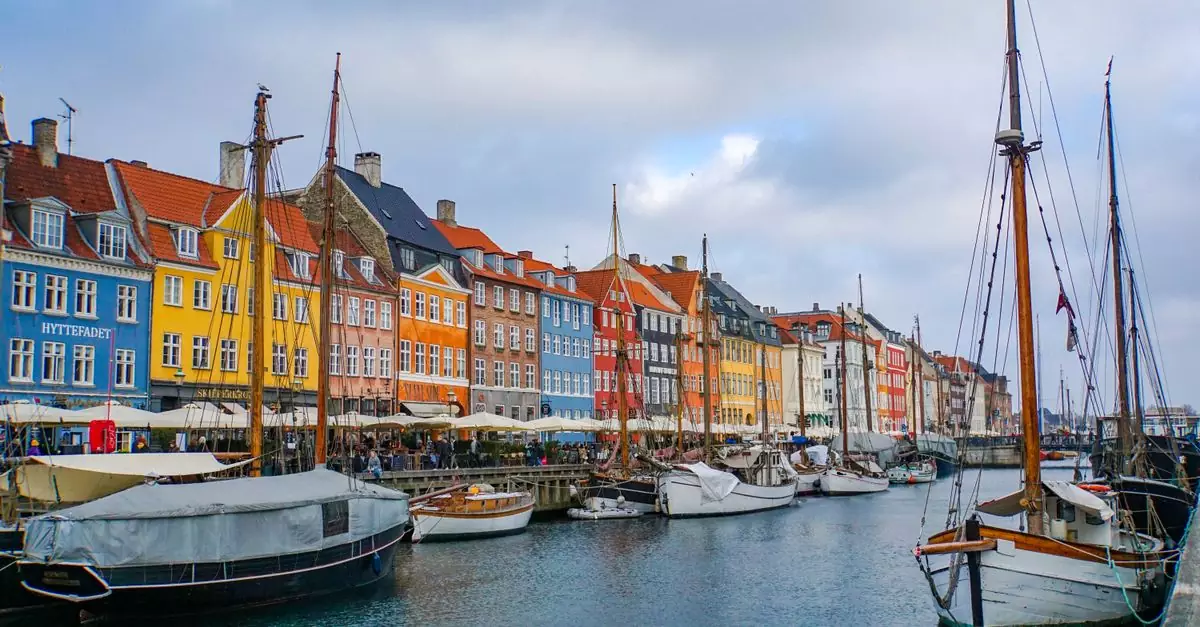
Denmark’s coastline presents a refreshing alternative to crowded Mediterranean shores, offering a collection of serene seaside towns that feel worlds away from the usual tourist trails. These northern retreats boast dramatic landscapes, unique architectural styles, and a distinctly relaxed pace of life. For travelers seeking the best hidden seaside towns in Europe that blend natural beauty with cultural charm, Denmark provides a compelling option.
Biking Through the Picturesque Streets of Skagen
Skagen, Denmark’s northernmost town, is a haven for art lovers and nature enthusiasts alike. This picturesque locale, where the Baltic and North Seas famously meet at the Grenen spit, has long drawn artists with its unique light and rugged scenery. Renting a bicycle is the quintessential way to experience Skagen. Cycle along sandy paths, past iconic yellow-washed houses with red tile roofs, and discover hidden beaches.
The town center features a charming harbor, independent boutiques, and galleries showcasing works by the Skagen Painters. Don’t miss the chance to visit the Skagen Museum or the Ancher House, offering insights into the town’s artistic heritage. For a culinary experience, fresh seafood is a must-try, often served with a view of the bustling fishing boats.
- Getting there: Train from Aalborg or Copenhagen to Frederikshavn, then a local train or bus to Skagen.
- Best time to visit: June to August for warmer weather and longer daylight hours. May and September offer fewer crowds.
- Accommodation: Guesthouses, small hotels, and rental cottages are plentiful.
Experiencing the Wild Coast of Løkken and its Turf-Roofed Houses
Further south along the Jutland coast, Løkken presents a different, yet equally captivating, seaside atmosphere. Known for its wide, sandy beach and dramatic cliffs, Løkken retains a strong connection to its fishing heritage. The most striking feature of this town is its collection of historic turf-roofed houses, a testament to traditional Danish coastal architecture. These charming, grass-covered homes offer a unique visual appeal and a glimpse into the past.
Løkken’s beach is vast and often windswept, making it popular for kite surfing and long, invigorating walks. During the summer months, the beach is dotted with white wooden bathing boxes, a classic sight on Danish shores. The town itself is small but vibrant, with a pedestrian-friendly main street offering local shops and ice cream parlors. It’s a place where the raw power of nature meets a cozy, welcoming community.
- Logistics: Løkken is accessible by bus from Aalborg. Driving offers more flexibility for exploring the surrounding coastline.
- Budget: Generally more affordable than Skagen, with a range of self-catering options and budget-friendly eateries.
- Activities: Beachcombing, swimming (weather permitting), exploring the turf-roofed houses, and enjoying local seafood.
Why Bornholm Offers a Unique Baltic Seaside Adventure
For a truly distinct Danish island experience, Bornholm stands out. This rugged island in the Baltic Sea is known for its dramatic cliffs, ancient forests, and picturesque fishing villages. Unlike the western coast, Bornholm’s shores are characterized by granite formations and a more dramatic, windswept beauty. Its unique geological makeup has fostered a distinct local culture and a surprising variety of landscapes for its size.
Bornholm is renowned for charming villages like Gudhjem, famous for its cliffside setting and smoked herring, and Svaneke, a beautifully preserved medieval town. The island’s interior offers opportunities for hiking and cycling through dense forests and across rolling hills. The island’s strategic location has also left it with a rich history, evident in its well-preserved medieval fortresses and round churches, a unique architectural feature found nowhere else.
When considering the best hidden seaside towns in Europe, Bornholm offers a blend of natural splendor, historical depth, and a slower pace of life that is increasingly rare. It’s an ideal destination for those looking to escape the mainland hustle and immerse themselves in a tranquil, yet captivating, island environment.
| Feature | Skagen | Løkken | Bornholm (e.g., Gudhjem) |
|---|---|---|---|
| Scenery | Sandy beaches, sea meeting point | Wide sandy beach, cliffs | Granite cliffs, rocky shores, forests |
| Vibe | Artistic, cultural, natural | Relaxed, traditional fishing village | Rugged, historic, island charm |
| Key Attraction | Grenen spit, art museums | Turf-roofed houses, beach | Round churches, fishing villages |
| Accessibility | Good train connections | Bus from Aalborg | Ferry from mainland Denmark |
| Best For | Art lovers, nature walkers | Beachgoers, families | Hikers, history buffs, island explorers |
Frequently Asked Questions About Europe’s Hidden Seaside Towns
What is the best time of year to visit these hidden seaside towns?
The shoulder seasons, spring (April to June) and autumn (September to October), offer the most pleasant experiences for visiting Europe’s best hidden seaside towns. During these months, you’ll typically find milder weather, fewer crowds, and more affordable prices for accommodations and flights. Summer (July and August) is peak season, meaning warmer temperatures but also larger tourist numbers and higher costs. Winter can be quiet and atmospheric, but many businesses may have reduced hours or be closed.
How can I travel between these lesser-known coastal destinations?
Navigating between these less-trafficked coastal gems often requires a combination of transport methods. Trains are an excellent option for reaching larger coastal hubs, from where you might switch to regional buses or ferries. Renting a car provides the most flexibility, especially for reaching more secluded villages. Ferry services connect many islands and coastal regions, offering scenic journeys.
Here’s a look at common transport options:
| Transport Method | Pros | Cons | Best For |
|---|---|---|---|
| Trains | Efficient, scenic, eco-friendly | Limited access to very remote locations | Traveling between major coastal cities |
| Rental Car | Flexibility, access to secluded spots | Parking can be challenging, tolls | Road trips, exploring rural coastlines |
| Buses | Affordable, reaches smaller towns | Slower, less comfortable | Budget travelers, local connections |
| Ferries | Scenic, connects islands/coastlines | Weather dependent, seasonal schedules | Island hopping, coastal exploration |
Are these towns suitable for budget travelers or families?
Many hidden seaside towns in Europe are surprisingly well-suited for budget travelers and families, provided you plan strategically. Opting for self-catering accommodations like apartments or guesthouses can significantly reduce costs compared to hotels. Eating at local tavernas or bakeries instead of tourist-focused restaurants also saves money. Families will appreciate the often calmer atmosphere, child-friendly beaches, and opportunities for outdoor activities like swimming and exploring. Some towns may have limited accessibility for strollers due to cobblestone streets or steep inclines.
What are some common tourist mistakes to avoid in these areas?
A common pitfall is arriving during peak summer without booking accommodations or transportation in advance, leading to inflated prices and limited availability. Another mistake is assuming all these towns have extensive tourist infrastructure; research local amenities beforehand. Overlooking the importance of learning a few basic phrases in the local language can hinder authentic interactions. Finally, avoid treating these charming locations like major tourist hubs; embrace their slower pace and unique local culture for a more rewarding visit.