Europe is a continent rich in history, culture, and diverse landscapes, making it an ideal destination for backpackers. For those eager to explore its wonders without overspending, mastering the best backpacking routes in Europe is essential for crafting an unforgettable journey. This guide will help you plan an efficient and budget-friendly itinerary, whether you’re drawn to ancient ruins, vibrant cityscapes, or stunning natural scenery.
You’ll find curated route suggestions that balance iconic must-sees with hidden gems, along with practical advice on transportation, accommodation, and dining to enhance your adventure. From navigating bustling capitals to island-hopping along picturesque coastlines, we ensure your trip is both enriching and affordable. Prepare for an incredible European exploration tailored for the savvy backpacker.
Top 5 Backpacking Routes for Budget Travelers in Europe
Europe’s incredible diversity of landscapes, cultures, and historical sites makes it a prime destination for backpackers. For those on a tight budget, strategic route planning can unlock a wealth of experiences without breaking the bank. Focusing on regions with lower living costs and efficient public transport networks is crucial for maximizing your adventure. These routes are crafted to deliver a rich travel experience, from iconic capital cities to breathtaking natural beauty, all while being mindful of your budget.
The Classic Western Europe Loop: Paris to Amsterdam
This route provides a glimpse into some of Europe’s most cherished cities, manageable on a budget with careful planning. Starting in Paris, you’ll find affordable hostels and enjoy free attractions like strolling along the Seine or picnicking in Luxembourg Gardens. The train journey from Paris to Brussels is brief, and Brussels itself is a budget-friendly stop with its impressive Grand Place and delicious, inexpensive waffles.
Next, continue to Amsterdam. While it can be pricey, opting for hostels outside the city center and utilizing the excellent public transport or bike rentals can help save money. Visiting during the shoulder seasons (spring or autumn) can also help you avoid peak summer prices and crowds.
Transportation Options:
- Trains: High-speed rail connects these major cities, offering scenic views and efficient travel. Booking in advance is crucial for the best prices.
- Buses: Companies like FlixBus provide significantly cheaper alternatives, though journeys may be longer.
- Local Transport: Metro and tram systems are excellent within cities.
The Balkan Adventure: Croatia to Montenegro
The Balkan Peninsula is one of Europe’s most affordable and rewarding backpacking regions. This route typically begins in Croatia, starting in the vibrant city of Split, known for Diocletian’s Palace. From Split, you can island-hop to places like Hvar or Brač, prioritizing cheaper islands or shorter stays.
Moving south, the journey continues to Montenegro, renowned for its dramatic coastlines and mountains. Kotor, with its stunning bay and medieval old town, is a must-see. Budva offers beaches and a lively atmosphere. Bus travel is the most common and economical way to navigate between these locations.
Budget Considerations:
- Accommodation: Hostels and guesthouses are widely available and affordable.
- Food: Local markets and small eateries provide delicious, inexpensive meals.
- Activities: Many natural attractions, like beaches and hiking trails, are free.
The Iberian Peninsula Explorer: Spain and Portugal
Spain and Portugal offer a fantastic blend of culture, history, and beautiful coastlines, with Portugal generally being more budget-friendly. Start in Lisbon, Portugal’s hilly capital, where you can enjoy Fado music, explore historic neighborhoods like Alfama, and savor delicious pastries for little cost. From Lisbon, take a bus or train to Porto, famous for its port wine and picturesque Ribeira district.
Crossing into Spain, consider Seville in Andalusia for its Moorish architecture and vibrant flamenco scene. While cities like Barcelona and Madrid can be more expensive, focusing on free walking tours, enjoying tapas (often free with drinks), and utilizing budget accommodation can help keep costs down.
Traveler Tip: Embrace the tapas culture in Spain. Ordering a few drinks can lead to a surprisingly filling and affordable meal.
The Eastern European Discovery: Prague to Budapest
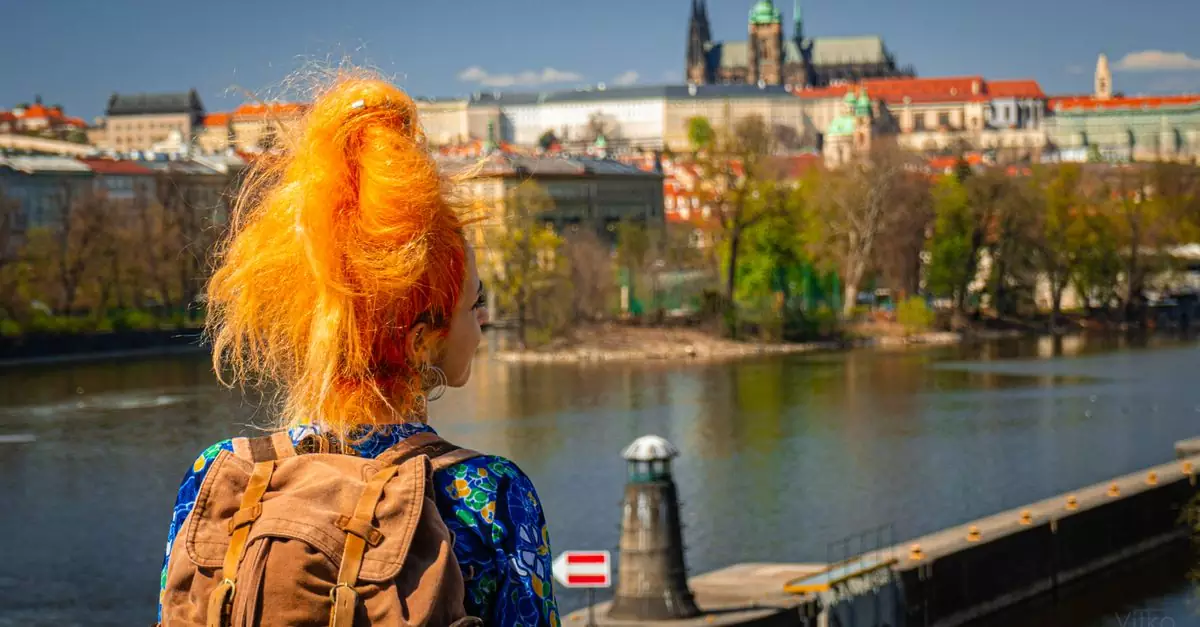
This route is celebrated for its historical grandeur, affordability, and ease of travel. Start in Prague, Czech Republic, with its fairytale castle and charming Old Town Square. Hostels are plentiful and offer a social atmosphere. Enjoy hearty, inexpensive Czech cuisine and world-famous beer.
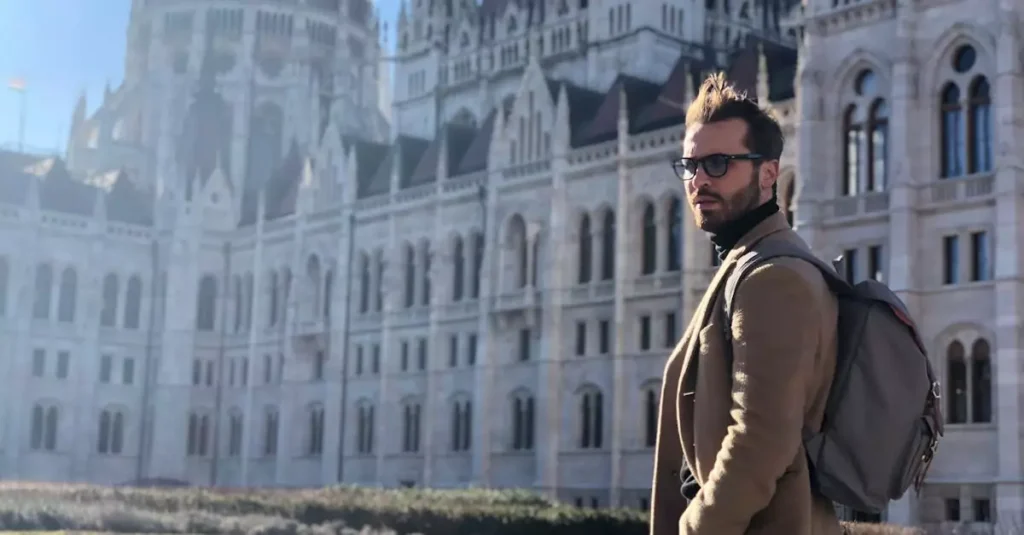
From Prague, a comfortable train or bus ride takes you to Vienna, Austria, a more upscale stop. While Vienna can be pricier, focusing on its imperial architecture, free parks, and enjoying a single Sachertorte at a traditional café can be a worthwhile splurge. Continue to Budapest, Hungary, often called the “Pearl of the Danube.” Budapest offers incredible value, with thermal baths, ruin bars, and stunning views of the grand Parliament building accessible on a backpacker’s budget.
Cost Comparison:
| City | Estimated Daily Budget (Hostel, Food, Local Transport) | Notes |
|---|---|---|
| Prague | €40-€60 | Beer is cheaper than water! |
| Vienna | €60-€90 | Can be managed with careful choices. |
| Budapest | €35-€55 | Excellent value for money. |
The Alpine & Adriatic Trail: Switzerland to Slovenia
This route presents a stunning contrast between the majestic Alps and the serene Adriatic coast. While Switzerland is notoriously expensive, it can be a starting point for a few days of breathtaking scenery before heading to more affordable neighbors. Consider a brief stop in Interlaken for adventure sports and mountain views, but plan to move on quickly to save money.
The journey leads to Slovenia, a gem offering diverse landscapes. Lake Bled, with its island church, is a postcard-perfect destination. Ljubljana, the capital, is a charming, green city easily explored on foot. Continue south to the Slovenian coast, where towns like Piran offer a taste of the Adriatic at a fraction of Italian or Croatian prices.
Logistics:
- Switzerland: Focus on hiking and scenic train rides to enjoy the landscape without excessive spending.
- Slovenia: Buses efficiently connect major towns and attractions. Consider purchasing a Slovenia Card if visiting multiple attractions.
- Best Time to Visit: Late spring to early autumn offers pleasant weather for both mountain and coastal activities.
Crafting Your Perfect European Backpacking Itinerary
Planning the best backpacking routes in Europe requires a thoughtful approach, balancing iconic sights with authentic local experiences. It’s about creating a journey that aligns with your interests, budget, and available time. A well-crafted itinerary ensures you see the highlights without feeling rushed, allowing for spontaneous discoveries along the way.
Balancing Major Cities with Lesser-Known Towns
While it’s tempting to visit every major European capital, a truly memorable trip often involves venturing beyond well-trodden paths. Cities like Paris, Rome, and Berlin offer incredible history, culture, and nightlife, but they can also be crowded and costly. Consider interspersing these hubs with visits to smaller towns or regions that showcase a different facet of European life.
For instance, after experiencing the grandeur of Vienna, you might head to the Wachau Valley for its picturesque vineyards and charming villages. Similarly, a trip to Barcelona could be complemented by exploring the quieter coastal towns of Costa Brava. This approach not only provides a more diverse travel experience but can also be more budget-friendly, as smaller destinations often have lower accommodation and food costs.
Allocating Time for Each Destination: A Sample 4-Week Plan
Deciding how long to spend in each place is crucial for a balanced trip. A common mistake is trying to cram too much into a short period, leading to exhaustion and superficial engagement with each location. For a four-week European backpacking adventure, a good strategy is to allocate 2-4 days for major cities and 1-2 days for smaller towns or specific attractions.
Here’s a sample itinerary to illustrate:
| Week | Region | Destinations | Duration | Focus |
|---|---|---|---|---|
| 1 | Central Europe | Berlin, Prague, Vienna | 7 days | History, Imperial architecture, Nightlife |
| 2 | Eastern Europe | Budapest, Krakow | 7 days | Thermal baths, WWII history, Vibrant culture |
| 3 | Italy | Florence, Rome | 7 days | Renaissance art, Ancient ruins, Culinary delights |
| 4 | France | Paris, Loire Valley (day trip) | 7 days | Iconic landmarks, Art museums, Romantic ambiance |
This plan allows for travel days between locations, typically taking half a day. Utilizing overnight trains or budget flights can maximize your time on the ground. Always factor in travel time when mapping out your route.
Incorporating Unique Cultural Experiences on Your Route
The true magic of backpacking in Europe lies in immersing yourself in its diverse cultures. Beyond visiting museums and historical sites, seek out experiences that connect you with local life. This could mean attending a traditional festival, taking a cooking class, or simply spending an afternoon in a local café observing daily routines.
In Spain, for example, attending a flamenco show in Andalusia offers a passionate glimpse into the region’s artistic heritage. In Ireland, visiting a traditional pub for live music provides an authentic social experience. When planning your route, research local events happening during your visit. Websites for regional tourism boards or Wikipedia’s overview of Europe can be good starting points for discovering what’s on. These authentic encounters transform a sightseeing tour into a genuine cultural exchange, enriching your understanding of the continent.
Navigating Europe: Transportation for Backpackers
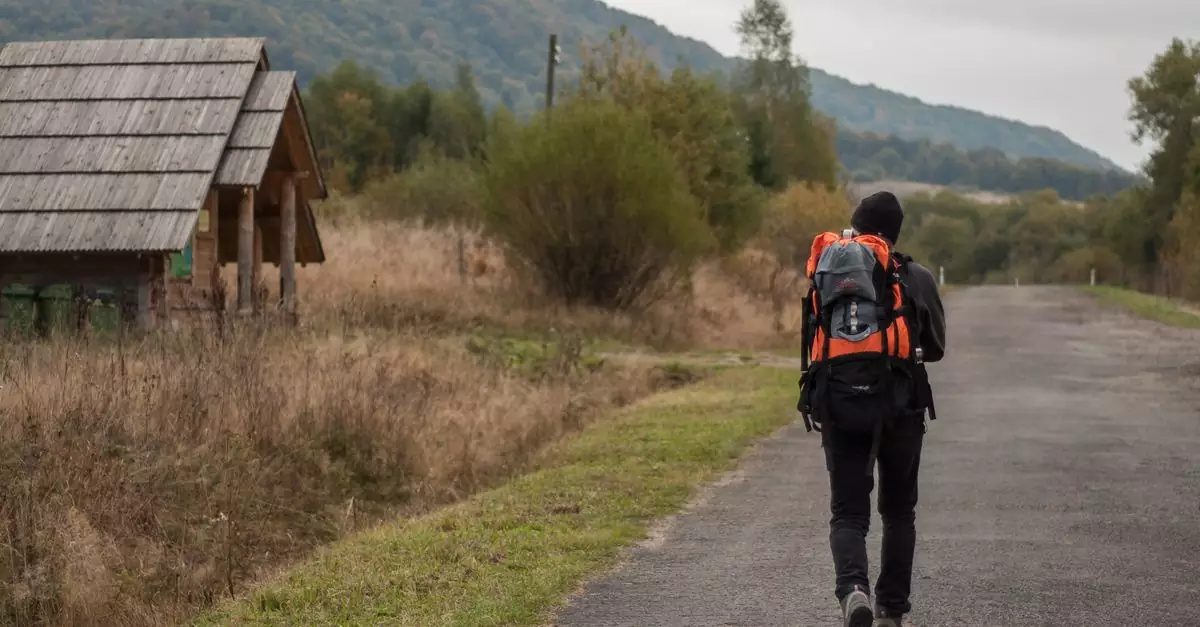
When planning your European adventure, understanding the best ways to get around is essential for managing both your time and budget. Europe offers a diverse range of transportation options, from efficient rail networks to affordable bus services and budget airlines. Choosing the right mode of transport can significantly impact your experience, allowing you to see more of the continent without overspending. This section breaks down the most popular and practical ways backpackers navigate this vast and varied region.
Train Travel vs. Budget Flights: Pros and Cons
Europe’s extensive rail network is a backpacker’s dream, offering scenic routes and city-center arrivals. High-speed trains connect major capitals like Paris, Berlin, and Rome in just a few hours, providing a comfortable and often picturesque way to travel. Rail passes, such as those offered by Interrail (for European residents) or Eurail (for non-European residents), can be cost-effective if you plan on taking many journeys over a set period. However, train tickets booked last minute or for popular routes can be expensive, and travel times can be longer than flying for distant destinations.
Budget airlines, on the other hand, offer incredibly cheap fares for flights across the continent, especially when booked in advance. Carriers like Ryanair, EasyJet, and Wizz Air have made it possible to hop between countries for less than the cost of a train ticket. The trade-off is often the inconvenience of airport locations, which are frequently outside city centers, requiring additional time and money for transfers. Baggage restrictions and fees can also add up, negating initial savings. For shorter distances, train travel usually wins for convenience and environmental impact. For longer hauls where time is a factor, budget flights are often the most economical choice.
| Feature | Train Travel | Budget Flights |
|---|---|---|
| Cost | Variable; can be high if booked last minute | Often very low if booked in advance; fees apply |
| Convenience | City-center to city-center; scenic | Airport transfers needed; potential delays |
| Speed | Slower for long distances | Faster for long distances |
| Baggage | Generally more generous | Strict limits and fees |
| Environmental | More sustainable | Higher carbon footprint |
| Best For | Shorter distances, scenic routes, frequent stops | Long distances, time-sensitive travel |
Utilizing Bus Networks for Affordable Journeys
For the truly budget-conscious traveler, bus networks across Europe offer unparalleled affordability. Companies like FlixBus operate extensive routes connecting hundreds of cities and towns, often at prices significantly lower than trains or flights. Overnight buses are popular among backpackers, allowing you to save on accommodation costs while covering long distances. While bus journeys can be longer and less comfortable than train travel, modern coaches typically come equipped with Wi-Fi, power outlets, and reclining seats, enhancing the experience.
Booking bus tickets in advance is highly recommended, especially for popular routes or during peak travel seasons, to secure the best prices and ensure availability. Many bus stations are conveniently located near city centers, simplifying onward travel. This mode of transport is particularly excellent for exploring Eastern Europe, where train connections might be less developed or more time-consuming. When considering the best backpacking routes in Europe, factoring in the extensive bus network is key to keeping costs down.
Local Transport Tips in Major European Cities
Once you arrive in a major European city, navigating within it is usually straightforward and affordable. Most large cities have well-developed public transportation systems, including metros, trams, and buses. Purchasing day passes or multi-day travel cards can be significantly cheaper than buying individual tickets, especially if you plan on moving around frequently. Look into contactless payment options or reloadable travel cards, which are becoming increasingly common.
Walking is often the best way to truly experience a city, allowing you to stumble upon hidden gems and soak in the local atmosphere. Many European city centers are compact and pedestrian-friendly. For longer distances within a city or when carrying heavy luggage, consider ride-sharing apps or local taxi services, though these will be more expensive. Researching the local public transport system before you arrive can save you time and money, helping you make the most of your urban explorations. For instance, in cities like Amsterdam, cycling is a popular and efficient way to get around.
Budgeting for Your European Backpacking Adventure
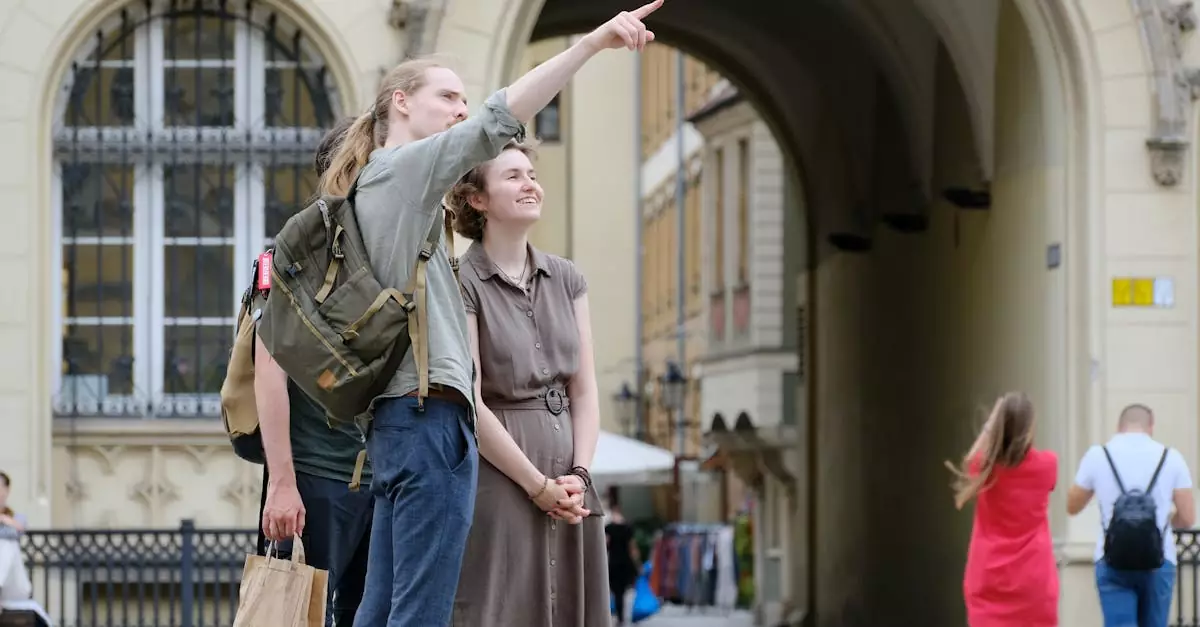
Planning your finances is a crucial step for any backpacking trip across Europe. While it’s possible to experience the continent on a shoestring, understanding average costs will help you set realistic expectations and allocate your funds effectively. The best backpacking routes in Europe can vary significantly in price depending on your chosen destinations and travel style.
Average Daily Costs for Backpacking in Different European Regions
The cost of travel in Europe isn’t uniform. Western and Northern European countries generally have higher daily expenses than their Eastern and Southern counterparts. For instance, you might expect to spend between €70-€100 per day in Scandinavia or Switzerland, covering accommodation, food, transport, and activities. In contrast, countries like Portugal, Spain, or the Czech Republic can often be explored for €40-€60 per day, allowing your budget to stretch further.
These figures are estimates and can fluctuate based on the season, your spending habits, and whether you opt for budget-friendly or more comfortable options. Traveling during the shoulder seasons (spring and autumn) often presents a good balance between pleasant weather and lower prices compared to the peak summer months.
| Region | Estimated Daily Budget (EUR) | Notes |
|---|---|---|
| Western Europe | €60 – €90 | Includes France, Germany, UK, Netherlands |
| Northern Europe | €75 – €110 | Includes Scandinavia, Iceland |
| Southern Europe | €45 – €70 | Includes Spain, Italy, Greece, Portugal |
| Eastern Europe | €35 – €55 | Includes Czech Republic, Hungary, Poland |
| Balkan Region | €30 – €50 | Includes Croatia, Slovenia, Bulgaria |
Saving Money on Accommodation: Hostels vs. Guesthouses
Accommodation is often the largest single expense for backpackers. Hostels remain the cornerstone of budget travel, offering dorm beds for as little as €15-€30 per night in many popular cities. Beyond just a place to sleep, hostels provide social hubs, often with communal kitchens, common areas, and organized activities, which can save you money on both food and entertainment.
Guesthouses or budget hotels can offer more privacy but typically come at a higher price point, often starting from €50-€80 per night for a private room. While they might lack the social atmosphere of hostels, they can be a good option for couples or small groups seeking a bit more comfort. Booking in advance, especially during peak season, is essential for securing the best prices and availability, whether you’re choosing a lively hostel or a quiet guesthouse.
Eating Like a Local: Affordable Food and Drink Options
Dining out for every meal can quickly deplete your funds. Embracing local markets and supermarkets is a smart strategy for keeping food costs down. Many hostels offer kitchen facilities, allowing you to prepare your own breakfasts, pack lunches, and cook simple dinners. This is by far the most effective way to manage your daily food budget.
Seek out local bakeries for affordable pastries and sandwiches, and explore street food options for quick, inexpensive meals. In many European cities, you can find delicious and filling meals from street vendors for under €10. Look for “menu del día” (set lunch menus) in Spain or similar local lunch specials in other countries; these often provide a multi-course meal at a fraction of the dinner price. Tap water is generally safe to drink across most of Europe, so carrying a reusable water bottle will save you money and reduce plastic waste.
Essential Packing and Safety Tips for Backpackers
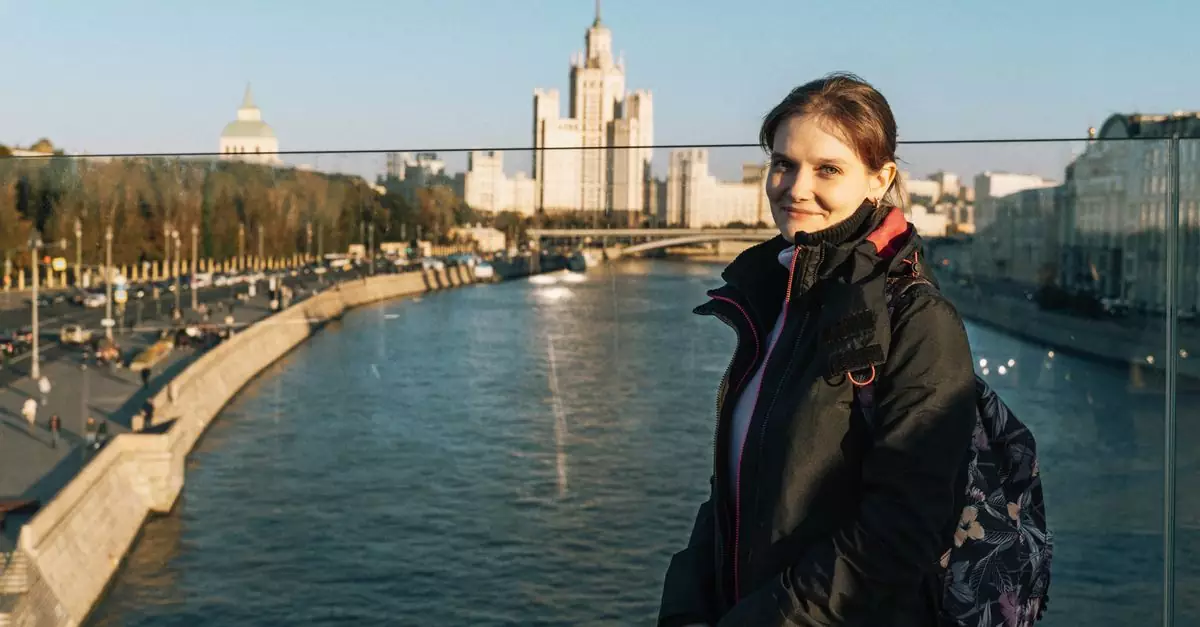
Navigating the diverse landscapes and cultures of Europe requires thoughtful preparation. Packing smart and staying aware are key to a smooth and enjoyable backpacking adventure. This section covers essential advice for maximizing your comfort and security across the continent.
What to Pack for Diverse European Climates
Europe’s weather can shift dramatically, from Mediterranean sun to Scandinavian chill, even within the same trip. Versatility is your best friend when packing for these varied conditions. Aim for layers that can be added or removed easily.
A waterproof and windproof outer shell is crucial, as are comfortable, broken-in walking shoes. For warmer months, breathable fabrics like linen and cotton are ideal, while merino wool offers excellent temperature regulation and odor resistance year-round. Don’t forget a small, packable backpack for day trips, a reusable water bottle to stay hydrated and reduce plastic waste, and a universal travel adapter. Consider the specific regions you’ll visit; a lightweight fleece might suffice for Southern Europe in summer, but you’ll need a warmer jacket for the Alps or Northern Europe.
| Item | Summer (June-Aug) | Spring/Autumn (Mar-May, Sep-Nov) | Winter (Dec-Feb) |
|---|---|---|---|
| Outerwear | Light rain jacket | Waterproof jacket, light fleece | Warm, insulated jacket |
| Mid-layer | Sweatshirt/hoodie | Fleece or sweater | Heavy sweater |
| Base layer | T-shirts, tank tops | Long-sleeve shirts, t-shirts | Thermal base layers |
| Bottoms | Shorts, light trousers | Jeans, versatile trousers | Insulated trousers |
| Footwear | Sandals, sneakers | Hiking boots, comfortable shoes | Waterproof boots |
Staying Safe: Common Tourist Scams to Avoid
While Europe is generally safe for travelers, being aware of common tourist scams can prevent unwelcome experiences. Pickpocketing is prevalent in crowded tourist areas, especially on public transport and around major attractions. Always keep your valuables secure and out of sight, using a money belt or a secure inner pocket.
Be cautious of overly friendly strangers offering unsolicited help or “free” gifts, as these are often preludes to a scam. Common ploys include the “ring scam” (someone drops a ring and asks for help finding it, then demands a reward) or the “petition scam” (people soliciting signatures for a fake cause to distract you while accomplices steal from you). Avoid accepting drinks or food from strangers, and never leave your belongings unattended. Researching specific scams common in the cities you plan to visit can offer an extra layer of preparedness.
Essential Documents and Health Precautions for Solo Travelers
Keeping your essential documents safe and accessible is paramount, especially when traveling solo. Ensure you have photocopies or digital backups of your passport, visa (if applicable), and any important identification. Store these separately from the originals.
For health, it’s advisable to have a basic first-aid kit with essentials like bandages, antiseptic wipes, pain relievers, and any personal medications. Check if your travel insurance covers medical emergencies and consider vaccinations if you’re venturing into less common regions. Familiarize yourself with local emergency numbers; for instance, dialing 112 is the pan-European emergency number. Understanding the logistics of travel within Europe and knowing how to access help if needed will significantly contribute to a secure journey.
Frequently Asked Questions About Backpacking Europe
What is the best time of year for backpacking Europe?
The ideal time for backpacking Europe depends on your priorities. Shoulder seasons, spring (April-May) and fall (September-October), offer a sweet spot with pleasant weather, fewer crowds, and more affordable prices than peak summer months.
Summer (June-August) is the most popular, offering long daylight hours and vibrant festivals, but expect higher costs and packed attractions. Winter (November-March) can be magical for city breaks with festive markets, but many outdoor activities and some coastal areas will be less accessible.
Here’s a quick seasonal comparison:
| Season | Pros | Cons |
|---|---|---|
| Spring | Mild weather, blooming landscapes, fewer crowds | Variable weather, shorter daylight hours |
| Summer | Warmest weather, long days, lively atmosphere | Peak crowds, highest prices |
| Fall | Pleasant temperatures, autumn colors, harvest festivals | Shorter days, some attractions close |
| Winter | Festive markets, cozy cities, lowest prices | Cold weather, limited daylight, some closures |
How much money do I need to backpack Europe for 3 months?
Budgeting for a three-month backpacking trip across Europe can vary significantly based on your travel style, chosen destinations, and accommodation preferences. A common estimate for a budget-conscious backpacker ranges from €1,500 to €3,000 per month.
This budget typically covers hostels or budget guesthouses, public transportation (trains, buses), affordable meals from supermarkets or local eateries, and entry fees to major attractions. Western and Northern European countries like Switzerland, Norway, and France are generally more expensive than Southern or Eastern European destinations such as Portugal, Hungary, or Poland.
Consider these factors:
- Accommodation: Hostels (€25-€50/night) vs. budget hotels (€60-€100/night).
- Food: Cooking in hostels vs. eating out at restaurants.
- Transportation: Overnight trains/buses vs. budget flights.
- Activities: Free walking tours and parks vs. expensive museums and tours.
Is it safe to backpack through Eastern Europe alone?
Yes, Eastern Europe is generally safe for solo backpackers. Like any region, it’s wise to stay aware of your surroundings, especially in crowded tourist areas where petty theft can occur. Researching specific city safety tips and using common sense precautions will greatly enhance your experience.
Many solo travelers find Eastern European countries welcoming and affordable. Countries such as the Czech Republic, Hungary, Poland, and the Baltic states offer rich history, beautiful architecture, and vibrant cultures without the high price tag of Western Europe. Utilizing public transport within cities and between towns is efficient and safe. Always let someone know your itinerary and keep your valuables secure.