Embarking on a journey through Bosnia and Herzegovina offers a profound opportunity to witness the enduring spirit of a nation rebuilding. Understanding the life lessons from post-war Bosnia provides a unique lens through which to view not just its history, but also its present and future. This article will guide you through the poignant landscapes and resilient cities, revealing how a country has navigated immense challenges. You’ll discover the symbolic significance of rebuilt landmarks, the quiet dignity of its people, and the invaluable insights gained from their journey of recovery and reconciliation. Prepare to explore a nation that, despite its scars, stands as a powerful testament to hope and the strength of the human spirit, offering lessons that resonate far beyond its borders.
Understanding Bosnia’s Post-War Landscape: A Foundation for Reflection
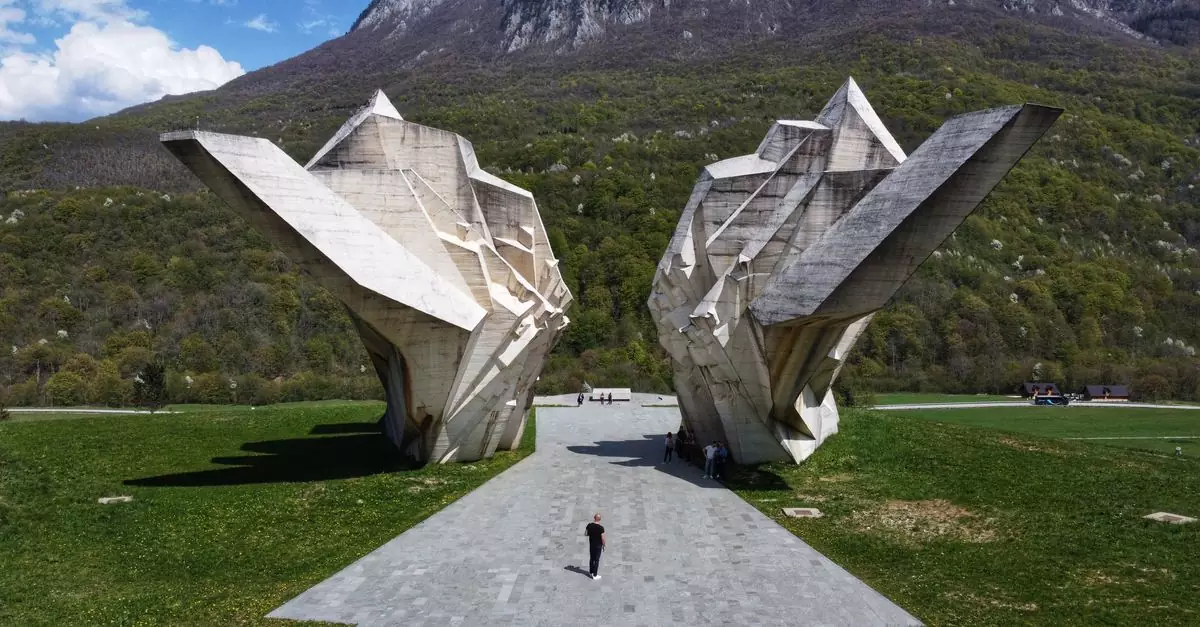
To truly grasp the life lessons from post-war Bosnia, one must first understand the profound impact of the 1990s conflict and the subsequent journey of recovery. This period reshaped the nation and its people, leaving an indelible mark that influences its present and future. Reflection on this era offers invaluable insights into resilience, reconciliation, and the enduring human spirit.
The Legacy of the 1990s Conflict: Key Historical Context
The Bosnian War (1992-1995) was a devastating conflict that followed the breakup of Yugoslavia. It was characterized by widespread violence, ethnic cleansing, and the siege of cities like Sarajevo. The war resulted in immense loss of life, displacement of populations, and the destruction of infrastructure across the country. Understanding the scale of this tragedy is crucial for appreciating the challenges Bosnia and Herzegovina has faced in its recovery. This historical context, while somber, provides the backdrop for the remarkable strength demonstrated by its citizens.
Rebuilding and Reconciliation: A Nation’s Journey
In the decades since the war’s end, Bosnia and Herzegovina has engaged in a complex process of rebuilding and reconciliation. This involves not only reconstructing physical infrastructure but also healing societal divisions and fostering trust between different ethnic and religious groups. The Dayton Agreement, which ended the war, established a complex political structure that continues to shape the nation’s governance. Despite these challenges, there has been significant progress in many areas, from urban renewal to the development of a vibrant cultural scene. Witnessing this ongoing effort offers a powerful testament to the possibility of moving forward after immense hardship.
The Enduring Spirit of the Bosnian People
What truly defines the life lessons from post-war Bosnia is the remarkable resilience and spirit of its people. Despite the immense trauma and destruction, Bosnians have shown an extraordinary capacity for rebuilding their lives and communities. This resilience is evident in the bustling cafes of Sarajevo, the renewed agricultural lands, and the vibrant arts and music scenes that have emerged from the ashes. Travelers often remark on the warmth and hospitality they receive, a testament to a culture that values connection and hope. This enduring spirit is perhaps the most profound lesson to be learned.
Sarajevo’s Scarred Beauty: Finding Life Lessons in the Capital
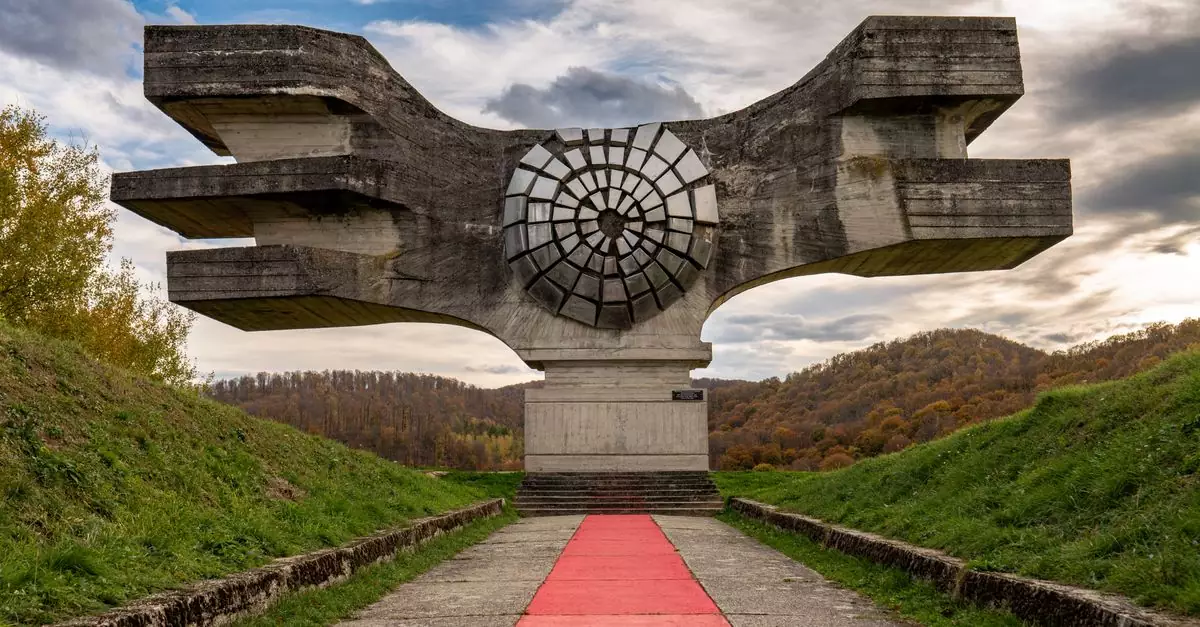
Sarajevo, the capital of Bosnia and Herzegovina, offers a profound travel experience, especially for those seeking to understand resilience. The city bears visible scars from the 1990s conflict, yet it pulsates with a vibrant spirit. Visitors can find significant life lessons here, not through overt pronouncements, but in the quiet dignity of its people and the enduring cultural fabric. Understanding the city’s past is key to appreciating its present strength.
Tunnel of Hope: A Symbol of Survival and Connection
The Tunnel of Hope, a clandestine passage dug beneath the airport runway during the siege, stands as a powerful testament to human ingenuity and the will to survive. Walking through the preserved section of this tunnel offers a visceral connection to the hardships faced by Sarajevans. It was a vital lifeline for supplies and a route for people to escape the besieged city.
Visiting the tunnel provides a tangible understanding of the desperation and bravery that defined that era. It’s a humbling experience that underscores the importance of connection and resourcefulness in the face of overwhelming adversity. Allow at least an hour for this visit, and consider hiring a local guide to gain deeper insights.
Sarajevo Roses: Memorials Etched in the City’s Heart
You’ll notice distinctive red markings on Sarajevo’s streets, known as “Sarajevo Roses.” These are not natural phenomena but memorials created by mortar shell impacts, filled with red resin to commemorate the lives lost during the siege. Each rose represents a specific incident where civilians were killed.
These poignant markers are scattered throughout the city, often found in busy squares and quiet streets alike. They serve as constant reminders of the conflict’s human cost. Observing them prompts reflection on the fragility of peace and the enduring impact of violence. They are a somber yet essential part of Sarajevo’s urban landscape, offering silent lessons in remembrance.
Baščaršija: A Glimpse into Ottoman-Era Resilience
Sarajevo’s old bazaar, Baščaršija, transports visitors back to its Ottoman roots. This historic heart of the city, with its cobblestone streets, copper workshops, and traditional coffee houses, has witnessed centuries of history, including the recent war. The enduring presence of this vibrant marketplace, despite the surrounding destruction, speaks volumes about the city’s deep-seated resilience.
Here, you can experience traditional Bosnian coffee culture, sample local delicacies like ćevapi, and observe artisans at work. The atmosphere is lively and welcoming, a stark contrast to the more somber historical sites. Baščaršija embodies the spirit of continuity and cultural preservation that has allowed Sarajevo to rebuild and thrive.
War Childhood Museum: Voices of Young Survivors
The War Childhood Museum is a uniquely moving institution dedicated to the experiences of children during the Bosnian War. It houses a collection of personal artifacts, testimonies, and artistic expressions from individuals who were children during the 1992-1995 conflict. The exhibits offer a child’s perspective on war, highlighting themes of loss, fear, and the struggle to maintain normalcy.
This museum provides invaluable life lessons by centering the narratives of the youngest victims. It emphasizes how conflict impacts development and the long-term psychological effects on individuals. Visiting this museum is a powerful way to understand the human element of war and the importance of protecting childhood. It’s a deeply affecting experience that encourages empathy and a commitment to peace.
Mostar’s Bridge to the Future: Lessons in Unity and Reconnection
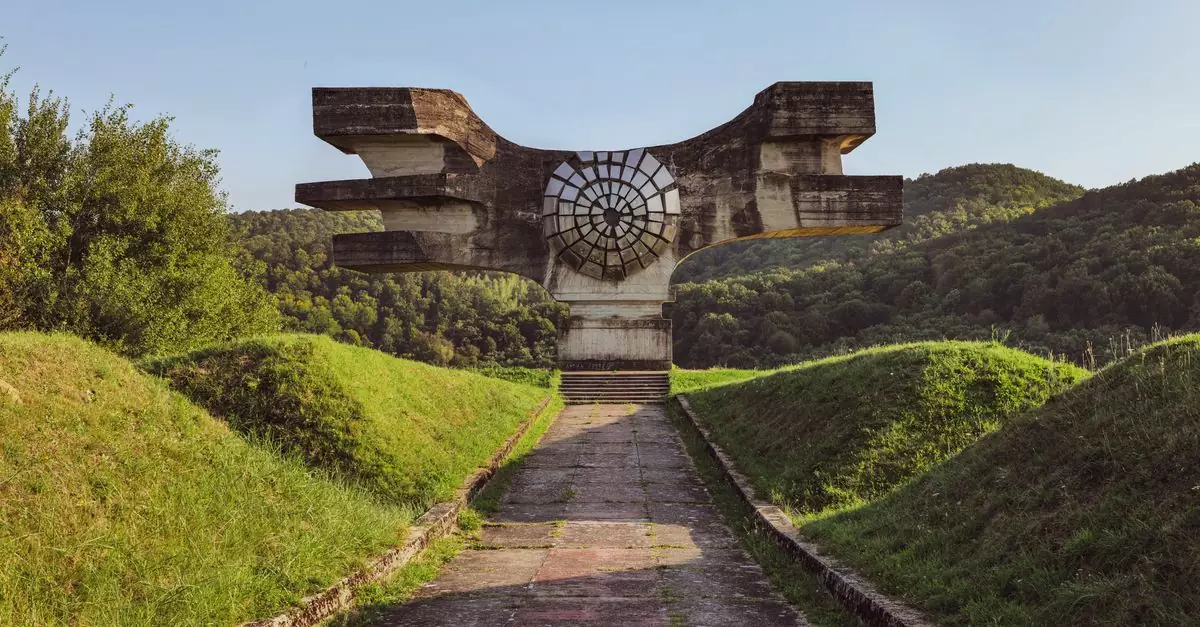
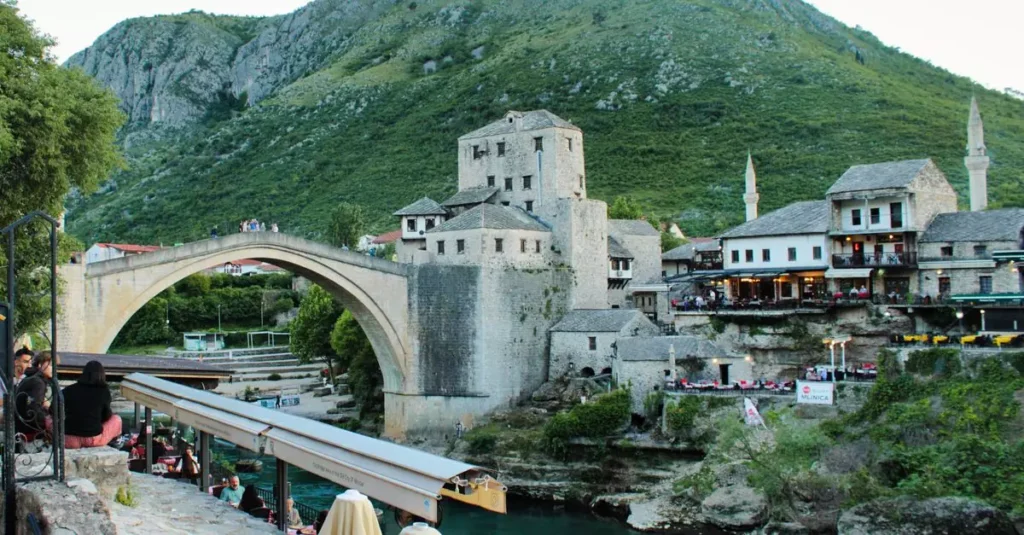
Mostar, a city in Bosnia and Herzegovina, offers a profound journey into the resilience of the human spirit. Its iconic Stari Most, or Old Bridge, stands as a powerful testament to rebuilding and the enduring hope for unity after devastating conflict. Visiting Mostar provides a unique opportunity to reflect on the life lessons from post-war Bosnia, focusing on how communities can heal and reconnect.
Stari Most (Old Bridge): Rebirth and Symbolism
The Stari Most, a UNESCO World Heritage site, was tragically destroyed during the Bosnian War in 1993. Its meticulous reconstruction, completed in 2004, involved international cooperation and a deep desire to restore a vital link between the city’s divided communities. Witnessing the bridge today, bustling with life and the traditional bridge divers who leap from its heights, is an emotional experience. It symbolizes not just architectural recovery, but the successful reconnection of East and West Mostar, and a broader message of overcoming division.
The act of rebuilding this historic structure serves as a potent metaphor. It illustrates how shared heritage can become a foundation for future peace and understanding, offering significant life lessons for societies facing similar challenges.
Exploring Mostar’s Old Town: A Blend of Cultures
Wandering through Mostar’s Old Town is like stepping back in time, yet with a palpable sense of present-day vibrancy. The cobbled streets are lined with Ottoman-era architecture, bustling bazaars selling local crafts, and a diverse array of cafes and restaurants. You’ll find mosques standing near churches, reflecting centuries of coexistence and the complex cultural tapestry of Herzegovina.
This area is a living museum, showcasing the distinct influences of Ottoman and Austro-Hungarian rule. Engaging with local artisans and shopkeepers offers insights into daily life and the enduring spirit of the people. It’s a place where history is not just remembered but actively lived, demonstrating a remarkable capacity for cultural fusion.
The Impact of Conflict on Herzegovina’s Landscape
The scars of the Bosnian War are still visible in parts of Herzegovina, though many areas have undergone significant recovery. Beyond the immediate urban centers, the region’s natural beauty—rolling hills, dramatic canyons, and the emerald waters of rivers like the Buna and Neretva—remains largely untouched. However, remnants of the conflict, such as bullet-pocked buildings or former front lines, serve as somber reminders of the past.
Travelers can visit sites like the Kravice Waterfalls or the historic town of Blagaj to appreciate the region’s natural splendor. Understanding the landscape’s history, including the impact of the war, adds a deeper layer to any visit. It underscores the resilience of both nature and the people who call this beautiful, yet historically complex, part of Europe home.
Beyond the Headlines: Discovering Hidden Gems and Local Perspectives
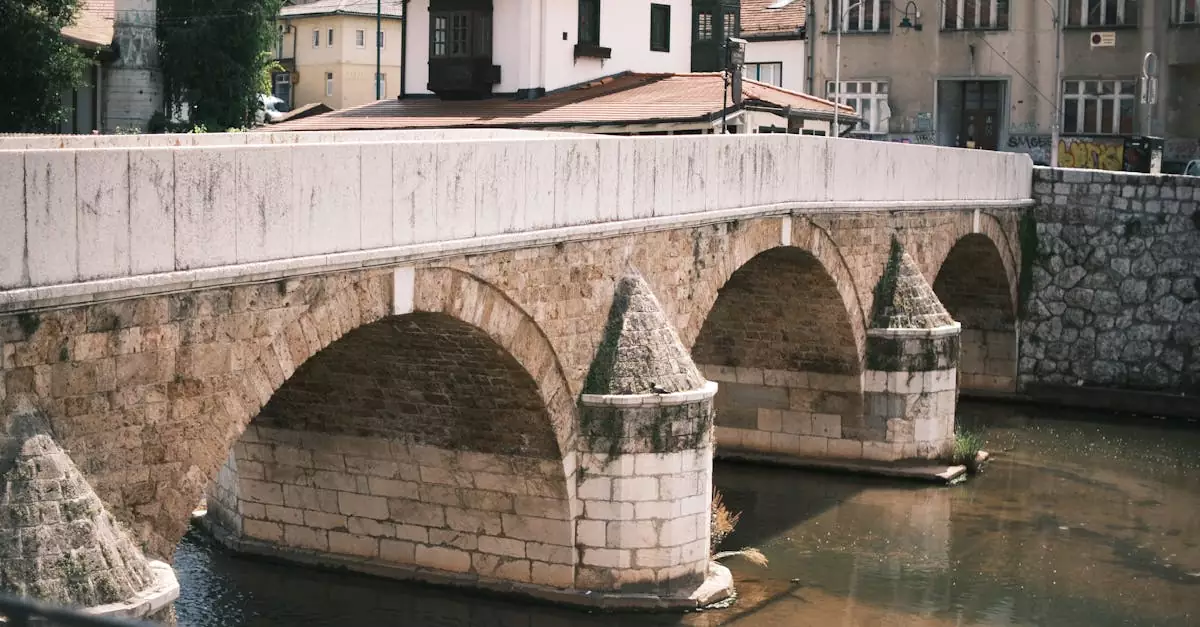
While the impact of the war is undeniable, a journey through Bosnia and Herzegovina today reveals much more than historical conflict. It’s a land rich with natural beauty, a deep cultural heritage, and most importantly, resilient people eager to share their stories. Moving beyond the well-trodden tourist paths offers a more profound understanding of the country’s present and future, providing valuable life lessons in perseverance and the enduring spirit of humanity.
Jajce: Waterfalls and Royal History
Nestled at the confluence of the Pliva and Vrbas rivers, Jajce is a visual delight, famous for its stunning waterfalls cascading directly into the heart of the town. This picturesque setting belies its significant historical importance as the medieval capital of Bosnia and the birthplace of Yugoslavian federation. Exploring the old fortress offers panoramic views, while the nearby Pliva Lakes provide serene spots for relaxation and outdoor activities.
The town’s historical layers are evident in its architecture, a blend of Ottoman and Austro-Hungarian influences. Don’t miss the Mlinčići, a collection of charming watermills by the Pliva River, offering a glimpse into traditional rural life. Jajce is an accessible day trip from Sarajevo or Banja Luka, making it a convenient addition to any Bosnian itinerary.
Travnik: The ‘City of Viziers’ and Ottoman Heritage
Travnik, once the administrative center of the Ottoman Empire in Bosnia, retains a strong sense of its imperial past. The town is dominated by its impressive fortress, offering commanding views over the valley and the Lašva River. Wandering through the old town, you’ll encounter beautifully preserved mosques, traditional houses, and the historic Šareni most (Colored Bridge).
A key attraction is the House of Ivo Andrić, the Nobel Prize-winning author who spent much of his childhood here. His former home is now a museum, offering insights into his life and work. Travnik also boasts a vibrant culinary scene, with opportunities to sample local specialties. The journey to Travnik itself is scenic, winding through the Bosnian countryside.
Local Encounters: Stories of Everyday Life and Hope
The most impactful experiences in Bosnia and Herzegovina often come from connecting with its people. Despite the hardships many have faced, there is a profound sense of hospitality and a forward-looking spirit. Engaging in conversations, whether at a local café or through organized cultural exchanges, provides invaluable perspectives on resilience and the rebuilding of communities.
Many Bosnians are eager to share their personal histories, offering a human dimension to the country’s narrative that statistics and history books cannot convey. These encounters are often filled with humor, warmth, and a deep appreciation for peace. Listening to these stories offers a powerful reminder of the human capacity to overcome adversity and build a hopeful future, a truly profound life lesson from post-war Bosnia.
What Can We Learn from Post-War Bosnia’s Journey?
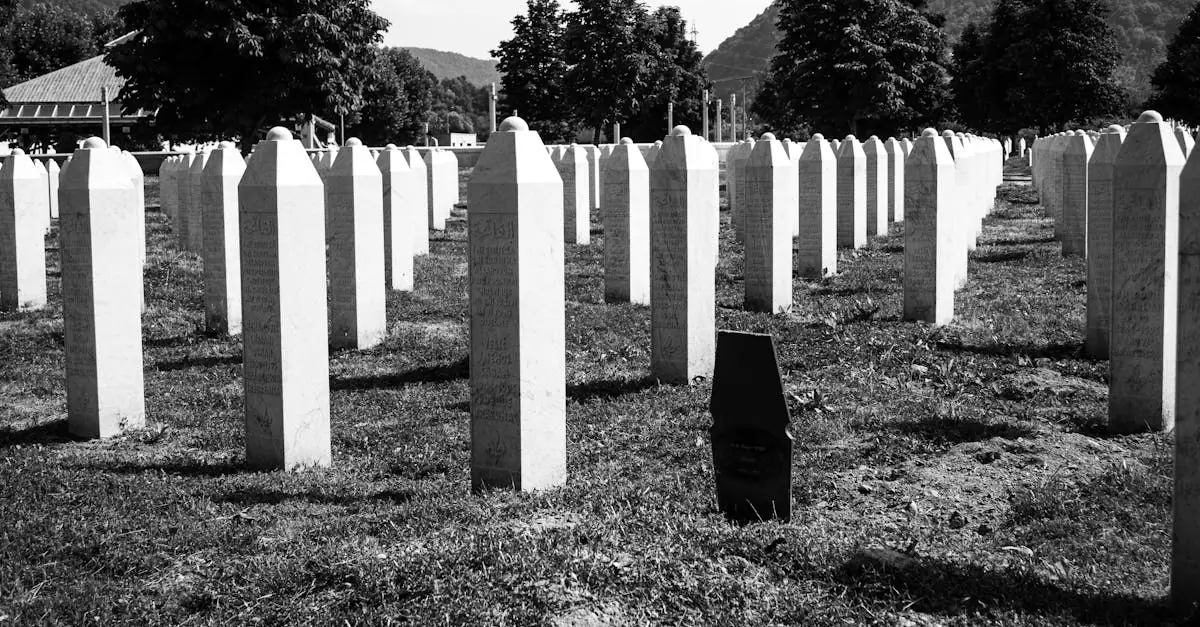
The path through Bosnia and Herzegovina’s post-war era offers profound insights into human resilience, the complexities of healing, and the enduring power of hope. Visiting this region provides a unique opportunity to witness firsthand the remarkable recovery and understand the lessons learned from its challenging history. These experiences can offer a broader perspective on overcoming adversity, applicable far beyond the specific context of the Balkans.
The Power of Forgiveness and Reconciliation
Witnessing the ongoing process of reconciliation in Bosnia and Herzegovina is a powerful lesson in the human capacity for forgiveness. Despite immense suffering, communities are actively working towards understanding and coexistence. This journey is not always linear, but the commitment to building bridges, even after deep divisions, is evident in cultural exchanges and joint initiatives. For travelers, observing these efforts offers a profound perspective on how societies can begin to heal.
Resilience in the Face of Adversity
The resilience of the Bosnian people is palpable, particularly in cities like Sarajevo and Mostar, which have rebuilt themselves with remarkable spirit. You can see this strength in the everyday lives of individuals who have rebuilt their homes, businesses, and futures. This tenacity in the face of devastation serves as a potent reminder of the human will to survive and thrive, even after experiencing profound loss. Understanding this resilience can inspire a greater appreciation for one’s own ability to navigate challenges.
The Importance of Preserving History and Memory
Bosnia and Herzegovina actively grapples with its past through memorials, museums, and preserved historical sites. The Sarajevo War Tunnel Museum, for instance, offers a stark glimpse into the siege, while the Old Bridge in Mostar stands as a symbol of reunification. These places are crucial for remembering the sacrifices made and ensuring that future generations understand the consequences of conflict. For visitors, engaging with these historical narratives is essential for a comprehensive understanding of the country’s present and its journey toward peace. It underscores the universal importance of acknowledging history, both its triumphs and its tragedies.
Finding Hope Amidst Devastation
Despite the scars of war, Bosnia and Herzegovina is a land brimming with hope and vibrant culture. The warmth of its people, the beauty of its landscapes, and the energy of its cities are testament to a nation looking forward. From the bustling markets of Sarajevo to the serene natural beauty of the countryside, there are countless signs of life and optimism. This ability to cultivate hope and rebuild a future after such a difficult period is perhaps the most significant life lesson one can take away from a visit to this resilient corner of Europe.
Planning Your Reflective Journey to Bosnia and Herzegovina
Embarking on a trip to Bosnia and Herzegovina offers a profound opportunity to witness the enduring spirit of a nation rebuilding. Understanding the practicalities of travel will enhance your experience, allowing for deeper reflection on the life lessons from post-war Bosnia. This section provides essential planning advice for navigating the country respectfully and thoughtfully.
Best Time to Visit Bosnia for Reflection
The ideal time for a reflective journey through Bosnia and Herzegovina depends on your preference for weather and crowd levels. Spring and autumn offer mild temperatures, making them excellent for exploring cities like Sarajevo and Mostar without the peak summer heat.
- Spring (April-May): Pleasant weather, blooming nature, and fewer tourists. Ideal for walking tours and outdoor contemplation.
- Summer (June-August): Warmest months, lively atmosphere, but can be crowded and hot. Good for experiencing local festivals.
- Autumn (September-October): Crisp air, beautiful fall foliage, and a tranquil ambiance. This season is particularly well-suited for introspection.
- Winter (November-March): Cold with potential snowfall, especially in mountainous regions. Offers a quiet, introspective atmosphere, but some outdoor sites may be less accessible.
Navigating Bosnia: Transportation Options
Getting around Bosnia and Herzegovina is generally straightforward, with several options available to suit different budgets and travel styles. Understanding these choices is key to a smooth and efficient visit.
| Transportation Type | Pros | Cons | Typical Cost (Approx.) |
|---|---|---|---|
| Buses | Extensive network, frequent departures | Can be slower, varying comfort levels | €5-€15 per journey |
| Trains | Scenic routes, more comfortable than buses | Limited network, infrequent schedules | €5-€10 per journey |
| Taxis | Convenient for short distances, door-to-door | Can be more expensive, negotiate fare | €3-€5 per short ride |
| Rental Cars | Flexibility, access to remote areas | Roads can be challenging, parking issues | €25-€50 per day |
For intercity travel, buses are the most common and reliable method. Companies like Centrotrans operate frequent routes between major cities. Trains offer a more scenic, albeit less comprehensive, way to see the landscape. Within cities, taxis are readily available, but it’s wise to confirm the fare beforehand or opt for metered services. Renting a car provides the most freedom, particularly if you plan to venture off the beaten path, but be prepared for winding roads and sometimes variable road conditions across Europe.
Respectful Travel: Cultural Etiquette and Considerations
Bosnia and Herzegovina is a country with a rich and complex history, and approaching your visit with cultural sensitivity is paramount. Understanding local customs will foster positive interactions and a deeper appreciation for the resilience of its people.
When visiting religious sites, such as mosques or churches, dress modestly. This typically means covering your shoulders and knees. For women, carrying a headscarf is often appreciated when entering mosques. Always ask for permission before taking photographs of people, especially in more traditional settings.
The Bosnian people are known for their hospitality. Accepting an offer of coffee or a small snack is a common gesture of goodwill. Learning a few basic Bosnian phrases, such as “Hvala” (Thank you) and “Dobar dan” (Good day), can go a long way in building rapport. Be mindful of the country’s recent past; while discussions about the war are often open, approach the subject with empathy and avoid sensationalizing or making generalizations.
Accommodation in Sarajevo and Mostar
Both Sarajevo and Mostar offer a range of accommodation options to suit various preferences and budgets, from historic guesthouses to modern hotels. Choosing your lodging wisely can significantly impact your overall travel experience.
In Sarajevo, you’ll find a good selection of hotels in the city center, offering easy access to historical sites and cultural attractions. Boutique hotels in the Baščaršija (Old Town) area provide a charming atmosphere, often housed in beautifully restored traditional buildings. For those seeking a more budget-friendly option, hostels and private apartments are widely available.
Mostar’s accommodation scene is particularly notable for its proximity to the iconic Stari Most (Old Bridge). Many guesthouses are situated within the old town walls, offering stunning views and an immersive experience. These often provide a more intimate, family-run feel. Similar to Sarajevo, apartments and smaller hotels are also available in the newer parts of the city for those preferring modern amenities. Booking in advance is recommended, especially during peak tourist seasons.