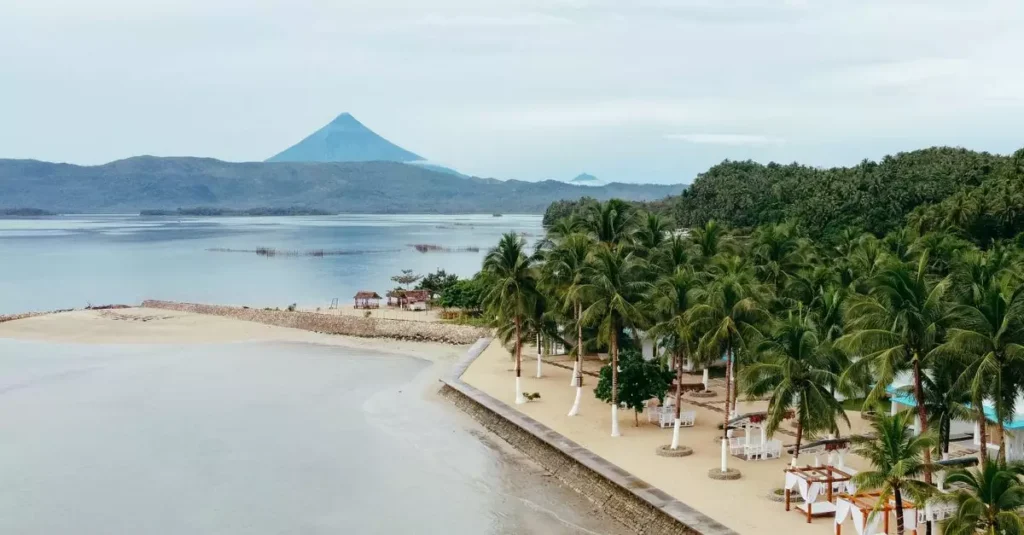
Seeking a vacation that rejuvenates both you and the planet? Discover the allure of the best eco resorts island destinations offer, where stunning natural beauty meets a commitment to sustainability. These unique getaways allow you to immerse yourself in pristine environments while supporting conservation efforts and local communities.
In this guide, you’ll explore top island destinations renowned for their eco-friendly accommodations. We’ll delve into what makes these resorts truly sustainable, from innovative conservation practices and renewable energy use to farm-to-table dining and community engagement initiatives. Whether you dream of turquoise waters, lush rainforests, or vibrant coral reefs, find inspiration for your next responsible island escape and learn how to travel with a lighter footprint.
Top Island Destinations for Eco-Conscious Travelers
The Appeal of Eco Resorts in Island Settings
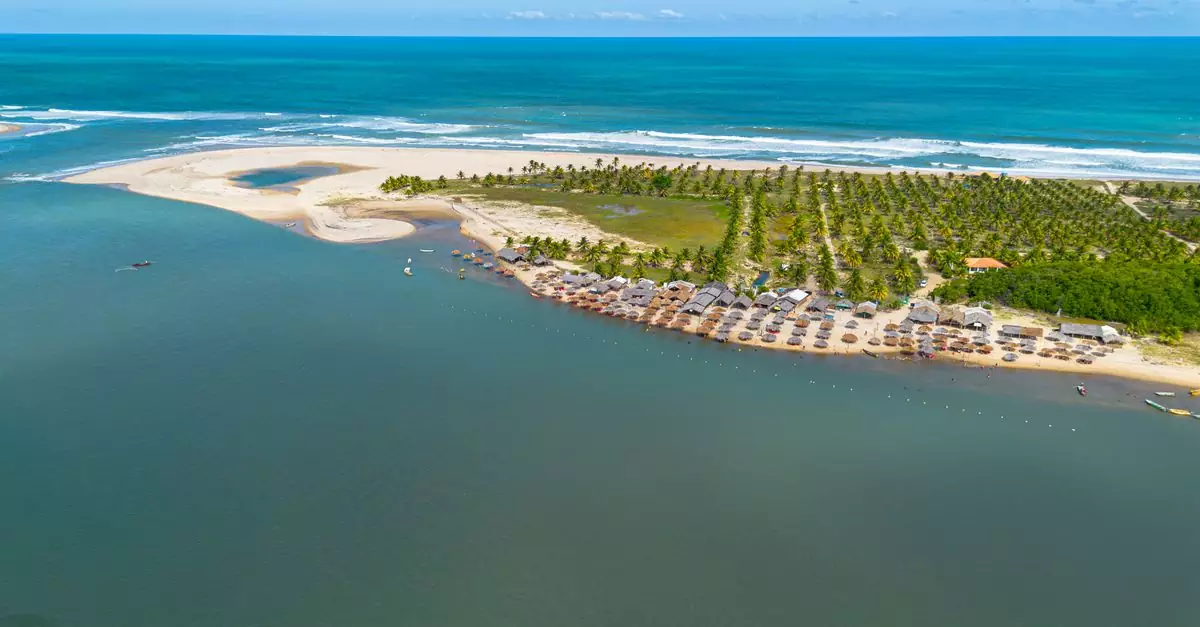
Island destinations offer a unique allure for travelers seeking sustainable getaways, with eco resorts at the forefront of this movement. These properties often blend seamlessly with their natural surroundings, prioritizing conservation, community support, and minimal environmental impact. For those looking for the best eco resorts island destinations provide, the appeal lies in experiencing pristine beauty responsibly. Many resorts engage in marine conservation, reforestation projects, or utilize renewable energy sources, allowing guests to relax with peace of mind. The inherent vulnerability of island ecosystems drives a strong commitment to preservation among many hospitality providers.
Maldives: Overwater Bungalows with a Green Heart
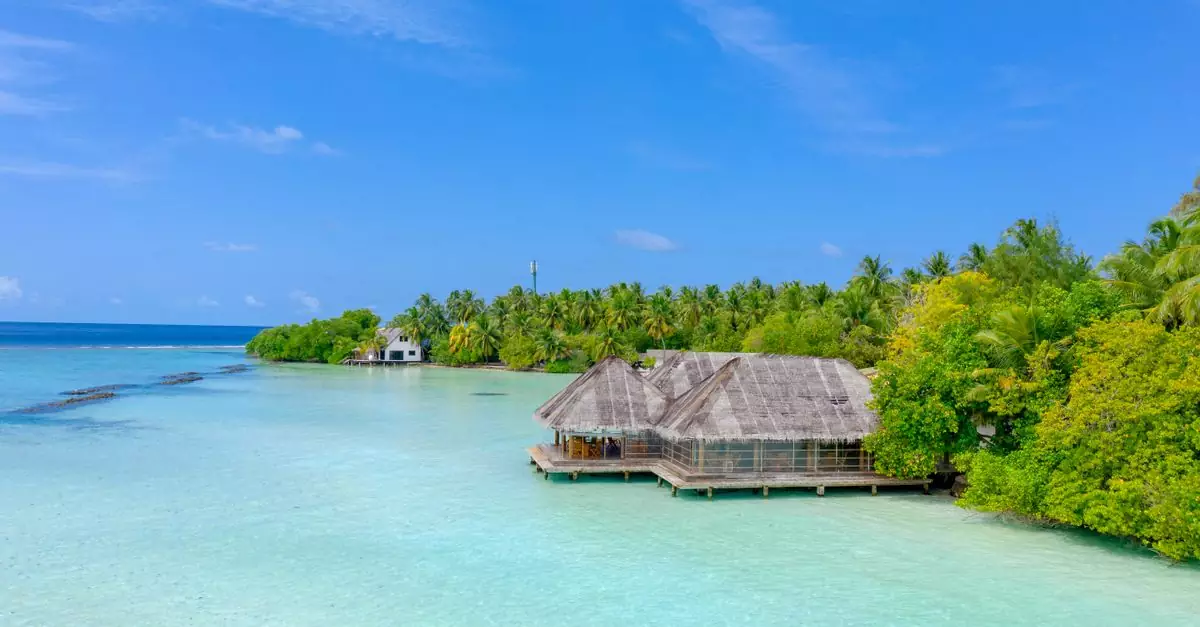
The Maldives, famous for its turquoise waters and vibrant coral reefs, is also emerging as a hub for sustainable luxury. Many iconic overwater bungalows are now managed by resorts dedicated to minimizing their ecological footprint. Look for properties that implement comprehensive waste management systems, utilize solar power, and actively participate in coral reef restoration programs. Some resorts even employ marine biologists, providing guests with educational opportunities to learn about the delicate underwater environment.
When planning a trip to the Maldives, consider the shoulder seasons (April-May and September-October) for potentially better rates and fewer crowds, though weather can be less predictable. Transportation between resorts typically involves seaplanes or speedboats, adding to the adventure. While luxury eco-resorts can represent a significant investment, their commitment to preserving this fragile paradise often justifies the cost for discerning travelers.
Costa Rica’s Caribbean Islands: Biodiversity Hotspots
Costa Rica’s Caribbean coast, including islands like Isla Uvita and Isla Cocles near Puerto Viejo, offers a different kind of eco-adventure. This region boasts a treasure trove of biodiversity, from lush rainforests teeming with wildlife to vibrant coral reefs. Eco-lodges here prioritize local sourcing for their cuisine, employ staff from nearby communities, and are built using sustainable materials. Many are involved in protecting sea turtle nesting sites or supporting indigenous Bribri communities.
Getting to these islands typically involves flying into San José and then taking a bus or shuttle to Puerto Viejo, followed by a short taxi or boat ride. The vibe is more laid-back and rustic than the Maldives, appealing to travelers seeking authentic immersion in nature. Budget-friendly eco-cabins and mid-range lodges are readily available, making it an accessible option for sustainable travel. The best time to visit is generally during the dry seasons, from December to April and again from August to October.
Palau: Pristine Marine Sanctuaries and Sustainable Stays
Palau, an archipelago nation in Micronesia, is a world leader in marine conservation and a dream destination for divers and snorkelers. The country has established a vast marine sanctuary, protecting 98% of its waters from commercial fishing. Eco-resorts in Palau align with this conservation ethos, often focusing on low-impact tourism and educating visitors about the importance of their marine environment. Expect resorts committed to reducing plastic waste, managing water resources efficiently, and supporting local conservation initiatives.
Access to Palau typically involves flights to Roman Tmetuchl International Airport (ROR). From there, inter-island transport is usually by boat. The primary draw is undoubtedly the world-class diving and snorkeling, with sites like Jellyfish Lake and the Blue Corner offering unparalleled underwater experiences. While Palau can be pricier due to its remote location and conservation efforts, it provides an unmatched opportunity to witness a thriving marine ecosystem. The dry season, from November to April, offers the most reliable weather for outdoor activities.
Finding Your Perfect Eco Resort: Key Features to Look For
When seeking the best eco resorts on island destinations, discerning travelers look beyond stunning ocean views. The true essence of a sustainable getaway lies in the resort’s commitment to environmental stewardship and community well-being. Understanding what to expect from green accommodations ensures your vacation benefits both you and the planet.
Sustainable Practices: What to Expect from Green Resorts
Responsible resorts prioritize minimizing their environmental footprint through various initiatives. This often includes robust waste management systems, such as comprehensive recycling and composting programs, and a reduction in single-use plastics. Energy conservation is another hallmark, with many properties utilizing solar power, energy-efficient lighting, and smart climate control systems. Water conservation measures, like rainwater harvesting and greywater recycling, are also common. Look for resorts that actively engage in conservation efforts, whether it’s protecting local marine life, reforesting areas, or supporting biodiversity. Their commitment should be evident in their operations and the tangible impact on the surrounding ecosystem.
Amenities for a Relaxing and Responsible Stay
Eco resorts offer amenities that enhance your stay while aligning with their sustainable ethos. Expect farm-to-table dining experiences, where ingredients are sourced locally, often from the resort’s organic gardens or nearby sustainable farms. This not only supports the local economy but also reduces food miles. Wellness offerings frequently incorporate natural elements, such as spa treatments using locally sourced botanicals or yoga pavilions with breathtaking ocean vistas. Activities often include guided nature walks, snorkeling or diving tours that emphasize marine conservation, and opportunities to learn about local culture and traditions. These experiences provide a deeper connection to the destination.
Certifications and Accreditations for Eco-Friendly Lodging
To verify a resort’s environmental claims, look for recognized certifications and accreditations. Organizations like Green Globe, LEED (Leadership in Energy and Environmental Design), and EarthCheck provide rigorous standards and audits for sustainable tourism. While not every eco-friendly property will hold a formal certification, these accreditations offer a reliable benchmark. Some resorts may also participate in local or regional conservation programs, demonstrating their dedication to protecting the unique environments of their island home. Researching these credentials can help you make an informed choice and ensure your stay truly supports responsible tourism practices.
Island Hopping Adventures: An Eco-Resort Itinerary
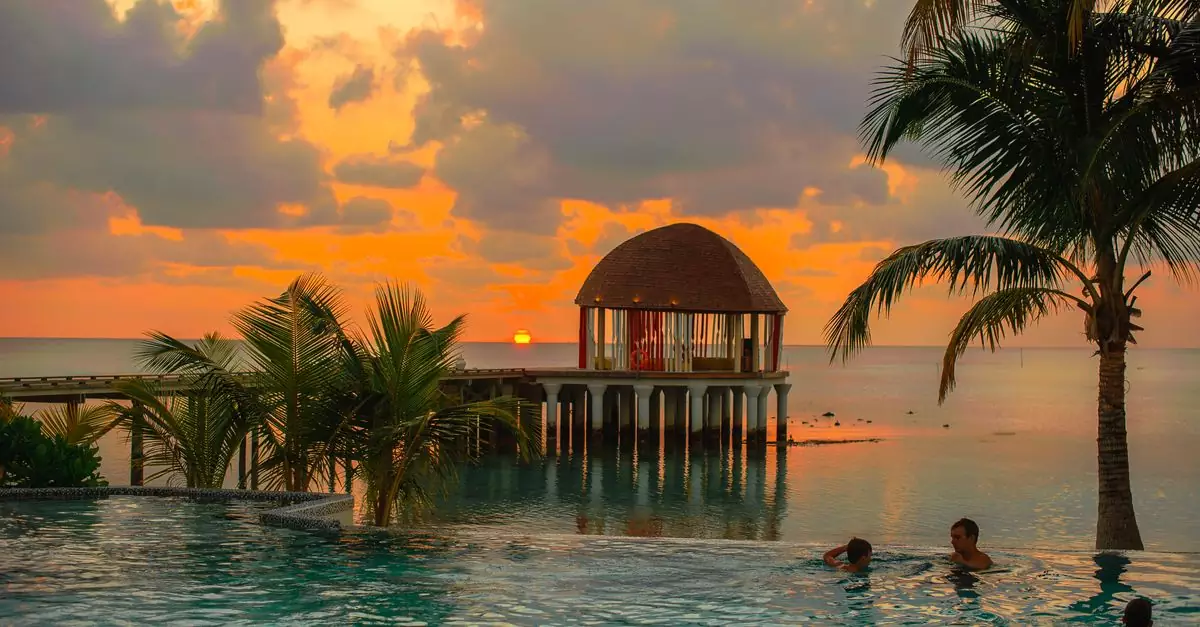
Planning a sustainable island getaway often involves more than just choosing a single destination. For travelers seeking deeper immersion into diverse ecosystems and local cultures, an eco-resort itinerary across multiple islands offers a rich and rewarding experience. This approach allows for comparative understanding of conservation efforts and unique natural beauty, often highlighting how different island environments necessitate tailored approaches to sustainable tourism.
A 7-Day Sustainable Journey Through the Seychelles
The Seychelles archipelago presents a compelling case for island hopping with a focus on eco-lodges. This East African nation, comprising 115 islands, is renowned for its granite boulders, pristine beaches, and unique biodiversity, including endemic giant tortoises and rare bird species. A week-long itinerary can effectively showcase its commitment to preserving these natural wonders.
Begin on Mahé, the largest island, where many resorts integrate conservation programs. Consider a stay at a property that actively participates in coral reef restoration or supports local wildlife sanctuaries. From Mahé, a short ferry or domestic flight can take you to Praslin. Here, the Vallée de Mai Nature Reserve, a UNESCO World Heritage site, is home to the Coco de Mer palm. Eco-lodges on Praslin often emphasize minimal environmental impact, utilizing solar power and practicing strict waste management.
The final leg of this journey could involve visiting La Digue, a smaller island accessible by ferry from Praslin. La Digue is famously car-free, relying on bicycles and ox-carts for transport, aligning perfectly with a low-impact travel ethos. Eco-friendly guesthouses and small resorts here prioritize community engagement and the protection of its iconic beaches like Anse Source d’Argent.
Sample 7-Day Seychelles Eco-Itinerary:
| Day | Island | Focus | Accommodation Type |
|---|---|---|---|
| 1-3 | Mahé | Arrival, nature reserves, conservation tours | Eco-lodge, sustainable hotel |
| 4-5 | Praslin | Vallée de Mai, wildlife, beach relaxation | Eco-resort, boutique guesthouse |
| 6-7 | La Digue | Car-free exploration, iconic beaches | Eco-guesthouse, small sustainable hotel |
Transportation between islands is primarily via ferry services, which are relatively frequent and efficient. Booking accommodations in advance is recommended, especially during peak seasons, as many eco-resorts have limited capacity to maintain their sustainability standards.
Exploring the Lesser-Known Islands of the Philippines by Eco-Lodge
The Philippines, an archipelago of over 7,000 islands, offers a treasure trove of undiscovered gems for the eco-conscious traveler. While Palawan and Boracay have gained popularity, venturing to less-visited islands can provide a more authentic and impactful sustainable travel experience. Focusing on smaller, community-run eco-lodges supports local economies directly and minimizes the environmental footprint.
Consider a journey through the Visayas region, perhaps starting with Siquijor. Known for its mystical traditions, Siquijor also boasts beautiful beaches and marine sanctuaries. Several small eco-lodges here are deeply integrated with the local community, offering opportunities to learn about traditional crafts and sustainable farming.
From Siquijor, one could travel by ferry to Negros Oriental, then hop to Apo Island, a volcanic island renowned for its marine sanctuary and sea turtle population. Accommodation options are limited and often basic, emphasizing a back-to-nature experience. Staying here requires a commitment to respecting the fragile marine ecosystem.
Further afield, islands in Northern Samar province or parts of Mindanao (with careful consideration of current travel advisories) offer remote beauty and opportunities to stay in simple, locally managed eco-cabins. These destinations require more adventurous planning, often involving multiple boat transfers and a flexible approach to travel logistics.
Logistics for island hopping in the Philippines can be complex. Ferries are the primary mode of inter-island transport, but schedules can be unpredictable. Domestic flights are available for longer distances, connecting major hubs. It’s advisable to build buffer days into your itinerary to account for potential delays. Researching local transport options and booking accommodations that clearly state their sustainability practices is key to a successful trip.
From Rainforest to Reef: A Costa Rican Island Eco-Tour
Costa Rica, a global leader in ecotourism, extends its commitment to conservation to its Pacific and Caribbean islands. While not as numerous as in archipelagic nations, these islands offer distinct ecosystems, from lush rainforests to vibrant coral reefs, accessible via eco-resorts that champion biodiversity.
A compelling itinerary could begin on the mainland near Tortuguero National Park on the Caribbean coast. While not strictly an island, its accessibility by boat and focus on nesting sea turtles make it feel like a secluded natural haven. Eco-lodges here are built to coexist with the environment, offering guided tours through the rainforest canals.
Transitioning to the Pacific, consider a trip to Caño Island Biological Reserve, off the coast of Drake Bay. While there are no permanent accommodations on the island itself, the gateway town of Drake Bay boasts a selection of eco-lodges and jungle retreats. These lodges often organize diving and snorkeling trips to Caño Island, emphasizing responsible marine tourism and the protection of its abundant sea life.
Another option on the Pacific coast is Isla del Coco, a remote UNESCO World Heritage site. Reaching this island requires a significant sea voyage, typically on a liveaboard dive boat. The lodges and boats operating here adhere to strict environmental regulations to preserve this unique oceanic paradise, often considered one of the best diving destinations in the world. These trips are generally more expensive and require a higher commitment to conservation principles.
For travelers seeking a more accessible island experience, consider the islands in the Gulf of Nicoya, such as Isla Chira or Isla Venado. While development is more present here, several smaller eco-friendly guesthouses and homestays are emerging, offering a glimpse into local island life and sustainable agriculture practices.
When planning a Costa Rican island eco-tour, remember that transportation often involves a combination of ground transfers, boat trips, and sometimes small aircraft. The dry season (December to April) generally offers the best weather for exploring both rainforests and coastal areas, though the Caribbean coast has a different weather pattern with peak nesting seasons for turtles in July and October.
What Are the Best Times to Visit These Eco Resort Island Destinations?
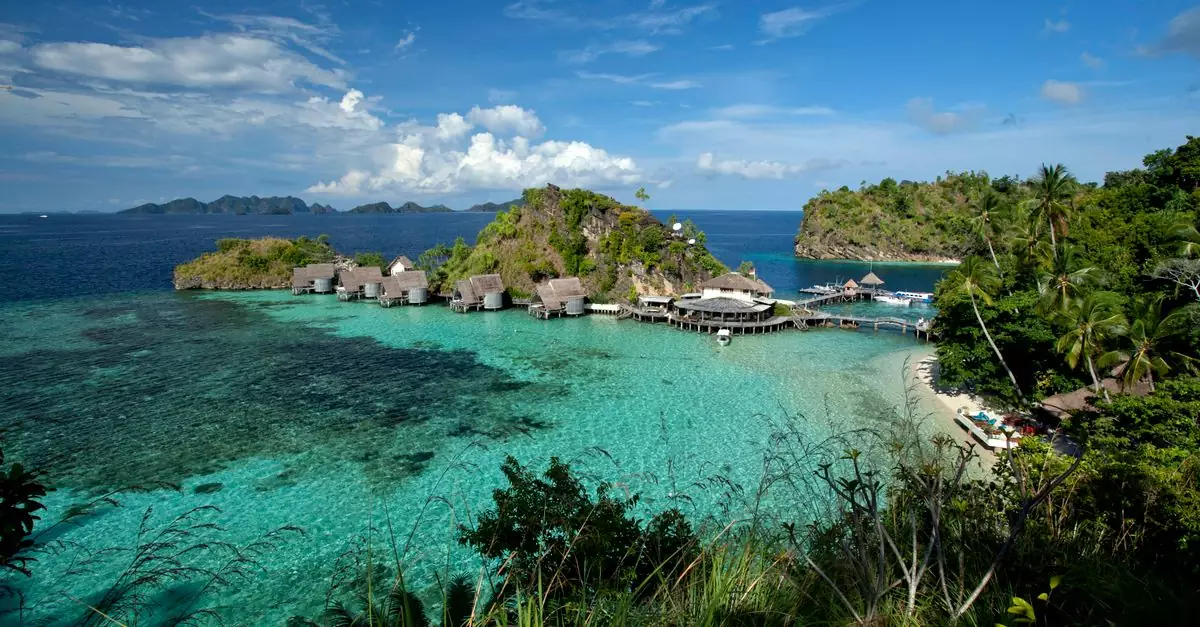
Choosing the right time to visit your chosen island eco-resort can significantly enhance your sustainable getaway. Understanding seasonal patterns, crowd levels, and specific wildlife opportunities will help you tailor your trip for the most rewarding experience. Many of these island destinations, by their nature, are sensitive ecosystems, and traveling during less disruptive periods can also benefit the local environment.
Seasonal Weather Patterns for Tropical Escapes
Tropical island destinations generally experience two main seasons: a wet season and a dry season. The dry season, typically from November to April, offers lower humidity, less rainfall, and abundant sunshine, making it ideal for outdoor activities like snorkeling, hiking, and relaxing on the beach. However, this is also the peak tourist season. Conversely, the wet season, from May to October, brings higher humidity and more frequent, though often brief, rain showers. While this period might see fewer visitors and lower prices, it’s crucial to check specific regional weather forecasts, as some areas can experience prolonged rainfall or even tropical storms.
For instance, a destination like the Maldives experiences its driest and sunniest months from December to April, with temperatures averaging a pleasant 28-30°C (82-86°F). The shoulder months of November and May can offer a good balance, with fewer crowds and still favorable weather. In contrast, parts of the Caribbean might see peak hurricane season from August to October, making travel during this time a calculated risk. Always research the specific climate nuances of your chosen island.
Peak vs. Shoulder Seasons: Balancing Crowds and Costs
The timing of your visit directly impacts the number of fellow travelers you’ll encounter and the overall cost of your sustainable vacation. Peak season, usually coinciding with the dry season and major holiday periods, means higher prices for flights and accommodations, along with crowded beaches and attractions. This can detract from the tranquil, immersive experience often sought at eco-resorts.
Shoulder seasons, the periods just before or after peak season (e.g., late April to May and September to October), often present the best compromise. You’ll likely find more competitive pricing and a more relaxed atmosphere, allowing for a deeper connection with the natural surroundings and local culture. Traveling during these times also supports local economies more evenly throughout the year, rather than concentrating tourism during a few busy months. For those prioritizing solitude and significant savings, the low season, despite potential weather challenges, can be an attractive option.
Wildlife Viewing Opportunities Throughout the Year
The abundance and type of wildlife you might encounter on an island getaway often vary by season. For marine enthusiasts, the dry season in many equatorial regions provides clearer waters, enhancing visibility for diving and snorkeling. This is often a prime time for observing vibrant coral reefs and diverse fish populations. For example, during the dry season in the Galápagos Islands, you’re more likely to see marine iguanas basking on the rocks and sea lions actively breeding.
However, certain migratory patterns or breeding seasons might occur during the wet or shoulder months. For instance, whale shark sightings can be seasonal, with specific months offering a higher probability of encountering these gentle giants in locations like Isla Holbox, Mexico. Similarly, nesting seasons for sea turtles or bird species might fall outside the typical dry season. Researching the specific wildlife you hope to see and consulting with your eco-resort about the best viewing times will maximize your chances of unforgettable encounters. This planning ensures your visit aligns with nature’s cycles, providing a more authentic and impactful experience.
Experiencing Local Culture and Cuisine Near Island Eco Resorts
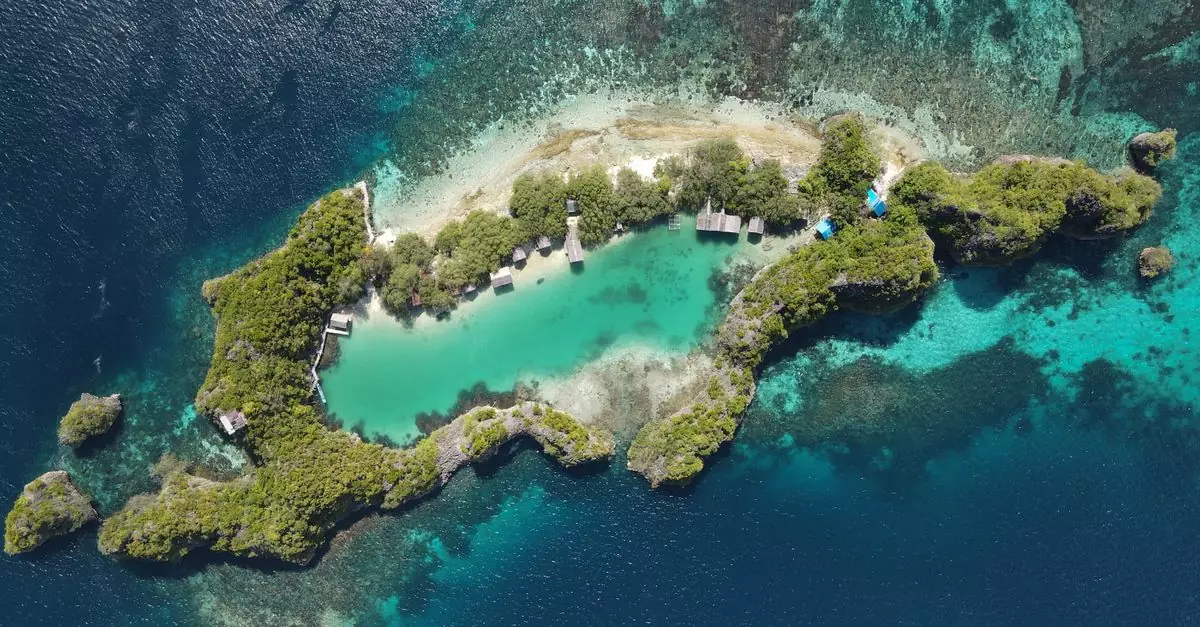
Choosing an eco-resort on an island destination often means immersing yourself in vibrant local culture and savoring authentic island cuisine. Many of these sustainable accommodations serve as gateways to understanding the island’s heritage and supporting its people.
Farm-to-Table Dining at Island Eco-Lodges
Farm-to-table dining is a cornerstone of the eco-resort experience. These establishments frequently partner with local farmers and fishermen, ensuring that the food served is fresh, seasonal, and sustainably sourced. This practice not only provides guests with exceptional culinary experiences but also directly benefits local agricultural and fishing communities. You’ll often find menus that highlight indigenous ingredients, prepared with traditional island techniques. For instance, resorts in the Caribbean might feature freshly caught snapper prepared with local spices, while those in Southeast Asia could offer dishes made with just-harvested taro and coconut. This commitment to local sourcing means your meals contribute to the island’s economy and help preserve traditional farming methods.
Supporting Local Communities Through Responsible Tourism
Responsible tourism at island eco-resorts extends beyond dining. Many properties actively engage with their surrounding communities, offering guests opportunities to participate in or support local initiatives. This can include visiting artisan workshops, learning traditional crafts, or contributing to conservation projects that protect the island’s natural beauty. Some resorts facilitate direct engagement with local guides for excursions, ensuring that tourism revenue stays within the community. When selecting an eco-resort, look for those that clearly outline their community engagement policies and demonstrate tangible benefits to local residents. This thoughtful approach to travel enhances your experience while making a positive impact.
Must-Try Seafood and Tropical Fruit Delicacies
Island destinations are renowned for their abundance of fresh seafood and exotic tropical fruits, and eco-resorts are often the best places to sample these delights. Expect to find a variety of fish, such as mahi-mahi, tuna, and snapper, often prepared simply to highlight their natural flavors. Many resorts pride themselves on offering daily catches, ensuring peak freshness. Tropical fruits are also central to island cuisine. Mangoes, papayas, pineapples, and passion fruit are common, appearing in everything from breakfast smoothies and fruit platters to savory sauces and refreshing desserts. Don’t miss out on local specialties like jackfruit, breadfruit, or soursop, which offer unique textures and tastes you won’t find elsewhere. These culinary experiences are a vital part of understanding the island’s unique ecosystem and agricultural heritage.
Frequently Asked Questions About Eco Resorts on Islands
Are eco resorts more expensive than traditional hotels?
The cost of eco resorts can vary widely. While some high-end, luxury eco-lodges command premium prices due to their unique locations and sustainable amenities, many offer competitive rates. Often, the perceived higher cost reflects the investment in sustainable practices, local community support, and a more immersive, natural experience rather than just a room. Some resorts also focus on all-inclusive models that can provide better value when factoring in activities and meals.
What activities can you do at an eco resort?
Activities at eco resorts are deeply connected to the natural environment and local culture. Expect opportunities for guided nature walks, bird watching, snorkeling or diving in protected marine areas, kayaking through mangroves, and learning about local conservation efforts. Many resorts also offer workshops on sustainable living, cooking classes featuring local produce, or visits to nearby villages to engage with the community. The focus is on low-impact, enriching experiences that foster a deeper appreciation for the destination.
How do you get to these remote island destinations?
Reaching remote island destinations often involves a combination of flights and sea travel. Typically, you’ll fly into a major international airport on the mainland or a larger nearby island. From there, you might take a domestic flight to a smaller regional airport, followed by a ferry, speedboat, or even a small seaplane to reach your final destination. Some resorts offer private transfer services, which can simplify logistics significantly. It’s essential to research the specific travel requirements for your chosen island, as access can be a significant part of the adventure.
What should you pack for an eco-friendly island vacation?
Packing for an eco-friendly island getaway involves prioritizing sustainability and preparedness. Lightweight, quick-drying clothing made from natural fibers is ideal. Don’t forget reef-safe sunscreen, insect repellent, a reusable water bottle, and a small backpack for day trips. Consider bringing a hat and sunglasses for sun protection, as well as comfortable walking shoes or sandals. If the resort offers activities like snorkeling, inquire if gear is provided or if you should bring your own. Minimizing single-use plastics by bringing your own toiletries in solid form or refillable containers is also a good practice.