When dreaming of an escape, the allure of the ocean often takes center stage. The world is home to a remarkable variety of coastal paradises, each offering its own unique charm—from powdery tropical sands to dramatic cliffside vistas. Discovering the best ocean destinations in the world means seeking out those special places that blend breathtaking natural beauty with rich culture, providing opportunities for both deep relaxation and exhilarating adventure.
This guide will help you navigate the vast possibilities, whether you’re drawn to vibrant coral reefs, tranquil secluded beaches, or lively seaside towns. We’ll explore iconic locations known for their pristine waters and stunning landscapes, offering insights into what makes them truly unforgettable. Prepare to find inspiration for your next seaside journey, uncovering destinations that promise sun-drenched days and lasting memories.
Discovering the Best Ocean Destinations for Unforgettable Beach Escapes
Choosing the world’s best ocean destinations for a coastal escape involves more than just sandy shores. It means seeking out places that combine stunning natural beauty, vibrant local culture, and opportunities for both relaxation and adventure. Whether you dream of powdery white sands, dramatic cliffside views, or vibrant coral reefs, the planet offers an incredible array of coastal paradises. This guide helps you navigate these choices to find your perfect seaside sanctuary.
Top Coastal Gems for Pristine Beaches and Turquoise Waters
When picturing the ultimate beach vacation, certain destinations consistently stand out for their exceptional natural beauty. The Maldives, for instance, is renowned for its overwater bungalows and crystal-clear lagoons teeming with marine life, making it a premier spot for snorkeling and diving. Its low-lying coral islands offer an unparalleled sense of seclusion.
The Seychelles archipelago presents a different kind of tropical allure, with distinctive granite boulders framing some of the most photographed beaches globally, such as Anse Source d’Argent on La Digue. The vibrant blues of the Indian Ocean here are truly breathtaking.
For those captivated by dramatic landscapes, the Amalfi Coast in Italy showcases colorful villages clinging to steep cliffs overlooking the azure Mediterranean Sea. While its beaches are often pebbly, the scenic beauty and charming towns are world-class.
The Caribbean also boasts an abundance of riches. Grace Bay in Turks and Caicos consistently ranks high for its long stretch of soft, white sand and calm, clear turquoise waters, perfect for swimming and watersports.
Why These Ocean Destinations Rank Among the World’s Best
These celebrated ocean destinations earn their accolades through a combination of factors that extend beyond aesthetics. Accessibility, safety, and the quality of tourist infrastructure play significant roles. Destinations like Bora Bora in French Polynesia have mastered the art of luxury island getaways, offering exceptional service and breathtaking scenery.
Additionally, the ecological health of these regions enhances their appeal. Vibrant coral reefs, diverse marine ecosystems, and well-preserved natural environments create unforgettable experiences for divers, snorkelers, and nature enthusiasts. The commitment to conservation in places like the Great Barrier Reef underscores the value placed on these natural wonders.
Unique cultural experiences further elevate certain coastal regions. From the laid-back vibe of the Greek Islands to the rich history along the coast of Portugal, these destinations offer more than just a beach; they provide gateways to local traditions, cuisine, and ways of life. This blend of natural splendor and cultural richness truly defines the best ocean destinations.
Identifying Your Ideal Ocean Getaway: Beach Type vs. Activity
Your preferences will ultimately dictate which coastal paradise suits you best. Consider the type of beach that appeals most:
- Powdery White Sand: Perfect for lounging, sunbathing, and building sandcastles. Destinations like the Maldives, Boracay in the Philippines, and various Caribbean islands excel here.
- Dramatic Rocky Shores or Cliffs: Offers stunning vistas and exploration opportunities. Think of the Cliffs of Moher in Ireland or the rugged coastlines of Big Sur, California.
- Coral Beaches: Unique and often provide excellent snorkeling right offshore. Many islands in the Pacific and Indian Oceans feature these.
Beyond the sand, consider the activities you envision:
- Relaxation and Wellness: Look for destinations with serene beaches, spas, and quiet environments. The islands of Hawaii or tranquil spots in Thailand might be suitable.
- Water Sports: Surfing, diving, snorkeling, kayaking, and paddleboarding are key. Consider places like Hawaii for surfing, the Red Sea for diving, or coastal areas in Australia.
- Cultural Immersion: Combine beach time with exploring local towns, historical sites, and culinary experiences. The Mediterranean coastlines of Italy, Greece, or Spain are excellent for this.
- Adventure and Exploration: Hiking coastal trails, exploring sea caves, or wildlife watching might be on your agenda. New Zealand’s coast or parts of the Pacific Northwest offer such opportunities.
Understanding these nuances will help you narrow down the vast possibilities and select an ocean destination that perfectly matches your travel style and desires for an unforgettable beach escape.
Maldives: Overwater Bungalows and Ultimate Relaxation in the Indian Ocean
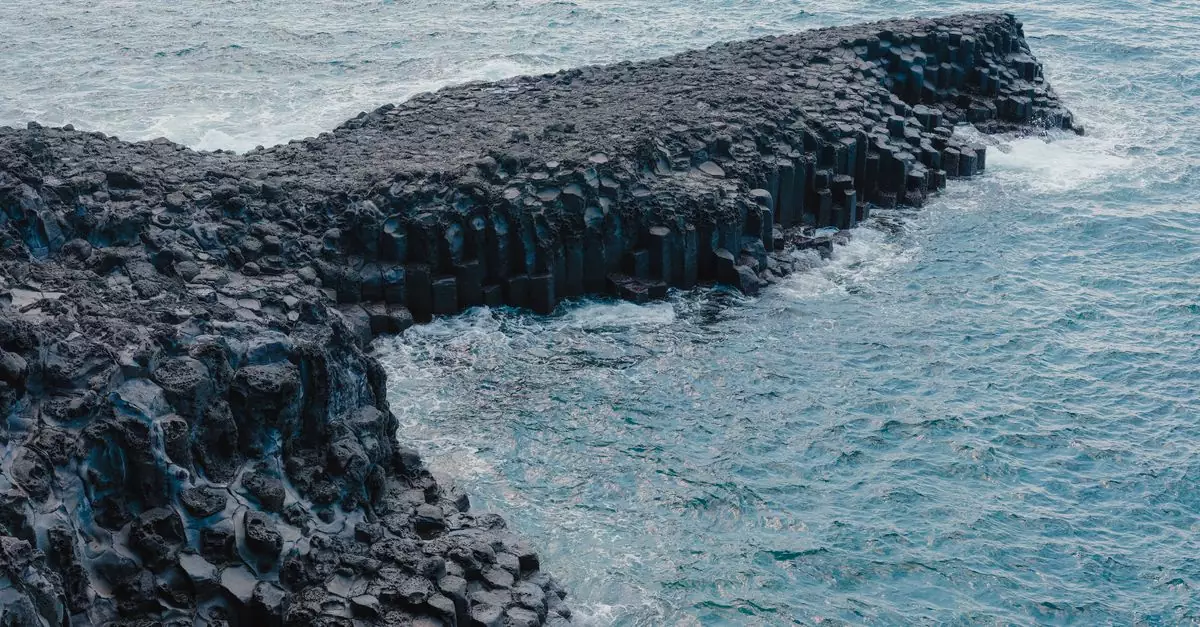
The Maldives, a collection of over 1,000 coral islands scattered across the Indian Ocean, epitomizes the dream of a tropical escape. Known for its impossibly clear turquoise waters, vibrant coral reefs, and luxurious overwater bungalows, this archipelago offers unparalleled relaxation and adventure for honeymooners, divers, and anyone seeking pristine natural beauty. Planning a trip here involves understanding the unique geography and choosing the right atoll to match your interests.
Best Atolls for Snorkeling and Diving in the Maldives
The underwater world of the Maldives is its main draw, teeming with marine life. For snorkelers and divers, certain atolls stand out for their exceptional biodiversity and accessible reefs. Baa Atoll, a UNESCO Biosphere Reserve, is famous for Hanifaru Bay, where massive aggregations of manta rays and whale sharks gather during the southwest monsoon season (typically May to November) for feeding. Ari Atoll is another prime location, particularly for spotting whale sharks year-round and experiencing thrilling drift dives along channels. South Malé Atoll offers a good mix of vibrant coral gardens and wreck dives, often easily accessible from resorts.
When choosing an atoll, consider the marine life you most want to see. Some resorts offer house reefs directly accessible from the beach or your overwater villa, providing convenient snorkeling opportunities. For more advanced diving, liveaboard boats offer a fantastic way to cover multiple dive sites across different atolls.
Luxury Resorts vs. Guesthouses: Finding Your Maldives Accommodation
Accommodation in the Maldives ranges from ultra-luxury private island resorts to more budget-friendly guesthouses on inhabited islands. The traditional Maldivian experience often conjures images of exclusive resorts with private plunge pools and personal butlers. These offer the highest level of privacy and service, with most activities and dining options contained within the resort.
However, the rise of guesthouses on local islands has opened up the Maldives to a wider range of travelers. Islands like Maafushi, Thulusdhoo, and Dhigurah provide comfortable, clean accommodation at a fraction of the resort price. Staying in a guesthouse offers a chance to experience local Maldivian life, dine at local cafes, and interact with the community. While you won’t find overwater bungalows in guesthouses, you’ll still have access to stunning beaches and excursions like snorkeling trips and dolphin watching.
| Accommodation Type | Typical Price Range (USD per night) | Key Features | Best For |
|---|---|---|---|
| Luxury Resort (Overwater) | $700 – $5,000+ | Private villas, fine dining, exclusive amenities | Honeymooners, luxury travelers, ultimate privacy |
| Luxury Resort (Beachfront) | $500 – $3,000+ | Beach access, resort facilities, varied dining options | Families, couples seeking resort amenities |
| Guesthouse (Local Island) | $50 – $200 | Comfortable rooms, local interaction, affordable tours | Budget travelers, cultural immersion seekers |
Transportation between resorts and local islands typically involves speedboats or seaplanes arranged by your accommodation. For travel between inhabited islands, public ferries are available, though schedules can be limited.
Experiencing Maldivian Culture Beyond the Resort Beaches
While the pristine beaches and marine life are undeniable attractions, engaging with Maldivian culture enriches the travel experience. Many local islands feature mosques, markets, and community centers where visitors can observe daily life. Respectful attire is important when visiting inhabited islands; covering shoulders and knees is generally advised when walking through villages.
Food is a significant part of any culture, and the Maldives is no exception. Fresh seafood, particularly tuna, forms the backbone of Maldivian cuisine. Dishes like Garudhiya (fish soup) and Mas Huni (shredded smoked tuna with coconut and onion) are local staples. Sampling these authentic flavors at local eateries provides delicious insight into the island nation’s heritage. Many resorts also offer Maldivian cooking classes, allowing guests to learn about traditional ingredients and preparation methods.
Visiting the capital city, Malé, offers a glimpse into a more bustling side of the Maldives. The Grand Friday Mosque, the fish market, and the local bazaar are key points of interest. While Malé is densely populated, it provides a stark contrast to the tranquility of the resort islands and a deeper understanding of the country’s urban life.
Bora Bora, French Polynesia: Iconic Luxury and Volcanic Vistas

Bora Bora stands as a quintessential tropical escape, renowned for its overwater bungalows, vibrant turquoise lagoon, and dramatic volcanic peaks that pierce the horizon. This South Pacific gem offers a blend of unparalleled luxury and breathtaking natural beauty, making it a top contender among the world’s best ocean destinations. Planning a trip here involves understanding its unique appeal and logistical considerations.
Mount Otemanu Views: The Most Photogenic Spots in Bora Bora
The majestic Mount Otemanu, the remnant of an ancient volcano, dominates Bora Bora’s skyline and provides a stunning backdrop for any visitor. Capturing its grandeur requires strategic positioning and timing. Many of the most iconic views are found from the water, particularly from the lagoon.
Consider a boat tour that circumnavigates the island, offering continuously changing perspectives of the mountain. Sunrise and sunset are particularly magical, painting the peak in hues of orange, pink, and purple. Resorts on the western side of the island, such as the Four Seasons Resort Bora Bora, provide direct, unobstructed views from their overwater villas and beachfronts. For a more elevated perspective, hiking trails around the lower slopes, though challenging, lead to panoramic vistas.
Exploring the Coral Gardens of the Bora Bora Lagoon
The Bora Bora lagoon is the heart of the island’s allure, a vast expanse of crystal-clear water teeming with marine life. Its shallow, protected waters are ideal for snorkeling and diving, revealing vibrant coral gardens and a diverse array of fish. The lagoon’s distinct shades of blue, from pale turquoise to deep sapphire, create a visual spectacle.
Snorkeling excursions are a must-do activity. Many resorts offer complimentary snorkeling gear, and guided tours can take you to prime spots like the Coral Garden, known for its abundance of colorful reef fish and gentle rays. For those interested in a deeper understanding of this delicate ecosystem, learning about the importance of coral reefs as vital marine habitats can enhance the experience. The clarity of the water, often exceeding 30 meters, makes underwater photography a rewarding pursuit.
Romantic Itineraries for Couples in Bora Bora
Bora Bora is synonymous with romance, and its attractions cater perfectly to couples seeking an unforgettable getaway. An itinerary focused on relaxation and shared experiences will maximize the island’s romantic potential.
Day 1: Arrival and Overwater Bliss
Arrive at Motu Mute Airport (BOB) and transfer by boat to your chosen luxury resort. Spend the afternoon settling into your overwater bungalow, enjoying the privacy and direct lagoon access. A sunset cocktail followed by a private dinner on your deck or the beach completes the first day.
Day 2: Lagoon Exploration and Marine Encounters
Embark on a shared lagoon tour that includes snorkeling with blacktip reef sharks and stingrays. Many tours also feature a motu picnic lunch, offering a secluded beach dining experience. In the evening, consider a couples’ spa treatment.
Day 3: Island Views and Cultural Immersion
Arrange for a private 4×4 tour to explore the interior of the main island, visiting historical sites and scenic viewpoints with Mount Otemanu as the backdrop. In the afternoon, consider a guided paddleboarding or kayaking session around the calmer parts of the lagoon. A romantic dinner at a renowned restaurant like La Villa Mahana offers a fine dining experience.
Logistics and Timing:
The best time to visit Bora Bora is during the dry season, from May to October, when humidity is lower and rainfall is minimal. Travel during the shoulder months of May and October can offer a good balance of favorable weather and fewer crowds.
Accommodation:
Bora Bora is known for its high-end resorts featuring iconic overwater bungalows. Options range from ultra-luxury brands like St. Regis and Four Seasons to more boutique experiences. While expensive, the quality of service and the unique accommodation style contribute significantly to the romantic appeal.
Budget:
Bora Bora is a high-cost destination. Expect to spend significantly on flights, accommodation, and activities. A week-long trip for two can easily range from $10,000 to $20,000 USD or more, depending on the chosen resort and dining preferences.
Transportation:
Getting to Bora Bora typically involves flying into Faa’a International Airport (PPT) in Papeete, Tahiti, followed by a domestic flight to Bora Bora’s Motu Mute Airport (BOB). Inter-resort and airport transfers are almost exclusively by boat, which is often arranged by the hotels. Once on the main island, taxis and resort shuttles are available, but many visitors opt to stay within their resort’s sphere of activities.
The Amalfi Coast, Italy: Dramatic Cliffs and Mediterranean Charm
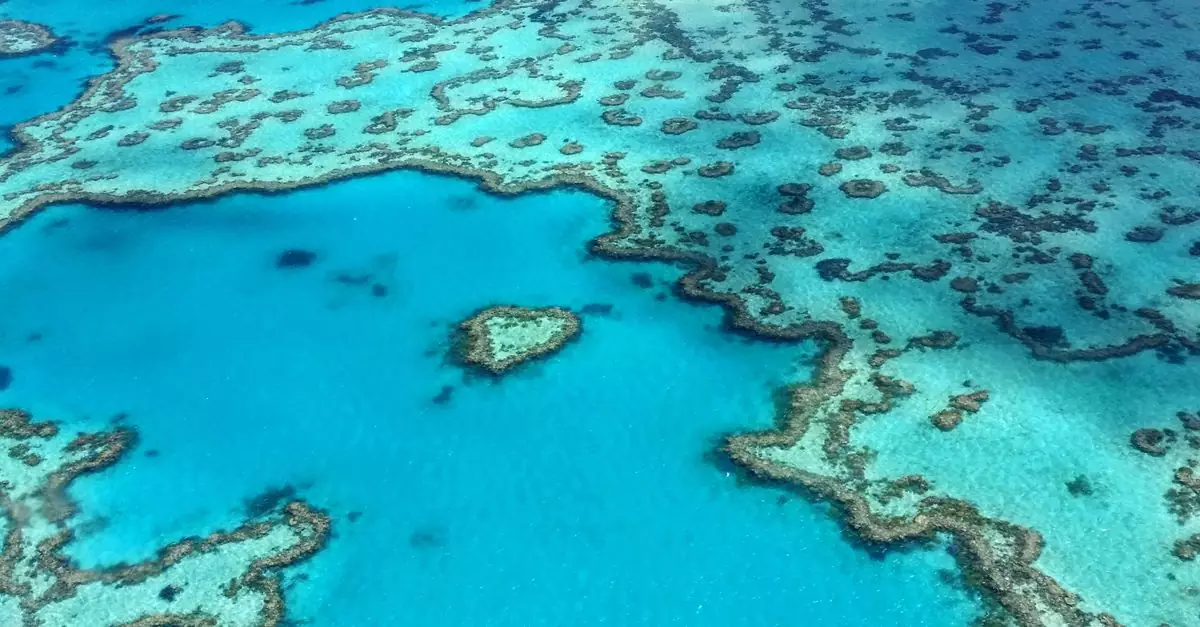
The Amalfi Coast presents a breathtaking panorama of rugged cliffs plunging into the azure Tyrrhenian Sea, dotted with pastel-hued villages clinging precariously to the hillsides. This UNESCO World Heritage site offers an unforgettable blend of natural beauty, rich history, and vibrant Italian culture, making it one of the world’s best ocean destinations for those seeking dramatic scenery and la dolce vita. Planning your visit requires attention to logistics, as this popular stretch of coastline can be challenging to navigate.
Navigating the Scenic Amalfi Drive: Best Time and Transportation Tips
The iconic Amalfi Drive, officially known as SS163, is a serpentine road offering unparalleled coastal views. Traveling this route requires careful consideration of timing and transportation to avoid crowds and maximize enjoyment. The shoulder seasons, from April to May and September to October, provide pleasant weather and fewer tourists than the peak summer months of July and August. During these times, expect daytime temperatures to be in the comfortable 60s and 70s Fahrenheit.
Reaching the coast is best achieved by flying into Naples International Airport (NAP). From Naples, you have several transportation options:
- Private Transfer: The most convenient but also the most expensive option, offering direct door-to-door service.
- Train and Bus: Take a train from Naples to Sorrento or Salerno, then transfer to a SITA bus that runs along the coast. This budget-friendly choice can be crowded and slow.
- Ferry: During the summer months, ferries connect various coastal towns and offer a scenic alternative to driving.
- Rental Car: While offering flexibility, driving the narrow, winding roads of the Amalfi Drive can be stressful, and parking is extremely limited and expensive. It is generally recommended to use public transport or private transfers.
Consider visiting during the week rather than on weekends, as local traffic can significantly increase congestion.
Positano’s Colorful Terraces: A Guide to Its Charming Streets
Positano is perhaps the most photographed town on the Amalfi Coast, famous for its vertical cascade of colorful houses tumbling down to the sea. Its charm lies in its labyrinthine network of steep staircases and narrow alleyways, lined with boutiques selling linen clothing, handmade sandals, and local ceramics. The town is a pedestrian’s paradise, with cars largely restricted from its core.
Wandering through Positano means embracing the climb. Allow ample time to get lost, discovering hidden piazzas and breathtaking viewpoints around every corner. The main beach, Spiaggia Grande, is a lively hub, while the smaller, more secluded Fornillo beach offers a tranquil escape. For those seeking a unique perspective, consider a boat tour that allows you to view Positano from the water, highlighting its dramatic cliffside architecture.
Savoring Fresh Seafood and Limoncello on the Amalfi Coast
The culinary scene on the Amalfi Coast reflects its Mediterranean setting. Fresh seafood is a staple, with local trattorias and upscale restaurants serving just-caught fish, calamari, and mussels prepared with simple, flavorful ingredients. Don’t miss dishes featuring scialatielli, a local thick, short pasta often served with seafood.
No visit is complete without experiencing the region’s famous lemons, which are larger and more fragrant than most. These are the stars of limoncello, a sweet and potent lemon liqueur. Enjoy it chilled as a digestif after a meal. Local pastries, such as delizia al limone (lemon sponge cake), are also a must-try. Dining al fresco with views of the sea provides an unforgettable gastronomic experience.
Santorini, Greece: Caldera Views and Aegean Sunsets
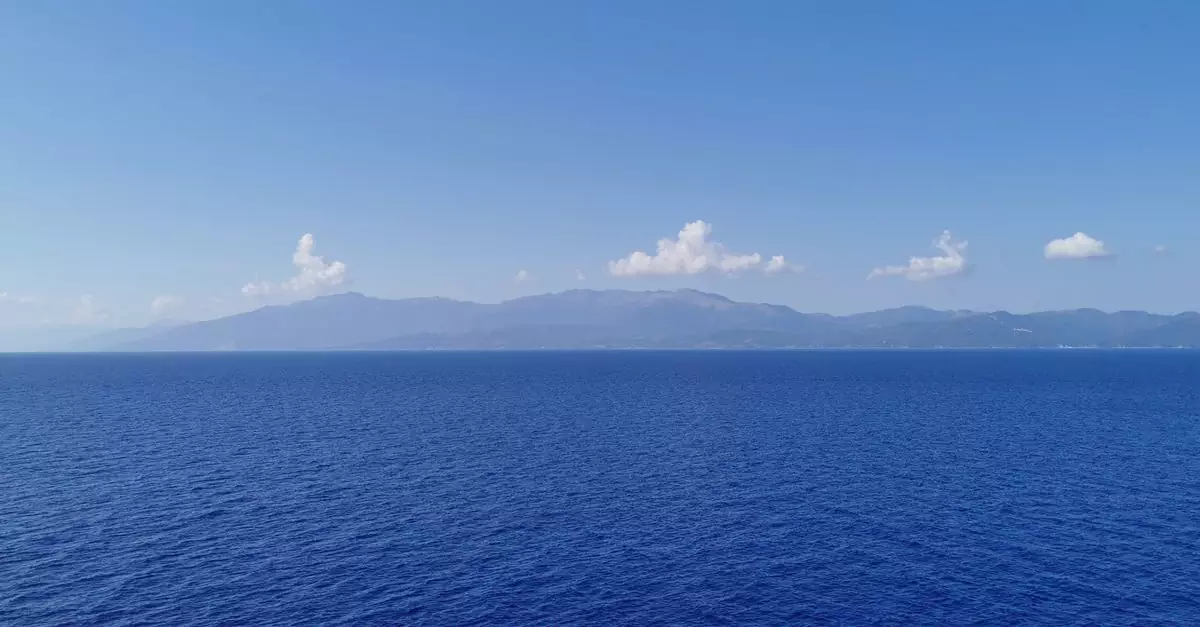
Santorini consistently ranks among the world’s best ocean destinations, drawing visitors with its dramatic caldera cliffs, whitewashed villages, and legendary sunsets. This volcanic island in the southern Aegean Sea features a landscape shaped by a massive eruption centuries ago. Planning a trip here requires understanding its distinct villages and how to best experience its iconic scenery.
Oia vs. Fira: Choosing Your Base on Santorini
Deciding where to stay on Santorini is a key first step, as Oia and Fira offer different vibes and experiences. Fira, the island’s capital, is a bustling hub with a wide array of restaurants, bars, and shops, all perched on the caldera edge. It offers more accessibility and a lively atmosphere, making it a popular choice for those who want convenience and energy.
Oia, located at the northern tip of the island, is world-renowned for its breathtaking sunsets and romantic ambiance. While more expensive and often crowded, especially at sunset, its picturesque blue-domed churches and winding alleys are quintessential Santorini. It’s a quieter option in the evenings compared to Fira, offering a more tranquil, postcard-perfect stay. Other villages like Imerovigli offer a quieter caldera experience, often with stunning views and luxury accommodations.
Exploring Santorini’s Unique Volcanic Beaches: Red Beach and Black Sand
Santorini’s volcanic origins have created beaches unlike any other. The most famous is Red Beach, named for its striking red sand and cliffs, a result of iron-rich volcanic rock. Reaching Red Beach involves a short hike down from the parking area, and while swimming is possible, the beach can be crowded and prone to rockfalls, so caution is advised.
The island also boasts several black sand beaches, such as Perissa and Kamari. These beaches feature smooth, dark volcanic pebbles and sand, offering a dramatic contrast to the turquoise Aegean Sea. They are well-equipped with sunbeds, umbrellas, and beachfront tavernas, making them comfortable spots for sunbathing and swimming. For those seeking a more secluded experience, Vlychada beach offers a unique landscape of sculpted white volcanic cliffs.
Best Wine Tasting Tours with Caldera Views in Santorini
Santorini’s volcanic soil is ideal for growing indigenous grape varietals, most notably Assyrtiko, which produces crisp, dry white wines. Wine tasting here is a must-do activity, often enhanced by stunning caldera backdrops. Several wineries offer tours and tastings, providing insights into the island’s unique viticulture.
Santo Wines, a large cooperative winery, offers panoramic views over the caldera and a wide selection of wines. Venetsanos Winery, built into the cliffside, provides a more intimate setting with spectacular vistas. For a more boutique experience, consider visiting Domaine Sigalas near Oia, known for its high-quality wines and vineyard setting. Many tours combine wine tasting with visits to different villages or archaeological sites, offering a comprehensive taste of Santorini’s culture and landscape.
| Winery Name | Location | Notable Wines | View Type |
|---|---|---|---|
| Santo Wines | Pyrgos | Assyrtiko, Vinsanto | Panoramic |
| Venetsanos | Megalochori | Assyrtiko, Mandilaria | Caldera |
| Domaine Sigalas | Oia | Assyrtiko, Mavrotragano | Vineyard/Sea |
Frequently Asked Questions About Planning Your Ocean Destination Trip
What is the best time of year to visit these top ocean destinations?
The ideal time to visit the best ocean destinations often depends on your tolerance for crowds and specific weather preferences. Generally, the shoulder seasons—spring (April to May) and fall (September to October)—offer a good balance of pleasant weather and fewer tourists. This is especially true for destinations in the Northern Hemisphere, like the Mediterranean or parts of the Caribbean.
For many tropical locations, the dry season is preferred. For instance, the Maldives and much of Southeast Asia experience their best weather between December and April. However, these peak months also bring higher prices and more visitors. Consider researching the specific climate patterns of your chosen coastal paradise to align with your travel dates.
What are the typical budget considerations for luxury ocean getaways?
Luxury ocean getaways can vary significantly in cost, but generally, expect higher price points for exclusive island resorts and private villa rentals. The Caribbean, particularly islands like St. Barts, and exclusive Maldivian atolls are known for their premium pricing. This often includes high-end dining, spa services, and private excursions.
Budgeting for these trips should account for:
- Accommodation: Overwater bungalows, beachfront suites, or private villas.
- Flights: Business or first-class travel can add substantially to the cost.
- Dining: Gourmet restaurants and private chef services.
- Activities: Private yacht charters, diving expeditions, or exclusive tours.
Even within the luxury segment, some destinations offer better value. Consider islands in French Polynesia or certain private resorts in the Indian Ocean for comparable luxury at potentially different price points.
Are these ocean destinations safe for solo travelers?
Most of the world’s best ocean destinations are safe for solo travelers, especially those that cater to tourism. Islands and coastal resorts often have robust security measures and a welcoming atmosphere for independent visitors. Destinations like certain Greek islands, coastal Portugal, or well-established resort areas in the Caribbean typically have low crime rates.
However, as with any travel, it’s wise to exercise standard precautions. Stick to well-lit areas at night, inform someone of your itinerary, and be aware of your surroundings. Researching the specific safety reputation of smaller, more remote islands can also be beneficial before booking.
What should I pack for a tropical beach vacation?
Packing for a tropical beach vacation should prioritize lightweight, breathable clothing suitable for warm weather and humidity. Essential items include:
- Swimwear: Multiple options are recommended so one can dry.
- Sun Protection: High SPF sunscreen, a wide-brimmed hat, and sunglasses are crucial.
- Lightweight Clothing: Sundresses, shorts, t-shirts, and linen pants.
- Evening Wear: A slightly dressier outfit or two for nice dinners, though many tropical resorts have a relaxed dress code.
- Footwear: Sandals, flip-flops, and comfortable walking shoes if you plan on exploring.
- Insect Repellent: Especially important for evenings or if venturing near lush vegetation.
- Reusable Water Bottle: To stay hydrated and reduce plastic waste.
- Waterproof Bag: Useful for protecting electronics and valuables near the water.