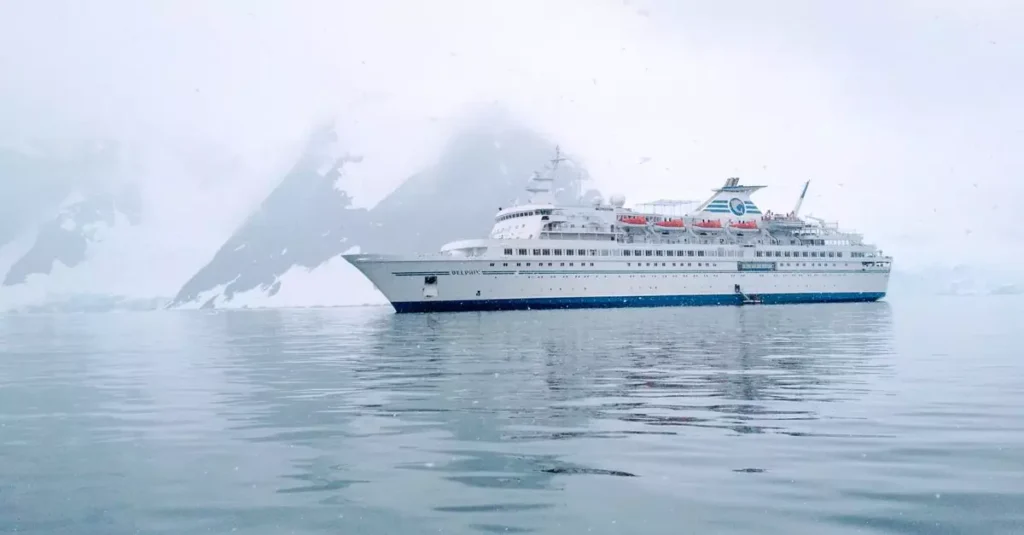
Planning a trip to the White Continent is an exciting endeavor, and understanding your options for the best Antarctica cruises is the first step. This vast, icy wilderness offers unparalleled wildlife encounters and breathtaking scenery, but selecting the right voyage can feel overwhelming.
This guide will help you navigate the complexities of booking your Antarctic adventure. You’ll discover the key differences between expedition and luxury cruises, learn about the ideal times to visit for specific wildlife sightings, explore must-see destinations along the Antarctic Peninsula, and get essential packing advice. We’ll also address common questions about cost, safety, and top cruise lines, ensuring you’re well-prepared for an unforgettable journey to one of the planet’s last true frontiers.
Choosing Your Ideal Antarctica Cruise: Expedition vs. Luxury
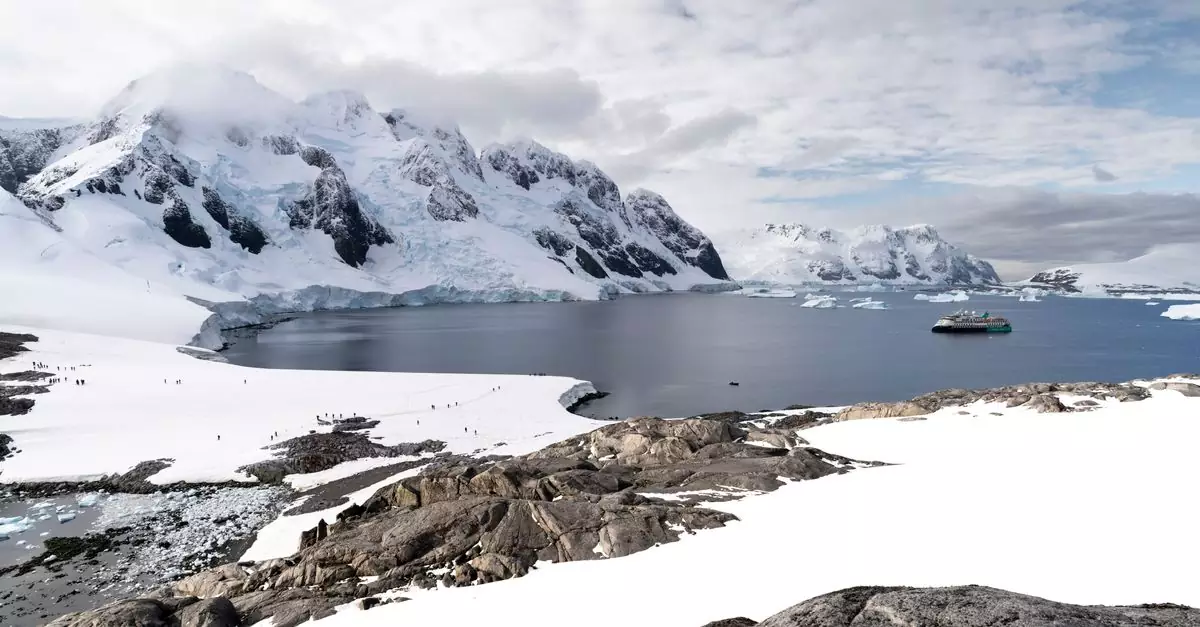
Deciding between an expedition or a luxury cruise is the first major step in planning your trip to the White Continent. Both options provide access to Antarctica’s stunning landscapes and wildlife but cater to different travel styles and priorities. Understanding these differences will help you select the best Antarctica cruise for your adventure.
Expedition Cruises: Immersive Wildlife & Adventure
Expedition cruises are designed for travelers eager to engage actively with Antarctica’s environment. These voyages prioritize landings, Zodiac excursions, and wildlife viewing opportunities. Typically smaller, these ships carry fewer than 200 passengers, allowing for greater flexibility in itineraries and access to remote landing sites.
Expect to spend considerable time ashore or on the water. Daily activities often include guided hikes, kayaking among icebergs, and even polar plunges. The focus is on education and immersion, with onboard naturalists, geologists, and historians leading lectures and accompanying excursions. This travel style suits those comfortable with a rugged experience, which may involve getting wet during Zodiac transfers and being prepared for variable weather.
Luxury Cruises: Comfort & Scenic Viewing
Luxury cruises offer a more refined way to experience Antarctica. While still providing opportunities for landings and wildlife encounters, these voyages emphasize onboard amenities and service. Larger ships feature spacious suites, fine dining, and various entertainment options.
These cruises are ideal for travelers who wish to witness the dramatic scenery and abundant wildlife from a comfortable vantage point while still having the option for active participation. You’ll have expert guides and informative lectures, but the pace may be more relaxed. Onboard, expect spa facilities, lounges with panoramic views, and a higher staff-to-guest ratio. This option is well-suited for those who value comfort and indulgence alongside their Antarctic adventure.
What to Expect on an Antarctica Expedition Ship
Regardless of whether you choose an expedition or luxury vessel, life aboard an Antarctica ship revolves around the unique environment. Most voyages depart from Ushuaia, Argentina, or Punta Arenas, Chile, crossing the Drake Passage to reach the Antarctic Peninsula. The Drake Passage can be notoriously rough, so be prepared for potential seasickness.
Onboard, daily schedules are dictated by weather and wildlife sightings. Expect two to three excursions per day, weather permitting. These often involve Zodiacs, small inflatable boats that ferry passengers to shore or cruise through ice-choked bays. Safety briefings are frequent and mandatory, ensuring everyone understands how to behave responsibly around wildlife and on the ice.
Accommodations vary widely. Expedition ships might offer smaller, functional cabins, while luxury vessels boast larger suites with balconies. All ships provide communal dining areas, lounges for lectures and socializing, and often a library. Packing essentials include warm, waterproof layers, sturdy waterproof boots (often provided by the operator), sun protection, and seasickness medication.
The cost of an Antarctica cruise can vary significantly. Expedition trips tend to be more budget-friendly, while luxury voyages command higher prices. A typical 10-14 day expedition cruise might start from $7,000 per person, whereas a luxury itinerary could easily exceed $15,000. Booking well in advance, often 12-18 months out, is recommended, especially for peak season travel between November and March.
When is the Best Time to Book an Antarctica Cruise?
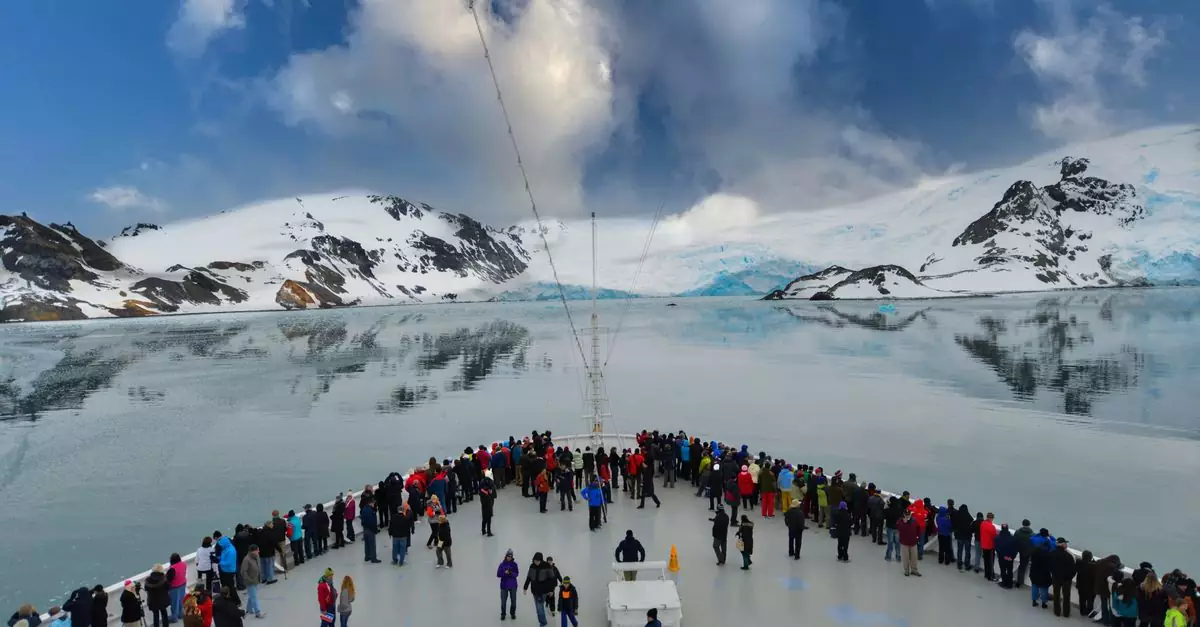
Choosing the right time for your voyage to the White Continent is crucial for maximizing wildlife sightings, experiencing optimal conditions, and securing the best value. The Antarctic travel season runs from November to March, with each month offering distinct advantages and unique wildlife spectacles. Understanding these differences will help you select the best Antarctica cruises for your interests.
November: Early Season Ice Formations & Penguin Chicks
November marks the beginning of the Antarctic summer and the start of the expedition cruise season. The landscape is dramatically beautiful, with vast expanses of pristine ice and snow. This early period features impressive ice formations and the initial stages of penguin breeding. You’ll witness penguins returning to their colonies, engaging in courtship rituals, and beginning to lay their eggs. While you might not see chicks yet, the energy of the returning wildlife is palpable.
Temperatures are colder in November, typically ranging from -10°C to 5°C (14°F to 41°F). Sea ice can still be extensive, which might influence some ship itineraries and limit access to certain areas. However, this also means fewer ships are present, offering a more exclusive experience. For travelers who appreciate dramatic icy landscapes and the excitement of the breeding season’s onset, November is a compelling choice.
December-January: Peak Summer & Whale Watching
December and January represent the height of the Antarctic summer and are widely considered the peak season for visiting the White Continent. During these months, daylight hours extend nearly 24 hours, allowing for maximum exploration and wildlife viewing. The weather is generally mild, with average temperatures between 0°C and 10°C (32°F to 50°F).
This period is prime time for penguin chicks to hatch, and you’ll see fluffy chicks eagerly awaiting their parents’ return with food. It’s also the best time for whale watching, as humpback, minke, and fin whales are abundant in Antarctic waters, feeding on krill. The receding sea ice opens more of the coastline, allowing expedition ships to navigate further into bays and channels, accessing prime wildlife hotspots. While this is the most popular time, leading to more ships and potentially higher prices, the abundance of wildlife and favorable conditions make it a top choice for many seeking the best Antarctica cruises.
February-March: Late Season Humpback Whales & Molting Penguins
As summer transitions into autumn, February and March offer a different yet equally rewarding experience. The weather remains relatively mild, though temperatures begin to cool, averaging between -5°C and 5°C (23°F to 41°F). The dramatic light of the late season creates stunning photographic opportunities, with softer hues and longer shadows.
For whale enthusiasts, these months are exceptional. Humpback whales are often seen in large numbers as they continue to feed before migrating north. It’s also when penguins begin their annual molt, shedding old feathers and growing new ones. While the chicks from earlier in the season will have grown significantly and may be preparing to fledge, the molting process is a unique spectacle. Ice conditions are generally stable, and itineraries are less likely to be impacted by heavy ice. Late-season trips can sometimes offer better value, making them attractive for budget-conscious travelers.
Top Antarctica Cruise Itinerary Highlights & Destinations
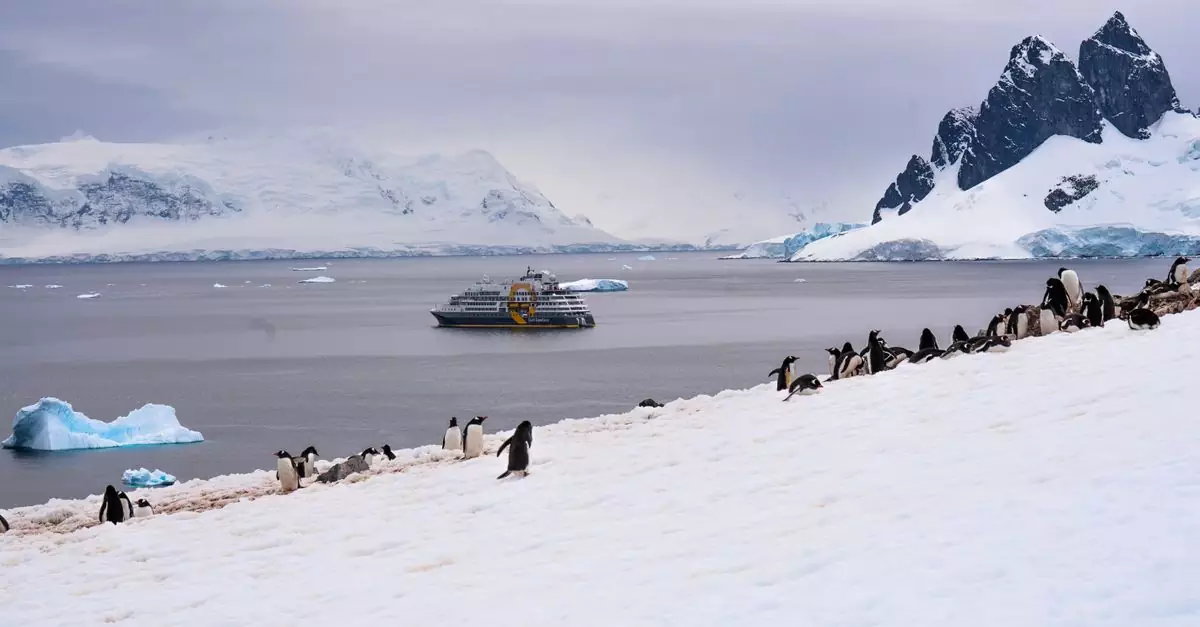
Embarking on one of the best Antarctica cruises offers a journey into a realm of unparalleled icy grandeur and abundant wildlife. Most expeditions focus on the Antarctic Peninsula and its surrounding islands, providing accessible yet profoundly wild experiences. Understanding the key destinations within these itineraries will help you anticipate the incredible sights and encounters awaiting you.
South Shetland Islands: Penguin Colonies & Volcanic Landscapes
The South Shetland Islands, often the first landfall on an Antarctic expedition, serve as a vibrant introduction to the continent’s wonders. These islands boast active volcanic geology and are teeming with life, particularly penguins. King George Island is a hub for research stations, while smaller islands like Half Moon Island and Aitcho Islands offer close-up views of chinstrap, gentoo, and sometimes Adélie penguins. Zodiac cruising here reveals dramatic volcanic coastlines and often brings travelers face-to-face with seals lounging on ice floes.
Expect to see large colonies of penguins nesting and feeding, providing remarkable photographic opportunities. The sheer number of birds, combined with their relatively unafraid nature, makes for an unforgettable wildlife spectacle. Some itineraries may also include visits to historic sites, such as the old whaling station at Deception Island, a caldera you can sail into.
Antarctic Peninsula: Icebergs & Marine Mammal Hotspots
The Antarctic Peninsula is the most visited part of the continent, stretching toward South America. Its dramatic fjords, towering glaciers, and vast icebergs create a breathtaking backdrop for wildlife viewing. This region is a critical feeding ground for whales, including humpbacks and minke whales, and a favored haunt for various seal species like leopard and crabeater seals.
Key landing sites include Neko Harbour, offering stunning glacial vistas and a chance to see gentoo penguins, and Paradise Bay, renowned for its serene beauty and opportunities for kayaking amidst icebergs. Port Lockroy, a historic British base now operating as a museum and post office, provides a unique glimpse into early Antarctic exploration and a chance to send a postcard from the southernmost post office in the world.
The sheer scale of the ice formations is awe-inspiring. Icebergs can range from small, sculpted pieces to colossal tabular bergs, each a unique work of art shaped by the elements. Navigating these waters by expedition ship and Zodiac allows for intimate encounters with this frozen landscape and its inhabitants.
Crossing the Drake Passage: A Rite of Passage
The Drake Passage, the body of water separating the southern tip of South America from the Antarctic Peninsula, is an essential part of any Antarctic voyage. This stretch of ocean is infamous for its potentially rough seas, earning it the nickname “Drake Shake,” but can also be surprisingly calm, referred to as the “Drake Lake.” Regardless of the conditions, crossing it is a rite of passage for any Antarctic traveler.
The journey across the passage typically takes about two days each way. During this time, onboard lectures from naturalists, historians, and geologists provide valuable context for the experiences to come. Keep an eye out for seabirds, such as albatrosses and petrels, that follow the ship. While it can be a test of sea legs for some, the anticipation of reaching the White Continent builds with every nautical mile.
Most expedition ships are stabilized to provide the most comfortable passage possible. Passengers often find that the wildlife sightings and the sheer wonder of Antarctica make the crossing worthwhile. Planning for potential seasickness with medication or other remedies is a wise precaution for this segment of your journey.
What Wildlife Can You See on an Antarctica Cruise?
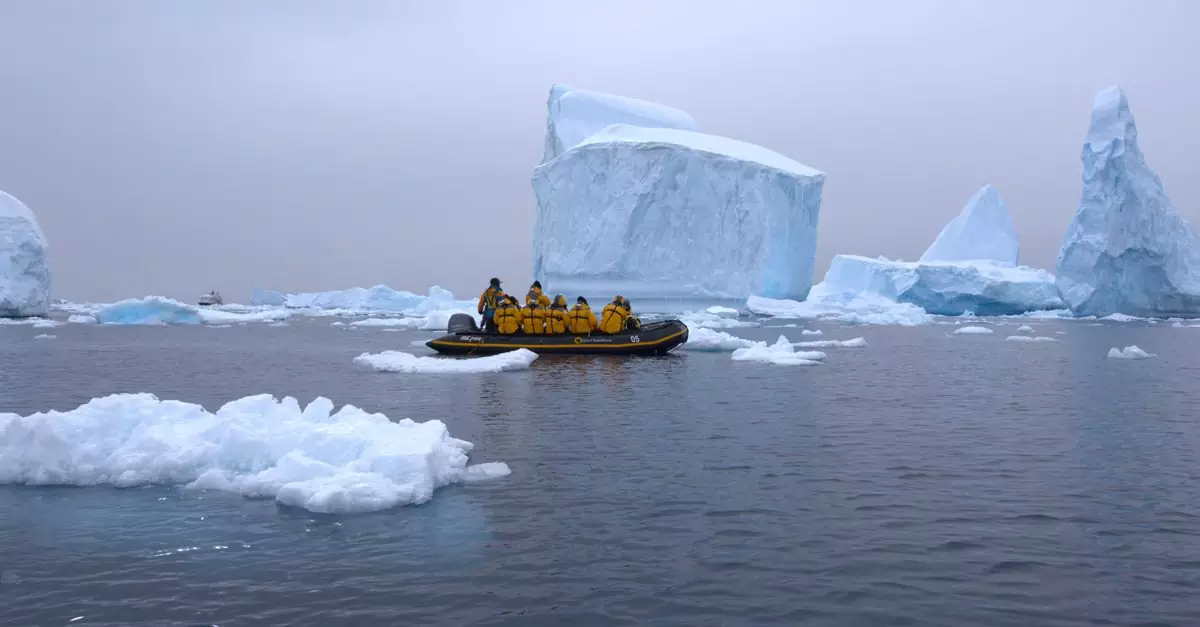
Embarking on a journey to the White Continent offers unparalleled wildlife encounters. The abundance and accessibility of animals in Antarctica are a primary draw for many travelers seeking the best Antarctica cruises. Prepare for close-up views of penguins, whales, seals, and various seabirds in their natural, undisturbed habitat.
Penguin Species: Gentoo, Chinstrap, and Adélie Encounters
Antarctica is synonymous with penguins, and a cruise here will likely introduce you to several species. The most commonly sighted are Gentoo penguins, recognizable by their white eye patches and orange-red beaks. They are often seen waddling on land and porpoising through the water.
Chinstrap penguins are another frequent sight, distinguished by the thin black band across their chins, resembling a helmet strap. They are known for their noisy colonies and energetic demeanor. Adélie penguins, the most southerly penguin species, are also a possibility, characterized by their distinctive white eye-rings and robust build. Observing these birds nesting, caring for their young, and navigating the icy waters is a highlight of any Antarctic expedition.
Whale Watching: Humpbacks, Minke, and Orcas
The nutrient-rich waters surrounding Antarctica attract a significant population of whales, making whale watching a thrilling component of many Antarctica voyages. Humpback whales are a common sight, often observed breaching, feeding, and traveling in pods. Their massive size and acrobatic displays are truly awe-inspiring.
Minke whales are also frequently spotted, known for their speed and curiosity, sometimes approaching vessels. Orcas, or killer whales, are apex predators that may be seen hunting seals or fish. Spotting these intelligent marine mammals, often with their distinctive dorsal fins cutting through the water, is an unforgettable experience. The best months for whale sightings generally align with the austral summer, from November to March.
Seals & Other Marine Life: Leopard Seals, Weddell Seals, and Albatrosses
Beyond penguins and whales, the Antarctic ecosystem supports a diverse array of other fascinating marine life. Leopard seals, with their formidable jaws and sleek bodies, are often seen lounging on ice floes or swimming near shorelines. While they are powerful predators, encounters are typically observed from a safe distance on the expedition ship or Zodiac.
Weddell seals are known for their docility and are often found resting on the ice. They are the most southerly of all seals. You might also encounter crabeater seals and elephant seals. Birdwatchers will be delighted by the presence of various seabirds, including the majestic albatross, which soars effortlessly over the Southern Ocean. These incredible creatures add another layer of wonder to the already spectacular wildlife viewing opportunities on an Antarctic cruise.
Packing Essentials for Your Antarctic Adventure
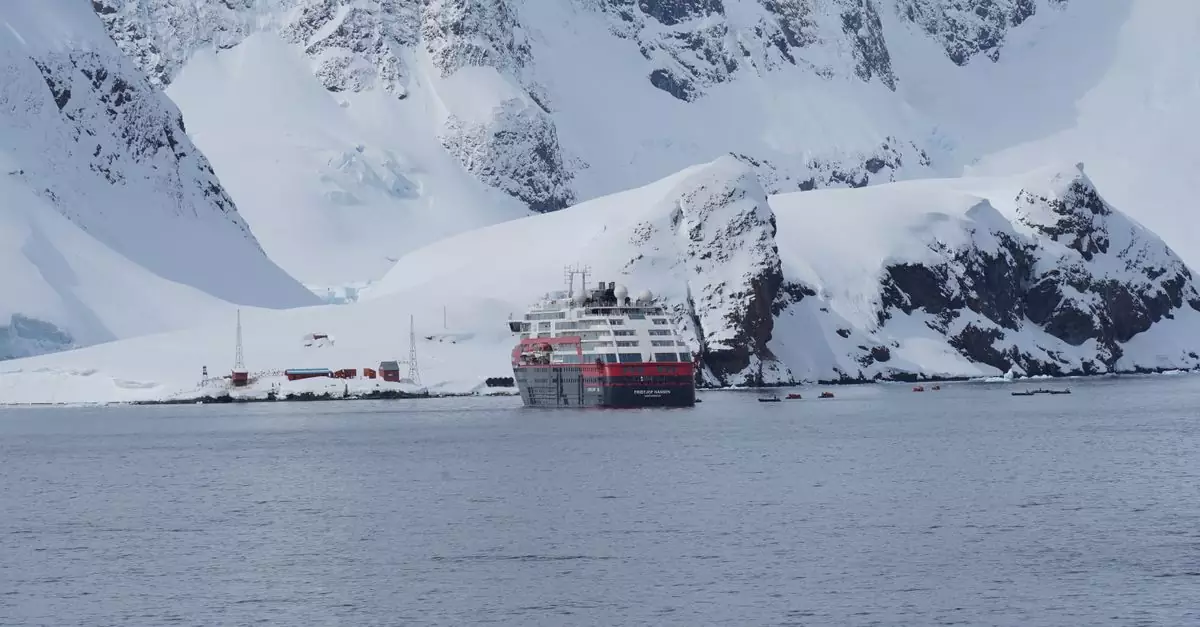
Embarking on a voyage to the White Continent requires careful preparation, especially regarding your clothing. The Antarctic environment is extreme, and staying warm, dry, and protected from the sun is paramount for enjoying your expedition. Most expedition cruise lines provide a waterproof expedition parka, which you can often keep after your trip, but you’ll need to supply the rest of your essential gear.
Outerwear: Waterproof Jackets & Pants for Extreme Weather
Your primary defense against the elements will be your waterproof and windproof outer layers. A high-quality, insulated, waterproof, and breathable expedition parka is crucial. While many ships offer one, check with your operator; some include it, while others rent them. For your lower body, waterproof and insulated pants are non-negotiable. These will keep you dry during Zodiac cruises and landings, where you might encounter sea spray or snow. Look for pants with reinforced cuffs to protect against boot abrasion and zippers for ventilation. Layering is key, so beneath these outer shells, pack thermal base layers made of merino wool or synthetic materials to wick away moisture and retain body heat.
Footwear: Insulated Boots for Zodiac Landings
Appropriate footwear is critical for safely navigating the slippery decks of your expedition vessel and for comfortable landings on shore. Most expedition companies provide insulated, waterproof rubber boots (often referred to as “Muck boots” or wellington boots) for all passengers to use during landings. These are essential for walking through shallow water and snow. It’s advisable to bring a comfortable pair of waterproof hiking boots or sturdy sneakers for use on the ship. Ensure your personal footwear is broken in before your trip to avoid discomfort.
Essential Accessories: Gloves, Hats, Sunglasses, and Sunscreen
Don’t underestimate the importance of protecting your extremities and eyes. Several pairs of waterproof and insulated gloves are recommended, as they can get wet. Consider bringing both a thinner pair for dexterity and a thicker, warmer pair for colder days. A warm, windproof hat that covers your ears is also essential. Polar regions have intense sun, amplified by reflection off snow and ice. Therefore, sunglasses with high UV protection are a must-have. Pack a broad-spectrum sunscreen with a high SPF, even for cloudy days, and lip balm with SPF to prevent chapped lips. A reusable water bottle is also a good idea for staying hydrated on board.
Frequently Asked Questions About Antarctica Cruises
What is the average cost of an Antarctica cruise?
The cost of an expedition to Antarctica varies significantly based on the trip duration, type of vessel, and cabin category. Generally, expect prices to start from around $6,000 to $8,000 per person for shorter, more basic voyages. More comprehensive itineraries, often including remote landing sites or specialized activities like kayaking and camping, can range from $10,000 to $25,000 or more. Luxury expedition ships with premium amenities and larger suites will naturally command higher prices.
Are Antarctica cruises safe for first-time cruisers?
Antarctica cruises are generally very safe, even for those new to cruising or expedition travel. Modern expedition ships are designed to navigate polar waters and are equipped with advanced navigation and safety systems. The experienced expedition teams prioritize passenger safety during landings and Zodiac excursions. While the Drake Passage can sometimes be rough, ships are equipped to handle these conditions, and itineraries often include flexibility to adjust routes if necessary. Traveler confidence often grows quickly once they experience the professional operation of these voyages.
What are the best cruise lines for Antarctica?
Several reputable expedition companies offer excellent voyages to Antarctica, each with slightly different approaches.
- Hurtigruten Expeditions: Known for its commitment to sustainability and a strong focus on educational content, Hurtigruten offers a well-rounded experience.
- Quark Expeditions: A long-standing leader in polar exploration, Quark provides a wide range of itineraries and ship types, from smaller, intimate vessels to larger, more amenity-rich options.
- Lindblad Expeditions (in partnership with National Geographic): These voyages offer an exceptional focus on wildlife photography and scientific learning, with onboard experts and extensive educational programs.
- Ponant: This French company offers a more luxurious expedition experience, combining high-end service with adventurous exploration on their stylish ice-class ships.
When choosing, consider the ship size, the balance between onboard comfort and expedition focus, and the specific activities offered.