From the icy waters of the Arctic to the vibrant coral gardens of the tropics, our planet’s oceans teem with an astonishing array of wildlife. Planning a trip to witness these incredible creatures in their natural habitats can be unforgettable, but knowing when and where to go is essential. This guide explores some of the best ocean wildlife destinations, highlighting what makes each location unique and what you can expect to see. We’ll cover optimal visit times for specific animal encounters, along with tips for planning your adventure responsibly, ensuring a sustainable journey into the blue.
Top 5 Best Ocean Wildlife Destinations for Marine Life Lovers
This curated list highlights premier locations for experiencing diverse marine ecosystems and their inhabitants, offering unparalleled opportunities for wildlife enthusiasts. These destinations are celebrated for their accessibility to remarkable underwater and coastal life, making them top choices for ocean wildlife encounters.
Galapagos Islands: A Living Laboratory of Evolution
The Galapagos Islands, a remote archipelago in the Pacific Ocean, provide an extraordinary glimpse into evolutionary processes. Its isolation has fostered unique species found nowhere else on Earth, including marine iguanas and giant tortoises. Snorkeling and diving here allow close encounters with playful sea lions, Galapagos penguins, and various sharks.
Traveler Insights:
- Best Time to Visit: December to May for warmer waters and calmer seas, though wildlife is present year-round.
- Getting There: Flights depart from mainland Ecuador (Quito or Guayaquil) to Baltra or San Cristobal.
- Logistics: Most visitors join multi-day cruises or stay on one of the inhabited islands, with guided tours essential for responsible wildlife viewing.
- Budget: This destination tends to be high-cost due to its remote nature and conservation efforts.
The Great Barrier Reef, Australia: A Coral Kingdom Teeming with Life
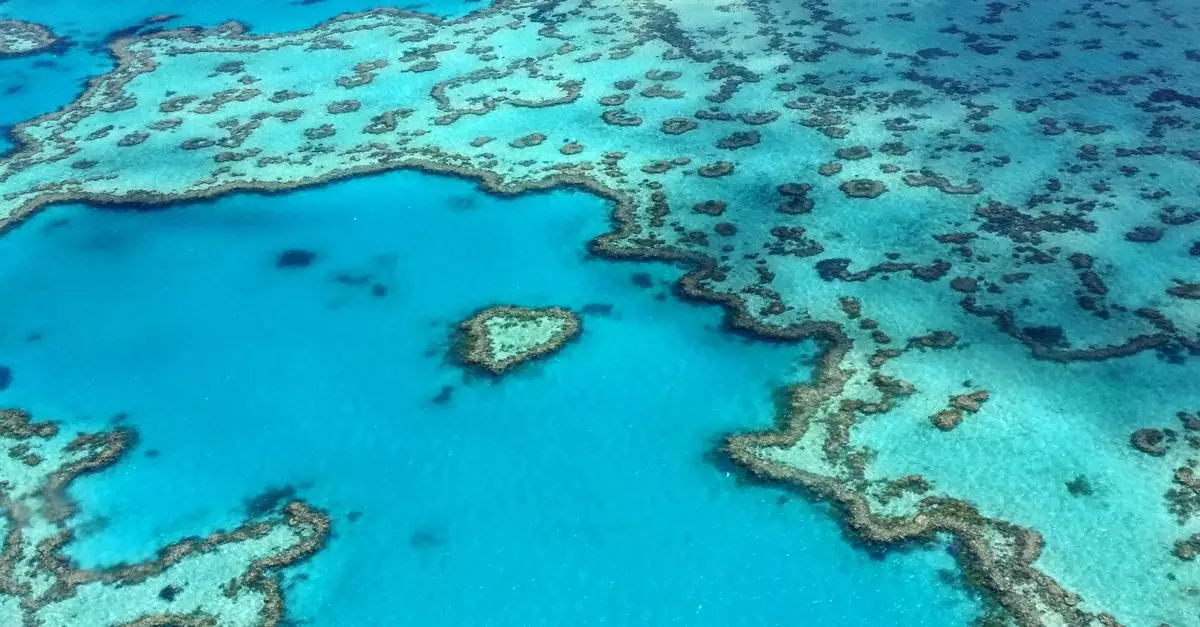
As the world’s largest coral reef system, the Great Barrier Reef is a UNESCO World Heritage site renowned for its breathtaking biodiversity. Millions of species, including vibrant corals, countless fish, sea turtles, and dolphins, inhabit this underwater marvel. Snorkeling and diving excursions reveal a kaleidoscope of marine life against stunning coral formations.
Traveler Insights:
- Best Time to Visit: June to October offers drier weather and lower humidity, with excellent visibility for diving.
- Getting There: Major gateways include Cairns and Port Douglas in Queensland.
- Activities: Options range from day trips for snorkeling to multi-day liveaboard diving expeditions. Responsible tourism operators are crucial for reef preservation.
- Considerations: The reef faces significant threats from climate change and pollution, making conservation-focused travel important.
Baja California, Mexico: Whale Watching Capital of the World
Baja California Sur is famous for its reliable whale watching opportunities. From January to March, the warm waters of the Sea of Cortez and the Pacific coast attract thousands of gray whales, humpback whales, and blue whales. Boat tours offer incredible chances to witness these gentle giants breaching and playing.
Traveler Insights:
- Key Locations: San Ignacio Lagoon and Magdalena Bay are prime spots for gray whale encounters. Loreto is excellent for blue whales.
- Timing: Gray whale season is typically December through April, while humpback whales are often seen from January to March.
- Transportation: Access often involves driving or taking buses from larger cities like La Paz or Cabo San Lucas.
- Budget: Generally more affordable than other top wildlife destinations, with a range of accommodation options.
Svalbard, Norway: Arctic Adventures with Polar Bears and Walruses
For a wild and remote experience, Svalbard offers the chance to see Arctic wildlife in its natural, icy habitat. This Norwegian archipelago is home to polar bears, walruses, Arctic foxes, and various seabirds. Guided expeditions, often by ship, are the safest and most effective way to observe these creatures.
Traveler Insights:
- Best Time to Visit: May to September provides the best conditions for wildlife viewing and accessibility, with the polar night occurring from November to February.
- Getting There: Flights operate from mainland Norway (Oslo or Tromsø) to Longyearbyen.
- Safety: Polar bear encounters pose serious risks; always travel with experienced guides and adhere to safety regulations.
- Unique Encounters: Witnessing polar bears hunting seals or walruses resting on ice floes are unforgettable Arctic moments.
Maldives: Pristine Waters for Manta Rays and Whale Sharks
The Maldives’ crystal-clear, warm waters are a sanctuary for large marine life, particularly manta rays and whale sharks. The Baa Atoll UNESCO Biosphere Reserve is a hotspot for manta ray feeding aggregations, while South Ari Atoll is known for frequent whale shark sightings year-round. Snorkeling and diving here are exceptionally rewarding.
Traveler Insights:
- Best Time to Visit: Manta rays are most abundant from May to November in the Baa Atoll. Whale sharks are seen year-round but peak between August and November in the South Ari Atoll.
- Logistics: Access is via seaplane or speedboat from Velana International Airport (MLE) in Malé.
- Activities: Many resorts offer dedicated excursions for manta ray and whale shark encounters.
- Considerations: Respecting these animals’ space and avoiding touching them is crucial for their well-being.
When to Visit These Premier Ocean Wildlife Hotspots
Timing your visit is crucial for maximizing your chances of witnessing incredible marine life. Each destination has specific seasons when animals are most active, migratory, or breeding. Understanding these windows ensures you align your travel plans with nature’s grand spectacles.
Best Months for Whale Sharks in the Maldives
The Maldives provides a consistent opportunity to swim with whale sharks, but certain periods are more favorable. From August to November, the southwest monsoon brings plankton blooms, attracting these gentle giants to the Ari Atoll and South Malé Atoll. This period also coincides with slightly lower tourist numbers, leading to more intimate encounters.
While whale sharks can be seen year-round, the months between May and December generally offer better visibility and higher probabilities of sightings, especially around Hanifaru Bay in Baa Atoll, a UNESCO Biosphere Reserve. Many resorts in these areas offer dedicated excursions.
Peak Season for Humpback Whales in Baja California
Baja California Sur is a breeding and calving ground for humpback whales. The prime season runs from December to April, when thousands of whales migrate from their feeding grounds in Alaska to the warm, protected waters of the Sea of Cortez and along the Pacific coast.
Sanctuaries like Magdalena Bay and the waters around Loreto are particularly active. Early in the season (December-January), you’ll see more mothers and calves, while later months (February-April) often feature energetic male courtship displays and breaches. Boat tours depart from towns like La Paz and Cabo San Lucas, offering various viewing experiences.
Ideal Time for Penguin Sightings in the Galapagos
The Galapagos Islands offer year-round penguin viewing, but specific times can enhance your experience. The Humboldt Current brings cooler, nutrient-rich waters, vital for the marine ecosystem supporting penguins.
The cooler, drier season, from June to November, is often considered the best for penguin activity. During these months, the sea is rich with food, leading to more visible foraging and nesting behaviors. You can spot Galapagos penguins on islands like Isabela and Fernandina, often seen darting through the water or resting on volcanic rocks.
Seasonal Guide to Arctic Wildlife in Svalbard
Svalbard presents a dramatic Arctic landscape teeming with wildlife, but its accessibility and animal activity are heavily dictated by the seasons. The summer months, from June to August, are the most popular and accessible for wildlife viewing. During this period, the sea ice recedes, opening up fjords and allowing boat travel.
This is the prime time for spotting polar bears, as they hunt seals along the remaining ice edge or on land. Vast colonies of seabirds, including puffins and guillemots, nest on cliffs, while Arctic foxes and reindeer are more active. While winter offers a chance to see the Northern Lights and potentially polar bears on the ice, travel is significantly more challenging.
Here’s a quick look at the optimal times for wildlife encounters in these destinations:
| Destination | Primary Wildlife | Best Viewing Season | Notes |
|---|---|---|---|
| Maldives | Whale Sharks | August – November | Plankton blooms attract sharks; good visibility. |
| Baja California, Mexico | Humpback Whales | December – April | Breeding and calving season; abundant activity. |
| Galapagos Islands | Penguins | June – November | Cooler seas support foraging and nesting. |
| Svalbard, Norway | Polar Bears, Seabirds | June – August | Ice recedes, opening access; high bird activity. |
How to Plan Your Wildlife-Focused Ocean Adventure
Planning a trip centered around marine life requires a different approach than a typical beach vacation. It involves understanding the best times to visit, choosing the right operators, and packing strategically. Focus on destinations and activities that prioritize conservation and responsible viewing to ensure these natural wonders remain for future generations.
Choosing the Right Expedition Cruise vs. Land-Based Stay
The choice between an expedition cruise and a land-based stay depends on your desired level of immersion and the specific wildlife you aim to see. Expedition cruises often provide access to remote locations, such as polar regions or isolated archipelagos, allowing closer proximity to marine mammals and seabirds. These journeys typically include expert guides who offer in-depth knowledge about the ecosystems and species encountered.
Land-based stays, on the other hand, offer more flexibility and can be more budget-friendly. They are excellent for exploring specific coastal areas known for particular marine life, like whale watching from shore or diving on vibrant coral reefs. For instance, a land-based trip to Monterey Bay, California, allows for frequent whale watching excursions, while an expedition cruise might be necessary to reach the Antarctic Peninsula for penguin colonies.
| Trip Style | Pros | Cons | Best For |
|---|---|---|---|
| Expedition Cruise | Access to remote areas, expert guides, all-inclusive | Higher cost, less flexibility, potential seasickness | Seeing diverse, hard-to-reach wildlife (polar bears, whales in remote seas) |
| Land-Based Stay | More budget-friendly, greater flexibility, local immersion | Limited to accessible areas, may require more planning | Focused wildlife viewing in accessible locations (dolphins, reef fish, coastal birds) |
Booking Eco-Conscious Tours and Operators
When planning your ocean wildlife encounters, selecting eco-conscious tour operators is essential. These companies adhere to strict guidelines to minimize their impact on marine environments and wildlife. Look for operators certified by reputable organizations or those who openly share their sustainability practices, including limiting group sizes and maintaining a respectful distance from animals.
Researching an operator’s commitment to responsible tourism is key. Do they educate their guests about local ecosystems and conservation challenges? Do they avoid feeding or baiting wildlife? Reputable operators often have clear policies on waste management and ethical wildlife viewing. For example, when visiting a sea turtle nesting site, an eco-conscious tour will ensure minimal disturbance to both the turtles and their habitat.
Essential Packing List for Marine Wildlife Encounters
Packing for marine wildlife viewing requires a blend of protection from the elements and gear that enhances your experience. Waterproof and windproof outer layers are crucial, as conditions at sea can change rapidly. Quick-drying clothing is also advisable, especially if you plan on zodiac excursions or kayaking.
Consider bringing binoculars for spotting distant marine life. A good quality camera with a zoom lens will help you capture images without disturbing the animals. Don’t forget reef-safe sunscreen to protect both your skin and delicate marine ecosystems. A reusable water bottle is essential for staying hydrated and reducing plastic waste. Finally, motion sickness medication can be a lifesaver for those prone to seasickness.
Understanding Responsible Wildlife Viewing Practices
Responsible wildlife viewing is fundamental to preserving marine ecosystems. Always maintain a safe and respectful distance from animals. Never attempt to touch, feed, or chase marine life, as this can cause stress, alter their natural behaviors, and potentially harm them. Familiarize yourself with local regulations regarding wildlife interactions, as these can vary significantly by region and species.
When on a boat, minimize noise and sudden movements that could startle animals. If you’re snorkeling or diving, avoid touching coral or marine organisms. Observe from a distance and allow the animals to approach you if they choose. Understanding the behavior of the species you are observing can enhance your experience and ensure you are not causing undue stress. For instance, when watching whales, boat operators should follow guidelines that prevent them from approaching too closely or interfering with the animals’ travel or feeding.
What Marine Creatures Will You See at These Destinations?
The world’s oceans teem with life, offering unparalleled opportunities for wildlife enthusiasts. From majestic cetaceans gracing the open seas to vibrant communities inhabiting coral reefs, these destinations provide intimate encounters with marine biodiversity. Planning your trip around the specific species you wish to see will greatly enhance your experience.
Spotting Iconic Species: Whales, Dolphins, and Seals
Many of the best ocean wildlife destinations are renowned for their whale and dolphin populations. Humpback whales, known for their acrobatic breaches, are commonly sighted along the coasts of Alaska and Hawaii during their migration seasons. Smaller pods of orcas, or killer whales, frequent the waters of the Pacific Northwest, particularly around Vancouver Island, Canada, and the San Juan Islands in Washington state. Seals and sea lions are also abundant, often seen basking on rocky shores or playfully interacting with boats in places like California’s Channel Islands.
Timing is crucial for whale watching. For instance, the best time to see humpbacks in Alaska is typically from May to September, while their migration in Hawaii occurs from December to April. Dolphin sightings are more consistent year-round in many warmer regions, but specific species might have peak seasons. Remember that these are wild animals, and while sightings are common, they are never guaranteed. Responsible tour operators prioritize animal welfare, maintaining safe distances and minimizing disturbance.
Diving with Sharks and Rays: Gentle Giants of the Sea
For those seeking encounters with larger marine life, several locations offer exceptional opportunities to see sharks and rays. The Galapagos Islands are a prime spot for hammerhead sharks, along with Galapagos sharks and rays, in their natural habitat. Divers and snorkelers can also encounter manta rays gracefully gliding through the water. In the Maldives, you can swim with whale sharks, the largest fish in the sea, particularly during plankton blooms from May to December.
While the idea of swimming with sharks might seem daunting, most species encountered in these popular wildlife destinations are not aggressive toward humans and are often curious. Responsible diving practices are paramount. Always dive with reputable operators who understand shark behavior and adhere to strict safety protocols, ensuring both your safety and the well-being of these magnificent creatures.
Exploring Coral Reefs and Their Diverse Inhabitants
Coral reefs are underwater cities, buzzing with an incredible array of life. The Great Barrier Reef in Australia, despite environmental challenges, still supports a dazzling variety of fish, sea turtles, and invertebrates. Snorkeling or diving here reveals a kaleidoscope of colors and intricate ecosystems. Similarly, the reefs of the Red Sea, particularly around Egypt and Jordan, offer vibrant coral formations and abundant marine species, including colorful reef fish, moray eels, and even dugongs in certain areas.
When visiting coral reefs, it’s essential to practice responsible tourism. Avoid touching or standing on the coral, as it is a living organism and easily damaged. Use reef-safe sunscreen to protect the delicate marine environment. Many tours offer educational components, highlighting the importance of reef conservation and the biodiversity they support.
Unique Arctic Wildlife: Polar Bears, Walruses, and Seals
The Arctic presents a starkly different yet equally captivating wildlife experience. Svalbard, Norway, is one of the best places to observe polar bears in their natural icy domain, alongside walruses and various seal species. Encounters are typically from expedition cruise ships or guided land-based tours, prioritizing safety in this remote and challenging environment. Witnessing a polar bear hunt or a walrus colony is a truly unforgettable experience.
Due to the extreme conditions and sensitive ecosystems, Arctic wildlife viewing requires careful planning and adherence to strict guidelines. The summer months, from June to September, offer the best conditions for travel, with longer daylight hours and more accessible ice floes. Expeditions often involve specialized guides who are experts in Arctic wildlife and safety. It’s important to choose operators committed to sustainable tourism practices that minimize their impact on this fragile environment.
Beyond the Big Sightings: Hidden Gems for Ocean Wildlife Enthusiasts
While iconic whale migrations and vast dolphin pods draw crowds, the world’s oceans teem with less-publicized yet equally captivating wildlife spectacles. For those seeking deeper connections and more intimate encounters, venturing off the beaten path reveals incredible biodiversity. These destinations offer unique opportunities to observe marine life in its natural, undisturbed habitats, often requiring a bit more effort but rewarding travelers with unparalleled experiences.
Secluded Coves for Turtle Nesting in Costa Rica
Costa Rica’s Pacific coast is renowned for its sea turtle nesting sites, but beyond the well-known Tortuguero National Park, several smaller, more secluded beaches offer a chance to witness this ancient ritual. Between July and March, depending on the species, Leatherback, Olive Ridley, and Green sea turtles haul themselves ashore under the cloak of darkness to lay their eggs. Visiting these less-trafficked locations requires careful planning and often involves guided tours with local conservation groups to ensure minimal disturbance.
The key to a successful and ethical turtle nesting experience lies in choosing responsible operators. These guides understand the delicate nature of the nesting process and are trained to manage visitor presence. They can also provide insights into the turtles’ life cycles and the conservation challenges they face. Early evening departures are common, allowing visitors to observe nesting or hatching events without excessive artificial light.
Mangrove Ecosystems and Their Unique Birdlife in Belize
Belize’s extensive mangrove systems, particularly along its cayes and mainland coast, are vital nurseries for marine life and vibrant habitats for diverse bird species. These intricate ecosystems, often overlooked by those focused on the barrier reef, are crucial for the health of the wider marine environment. Birdwatchers can spot species like the mangrove hummingbird, black-collared hawk, and various herons and egrets thriving within the dense foliage.
Exploring these areas is best done by kayak or small boat, allowing quiet navigation through the narrow channels. This approach minimizes disturbance to both birds and the sensitive mangrove roots, which are crucial for coastal protection. Early mornings and late afternoons offer the best opportunities for bird activity. Local guides are invaluable for spotting elusive species and explaining the ecological importance of these often-underappreciated coastal forests.
Lesser-Known Dive Sites for Macro Marine Photography
For underwater photographers and enthusiasts of small-scale marine life, the world is full of hidden dive sites brimming with biodiversity. While popular reefs might offer grand vistas, smaller, less-visited sites often yield incredible encounters with cryptic species. Think of muck diving sites in Indonesia, the Philippines, or parts of the Red Sea, where nudibranchs, pygmy seahorses, and a kaleidoscope of invertebrates thrive.
These locations demand patience and a keen eye. Divers often spend extended periods hovering over seemingly barren sandy bottoms, only to discover an abundance of camouflaged creatures. The best sites are typically found through local dive operators who understand the specific habitats and the resident macro life. Visibility can vary, but the reward is an intimate glimpse into a miniature world teeming with color and intricate detail.
Exploring Underwater Volcanic Vents and Their Creatures
Vent ecosystems represent some of the most extreme and fascinating environments on Earth, supporting life in the absence of sunlight through chemosynthesis. While many of these deep-sea vents are inaccessible to recreational divers, certain shallower volcanic areas offer glimpses into these unique biological communities. Islands like those in the Azores or parts of the Mediterranean feature underwater volcanic activity that supports specialized marine life.
Divers can observe unique organisms adapted to warmer waters and mineral-rich outflows. These areas may host unusual fish species, vibrant microbial mats, and invertebrates thriving in these nutrient-rich conditions. The geological activity adds another layer of intrigue to the dive. It’s essential to dive with experienced operators familiar with these geologically active sites, as conditions can change rapidly and require specific safety protocols.
Frequently Asked Questions About Visiting Ocean Wildlife Destinations
What is the most budget-friendly ocean wildlife destination?
While many prime locations for marine life encounters can be expensive, Southeast Asia offers incredible value. Destinations like the Philippines, particularly around Palawan, provide abundant snorkeling and diving opportunities with diverse coral reefs and fish populations at a fraction of the cost of Caribbean or Pacific island nations. You can find affordable guesthouses and local eateries, making it easier to stretch your travel budget while still experiencing world-class marine biodiversity.
Are these destinations safe for solo travelers?
Generally, the best ocean wildlife destinations are quite safe for solo travelers, especially those focused on organized tours or established resorts. Many popular locations cater to individuals, and tour operators are accustomed to accommodating solo guests. However, as with any travel, it’s wise to research specific safety guidelines for your chosen destination. Staying in well-regarded accommodations and being aware of your surroundings are key. For remote island exploration, consider joining group tours for added security.
What are the best photography tips for capturing marine life?
Capturing stunning underwater photos requires preparation. Invest in a reliable underwater camera or a good waterproof housing for your smartphone. Understand your camera’s settings for low-light conditions and focus on composition. Get close to your subjects without disturbing them to avoid blurry shots caused by water between you and the animal. Natural light is your best friend; shoot when the sun is high for optimal visibility. Patience is crucial—wait for the right moment and behavior.
How can I minimize my environmental impact when visiting?
Responsible tourism is paramount when visiting sensitive marine ecosystems. Always choose eco-certified tour operators who prioritize conservation. Avoid touching or stepping on coral reefs, and never feed marine animals. Use reef-safe sunscreen to protect delicate underwater life. Properly dispose of all trash, and consider participating in local beach or underwater clean-ups. Supporting local communities through responsible spending also contributes to conservation efforts.