Dreaming of gliding through crystal-clear waters, surrounded by vibrant coral and a kaleidoscope of marine life? Discovering the best snorkeling destinations reveals breathtaking underwater beauty, from Australia’s iconic Great Barrier Reef to the serene bays of Mexico.
This guide equips you with everything needed to plan your next aquatic adventure. We’ll explore top spots known for exceptional visibility and abundant sea creatures, detailing why each location is a must-visit. You’ll learn about unique marine ecosystems, practical tips for choosing the right gear, and the best times to experience these underwater paradises. Get ready to dive into an unforgettable journey beneath the waves.
Top 5 Best Snorkeling Destinations for Crystal-Clear Waters
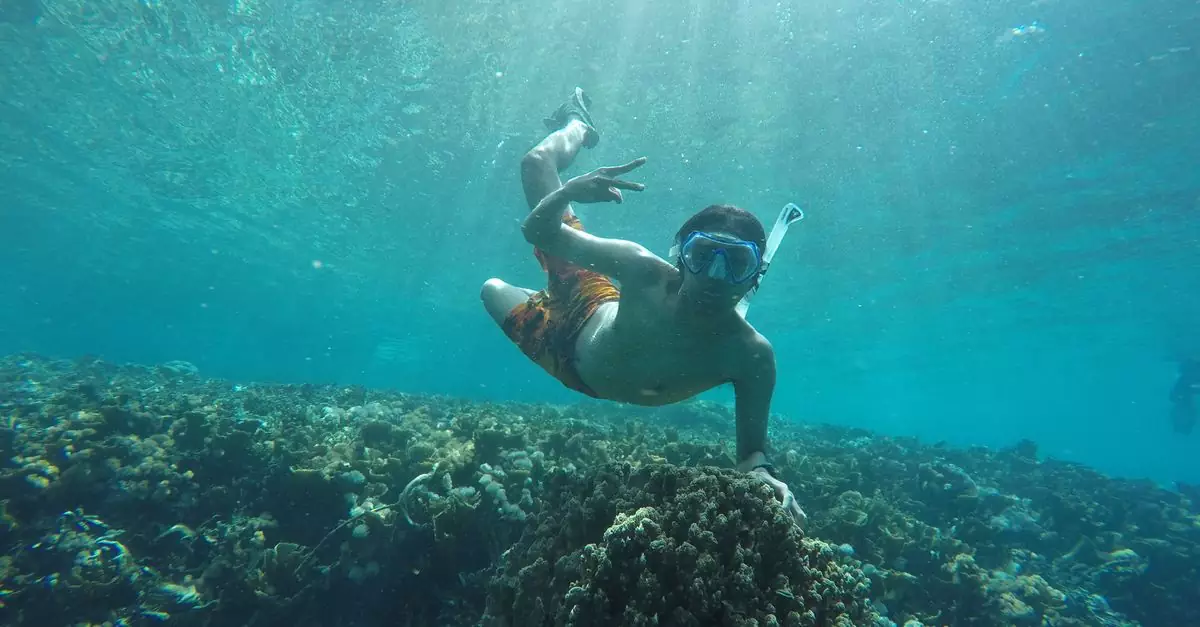
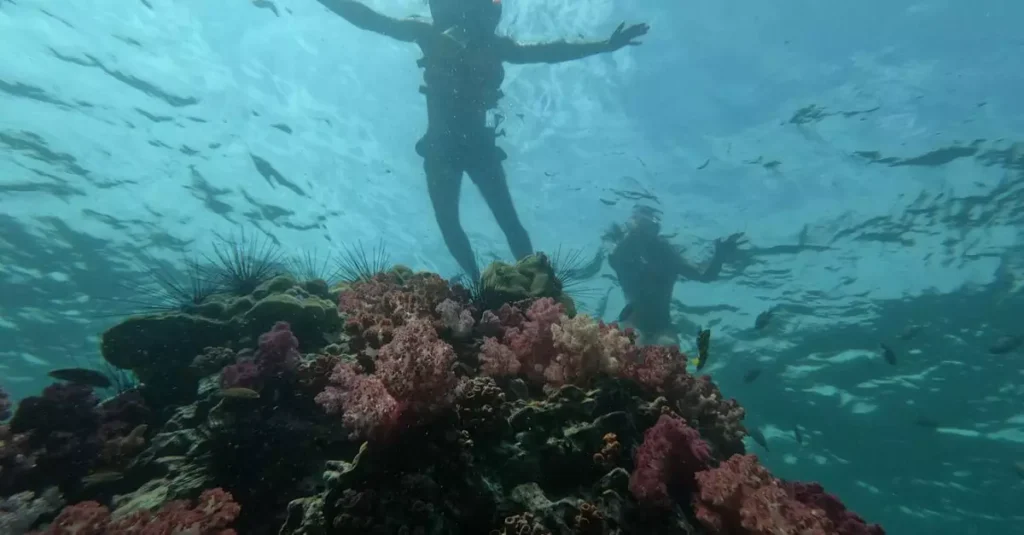
When searching for the best snorkeling locations, vibrant coral gardens and diverse marine life are essential. These destinations offer unparalleled underwater visibility, transforming every fin kick into a journey through a technicolor world. From Australia’s iconic reef to the Caribbean’s clear turquoise waters, these spots promise unforgettable aquatic adventures.
Exploring the Vibrant Coral Reefs of the Great Barrier Reef, Australia
The Great Barrier Reef, a UNESCO World Heritage site, is one of the planet’s most spectacular natural wonders. Its vastness is breathtaking, comprising over 3,000 individual reefs and 900 islands stretching more than 2,300 kilometers. For snorkelers, this translates to an almost endless expanse of diverse coral formations and an astonishing array of fish species.
Key snorkeling experiences include:
- Agincourt Reef: Located off Port Douglas, this outer reef is famed for its exceptional water clarity and coral health, making it ideal for spotting large pelagic fish and vibrant anemones.
- Lady Elliot Island: Situated at the reef’s southern tip, this island serves as a sanctuary for marine life, including manta rays and sea turtles year-round. Its shore accessibility adds to its popularity.
- Low Isles: A favored day trip from Port Douglas, Low Isles offers calm, sheltered waters perfect for beginners. Expect to see colorful parrotfish, angelfish, and sometimes even reef sharks in the shallows.
Accessing the Great Barrier Reef typically involves flying into Cairns or Proserpine, followed by boat tours to various reef sites. Many tours depart from Port Douglas, Cairns, and the Whitsunday Islands. The dry season (June to October) features the calmest seas and best visibility, though the warmer months (November to May) are also popular, with the chance to see migrating whales.
Discovering the Marine Life of Belize’s Barrier Reef
Belize boasts the second-largest barrier reef system in the world, offering a kaleidoscope of marine biodiversity just a short boat ride from the mainland. This extensive reef system is a vital habitat for numerous species, making it a top contender among snorkeling destinations. The clear, warm waters teem with life, from tiny reef fish to majestic larger creatures.
Highlights for snorkelers:
- Hol Chan Marine Reserve: Off Ambergris Caye, this protected area is a channel through the reef, attracting an abundance of fish, stingrays, and nurse sharks. Its shallow depths make it accessible for all skill levels.
- Shark Ray Alley: Adjacent to Hol Chan, this spot is famous for its friendly population of nurse sharks and southern stingrays, accustomed to boats and snorkelers.
- Glover’s Reef Atoll: A remote and pristine option, Glover’s Reef is a UNESCO World Heritage site known for its incredible coral formations and diverse fish populations. Though it requires a longer boat journey, visitors are rewarded with a less crowded experience.
Travelers can reach Belize via Philip S. W. Goldson International Airport (BZE) near Belize City. From there, water taxis or small flights connect to coastal towns and islands like San Pedro (Ambergris Caye) and Caye Caulker. The dry season, from December to May, offers the best weather and visibility, though snorkeling is enjoyable year-round.
Snorkeling with Sea Turtles in Akumal, Mexico
Akumal, meaning “Place of the Turtles” in Mayan, lives up to its name, providing a unique and accessible snorkeling experience focused on its resident green sea turtles. This bay on the Riviera Maya coastline has a shallow, sandy bottom ideal for these gentle giants to graze on seagrass, making it a remarkable destination for observing marine wildlife up close.
Tips for a great Akumal snorkeling trip:
- Designated Snorkel Zones: To protect the turtles and their habitat, Akumal has specific areas designated for snorkeling. Respecting these boundaries ensures the long-term health of the turtle population.
- Guided Tours: While independent snorkeling is possible, many visitors prefer guided tours. These often include equipment, expert guides who can help locate turtles, and information on conservation efforts.
- Timing: Mornings are generally less crowded, offering a more serene experience. The water is typically calm, providing excellent visibility.
Getting to Akumal is straightforward, located about an hour’s drive south of Cancún International Airport (CUN). Public transportation and rental cars are readily available. While Akumal offers year-round snorkeling, the dry season (December to April) generally provides calmer seas and sunny skies. Regulations for interacting with turtles can change, so always check current local guidelines before your visit.
The Underwater Wonders of the Red Sea, Egypt
Egypt’s Red Sea coast is renowned for its crystal-clear waters, dramatic underwater topography, and rich marine ecosystems. The region is home to some of the world’s most vibrant coral reefs, boasting an astonishing diversity of fish species and unique geological features like sheer drop-offs and labyrinthine canyons. This makes it a prime location for those seeking the best snorkeling and diving adventures.
Must-visit snorkeling spots:
- Ras Mohammed National Park: Located at the southern tip of the Sinai Peninsula, this protected area is a diver’s and snorkeler’s paradise, featuring sites like “Shark Reef” and “Yolanda Reef” known for their abundant coral and pelagic life.
- The Brothers Islands: For more experienced snorkelers and divers, these remote offshore islands offer thrilling encounters with sharks, large schools of fish, and vibrant coral walls. They are typically accessed via liveaboard boats.
- Marsa Alam: This southern Red Sea resort town offers excellent shore-based snorkeling with accessible house reefs teeming with colorful fish and occasional dugongs.
Major gateways to the Red Sea include Hurghada International Airport (HRG) and Sharm El Sheikh International Airport (SSH). The best time to visit for snorkeling is generally from April to November when water temperatures are warm and visibility is at its peak. Always be mindful of local conditions and consider booking tours with reputable operators who prioritize marine conservation.
Best Time to Visit These Snorkeling Hotspots
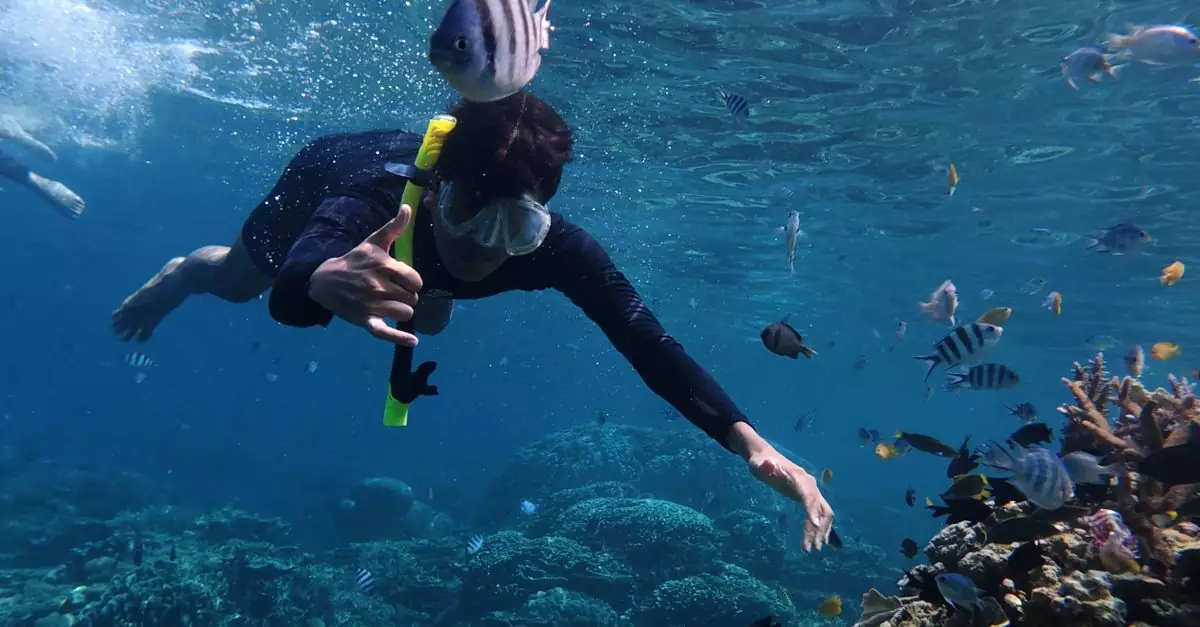
Choosing the right time to visit significantly impacts your underwater experience, influencing visibility, marine life encounters, and overall weather conditions. The best snorkeling destinations often have distinct peak seasons.
When to Experience the Best Snorkeling in the Maldives
The Maldives offers prime snorkeling conditions from November to April. This period aligns with the dry season, characterized by calmer seas and excellent visibility, often exceeding 30 meters. The reduced rainfall means clearer skies, enhancing the underwater light.
While this is peak tourist season, leading to higher prices for accommodations, booking well in advance is advisable. For those seeking fewer crowds and potentially better deals, the shoulder months of May and October can still provide good snorkeling, though with a higher chance of rain showers.
Optimal Months for Snorkeling in the Philippines’ Coral Triangle
The Philippines, a jewel within the Coral Triangle, boasts vibrant marine biodiversity year-round. However, the dry season, generally from November to May, is considered the best time for snorkeling. During these months, especially from March to May, the seas are typically calm, and visibility is at its clearest.
This period is ideal for observing the rich coral reefs and diverse fish species that make this region a world-class diving and snorkeling destination. The wet season, from June to October, can bring typhoons and rougher seas, potentially disrupting snorkeling plans. Planning your trip outside of typhoon season ensures a more predictable and enjoyable underwater adventure.
Seasonal Guide to Snorkeling in the Galapagos Islands
Snorkeling in the Galapagos Islands is a year-round activity, but each season offers unique advantages. The “warm season” runs from December to May, with water temperatures ranging from 70-80°F (21-27°C) and calmer seas. This period is excellent for spotting colorful fish and sea turtles.
The “cool season,” from June to November, sees water temperatures drop to 65-75°F (18-24°C) due to the Humboldt Current. While cooler, this season brings nutrient-rich waters, attracting more marine life, including sea lions, penguins, and even whales. Visibility can sometimes be reduced during this time, but the abundance of marine creatures makes it a remarkable experience. Divers and snorkelers should pack a good wetsuit for the cooler months.
| Destination | Best Snorkeling Months | Water Temperature (Avg.) | Visibility (Avg.) | Notes |
|---|---|---|---|---|
| Maldives | November – April | 80-86°F (27-30°C) | 30+ meters | Dry season, calm seas, excellent visibility. |
| Philippines | November – May | 80-86°F (27-30°C) | 20-30 meters | Dry season, clear waters, rich biodiversity. |
| Galapagos Islands | December – May (Warm) | 70-80°F (21-27°C) | 15-25 meters | Calmer seas, good for turtles and colorful fish. |
| Galapagos Islands | June – November (Cool) | 65-75°F (18-24°C) | 10-20 meters | Nutrient-rich, abundant marine life. |
How to Get to the World’s Best Snorkeling Spots
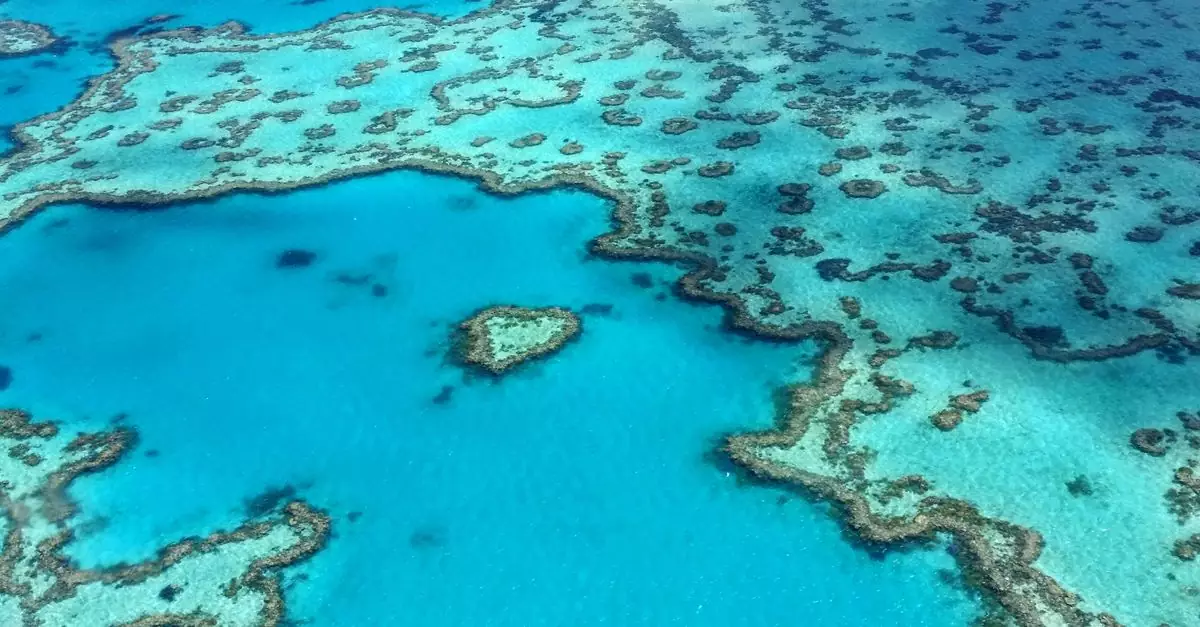
Reaching prime underwater observation sites often involves strategic planning, blending flights, ferries, and sometimes smaller local transport. Understanding the logistics for each destination is key to a smooth and enjoyable aquatic adventure.
Navigating Flights and Ferries to Raja Ampat, Indonesia
Indonesia’s Raja Ampat archipelago, known for its unparalleled marine biodiversity, requires a multi-stage journey. Most international travelers fly into Sorong (SOQ) on the island of New Guinea, typically via Jakarta (CGK) or Makassar (UPG). From Sorong, onward travel depends on your specific resort or homestay location.
- Domestic Flights: Direct flights from major Indonesian cities to Sorong are the most efficient way to reach the gateway.
- Ferries: Public ferries operate between Sorong and Waisai, the capital of Raja Ampat. However, these can be slow and less comfortable.
- Speedboats and Chartered Boats: Many dive resorts and liveaboards arrange private speedboat transfers from Sorong or Waisai directly to your accommodation. This is the most convenient but also the costliest option.
Booking your Raja Ampat accommodation or liveaboard well in advance is crucial, as they often coordinate these transfers. Allow at least one full travel day to reach the islands from Jakarta.
Island Hopping: Transportation Options in the Exumas, Bahamas
The Exumas, a chain of 365 islands and cays in the Bahamas, offer crystal-clear waters teeming with marine life, including the famous swimming pigs. Reaching and moving between these stunning locations requires understanding local transport.
The primary gateway is Lynden Pindling International Airport (NAS) in Nassau. From Nassau, you can catch a short domestic flight to various airstrips within the Exumas, such as Great Exuma International Airport (GGT) or Staniel Cay (TYM).
Once in the Exumas, transportation options include:
- Rental Cars/Golf Carts: On larger islands like Great Exuma, renting a car or golf cart is practical for exploring local beaches and amenities.
- Water Taxis and Boat Charters: To visit outer cays, swim with pigs, or reach secluded snorkeling spots, hiring a local boat captain is essential. Many tour operators offer day trips that include transport.
- Inter-Island Ferries: Limited ferry services connect some of the main islands, but schedules can be infrequent and subject to change.
For those seeking a comprehensive experience, consider a liveaboard yacht that navigates between the islands, minimizing the need for frequent transfers.
Reaching Remote Snorkeling Sites in Fiji
Fiji, often called the “Soft Coral Capital of the World,” boasts incredible underwater visibility and vibrant coral gardens. Accessing its best snorkeling depends heavily on which island group you choose.
The main international gateway is Nadi International Airport (NAN) on the island of Viti Levu. From Nadi, you have several options to reach outer islands and prime snorkeling locations:
- Domestic Flights: Fiji Airways and smaller charter airlines operate flights to various outer island airstrips, such as those on the Mamanuca or Yasawa Islands. This is the quickest way to reach more remote areas.
- Ferries: The Yasawa Flyer is a popular catamaran service that connects Denarau Marina (near Nadi) with numerous islands in the Yasawa and Mamanuca groups. It’s a scenic and budget-friendly option compared to flying.
- Private Charters: For ultimate flexibility and access to secluded reefs, chartering a private boat or seaplane is an option, though it comes at a premium cost.
Many resorts in Fiji are situated directly on the water, offering easy access to house reefs for snorkeling. For accessing more pristine, less-visited sites, booking guided boat tours through your accommodation or a local operator is highly recommended. Advance booking for flights and ferries is advisable, especially during peak tourist seasons.
What to Pack for Your Snorkeling Adventure
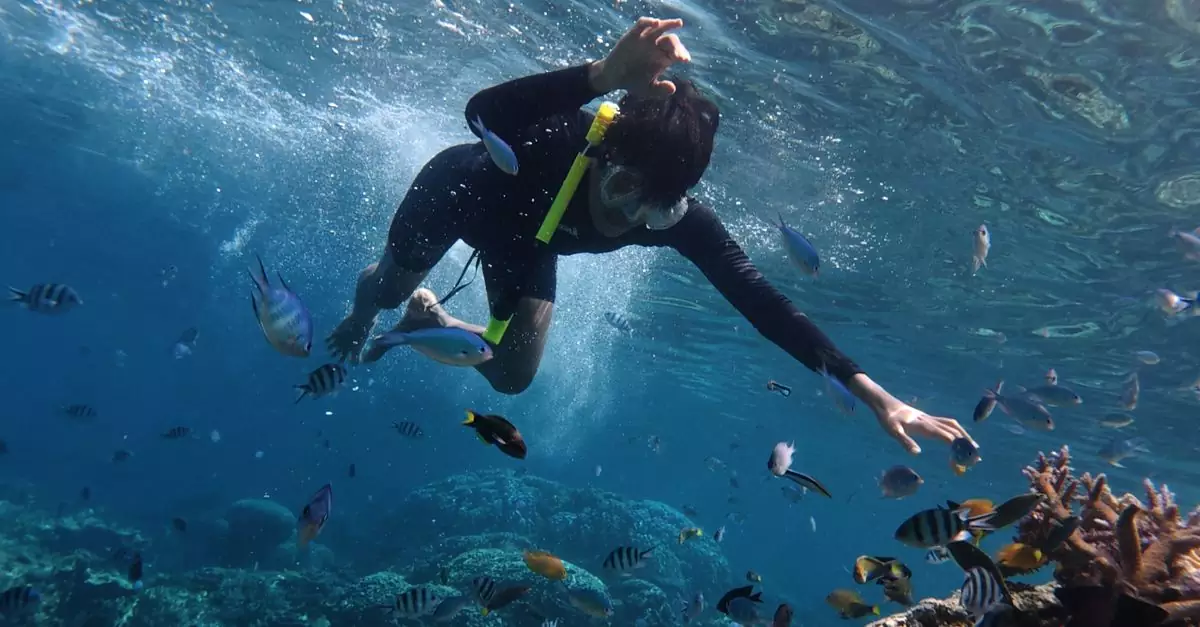
Preparing for a snorkeling trip involves more than just swimwear. Having the right gear ensures comfort, safety, and the ability to fully appreciate the underwater world. This section covers essential items and practical tips for a successful excursion to any of the best snorkeling destinations.
Essential Snorkel Gear Checklist for Beginners
For those new to snorkeling, a few key pieces of equipment make all the difference. A good quality mask is essential; it should fit snugly to prevent leaks. Look for masks with tempered glass lenses for safety and a silicone skirt for a comfortable seal. The snorkel itself should be easy to breathe through, with a comfortable mouthpiece. Some models feature a dry-top mechanism that prevents water from entering when submerged. Finally, fins help you move through the water efficiently. Longer, flexible fins are generally better for leisurely exploration, while shorter, stiffer ones offer more maneuverability. Renting gear is an option, but investing in your own ensures a proper fit and hygiene, especially if you plan multiple trips.
Sun Protection Tips for Tropical Waters
Spending hours near or in the water exposes you to intense sun. Effective sun protection is crucial to avoid painful sunburns, which can quickly derail your vacation. Apply a reef-safe sunscreen with a high SPF (30 or higher) generously and reapply frequently, especially after swimming. Look for sunscreens containing zinc oxide or titanium dioxide, as these are less harmful to coral reefs than chemical alternatives. Beyond sunscreen, consider UV-protective clothing like rash guards. These long-sleeved shirts offer excellent protection and reduce the amount of sunscreen needed. A wide-brimmed hat is also advisable for when you’re on the boat or beach, shielding your face and neck.
Waterproof Camera Recommendations for Underwater Photography
Capturing the vibrant marine life you encounter is a popular desire for many snorkelers. A waterproof camera is essential for this. For casual underwater snapshots, many smartphones now come with waterproof cases or are inherently waterproof to certain depths. However, for better image quality and durability, dedicated underwater cameras are a worthwhile investment. Action cameras like GoPros are popular choices, offering good video and photo capabilities in a compact, rugged package. For those seeking higher-end results, dedicated underwater compact cameras or even housings for DSLRs are available, though these come at a significantly higher cost. Ensure any device or case you use is rated for the depth you anticipate snorkeling, and always test it for leaks in a controlled environment before heading out to sea.
Budgeting for Your Dream Snorkeling Getaway
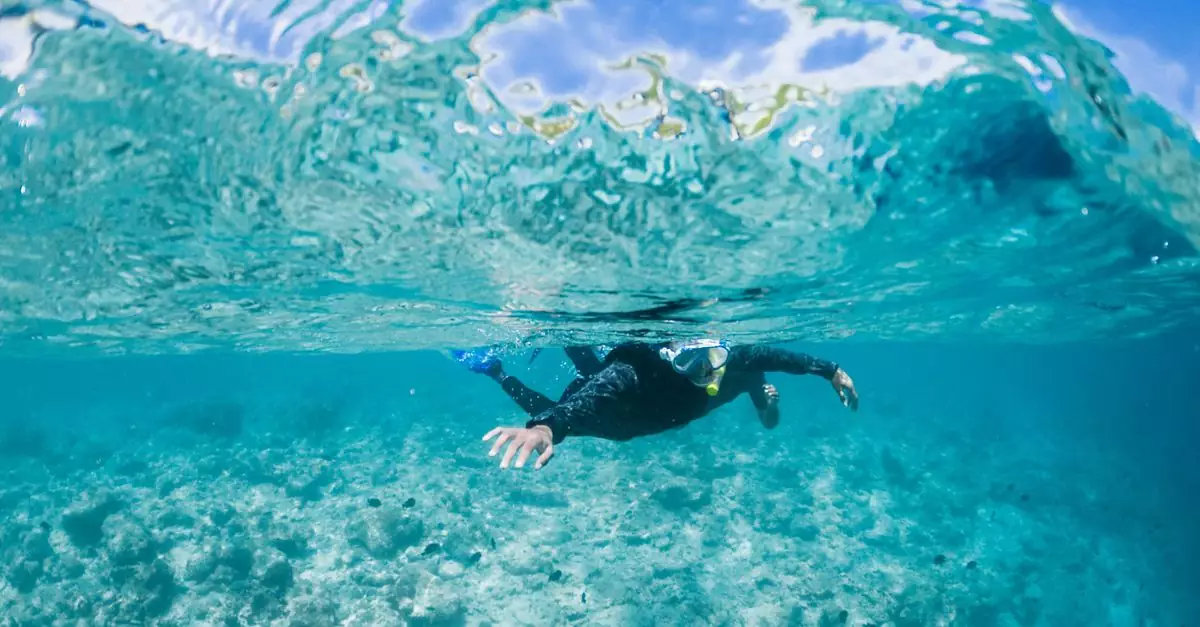
Planning a trip focused on underwater exploration doesn’t have to strain your finances. Many of the best snorkeling destinations offer ways to experience vibrant marine life without breaking the bank. Smart budgeting involves looking at accommodation, tours, and daily expenses.
Affordable Accommodation Options Near Top Snorkeling Beaches
Finding a comfortable place to stay that’s close to prime snorkeling spots is key to maximizing your time in the water. Many popular coastal areas cater to various budgets, offering more than just luxury resorts. Hostels, guesthouses, and vacation rentals often provide significant savings and a more local experience.
Consider staying a short walk or a quick local bus ride away from the main beach. This often reduces accommodation costs considerably. For instance, in areas like the Philippines, you can find charming beachfront bungalows or rooms in family-run inns for a fraction of resort prices. Always check reviews for cleanliness and proximity to amenities.
| Accommodation Type | Average Daily Cost (USD) | Pros | Cons |
|---|---|---|---|
| Hostels | $15 – $40 | Social, budget-friendly, often tours | Shared facilities, less privacy |
| Guesthouses/B&Bs | $40 – $80 | Local feel, personalized service | Can be basic, limited amenities |
| Vacation Rentals | $60 – $150+ | Kitchen, more space, privacy | Can require longer stays, cleaning fees |
| Budget Hotels | $50 – $100 | Private room, basic services | Can be further from prime spots |
Saving Money on Snorkel Tours and Excursions
While some of the best snorkeling is accessible right from shore, organized tours provide access to more remote reefs and marine parks. To keep costs down, book tours in advance or look for local operators away from the main tourist hubs. Group tours are usually more economical than private charters.
Many destinations offer package deals that combine snorkeling with other activities like island hopping or diving. Compare prices and inclusions carefully. Sometimes, simply renting snorkel gear for the day and exploring independently can be the most cost-effective approach if you’re comfortable navigating on your own. Always inquire about what equipment is provided and if park entrance fees are separate.
Cost-Effective Dining in Popular Snorkeling Destinations
Eating out three times a day at tourist-trap restaurants can quickly inflate your travel expenses. To dine affordably, seek out local eateries, food stalls, and markets. These places often serve authentic, delicious cuisine at much lower prices.
In Southeast Asia, for example, street food is an integral part of the culture and incredibly budget-friendly. Look for busy stalls with high turnover, indicating fresh ingredients. In the Caribbean, local “cook-up” spots or small, family-owned restaurants away from the main resorts offer a taste of local flavors without the premium price tag. Packing some snacks and a reusable water bottle also helps cut down on impulse buys throughout the day.
Frequently Asked Questions About the Best Snorkeling Destinations
Are there age restrictions for snorkeling?
Generally, there are no strict age restrictions for snorkeling. However, young children should always be supervised by an adult. It’s essential that anyone snorkeling, regardless of age, is comfortable in the water and can swim. For very young children, a life vest or flotation aid can provide extra security.
What is the best snorkeling gear for beginners?
For beginners, a comfortable and well-fitting mask is crucial. Look for a mask with a soft silicone skirt that creates a good seal to prevent water from entering. A dry-top snorkel is highly recommended as it minimizes water entry. For fins, choose a comfortable full-foot fin that fits snugly but not too tightly. Rental gear is often available at popular snorkeling spots, but investing in your own basic set can improve comfort and hygiene.
How can I protect marine life while snorkeling?
Respecting the underwater environment is crucial. Avoid touching or stepping on coral reefs, as they are living organisms and easily damaged. Do not feed the fish, as this can disrupt their natural behaviors and diets. Always maintain a safe distance from marine animals, especially larger creatures like sea turtles or rays. Proper buoyancy control helps prevent accidental contact with the seabed.
What are the biggest tourist mistakes to avoid at snorkeling sites?
A common mistake is not checking local conditions before entering the water; always be aware of currents, tides, and weather. Another pitfall is forgetting reef-safe sunscreen, which can harm coral ecosystems. Tourists also sometimes underestimate the sun’s strength, leading to severe sunburns. Finally, be mindful of your impact; take only photos and leave only bubbles. Understanding local etiquette for interacting with marine life and fellow snorkelers will enhance your experience at any of the best snorkeling destinations.