Witnessing sea turtles in their natural habitat is an unforgettable experience, and knowing the best places to see them can make all the difference. From the bustling nesting grounds of Costa Rica to the serene shores of Australia’s Great Barrier Reef and the vibrant waters of Mexico’s Riviera Maya, these destinations provide incredible opportunities to observe these ancient mariners. This guide will navigate you through the world’s premier locations for spotting sea turtles, detailing the unique behaviors you can expect, the optimal times for visits, and essential tips for responsible viewing. Prepare to discover where and when you can encounter these magnificent creatures, ensuring your journey is both awe-inspiring and respectful of their delicate environment.
Witnessing Sea Turtles in Costa Rica: From Tortuguero’s Canals to Guanacaste’s Beaches
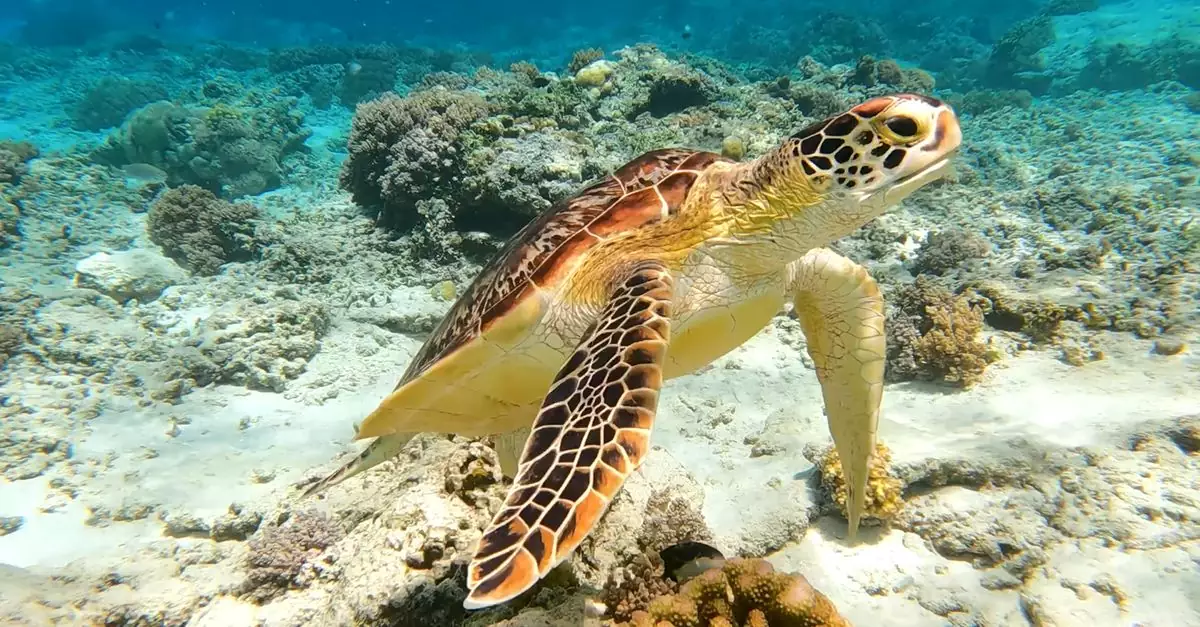
Costa Rica is a top destination for observing sea turtles in their natural habitat. With extensive coastlines on both the Pacific and Caribbean, the country offers diverse opportunities to witness nesting and hatching events throughout the year. Understanding the specific locations and best times to visit is key to a rewarding encounter.
Tortuguero National Park: A Haven for Green Sea Turtles
Located on the Caribbean coast, Tortuguero National Park is renowned for its significant green sea turtle nesting aggregations. This remote area, accessible primarily by boat or small aircraft, provides a unique jungle-meets-sea environment. From July to October, thousands of green sea turtles haul themselves ashore to lay their eggs, creating a breathtaking spectacle.
In addition to green turtles, Tortuguero also hosts smaller populations of leatherback, hawksbill, and loggerhead turtles at different times of the year. Leatherbacks, the largest of all sea turtles, typically nest from March to May. The park’s intricate canal network also offers opportunities to spot other wildlife, including caimans, monkeys, and various bird species.
To reach Tortuguero, start with a bus or shuttle to a dock like La Pavona or Moin, followed by a boat ride through the canals. Accommodations range from rustic lodges to more comfortable hotels, all designed to blend with the natural surroundings. Advance booking for tours and lodging is highly recommended, especially during peak nesting season.
Ostional Wildlife Refuge: Witnessing the Arribada
On the Nicoya Peninsula of Costa Rica’s Pacific coast lies Ostional Wildlife Refuge, famous for its ‘arribada’—a term meaning “arrival”—where Olive Ridley turtles gather in massive numbers to nest. These mass nesting events are a remarkable natural phenomenon, with hundreds, and sometimes thousands, of turtles coming ashore simultaneously. While the exact timing of the arribadas can be unpredictable, they generally occur around the new moon each month, with the largest waves typically seen between August and November.
While Olive Ridleys dominate Ostional, leatherback and hawksbill turtles also nest along the refuge’s shores in smaller numbers. The dry season (December to April) is a good time to see nesting leatherbacks, while hawksbills can be found year-round. The local community plays a vital role in managing and protecting the turtles, with guided tours being the only permitted way to observe nesting.
Accessing Ostional is usually via the nearby town of Nosara or directly from the village of Ostional. Roads can be rough, especially during the rainy season, so a 4×4 vehicle is advisable for independent travel. Basic guesthouses and eco-lodges are available in Ostional and Nosara, catering to different budgets.
How to Ethically Observe Sea Turtles Nesting in Costa Rica
Responsible tourism is crucial when visiting sea turtle nesting sites. Costa Rica has strict regulations to protect these vulnerable creatures, and it’s essential for visitors to adhere to them. Always book tours with licensed guides who are knowledgeable about turtle behavior and conservation. These guides ensure that visitor presence does not disturb the turtles during nesting.
Key ethical guidelines include:
- Maintain distance: Never approach nesting turtles too closely.
- No artificial lights: Flashlights and camera flashes can disorient nesting females and hatchlings. Guides will provide appropriate red-filtered lights if needed.
- Stay quiet: Loud noises can stress the turtles.
- Do not touch: Never touch a turtle, its eggs, or hatchlings.
- Follow guide instructions: Guides are trained to ensure safe and respectful observation.
Observing sea turtle nesting in Costa Rica is a profound experience. By choosing reputable tour operators and respecting the guidelines, you contribute to conservation efforts that protect these ancient mariners for future generations. It’s a chance to witness one of nature’s most awe-inspiring events while supporting a country committed to its wildlife.
Snorkeling with Sea Turtles in Hawaii: Maui’s Turtle Town and Beyond
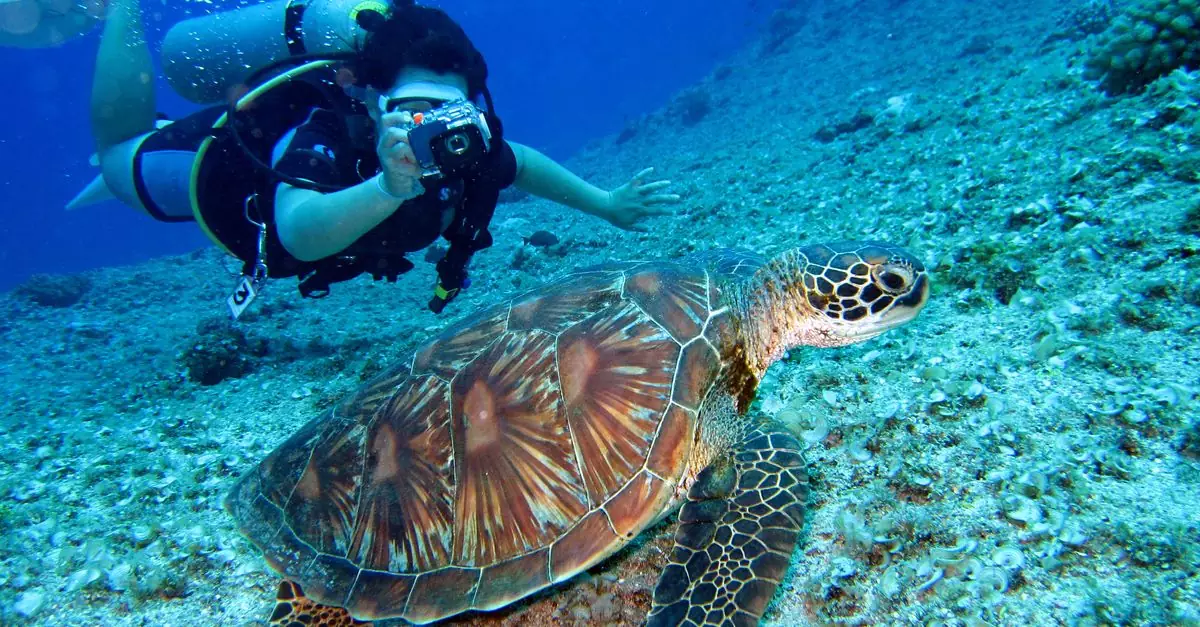
Hawaii offers some of the most accessible and rewarding sea turtle encounters in the United States, with green sea turtles (Honu) frequently spotted along its coastlines. These islands provide numerous opportunities for travelers to witness these magnificent creatures in their natural habitat, whether through snorkeling, diving, or simply observing from shore. Understanding the best locations and times will maximize your chances of a memorable experience.
Turtle Town (Maluaka Beach), Maui: A Reliable Spot for Encounters
Located on Maui’s south shore, Maluaka Beach is widely known as “Turtle Town” for good reason. This crescent-shaped sandy beach serves as a prime feeding ground for Hawaiian green sea turtles. The calm, clear waters here make it an excellent spot for snorkeling and swimming, with turtles often seen grazing on seagrass just offshore.
Access to Turtle Town is straightforward. The beach is public, and parking is available nearby, though it can fill up quickly during peak hours. Several tour operators offer snorkeling trips that include stops at this popular location, providing gear and guidance. For independent visitors, arriving early in the morning offers the best chance for calmer seas and fewer crowds. Remember to maintain a respectful distance; touching or disturbing the turtles is illegal and harmful to their well-being.
Laniakea Beach, Oahu: A Famous Haul-Out Site
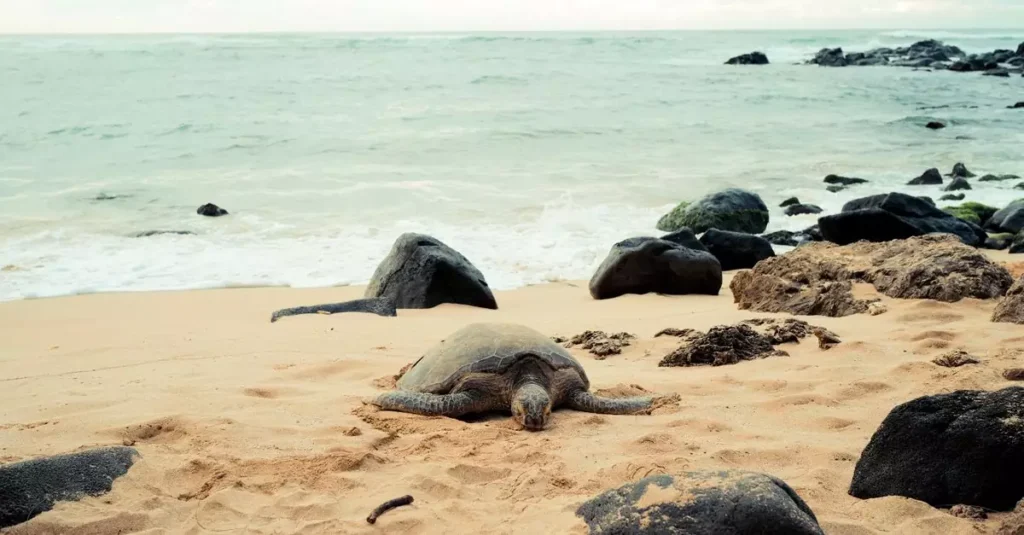
Oahu’s North Shore is famous for its big waves, but it’s also home to Laniakea Beach, a well-known spot for observing Hawaiian green sea turtles basking on the sand. This beach serves as a critical resting and “haul-out” site for turtles. Unlike Maluaka Beach, where turtles are primarily seen in the water, Laniakea is where you can often see them resting on the shore.
Laniakea Beach is easily accessible from the Kamehameha Highway. Parking can be challenging due to its popularity, so consider using ride-sharing services or arriving outside of midday. Volunteers are often present to educate visitors about responsible turtle viewing and to ensure the turtles are not disturbed. It’s crucial to stay behind the designated ropes and give the animals ample space.
Best Time of Year for Turtle Sightings in Hawaii
While Hawaiian green sea turtles are present year-round, certain times of the year offer enhanced viewing opportunities. The summer months, from May to October, generally bring calmer ocean conditions across the islands, making snorkeling and diving more pleasant and visibility better. This period also coincides with nesting seasons on some of the outer islands, though nesting typically occurs on sandy beaches away from popular tourist areas.
At Laniakea Beach, turtles are often seen basking on the sand throughout the year, but the calmer weather of summer can lead to more consistent sightings. If you’re interested in witnessing hatching events, which are less common and specific to certain nesting sites, you would need to research individual island nesting schedules, which are not widely publicized to protect the hatchlings. The primary viewing season for snorkeling and seeing turtles feeding or swimming is generally consistent, with summer offering the most favorable conditions for visitors.
Australia’s Great Barrier Reef: Coral Cays and Loggerhead Havens
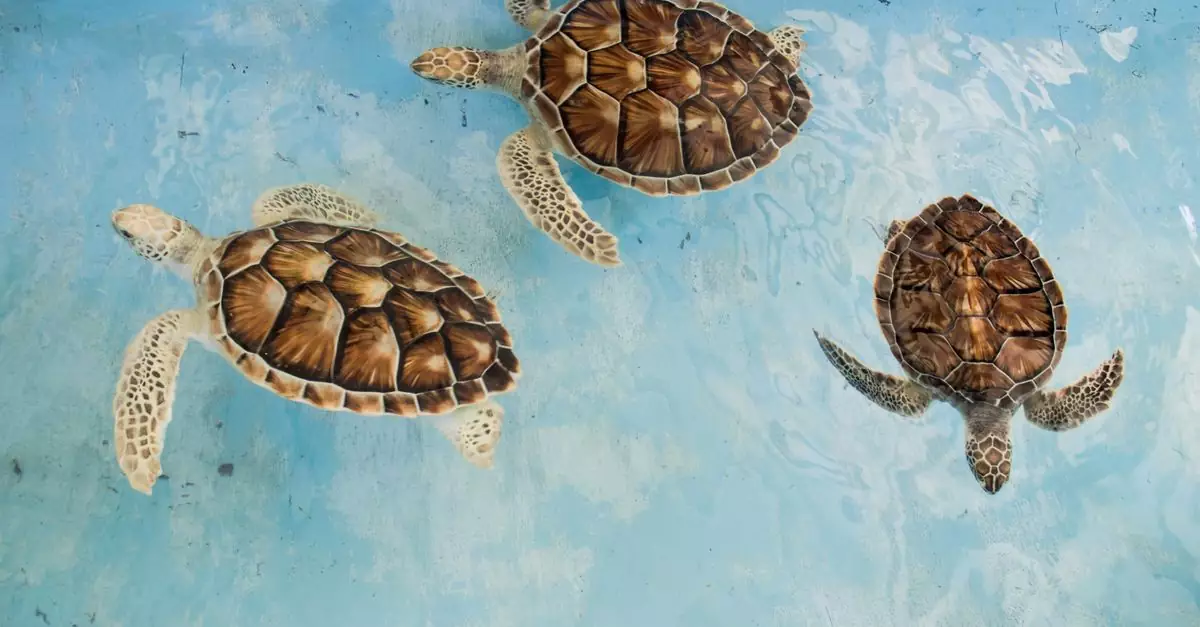
Australia’s vast coastline, particularly the region encompassing the Great Barrier Reef, offers some of the most accessible and rewarding sea turtle viewing opportunities globally. This UNESCO World Heritage site is a critical breeding ground for several species, including loggerheads, green turtles, and hawksbills. The region’s protected waters and dedicated conservation efforts make it a prime destination for travelers seeking to witness these magnificent creatures in their natural habitat.
Lady Elliot Island: A Pristine Eco-Resort for Turtle Lovers
Lady Elliot Island, located at the southern tip of the Great Barrier Reef, is renowned for its commitment to ecotourism and abundant marine life. This small coral cay is a nesting site for loggerhead and green sea turtles, with the nesting season typically running from October to March. Visitors can often spot turtles foraging on the surrounding coral reefs year-round while snorkeling or diving. The island’s clear waters and shallow reefs provide excellent visibility, making it easy to observe turtles swimming and feeding.
Accommodation on Lady Elliot Island is limited to a single eco-resort, emphasizing a low-impact approach to tourism. This ensures a more intimate experience with the marine environment. The resort offers guided tours and educational talks about the island’s turtle population, enhancing visitors’ understanding and appreciation. Getting to the island usually involves a scenic flight from Bundaberg or Hervey Bay, adding to the sense of remoteness and exclusivity.
Mon Repos Conservation Park: Queensland’s Turtle Rookery
Mon Repos, near Bundaberg in Queensland, is the most significant loggerhead turtle rookery on the Australian mainland. From November to March, female loggerheads haul themselves ashore to lay eggs, and from January to April, the tiny hatchlings emerge and make their perilous journey to the sea. Guided turtle encounters are offered during the nesting and hatching season, providing a structured and informative way to witness these events. These tours are highly regulated to minimize disturbance to the turtles.
Booking these guided tours in advance is essential, as they are extremely popular and have limited capacity. The park’s visitor center offers educational exhibits explaining the life cycle of sea turtles and the conservation challenges they face. Mon Repos is easily accessible by car from Bundaberg, making it a convenient option for travelers exploring the Queensland coast.
Responsible Snorkeling and Diving Practices Near Sea Turtles
Observing sea turtles in their natural environment requires a commitment to responsible tourism. When snorkeling or diving in areas like the Great Barrier Reef, maintaining a respectful distance from turtles is paramount. Avoid touching, chasing, or startling them, as this can cause stress and disrupt their natural behaviors, such as feeding or nesting.
Key guidelines for responsible viewing include:
- Maintain Distance: Keep at least 3 meters (10 feet) away from turtles.
- No Touching: Never touch a sea turtle, as this can transfer human germs and disrupt their protective slime coat.
- Quiet Observation: Avoid making loud noises or sudden movements that could frighten them.
- No Feeding: Do not feed sea turtles; their diet is specialized, and human food can be harmful.
- Light Sensitivity: If observing nesting or hatching turtles at night, use only red-filtered lights as directed by guides, as white light can disorient them.
Following these practices ensures that these incredible creatures can continue to nest and thrive for generations. Many tour operators within the Great Barrier Reef region adhere to strict guidelines for wildlife encounters, so choosing a reputable guide is a crucial step.
Mexico’s Riviera Maya: Akumal’s Gentle Giants and Nesting Beaches
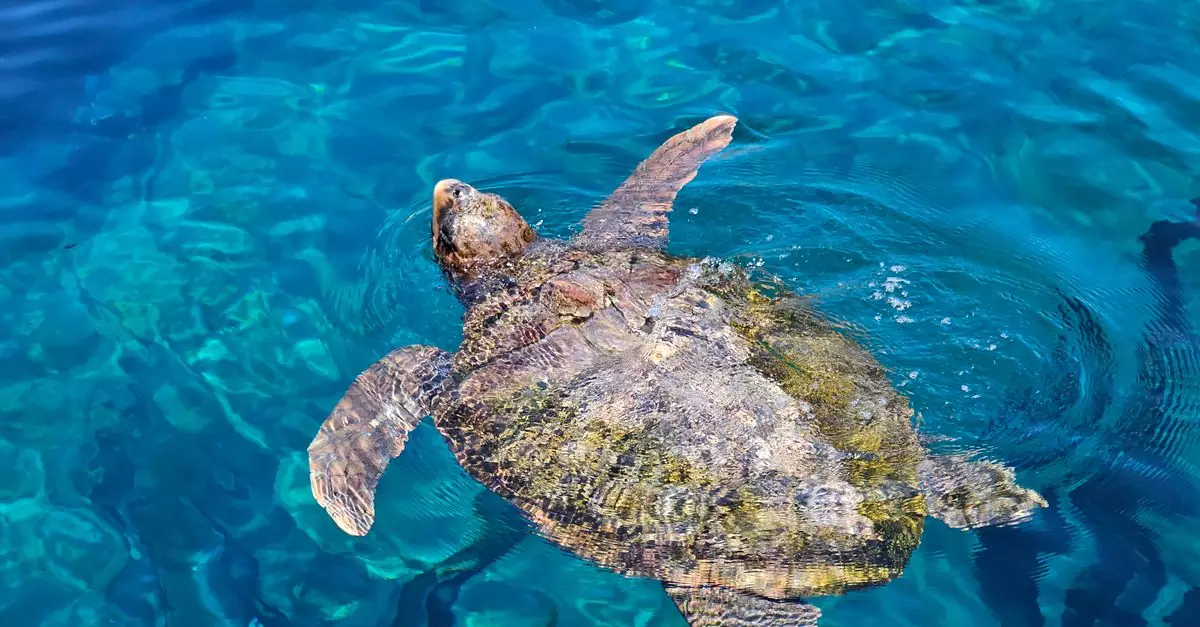
Mexico’s Caribbean coast, particularly the Riviera Maya, offers consistent opportunities to witness sea turtles in their natural habitat. This region is renowned for its clear waters and abundant seagrass, attracting several species, including the critically endangered hawksbill and green sea turtle. Planning a trip here means you can combine beach relaxation with unforgettable marine encounters.
Akumal Bay: Swimming with Critically Endangered Hawksbills
Akumal Bay, translating to “Place of the Turtles” in Mayan, lives up to its name. This sheltered bay serves as a primary feeding ground for hawksbill sea turtles, making it one of the best places to see them up close. Visitors can often spot these gentle creatures grazing on seagrass just a short swim from the shore.
When visiting Akumal Bay, it’s crucial to adhere to responsible tourism practices. This includes maintaining a respectful distance, never touching or feeding the turtles, and using reef-safe sunscreen to protect their delicate ecosystems. Tours are available, but independent snorkeling is also popular. While turtle sightings are common, they are not guaranteed every day, as their movements can be influenced by tides and food availability.
Xpu-Ha Beach: A Less Crowded Nesting Ground
For those seeking a more tranquil experience away from the main tourist hubs, Xpu-Ha Beach offers a different perspective on turtle encounters. While Akumal Bay is primarily a feeding ground, beaches along the Riviera Maya, including stretches near Xpu-Ha, serve as important nesting sites for loggerhead and green sea turtles, especially during the nesting season.
The nesting season typically runs from May to October. During this period, female turtles come ashore, usually at night, to lay their eggs. While observing nesting is rare and should only be done with authorized guides to minimize disturbance, the presence of nesting activity underscores the ecological importance of these shores. Xpu-Ha itself is a beautiful, less developed beach, offering a relaxed atmosphere for enjoying the coastal environment.
Protecting Sea Turtles in the Riviera Maya: Tourist Responsibilities
Responsible tourism is paramount for the survival of sea turtle populations in the Riviera Maya. As visitors, your actions directly impact these vulnerable animals and their habitats. Understanding and respecting local regulations is key to ensuring future generations can witness these magnificent creatures.
When visiting any beach or bay known for sea turtle activity, remember these guidelines:
- Maintain Distance: Never approach or chase turtles, whether they are swimming or nesting. Keep a minimum of 10 meters (33 feet) away.
- No Touching or Feeding: Touching can transfer diseases, and feeding alters their natural diet and behavior.
- Reef-Safe Sunscreen: Conventional sunscreens contain chemicals harmful to coral reefs and sea turtles. Opt for mineral-based, reef-safe products.
- Avoid Flash Photography: Bright lights can disorient nesting females and hatchlings.
- Proper Waste Disposal: Carry out all trash to prevent it from entering the ocean and harming marine life.
- Respect Nesting Sites: If you encounter a marked nesting area, stay clear and report any suspicious activity to local authorities or your tour operator.
Several local organizations are dedicated to sea turtle conservation in the region. Supporting their efforts through donations or participating in guided eco-tours that prioritize conservation can make a significant difference. These tours often provide valuable insights into turtle biology and the challenges they face, enhancing your appreciation for these ancient mariners.
When is the Best Time to See Sea Turtles Nesting and Hatching?
Timing your visit to witness sea turtles is crucial for the best experience. While turtles nest and hatch year-round in some locations, specific seasons offer higher probabilities of sightings. Understanding these cycles, alongside local environmental factors, will significantly enhance your chances of encountering these magnificent creatures.
Seasonal Variations for Major Nesting Sites Globally
The peak nesting and hatching seasons vary considerably by species and geographic location. For instance, loggerhead and green sea turtles on Florida’s Atlantic coast primarily nest from May through October, with hatching occurring from July to October. In contrast, leatherback turtles on the Pacific coast of Costa Rica have a more extended nesting period, peaking from March to October.
For critically endangered hawksbill turtles, locations like the Seychelles offer nesting opportunities from February to April, while hatching might extend into May. Western Australia’s Ningaloo Reef is another prime spot, with loggerheads nesting between November and February and green turtles nesting from December to March. Understanding these regional differences is key to planning a successful trip to see turtle activity.
| Region | Primary Species | Nesting Season (Approx.) | Hatching Season (Approx.) |
|---|---|---|---|
| Florida, USA | Loggerhead, Green | May – October | July – October |
| Costa Rica (Pacific) | Leatherback, Olive Ridley | March – October | Varies by beach/moon |
| Seychelles | Hawksbill, Green | February – April | April – May |
| Ningaloo Reef, WA | Loggerhead, Green | Nov – March | Jan – April |
| Zakynthos, Greece | Loggerhead | May – October | July – September |
Understanding Lunar Cycles and Their Impact on Nesting
Lunar cycles play a significant role in sea turtle nesting behavior. Many species, particularly loggerheads and green turtles, tend to nest during the full or new moon. It’s believed that the increased tidal ranges associated with these lunar phases offer protection by allowing turtles to nest further up the beach, away from the immediate reach of the tide.
This phenomenon means that while a general season is predictable, the exact nights of nesting can be influenced by the moon. For tour operators and researchers, monitoring lunar calendars is as important as tracking the general time of year. If you’re looking for the best places to see sea turtles, aligning your visit with the full or new moon during the nesting season can increase your chances of witnessing this incredible event.
Ideal Weather Conditions for Turtle Viewing Tours
While sea turtles are resilient, certain weather conditions can impact both nesting and hatching success, as well as the comfort of human observers. Calm, clear nights are generally preferred for turtle viewing tours. Heavy rain or strong winds can deter females from coming ashore to nest or make it difficult for hatchlings to navigate to the sea.
Warm temperatures also facilitate nesting and hatching. Extremely cold snaps can be detrimental to hatchlings. For those participating in guided tours, especially those involving night walks on the beach, comfortable, mild weather is ideal. Always check the local weather forecasts before booking your trip and be prepared for potential changes. Many tour operators will cancel or reschedule excursions due to adverse weather for the safety of both the turtles and participants.
Frequently Asked Questions About Seeing Sea Turtles
What is the most ethical way to see sea turtles?
The most ethical way to see sea turtles involves maintaining a respectful distance and avoiding any interaction that could disturb their natural behavior. This means never touching, feeding, or chasing them, whether they are in the water or nesting on the beach. Opt for guided tours led by trained naturalists who understand how to observe wildlife responsibly. These guides can often position you for excellent viewing opportunities without causing stress to the animals. Choosing operators committed to conservation ensures your visit supports the protection of these vulnerable creatures.
Can I touch sea turtles when they are on the beach?
Absolutely not. Touching sea turtles, especially when they are on the beach to nest, is strictly prohibited and harmful to them. A nesting female is highly vulnerable, and human disturbance can cause her to abandon her nesting attempt. Furthermore, touching can transfer pathogens and disrupt their natural processes. Always maintain a significant distance and refrain from using flash photography, as bright lights can disorient nesting turtles and their hatchlings. Observe from afar and let them complete their vital reproductive cycle undisturbed.
What should I pack for a sea turtle watching trip?
When planning a trip to observe sea turtles, packing smart is key to a comfortable and responsible experience.
- Lightweight, neutral-colored clothing: Helps you blend in and avoids startling the animals.
- Sun protection: A wide-brimmed hat, reef-safe sunscreen, and sunglasses are essential, especially during daylight hours.
- Insect repellent: Particularly useful for evening or early morning excursions.
- Binoculars: Allow for closer observation without getting too near.
- Water bottle: Staying hydrated is crucial in tropical or coastal environments.
- Camera (with no flash): To capture memories without disturbing the wildlife.
- Comfortable walking shoes: For navigating beaches or trails.
- A small backpack: To carry your essentials easily.
Consider the specific location and time of year for your trip, as this may influence packing needs. For instance, cooler evenings might require a light jacket.
Are there specific tour operators recommended for sea turtle excursions?
While specific recommendations can change and vary by location, it’s best to seek out tour operators certified by reputable wildlife conservation organizations or those committed to eco-tourism principles. Look for companies that emphasize minimal disturbance, educate their guests on ethical viewing practices, and contribute to local conservation projects. Many national parks and marine protected areas also offer guided programs or can recommend trusted local guides. Always research reviews and inquire about their specific protocols for sea turtle encounters to ensure a responsible and rewarding experience.