Beyond typical sunbathing and swimming, coastlines worldwide offer remarkable opportunities for wildlife encounters. Discovering the best beach wildlife experiences requires venturing a bit further, looking a little closer, and understanding the natural rhythms of marine and avian life. This guide will help you find the best spots to witness sea turtles nesting under the stars, observe majestic whales migrating along dramatic coastlines, explore vibrant tide pools teeming with miniature ecosystems, and spot playful seals and sea lions in their natural habitats. We’ll delve into top destinations, optimal timing for sightings, and essential tips for responsible observation, ensuring your next beach trip is as enriching for nature lovers as it is relaxing.
Spotting Sea Turtles Nesting: A Bioluminescent Beach Phenomenon

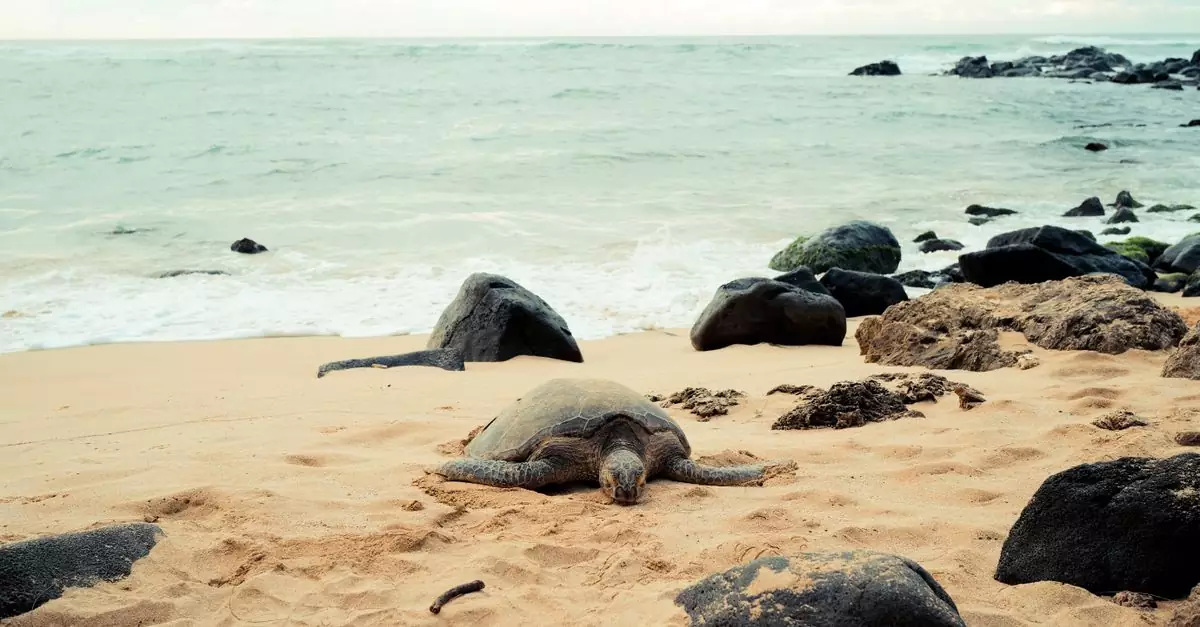
Witnessing sea turtles emerge from the ocean to lay their eggs is one of the most profound best beach wildlife experiences imaginable. This natural spectacle, often occurring under the cloak of darkness, offers a rare glimpse into the ancient life cycle of these magnificent creatures. Florida’s extensive coastline provides crucial nesting grounds for several species, making it a prime location for observation.
When to Witness Sea Turtle Nesting on Florida’s Coast
The sea turtle nesting season in Florida generally runs from early spring through late summer, with peak activity typically occurring between May and August. Different species have slightly varied nesting windows. Loggerhead turtles, the most common nesters in Florida, begin laying eggs in May, while green turtles and leatherbacks often start a bit later. Hatchling emergence usually begins around 60 days after nesting, meaning you might also witness tiny turtles making their perilous journey to the sea from July through October.
Timing your visit is crucial for the best chances of observation. Early morning hours, just before sunrise, can sometimes reveal fresh tracks left by nesting females. However, organized night tours provide the most reliable opportunity to see nesting activity, as this is when the turtles are most active and least disturbed by human presence. Remember that nesting is a vulnerable process, and quiet observation is paramount.
Best Beaches for Turtle Watching: From the Panhandle to the Keys
Florida boasts numerous beaches recognized for their importance as sea turtle nesting sites. Each region offers a unique environment and varying levels of accessibility for wildlife enthusiasts.
- The Panhandle: Beaches in St. Johns County, particularly south of St. Augustine, are vital nesting areas for loggerheads. The relatively undeveloped stretches of coastline here provide ample undisturbed space.
- The Atlantic Coast: From Amelia Island south to Palm Beach County, this coastline is a major corridor for nesting sea turtles. Juno Beach is famously known as the “turtle capital of the world” due to its high density of loggerhead nests. Further south, Boca Raton and Delray Beach also see significant nesting activity.
- The Gulf Coast: While the Atlantic coast generally sees more nesting, certain Gulf Coast beaches are also important. Sanibel and Captiva Islands, along with areas in Sarasota County, host nesting green turtles and loggerheads.
When considering where to go, research specific beach regulations. Some areas may have restrictions on artificial lighting during nesting season to avoid disorienting nesting turtles and hatchlings. Planning your accommodation near these protected areas can enhance your chances of a successful wildlife encounter.
Responsible Turtle Nesting Tours: Ethical Viewing Practices
To ensure the safety and well-being of sea turtles, it is highly recommended to participate in guided nesting tours led by trained naturalists or conservation organizations. These tours are designed to educate visitors and minimize disturbance to the turtles.
Key principles of responsible viewing include:
- Following Guide Instructions: Always stay with your group and adhere to the guide’s directions regarding distance, noise levels, and camera use.
- Minimizing Light: Avoid using flashlights or camera flashes directly on nesting turtles or hatchlings. Red-filtered lights are often used by guides as they are less disruptive.
- No Touching: Never touch or interfere with a nesting turtle or hatchlings. Their survival depends on natural processes.
- Filling Holes: If you dig holes or build sandcastles, ensure they are filled in before you leave the beach, as these can trap hatchlings.
- Respecting Distance: Maintain a respectful distance from nesting turtles. They can be easily startled, causing them to abandon their nesting attempt.
Booking a tour with a reputable organization not only provides a memorable experience but also directly supports sea turtle conservation efforts. These tours often require advance booking, especially during peak season, and may have age restrictions due to the late hours and walking involved. While viewing nesting is a natural phenomenon, understanding the delicate balance required for these creatures to thrive is paramount.
Whale Watching Adventures from Coastal Cliffs and Boat Tours
Witnessing whales breach the ocean’s surface is a profound experience, and many coastlines offer excellent opportunities for these encounters. From dramatic cliffside viewpoints to intimate boat excursions, the pursuit of these marine giants is a highlight for many travelers. The best beach wildlife experiences often extend beyond the shoreline.
California’s Iconic Whale Migration Routes
California’s extensive coastline serves as a vital corridor for migrating whales, making it a prime destination for whale watching. The Pacific Ocean here is rich with krill and small fish, attracting large numbers of gray whales, humpback whales, and even blue whales during their annual journeys.
Gray whales undertake one of the longest migrations of any mammal, traveling between their summer feeding grounds in the Arctic and their breeding lagoons in Baja California. This migration peaks along the California coast from December to May. Areas like Monterey Bay and Dana Point are particularly renowned for their whale watching tours, offering frequent sightings. Monterey Bay, a deep submarine canyon, attracts a diverse array of marine life year-round, including humpbacks and blue whales in the summer and fall. Dana Point, known as the “Dolphin and Whale Watching Capital of the West,” boasts a high success rate for sightings due to its sheltered waters and proximity to feeding grounds.
For accessible viewing points, coastal bluffs provide excellent vantage points without the need for a boat. Places like Point Reyes National Seashore north of San Francisco offer stunning vistas and are excellent for spotting migrating gray whales. Closer to Los Angeles, the Palos Verdes Peninsula also presents opportunities for shore-based whale observation.
Oregon Coast’s Dramatic Whale Watching Spots
The Oregon Coast offers a rugged and breathtaking backdrop for whale watching, with numerous accessible points along its 363-mile shoreline. Gray whales are the most common species observed here, migrating north from December to May and south from September to November.
Several state parks and viewpoints are specifically designated for whale watching. Depoe Bay, often called the “Whale Watching Capital of Oregon,” is a must-visit. Its dramatic rocky coastline and natural harbor make it a popular spot for both resident and migrating whales. Visitors can often see whales from the shore or embark on local charter boats that depart directly from the bay. The Whale Watching Center in Depoe Bay provides educational programs and viewing scopes.
Further south, the area around Cape Perpetua offers elevated viewpoints with expansive ocean panoramas. This region is known for its “spouting horns” and blowholes, natural geological features that can create dramatic displays when whales surface nearby. Heceta Head Lighthouse State Scenic Viewpoint also provides excellent elevated views of the surrounding waters. Many coastal towns along Highway 101 have easily accessible pull-offs and viewpoints specifically for spotting marine life, making spontaneous whale watching a common and rewarding experience.
Best Times for Gray and Humpback Whale Sightings
Timing is crucial for maximizing your chances of witnessing whales. For gray whales along the California and Oregon coasts, the primary viewing seasons are dictated by their migration patterns.
The southbound migration, when they travel from Alaska to the warmer waters of Baja California, typically runs from December through February. This period often offers calmer seas on the California coast, making boat tours more comfortable.
The northbound migration, as they return to their summer feeding grounds with their calves, occurs from March through May. This season can be particularly exciting as mothers and calves often travel closer to shore, increasing visibility from both land and sea.
Humpback whales are present in these waters at different times and are often seen feeding. Along the California coast, particularly in areas like Monterey Bay, humpbacks are frequently sighted from April through November. They are attracted by the rich feeding opportunities in these nutrient-dense waters. On the Oregon coast, while less common than gray whales, humpbacks can be seen during the summer and fall months.
When planning your trip, consider checking local whale watching tour operator websites for the most up-to-date sighting reports and seasonal advice. Many tours operate year-round, but success rates fluctuate with whale movements. For example, a trip in late spring might offer excellent opportunities for both northbound gray whales and early-arriving humpbacks feeding in Monterey Bay.
Birdwatching Havens: Coastal Sanctuaries for Avian Spectacles
Coastal areas often teem with avian life, offering some of the best beach wildlife experiences for enthusiasts. These dynamic environments provide critical habitats for a vast array of bird species, from migratory shorebirds to resident seabirds. Knowing the best locations and times can unlock incredible opportunities for observation.
The Outer Banks: A Birdwatcher’s Paradise in North Carolina
The Outer Banks, a string of barrier islands off the coast of North Carolina, is a renowned destination for birdwatching. Its unique geography, featuring marshes, dunes, and open ocean, attracts a remarkable diversity of birds throughout the year. Spring and fall migration periods are particularly spectacular, with hundreds of thousands of birds passing through.
Visitors can spot numerous species, including pelicans, gulls, terns, and various wading birds. During migration, warblers, shorebirds, and even raptors can be observed. Pea Island National Wildlife Refuge is a prime location, offering accessible trails and observation platforms. For those seeking dedicated birding tours, local outfitters can provide guided experiences, enhancing the chances of spotting rarer species and learning about their behavior.
Timing Your Visit:
- Spring (March-May): Excellent for migrating songbirds and shorebirds.
- Fall (August-November): Peak migration for many species, including raptors and waterfowl.
- Winter (December-February): Good for viewing resident waterfowl and some wintering shorebirds.
San Francisco Bay: Urban Birding with Diverse Species
San Francisco Bay presents a surprising contrast: a thriving urban center that also serves as a vital stopover point for migratory birds. The diverse habitats within and around the bay—including salt marshes, mudflats, and coastal scrub—support a rich avian population. This makes for accessible, yet rewarding, birding opportunities close to a major metropolitan area.
Key birding spots include the Don Edwards San Francisco Bay National Wildlife Refuge, accessible from Fremont and San Jose. Here, visitors can observe shorebirds like avocets and stilts foraging in the mudflats, as well as various duck species and pelicans. The Marin Headlands, just north of the Golden Gate Bridge, offers opportunities to see seabirds, shorebirds, and even migrating raptors against a dramatic coastal backdrop.
The accessibility of these locations makes them ideal for travelers looking for enriching wildlife encounters without venturing far from city amenities. Pack binoculars and a field guide for the best experience.
Identifying Shorebirds and Seabirds Along the Pacific Flyway
The Pacific Flyway is one of the major north-south routes that birds take during their annual migrations. Along the Pacific coast, from Alaska down to South America, countless beaches and coastal wetlands serve as crucial feeding and resting grounds for millions of shorebirds and seabirds. Understanding the common species and their behaviors can significantly enhance any beach wildlife experience.
Shorebirds, characterized by their long legs and bills, are often seen probing the sand and mud for invertebrates. Common sightings include sandpipers, plovers, and dowitchers, which can be incredibly active during low tide. Seabirds, such as gulls, terns, and cormorants, are usually found closer to the water’s edge or soaring overhead. Observing their distinct feeding strategies, like plunge-diving for fish or scavenging, adds another layer of fascination.
For travelers interested in specific identification, resources like local Audubon Society chapters or specialized birding apps can be invaluable. Many coastal communities offer interpretive centers or guided walks that focus on the unique birdlife of their region. For instance, beaches in Oregon and Washington are excellent for spotting puffins and murres during their breeding season, a truly memorable spectacle.
Marine Mammal Marvels: Seals, Sea Lions, and Otters Up Close

Witnessing marine mammals in their natural habitat offers some of the most memorable beach wildlife experiences. From playful sea lions to sleek harbor seals, these encounters provide a unique glimpse into coastal ecosystems. Planning your visit to coincide with peak activity times and understanding local viewing etiquette are key to a rewarding experience.
La Jolla Cove: California Sea Lion Colony Viewing
La Jolla Cove, located in San Diego, California, is renowned for its accessible and abundant sea lion and harbor seal populations. The rocky shores and protected waters create an ideal environment for these pinnipeds to haul out, rest, and raise their young. Visitors can observe them year-round, though pupping season typically runs from December through May, offering opportunities to see newborn pups.
The main viewing area is directly accessible from the La Jolla Village promenade. Numerous vantage points allow for close, yet respectful, observation. It’s common to see dozens, sometimes hundreds, of sea lions lounging on the rocks and swimming in the clear waters below. Keep an eye out for the distinct barks and social interactions that characterize the colony.
Viewing Tips:
- Timing: Mornings often offer more active sea lion behavior as they return from foraging.
- Safety: Maintain a safe distance; never attempt to feed or touch the animals. The sea lions can be territorial and may exhibit aggressive behavior if approached too closely.
- Accessibility: The main viewing areas are easily reached on foot from the village. Parking can be challenging, especially on weekends. Consider using ride-sharing services or public transport.
- Budget: Viewing is free. Costs may include parking and meals in the village.
Olympic National Park Coast: Harbor Seals and Sea Otters
The rugged coastline of Olympic National Park in Washington State provides a different, yet equally captivating, marine mammal viewing experience. Here, the focus shifts to harbor seals and the charismatic sea otter. The wilder, less developed beaches and kelp forests offer essential habitats for these species.
Along the park’s extensive coastline, from Rialto Beach to Ruby Beach, harbor seals can often be spotted resting on offshore rocks or swimming near the shore. Their spotted coats and curious nature make them a delight to observe. For sea otters, areas with dense kelp beds, such as Neah Bay and the waters around Cape Flattery, are prime locations. Look for them floating on their backs, often cracking open shellfish on their chests.
Logistics:
- Access: Many beaches are accessible via hiking trails. Some require moderate effort.
- Seasonality: Harbor seals are present year-round. Sea otters are also resident, but sightings can be more frequent during calmer seas.
- What to Bring: Binoculars are highly recommended for spotting animals at a distance. Waterproof gear is essential due to the region’s unpredictable weather.
- Park Pass: A National Park Service pass is required for entry.
Best Boat Excursions for Marine Mammal Encounters
For a more immersive experience and a chance to see a wider variety of marine life, consider a boat excursion. Many coastal regions offer tours specifically designed for wildlife viewing, often venturing further offshore to encounter larger marine mammals like whales and dolphins, in addition to seals and sea lions.
Regional Tour Options:
- California Coast: Whale watching tours departing from San Diego, Monterey, or San Francisco frequently spot pods of dolphins, various whale species, and often encounter sea lions and seals near coastal landmarks.
- Pacific Northwest: Tours from Seattle or the San Juan Islands are excellent for seeing orcas, humpback whales, and minke whales, alongside seals and sea lions.
- Alaska: Excursions in areas like Kenai Fjords National Park offer unparalleled opportunities to see Steller sea lions, harbor seals, and various whale species in dramatic glacial landscapes.
When choosing a tour, look for operators committed to responsible wildlife viewing practices. This typically involves maintaining safe distances, minimizing noise, and avoiding any actions that could disturb the animals. A well-guided boat trip can significantly enhance your chances of encountering marine mammals in their element, offering a dynamic perspective beyond the shoreline.
Exploring Tide Pools: Miniature Ecosystems Teeming with Life

Tide pools offer some of the most accessible and fascinating beach wildlife experiences, transforming rocky shorelines into vibrant, miniature aquariums. As the tide recedes, these natural depressions in the rock or sand trap marine life, creating a temporary world to observe. These shallow pools are windows into a complex ecosystem, showcasing the resilience and diversity of ocean life in a confined space.
Maine’s Rocky Shores: A Guide to Tide Pool Discoveries
Maine’s rugged coastline provides exceptional opportunities for tide pooling, particularly along its numerous rocky beaches. The cool waters of the North Atlantic support a unique array of creatures. When visiting, aim for low tide, ideally during a spring low tide for the most extensive exposure. Popular spots include Acadia National Park, where trails lead to rocky intertidal zones rich with life.
Here, you can expect to find colorful sea stars clinging to rocks, hermit crabs scuttling across the sandy bottom, and anemones that resemble underwater flowers. Look closely for periwinkles grazing on algae and small fish darting between seaweed fronds. The rocky crevices often hide small lobsters or crabs. Remember to wear sturdy, non-slip shoes, as the rocks can be slippery.
What to See in Pacific Northwest Tide Pools: Starfish, Anemones, and Crabs
The Pacific Northwest, from the Oregon coast to the San Juan Islands in Washington, boasts a spectacular variety of tide pool inhabitants. The cooler waters here support a slightly different, yet equally captivating, cast of characters. Low tide is your best friend for these explorations. Coastal areas near Olympic National Park and Cannon Beach are prime locations.
You’ll frequently encounter vibrant ochre sea stars and deep purple sea urchins. Giant green anemones, which can close up tightly when disturbed, are common sights. Various species of crabs, including the Dungeness crab and hermit crabs, are abundant. Keep an eye out for sculpins, small bottom-dwelling fish, and the occasional octopus if you’re particularly lucky and observant. The sheer density of life can be astonishing.
Tide Pooling Etiquette: Protecting Delicate Marine Life
Observing tide pool wildlife is a privilege that comes with responsibility. To ensure these delicate ecosystems thrive for future visitors, it’s crucial to practice responsible tide pooling. Always tread lightly and avoid stepping directly into pools if possible. If you need to move something, do so gently and always return it to its exact original position.
Never remove any creatures from their habitat, even temporarily. They are adapted to specific conditions, and removing them can be fatal. Bring a bucket of seawater to briefly hold a creature for closer inspection, but do so sparingly and with extreme care, ensuring it’s returned quickly. Remember that many tide pool organisms are fragile and can be easily harmed. Learning about the local marine life before your visit can enhance your appreciation and understanding of these incredible, tiny worlds.
Frequently Asked Questions About Beach Wildlife Experiences
What are the best times of year for beach wildlife viewing?
The optimal time for observing beach wildlife varies significantly by location and the specific species you hope to see. For instance, migrating bird species are often most visible during spring and fall. Sea turtle nesting seasons typically occur in the warmer months, from late spring through summer, with hatching often happening later in the summer. Whale watching seasons are highly dependent on the species and their migration patterns, often concentrated in specific months. Researching local wildlife and their seasonal activities for your chosen destination is crucial for successful viewing.
What should I pack for a beach wildlife tour?
Packing essentials for a beach wildlife tour include sun protection such as sunscreen, a wide-brimmed hat, and sunglasses. Lightweight, breathable clothing in neutral colors helps you blend in with the environment and reduces disturbance to animals. Binoculars are indispensable for spotting distant wildlife, and a good camera can capture memorable moments. Comfortable, sturdy walking shoes are important, even on sandy terrain, and a reusable water bottle is a must. Consider insect repellent, especially if visiting during warmer months or near marshy areas.
Are there ethical considerations when observing wildlife on beaches?
Yes, ethical observation is paramount. Always maintain a respectful distance from all animals to avoid causing stress or altering their natural behavior. Never feed wildlife, as this can disrupt their diets and lead to dependency or aggression. Be mindful of nesting sites and avoid disturbing eggs or young animals. Adhere to all local regulations and guidelines set by park services or wildlife organizations. The goal is to observe without impacting the animals’ lives or their habitat.
Can I interact with beach wildlife?
Direct interaction with beach wildlife is generally discouraged and often prohibited. Touching, chasing, or attempting to handle animals can be harmful to both the wildlife and yourself. Many beach creatures, like seals or nesting birds, are protected, and interfering with them can result in significant fines. Enjoy observing them from a safe and responsible distance, appreciating their presence in their natural environment. Respecting their space ensures their well-being and preserves these encounters for future visitors.