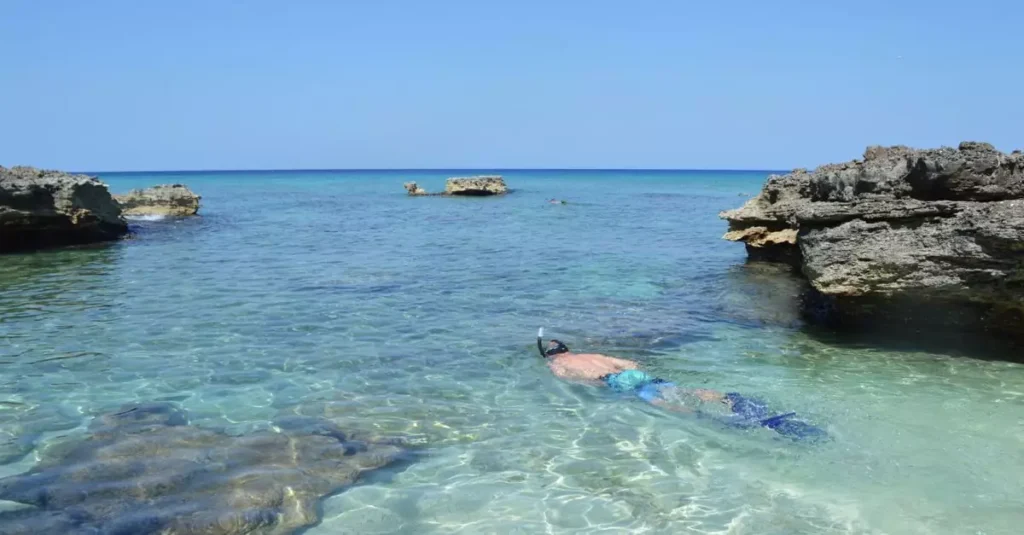
Discovering the best snorkeling islands means finding those special places where crystal-clear waters unveil a vibrant array of marine life. These destinations offer not just a chance to explore beneath the surface but also immersive experiences with stunning coral gardens, diverse fish populations, and occasionally, larger marine creatures.
If you’re dreaming of an underwater adventure, this guide will help you identify the perfect island escape. You’ll discover specific locations known for their exceptional snorkeling conditions, from shore-accessible reefs to world-renowned dive sites. We’ll explore what makes each island unique, detailing the marine encounters you can expect, the optimal times to visit for clear visibility, and practical tips for travel. Get ready to dive into some of the planet’s most breathtaking aquatic environments.
Top Islands for Unforgettable Snorkeling Adventures
Finding the best snorkeling islands involves seeking out destinations with clear, warm waters, abundant marine life, and accessible reefs. Whether you’re an experienced diver or a beginner eager to explore, several islands stand out for their exceptional snorkeling experiences. These locations not only feature vibrant coral gardens but also unique encounters with marine creatures in easily accessible underwater environments.
Malapascua Island, Philippines: Thresher Shark Encounters & Coral Gardens
Malapascua Island in the Philippines is famous for its unique thresher shark sightings, a rare opportunity for snorkelers and divers alike. While these sharks typically inhabit deeper waters, the surrounding reefs are rich with diverse fish species, nudibranchs, and intricate coral formations. The water clarity here is often exceptional, particularly during the dry season.
For snorkeling enthusiasts, the northern tip of the island near Gato Island offers protected marine areas with healthy coral and various reef fish. Local boat tours can easily transport you to these prime spots. The best time for optimal visibility generally spans from November to May, avoiding the typhoon season. Accommodations range from budget-friendly guesthouses to upscale resorts, catering to diverse traveler needs.
Bonaire, Caribbean Netherlands: Shore Snorkeling Paradise & Marine Park
Bonaire consistently ranks among the top destinations for marine conservation and underwater exploration, making it a premier choice for snorkelers. The entire coastline is a protected marine park, and the island has pioneered shore snorkeling, allowing direct access to vibrant reefs from multiple points along the shore. You can simply rent a car, grab your gear, and drive to a marked snorkeling site.
Water visibility in Bonaire is consistently excellent, often exceeding 100 feet, thanks to strict environmental regulations and a healthy reef system. Popular shore snorkeling spots include 1000 Steps, Wayaka Bay, and Bachelor’s Beach, each featuring distinct underwater landscapes and marine life. Most accommodations are conveniently located near these accessible sites, with many offering dive packages that include snorkeling gear. The dry, sunny climate makes it a year-round destination, though trade winds can pick up during certain months.
Koh Tao, Thailand: Diverse Reefs and Beginner-Friendly Spots
Koh Tao, a small island in the Gulf of Thailand, is an excellent option for snorkelers of all levels, particularly beginners, due to its shallow, calm bays and easily accessible reefs. The island is renowned for its vibrant coral gardens and a wide array of tropical fish, including parrotfish, angelfish, and damselfish. Its popularity as a dive training center also means numerous operators offer snorkeling trips.
Key snorkeling areas include Shark Bay (named for harmless blacktip reef sharks), Ao Leuk, and Mango Bay. These locations are easily reachable via longtail boat tours or by renting a scooter to navigate the island. The best snorkeling conditions typically occur during the dry season, from December to March, when seas are calmer and visibility peaks. Accommodation options on Koh Tao range from basic beach bungalows to more comfortable hotels.
The Exumas, Bahamas: Swimming Pigs and Underwater Caves
The Exumas in the Bahamas offer a unique blend of stunning natural beauty both above and below the water. While famously known for its swimming pigs, the archipelago also boasts crystal-clear turquoise waters and fascinating underwater topography, including shallow reefs and submerged caves. These conditions make it an exciting destination for snorkelers seeking adventure.
Snorkeling excursions in the Exumas often include visits to coral reefs teeming with colorful fish, sea turtles, and rays. Many tours also incorporate stops at hidden coves and underwater caves, enhancing the underwater exploration experience. The Exumas are best visited during the dry season, from December to May, to ensure the clearest waters and calmest seas. Travel between the scattered islands is typically done by boat or small aircraft, with accommodations ranging from private villas to boutique resorts.
Choosing Your Ideal Snorkeling Island: Factors to Consider
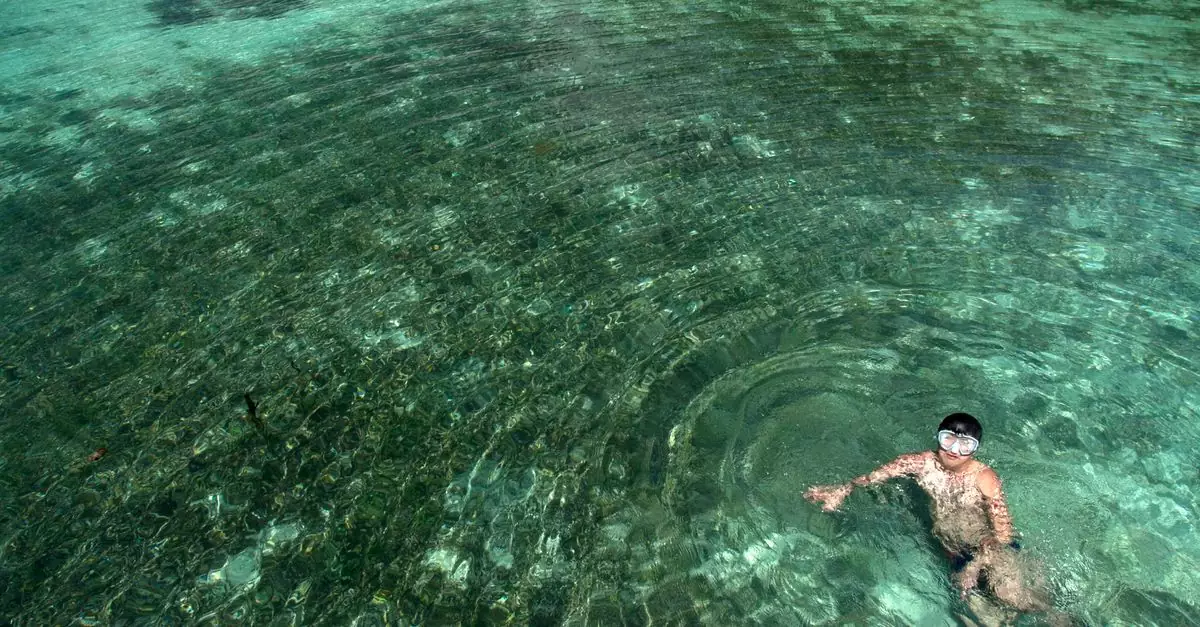
Selecting the right destination is crucial for an unforgettable underwater experience. The best snorkeling islands combine clear waters, abundant marine life, and accessible reefs. Consider what type of adventure you seek—whether a secluded escape or a lively aquatic playground.
Water Clarity and Visibility for Optimal Viewing
Water clarity is the most important factor for any snorkeling trip. High visibility allows you to appreciate the intricate details of coral formations and the vibrant colors of fish. Tropical waters in calm bays or protected lagoons usually provide the best conditions. Look for destinations known for their turquoise hues and minimal sediment. Islands with less river runoff and reduced boat traffic typically maintain superior visibility.
Marine Biodiversity: What Creatures Will You See?
The allure of snorkeling lies in encountering diverse marine life. Islands near healthy coral reefs or within marine protected areas often boast the richest biodiversity. Expect to see schools of colorful reef fish, sea turtles, rays, and perhaps even small reef sharks. Some locations are renowned for specific sightings, such as whale sharks or manta rays. Researching the typical marine inhabitants of an island can help manage expectations and heighten the excitement of your trip.
Accessibility of Reefs: Shore Dives vs. Boat Trips
How you reach the best snorkeling spots can significantly impact your experience. Some islands offer excellent snorkeling directly from the beach, allowing spontaneous dips whenever the mood strikes. Shore-accessible reefs are often more budget-friendly and convenient. Other prime locations require a boat trip, which can take you to more remote and pristine offshore reefs. Boat excursions often include gear and guided tours, providing a comprehensive experience. Consider your comfort level with boat travel and your budget when making this decision.
Crowd Levels: Secluded Havens vs. Popular Hotspots
The number of fellow snorkelers can greatly influence the tranquility of your experience. Popular destinations often offer well-maintained facilities and easy access but can become crowded during peak season. If you prefer a more intimate encounter with nature, seek out lesser-known islands or visit during shoulder seasons. Smaller, more remote islands often provide a sense of seclusion, allowing for peaceful exploration of the underwater world. Balancing accessibility with tranquility is essential for a personalized snorkeling adventure.
When is the Best Time to Visit These Snorkeling Havens?
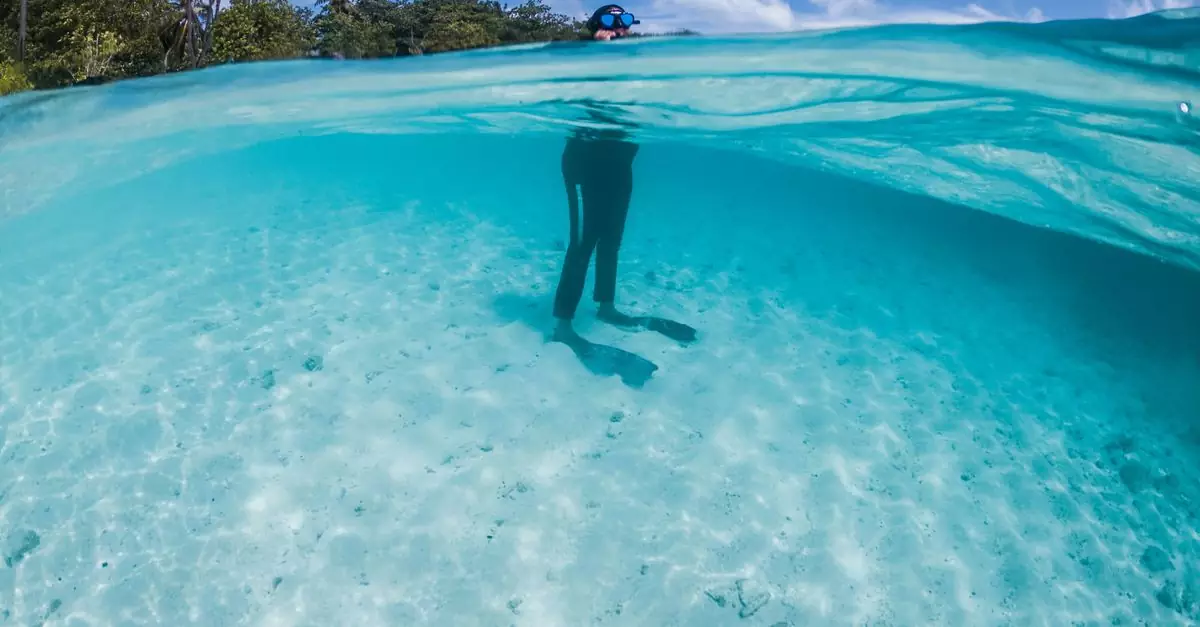
Choosing the right time to visit the best snorkeling islands can significantly enhance your experience, from water clarity to marine life encounters and overall value. Understanding seasonal patterns is crucial for planning a trip that aligns with your priorities, whether that’s avoiding crowds or maximizing opportunities to see specific underwater phenomena.
Seasonal Weather Patterns and Snorkeling Conditions
Tropical regions generally offer warm temperatures year-round, but distinct wet and dry seasons can impact your underwater adventures. Dry seasons usually feature calmer seas, less rainfall, and better water visibility for snorkeling. In contrast, the wet season may bring increased cloud cover, occasional storms, and potentially lower visibility due to land runoff. However, some areas experience unique marine events during their rainy periods, such as plankton blooms that attract larger pelagic species.
For instance, the Maldives’ dry season runs from December to April, offering sunny skies and calm waters ideal for spotting manta rays and whale sharks. The Caribbean generally experiences hurricane season from June to November, with August to October being the most active months. For destinations like the Great Barrier Reef, the period between June and October is often considered optimal due to lower humidity and calmer seas, though the risk of stingers is higher during warmer months.
Peak Tourist Seasons vs. Shoulder Seasons for Better Value
Timing your visit to coincide with shoulder seasons can offer an ideal balance of good weather and better value. Peak tourist seasons, often aligning with school holidays and major global vacation periods (like December-January and July-August), typically mean higher prices for flights and accommodations, as well as more crowded dive sites.
Visiting just before or after these peak times can lead to significant savings and a more relaxed snorkeling experience. For example, traveling to the Red Sea in Egypt during April or May, or again in September or October, avoids intense summer heat and the busiest periods while still offering excellent conditions. Similarly, islands in Southeast Asia, such as those in the Philippines or Thailand, often see lower prices and fewer crowds in the months leading up to and following their main dry season.
Optimal Visibility Windows for Each Island Destination
Water visibility is essential for an exceptional snorkeling trip, and this can vary greatly by location and time of year. Generally, calm seas and minimal freshwater runoff contribute to the clearest conditions. The dry season is typically the most reliable period for crystal-clear waters.
Consider these general guidelines for optimal visibility:
- Maldives: December to April offers the best visibility, often exceeding 30 meters (100 feet).
- Caribbean (e.g., Bonaire, Cayman Islands): December to May generally provides the clearest water, with visibility around 20-30 meters (65-100 feet).
- Great Barrier Reef, Australia: May to October typically has the best visibility, though local weather patterns and marine algae can affect this.
- Red Sea, Egypt: April to June and September to November are prime times for clear water and comfortable temperatures.
- Galapagos Islands: While marine life is abundant year-round, visibility can be variable. The warm season (December to May) often has calmer seas and better visibility, though plankton blooms can occur.
Planning your trip around these optimal visibility windows ensures you can fully appreciate the vibrant coral reefs and diverse marine life that make these islands some of the best snorkeling destinations in the world.
Getting to and Around Your Chosen Snorkeling Island
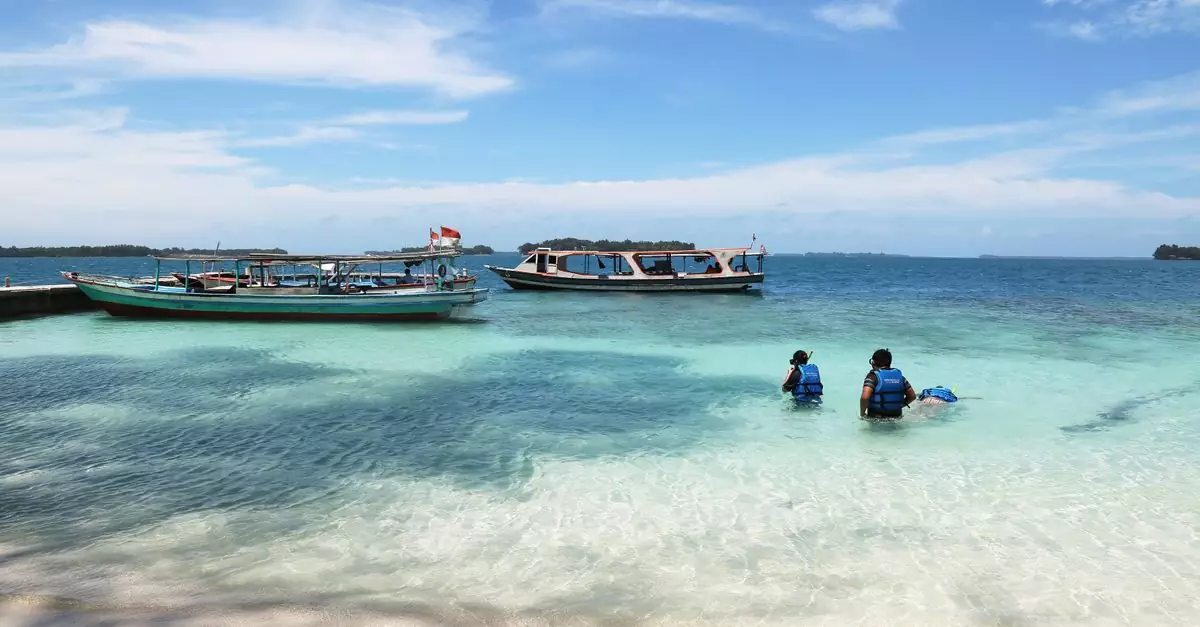
Reaching the world’s best snorkeling islands often involves a multi-step journey, but the reward of vibrant underwater ecosystems makes the effort worthwhile. Planning your transportation in advance is key to a smooth and enjoyable trip. Consider the logistics of reaching remote locations and how you’ll navigate once you arrive.
International Flights and Inter-Island Transportation
Most travelers will begin their journey with an international flight to a major gateway city in the region. From there, you’ll likely connect to smaller, regional airports that serve the more remote island destinations. For example, reaching the Maldives often involves flying into Malé, followed by a seaplane or speedboat transfer to your resort island. Similarly, the popular islands of Hawaii require inter-island flights via carriers like Hawaiian Airlines.
When planning inter-island travel, book flights and boat transfers well in advance, especially during peak seasons. Some destinations, like the British Virgin Islands, are easily navigated by ferry services, offering scenic and cost-effective travel between islands. For more secluded spots, private boat charters or smaller local airlines may be your only options. Always factor in potential delays, especially with weather-dependent services like seaplanes.
Local Transport Options: Scooters, Taxis, and Boats
Once you’ve arrived on your chosen island, getting around is usually straightforward. Many smaller islands cater to tourists with readily available scooters or ATVs for rent. This allows for easy access to secluded beaches and snorkeling spots at your own pace. Always ensure you have the appropriate license and wear a helmet.
Taxis are also common, though they can be more expensive, particularly on larger or more developed islands. In some island nations, particularly those with extensive coastlines and numerous small cays, water taxis and small boat services are the primary mode of transport. For instance, exploring the San Blas Islands in Panama relies heavily on local boat operators to hop between indigenous Guna communities and their stunning coral reefs.
Consider these local transport tips:
- Negotiate fares: For taxis and boat services, agree on the price before your journey begins.
- Check availability: Especially on smaller islands, transport options might be limited, so inquire about availability upon arrival.
- Embrace walking: Many island towns and resort areas are very walkable, providing a pleasant way to experience the local atmosphere.
Navigating Marine Protected Areas and Park Fees
Many of the best snorkeling locations are situated within marine protected areas or national parks. These zones are crucial for preserving the delicate coral reefs and diverse marine life that attract visitors. Accessing these areas often involves a nominal entrance fee, which contributes directly to conservation efforts.
For example, visiting Bonaire National Marine Park requires purchasing a marine park tag, valid for a year. These fees are typically paid at dive shops, dive centers, or designated park offices. It’s wise to clarify these requirements upon booking your accommodation or before you depart.
Understanding and respecting the rules within these protected areas is paramount. This includes guidelines about not touching coral, not feeding fish, and properly disposing of waste. Some areas may also have specific regulations regarding boat anchoring or designated entry points to minimize environmental impact. Always check local regulations and be a responsible visitor to help ensure these underwater paradises remain pristine for future generations.
Essential Gear and Packing Tips for Snorkelers
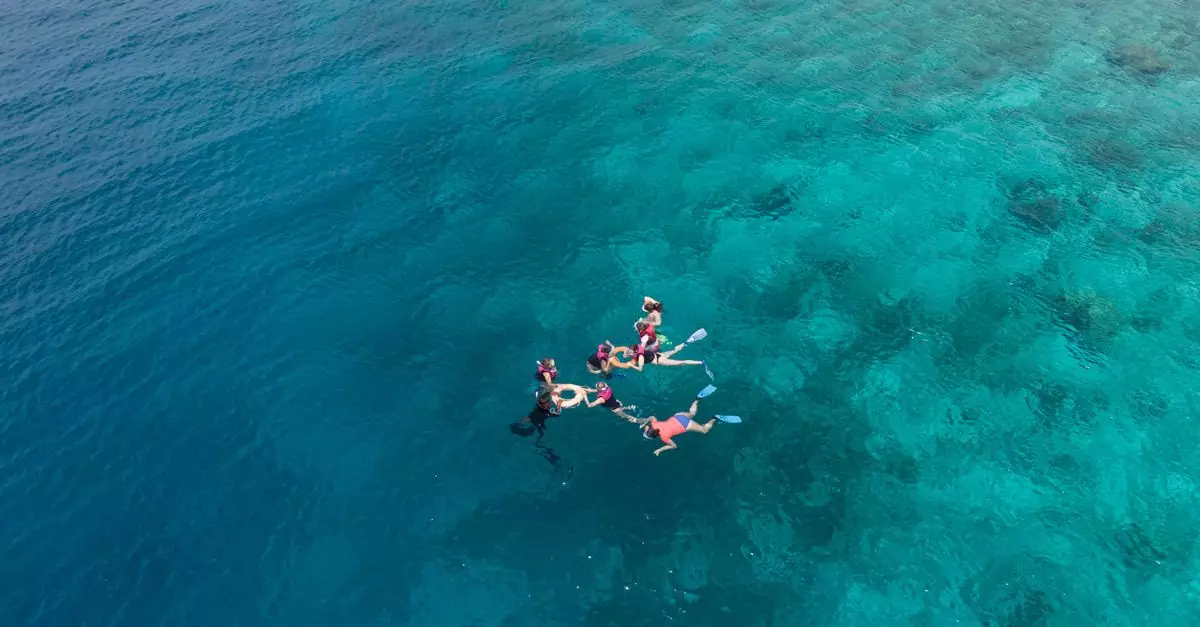
Preparing for a trip focused on underwater exploration requires more than just swimwear. Having the right equipment and packing smart can greatly enhance your experience and ensure safety. When planning your visit to the best snorkeling islands, consider these essential items.
Must-Have Snorkeling Equipment: Masks, Fins, and Snorkels
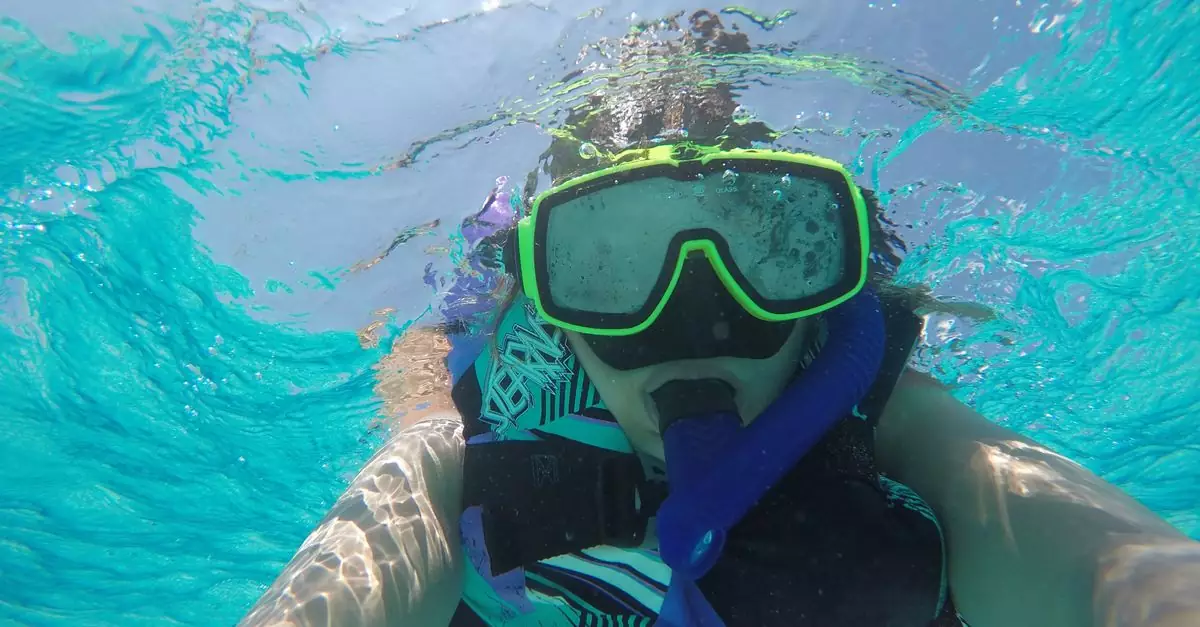
The core trio of snorkeling gear—mask, fins, and snorkel—is essential for enjoying the underwater world. A well-fitting mask is crucial; it should create a watertight seal around your eyes and nose without feeling too tight. Look for tempered glass lenses for durability and a wide field of vision.
Fins provide propulsion, allowing you to cover more ground with less effort. Full-foot fins are often more comfortable for casual snorkeling, while open-heel fins with adjustable straps are better suited for those wearing dive booties. Your snorkel should be comfortable to hold in your mouth and ideally feature a splash guard or dry-top mechanism to minimize water entry. Many travelers opt to rent gear at their destination, but investing in your own set ensures a familiar fit and hygiene, especially if you plan frequent snorkeling adventures.
What to Pack: Reef-Safe Sunscreen, Rash Guards, and Waterproof Bags
Protecting yourself from the sun and the marine environment is crucial. Opt for reef-safe sunscreen, formulated without oxybenzone and octinoxate, which are harmful to coral reefs. Applying sunscreen generously and frequently is essential, as the sun’s rays are intensified by reflection off the water.
A rash guard, or UV-protective shirt, offers excellent sun protection for your back and shoulders, areas often exposed to direct sunlight while snorkeling. They also provide a minor barrier against jellyfish or minor abrasions from coral. To protect your valuables like phones, cameras, and wallets, a waterproof dry bag is indispensable. These bags come in various sizes and effectively keep your belongings dry, even if accidentally submerged.
Choosing the Right Camera for Underwater Photography
Capturing the vibrant marine life and stunning underwater landscapes can be a highlight of any snorkeling trip. For casual underwater shots, a waterproof compact camera or a rugged action camera like a GoPro is often sufficient. Many of these devices are shockproof, dustproof, and waterproof to considerable depths, making them ideal for beach and water activities.
If you’re serious about underwater photography, consider a dedicated underwater camera housing for your existing DSLR or mirrorless camera. These housings offer superior image quality and control but come with a significant investment. For budget-conscious travelers, a simple waterproof phone case can allow for basic underwater photos and videos, though image quality may be compromised. Always test your camera and its housing thoroughly in a controlled environment before venturing into the ocean. Understanding how to operate your chosen device underwater will greatly improve your chances of capturing memorable shots.
Frequently Asked Questions About Snorkeling Islands
Are these islands safe for solo snorkelers?
Most popular snorkeling destinations maintain a good safety record, especially in well-trafficked areas. Many resorts and tour operators offer guided snorkeling trips, which are an excellent option for solo travelers seeking both safety and expert guidance. Always check local conditions and heed any posted warnings. Familiarize yourself with basic snorkeling safety before heading out.
What is the average cost of a snorkeling trip to these islands?
The cost of a snorkeling trip varies significantly based on the destination, duration, and chosen activities. Budget-friendly options might involve self-guided excursions from shore with minimal gear rental, costing around $20-$50 per day. Mid-range packages, including boat tours and guided trips, can range from $100-$300 per day. Luxury experiences with private charters and high-end accommodations could exceed $500 daily. These figures typically exclude flights and accommodation, which add to the overall travel expense.
Can I rent snorkeling gear on the islands, or should I bring my own?
Most islands catering to tourists offer snorkeling gear rental at dive shops, resorts, and tour operators. Rental costs usually range from $10-$25 per day for a mask, snorkel, and fins. However, for hygiene and comfort, many experienced snorkelers prefer to bring their own gear. A well-fitting mask and a comfortable snorkel can significantly enhance your experience, especially if you plan on spending extended periods in the water.
What are the most common marine life encounters?
Expect to see a dazzling array of marine life. Common encounters include vibrant tropical fish like angelfish, butterflyfish, and parrotfish. You’ll also likely spot various types of coral, sea turtles gliding gracefully, and schools of smaller reef fish. In some regions, it’s possible to see rays, small reef sharks (which are generally harmless), and a variety of invertebrates such as starfish and sea cucumbers. The specific species will depend on the geographical location and the health of the local reef ecosystem.