For those dreaming of more than just a vacation, the world’s best adventure cruises provide a gateway to some of the planet’s most remote and captivating landscapes. These expeditions cater to the active traveler, emphasizing immersion in nature and thrilling encounters over onboard entertainment. If your ideal journey involves navigating icy fjords, exploring vibrant rainforests, or witnessing wildlife in its natural habitat, an expedition cruise could be your next great adventure.
This guide explores a curated selection of unforgettable journeys, from the wildlife-rich Galapagos and the stark beauty of Antarctica to the cultural heart of the Amazon and the dramatic coastlines of Patagonia. Discover what makes these voyages unique, the incredible experiences they offer, and how to select the expedition that best suits your spirit of exploration.
Top Expedition Cruises for Unparalleled Wildlife Encounters
For travelers seeking more than a passive vacation, expedition cruises provide a front-row seat to some of the most remote and biodiverse locations on Earth. Designed for active engagement with nature, these journeys prioritize wildlife viewing and immersive experiences. If spotting rare animals in their natural habitats is your dream, consider these top adventure cruises.
Galapagos Islands: Darwin’s Living Laboratory by Expedition Ship
A voyage to the Galapagos Islands is essential for wildlife enthusiasts. This archipelago, famously studied by Charles Darwin, features a unique array of endemic species unafraid of human presence, enabling close encounters. Expedition ships vary from smaller, nimble vessels that access secluded coves to larger, more comfortable options.
Activities include guided hikes across volcanic landscapes, snorkeling with sea lions and marine iguanas, and kayaking alongside penguins. The dry season, from June to November, offers cooler temperatures and calmer seas, ideal for wildlife observation. In contrast, the warm season (December to May) brings warmer waters for snorkeling and more active marine life. Booking well in advance is crucial, as popular itineraries fill quickly.
| Cruise Operator | Ship Type | Typical Itinerary Length | Average Price Range (USD) |
|---|---|---|---|
| Lindblad Expeditions | Small Expedition | 7-10 days | $6,000 – $12,000+ |
| Hurtigruten | Mid-size Hybrid | 7-10 days | $5,000 – $10,000+ |
| Ecoventura | Luxury Yacht | 7-10 days | $7,000 – $15,000+ |
Antarctica: Journey to the White Continent’s Icy Wilderness
Antarctica is the ultimate frontier for many adventure cruisers. These voyages are not for the faint of heart, often involving longer sea crossings and variable weather. However, the reward is an awe-inspiring landscape of vast ice shelves, towering glaciers, and abundant wildlife. Expect to see vast penguin colonies, seals lounging on ice floes, and whales breaching in the frigid waters.
Expedition cruises to Antarctica typically depart from Ushuaia, Argentina, or Punta Arenas, Chile, lasting anywhere from 10 to 20 days, depending on the route and included landings. The Antarctic season runs from November to March, with the early season (November-December) showcasing pristine snowscapes and courting penguins, while mid-season (January-February) offers longer daylight hours and peak whale activity. Safety is paramount, with experienced expedition staff leading all excursions, including Zodiac boat tours and shore landings.
Arctic Norway: Chasing the Northern Lights and Polar Bears
The dramatic coastlines of Arctic Norway, particularly in winter, offer a distinctive expedition experience. While not as remote as Antarctica, the chance to witness the Aurora Borealis alongside opportunities to spot polar bears and other Arctic wildlife makes this a compelling destination. Cruises often focus on the Svalbard archipelago or the northern Norwegian coast.
Winter expeditions, from October to March, are prime for Northern Lights viewing. Summer months (June-August) feature the midnight sun, providing longer daylight for wildlife spotting and access to more remote fjords. Activities include kayaking, hiking, and Zodiac excursions to observe seals, walruses, and Arctic foxes. Due to the extreme environment, specialized gear and adherence to safety guidelines are essential for all participants. For a comprehensive overview of the region, consult resources on Arctic exploration.
Navigating Remote Rivers: Best Adventure Cruises for Inland Exploration
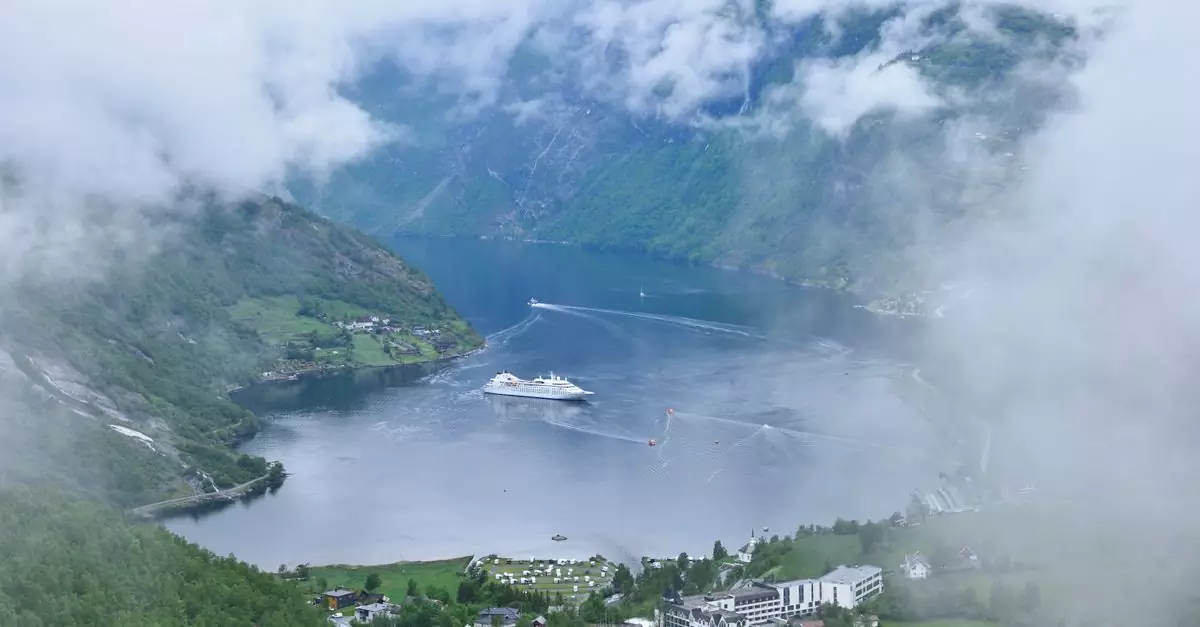
Inland waterways offer a unique perspective on a region, winding through landscapes often inaccessible by road and revealing a more intimate connection with local life. These river expeditions focus on cultural immersion and the exploration of vital ecosystems.
Amazon River Cruises: Deep Dive into South America’s Rainforest
An Amazon River expedition takes you into the heart of the world’s largest rainforest, a biodiversity hotspot teeming with wildlife. Cruises range from luxurious lodge-based experiences to smaller, intimate expedition vessels navigating deeper into tributaries. Expect to see monkeys, sloths, vibrant macaws, and perhaps even pink river dolphins.
Daytime activities often include guided jungle walks led by naturalists, piranha fishing, and visits to indigenous communities. The sheer scale of the Amazon is breathtaking, and river travel is the most effective way to witness its grandeur. Most voyages depart from Iquitos, Peru, or Manaus, Brazil, with durations from 3 to 7 nights.
Logistics for Amazon Adventures:
- Best Time to Visit: The dry season (June to November) offers lower water levels, exposing more riverbanks and making wildlife spotting easier. The wet season (December to May) brings higher water, allowing boats to access narrower channels and flooded forests.
- What to Pack: Lightweight, long-sleeved clothing for insect protection, waterproof gear, sturdy walking shoes, a wide-brimmed hat, high-SPF sunscreen, and binoculars are essential.
- Wildlife Viewing: Patience is key. Early mornings and late afternoons are prime for spotting animals.
Mekong River Expeditions: Vietnam and Cambodia’s Cultural Heartbeat
Cruising the Mekong River offers a captivating glimpse into the rich history and vibrant cultures of Vietnam and Cambodia. These voyages typically travel between Ho Chi Minh City and Siem Reap (or vice versa), stopping at ancient temples, bustling local markets, and rural villages. It’s a journey that connects you to the rhythm of daily life along Southeast Asia’s most vital waterway.
Beyond iconic sights like the Royal Palace in Phnom Penh and the floating markets near Can Tho, the true magic lies in smaller, often overlooked stops. You might witness traditional silk weaving, participate in a local cooking class, or observe the timeless riverine way of life. The Mekong’s journey offers profound cultural immersion.
Mekong River Cruise Highlights:
- Key Destinations: My Tho, Cai Be, Chau Doc (Vietnam); Phnom Penh, Kampong Trach (Cambodia).
- Cruise Duration: Most itineraries range from 7 to 10 days, allowing ample time for shore excursions.
- Cultural Etiquette: Dress modestly when visiting temples and villages. Learning basic phrases in Vietnamese or Khmer is appreciated by locals.
Douro Valley Wine Cruises: Portugal’s Terraced Vineyards and Riverscapes
The Douro Valley in Portugal offers a serene yet adventurous river cruise experience, celebrated for its stunning terraced vineyards and rich winemaking heritage. This journey explores the birthplace of Port wine, with vessels gliding past dramatic hillsides draped in vines cascading down to the river’s edge.
While the scenery is a primary draw, the cruise also delves into Portuguese culture. Stops include historic quintas (wine estates) for sampling world-class wines and charming towns like Pinhão, renowned for its azulejo-tiled train station depicting vineyard life. The relaxed pace allows for leisurely enjoyment of the landscape and local flavors.
Douro Valley Wine Cruise Essentials:
- Seasonality: Spring (April-May) features blooming landscapes, while autumn (September-October) is harvest season, showcasing vibrant colors and a lively atmosphere. Summer can be very warm.
- Departure Point: Most cruises embark from Porto or Vila Nova de Gaia.
- Wine Tasting: Many cruises include guided tours and tastings at traditional wine estates. Be sure to try the local ruby and tawny ports.
Coastal Adventures: Sailing the Best Routes for Active Exploration
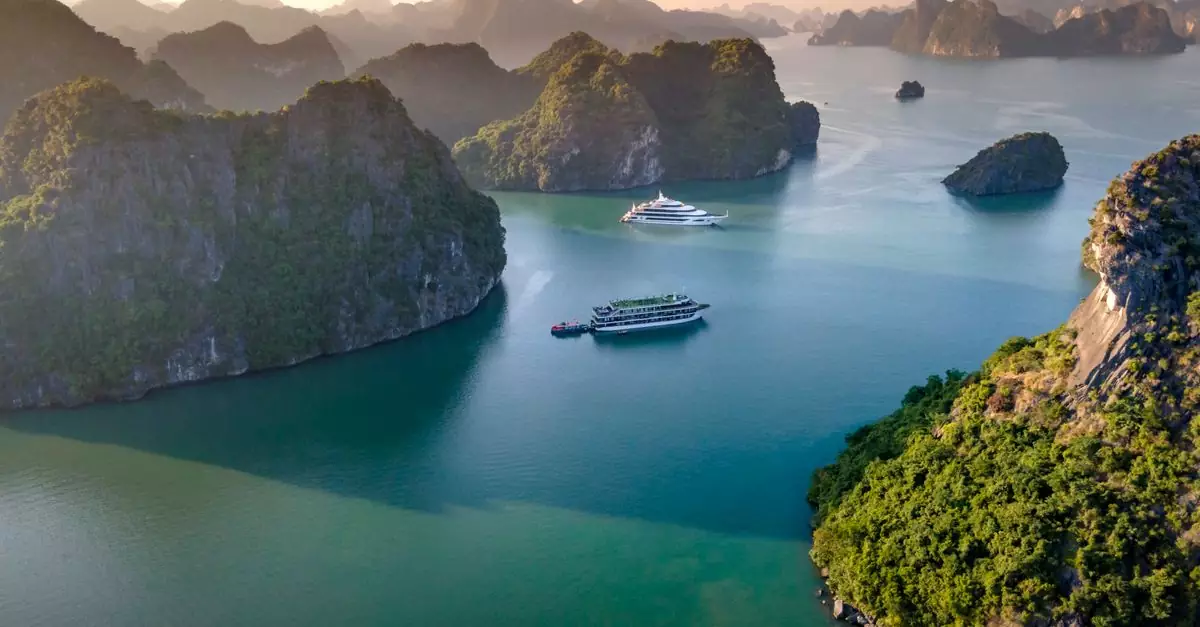
For travelers seeking an active way to experience diverse coastlines, adventure cruises provide unparalleled access to remote areas and unique activities. These expeditions often utilize smaller vessels that can navigate shallow waters and dock in secluded coves, fostering a more intimate connection with the destination. Unlike larger cruise ships, these journeys prioritize exploration and engagement with the natural environment, making them a top choice for thrill-seekers.
Patagonia Fjords: Glaciers, Kayaking, and Dramatic Landscapes
The fjords of Patagonia present a rugged backdrop for an adventure cruise. Towering glaciers calve into icy waters, while sheer granite peaks rise dramatically. Expedition ships are designed for challenging conditions, often equipped with Zodiacs for close glacier viewing and landings on remote shores.
Kayaking is a highlight, allowing you to paddle among icebergs and observe marine life like seals and penguins in their natural habitat. Hiking opportunities abound on guided treks through windswept landscapes, offering panoramic views of the stunning scenery. Keep an eye out for condors soaring overhead.
When to Go: The Patagonian summer, from October to April, offers the most favorable weather, with longer daylight hours and calmer seas. However, expect variable conditions year-round.
Logistics: Cruises typically depart from Ushuaia, Argentina, or Punta Arenas, Chile. These voyages can range from a few days to over two weeks, depending on the itinerary. Pack warm, waterproof layers, as the weather can change rapidly.
Baja California: Whale Watching and Desert Islands by Small Ship
Baja California’s coastline is a haven for marine life, showcasing a starkly beautiful desert-meets-ocean landscape. Small expedition ships are ideal for navigating the Sea of Cortez and the Pacific coast, providing access to numerous islands and secluded bays.
The primary draw is incredible whale watching. During winter, humpback, gray, and blue whales migrate to warmer waters to breed and calve. Many cruises offer close encounters, often with naturalists on board to share insights. Snorkeling and diving are also popular, with vibrant underwater ecosystems teeming with fish and sea lions. Kayaking allows for quiet exploration of mangrove-lined shores and hidden coves.
Traveler Insight: The Sea of Cortez is often called the “world’s aquarium” due to its rich biodiversity. The desert islands, like Espiritu Santo, are UNESCO World Heritage sites, offering unique hiking and wildlife viewing opportunities.
Budget Considerations: Trips vary significantly in price depending on duration and luxury of the vessel. Shorter trips focusing on whale watching can be more budget-friendly than longer expeditions covering more of the peninsula.
Greek Isles: Sailing and Snorkeling Through Ancient History
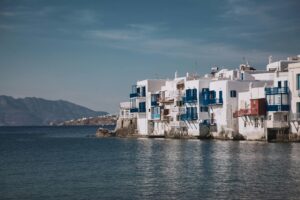
While the Greek Isles are renowned for their ancient ruins and picturesque villages, an adventure cruise here emphasizes active exploration of stunning coastlines and underwater worlds. Smaller sailing yachts or expedition catamarans are perfect for navigating the Aegean and Ionian Seas, granting access to less-visited islands and secluded beaches.
Sailing between islands is integral to the experience, offering the freedom to chart a course that balances popular destinations with hidden gems. Daily activities often include swimming, snorkeling in crystal-clear waters, and kayaking along dramatic cliffs. Some itineraries may feature guided hikes to historical sites or through olive groves, connecting natural beauty with the region’s rich past.
Seasonal Advice: The best time for this type of cruise is from late spring (May-June) to early autumn (September-October). During these months, the weather is warm and sunny, with calmer seas, and the water temperatures are pleasant for swimming and snorkeling. July and August can be hot and crowded.
Comparison Table: Greek Isles Adventure Cruise Styles
| Cruise Style | Vessel Type | Focus | Pace | Typical Duration |
|---|---|---|---|---|
| Sailing Yacht | Small yacht (6-12 guests) | Island hopping, swimming, sailing, relaxation | Flexible | 7-14 days |
| Expedition Catamaran | Larger catamaran (20-40 guests) | Active water sports, snorkeling, hiking, culture | Moderate | 7-10 days |
| Island Hopping | Small cruise ship (50-150 guests) | Mix of popular sites and some active pursuits | Moderate | 7-14 days |
For those interested in the history of these islands, consider visiting ancient ruins on Rhodes or the iconic island of Santorini.
What Makes an Adventure Cruise Different from a Traditional Cruise?
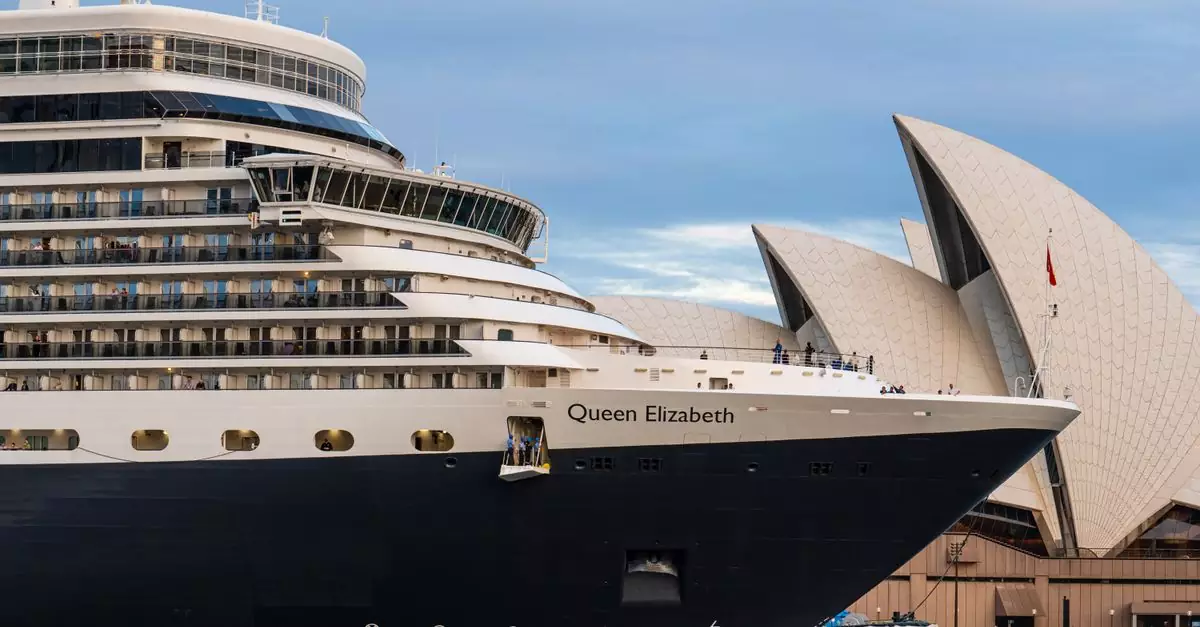
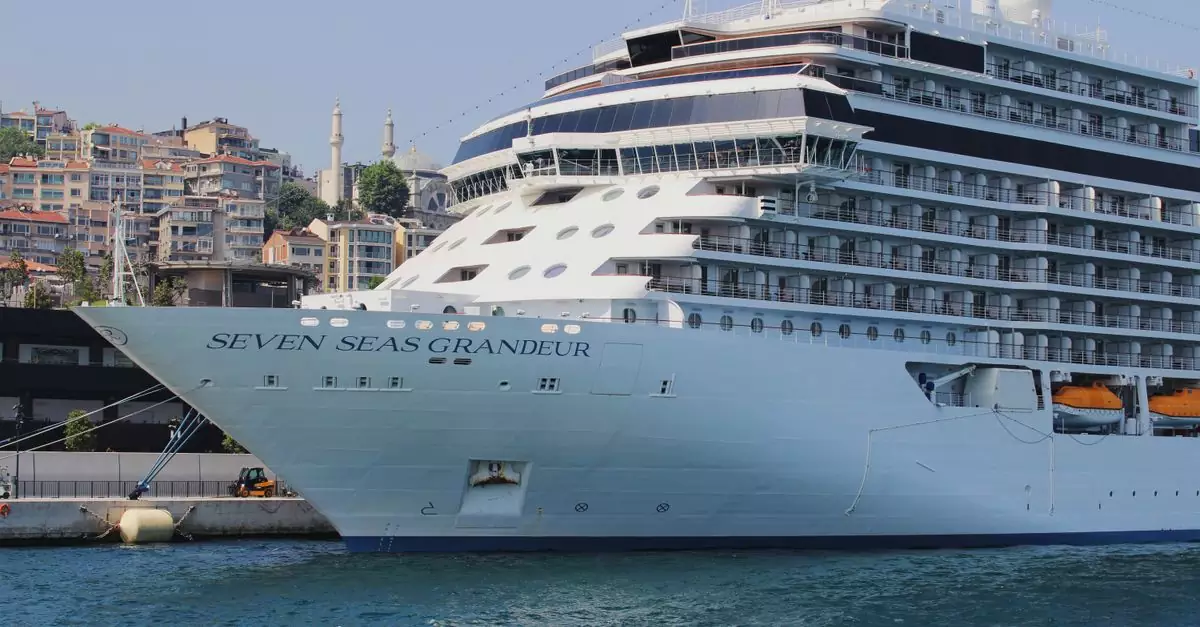
Adventure cruises redefine sea voyages, prioritizing active exploration and deep engagement with destinations over onboard entertainment and opulent amenities. Unlike traditional cruises, which often visit well-trodden ports with large passenger capacities, these expeditions cater to travelers eager to venture off the beaten path and immerse themselves in unique environments. The focus shifts from passive observation to active participation, creating a distinct category of travel.
Focus on Destination Immersion and Activities
The core of an adventure cruise is its commitment to destination immersion. Instead of spending just a few hours in a bustling port, passengers spend more time in remote locations, engaging in activities that connect them directly with the natural and cultural landscape. Think Zodiac landings on remote shores, kayaking through fjords, hiking to volcanic craters, or diving alongside marine wildlife. These experiences are often facilitated by the ship’s ability to navigate smaller bays and reach less accessible areas.
For instance, a voyage through the Galapagos Islands might include daily excursions with naturalists, offering close encounters with endemic species. Similarly, an Arctic expedition could feature opportunities for polar bear viewing, ice floe exploration, and visits to scientific research stations. The itinerary is designed to maximize these unique opportunities, ensuring travelers gain a profound understanding of the places they visit.
Smaller Ships, Bigger Experiences
Adventure cruises typically operate with significantly smaller vessels compared to mainstream counterparts. Ships carrying 100-200 passengers, or even fewer, are common. This smaller scale offers several advantages, including greater flexibility in itinerary planning, enabling spontaneous adjustments based on wildlife sightings or weather conditions. More importantly, it fosters a more intimate atmosphere among passengers and crew, facilitating access to delicate ecosystems and remote ports that larger ships cannot dock.
The reduced passenger count also means less impact on fragile environments, aligning with responsible tourism principles. Disembarking is quicker, and group sizes for excursions are generally smaller, leading to a more personalized experience. This intimate setting often fosters stronger connections with fellow travelers and the expedition team.
Expert Guides and Educational Programs
A hallmark of the best adventure cruises is the presence of highly qualified expedition teams. These experts, often comprising naturalists, historians, geologists, and marine biologists, provide invaluable insights and context throughout the journey. Their lectures, guided walks, and onboard presentations enrich the understanding of the regions visited, transforming a simple trip into a learning experience.
These guides are integral to the safety and success of excursions, leading activities, ensuring adherence to environmental protocols, and sharing their passion for the destination. For instance, in Antarctica, a glaciologist might explain the formation of icebergs, while a wildlife expert points out penguin colonies and whale species. This level of expertise elevates the adventure cruise beyond a typical vacation, offering a deeper appreciation for the planet’s wonders.
Planning Your Best Adventure Cruise: Essential Considerations
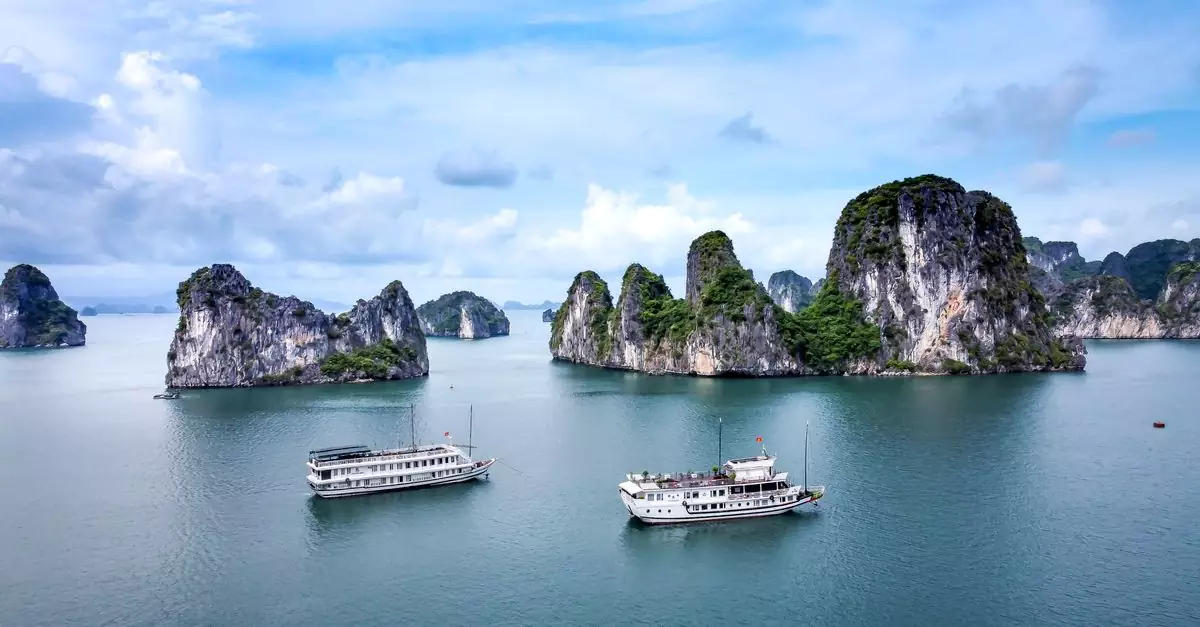
Embarking on one of the world’s best adventure cruises requires careful planning to ensure your expedition aligns with your travel style and expectations. Understanding key aspects like itinerary, timing, and budget will significantly enhance your experience, transforming a good trip into an unforgettable journey.
Choosing the Right Itinerary for Your Adventure Style
The diversity of adventure cruises means there’s an itinerary for nearly every type of thrill-seeker. Consider what natural environment and activities appeal most to you. Are you drawn to the icy landscapes of the Arctic and Antarctic, teeming with wildlife like penguins and polar bears? Or perhaps the lush, remote islands of the Galapagos offer unique encounters with endemic species?
Expeditions to the Amazon rainforest provide opportunities for jungle trekking and wildlife spotting, while voyages through the Norwegian fjords offer dramatic scenery and chances for kayaking. For those seeking warmer climates, sailing through Southeast Asia’s karst landscapes or exploring the coral reefs of the Raja Ampat region presents a different kind of adventure. Researching specific wildlife, terrain, and potential activities for each region is crucial.
Best Time to Embark on Your Expedition
The optimal time for an adventure cruise often depends on the destination’s climate and wildlife seasons. For polar regions, summer months (roughly November to March in Antarctica and June to August in the Arctic) offer the best conditions for cruising, with longer daylight hours and more accessible wildlife viewing.
Tropical destinations may have distinct wet and dry seasons. For instance, exploring the Galapagos Islands is generally excellent year-round, though certain months offer specific advantages for spotting particular marine life. Southeast Asian routes might be best navigated during their dry seasons to avoid monsoon rains. Always check the specific weather patterns and peak wildlife activity for your chosen region.
| Destination | Best Time to Visit | Key Wildlife/Activities |
|---|---|---|
| Antarctic Peninsula | November – March | Penguin colonies, whale watching, icebergs |
| Arctic (Svalbard) | June – August | Polar bears, walruses, puffins, midnight sun |
| Galapagos Islands | Year-round (specifics vary) | Giant tortoises, marine iguanas, blue-footed boobies |
| Amazon Rainforest | June – December (dry season) | Diverse birdlife, monkeys, river exploration |
| Raja Ampat | October – April | World-class diving and snorkeling, vibrant coral reefs |
Budgeting for an Adventure Cruise: What to Expect
Adventure cruises are typically more expensive than standard ocean voyages due to their remote destinations, specialized equipment, and expert guides. Prices can vary significantly based on trip duration, luxury level onboard, and itinerary exclusivity. A 10-day Antarctic expedition might range from $8,000 to $20,000 per person, while shorter trips to closer destinations could be more affordable.
When budgeting, factor in costs beyond the cruise fare. This often includes flights to the departure port, travel insurance (usually mandatory for these expeditions), visa fees, pre- and post-cruise accommodation, and gratuities for the crew. Some operators offer all-inclusive packages covering excursions, meals, and beverages, while others present these as optional add-ons. Carefully review what’s included in the quoted price to avoid unexpected expenses.
Frequently Asked Questions About World Adventure Cruises
What kind of activities are typically included in adventure cruises?
Adventure cruises offer a wide range of activities designed to immerse you in the natural environment. These often include Zodiac excursions for close-up wildlife viewing and exploring shorelines, kayaking through serene bays, and guided hiking or trekking on land. Many expeditions also feature opportunities for snorkeling or diving in unique marine ecosystems, with some even offering glacier hiking or ice climbing in polar regions.
Are adventure cruises suitable for families or solo travelers?
Yes, adventure cruises can be excellent for both families and solo travelers. Many expedition lines offer dedicated family programs with activities tailored for younger adventurers, making them a great way to educate and engage children with nature. For solo travelers, these cruises provide a built-in social environment. You’ll share experiences with like-minded individuals, fostering connections and friendships during the voyage. The shared sense of discovery often leads to strong camaraderie among passengers.
What should I pack for an expedition cruise?
Packing for an expedition cruise requires thoughtful preparation, as you’ll encounter diverse and often rugged conditions. Layering is key. Bring waterproof and windproof outer shells for jackets and trousers, as well as warm mid-layers like fleece or down. Essential footwear includes waterproof, sturdy boots for shore landings and comfortable shoes for onboard. Don’t forget accessories like a warm hat, gloves, scarf, and high-SPF sunscreen. Binoculars are highly recommended for wildlife spotting. Most expedition ships provide rubber boots for wet landings.