The ocean’s vastness conceals incredible wonders, providing unique opportunities to witness marine life in its natural habitat. For travelers eager to connect with the underwater world, identifying the best ocean wildlife destinations is the first step toward an unforgettable adventure. This guide explores remarkable locations globally, from the icy Arctic waters to the vibrant tropical coral reefs. Discover where to find majestic whales, playful dolphins, curious sea otters, and exotic seabirds. You’ll learn about the best times to visit each spot, the unique species to expect, and practical tips for planning a responsible and enriching wildlife-focused journey. Prepare to be inspired by the sheer diversity and beauty of our planet’s oceans.
Top 5 Best Ocean Wildlife Destinations for Marine Mammal Lovers
The ocean teems with life, offering incredible opportunities for travelers to witness majestic marine creatures in their natural habitats. Certain destinations stand out for their abundance and accessibility of wildlife, providing not just sightings but immersive experiences that connect you with the underwater world.
Whale Watching in Baja California Sur, Mexico: Gray Whales & Humpbacks
Baja California Sur, Mexico, is a premier destination for whale watching, especially during winter and spring. The warm, sheltered waters of the Sea of Cortez and the Pacific coast attract migratory gray whales that come to breed and calve. Encounters with these gentle giants are common, with mothers and their calves often approaching boats.
In addition to gray whales, humpback whales frequent these waters, showcasing spectacular displays of breaching and fin slapping. San Ignacio Lagoon and Magdalena Bay are renowned for intimate whale interactions. Tours typically depart from towns like Puerto Vallarta or Cabo San Lucas.
Best Time to Visit: January to March for gray whales; February to April for humpbacks.
Logistics: Numerous tour operators offer boat trips ranging from a few hours to multi-day expeditions, with many accommodations available in coastal towns.
Dolphin Encounters in the Azores, Portugal: Sperm Whales & Common Dolphins
The Azores, an archipelago in the mid-Atlantic, provides exceptional dolphin and whale watching year-round. Its deep waters serve as a feeding ground and migratory route for a diverse array of cetaceans. Sperm whales are residents here, with frequent sightings, especially around Pico, Faial, and São Jorge.
Common dolphins are abundant, often seen in large pods playfully interacting with boats. Other species, including bottlenose dolphins, pilot whales, and various baleen whales, can also be spotted. The Azores’ commitment to responsible tourism ensures that encounters are conducted with respect for the animals.
Getting There: Flights are available to the main islands, with ferries connecting some of the islands.
Wildlife Seasonality: While whales and dolphins are present year-round, summer months (June-September) generally offer the highest chances of sightings due to calmer seas and increased activity.
Sea Otter Spotting in Monterey Bay, California, USA
Monterey Bay, California, is a globally recognized hotspot for sea otters. This protected marine sanctuary boasts a thriving population of these charismatic mammals, easily observed from shore or on boat tours. The otters often float on their backs, cracking open shellfish and socializing in kelp forests.
Kayaking or taking a whale watching tour from Monterey or Moss Landing provides excellent vantage points. The bay’s rich ecosystem supports not only otters but also seals, sea lions, and various seabirds, making it a diverse wildlife viewing area.
Best Viewing Spots: Fisherman’s Wharf, Lovers Point Park, and Elkhorn Slough.
Travel Tip: Consider visiting during the fall for the clearest waters and a higher chance of seeing otters engaged in foraging behaviors.
Polar Bear & Beluga Whale Expeditions in Churchill, Manitoba, Canada
Churchill, Manitoba, is famously known as the “Polar Bear Capital of the World.” During autumn, polar bears gather on the shores of Hudson Bay, waiting for the ice to form to begin their seal hunting season. Guided tours in specialized tundra vehicles offer safe, close-up viewing opportunities.
In summer, Churchill becomes a prime location for observing beluga whales. Hundreds of these “white whales” migrate into the Churchill River estuary to feed and give birth. Kayaking or boat tours provide an immersive experience with these vocal and playful creatures.
Polar Bear Season: October and November are peak months.
Beluga Whale Season: July and August.
Budget Consideration: This destination can be more expensive due to specialized tours and its remote location.
Humpback Whale Migrations in Tonga
Tonga, a Polynesian kingdom in the South Pacific, offers a unique opportunity to swim with humpback whales. From July to October, these magnificent whales migrate to Tonga’s warm, clear waters to breed and give birth. Strict regulations are in place to ensure minimal disturbance to the whales.
Tour operators adhere to guidelines that allow for respectful close encounters, often involving guided swims alongside mothers and their calves. This experience fosters a deep connection with these gentle giants. The islands of Vava’u serve as the primary hub for these whale swimming tours.
Best Time to Visit: July to October.
Responsible Tourism: Choose operators who prioritize whale welfare and follow established guidelines for interaction.
Where to Find the Best Coral Reefs for Snorkeling and Diving
Exploring vibrant coral reefs offers a unique glimpse into the ocean’s biodiversity. These underwater ecosystems teem with life, making them prime locations for encountering marine wildlife. For snorkelers and divers seeking the best ocean wildlife destinations, several spots stand out for their accessibility, healthy reefs, and abundance of marine creatures.
Great Barrier Reef, Australia: Vibrant Corals and Tropical Fish
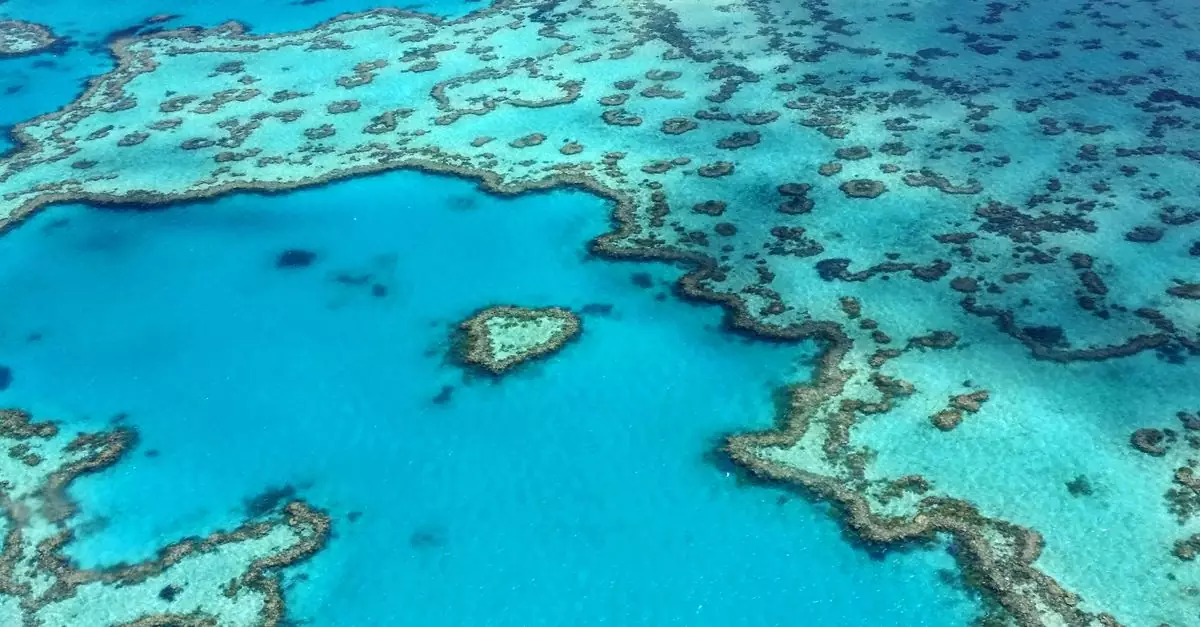
The Great Barrier Reef, the world’s largest coral reef system, is an iconic destination for underwater exploration. Stretching over 2,300 kilometers off the coast of Queensland, Australia, it is home to an astonishing array of marine life, including over 1,500 species of fish and 400 types of coral. Snorkelers can easily access many reef sections from islands like the Whitsundays or from tour boats departing Cairns or Port Douglas. Divers will find deeper, more complex reef structures, offering chances to see larger species like reef sharks and turtles.
Logistics & Timing:
The dry season, from June to October, generally offers the clearest water visibility and calmer seas. Boat tours are the primary mode of transport to reach the outer reefs. Accommodation ranges from budget hostels to luxury island resorts.
Bonaire, Dutch Caribbean: Pristine Reefs and Marine Park Rules
Bonaire is renowned for its commitment to marine conservation, with its entire coastline designated as a marine park. This dedication has resulted in remarkably healthy reefs and abundant fish populations easily accessible from shore. The island’s dive sites are marked with yellow stones, indicating easy entry points. Snorkelers can often step right off the beach into crystal-clear waters, encountering parrotfish, angelfish, and sometimes even sea turtles.
Getting Around: Renting a vehicle is highly recommended for exploring Bonaire’s many shore dive and snorkel sites. The island is compact and easy to navigate, making it a top choice for independent travelers who enjoy shore-based diving and snorkeling.
Maldives: Underwater Gardens and Manta Ray Hotspots
The Maldives, an archipelago of over 1,000 coral islands, offers spectacular underwater scenery. Its clear, warm waters are ideal for observing a dazzling variety of marine life, from colorful reef fish to majestic manta rays and whale sharks. Many resorts feature house reefs accessible directly from the beach, while boat excursions can take you to more remote atolls and famous manta ray cleaning stations.
Seasonal Highlights:
The manta ray and whale shark season generally runs from May to December in the Baa Atoll UNESCO Biosphere Reserve. Resorts vary significantly in price, offering options for different budgets, though the Maldives is generally considered a higher-end destination.
Sipadan Island, Malaysia: Schooling Barracuda and Turtles
Sipadan Island, located off the coast of Malaysian Borneo, is a world-class diving destination celebrated for its dramatic drop-offs and incredible density of marine life. Divers can witness massive schools of barracuda forming vortexes, sea turtles gliding gracefully, and a variety of reef sharks. Due to conservation efforts, daily visitor numbers are strictly limited, ensuring the reef’s protection. Permits are required and are typically arranged through dive operators.
Visitor Information:
Access to Sipadan is usually via dive resorts on nearby islands like Mabul or Kapalai. Diving is the main activity here, and while snorkeling is possible, the most dramatic encounters are often experienced by divers. The peak season generally runs from March to October.
Best Ocean Wildlife Destinations for Birdwatchers
Birdwatching enthusiasts seeking avian spectacles will find unparalleled opportunities at several key ocean wildlife destinations. These locations offer chances to see rare species and to witness them thriving in their natural habitats, often alongside other marine life. Planning a trip around peak nesting or migratory seasons can significantly enhance the viewing experience.
Galapagos Islands, Ecuador: Marine Iguanas and Blue-Footed Boobies
The Galapagos Islands are legendary for their unique wildlife, with birdlife being a major draw. While famously home to Darwin’s finches, the islands also host a spectacular array of seabirds. The iconic blue-footed booby, with its vibrant azure feet, performs elaborate courtship dances. Flightless cormorants, penguins, and various frigatebirds are also abundant.
Observing these species is often straightforward due to their lack of fear towards humans. Many tours focus on visiting the islands’ key birding hotspots.
- Best Time to Visit: December to May for warmer weather and nesting activities, though bird sightings are good year-round.
- Getting Around: Inter-island ferries and small boats are essential for reaching different islands.
- Key Species: Blue-footed booby, Nazca booby, red-footed booby, magnificent frigatebird, flightless cormorant, Galapagos penguin.
Faroe Islands: Puffins and Gannets
The dramatic cliffs of the Faroe Islands provide a breathtaking backdrop for one of Europe’s largest seabird colonies. During summer months, the islands become a haven for thousands of puffins, gannets, kittiwakes, and fulmars. Mykines, the westernmost island, is particularly famous for its puffin population, where visitors can walk along cliffside paths for close encounters.
The sheer scale of the colonies is astonishing, offering a visceral experience of nature’s abundance. The rugged landscape adds to the sense of remote wilderness.
- Best Time to Visit: May to August for peak puffin and gannet activity.
- Getting Around: Ferries and helicopters connect the islands, and hiking is often required to reach prime viewing spots.
- Safety Note: Cliffs can be steep and slippery; always maintain a safe distance from the edges.
Baja California Peninsula, Mexico: Seabird Colonies
Baja California offers a diverse range of birding opportunities, from desert species to abundant marine birds. The Sea of Cortez, often called the “world’s aquarium,” teems with life, attracting numerous seabird species. Islands like Isla Espíritu Santo and Los Islotes are crucial breeding grounds for California sea lions and a variety of birds, including brown pelicans, Heermann’s gulls, and elegant terns.
Whale watching tours frequently incorporate stops at these seabird colonies, providing a multi-faceted wildlife experience. The arid landscapes contrast beautifully with the vibrant blue waters and bustling birdlife.
- Best Time to Visit: March to June for migratory birds and warmer weather, though resident species are visible year-round.
- Getting Around: Boat tours departing from La Paz or Loreto are the primary way to access offshore islands.
- Considerations: Sun protection is crucial due to the intense desert sun.
Raja Ampat, Indonesia: Diverse Avifauna and Marine Life
While Raja Ampat is globally renowned for its unparalleled marine biodiversity, its avian inhabitants are equally remarkable. This remote archipelago in West Papua boasts an incredible diversity of bird species, including numerous endemic parrots, cockatoos, and birds of paradise. The dense rainforests and coastal mangroves provide habitat for a stunning array of terrestrial and water birds.
Birdwatching here often involves trekking through lush jungle or taking boat trips along the coastlines. The experience is amplified by the knowledge that you are in one of the planet’s most biodiverse regions, both above and below the water.
- Best Time to Visit: October to April for drier conditions, though birding is possible year-round.
- Getting Around: Liveaboard boats or island resorts offer access, and local guides are essential for navigating the terrain and spotting elusive species.
- Logistics: Raja Ampat is remote, requiring significant travel time and planning.
When is the Best Time to Visit These Ocean Wildlife Hotspots?
Timing your visit to coincide with peak wildlife activity can transform a good trip into an extraordinary one. Each destination and species has its own calendar, influenced by migration, breeding cycles, and environmental conditions. Understanding these patterns is key to maximizing your chances for unforgettable encounters.
Seasonal Whale Migration Patterns
Whale watching opportunities vary significantly by hemisphere and species. For humpback whales, prime viewing seasons often align with their breeding and feeding grounds. In the Northern Hemisphere, locations like Alaska and the waters off New England are best visited from late spring through early fall (May to October). Conversely, the Southern Hemisphere’s humpback migration peaks during its winter and spring months. For example, in Australia’s Hervey Bay, the season runs from July to November, offering excellent chances to see mothers and calves. Similarly, Hermanus in South Africa is renowned for southern right whale sightings between August and November.
Peak Puffin and Seabird Nesting Seasons
Coastal cliffs and remote islands become bustling hubs of activity during seabird nesting seasons. Puffins, in particular, are a major draw for birdwatchers. The Atlantic puffin nesting season typically runs from April to late August or early September across their range, including Iceland, the Faroe Islands, and the coasts of Maine and Newfoundland. During this period, they come ashore in large numbers to breed and raise their young. Visiting during the height of nesting, usually June and July, offers the most dramatic displays of activity, though early arrivals in April and May can also be rewarding. Always maintain a respectful distance to avoid disturbing these sensitive colonies.
Optimal Diving and Snorkeling Conditions for Coral Reefs
The best conditions for exploring vibrant coral reefs are generally when water visibility is high and temperatures are comfortable. Many tropical destinations experience dry and wet seasons; diving is typically best during the dry months when rainfall is minimal and seas are calmer. For example, the Caribbean’s prime diving season often falls between December and May, offering clear waters and pleasant temperatures. In the Indo-Pacific, areas like the Great Barrier Reef are best visited from June to October, avoiding cyclone season and experiencing calm seas. Divers should also consider lunar cycles, as new moons can sometimes lead to stronger currents.
Best Months for Dolphin and Sea Otter Sightings
Dolphins and sea otters are often present year-round in their respective habitats, but certain months can offer more reliable sightings. Sea otters, found along the North American Pacific coast, can be spotted throughout the year, though their activity levels may fluctuate. Coastal areas of California and Alaska are consistent locations. For dolphins, many regions offer reliable viewing opportunities, but migration patterns and feeding behaviors can influence local abundance. For instance, the waters around the Azores in Portugal are known for frequent dolphin encounters from April through October, with larger pods often present in summer. Researching specific local populations and their habits will provide the most accurate timing advice.
Planning Your Wildlife-Focused Ocean Adventure
Embarking on a journey to witness marine life in its natural habitat requires thoughtful preparation. Choosing the right destinations, operators, and understanding responsible viewing practices are key to an impactful and ethical trip. This section covers essential aspects of planning your ocean wildlife expedition.
Choosing Eco-Friendly Tour Operators
Selecting tour operators committed to conservation is paramount for responsible wildlife encounters. Look for companies that adhere to strict guidelines regarding animal interaction, minimize their environmental footprint, and contribute to local conservation efforts. Many operators display certifications from organizations like the Global Sustainable Tourism Council.
When researching, check for details on their policies:
- Group Size: Smaller groups generally have less impact.
- Approach Distance: Operators should maintain respectful distances from wildlife.
- Waste Management: Sustainable practices, like avoiding single-use plastics, are crucial.
- Educational Component: A good operator will educate guests about the local ecosystem and conservation challenges.
Essential Packing List for Marine Excursions
Packing smart ensures comfort and preparedness for your ocean adventures. Layers are essential, as ocean conditions can change rapidly.
- Sun Protection: High SPF sunscreen (reef-safe if possible), a wide-brimmed hat, and sunglasses are non-negotiable.
- Appropriate Clothing: Quick-drying t-shirts, long-sleeved rash guards for sun protection, and comfortable shorts or trousers. A waterproof and windproof jacket is vital.
- Footwear: Water shoes or sandals with good grip for boat decks and shore excursions.
- Personal Items: Reusable water bottle, motion sickness medication if needed, a waterproof bag for electronics, and binoculars for spotting distant wildlife.
- Camera Gear: Ensure your camera is protected from salt spray and humidity.
Responsible Wildlife Viewing Etiquette
Observing marine animals requires a mindful approach to avoid disturbing them. Always prioritize the well-being of the animals and their environment.
- Maintain Distance: Never attempt to touch, feed, or chase marine animals. Follow your guide’s instructions regarding safe viewing distances.
- Minimize Noise: Loud noises can stress wildlife. Speak softly and avoid sudden movements.
- No Littering: Pack out everything you pack in, and never discard anything overboard.
- Respect Habitats: Avoid stepping on coral reefs or disturbing nesting sites.
- Observe from a Distance: Use binoculars or zoom lenses to get closer views without intrusion.
Budgeting for Your Ocean Wildlife Trip
The cost of a wildlife-focused ocean trip can vary significantly based on destination, duration, and chosen activities. Planning your budget in advance helps manage expectations and ensures you can afford the experiences you desire.
Consider these cost factors:
- Flights and Transportation: International airfare, domestic flights, and local transfers to your embarkation point.
- Accommodation: Options range from budget guesthouses to luxury resorts or liveaboard dive boats.
- Tours and Activities: Costs for boat trips, diving, snorkeling, guided excursions, and park entrance fees.
- Food and Drink: Daily expenses for meals and beverages.
- Gear Rental: If you don’t own specialized equipment like wetsuits or cameras.
- Travel Insurance: Essential for covering unexpected medical emergencies or trip cancellations.
A budget trip might involve simpler accommodations and fewer guided tours, while a luxury experience could include private charters and high-end lodges. Destinations like Southeast Asia often offer more budget-friendly options compared to, for example, the Galápagos Islands.
Frequently Asked Questions About Best Ocean Wildlife Destinations
What are the most accessible ocean wildlife destinations?
Accessibility varies greatly depending on the specific location and the type of wildlife you hope to see. Many popular coastal areas with abundant marine life are reached via major airports followed by short drives or ferry rides. For instance, the San Juan Islands in Washington State offer relatively easy access for whale watching tours from Seattle or direct flights to nearby islands. Similarly, the coast of California is well-connected by road and air, making it convenient for observing seals, sea lions, and various bird species. Planning transportation in advance is key, especially for more remote island destinations.
Are there specific times of year that are better for seeing certain animals?
Yes, seasonality plays a crucial role in wildlife viewing. Migratory patterns, breeding seasons, and feeding habits dictate when and where certain animals are most likely to be found. For example, humpback whales are often seen off the coasts of Hawaii and Alaska during specific months for breeding and feeding. Sea turtle nesting seasons, like those in Florida or Costa Rica, are also time-sensitive. Researching the peak viewing times for your target species is essential for maximizing your chances.
Here’s a general overview of peak seasons for popular marine animals:
| Animal | Best Viewing Months | Key Regions |
|---|---|---|
| Whales | May – October | Alaska, Pacific Northwest, New England |
| Dolphins | Year-round | Global coastlines, especially warmer waters |
| Sea Turtles | Varies by species | Florida, Costa Rica, Hawaii |
| Penguins | Varies by species | Antarctica, South Africa, Galapagos |
| Seals & Sea Lions | Year-round | California, Pacific Northwest, UK |
What is the most important rule when observing marine wildlife?
The most critical rule is to maintain a safe and respectful distance from all marine animals. This protects both the wildlife and the observer. Operators of whale watching tours and similar excursions are typically trained in responsible viewing practices, including speed limits and approach distances. Never feed or attempt to touch marine animals, as this can disrupt their natural behaviors, cause them harm, and even lead to dangerous situations for humans. Following guidelines set by local authorities and tour operators ensures a positive experience for everyone.
Can I combine visiting multiple ocean wildlife destinations in one trip?
Absolutely. Many regions offer opportunities to experience diverse marine ecosystems within a single trip. For example, a journey along the Pacific coast of North America could include whale watching in California, sea otter sightings in Oregon, and exploring the rich biodiversity of the San Juan Islands in Washington. Similarly, exploring the coasts of Central America can offer chances to see whales, dolphins, and nesting sea turtles. Careful itinerary planning, considering travel times and logistics between locations, is necessary for such multi-destination adventures.