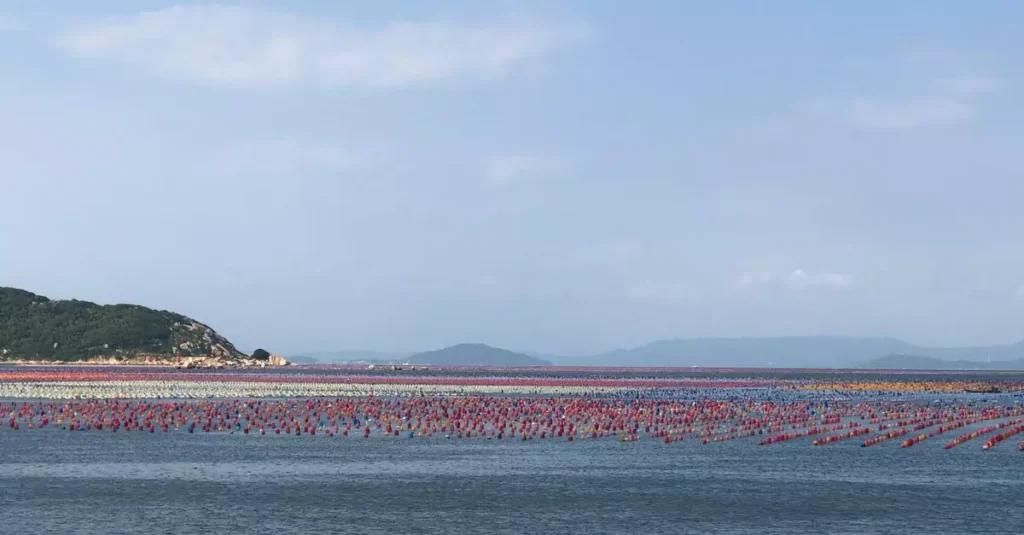
Islands offer a unique connection to the sea, making them exceptional destinations for anyone passionate about fresh seafood. Their isolation and rich maritime cultures mean the ocean’s bounty often travels mere hours, not days, from water to plate. This direct access, combined with generations of fishing expertise and distinct culinary traditions, creates truly unforgettable dining experiences.
If you’re eager to savor the ocean’s freshest offerings, this guide will lead you to some of the world’s best island seafood destinations. You’ll discover how geography, culture, and tradition converge to create exceptional flavors, from the spice-infused curries of Zanzibar to the celebrated lobster rolls of Nova Scotia. We’ll explore what makes these locations stand out and help you plan your next culinary adventure.
Why Islands Reign Supreme for Fresh Seafood

Islands hold a distinct advantage when it comes to experiencing the best seafood. Their geography fosters a close relationship with the ocean, ensuring unparalleled freshness that mainland destinations often struggle to match. For travelers seeking authentic marine cuisine, these isolated havens provide a remarkable culinary journey.
The Ocean’s Bounty: Direct Access to the Freshest Catches
The primary reason islands excel in seafood is their immediate access to the day’s catch. Fishermen typically return to shore multiple times a day, meaning seafood can go from the water to your plate within hours. This proximity drastically reduces transit time, preserving the delicate flavors and textures of fish, shellfish, and crustaceans. Unlike seafood that may travel hundreds or thousands of miles, island catches maintain their peak quality. This direct line from ocean to table is the foundation of exceptional seafood experiences found on many island destinations.
Many island communities have a deeply rooted culture of fishing. This isn’t just an industry; it’s a way of life passed down through generations. Local fishermen possess knowledge of the best fishing grounds and sustainable practices, directly translating into higher quality seafood. When you dine on an island, you’re often tasting the results of time-honored expertise and a commitment to the sea’s resources.
Island Culinary Traditions: Unique Flavors and Preparation Methods
Island cultures have developed culinary traditions centered around their abundant marine resources. These methods are often simple, designed to highlight the natural flavors of impeccably fresh ingredients. Think grilled fish with local herbs, steamed mussels infused with island-grown garlic, or ceviche prepared with region-specific citrus fruits. These preparations reflect the island’s environment and available produce.
In the Caribbean, for instance, conch is prepared in various ways, from fritters to salads, showcasing an ingredient of deep cultural significance. Meanwhile, Mediterranean islands like Crete or Sicily boast rich seafood preparation heritage, often incorporating olive oil, tomatoes, and capers. These unique flavor profiles are seldom replicated elsewhere. Understanding these local culinary approaches is essential to fully appreciate island seafood.
Coastal Charm: Dining with Breathtaking Ocean Views
Dining on islands is intrinsically linked to stunning coastal scenery. Many of the best seafood restaurants are situated directly on the waterfront, allowing diners to enjoy meals with panoramic ocean views. This immersive sensory experience enhances the taste of seafood, complemented by the sight and sound of the waves. It transforms each meal into a special occasion.
Imagine savoring grilled snapper as the sun dips below the horizon or enjoying a bowl of cioppino while listening to the gentle lapping of waves. This combination of exceptional food and natural beauty is a hallmark of island travel. Dining by the sea amplifies the connection to the food’s origin, providing a memorable backdrop for culinary exploration. This integration of environment and cuisine is what makes the best island seafood destinations so appealing.
Exploring the Seafood Havens of the Mediterranean
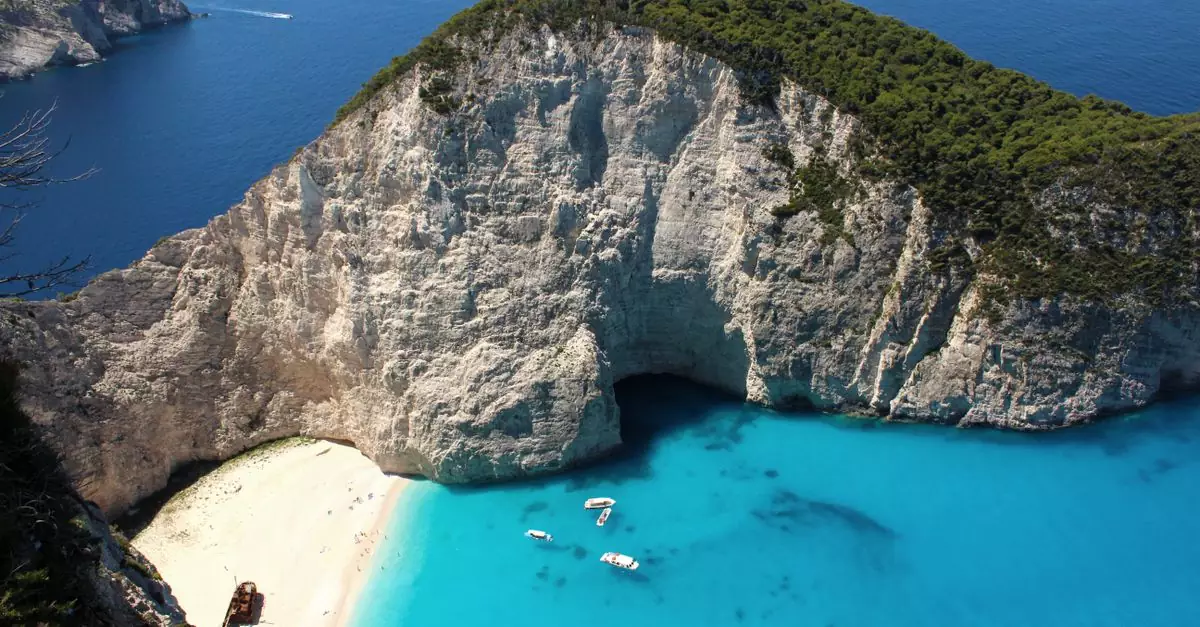
The Mediterranean Sea, a cradle of civilizations and vibrant ecosystems, offers some of the world’s most celebrated island seafood experiences. From the sun-drenched coasts of Greece to the historic shores of Malta, these islands boast a rich culinary heritage deeply intertwined with the sea’s bounty. Travelers seeking the best island seafood destinations will find an abundance of fresh catches, traditional preparations, and charming dining settings.
Crete, Greece: From Santorini’s Caldera Views to Local Tavernas
While Santorini often steals the spotlight for its dramatic views, the larger island of Crete offers a more diverse seafood experience. Here, the emphasis is on freshness and simplicity, allowing the quality of the ingredients to shine. Local tavernas, often found near fishing harbors in towns like Chania and Rethymno, serve daily catches grilled to perfection, drizzled with local olive oil and lemon.
Expect to find dishes featuring red mullet (barbounia), sea bream (tsipoura), and octopus (chtapodi), often prepared with Mediterranean herbs. For an authentic taste, seek out restaurants showcasing the day’s catch. A visit to Crete is incomplete without trying garides saganaki, shrimp cooked in a rich tomato sauce with feta cheese. The best time for seafood is spring and autumn when the waters are cooler, yielding firmer, more flavorful fish, and the tourist crowds are thinner.
Sicily, Italy: A Culinary Journey Through Palermo’s Markets
Sicily’s position at the heart of the Mediterranean has blessed it with a diverse culinary landscape, with seafood playing a starring role. The island’s volcanic soil and abundant coastline contribute to unique flavors found in its dishes. Palermo, the capital, is a must-visit for seafood lovers, particularly its vibrant street food scene.
At markets like Ballarò and Vucciria, vendors sell an astonishing array of fresh seafood daily. Sample arancini (fried rice balls) filled with squid ink or swordfish, or enjoy freshly grilled sardines. Beyond the markets, trattorias in coastal towns like Cefalù and Trapani offer regional specialties. Pasta con le sarde (pasta with sardines) is a quintessential Sicilian dish featuring wild fennel, pine nuts, and raisins. For a more upscale experience, consider restaurants in Taormina that pair exquisite seafood with stunning views of the Ionian Sea. Traveling during the shoulder seasons, April to May or September to October, offers pleasant weather and excellent seafood availability.
Malta: Anchovies, Lampuki Pie, and Historic Harborside Dining
Malta’s strategic location has influenced its cuisine, resulting in a distinct Anglo-Maltese-Italian fusion. The island nation, including Gozo and Comino, offers a unique take on Mediterranean seafood. Anchovies are a staple, often pickled or served fried, while the prized lampuki (dorado) is a seasonal delicacy, famously prepared in a savory pie, Torta tal-Lampuki.
Dining in Malta often involves picturesque settings, with many restaurants lining the historic harbors of Valletta and the Three Cities, or overlooking the clear waters of Gozo. Freshly grilled fish, such as sea bass and bream, are common, often seasoned with local herbs and served with traditional Maltese bread. For a truly local experience, visit the fishing village of Marsaxlokk, with its colorful traditional boats, the luzzu, and numerous fish restaurants. The lampuki season runs from late August to December, making autumn the prime time to try this iconic dish.
| Destination | Key Seafood Dishes | Best Time to Visit for Seafood | Notable Dining Style |
|---|---|---|---|
| Crete, Greece | Grilled Barbounia, Garides Saganaki, Grilled Octopus | Spring (Apr-May), Autumn (Sep-Oct) | Local Tavernas, Harborfront Restaurants |
| Sicily, Italy | Pasta con le Sarde, Arancini (seafood), Freshly Grilled Sardines | Spring (Apr-May), Autumn (Sep-Oct) | Street Food Markets, Coastal Trattorias |
| Malta | Lampuki Pie, Fried Anchovies, Grilled Sea Bass | Autumn (late Aug-Dec for Lampuki) | Harborside Dining, Traditional Fishing Villages |
Tropical Paradise: Island Seafood Beyond Compare
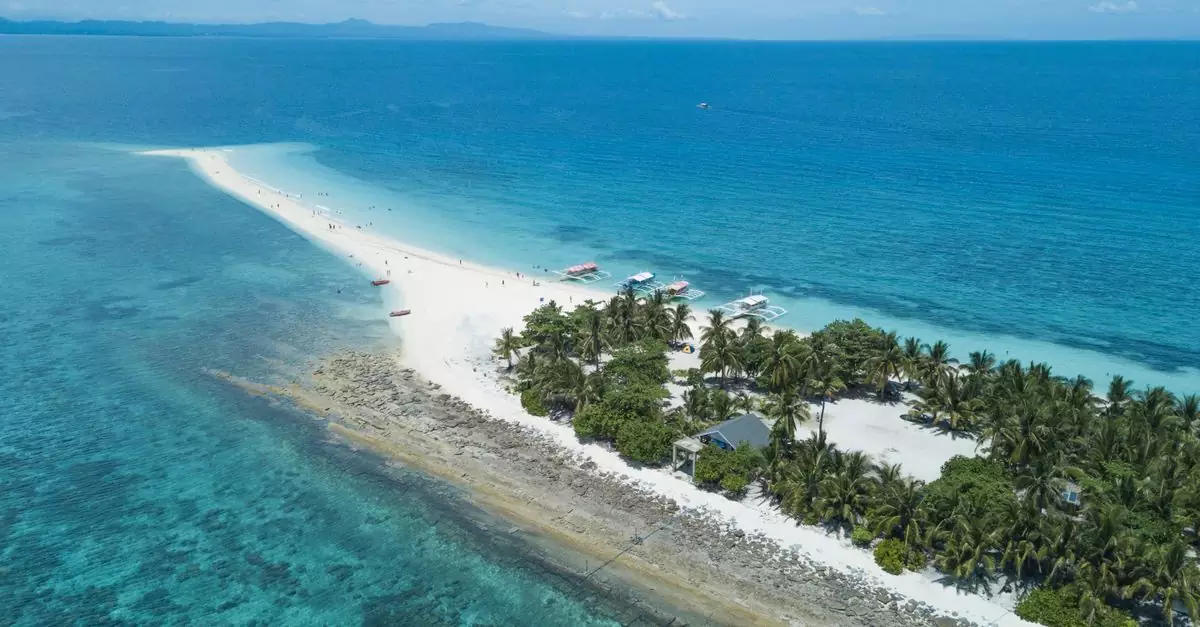
Islands provide a unique canvas for culinary artistry, especially regarding seafood. Their isolation and abundance of marine life often foster distinct cooking traditions, blending fresh catches with local spices and techniques. For travelers seeking the best island seafood destinations, these three gems deliver unforgettable oceanic flavors.
Phuket, Thailand: Andaman Sea Delights and Spicy Seafood Salads
Phuket, Thailand’s largest island, is a haven for seafood lovers, boasting a vibrant culinary scene influenced by its Andaman Sea location. Fresh catches like snapper, grouper, and prawns are staples, prepared with the characteristic Thai balance of sweet, sour, salty, and spicy. Don’t miss the opportunity to try Gai Pad Med Mamuang, stir-fried chicken with cashews, or the iconic Tom Yum Goong, a spicy shrimp soup. For a truly local experience, seek out Yum Talay, a mixed seafood salad bursting with chili, lime, and fresh herbs.
Getting to Phuket is straightforward, with direct flights from many international hubs landing at Phuket International Airport (HKT). Once on the island, a network of taxis, ride-sharing apps, and local songthaews (shared taxis) makes getting around easy, though renting a scooter offers more freedom for independent exploration. Seafood restaurants range from upscale beachfront dining to bustling night markets like the Chillva Market, where you can sample grilled fish and squid straight from the coals.
Bora Bora, French Polynesia: Lagoon-Fresh Tuna and Coconut Infusions
Bora Bora, a jewel of the South Pacific, is synonymous with turquoise lagoons and luxurious resorts, but its seafood is equally breathtaking. The island’s pristine waters yield incredibly fresh tuna, often served raw as poisson cru, a national dish of marinated raw tuna with coconut milk, lime, and diced vegetables. Other local specialties include mahi-mahi and parrotfish, prepared with delicate tropical flavors. Many resorts offer private dining experiences on the beach, where you can savor grilled fish under the stars.
Access to Bora Bora is via a flight to Papeete, Tahiti, followed by a short domestic flight to Bora Bora Airport (BOB). Transportation on the island is primarily by boat, with resorts often providing water taxis. While dining at resorts can be expensive, exploring local eateries in Vaitape, the main village, can offer budget-friendly options for experiencing authentic Polynesian seafood.
Zanzibar, Tanzania: Swahili Coast Flavors and Spice-Infused Fish Curry
Zanzibar, an archipelago off the coast of Tanzania, presents a rich tapestry of Swahili culture, evident in its aromatic seafood dishes. Influenced by Arab, Indian, and African traditions, Zanzibar’s cuisine features spices like cardamom, cinnamon, and cloves, beautifully complementing the ocean bounty. Freshly caught reef fish, octopus, and prawns are commonly found on menus, often prepared in rich, fragrant curries such as Zanzibari Fish Curry. Don’t overlook the grilled seafood platters seasoned with local spices, a must-try at beachfront restaurants in Stone Town.
Travelers typically fly into Abeid Amani Karume International Airport (ZNZ) in Zanzibar City. Within Stone Town, walking is the best way to get around. For excursions to other parts of the island, taxis and organized tours are readily available. Budget-conscious travelers can find excellent and affordable seafood at local eateries and the bustling Forodhani Gardens night market, a vibrant hub for street food.
North Atlantic Gems for the Discerning Palate
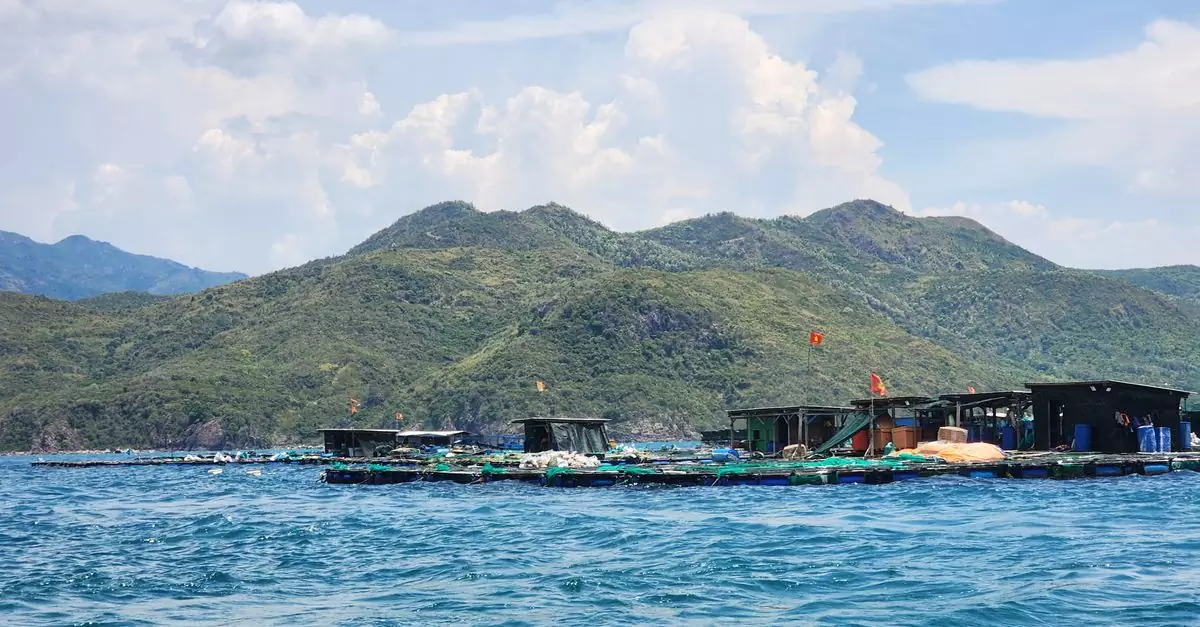
The North Atlantic region offers rugged beauty matched only by the exceptional quality of its seafood. Travelers seeking pristine waters and expertly prepared catches will find these island destinations deliver unforgettable culinary journeys. From the iconic lobster rolls of Nova Scotia to the innovative Nordic cuisine of the Faroe Islands, this collection showcases some of the best island seafood destinations for those who appreciate fresh, high-quality ingredients.
Nova Scotia, Canada: Lobster Rolls in Lunenburg and Bay of Fundy Scallops
Nova Scotia’s coastline is a treasure trove for seafood lovers, with lobster being the undisputed star. The province’s numerous islands and extensive coastline ensure fresh catches are never far away. In the picturesque town of Lunenburg, a UNESCO World Heritage site, you’ll find some of the most revered lobster rolls. These sandwiches are a testament to simplicity and quality, often featuring generous chunks of sweet lobster meat lightly dressed and served in a toasted bun.
Beyond lobster, the Bay of Fundy, known for its extreme tides, offers some of the sweetest, plumpest scallops found anywhere. These “giant sea scallops” are harvested from cold, nutrient-rich waters, giving them a distinct flavor. Look for them pan-seared on menus across the province, often served with simple accompaniments that let their natural sweetness shine.
Getting There and Around: Halifax Stanfield International Airport (YHZ) is the main gateway. Renting a car is highly recommended for exploring coastal routes and reaching smaller fishing villages. Ferries also connect the mainland to islands like Sable Island.
Best Time to Visit: Summer (June-August) offers the warmest weather and peak lobster season. Fall (September-October) brings beautiful foliage and fewer crowds.
Faroe Islands: Koks Restaurant and Wild-Caught Arctic Char
The Faroe Islands, a remote archipelago in the North Atlantic, present a unique and sophisticated approach to island seafood. Here, the focus is on foraging and utilizing the pristine, cold waters to their fullest. The now-relocated but legendary Koks restaurant has brought international acclaim to Faroese cuisine, emphasizing hyper-local ingredients and innovative techniques. While Koks’ current status requires checking, its legacy highlights the potential for world-class dining in this rugged landscape.
Arctic char, a cold-water fish related to salmon and trout, is a staple here. Wild-caught and sustainably farmed options are abundant. It’s often prepared with a delicate touch, highlighting its rich, oily texture and subtle flavor. Other notable catches include langoustines, crab, and various white fish, all benefiting from the pure, icy currents surrounding these islands.
Logistics: Vágar Airport (FAE) serves the islands. Travel between the main islands is facilitated by a well-developed network of roads, tunnels, and ferries.
Considerations: The weather is notoriously changeable year-round, so packing layers is essential. Advance booking for any high-end dining experiences is crucial.
Prince Edward Island, Canada: The Mighty Mussel and Oyster Trails
Prince Edward Island (PEI), Canada’s smallest province, is renowned for its rich red soil and, more importantly for seafood enthusiasts, its incredible shellfish. The island is a global leader in mussel production, and you’ll find these flavorful bivalves on nearly every menu, often steamed with white wine, garlic, and herbs. The quality is exceptional due to the clean, cold waters of the Gulf of St. Lawrence.
PEI also boasts a growing reputation for oysters, with distinct appellations like Malpeque and Colville Bay offering briny, clean-tasting varieties. Many coastal towns have developed “oyster trails” or tours, allowing visitors to sample oysters directly from the source, often paired with local craft beers or wines. This direct connection to producers creates a truly authentic seafood experience.
Travel Tips: Fly into Charlottetown Airport (YYG) or drive from New Brunswick via the Confederation Bridge. The island is small and easily navigable by car, making it ideal for a road trip focused on culinary stops.
Seasonality: Mussels are available year-round, but oysters are best enjoyed in months with an “R” in them, typically from September to April, though farming practices have extended availability.
What’s the Best Time to Visit These Island Seafood Destinations?
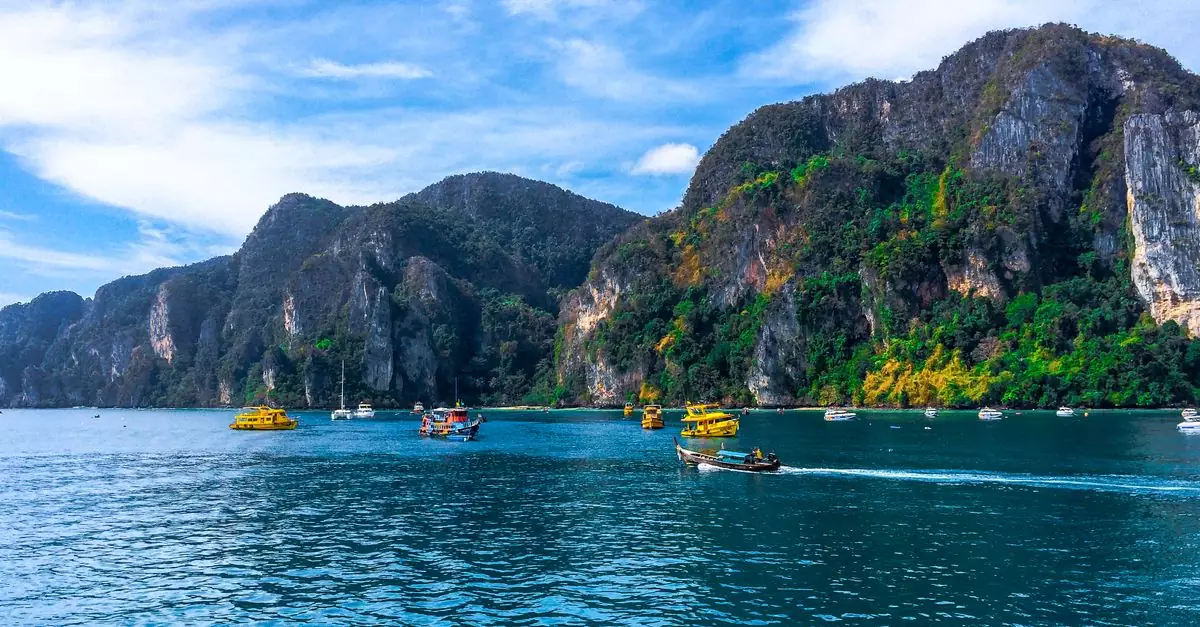
Choosing the right time to visit these island paradises can significantly enhance your culinary adventure, particularly when savoring the freshest seafood. Aligning your trip with seasonal availability and favorable weather conditions will elevate your experience.
Seasonal Catches: Aligning Your Trip with Peak Seafood Availability
The bounty of the ocean varies with the seasons, and understanding these cycles is key to enjoying the best of what each island offers. For instance, destinations in the Northern Hemisphere might see peak lobster seasons in the summer and fall, while certain shellfish like oysters are often best enjoyed in cooler months. In the Southern Hemisphere, the timing shifts; think of the summer months in places like New Zealand for their renowned green-lipped mussels.
Consider the Mediterranean islands, where summer brings an abundance of grilled sea bass and bream, often caught the same day. Conversely, if you’re dreaming of plump scallops, researching local fishing calendars for your chosen destination is highly recommended. Many islands celebrate seafood festivals during specific catch seasons, offering vibrant cultural and gastronomic experiences. Planning around these events can provide unique tasting opportunities you won’t find at other times.
Weather Considerations for Island Dining Experiences
Beyond the catch, island weather plays a crucial role in your dining experience. Warm, sunny days are perfect for casual beachside grills and enjoying seafood al fresco, perhaps with a chilled local wine. Imagine savoring freshly shucked oysters while listening to gentle waves.
However, cooler, calmer weather in the shoulder seasons can be equally rewarding. It often means cozier evenings in charming local tavernas or restaurants, where you can indulge in richer seafood stews or baked dishes. Stormy weather, while sometimes dramatic, can also inspire chefs to prepare unique dishes using whatever the sea has churned up, offering a true taste of local resilience and resourcefulness. Always check the regional weather forecasts before you travel, as even tropical destinations can experience distinct wet and dry seasons impacting outdoor dining and the availability of certain boat-dependent activities.
Avoiding Crowds: Shoulder Season Advantages for Foodies
While peak summer months offer the warmest weather, they also bring the largest crowds to many popular island destinations. For dedicated food enthusiasts, the shoulder seasons—typically spring (April-May) and fall (September-October)—often present the most appealing balance. During these periods, you’re likely to find fewer tourists, leading to a more relaxed atmosphere at restaurants and markets.
This reduced demand can translate into more attentive service and potentially better value on accommodations and dining. More importantly, it allows for a more intimate connection with the local culture and cuisine. You can chat with fishermen at the dock, engage with chefs about their ingredients, and truly immerse yourself in the island’s culinary heartbeat without the hustle and bustle. For example, visiting the Greek islands in late September offers pleasant weather, warm seas, and a more authentic feel than the height of August. Similarly, the Caribbean islands can be fantastic in late spring, post-spring break crowds and before the main hurricane season begins, providing a tranquil setting for enjoying renowned seafood dishes.
Frequently Asked Questions About Island Seafood Travel
What are the must-try local seafood dishes on Greek islands?
Greek islands offer a rich tapestry of seafood flavors, heavily influenced by the Mediterranean diet. On Crete, look for marides tiganites (fried small fish) and garides saganaki (shrimp cooked with tomatoes and feta). Santorini is known for its fava (split pea dip) often served with grilled octopus and fresh calamari. In the Ionian Islands like Corfu, you’ll find dishes featuring local lobster and mussels, often prepared with olive oil, garlic, and lemon. Don’t miss trying psarosoupa (fish soup), a hearty staple across many islands.
How can I find authentic, non-touristy seafood restaurants on tropical islands?
To discover genuine local eateries, venture away from main tourist hubs. Ask your accommodation hosts or local taxi drivers for recommendations; they often know the best hidden gems. Look for restaurants frequented by locals, especially during lunch hours. Simple, unpretentious establishments with fresh catches displayed prominently are usually a good sign. Online reviews can be helpful, but cross-reference them and prioritize those mentioning authentic flavors and local ingredients over ambiance. Many small villages will have family-run tavernas serving incredibly fresh, simply prepared seafood.
Are there specific seafood festivals or events I should look out for?
Seafood festivals are a fantastic way to experience local culinary traditions. In the Mediterranean, many islands celebrate patron saints with food festivals featuring abundant seafood. For instance, the Feast of St. Peter (June 29th) is widely celebrated in coastal Italian towns and islands with seafood banquets. In Asia, destinations like the Philippines host various local fiestas that showcase regional seafood specialties. Research specific islands and their local calendars for events like oyster festivals, shrimp festivals, or general seafood celebrations, often occurring during harvest seasons.
What’s the average budget for dining out at seafood restaurants on these islands?
Budgeting for seafood dining varies significantly by region and island type.
| Destination Type | Average Main Course Price (USD) | Notes |
|---|---|---|
| Mediterranean (Greece) | $15 – $35 | Freshly caught fish can be priced by weight |
| Tropical (Southeast Asia) | $8 – $20 | Local establishments offer best value |
| Caribbean | $20 – $45 | Lobster and premium catches are pricier |
These figures are estimates for a mid-range restaurant. Fine dining or establishments in prime tourist locations will be more expensive. Eating at local markets or smaller tavernas can significantly reduce costs. Always check if fish is priced per kilogram or per portion, as this can impact the final bill.