Planning a trip centered around observing marine mammals in their natural environment requires careful selection of the right location. The world offers a variety of exceptional spots for witnessing these magnificent creatures. This guide explores some of the best whale watching destinations, detailing what you can expect to see and the ideal times to visit for unforgettable encounters in 2026.
You’ll discover prime spots for spotting humpback whales in California, the majestic orcas of the Pacific Northwest, and the giants of Baja California. We also cover unique land-based viewing opportunities in South Africa and the year-round resident sperm whales of New Zealand. Beyond highlighting the top destinations, this article will help you understand the best times to plan your visit for peak whale activity, offering practical advice to make your marine adventure truly memorable.
Top 5 Best Whale Watching Destinations for Unforgettable Encounters
When planning a trip focused on observing marine mammals in their natural habitat, selecting the right destination is crucial. The world offers several exceptional locations where you can witness these magnificent creatures. This guide highlights five of the best whale watching destinations, offering diverse species and unique viewing experiences for travelers in 2026.
Humpback Highway: Monterey Bay, California’s Prime Viewing Spots
Monterey Bay, California, is renowned as the “Humpback Highway” due to the significant number of humpback whales that migrate through its nutrient-rich waters. From roughly April through November, these gentle giants feed and breed, providing frequent and spectacular breaches. In addition to humpbacks, visitors can spot gray whales, blue whales, and various dolphin species.
The most reliable viewing typically comes from boats departing from Monterey or Moss Landing. These tours often last several hours and provide opportunities to see not only whales but also sea otters, harbor seals, and sea lions. The bay’s deep underwater canyon contributes to its rich ecosystem, attracting a wide array of marine life.
Logistics & Timing:
- Best Time: April to November, with peak activity from June to September.
- Departure Points: Monterey Harbor, Moss Landing.
- Tour Duration: 3–4 hours.
- What to Bring: Layers of clothing, sunscreen, hat, and a camera.
Orca Territory: The San Juan Islands, Washington’s Majestic Predators
The San Juan Islands in Washington State offer a prime location for observing resident and transient orcas, also known as killer whales. The nutrient-dense waters surrounding these islands, particularly around the Strait of Juan de Fuca and Haro Strait, attract pods of orcas often seen hunting for salmon or porpoises. The best viewing season generally runs from May to October.
While boat tours provide excellent opportunities, responsible whale watching is paramount. Many tours adhere to strict guidelines to minimize disturbance to the animals. Kayaking tours also offer a more intimate, though less guaranteed, experience. Land-based viewpoints, such as Lime Kiln Point State Park, provide chances to see orcas from shore.
Traveler Tip: The San Juan Islands are a beautiful archipelago, and many visitors combine whale watching with exploring the charming towns and natural beauty of islands like San Juan, Orcas, and Lopez.
Blue Whale Bonanza: Baja California Sur, Mexico’s Migratory Routes
Baja California Sur, Mexico, is a world-class destination for whale watching, especially for those hoping to see the largest animal on Earth: the blue whale. The waters off Loreto and the Sea of Cortez become a critical feeding ground for blue whales during the spring months. This region is also a vital breeding and calving ground for various whale species, including gray whales in Magdalena Bay.
Gray whales are particularly accessible in Magdalena Bay, where mothers and calves often approach boats in a behavior known as “friendly whale encounters.” This offers an incredibly intimate and moving experience. Tours depart from various towns, including La Paz, Loreto, and Cabo San Lucas.
Species Spotlight:
- Blue Whales: Primarily April and May.
- Gray Whales: December to March, with peak encounters in Magdalena Bay from January to March.
- Humpback Whales: Also present, particularly from December to April.
Southern Right Whales: Hermanus, South Africa’s Coastal Spectacle
Hermanus, located on the southern coast of South Africa, is celebrated as one of the few places in the world where whales can be reliably seen from land. From June to November, Southern Right Whales migrate to the sheltered waters of Walker Bay to calve and nurse their young. Their proximity to the shore allows for exceptional land-based whale watching, often with whales visible just meters from the cliffs.
The town features a dedicated whale watching trail along the cliff tops, dotted with viewpoints and the world’s first whale crier, who signals the presence of whales with a kelp horn. Boat-based tours are also available for a closer perspective, though land-based viewing is often considered the primary draw for its ease and intimacy.
Hermanus vs. Other Destinations:
- Hermanus: Unmatched land-based viewing, specific to Southern Right Whales.
- Monterey Bay: Diverse species, boat-dependent.
- San Juan Islands: Orca-focused, boat-dependent with some shore viewing.
Megapod Marvels: Kaikoura, New Zealand’s Sperm Whale Sanctuary
Kaikoura, on the northeast coast of New Zealand’s South Island, is a marine sanctuary famous for its resident sperm whale population. Unlike migratory species, sperm whales are present year-round in Kaikoura’s deep offshore trench. This unique underwater geography supports a rich ecosystem, attracting not only sperm whales but also dusky dolphins, fur seals, and migrating humpback whales.
The primary mode of whale watching here is via boat tours, which often venture out to find sperm whales. Due to the whales’ diving habits, tours typically include a wait for them to surface. Companies also offer opportunities for swimming with dolphins, a popular activity for thrill-seekers.
Key Attractions in Kaikoura:
- Year-round sperm whale sightings.
- Dusky dolphin encounters.
- Abundant fur seals along the coast.
- Opportunities for swimming with dolphins.
When is the Best Time to Visit These Whale Watching Hotspots?
Timing your whale watching adventure is crucial for maximizing your chances of a memorable encounter. Each region boasts specific seasons when marine mammals are most active, whether they are migrating, feeding, or breeding. Understanding these cycles allows you to pinpoint the best time to witness these magnificent creatures.
Spring Migration: Witnessing Humpbacks and Grays in California
California’s coastline becomes a prime spot for whale watching during the spring months, typically from March through May. This period marks the northward migration of both gray whales and humpback whales. Gray whales, on their journey from Mexico’s breeding lagoons back to Alaska, often pass close to shore, offering excellent viewing opportunities from land-based lookouts or short boat trips.
Humpback whales also begin to arrive in larger numbers during spring, attracted by the increasing availability of food. They are often seen feeding or traveling along the coast. Many whale watching tours operate year-round, but the spring migration offers a particularly concentrated viewing window.
Summer Feeding Frenzy: Orcas and Minke Whales in the Pacific Northwest
The waters of the Pacific Northwest, including areas around Washington State and British Columbia, come alive in the summer, from June to September. This is peak season for spotting orcas (killer whales), which are often seen in pods hunting for salmon. The San Juan Islands in Washington and Johnstone Strait in British Columbia are particularly renowned for orca sightings during this time.
Minke whales are also abundant in the summer, feeding on krill and small fish. Shorter, more frequent boat tours are common during these months, catering to those eager to see the diverse marine life. The cooler summer weather makes for comfortable excursions, though fog can sometimes impact visibility.
Winter Breeding Grounds: Baja’s Gray Whales and Mexico’s Humpbacks
Mexico’s Baja California peninsula transforms into a critical breeding and calving ground for gray whales during the winter months, from December to April. San Ignacio Lagoon and Magdalena Bay are world-famous for their incredibly docile gray whales, which often approach boats and allow for intimate encounters. This is a truly unique experience, as the whales bring their calves very close to the vessels.
Humpback whales also gather in the warmer waters off the coast of mainland Mexico, particularly around Puerto Vallarta and the Marietas Islands, from December through March. Their acrobatic displays, including breaching and tail slapping, are a highlight of the winter season. These warmer waters offer a stark contrast to the colder regions where they feed in the summer.
Seasonal Peaks: South Africa’s Southern Right Whale Season
South Africa’s Hermanus is celebrated as one of the best land-based whale watching destinations globally, especially for southern right whales. Their season runs from June to November, with the peak viewing period typically between August and October. During these months, hundreds of southern right whales come close to shore to breed and calve.
The whales are known for their curious nature, often swimming within meters of the cliffs. While boat tours are available, many visitors opt for the convenience and dramatic scenery of watching from the coastal paths. This unique land-based viewing experience makes Hermanus a standout destination for whale enthusiasts.
Year-Round Opportunities: New Zealand’s Resident Sperm Whales
While many whale watching destinations have distinct seasonal peaks, Kaikoura on New Zealand’s South Island offers a unique advantage: resident sperm whales are present year-round. These deep-diving whales can be found in the nutrient-rich waters just off the coast, thanks to a dramatic underwater trench.
Boat tours depart daily, weather permitting, offering consistent chances to see sperm whales. Beyond sperm whales, Kaikoura is also a hotspot for dusky dolphins, and humpback whales migrate through the area from June to July and again in October to December. The predictability of sperm whale sightings makes Kaikoura an excellent option for travelers seeking a reliable marine mammal encounter.
| Destination | Primary Whale Species | Peak Season | Best Viewing Method | Approximate Budget (USD) |
|---|---|---|---|---|
| California, USA | Gray Whales, Humpbacks | March – May | Boat Tours, Land Lookouts | $70 – $150 per tour |
| Pacific Northwest, USA/CAN | Orcas, Minke Whales | June – September | Boat Tours | $80 – $160 per tour |
| Baja California, Mexico | Gray Whales, Humpbacks | December – April | Boat Tours | $60 – $120 per tour |
| Hermanus, South Africa | Southern Right Whales | August – October | Land-Based, Boat Tours | $50 – $100 per tour |
| Kaikoura, New Zealand | Sperm Whales, Humpbacks | Year-Round (Sperm) | Boat Tours | $90 – $170 per tour |
Planning Your Whale Watching Adventure: Essential Tips
Embarking on a whale watching trip is an unforgettable experience, but a little preparation goes a long way. Understanding the nuances of tour operators, boat etiquette, essential gear, and whale behavior will significantly enhance your adventure. This section provides practical advice to help you make the most of your marine mammal encounters.
Choosing the Right Whale Watching Tour Operator
The quality of your whale watching experience often hinges on your choice of tour operator. Look for companies committed to responsible wildlife viewing, adhering to guidelines that minimize disturbance to the animals. Reputable operators will provide information about their practices and the species you’re likely to see.
Consider the type of vessel: larger boats offer more stability but may keep a greater distance, while smaller zodiacs or RIBs can get closer to the water’s surface, providing a more intimate perspective. Check reviews for insights into their punctuality, crew knowledge, and overall customer satisfaction. Many operators specialize in specific regions, so choosing one familiar with the local waters is advantageous.
Navigating Boat Etiquette for Responsible Wildlife Viewing
Responsible whale watching is crucial for the well-being of marine life. When on board, always follow the captain’s and crew’s instructions. Maintain a calm demeanor and avoid sudden movements or loud noises that could startle the animals.
Observe a respectful distance; most regulations stipulate a minimum approach distance, which responsible operators will strictly follow. Never attempt to feed or touch whales. If the animals choose to approach your vessel, remain seated and avoid leaning over the railings. Remember, you are a guest in their environment.
What to Pack for Your Marine Excursion: Layers and Optics
The weather at sea can change rapidly, even on sunny days. Dressing in layers is essential. Start with a moisture-wicking base layer, add an insulating layer like fleece, and top it off with a waterproof and windproof outer shell. A securely fitting hat, sunglasses, and high-SPF sunscreen are vital for protection against sun exposure, which is intensified by reflection off the water.
Binoculars are highly recommended for spotting whales at a distance and observing their behaviors. A good quality pair with at least 7x or 8x magnification will enhance your viewing. If you plan to take photos, a telephoto lens can be beneficial, but remember to keep your gear secure to prevent accidental drops into the water. Waterproof bags or cases are a wise investment for your electronics.
Understanding Whale Behavior: What to Expect on the Water
Whales exhibit a wide range of behaviors, from the majestic breach of a humpback to the playful antics of orcas. Understanding these can deepen your appreciation for the encounter. Pods may be seen traveling, feeding, or socializing.
Breaching, where a whale leaps out of the water, is often a display of energy or communication. Spyhopping occurs when a whale raises its head vertically out of the water, likely to observe its surroundings. Tail slapping can signal agitation or be a form of communication. Patience is key; whale sightings are not guaranteed, and the animals’ movements are dictated by their natural instincts and environment.
Beyond the Big Breach: Other Marine Life You Might See
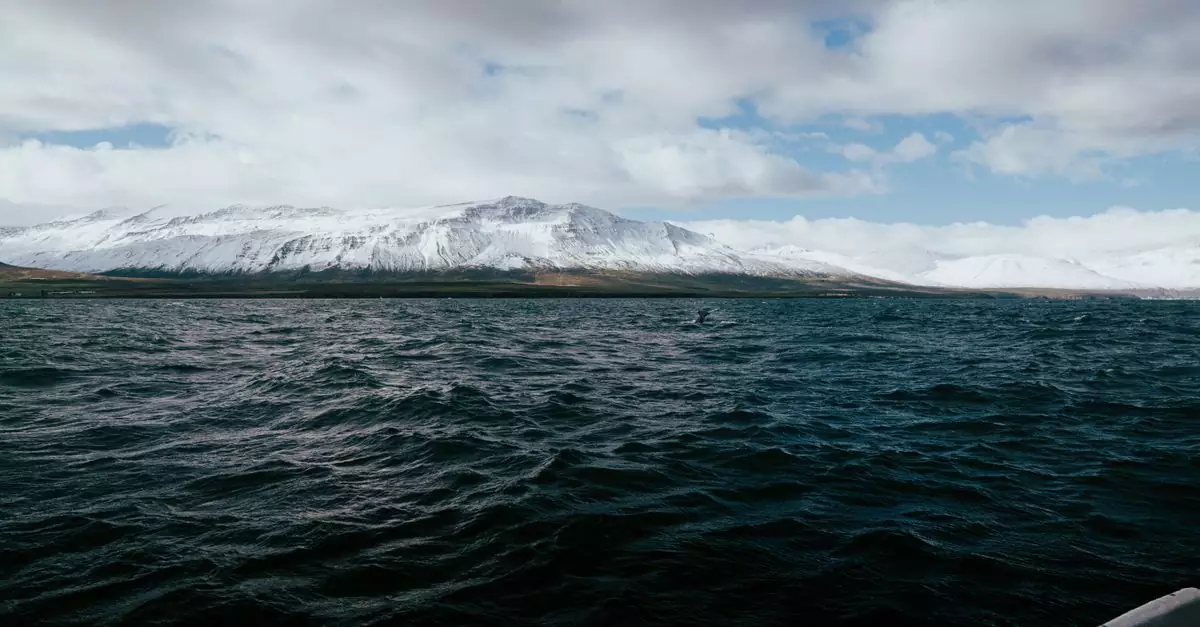
While the majestic whale is the star attraction, many of the best whale watching destinations offer a rich tapestry of marine life. A successful whale watching tour often includes sightings of other fascinating creatures, enhancing the overall experience. Keeping an eye out for these companions can turn a good trip into an unforgettable one.
Dolphin Pods and Porpoise Play: Coastal Companions
Dolphins and porpoises are frequent visitors in many whale watching areas, often seen playing in the boat’s wake or leaping from the water. Bottlenose dolphins are common, known for their playful antics and distinctive snout. Harbor porpoises, while shyer, can also be spotted, especially in cooler coastal waters. Look for their small, triangular dorsal fins breaking the surface. Many boat tours specifically cater to spotting these energetic cetaceans, providing excellent opportunities for photography and observation.
Sea Lions and Seals: Hauling Out on Rocky Shores
Along coastlines and around rocky outcrops, you’ll often find sea lions and seals basking in the sun. California sea lions are particularly vocal and charismatic, often seen lounging on buoys or piers. Harbor seals are more widespread and can be identified by their spotted coats and rounded heads. These pinnipeds are a common sight during whale watching excursions in regions like the Pacific Northwest or along the coast of Canada. Observing them hauled out on land or swimming gracefully in the water adds another layer to the marine wildlife viewing experience.
Seabird Spectacles: Albatrosses, Puffins, and Gulls Galore
The skies above prime whale watching locations are often as active as the seas below. Albatrosses, with their impressive wingspans, can be seen soaring effortlessly on ocean currents, a breathtaking sight for bird enthusiasts. Puffins, with their colorful beaks, are a delight to spot, especially during their breeding seasons when they nest on coastal cliffs. A variety of gulls and other seabirds are also constant companions, often following fishing boats or diving for their own meals. Keeping binoculars handy can reveal a surprising diversity of avian life.
Rare Encounters: Sharks, Turtles, and Ocean Sunfish
While less predictable, some whale watching trips offer the chance to see other remarkable marine animals. Blue sharks and mako sharks are sometimes spotted in offshore waters. Sea turtles, such as the green sea turtle or loggerhead, might surface for air, providing a fleeting but memorable moment. The peculiar ocean sunfish, or Mola mola, with its deep, flattened body and large fins, can also make an appearance. These less common sightings add an element of surprise and wonder to any marine wildlife adventure.
Maximizing Your Trip: Combining Whale Watching with Local Experiences
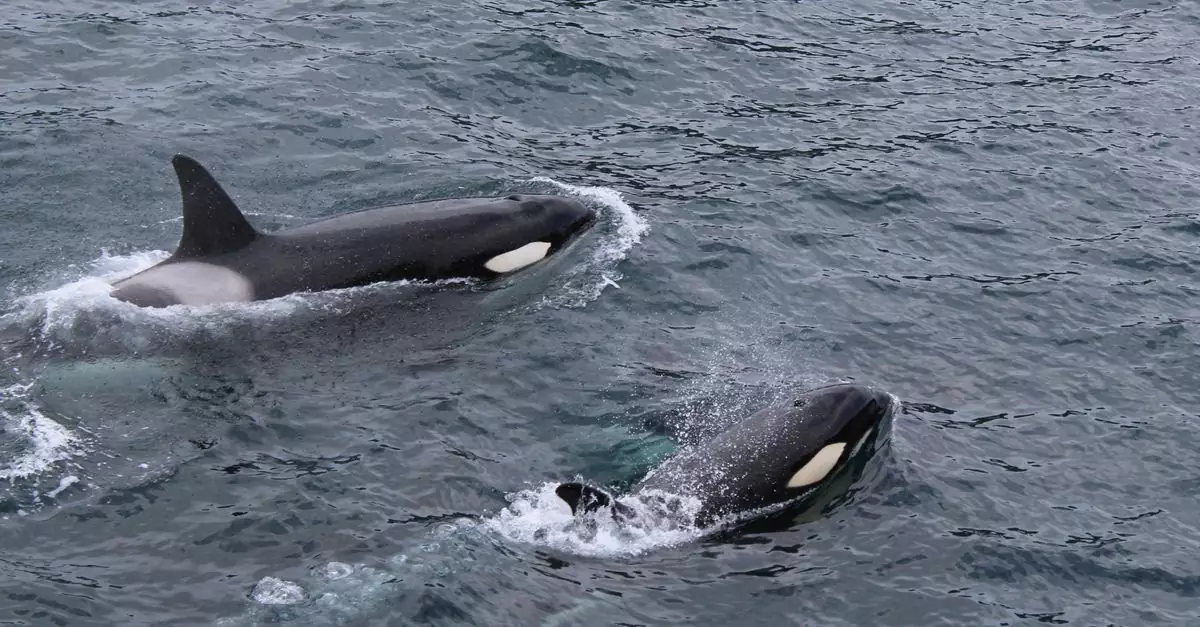
The thrill of witnessing magnificent marine mammals in their natural habitat is often just the beginning of a rich travel experience. Many of the world’s best whale watching destinations offer a wealth of cultural, culinary, and natural attractions that complement your marine adventure. Integrating these local experiences can transform a good trip into an unforgettable journey, providing deeper insights into the regions you visit.
Exploring Monterey’s Cannery Row and Fisherman’s Wharf
Monterey, California, is a prime location for spotting humpback, blue, and gray whales, especially during migration seasons. Beyond the boat tours, the historic Cannery Row, immortalized by John Steinbeck, offers a glimpse into the area’s past with its preserved canneries now housing shops and restaurants. Fisherman’s Wharf provides a lively atmosphere with fresh seafood stalls, souvenir shops, and opportunities for short harbor cruises.
Consider visiting in the spring or fall for the best whale sightings and pleasant weather. Many whale watching tours depart directly from the wharf, making it easy to combine your marine excursion with a stroll through the bustling waterfront. This area is highly walkable, allowing you to immerse yourself in both marine life and local history.
Discovering Friday Harbor and Orcas Island’s Charm
The San Juan Islands in Washington State are renowned for their resident orca pods, as well as sightings of minke whales and humpbacks. Friday Harbor on San Juan Island serves as a central hub for whale watching tours, many of which focus on responsible viewing practices. The islands themselves boast stunning natural beauty, from rugged coastlines to lush forests.
For a more secluded experience, take a ferry to Orcas Island, known for its charming village of Eastsound and Moran State Park, offering panoramic views. The summer months, from June to September, are peak season for orca sightings and offer the warmest weather. Renting a car or utilizing the island’s shuttle services can help you navigate between Friday Harbor and Orcas Island, allowing you to experience the unique character of each.
Savoring Seafood in Ensenada and La Paz
Mexico’s Baja California Peninsula is a world-class destination for whale watching, particularly for gray whales in the winter and spring. La Paz, on the Sea of Cortez, is famous for its whale shark encounters and offers opportunities to see humpback whales. Ensenada, further north, provides access to waters where various whale species migrate.
In Ensenada, the waterfront promenade is lined with restaurants serving incredibly fresh seafood, a true highlight of any visit. La Paz offers a more relaxed atmosphere with beautiful beaches and opportunities for snorkeling with sea lions. Both destinations are best visited during the cooler, drier months of winter and spring for optimal whale watching and comfortable exploration of their distinct culinary scenes.
Experiencing Cape Town’s Culinary Scene Near Hermanus
Hermanus, a coastal town south of Cape Town, South Africa, is often lauded as one of the best land-based whale watching spots in the world, with southern right whales coming close to shore to calve and nurse their young. The whale watching season here typically runs from June to November. The dramatic cliffs provide natural viewing platforms, complemented by a dedicated whale watching trail.
Beyond the marine spectacle, the nearby city of Cape Town offers a world-renowned culinary landscape, from fine dining restaurants to vibrant food markets. You can easily combine a few days of dedicated whale watching in Hermanus with exploring the winelands of Stellenbosch and Franschhoek or enjoying the diverse gastronomic offerings in Cape Town itself. This combination provides a rich tapestry of natural wonders and sophisticated urban experiences.
Adventures in Christchurch and the Marlborough Sounds
New Zealand’s South Island offers unique whale watching opportunities, particularly in Kaikoura, a few hours north of Christchurch. Here, sperm whales are present year-round, and you can also encounter dusky dolphins, fur seals, and migrating humpback whales. Whale watching tours depart from Kaikoura’s harbor, offering both boat-based and scenic flight options.
Christchurch, the largest city on the South Island, serves as a convenient gateway, offering a revitalized city center and access to the stunning Marlborough Sounds. While Kaikoura is the primary whale watching hub, the Marlborough Sounds themselves are a pristine marine environment worth exploring by boat or kayak. The best time to visit for whale watching is generally from June to December, with peak sightings often occurring between July and October.
Frequently Asked Questions About the Best Whale Watching Destinations
Are whale watching tours safe for children and the elderly?
Whale watching tours are generally safe for most age groups, including children and the elderly, when undertaken with reputable operators. Most tour boats are stable, and captains are experienced in navigating various sea conditions. It’s advisable to choose tours that offer calmer waters or shorter durations if traveling with very young children or individuals with mobility issues. Always inform the tour operator of any specific needs or concerns beforehand.
What is the average cost of a whale watching tour?
The average cost for a whale watching tour can range from $50 to $150 per person, depending on the location, duration, and type of vessel. Shorter, shared boat tours are typically more affordable, while private charters or tours on larger, more luxurious vessels will command higher prices. Some destinations might offer package deals that include whale watching and other activities.
Can I see whales from shore at these locations?
While many of the best whale watching destinations offer excellent opportunities from boats, some locations also provide exceptional land-based viewing points. For instance, in Monterey Bay, California, Point Reyes National Seashore can offer glimpses of migrating whales. Similarly, parts of Hawaii and Iceland have accessible coastal areas where whales are sometimes visible, especially during peak migration seasons. However, boat tours generally offer a closer and more comprehensive experience.
What are common mistakes to avoid when booking a whale watching trip?
A common mistake is not researching the tour operator’s reputation and safety record. Always look for companies with experienced captains and crew, and check reviews. Another pitfall is booking a trip during the wrong season; whale sightings are highly dependent on migration patterns. Underestimating sea sickness is also a frequent error; consider bringing medication or remedies if you are prone to it. Finally, don’t expect guaranteed sightings; while these are prime locations, marine life is unpredictable.