The world’s oceans boast some of nature’s most spectacular creations: vibrant coral reefs teeming with life. Exploring these underwater cities offers an unparalleled glimpse into a dazzling ecosystem, from the smallest nudibranch to majestic sea turtles. If you dream of crystal-clear waters, kaleidoscopic fish, and intricate coral formations, discovering the best coral reef destinations is your first step.
This guide takes you on a journey to some of the planet’s most breathtaking aquatic environments. You’ll learn about iconic locations known for their biodiversity, the best times to visit for optimal visibility, and practical advice on planning your adventure, including essential gear and responsible tourism practices. Prepare to be inspired by these underwater marvels and start planning your next unforgettable dive or snorkel trip.
Top Coral Reef Destinations: A Global Showcase
The world’s oceans are filled with vibrant underwater ecosystems, offering snorkelers and divers unparalleled opportunities. Exploring these top coral reef destinations reveals a kaleidoscope of marine life and geological wonders. From vast underwater expanses to intricate reef systems, these locations promise unforgettable aquatic adventures.
Great Barrier Reef, Australia: Iconic Marine Biodiversity
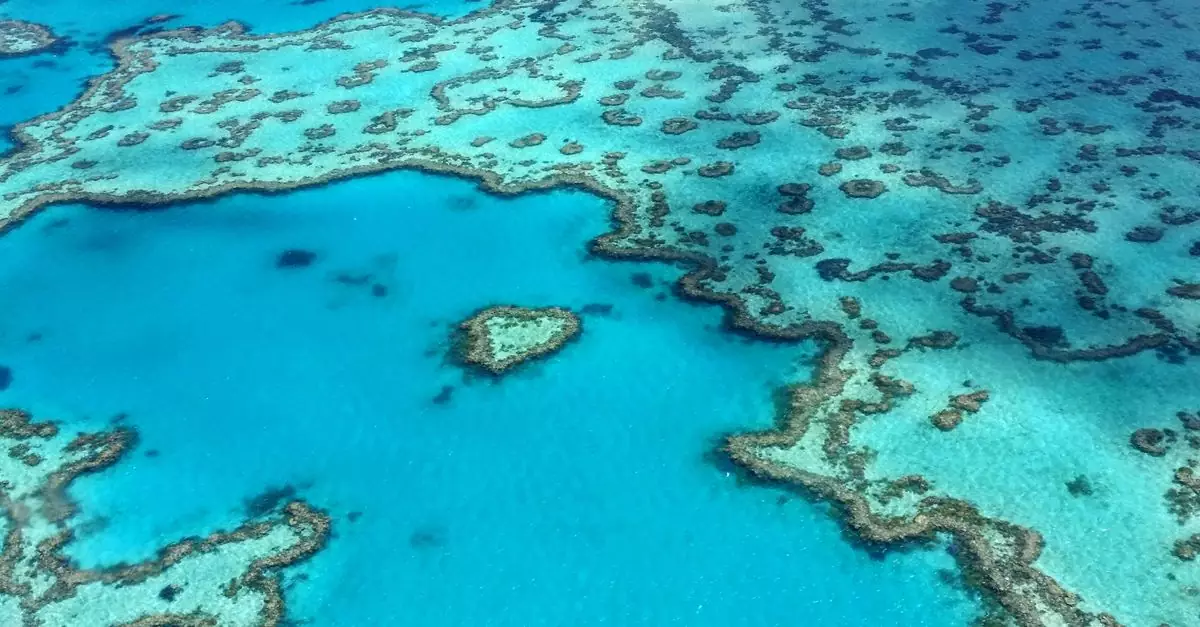
Australia’s Great Barrier Reef is the largest coral reef system globally, a UNESCO World Heritage site celebrated for its immense size and biodiversity. Stretching over 2,300 kilometers, it’s even visible from space. The reef supports an astonishing array of life, including over 1,500 fish species, 400 types of coral, and numerous species of whales, dolphins, and turtles.
Planning Your Visit:
Access to the Great Barrier Reef is typically via gateway cities like Cairns or Port Douglas in Queensland. Numerous operators offer day trips, liveaboard diving expeditions, and scenic flights. The best time to visit is generally from June to October, during the dry season, when visibility is highest and marine life is abundant. Popular spots include the Outer Reef for vibrant corals and abundant fish, and Lady Elliot Island for turtle encounters. Budget considerations range from AUD $150 for a day trip to several thousand dollars for extended liveaboard dives.
Belize Barrier Reef: Mesoamerican Reef’s Underwater Wonders
As part of the larger Mesoamerican Barrier Reef System, the Belize Barrier Reef is the second-largest reef in the world and a haven for marine enthusiasts. Its crystal-clear waters and diverse habitats, including fringing reefs, atolls, and the famous Great Blue Hole, make it a premier diving and snorkeling destination. Visitors can expect to see an impressive variety of sharks, rays, turtles, and colorful reef fish.
Experiencing the Reef:
Key access points include Ambergris Caye, Caye Caulker, and Placencia. Snorkeling and diving tours are readily available from these islands, with prices for day trips typically ranging from $70 to $150 USD. The Great Blue Hole, a massive underwater sinkhole, is a bucket-list dive for experienced divers, though many other sites offer equally spectacular experiences for all skill levels. The dry season, from November to May, provides the best conditions for underwater visibility.
Raja Ampat, Indonesia: The Epicenter of Marine Life
Raja Ampat, located in Indonesia’s West Papua province, is widely regarded as the global epicenter of marine biodiversity. This archipelago boasts an unparalleled concentration of coral and fish species, with scientists estimating that over 75% of the world’s coral species and 1,300 fish species can be found here. The sheer abundance and variety of life are breathtaking, making it a dream destination for serious divers and underwater photographers.
Logistics and Best Times:
Getting to Raja Ampat usually involves flying into Sorong, followed by a ferry or speedboat to the main islands like Waigeo or Mansuar. Liveaboard dive boats are the most popular way to experience the remote dive sites, though some resorts are also available. The dry season, from October to April, offers calmer seas and better visibility. Expect higher costs due to its remote location, with liveaboards often starting from $300 USD per day. The shallow coral gardens and dramatic underwater topography make it a truly unique natural spectacle.
Where to Find the Healthiest Coral Reefs for Snorkeling
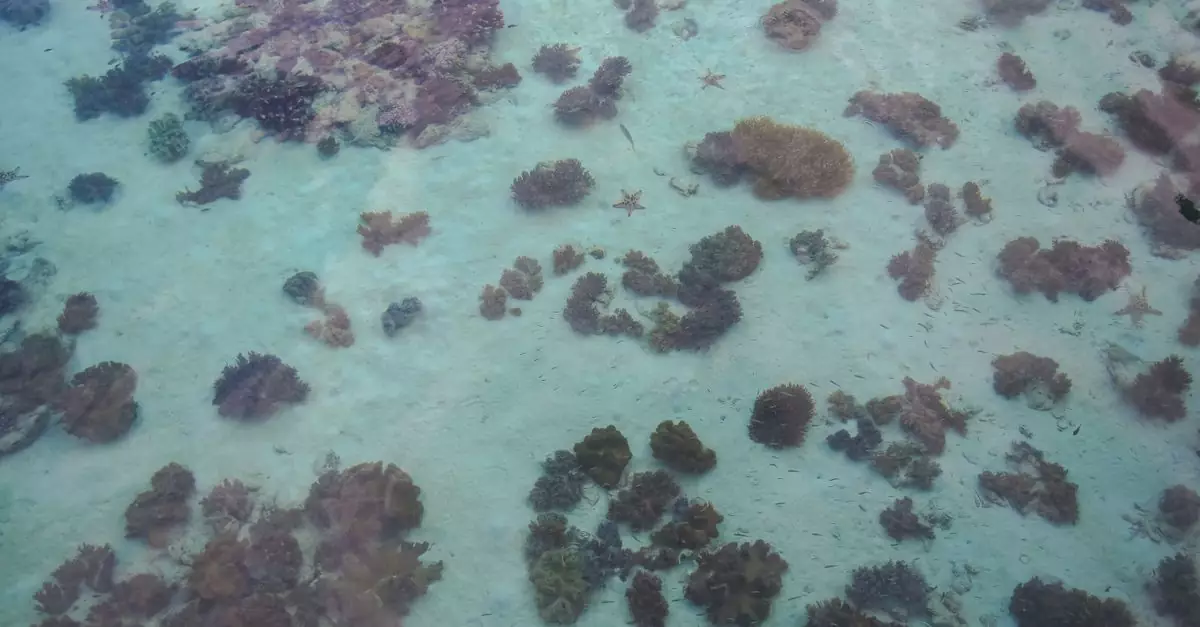
When seeking the best coral reef destinations for snorkeling and diving, prioritizing locations known for healthy, vibrant ecosystems is essential. These places offer not just visual splendor but also a chance to witness thriving marine biodiversity. We’ve highlighted three exceptional spots that consistently rank among the top for pristine underwater experiences.
Palau’s Rock Islands Southern Lagoon: Pristine Reef Systems
Palau’s Rock Islands Southern Lagoon, a UNESCO World Heritage site, is a diver’s and snorkeler’s dream. This protected marine area boasts incredible coral diversity and an abundance of fish species. The sheer number of islands, often referred to as “mushroom islands” due to their unique shape, creates sheltered bays and channels teeming with life.
Visibility here is often exceptional, allowing for clear views of giant clams, sea turtles, and a kaleidoscope of reef fish. For snorkelers, areas like Jellyfish Lake (though access can vary based on jellyfish populations) offer a unique, sting-free encounter with thousands of golden jellyfish. Other prime spots include German Channel, known for manta ray sightings, and Blue Corner, famous for its strong currents that attract pelagic species.
Planning a trip to Palau involves flying into Roman Tmetuchl International Airport (ROR). Most visitors stay in Koror, the main population center, which offers a range of accommodations from budget guesthouses to upscale resorts. Boat tours are the primary way to access the Rock Islands, with many operators offering full-day excursions that include snorkeling stops, lunch, and visits to iconic sites like the Milky Way, a shallow lagoon where visitors can cover themselves in mineral-rich white mud.
Maldives: Underwater Gardens and Vibrant Fish Populations
The Maldives, an archipelago nation in the Indian Ocean, is synonymous with luxurious overwater bungalows and world-class snorkeling and diving. Its atolls, formed from ancient volcanic islands, surround crystal-clear lagoons that are home to extensive coral reefs. These underwater gardens are renowned for their vibrant fish populations, including butterflyfish, angelfish, parrotfish, and larger visitors like reef sharks and manta rays.
Many resorts in the Maldives have house reefs accessible directly from the beach or a short boat ride away, making it convenient for snorkelers. Islands like Baros Maldives, with its easily accessible house reef, or Hanifaru Bay (seasonal, typically May to November) in Baa Atoll, a UNESCO Biosphere Reserve, offer incredible opportunities to see manta rays and whale sharks feeding.
Getting to the Maldives usually involves flying into Velana International Airport (MLE) near Malé. From there, transfers to resorts are typically by speedboat or seaplane, depending on the island’s distance. Accommodation ranges from simple guesthouses on local islands to ultra-luxury private island resorts, catering to various budgets. When packing, remember reef-safe sunscreen to help protect the delicate marine environment.
Bonaire: The Shore Diving Capital of the Caribbean
Bonaire, a small island in the southern Caribbean Sea, has dedicated itself to marine conservation, earning it the title of “Shore Diving Capital of the Caribbean.” The entire coastline of the island is a protected marine park, with mooring buoys strategically placed to prevent anchor damage to the corals. This commitment has resulted in remarkably healthy reefs that are easily accessible to snorkelers and divers.
What makes Bonaire unique is the ability to rent a truck, pick up a dive tank (or snorkel gear), and drive to numerous marked dive sites along the western and southern coasts. Sites like 1000 Steps, Wayaka, and Tori’s Reef offer incredible biodiversity, including various coral species, sponges, and a vast array of tropical fish. You can often see parrotfish, angelfish, trumpetfish, and even seahorses with relatively little effort.
The primary airport in Bonaire is Flamingo International Airport (BON). While there are hotels and resorts, many visitors opt for apartment-style accommodations or villas, often equipped with kitchens, which can be cost-effective for longer stays. The island’s focus on marine tourism means that most activities revolve around the water. A mandatory marine park tag is required for all divers and snorkelers, which contributes directly to conservation efforts.
Best Time to Visit Coral Reef Destinations for Optimal Visibility
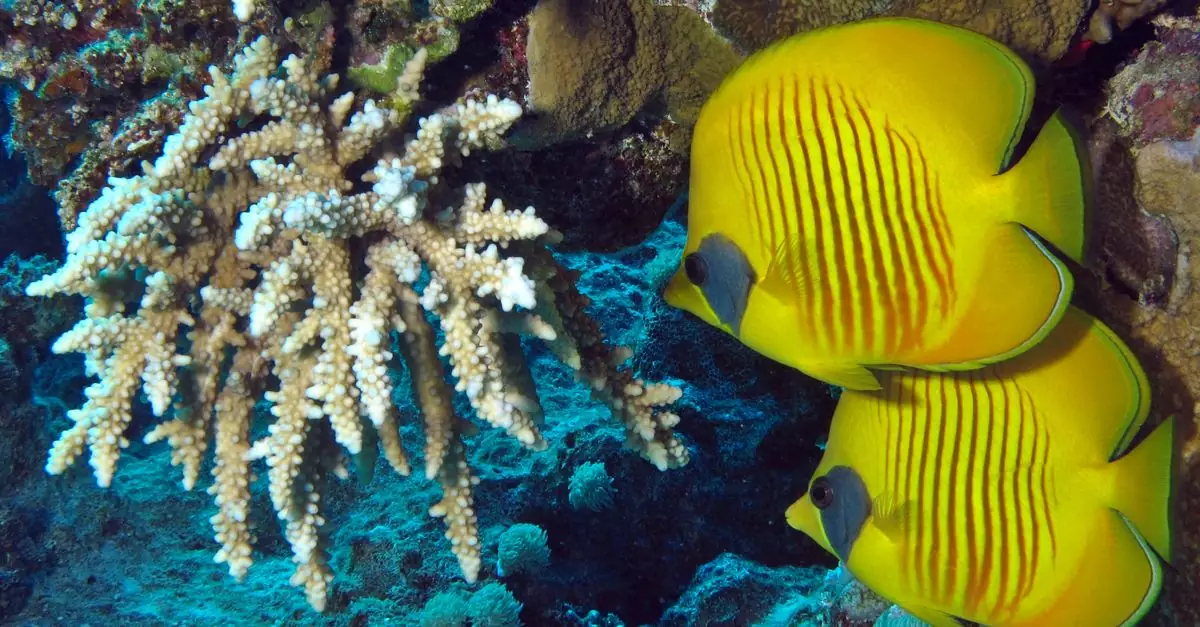
Timing your visit to the world’s best coral reef destinations is crucial for maximizing your underwater experience. Optimal conditions often hinge on predictable seasonal weather patterns, avoiding peak tourist influxes, and understanding the impact of regional monsoons.
Seasonal Weather Patterns for Tropical Reefs
Tropical reef systems generally experience distinct wet and dry seasons, with the dry season typically offering the best conditions for snorkeling and diving. During this time, expect lower humidity, less rainfall, and calmer seas, which translates to improved underwater visibility. For many popular destinations in the Caribbean and Southeast Asia, this period often falls between December and April. However, it’s important to research the specific microclimates of your chosen reef location, as variations exist even within tropical regions.
Avoiding Peak Tourist Crowds at Popular Reefs
While the dry season often coincides with peak tourist seasons, strategic planning can help you avoid large crowds at popular reefs. Consider traveling during the shoulder seasons—the periods immediately before or after the main tourist rush. For example, visiting in late April or May, or again in November, can still offer excellent weather while providing a more serene underwater experience and potentially lower accommodation prices. Booking diving or snorkeling tours in advance is highly recommended, especially for well-known sites, to secure your spot and often get better rates. Some remote reef destinations may have less pronounced peak seasons, making them good options for those seeking solitude.
Understanding Monsoon Seasons and Their Impact
Monsoon seasons significantly affect visibility and safety at many coral reef locations. During these periods, heavy rainfall can lead to increased freshwater runoff, carrying sediment and pollutants into the ocean, which severely reduces water clarity. Stronger winds and rougher seas are also common, making boat travel to dive sites hazardous and snorkeling unpleasant. For instance, the Great Barrier Reef in Australia experiences its wet season from December to March, which can bring reduced visibility and higher chances of storms. Similarly, many Southeast Asian reef sites are best avoided during their respective monsoon months, which can vary by coast. Always check local weather advisories and consult with dive operators regarding prevailing conditions.
Here’s a general overview of seasonal considerations for popular reef regions:
| Region | Optimal Snorkeling/Diving Season | Considerations |
|---|---|---|
| Caribbean | December – April | Dry season, lower humidity, calm seas |
| Great Barrier Reef | May – October | Dry season, calmer waters, good visibility |
| Southeast Asia | Varies (e.g., Nov-Apr for Thailand) | Research specific monsoon patterns for your chosen island |
| Red Sea | April – October | Generally warm waters, good visibility year-round |
Planning Your Coral Reef Adventure: What Travelers Need to Know
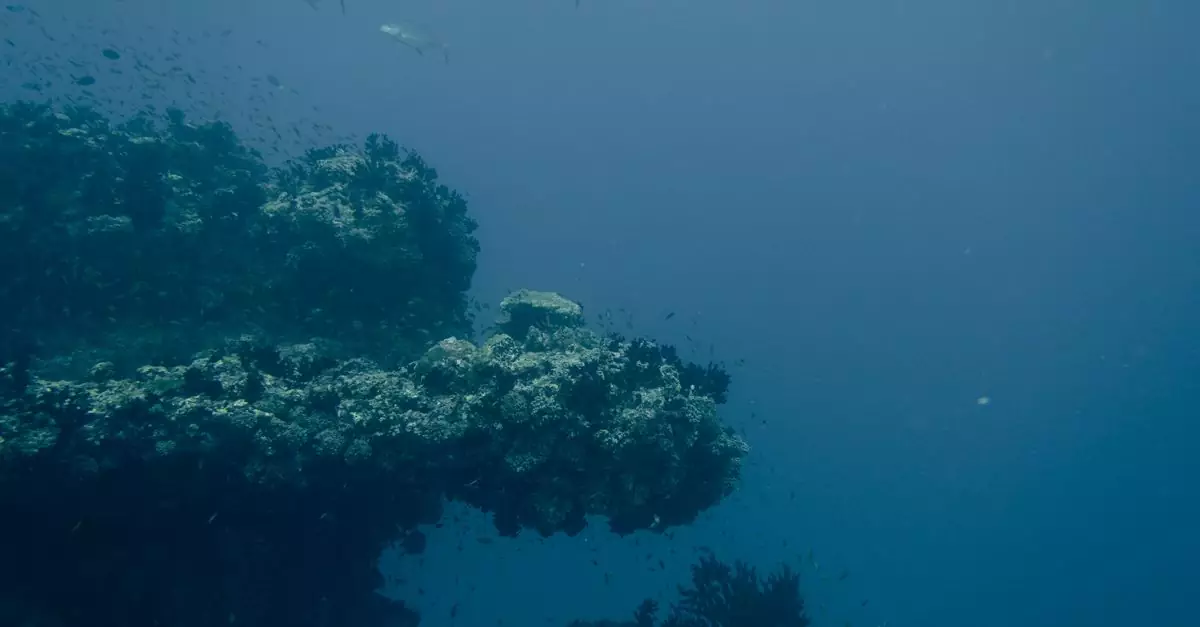
Embarking on a journey to witness the vibrant underwater ecosystems of the world’s best coral reef destinations requires thoughtful preparation. Understanding your skill level, packing the right equipment, and committing to responsible practices will ensure a rewarding and sustainable experience. These underwater havens teem with life, offering unparalleled opportunities for both novice snorkelers and experienced divers.
Choosing the Right Reef Destination for Your Skill Level
Not all coral reefs present the same challenges or opportunities. For beginners, shallow, calm waters with abundant marine life visible from the surface are ideal. Destinations known for clear visibility and gentle currents, often found in protected lagoons or near shore, are excellent starting points. Resorts that offer guided snorkeling tours can provide a safe and informative introduction.
Experienced divers may seek more challenging sites, such as drop-offs, drift dives, or areas with stronger currents that attract pelagic species. Advanced certification and familiarity with dive planning are crucial for these environments. Researching specific dive sites, their depths, and typical conditions will help match your abilities to the reef’s offerings.
Consider the type of marine life you wish to see. Some reefs are renowned for their macro life, perfect for underwater photographers, while others boast larger species like sharks and manta rays. Understanding what each location specializes in can guide your choice. Many popular reef areas are located on or near a type of island, offering diverse above-water activities as well.
Essential Snorkeling and Diving Gear Checklist
Proper gear is fundamental for comfort and safety when exploring coral reefs. For snorkeling, a well-fitting mask, a dry or semi-dry snorkel, and adjustable fins are essential. A rash guard or wetsuit is recommended to protect against sun exposure and prevent minor abrasions.
For diving, beyond the standard mask, snorkel, and fins, you’ll need a buoyancy control device (BCD), a regulator set, a submersible pressure gauge (SPG), and a dive computer. Wetsuits or drysuits are typically required depending on water temperature. Many dive operators offer gear rental, which can be a cost-effective option, especially for infrequent divers. However, owning your mask and snorkel ensures a consistent fit and comfort.
- Mask: Ensure a good seal to prevent leaks.
- Snorkel: A dry or semi-dry top minimizes water entry.
- Fins: Full-foot fins are common for warm water, while open-heel fins with boots are better for cooler temperatures.
- Wetsuit/Rash Guard: Protection from sun and stings.
- Dive Computer (for divers): Tracks depth, time, and no-decompression limits.
- Buoyancy Control Device (BCD) (for divers): Essential for managing buoyancy.
Always check your gear before each use. Familiarize yourself with any new equipment before entering the water.
Responsible Tourism Practices for Coral Reef Conservation
Protecting delicate coral ecosystems is paramount for ensuring their survival for future generations. Adhering to responsible tourism practices minimizes your impact and contributes to conservation efforts. Avoid touching or standing on coral; even a slight touch can damage its fragile structure.
When choosing tour operators, look for those committed to sustainability. This might include adhering to established dive sites, proper waste disposal, and educating guests on reef etiquette. Supporting businesses that actively participate in reef restoration projects or marine park fees also makes a difference.
- Never touch coral: It is a living organism.
- Do not feed marine life: This disrupts natural behaviors and diets.
- Use reef-safe sunscreen: Chemicals in conventional sunscreens can harm corals.
- Take only photos, leave only bubbles: Do not collect shells or other marine souvenirs.
- Dispose of trash properly: Pack out everything you pack in.
Understanding the local marine environment and respecting its inhabitants is key. By making conscious choices, travelers can help preserve these underwater wonders. Many island nations rely heavily on healthy reefs for tourism, making conservation a shared responsibility.
Beyond the Reef: Exploring Nearby Islands and Local Culture
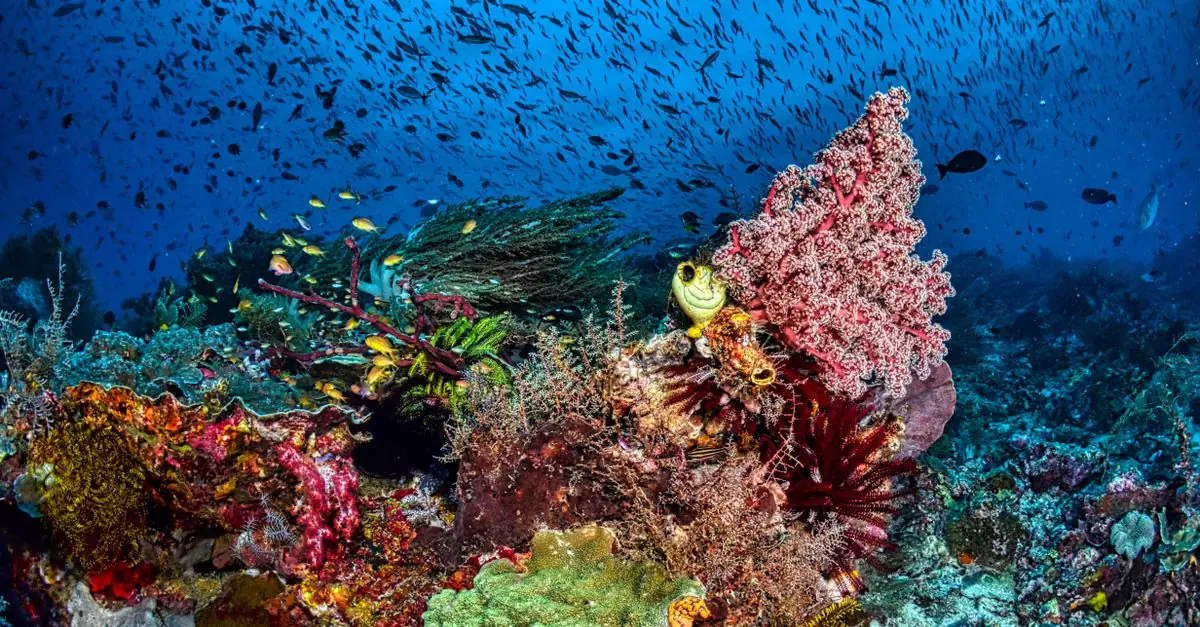
While the allure of the underwater world is undeniable, many of the best coral reef destinations offer enriching experiences on land. Venturing beyond the immediate coastline reveals a tapestry of local life, unique ecosystems, and opportunities for adventure that complement your aquatic explorations. Planning visits often involves understanding local transportation, especially if you’re considering hopping between different islands or venturing inland.
Discovering Hidden Coves and Secluded Beaches
The coastlines surrounding vibrant coral reefs are frequently dotted with hidden coves and stretches of pristine sand, often accessible only by boat or a scenic hike. These secluded spots provide a tranquil escape from more popular tourist areas, offering a chance to relax in natural beauty. Many local tour operators can arrange boat trips to these less-visited shores, providing a different perspective on the coastal landscape. Remember to pack essentials like water and reef-safe sunscreen, as amenities are often scarce in these untouched locations. The journey to find these gems can be as rewarding as the destination itself, offering stunning views of the turquoise waters and dramatic cliffs.
Experiencing Local Cuisine in Coastal Villages
No travel experience is complete without sampling local flavors, and coastal villages near renowned marine parks are no exception. These communities often boast restaurants and food stalls serving freshly caught seafood, prepared using traditional recipes passed down through generations. Engaging with local vendors and chefs can offer insights into the region’s culinary heritage and the importance of sustainable fishing practices. Don’t hesitate to try regional specialties; they often reflect the bounty of the surrounding waters and land. Visiting a bustling local market can also be a fantastic way to see the ingredients and experience the daily rhythm of village life.
Day Trips to Volcanic Islands or Rainforests
Many island nations that host exceptional coral reefs also feature dramatic volcanic landscapes or lush rainforest interiors, offering a stark contrast to the underwater scenery. A day trip inland can lead you to cascading waterfalls, ancient lava flows, or vibrant jungle trails teeming with unique flora and fauna. These excursions often require more logistical planning, as transportation might involve local buses, rented vehicles, or guided tours. For example, a visit to a volcanic island might involve moderate hiking, while exploring a rainforest could require sturdy footwear and insect repellent. Understanding the local climate and packing accordingly is crucial for these inland adventures.
Frequently Asked Questions About Visiting Coral Reefs
What is the best way to get to these coral reef destinations?
Accessing the best coral reef destinations often involves a combination of air and sea travel. Major international airports serve gateway cities in regions like Southeast Asia, the Caribbean, and Oceania. From these hubs, you’ll typically take domestic flights, ferries, or arrange boat transfers to reach more remote islands and dive sites. For example, reaching the Great Barrier Reef might involve flying into Cairns or Port Douglas, followed by a boat trip to specific reef locations. Similarly, exploring reefs in the Maldives usually means flying into Malé and then taking a seaplane or speedboat to your chosen resort island.
| Region | Primary Gateway City | Typical Transfer Method |
|---|---|---|
| Great Barrier Reef, Australia | Cairns | Boat, catamaran, liveaboard dive vessels |
| Maldives | Malé | Seaplane, speedboat, domestic ferry |
| Belize Barrier Reef | Belize City | Water taxi, small aircraft, dive boat |
| Red Sea, Egypt | Hurghada, Sharm El Sheikh | Boat, liveaboard dive vessels |
Are there budget-friendly options for exploring coral reefs?
Yes, budget-friendly options exist for experiencing vibrant underwater ecosystems. While luxury resorts can be expensive, many destinations offer more affordable guesthouses, hostels, and homestays. Look for areas with accessible shore diving or snorkeling sites that don’t require costly boat tours. In places like the Philippines or parts of Southeast Asia, local dive shops often provide economical day trips. Traveling during the shoulder season can also significantly reduce costs for both flights and accommodation, making your adventure more accessible.
What are the main safety concerns when visiting coral reefs?
Safety when visiting coral reefs revolves around responsible interaction with the marine environment and awareness of potential hazards. Avoid touching or standing on coral, as it is a living organism and easily damaged. Be mindful of strong currents, especially in deeper dive sites, and always dive or snorkel with a buddy. Sun protection is crucial; wear reef-safe sunscreen and consider a rash guard to prevent sunburn. For divers, ensuring your equipment is well-maintained and adhering to depth and time limits is paramount. Familiarize yourself with local marine life; while most creatures are harmless, some, like certain jellyfish or stingrays, require a respectful distance. Always heed the advice of local guides and dive operators.