Embarking on one of the best marine wildlife cruises offers an unparalleled opportunity to connect with the ocean’s most magnificent inhabitants in their natural habitats. From the icy waters of Antarctica to the vibrant shores of the Galapagos, these journeys promise unforgettable encounters with whales, dolphins, penguins, seals, and more. If you’re dreaming of witnessing these incredible creatures up close, this guide will help you navigate the world of marine expeditions. Discover the top destinations for spotting diverse wildlife, understand the different types of cruises available—from rugged expedition vessels to comfortable small ships—and learn what animals you can expect to see. We’ll also cover the best times to travel for peak sightings and essential packing tips to ensure your adventure is both comfortable and memorable.
Top Destinations for Marine Wildlife Cruises
Choosing the right destination is key to an unforgettable marine wildlife cruise. From polar extremes to equatorial marvels, the world offers incredible opportunities to witness nature’s underwater and above-water spectacles. Consider these top locations for your next wildlife adventure.
Galapagos Islands: Darwin’s Living Laboratory
The Galapagos Islands are a must-visit for any wildlife enthusiast, providing unmatched close encounters with endemic species. This remote archipelago, a UNESCO World Heritage site, feels like stepping back in time. You’ll find fearless sea lions basking on beaches, marine iguanas swimming in the ocean, and blue-footed boobies performing their mating dances.
Cruises here vary from small expedition vessels to more comfortable yachts, with itineraries typically lasting between 5 and 15 days. Many trips focus on snorkeling and diving, allowing you to swim alongside sea turtles and playful penguins. Booking well in advance is essential, especially for popular itineraries during peak seasons like the warm, wet season (December to May) or the cool, dry season (June to November).
| Season | Water Temperature | Visibility | Key Wildlife Sightings |
|---|---|---|---|
| Warm (Dec-May) | 70-80°F (21-27°C) | Good | Sea turtles, sea lions, marine iguanas, land iguanas |
| Cool (Jun-Nov) | 65-75°F (18-24°C) | Excellent | Penguins, whales, dolphins, sharks, sea lions |
Baja California Peninsula: Whale Watching Wonderland
Mexico’s Baja California Peninsula is renowned for its spectacular whale watching, especially during the winter months. From January to April, gray whales migrate from Alaska to the warm lagoons of Baja to breed and calve. Boat tours from Puerto Vallarta or La Paz offer incredible opportunities to see mothers and their calves, and sometimes even breaching adults.
In addition to whales, you can spot dolphins, sea lions, and a variety of seabirds. The dry desert landscape meeting the vibrant blue sea creates a unique backdrop for wildlife viewing. Many cruises focus on exploring the Sea of Cortez, a UNESCO World Heritage site often called “the world’s aquarium” for its rich biodiversity. Shorter cruise options are available, making it an accessible destination for a week-long escape.
Antarctica: Icebergs and Penguin Colonies
For the ultimate adventure, an Antarctic cruise delivers breathtaking scenery and abundant wildlife. Imagine sailing past colossal icebergs, with opportunities to see emperor penguins, Adélie penguins, and vast colonies of other species. Humpback whales, minke whales, and orcas are also frequently sighted in the nutrient-rich waters.
Trips to Antarctica typically depart from Ushuaia, Argentina, or Punta Arenas, Chile, and can last from 10 days to over three weeks. Expedition ships are equipped with Zodiacs for shore landings and wildlife viewing. The Antarctic summer (November to March) is the only feasible time for travel, with January and February often considered the peak months for wildlife activity and longer daylight hours. Due to the extreme environment, comprehensive packing lists and preparedness are crucial.
Norwegian Fjords: Majestic Whales and Puffins
The Norwegian Fjords offer a different yet equally captivating marine wildlife experience. During spring and summer, particularly from May to September, the waters off Norway become a feeding ground for large whales, including humpbacks, orcas, and minke whales. Witness these giants surfacing amidst dramatic fjord scenery.
Beyond whales, the coastal cliffs are home to abundant birdlife. Puffins, guillemots, and kittiwakes nest in large colonies, providing fantastic opportunities for birdwatchers. Cruises often combine whale watching with scenic sailing through the iconic fjords, visiting charming coastal villages. Shorter itineraries are common, making it feasible to combine with other Scandinavian travel. The weather can be unpredictable, so layering clothing is essential.
Choosing Your Ideal Marine Wildlife Cruise Experience
Selecting the best marine wildlife cruise hinges on your priorities, whether that’s in-depth exploration, luxurious comfort, or focused diving. Different vessel types and cruise styles cater to distinct traveler preferences, impacting everything from proximity to wildlife to the overall onboard atmosphere. Understanding these distinctions is key to finding an unforgettable encounter with the ocean’s inhabitants.
Expedition Cruises vs. Luxury Cruises for Wildlife Viewing
Expedition cruises are purpose-built for accessing remote locations and observing wildlife in its natural habitat. These voyages often feature smaller, ice-strengthened vessels with advanced navigation capabilities, allowing them to reach destinations like the Arctic, Antarctic, or remote island archipelagos. The focus is on learning and immersion, with onboard naturalists, marine biologists, and geologists providing expert commentary during Zodiac excursions and landings. Expect daily opportunities for close-up views of whales, seals, penguins, and diverse birdlife.
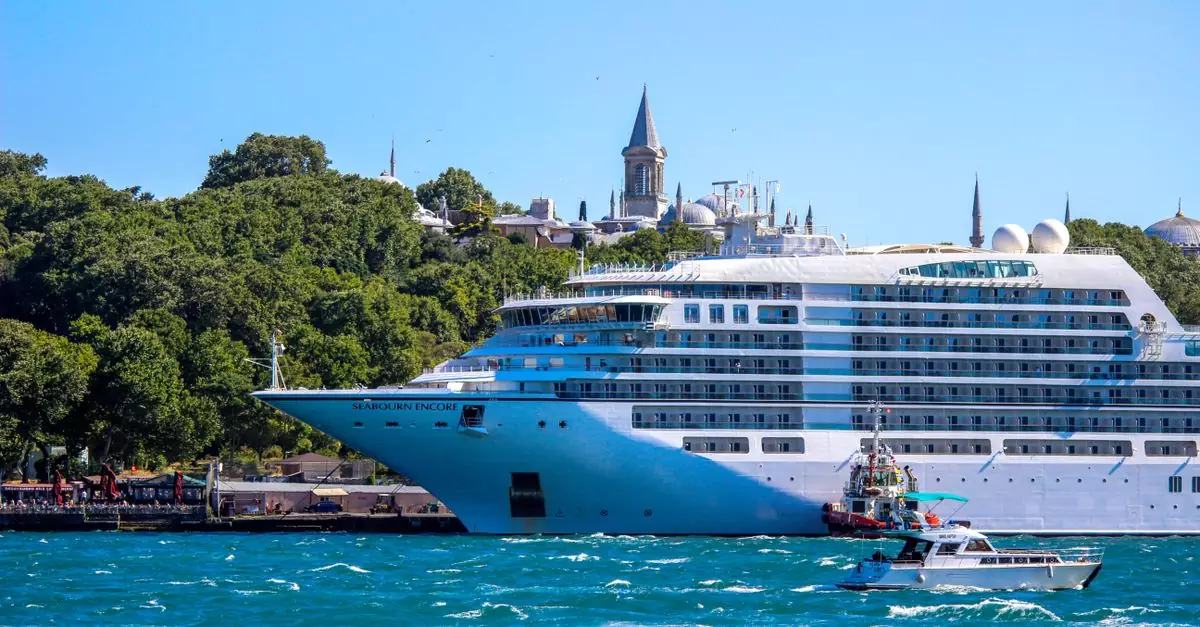
In contrast, luxury cruises offer a more comfortable and amenity-rich experience, often visiting more accessible wildlife hotspots like the Galápagos Islands or Alaska. While wildlife viewing is a significant draw, the emphasis is also on fine dining, spa services, and spacious accommodations. Wildlife encounters might occur from the main vessel’s deck or through organized shore excursions that are less rugged than expedition-style trips. These cruises are suitable for travelers who want to combine wildlife observation with a high level of comfort and service.
| Cruise Type | Focus | Wildlife Proximity | Onboard Amenities | Typical Destinations |
|---|---|---|---|---|
| Expedition Cruise | Active exploration, education | Very Close | Basic to Moderate | Polar regions, remote archipelagos, wilderness areas |
| Luxury Cruise | Comfort, relaxation, curated sights | Moderate | High | Galápagos, Alaska, Caribbean, Mediterranean |
Small Ship Cruises for Intimate Encounters
For travelers seeking a more personal and less crowded experience, small ship cruises are an excellent choice. These vessels typically carry fewer than 100 passengers, fostering camaraderie and allowing for more flexible itineraries. Their smaller size enables access to secluded coves, narrow channels, and less-visited ports that larger ships cannot reach. This often translates to more intimate wildlife encounters, as there are fewer people vying for a view.
These cruises often operate in regions with abundant wildlife, such as the Pacific Northwest for whale watching, the Mediterranean for dolphins and sea turtles, or the coast of Australia for marine life viewing. The onboard atmosphere is generally relaxed and informal, with opportunities to interact closely with the crew and naturalists. Many small ship itineraries are designed around specific wildlife migrations or breeding seasons, maximizing your chances of seeing particular species.
Liveaboard Diving Trips for Underwater Biodiversity
If your primary interest lies beneath the waves, a liveaboard diving trip offers unparalleled access to the world’s most vibrant underwater ecosystems. These dedicated dive vessels serve as floating hotels and dive centers, taking you directly to prime diving locations, often far from shore. Passengers live, eat, and sleep on the boat, maximizing dive time and minimizing travel to and from dive sites. This format is ideal for serious divers eager to encounter sharks, manta rays, colorful coral reefs, and a vast array of fish species.
Destinations renowned for liveaboard diving include the Red Sea, the Maldives, the Similan Islands in Thailand, and the Cocos Islands off Costa Rica. Trips are typically structured around multiple dives per day, with experienced dive guides leading the way. While the focus is on diving, many liveaboard trips also offer opportunities for snorkeling and surface wildlife viewing, such as dolphins and whales, during transit between dive sites. Safety is paramount, with all vessels equipped for diving operations and experienced dive staff managing the logistics.
What Marine Animals Can You See on These Cruises?
Embarking on a marine wildlife cruise offers a chance to witness incredible creatures in their natural habitats. The specific animals you encounter depend heavily on the destination and time of year, but certain species are highlights across many popular regions. Planning your trip around peak viewing seasons can significantly enhance your chances of unforgettable sightings.
Whale Species: Humpbacks, Blues, and Orcas
Whales often take center stage on marine expeditions. Humpback whales, known for their acrobatic breaches and haunting songs, are commonly seen in polar and temperate waters during their feeding and breeding seasons. Alaska, the Azores, and Hawaii are prime locations for humpback sightings. Blue whales, the largest animals on Earth, are more elusive but can be spotted in areas like the Sea of Cortez or off the coast of Sri Lanka. Orcas, or killer whales, inhabit diverse environments, from the icy waters of Antarctica and Norway to the warmer coasts of British Columbia and New Zealand, where they hunt seals and fish.
Dolphin Pods and Porpoises
Smaller cetaceans like dolphins and porpoises are frequent companions on many sea voyages. You might see pods of common dolphins or bottlenose dolphins leaping alongside your vessel in regions such as the Caribbean, the Mediterranean, or along the Pacific coast of North America. Harbor porpoises are more shy but can be observed in cooler waters, particularly around the British Isles and the Pacific Northwest. Some specialized cruises focus on cetacean migration routes, offering opportunities to see a wider variety of species in a single trip.
Sea Turtles and Marine Reptiles
Beyond whales and dolphins, a rich variety of sea turtles grace the oceans. Green sea turtles, loggerheads, and hawksbills are often seen in tropical and subtropical waters, especially around coral reefs and nesting beaches. The Galapagos Islands and the waters off Mexico are renowned for their abundant sea turtle populations. While less common on general wildlife cruises, some expeditions might venture into areas where marine iguanas, like those found in the Galapagos, bask on rocky shores, representing a unique marine reptile encounter.
Penguins, Seals, and Sea Lions
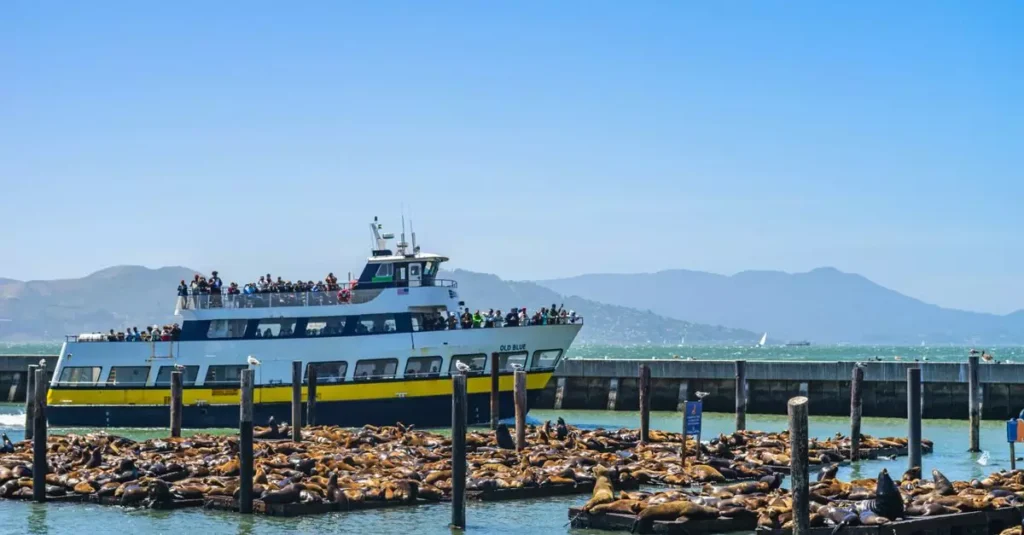
For those drawn to charismatic pinnipeds and penguins, polar regions and sub-Antarctic islands are essential destinations. Antarctica and South Georgia Island are unparalleled for observing vast colonies of penguins, including emperor, king, and gentoo species. Seals, such as leopard seals and Weddell seals, are also abundant in these icy realms. Along the coasts of North America, South America, and Australia, you can find colonies of sea lions and various seal species basking on shorelines or swimming playfully in the water. These mammals offer incredible close-up viewing opportunities.
When is the Best Time for Marine Wildlife Cruises?
Timing your marine wildlife cruise is crucial for maximizing your chances of incredible sightings. The best period often depends on the specific region and the animals you hope to encounter, as their movements are dictated by migration, breeding, and feeding cycles. Understanding these patterns allows for a more rewarding and successful expedition.
Seasonal Migration Patterns of Marine Mammals
Many marine mammals undertake vast migrations, often traveling thousands of miles between feeding grounds and breeding areas. For instance, humpback whales in Alaska are most visible during their summer feeding season, typically from May through September. Similarly, whale watching in Baja California, Mexico, peaks during the winter months (December to April) when gray whales migrate to warmer waters to calve. Planning your trip around these predictable movements is key for spotting large pods or solitary giants.
For those interested in observing cetaceans, researching the specific migration routes of species like orcas, dolphins, and various whale types in your chosen destination will pinpoint the optimal viewing windows. Some regions offer year-round opportunities, but peak seasons generally align with these grand migrations.
Breeding Seasons and Colony Activity
The presence of young animals often signifies a vibrant and active ecosystem, making breeding seasons a particularly exciting time for wildlife cruises. For example, penguin colonies in Antarctica are most active and accessible during their breeding season, which runs from October to February. During this period, you can witness mating rituals, egg-laying, and the bustling activity of chicks.
Similarly, sea lion and seal haul-outs are often at their most dynamic during breeding and pupping periods. In places like the Galápagos Islands, you can observe sea lion pups interacting with their mothers year-round, but specific periods might offer more concentrated viewing opportunities. These times also present unique photographic chances and a deeper understanding of the animals’ life cycles.
Optimal Weather Conditions for Viewing
Beyond animal behavior, weather plays a significant role in the comfort and success of a marine wildlife cruise. Calm seas and clear skies enhance visibility, both above and below the water. Regions like the Pacific Northwest of the United States and Canada often experience their best whale watching conditions during the summer and early autumn months (June to October) when the weather is generally more stable and less prone to storms.
Conversely, warmer climates might have distinct rainy seasons that can impact visibility and comfort. For example, while the waters around Hawaii offer opportunities to see humpback whales from December to May, the winter months can also bring rougher seas. Always check the local weather patterns for your destination and be prepared for a range of conditions, as even on clear days, ocean spray is common.
| Region | Peak Marine Mammal Sightings | Best Viewing Months | Notes |
|---|---|---|---|
| Alaska | Humpback whales, orcas, sea otters | May – September | Summer feeding season |
| Baja California | Gray whales, blue whales | December – April | Gray whale calving and migration |
| Antarctica | Penguins, seals, various whale species | October – February | Summer breeding and feeding season |
| Pacific Northwest | Orcas, humpback whales, minke whales | June – October | Stable weather, abundant prey |
| Galápagos Islands | Sea lions, dolphins, whales (seasonal) | Year-round | Specific species peak at different times |
| Hawaii | Humpback whales | December – May | Warmer waters for calving |
Packing Essentials for a Marine Wildlife Adventure
Embarking on a journey to witness marine life in its natural habitat requires thoughtful preparation. The conditions at sea can change rapidly, and being properly equipped enhances both comfort and the opportunity to observe. A well-packed bag ensures you’re ready for everything from sun-drenched decks to cool ocean breezes and unexpected wildlife sightings.
Must-Have Clothing for All Weather
Layering is key when preparing for a marine wildlife cruise. Days can start cool and become warm, with temperatures dropping significantly in the evening or when venturing to higher latitudes. Pack quick-drying fabrics like synthetics or merino wool. Include a waterproof and windproof outer shell, even in warmer climates, as sea spray and unexpected squalls are common.
- Base Layers: Moisture-wicking tops and bottoms (long-sleeved is preferable for sun protection).
- Mid Layers: Fleece jacket or insulated vest for warmth.
- Outer Layer: Waterproof and windproof jacket with a hood.
- Bottoms: Comfortable, quick-drying pants or shorts.
- Footwear: Non-slip deck shoes or waterproof boots are essential. Bring comfortable walking shoes for any shore excursions.
- Headwear: A wide-brimmed hat for sun protection and a warm beanie for cooler days.
- Swimsuit: For potential dips or specific excursions.
Consider the specific region you’re visiting. A cruise to the Galapagos Islands will have different clothing needs than one in the Arctic. Always check the typical weather patterns for your chosen destination and time of year.
Essential Photography Gear for Wildlife Shots
Capturing images of marine animals requires specific equipment to overcome distance and movement. Investing in a good camera and lenses can significantly enhance your ability to document the incredible sights. Many travelers find a telephoto lens indispensable for getting close-up shots of whales, dolphins, and seabirds without disturbing them.
A durable, waterproof camera bag is a wise investment to protect your gear from salt spray and moisture. Consider bringing extra batteries and memory cards, as you’ll likely be taking many photos. For those without professional equipment, even a high-quality smartphone with a waterproof case can yield impressive results, especially for documenting everyday sightings.
Binoculars and Observation Tools
While cameras are excellent for capturing memories, a good pair of binoculars is crucial for real-time observation. They allow you to scan the horizon for distant blows or pods of dolphins without constantly fiddling with camera settings. Look for binoculars with a magnification of 7x or 10x, which offer a good balance between stability and zoom power.
Waterproof and fog-proof models are particularly well-suited for marine environments. A comfortable neck strap will prevent accidental drops. Many expedition cruises also provide high-powered spotting scopes on deck, but having your own personal set ensures you don’t miss any fleeting moments.
Seasickness Remedies and First Aid
Seasickness can significantly detract from the experience if not managed. It’s wise to pack remedies even if you don’t typically suffer from motion sickness, as ocean conditions can be unpredictable. Options range from over-the-counter medications like Dramamine or Bonine to acupressure wristbands and natural remedies like ginger chews.
A basic first-aid kit is also a must. Include essentials like bandages, antiseptic wipes, pain relievers, and any personal medications. It’s also a good idea to pack sunscreen with a high SPF, lip balm with SPF, and after-sun lotion. Staying hydrated is important, so bring a reusable water bottle. For those prone to dehydration or experiencing seasickness, electrolyte powders can be beneficial.
Frequently Asked Questions About Marine Wildlife Cruises
What is the average cost of a marine wildlife cruise?
The cost of marine wildlife cruises varies significantly based on duration, destination, vessel type, and inclusions. Shorter trips to closer destinations might start around $2,500 per person for a 5-day expedition, while longer, more remote journeys, such as those to the Arctic or Antarctic, can range from $8,000 to $20,000 or more for a week or two. These prices often include accommodation, meals, and guided excursions.
Are these cruises suitable for families with children?
Many expedition cruises are designed to be educational and engaging for all ages, making them suitable for families. Look for operators that offer dedicated children’s programs, educational activities, and family-friendly cabin configurations. Destinations like Alaska or the Galapagos Islands offer a wealth of easily observable wildlife that captivates younger travelers. Always check the minimum age requirements with the cruise line, as some remote or challenging itineraries may have restrictions.
What safety precautions are taken on board?
Safety is paramount on marine wildlife expeditions. Vessels are equipped with advanced navigation and safety equipment, including lifeboats and rafts. Crew members are trained in emergency procedures and first aid. For excursions ashore or Zodiac (inflatable boat) landings, guides provide detailed safety briefings and ensure participants wear appropriate gear. Many operators also have strict protocols for wildlife viewing to ensure both guest and animal safety.
How can I book the best marine wildlife cruises?
To book the best marine wildlife cruises, start by researching reputable expedition cruise lines known for their wildlife focus and experienced guides. Consider your desired wildlife encounters and destinations; for instance, seeing polar bears requires a trip to the Arctic, while encountering penguins is common in Antarctica or the Falkland Islands. Booking directly with the cruise line or through a specialized travel agent can provide personalized advice and access to the best itineraries. Early booking is often recommended, especially for popular sailings or specific cabin types.