
Embarking on a culinary adventure to the best seafood islands offers a unique blend of pristine beaches and unforgettable flavors. Imagine savoring the freshest catch, expertly prepared, while the soothing sound of waves sets the perfect backdrop. This guide explores the world’s top island destinations where the ocean’s bounty is celebrated, from the sun-kissed tavernas of the Mediterranean to the rustic lobster shacks of North America and the vibrant markets of the tropics.
Discover how abundant marine life, rich culinary traditions, and stunning dining settings come together to create truly special experiences. We’ll highlight what makes these islands stand out for seafood lovers, including must-try dishes, the ideal times to visit for peak freshness, and practical tips for navigating your journey to these gastronomic havens. Prepare to plan your next delicious escape.
Top Islands for Fresh Catch: A Seafood Lover’s Paradise
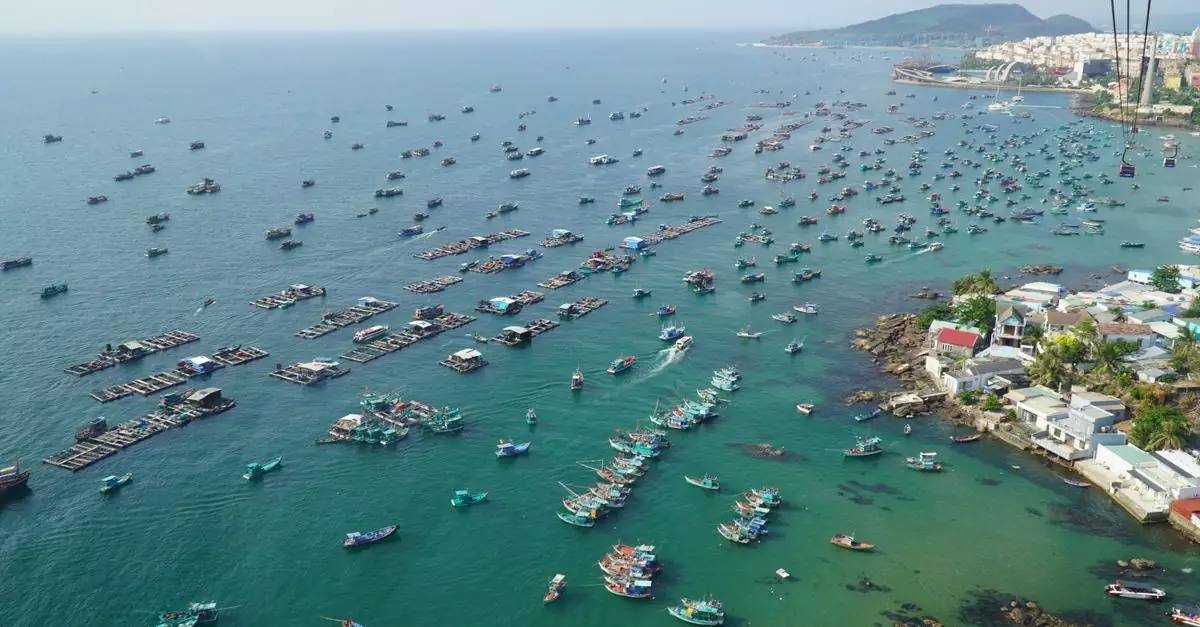
When planning a culinary getaway, few destinations rival islands celebrated for their abundant seafood. These coastal havens offer not only pristine beaches but also the freshest catches, often prepared with local flair in charming seaside eateries. From the Mediterranean to the Atlantic, several islands stand out as premier destinations for those seeking an unforgettable seafood experience.
Exploring the Culinary Delights of the Greek Islands’ Coastal Tavernas
The Greek Islands are synonymous with sun-drenched landscapes and vibrant blue waters, but their true culinary heart beats in the coastal tavernas. Here, seafood is more than a meal; it’s a way of life, deeply intertwined with local culture and traditions. Picture yourself at a table overlooking the Aegean Sea, where the salty breeze carries the aroma of grilled octopus and freshly caught fish.
Most islands, from the popular Cyclades like Santorini and Mykonos to lesser-known gems in the Dodecanese or Ionian Sea, boast exceptional seafood. Look for tavernas that display their daily catch, a sign of freshness and local sourcing. Grilled calamari, tender and lightly charred, is a staple, along with saganaki, featuring shrimp or mussels pan-fried in a rich tomato and feta sauce. Don’t miss local specialties like barbounia (red mullet) or psari plaki, a baked fish dish often prepared with tomatoes, onions, and herbs.
Getting to the Greek Islands typically involves flights to major hubs like Athens, followed by ferry or domestic flights to your chosen destination. Ferry travel provides a scenic introduction to the archipelago, with various service classes available based on your budget and comfort. For example, traveling from Athens to Crete by ferry can take 8 to 12 hours, while a flight is under an hour. Accommodation ranges from luxury resorts to charming family-run guesthouses, many within walking distance of excellent seafood restaurants.
Savoring Maine’s Lobster Shacks and Island Oysters
Along the rugged coast of Maine, a different kind of seafood paradise awaits. This region is globally famous for its sweet, succulent lobster, and experiencing it from a quintessential lobster shack is a rite of passage for any visitor. These no-frills establishments, often perched right on the water, serve lobster rolls, steamed lobster, and lobster bisque that are hard to beat.
Beyond lobster, Maine’s islands are gaining recognition for their exceptional oysters. Islands like Southport, Monhegan, and those off the coast of Portland host oyster farms that produce briny, clean-tasting bivalves. Many islands are accessible by ferry from mainland towns such as Portland or Rockland. A popular route is the ferry to Monhegan Island, a car-free artist colony that offers a tranquil escape and fantastic seafood dining options.
Traveling to Maine’s islands is best during the summer and early fall (June through October) for pleasant weather and open establishments. While lobster season runs year-round, summer months provide the quintessential experience. Lobster shacks are generally affordable, with a classic lobster roll costing around $20-$30 USD. Oysters can vary in price, but expect to pay a premium for freshly harvested local varieties. Consider staying in a cozy inn or a rental cottage on one of the islands for an immersive experience.
The Best Seafood Islands in the Caribbean: From Conch to Grouper
The Caribbean islands offer a tropical backdrop for an incredible array of fresh seafood. The warm, clear waters teem with diverse marine life, providing a bounty that fuels the islands’ vibrant culinary scenes. Here, seafood dishes are often infused with local spices and prepared with a distinct island flair.
Islands like the Bahamas, Turks and Caicos, and Barbados are particularly celebrated for their seafood. Conch, a large sea snail, is a Caribbean delicacy, prepared in various ways: cracked conch (fried), conch fritters, or in a refreshing conch salad. Grouper, snapper, and mahi-mahi are also widely available and often served grilled, baked, or fried, typically accompanied by rice, plantains, or a fresh salsa.
Reaching these islands usually involves flying into major international airports. From there, inter-island flights or ferries can transport you to smaller cays or more secluded destinations. For example, traveling between islands in the Bahamas might require a short domestic flight or ferry service.
When visiting, embrace the local culinary scene by seeking out beachside grills and local restaurants, often called “fish fries” or “cook-ups,” where the freshest catch is prepared daily. These casual settings provide an authentic taste of island life and cuisine. The best time to visit is generally during the dry season, from December to May, although seafood is consistently available year-round. Budget-wise, the Caribbean can range from moderately priced to quite luxurious, depending on the island and accommodation choices. Many resorts offer all-inclusive packages, while smaller islands might feature charming guesthouses and villas.
Why Are These Islands the Best Seafood Destinations?
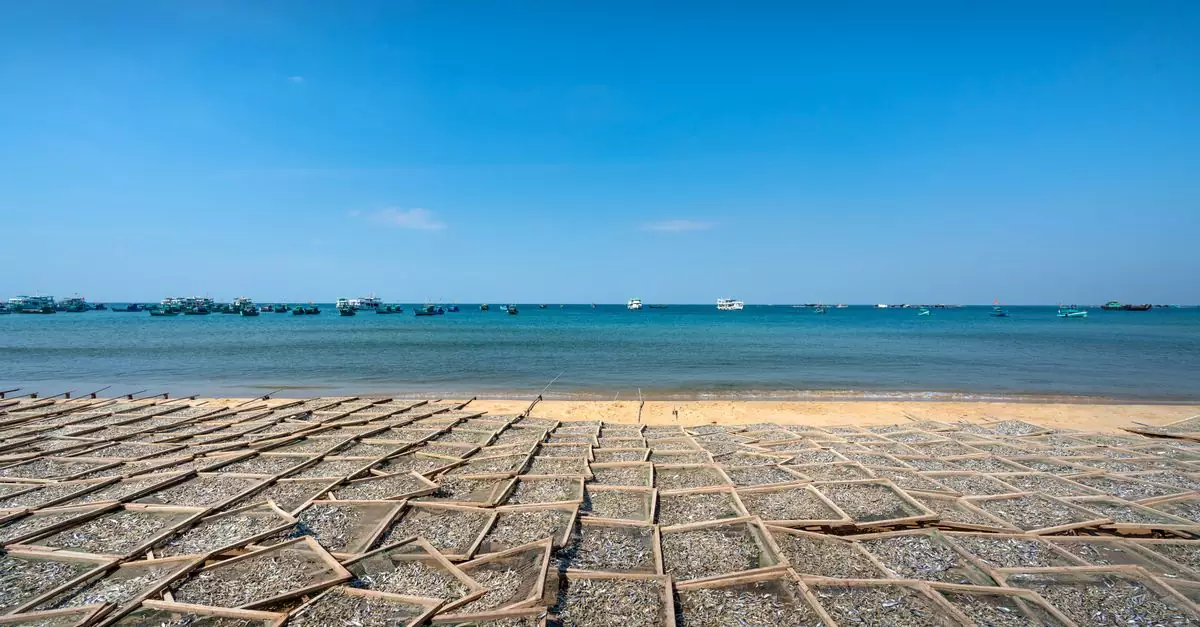
Choosing the best seafood islands for a culinary getaway involves more than just proximity to the ocean. It’s about a combination of factors that elevate a simple meal to an unforgettable experience. These islands provide a unique mix of fresh, high-quality catches, rich culinary heritage, and breathtaking dining environments, making them stand out for discerning food lovers.
Abundant Marine Life and Sustainable Fishing Practices
The foundation of any great seafood destination lies in the richness of its surrounding waters. Islands that consistently rank high for their seafood often benefit from diverse marine ecosystems, providing a wide variety of fish, shellfish, and crustaceans. Many of these prime locations are committed to sustainable fishing practices, ensuring the long-term health of their fisheries and the consistent availability of premium ingredients. This commitment benefits both the environment and guarantees a fresher, more flavorful product for visitors. Travelers seeking the best seafood islands will find that those prioritizing responsible harvesting often offer a superior dining experience.
Unique Island Culinary Traditions and Local Flavors
Beyond the raw ingredients, preparation methods are crucial. The best seafood islands possess distinct culinary traditions that have evolved over centuries, influenced by local ingredients, historical trade routes, and cultural practices. These traditions manifest in unique cooking methods, spice blends, and signature dishes that cannot be replicated elsewhere. The use of indigenous herbs, the art of smoking or grilling fish over open flames, and the creation of complex stews and curries all contribute to a unique island flavor profile. Engaging with these local tastes offers a deeper connection to the island’s culture and history.
The Allure of Dining with Ocean Views
The setting for a meal can be just as impactful as the food itself. Islands renowned for their seafood often provide spectacular dining backdrops. Imagine savoring freshly caught grilled fish with your toes in the sand, enjoying oysters at a harborside restaurant as fishing boats return, or indulging in a multi-course seafood tasting menu on a terrace overlooking a starlit bay. This sensory experience—the sound of waves, the salty breeze, and panoramic ocean vistas—enhances the enjoyment of the meal, transforming dining into a holistic island adventure. These elements combine to make the chosen best seafood islands truly special.
Planning Your Seafood Island Itinerary: What to Eat and Where

Embarking on a culinary journey to the best seafood islands requires a strategic approach to maximize your gastronomic adventures. Understanding local specialties and navigating vibrant markets is key to an unforgettable trip. This section offers practical insights for planning your seafood-centric island getaway.
Must-Try Seafood Dishes on the Amalfi Coast
The Amalfi Coast, a UNESCO World Heritage site, features a dramatic coastline dotted with charming towns and an abundance of fresh seafood. When visiting these Italian islands and coastal villages, be sure to try spaghetti alle vongole, a classic dish made with fresh clams, garlic, white wine, and parsley. Another local favorite is fritto misto di mare, a mixed fried seafood platter showcasing lightly battered and fried fish, shrimp, and calamari. For a taste of something truly regional, try pesce all’acqua pazza, or “fish in crazy water,” where white fish is gently poached in a flavorful broth of tomatoes, garlic, and herbs.
Timing your visit to the Amalfi Coast can significantly impact your seafood experience. The shoulder seasons, April to May and September to October, offer pleasant weather and fewer crowds, making market visits and restaurant reservations easier. While many restaurants boast stunning sea views, consider venturing into smaller trattorias for more authentic and often more affordable preparations. Expect to spend €20-€40 per person for a good seafood dinner, excluding drinks.
A Taste of the Pacific Northwest’s Best Island Oysters
The Pacific Northwest, particularly the San Juan Islands in Washington state, is renowned for its exceptional oysters. These cold, nutrient-rich waters produce plump, flavorful oysters with distinct briny notes. Look for Kumamoto, Pacific, and Olympia oysters, each offering a unique taste profile. A simple preparation of raw oysters on the half shell, served with a mignonette sauce and lemon, is the ultimate way to appreciate their freshness. Grilled oysters, often topped with garlic butter and Parmesan, are another popular and delicious option.
Visiting during the oyster harvest season, typically from September through April, ensures the freshest catch. Many island farms offer direct-to-consumer sales or farm tours where you can sample oysters straight from the source. Consider a road trip that includes stops at various oyster farms and restaurants across the islands. A meal of fresh oysters paired with local craft beer or wine can be a surprisingly affordable indulgence, with oyster plates often costing around $15-$25. For those interested in the science behind these delicacies, learning about the marine environment that supports island life can enhance the appreciation of their quality.
Navigating the Fish Markets of Southeast Asian Seafood Havens
Southeast Asia boasts some of the world’s most vibrant and diverse seafood markets, offering an unparalleled culinary adventure. Destinations like Thailand’s Koh Lanta, the Philippines’ Palawan, or Vietnam’s Phu Quoc Island are filled with fresh catches daily. Here, you can find everything from exotic reef fish and succulent prawns to tender squid and sea urchins. The best way to experience these markets is to arrive early, observe the bustling trade, and select your seafood directly from vendors. Many markets have adjacent cooking stalls or restaurants where your chosen catch can be prepared on the spot, grilled, steamed, or stir-fried to your preference.
When exploring these bustling hubs, be mindful of local customs and practice polite bargaining. Having local currency on hand is wise. While the sheer variety can be overwhelming, don’t hesitate to ask vendors for recommendations or to sample different types of seafood. The affordability is a major draw; you can often enjoy a feast of freshly prepared seafood for under $10-$15 per person. Understanding local fishing practices and the importance of sustainable seafood is also a valuable aspect of visiting these aquatic ecosystems. For a broader understanding of landmasses surrounded by water, one can learn more about the definition of an island.
When is the Ideal Time to Visit the Best Seafood Islands?
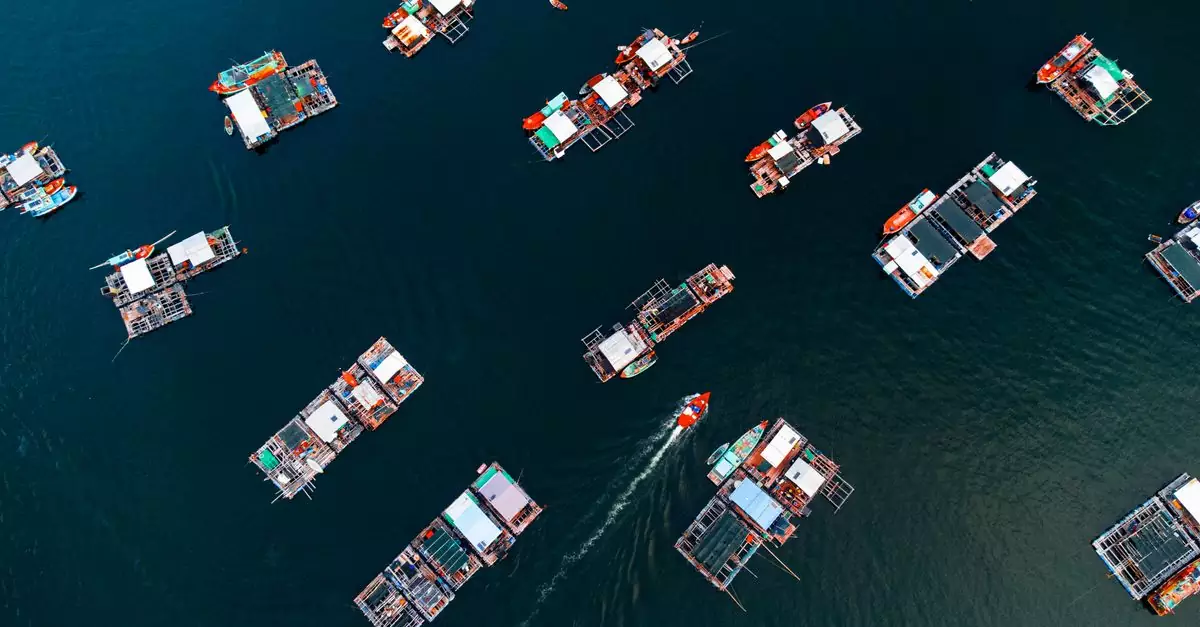
Choosing the right time to visit can greatly enhance your culinary getaway to the best seafood islands. Timing your trip strategically ensures you experience peak freshness of local catches, enjoy pleasant weather for dining al fresco, and potentially avoid the busiest tourist seasons.
Seasonal Catches: Peak Times for Lobster, Crab, and Shellfish
The bounty of the ocean varies by season and location, directly impacting the quality and availability of your seafood feast. Understanding these cycles is key to a memorable culinary journey. For instance, many northern regions experience peak lobster season during the summer months, typically from June through September, when lobsters are actively molting, resulting in sweeter, more tender meat.
Crab seasons can vary. Dungeness crab in the Pacific Northwest, for example, is often best in the colder months, from late autumn through early spring. Conversely, stone crab in Florida has a specific season running from mid-October to mid-May. Shellfish like oysters and mussels are often at their prime during cooler months, as warmer waters can affect their texture and flavor. Always check local advisories and fishing calendars for specific island destinations to pinpoint the freshest offerings.
Best Weather for Island Exploration and Waterfront Dining
Beyond the seafood itself, weather plays a crucial role in your overall island experience. Many popular seafood destinations, particularly those in temperate climates, enjoy their best weather during late spring and early autumn. These periods often offer a comfortable balance of sunshine and mild temperatures, perfect for exploring coastal towns, visiting local markets, and savoring meals with a view.
Summer months, while warm, can also bring higher humidity and intense sun, which might be less ideal for prolonged outdoor dining. Conversely, winter can bring colder temperatures and rougher seas, potentially impacting boat tours and the accessibility of some waterfront restaurants. Islands in tropical regions often have different weather patterns, characterized by wet and dry seasons rather than distinct temperature shifts. Researching the specific climate of your chosen island will help you pack appropriately and plan your days for maximum enjoyment.
Avoiding Crowds: Shoulder Seasons for a Relaxed Seafood Experience
For travelers who prefer a more tranquil atmosphere and easier access to popular restaurants, the shoulder seasons often represent the sweet spot. These periods, typically spring (April to May) and autumn (September to October), fall between peak summer travel and quieter winter months. During these times, you’ll find fewer crowds at attractions and restaurants, leading to a more relaxed pace and potentially shorter wait times for coveted waterfront tables.
Visiting during the shoulder season can also offer cost savings on accommodations and flights. The weather is often still pleasant, providing a fantastic opportunity to enjoy the island’s natural beauty and culinary delights without the bustling throngs of peak season. This allows for a more intimate connection with the local culture and a deeper appreciation for the island’s renowned seafood.
Getting to and Around Your Chosen Seafood Island
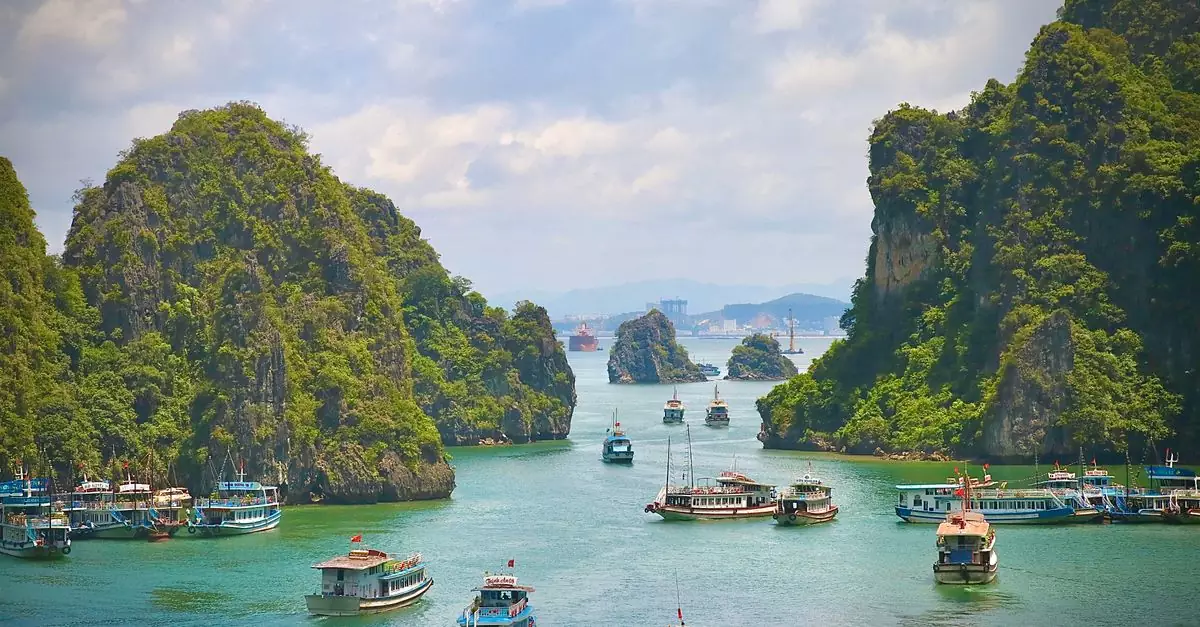
Reaching your chosen culinary destination often involves a multi-step journey, and understanding local transit is key to a smooth experience. Whether you’re dreaming of the Mediterranean, the Caribbean, or Southeast Asia, the logistics of arrival and daily movement can significantly impact your trip. Planning these details in advance ensures you spend less time troubleshooting and more time savoring fresh catches.
Island Hopping: Ferry Routes for Seafood Enthusiasts
For archipelagic destinations, ferries are often the lifeblood connecting islands and their culinary treasures. Researching ferry schedules in advance is crucial, especially during shoulder seasons when services might be reduced. Websites for regional ferry operators, such as Blue Star Ferries for Greece or CalMac for Scotland, provide essential timetables and booking information. Consider booking popular routes, particularly those connecting major hubs to sought-after seafood spots, a few weeks ahead to secure your passage.
A well-planned ferry itinerary can transform your trip into an exciting journey of discovery, allowing you to sample diverse seafood offerings from different locales. For instance, hopping between the Greek Cyclades might yield distinct octopus preparations on one island and superior grilled calamari on another. Factor in potential delays due to weather, which can be more common in winter months, and always have a backup plan or buffer time in your schedule.
Local Transportation Options: Scooters, Taxis, and Walking
Once you’ve arrived on your island, getting around typically involves a mix of convenient and charmingly rustic options. Many smaller islands are best navigated on foot, allowing for spontaneous detours to local markets or hidden coves. For more dispersed areas or to cover greater distances, renting a scooter or a small car is often practical and cost-effective, offering the freedom to explore at your own pace.
- Scooter Rental: Ideal for solo travelers or couples, providing flexibility. Ensure you have the appropriate license and always wear a helmet.
- Local Taxis: Available in most larger towns and can be hired for specific journeys or by the hour. Agree on the fare before starting your trip.
- Buses: Some islands have public bus networks connecting major villages and attractions, offering a budget-friendly option. Schedules can be infrequent, so check timings carefully.
- Walking: The best way to experience charming villages and coastal paths.
The availability and cost of these options vary widely. Islands like Nantucket in Massachusetts often have reliable bus services and a walkable downtown, while more remote destinations might rely heavily on taxis or require personal vehicle rental. Always check local recommendations for reputable rental agencies.
Navigating Remote Islands: Tips for Reaching Hidden Gems
Accessing truly remote islands, often home to some of the most authentic and freshest seafood experiences, requires extra planning. These locations may lack direct ferry services from major ports, necessitating smaller boat charters or regional flights. For example, reaching the more secluded islands of the Philippines or Indonesia might involve a combination of a domestic flight to a larger island followed by a smaller inter-island ferry or even a private boat hire.
When venturing to such places, be prepared for simpler infrastructure. Wi-Fi may be spotty, and ATM access could be limited, so carrying sufficient local currency is essential. Researching local contacts, such as hotel owners or tour operators, can provide invaluable insights into the best ways to reach these less-traveled shores and arrange local transport upon arrival. Understanding that some of the best seafood might be found in tiny, family-run establishments accessible only by a bumpy track or a short boat ride is part of the adventure. For those seeking ultimate seclusion, consider a private yacht charter that allows you to tailor your island-hopping itinerary precisely to your culinary desires.
Frequently Asked Questions About Seafood Island Vacations
What are the most affordable seafood islands?
Several islands offer fantastic seafood experiences without breaking the bank. For budget-conscious travelers, consider destinations in Southeast Asia like Koh Lanta in Thailand or Phu Quoc in Vietnam. These locations boast abundant local fishing communities, leading to fresh, inexpensive seafood dishes at local eateries and night markets. You can find delicious grilled fish, shrimp, and squid for a fraction of the cost compared to Western destinations. Another option is Isla Holbox off Mexico’s Yucatan Peninsula, which, while growing in popularity, still offers more affordable dining than its more developed neighbors.
Are there family-friendly seafood island resorts?
Absolutely. Many islands cater to families seeking a mix of beach fun and culinary delights. Maui in Hawaii offers a range of resorts with kid-friendly amenities, from shallow pools to supervised activities, alongside opportunities to enjoy local seafood. Look for resorts that offer kids’ menus featuring simpler preparations of fish or shrimp. Crete in Greece is another excellent choice, with its numerous family resorts and a culinary tradition that includes plenty of child-appealing seafood dishes like fried calamari or fish and chips, alongside opportunities for cultural exploration. For a more tropical vibe, the Maldives have resorts that, while often luxurious, provide family packages and dining options that can accommodate younger travelers.
What essential items should I pack for a seafood island trip?
Packing for a seafood island getaway involves preparing for sun, sea, and delicious food. Lightweight, breathable clothing is key, including swimwear, shorts, t-shirts, and sundresses. Don’t forget sun protection: a wide-brimmed hat, sunglasses, and high SPF sunscreen are crucial. Insect repellent is advisable, especially for evenings. Comfortable walking shoes or sandals are essential for exploring local markets and coastal paths. For dining, consider bringing a small, reusable bag for market purchases. If you plan on any adventurous water activities, a waterproof phone case can be very useful. Finally, a light rain jacket or poncho is wise, as tropical islands can experience sudden showers.