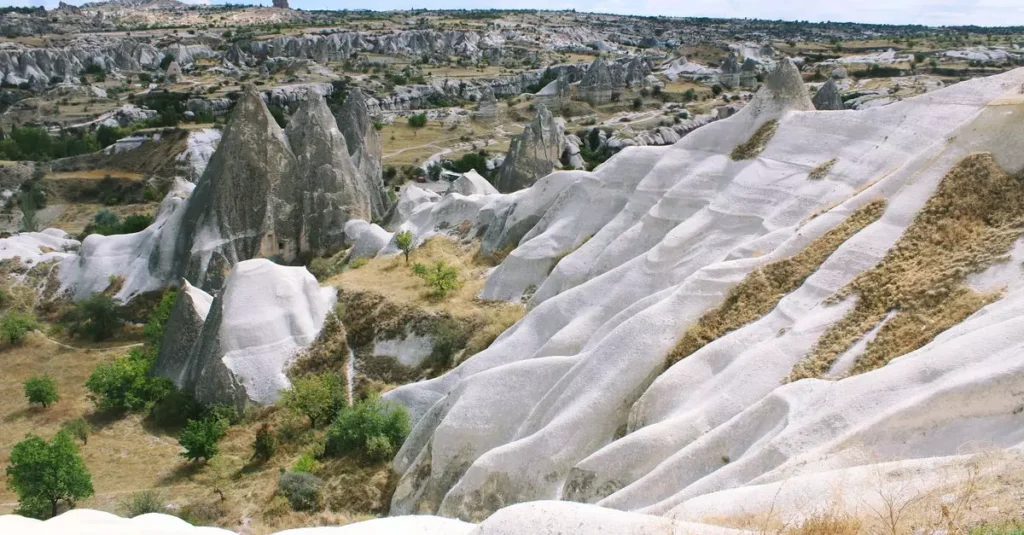
Turkey unfolds as a breathtaking tapestry of natural wonders, from the surreal landscapes of Cappadocia to the pristine turquoise waters of the Mediterranean coast. For travelers planning a visit in 2026, discovering the best scenic destinations Turkey has to offer promises an unforgettable journey. This guide delves into the most visually stunning locations, revealing unique geological formations, ancient sites nestled in dramatic settings, and idyllic coastal escapes that define the country’s diverse beauty. You’ll learn about must-see attractions, practical tips for visiting, and ideal times to experience their splendor. Prepare to be inspired as we explore the places where Turkey’s natural grandeur truly shines, setting the stage for your next adventure.
Unveiling the Best Scenic Destinations in Turkey for 2026

Turkey offers a stunning array of landscapes, from unique geological formations to vibrant coastal paradises. For travelers seeking awe-inspiring natural beauty in 2026, several locations stand out. These destinations promise unforgettable experiences, blending unique scenery with opportunities for adventure and relaxation. Planning your trip around these areas will ensure breathtaking views and memorable moments.
Cappadocia’s Fairy Chimneys: Hot Air Balloons Over a Lunar Landscape
Cappadocia, a region in central Turkey, is world-renowned for its distinctive “fairy chimneys”—tall, cone-shaped rock formations sculpted by erosion over millennia. This otherworldly landscape is best viewed from above, making a hot air balloon ride an essential experience. Sunrise flights offer a magical perspective as the balloons ascend over the valleys, casting long shadows and illuminating ancient cave dwellings carved into the rock.
Exploring Cappadocia on foot or by ATV reveals hidden valleys, ancient churches adorned with frescoes, and underground cities like Derinkuyu. The Göreme Open-Air Museum, a UNESCO World Heritage site, showcases remarkably preserved rock-cut churches and monasteries. Visiting during the shoulder seasons, April to May or September to October, offers pleasant weather and fewer crowds.
Logistics for Cappadocia:
- Getting There: The nearest airports are Nevşehir Kapadokya Airport (NAV) and Kayseri Erkilet Airport (ASR), with regular domestic flights from Istanbul.
- Accommodation: Options range from luxury cave hotels to charming boutique guesthouses. Booking in advance is recommended, especially for popular cave suites.
- Budget: Hot air balloon rides can be a significant expense, typically costing between €150-€250 per person. Other activities and dining are moderately priced.
Pamukkale’s Travertines: The Cotton Castle of Denizli
Pamukkale, meaning “Cotton Castle” in Turkish, is a natural wonder located in Denizli Province. It features dazzling white terraces formed by mineral-rich thermal waters cascading down a hillside. These calcium carbonate formations create shallow pools that reflect the sky, resembling a frozen waterfall or a cottony landscape.
Visitors can walk barefoot on the travertines, experiencing the warm, therapeutic waters. The adjacent ancient Roman city of Hierapolis adds historical significance, with well-preserved ruins including a large theatre and a necropolis. While swimming is restricted to designated areas to protect the delicate formations, the visual spectacle is immense.
Timing Your Pamukkale Visit:
- Best Time: Spring (April-May) and autumn (September-October) offer comfortable temperatures for exploring. Summers can be very hot.
- Day Trip vs. Overnight: Although possible as a day trip from Denizli or Antalya, staying overnight allows for a more relaxed experience, including visits during sunrise or sunset when crowds are thinner.
- Preservation: Be aware of ongoing preservation efforts; access to some areas may be limited.
Ölüdeniz’s Blue Lagoon: Turquoise Waters and Paragliding Paradise
Located on Turkey’s southwestern Turquoise Coast, Ölüdeniz is celebrated for its stunning Blue Lagoon and dramatic mountain backdrop. The lagoon, a protected national park, offers calm, crystal-clear turquoise waters perfect for swimming and sunbathing. Its iconic crescent-shaped beach is one of the most photographed spots in the region.
Ölüdeniz is also recognized as a premier paragliding destination. Flights launch from Babadağ mountain, providing unparalleled aerial views of the coastline and lagoon. Tandem flights are accessible to beginners, offering an exhilarating way to experience the area’s natural beauty. Beyond the beach and paragliding, the nearby Butterfly Valley offers a more secluded retreat accessible by boat.
Ölüdeniz Travel Insights:
- Getting Around: Ölüdeniz is a short drive from Fethiye. Local dolmuş (minibuses) provide easy transport between the main town and the beach.
- Activities: Beyond swimming and paragliding, boat trips to nearby islands and coves are popular. Scenic hiking trails also offer breathtaking viewpoints.
- Seasonality: The peak season runs from June to September, with warm, sunny weather ideal for beach activities and water sports. The shoulder months of May and October are also pleasant.
Beyond the Crowds: Hidden Natural Wonders in Turkey
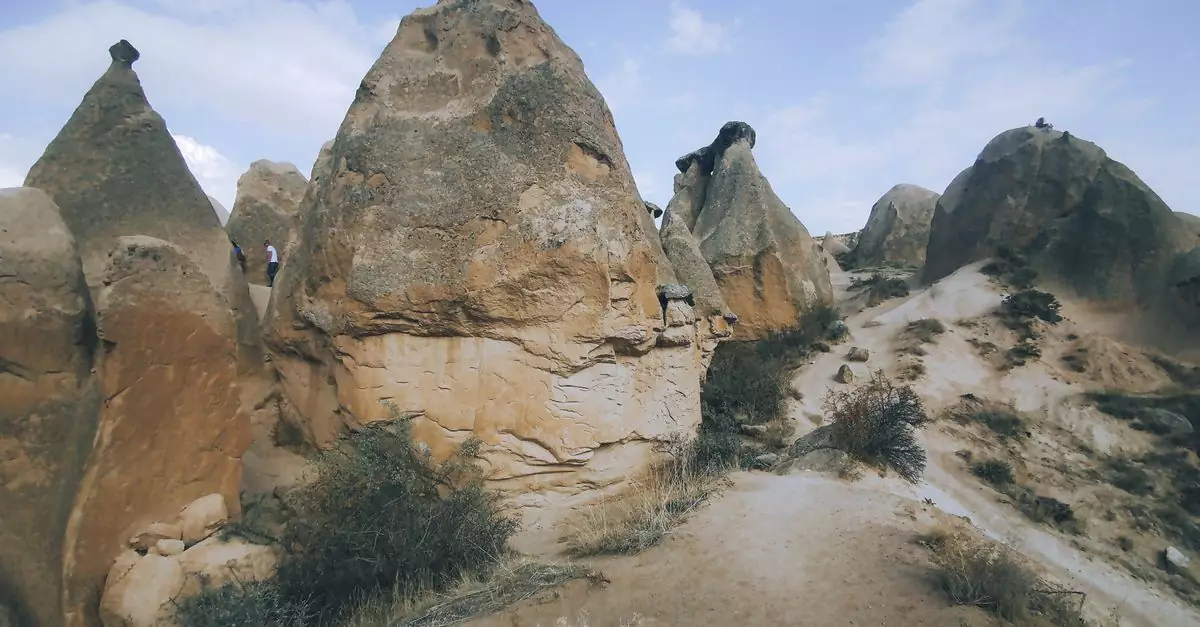
While Turkey is renowned for its bustling cities and ancient ruins, its natural landscapes offer equally compelling experiences, often with fewer crowds. For travelers seeking dramatic scenery off the typical tourist path, these destinations provide a unique glimpse into Turkey’s diverse topography and rich history.
Kapadokya’s Ihlara Valley: Hiking Through Ancient Monasteries
Often overshadowed by the fairy chimneys of Ürgüp and Göreme, the Ihlara Valley in Cappadocia presents a different kind of geological wonder. This deep canyon, carved by the Melendiz River, stretches for approximately 14 kilometers and is dotted with ancient rock-cut churches and monasteries. Hiking along the valley floor offers a cool respite from the Anatolian sun, with the river flowing alongside trails shaded by poplar trees.
The valley is easily accessible, with organized tours from Göreme or Kayseri often including transport. Independent travelers can reach the valley entrance via taxi or local bus. The hike itself is moderately challenging, with uneven terrain and some stairs leading down into the canyon. The reward for your effort is the discovery of over 100 rock-hewn structures, many adorned with faded frescoes that hint at a vibrant monastic past. Visiting early in the morning or late afternoon enhances the experience, offering softer light and fewer fellow hikers.
Butterfly Valley (Kelebekler Vadisi): A Secluded Aegean Gem
Tucked away on the Lycian Coast near Fethiye, Butterfly Valley (Kelebekler Vadisi) is a remote haven accessible primarily by boat. This stunning natural amphitheater, enclosed by steep cliffs, is known for its namesake butterflies that flock to the area in spring and early summer. Reaching the valley requires a scenic boat trip from Ölüdeniz or Fethiye, with many day-trip options available.
Once ashore, visitors can swim in the clear turquoise waters, relax on the pebble beach, or hike to a small waterfall at the valley’s rear. Accommodations are rustic, typically consisting of basic bungalows or tents for those wishing to stay overnight and disconnect. The valley’s isolation adds to its charm, offering a tranquil escape from more developed coastal resorts. Be aware that mobile phone reception is limited, and amenities are basic, so come prepared. The best time to visit for butterfly sightings is typically April through October, though the peak season for butterflies is in spring.
Mount Nemrut’s Summit Statues: Sunrise Over the Commagene Kingdom
For a truly awe-inspiring spectacle, the summit of Mount Nemrut in southeastern Turkey offers a unique blend of natural beauty and ancient mystery. Here, colossal statues of gods and kings, erected by King Antiochus I Theos of Commagene in the 1st century BCE, lie scattered around a royal tomb. The most dramatic experience is witnessing the sunrise from the summit, as the first light illuminates the weathered stone figures and the vast mountain landscape.
Reaching the summit requires an early start, often departing from the nearby towns of Kahta or Adıyaman well before dawn. Organized tours are the most common way to access the mountain, providing transportation and often guides. The final ascent involves a short walk over rocky terrain. The panoramic views at sunrise are breathtaking, with the valleys of the Euphrates and the surrounding Anatolian plateau stretching out below. The statues, despite centuries of erosion, retain an imposing presence, offering a poignant reminder of a forgotten kingdom. The best viewing season is generally from April to October, as winter conditions can make the mountain inaccessible.
Coastal Charms: Turkey’s Most Picturesque Seaside Escapes
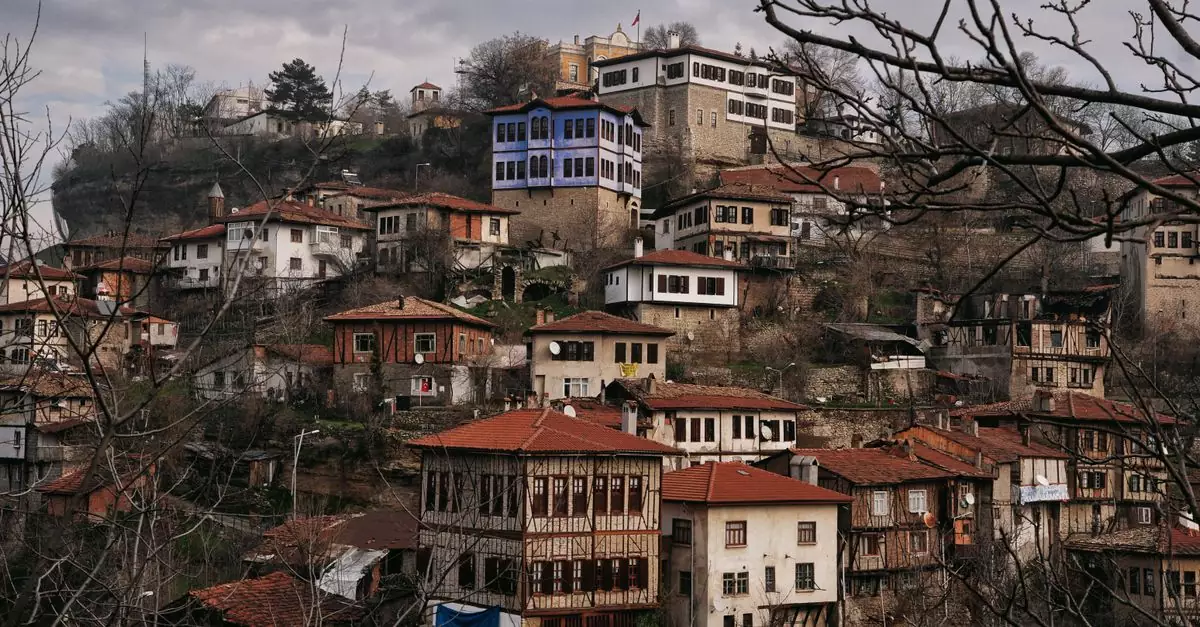
Turkey’s coastline offers a stunning array of scenic destinations, from ancient ruins overlooking turquoise waters to tranquil islands dotted with vineyards. These seaside escapes provide a refreshing counterpoint to the country’s inland historical sites, inviting travelers to embrace the Mediterranean and Aegean lifestyles.
Kaş’s Ancient Theatre and Colorful Harbor
Kaş, a charming small town on the Lycian coast, captivates visitors with its vibrant harbor and well-preserved ancient theater. This theater, perched on a hillside, offers breathtaking panoramic views of the Mediterranean Sea and surrounding islands, making it a memorable spot for history buffs and landscape admirers. Wandering through the town’s narrow streets reveals boutique shops, cozy cafes, and bougainvillea cascading over whitewashed buildings.
The harbor itself is a hub of activity, with colorful fishing boats bobbing alongside larger vessels offering day trips to nearby attractions like the sunken city of Kekova. For travelers seeking an authentic glimpse into coastal Turkish life, Kaş provides an unhurried pace and stunning natural beauty. Getting to Kaş typically involves flying into Dalaman Airport (DLM) or Antalya Airport (AYT) and then taking a bus or private transfer.
The Turquoise Coast: Exploring Antalya’s Dramatic Cliffs
Antalya province, often referred to as the Turquoise Coast, boasts some of Turkey’s most dramatic and beautiful seaside scenery. Beyond the popular resorts, the region features rugged cliffs that plunge into the impossibly blue waters of the Mediterranean. Areas like the Olympos Valley and Çıralı offer a more natural and less developed experience, with ancient ruins scattered amidst pine forests and a protected beach known for its loggerhead sea turtles.
Further along the coast, the Duden Waterfalls dramatically cascade directly into the sea, creating a spectacular visual display. Exploring these areas often requires a rental car or utilizing local dolmuş (minibus) services for flexibility. The best time to visit this region for pleasant weather and fewer crowds is typically late spring (May-June) or early autumn (September-October).
Bozcaada Island: Vineyards and Aegean Breezes
Bozcaada, a picturesque island in the Aegean Sea, offers a distinctively Greek-influenced charm with its cobblestone streets, historic windmills, and abundant vineyards. This car-free (within the main town) island is a haven for those seeking a relaxed atmosphere, delicious local wines, and fresh seafood. The island’s main town, also called Bozcaada, is a delightful maze of charming houses, artisan shops, and inviting tavernas.
Reaching Bozcaada involves a ferry from the mainland town of Geyikli. The journey is short and offers lovely sea views. The island is particularly popular during the summer months for its beaches and lively atmosphere, but spring and autumn provide a more tranquil experience, perfect for wine tasting and enjoying the island’s natural beauty. Bozcaada exemplifies Turkey’s diverse and beautiful best scenic destinations Turkey has to offer, blending natural splendor with cultural richness.
What’s the Best Time to Witness Turkey’s Scenic Beauty?
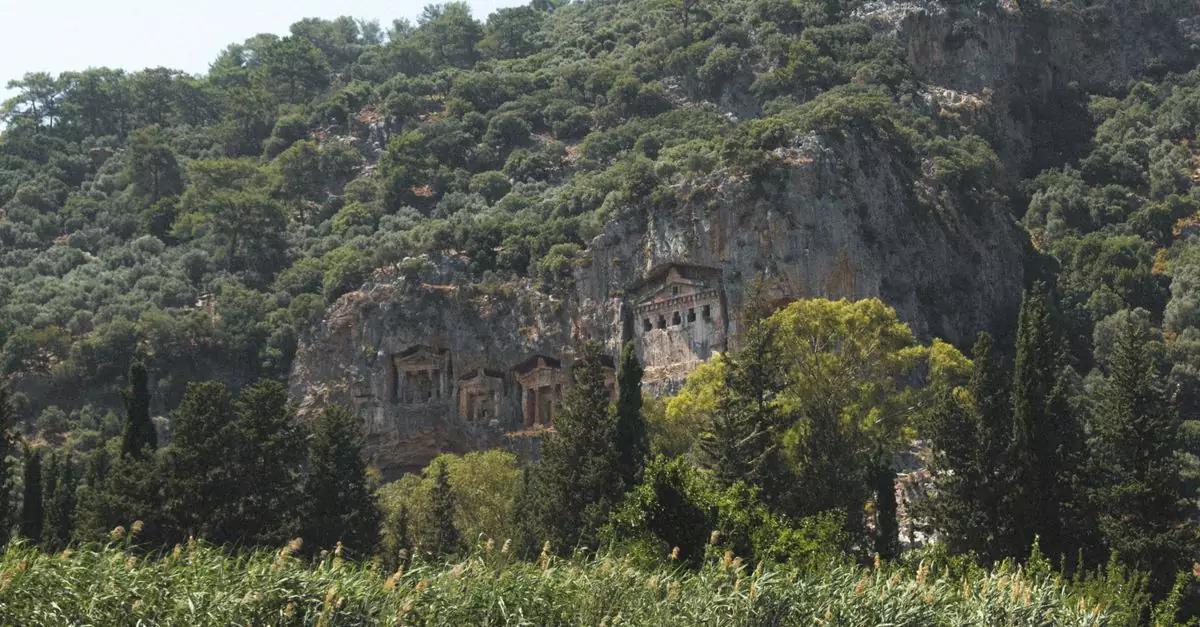
Turkey’s diverse landscapes offer stunning vistas year-round, but timing your visit can significantly enhance your experience. Understanding seasonal nuances helps in choosing the best scenic destinations Turkey has to offer for your specific interests, whether you seek blooming wildflowers or snow-capped mountains.
Spring (April-May): Wildflowers and Mild Temperatures
Spring is a spectacular time to visit Turkey, especially for its natural beauty. The landscape bursts into vibrant color as wildflowers carpet the hillsides, particularly in regions like Cappadocia and along the Lycian Way. Temperatures are pleasantly mild, averaging between 15-25°C (59-77°F) across much of the country, making it ideal for outdoor activities like hiking and exploring ancient ruins without the intense heat of summer.
Coastal areas begin to warm up, offering comfortable conditions for exploring the Turquoise Coast before the peak tourist season. This shoulder season also means fewer crowds at popular sites, allowing for a more relaxed experience. It’s a prime time for photographers and nature enthusiasts keen on capturing Turkey’s ephemeral floral displays.
Autumn (September-October): Golden Hues and Harvests
Autumn brings a different kind of beauty to Turkey, characterized by a rich palette of golden and red hues as the leaves change. The weather remains agreeable, with warm days and cooler evenings, typically ranging from 18-28°C (64-82°F). This season is perfect for exploring the historical sites of Istanbul and Ephesus, as well as the dramatic landscapes of Cappadocia, where golden light casts a magical glow.
The harvest season adds a cultural dimension, with local produce readily available. The seas along the Aegean and Mediterranean coasts are still warm enough for swimming in early autumn. This period is also excellent for trekking, as the trails are less crowded and the air is crisp. Many travelers find this season offers the best balance of pleasant weather and manageable crowds.
Summer (June-August): Coastal Sun and Peak Season
Summer in Turkey is synonymous with sun-drenched beaches and vibrant coastal resorts along the Aegean and Mediterranean. Temperatures soar, often exceeding 30°C (86°F), making it the ultimate season for sun-seekers and water sports enthusiasts. Destinations like Antalya, Bodrum, and Fethiye are at their liveliest, though also at their busiest and most expensive.
While the coast thrives, inland regions like Cappadocia can experience high temperatures, making daytime exploration challenging. However, the long daylight hours and clear skies are beneficial for certain activities. If you plan to visit during summer, booking accommodations and flights well in advance is crucial. For those prioritizing beach time and a lively atmosphere, this is the season to go.
Winter (November-March): Snow-Dusted Landscapes and Fewer Crowds
Winter transforms certain parts of Turkey into serene, snow-dusted landscapes. Cappadocia’s fairy chimneys dusted with snow offer a unique and magical vista, attracting photographers and those seeking a quieter, more atmospheric experience. The Black Sea region also receives significant snowfall, creating picturesque mountain scenes.
Temperatures can drop significantly, especially in the interior and eastern parts of the country, with averages often below 10°C (50°F) and snow common at higher elevations. While not ideal for beach holidays, winter is an excellent time to experience Turkey’s cultural cities like Istanbul with fewer tourists and potentially lower prices. Ski resorts in regions like Bursa and Erzurum are operational. For travelers interested in dramatic, quiet scenery and a budget-friendly trip, winter offers a compelling alternative.
Navigating Turkey’s Scenic Routes: Transportation Tips

Turkey’s vast and varied landscapes offer incredible opportunities for road trips and scenic journeys. Planning your transportation is key to maximizing your experience, whether you’re traversing dramatic coastlines or exploring ancient volcanic terrains.
Flying Between Major Scenic Hubs: Istanbul to Cappadocia
For travelers looking to cover significant distances quickly, domestic flights are an efficient option. The route between Istanbul and Cappadocia (served by Kayseri or Nevşehir airports) is a prime example. Numerous daily flights connect these two iconic destinations, saving considerable travel time compared to overland routes. Airlines like Turkish Airlines and Pegasus operate this popular corridor, often with competitive pricing if booked in advance. Arriving by air allows you more time to immerse yourself in the unique fairy chimneys of Cappadocia or the vibrant energy of Istanbul.
Intercity Buses: An Affordable Way to See the Country
Turkey boasts an extensive and remarkably efficient intercity bus network. For budget-conscious travelers, buses offer a comfortable and cost-effective way to reach many of the country’s best scenic destinations. Companies like Metro Turizm, Kamil Koç, and Pamukkale Turizm connect virtually every city and town. Modern buses are generally well-maintained, featuring reclining seats, Wi-Fi, and onboard service. Journeys can be long, but they provide a fantastic opportunity to observe changing landscapes and local life. Booking tickets in advance, especially for popular routes or during peak season, is advisable.
Renting a Car for Coastal Road Trips
To truly embrace the freedom of Turkey’s stunning coastlines, particularly along the Aegean and Mediterranean, renting a car is highly recommended. This allows you to stop at secluded coves, charming fishing villages, and ancient ruins at your own pace. Major rental agencies operate at airports and in larger cities. It’s wise to book your rental vehicle in advance, especially if you require an automatic transmission or a larger vehicle. Ensure you have an International Driving Permit (IDP) if your home country’s license is not in English or Latin script. Driving in Turkey is generally on the right side of the road, and while main roads are well-maintained, smaller coastal routes can be winding.
Local Dolmuş and Taxis for Shorter Distances
Once you’ve reached a scenic region, local transportation options become essential for deeper exploration. Dolmuş are shared minibuses that operate on fixed routes within towns and between nearby villages. They are incredibly affordable and offer a glimpse into daily Turkish life. Taxis are also readily available, particularly in urban areas and tourist hubs. Always ensure the meter is used or agree on a fare beforehand for longer taxi journeys. For navigating within a specific scenic area like the historic streets of Antalya or the winding paths of a coastal town, these local options are invaluable.
Frequently Asked Questions About Turkey’s Scenic Destinations
Are Turkey’s scenic spots suitable for family travel?
Many of Turkey’s most beautiful natural areas offer engaging experiences for families. Places like Cappadocia, with its unique fairy chimneys, provide opportunities for hot air balloon rides and exploring cave dwellings, which children often find fascinating. The coastal regions, particularly around Antalya or Fethiye, offer beaches and boat trips that cater well to family fun. However, some more remote or rugged landscapes might require careful planning and supervision for younger children. Always check accessibility and activity suitability beforehand.
What should I pack for a trip focusing on Turkey’s natural landscapes?
Packing for Turkey’s diverse scenic destinations requires versatility. For mountainous or inland regions, layers are key, including a waterproof and windproof outer shell, comfortable hiking boots, and warm clothing, even in summer for cooler evenings. For coastal areas, swimwear, light clothing, sunscreen, and a hat are essential. Regardless of the region, a reusable water bottle, a basic first-aid kit, and insect repellent are advisable. Consider a good camera to capture the stunning vistas.
How can I experience local culture while visiting these scenic areas?
Interacting with local culture is straightforward when visiting Turkey’s scenic spots. Staying in smaller towns or villages near natural attractions often provides more authentic encounters than large tourist hubs. Seek out local restaurants for traditional Turkish cuisine and consider visiting local markets for handmade crafts and regional produce. Engaging with guides who are knowledgeable about local history and traditions can also enrich your experience. Even simple interactions, like learning a few basic Turkish phrases, can open doors to genuine connections.
What are some common tourist mistakes to avoid in Turkey?
A common pitfall is underestimating the travel time between destinations; Turkey is vast, and journeys can be lengthy. Rushing through multiple locations in a short period means you miss the depth of each place. Another mistake is not respecting local customs, especially when visiting religious sites. Dress modestly and be aware of prayer times. Finally, relying solely on credit cards can be problematic in smaller towns or markets; carrying some Turkish Lira is always a good idea. For current events and regional context, understanding the Middle East is also beneficial.