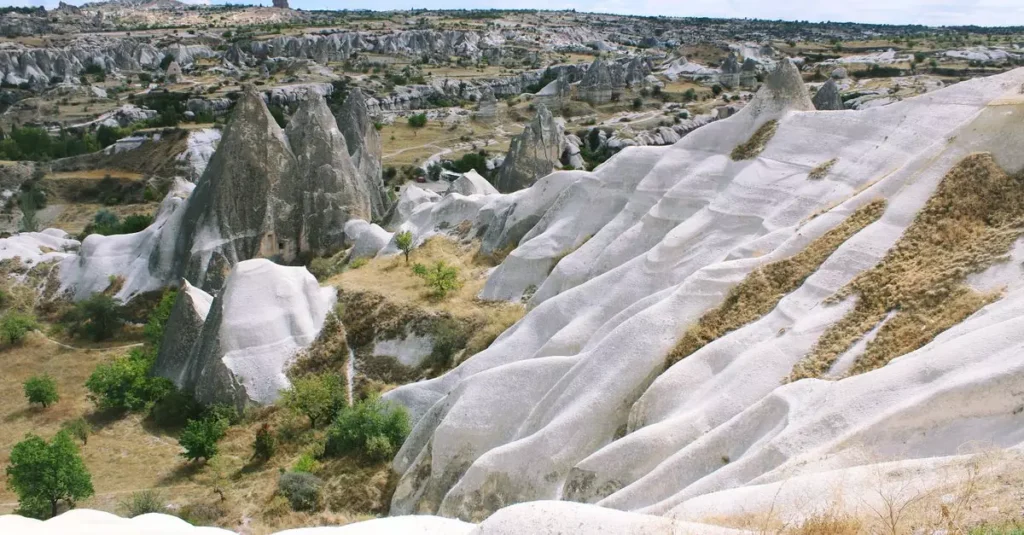
The Middle East, a region celebrated for its rich history and vibrant culture, also boasts stunning natural beauty waiting to be explored. Beyond bustling souks and ancient ruins lie dramatic deserts, serene coastlines, and majestic mountain ranges, each offering unique adventures and breathtaking vistas. If you’re seeking the best nature escapes in the Middle East, you’ll find a surprising diversity of environments—from the otherworldly sands of Wadi Rum to the vibrant coral reefs of the Red Sea and the cool heights of Oman’s Al Hajar Mountains. This guide introduces remarkable destinations, detailing what makes each special and providing insights for planning your unforgettable journey into the wild heart of the region. Prepare to discover a side of the Middle East you may not have imagined.
Unveiling the Middle East’s Most Breathtaking Natural Wonders
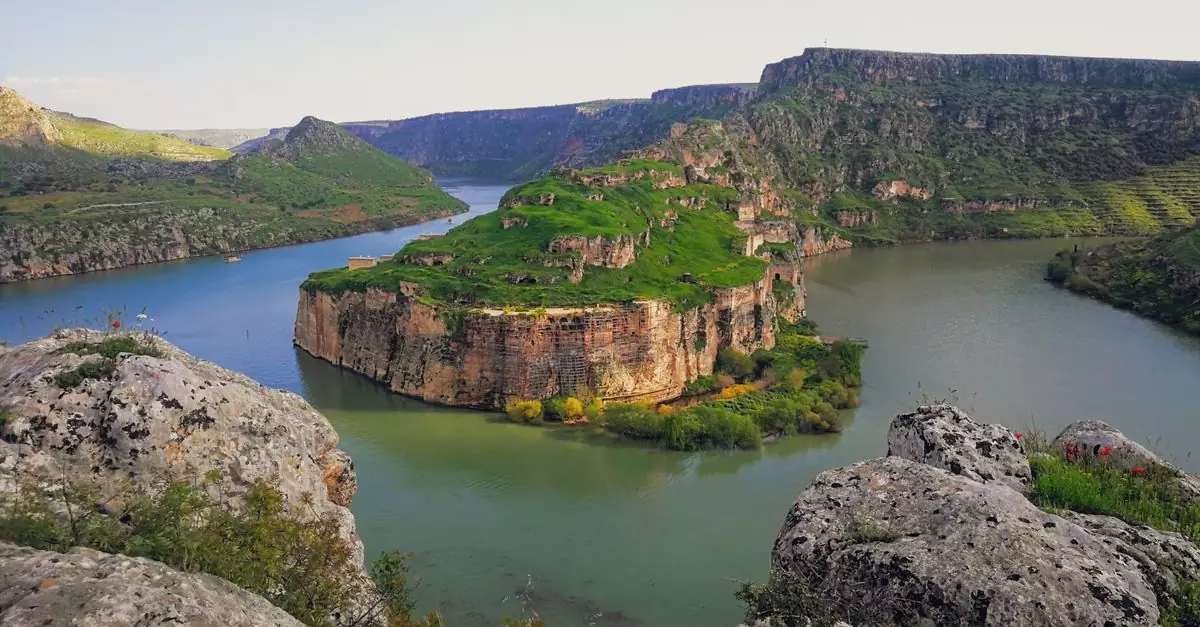
While often recognized for its ancient cities and rich history, the Middle East also harbors some of the world’s most striking natural landscapes. Beyond urban centers, vast deserts, towering mountains, and serene oases offer unparalleled opportunities for adventure and reflection. Exploring these remote locations provides a unique perspective on the region’s diverse geography, presenting a refreshing contrast to its bustling metropolises. For travelers seeking the best nature escapes, these destinations promise awe-inspiring vistas and unforgettable experiences.
Wadi Rum: Jordan’s Martian Desert Landscape
Often called the “Valley of the Moon,” Wadi Rum in southern Jordan is a UNESCO World Heritage site renowned for its dramatic sandstone mountains, towering rock formations, and sweeping red sand dunes. This vast desert landscape feels otherworldly, with towering jebels (mountains) and ancient petroglyphs etched into the rock faces. The sheer scale and silence of Wadi Rum are profoundly moving.
Getting to Wadi Rum is straightforward, typically involving a drive from Aqaba or Petra. Most visitors opt for guided jeep tours to navigate the rugged terrain, many of which include overnight stays in Bedouin camps. These camps range from basic to luxurious, offering a chance to experience traditional hospitality under a canopy of stars. Essential preparations include ample water, sun protection, and layers for cooler desert nights. The best times to visit are spring (March to May) and autumn (September to November) for pleasant temperatures.
The Empty Quarter (Rub’ al Khali): Saudi Arabia’s Vast Sand Sea
The Rub’ al Khali, or “Empty Quarter,” is the largest contiguous sand desert in the world, stretching across Saudi Arabia, Oman, Yemen, and the United Arab Emirates. Within Saudi Arabia, it presents an immense, sparsely populated expanse of towering dunes, some reaching hundreds of meters high. This true wilderness demands respect and careful planning for any expedition.
Accessing the Empty Quarter typically requires a robust 4×4 vehicle and experienced guides, especially for deeper exploration. Adventures here often involve dune bashing, sandboarding, and camping in remote locations. Due to its extreme environment, visiting the Empty Quarter is best suited for seasoned adventurers. The cooler months, from October to March, offer the most favorable conditions for desert travel, though temperatures can still be significant. Safety is paramount; travelers should be well-equipped with navigation tools, sufficient fuel, water, and communication devices. For broader context, exploring resources on the Middle East can provide valuable insights.
Jebel Shams: Oman’s Grand Canyon Adventure
Jebel Shams, meaning “Sun Mountain,” is the highest peak in Oman and offers a dramatic spectacle, often referred to as Oman’s Grand Canyon. The mountain plateau overlooks a breathtaking canyon, with sheer cliffs dropping over a kilometer. The panoramic views from the summit are especially stunning at sunrise and sunset.
Travelers can reach Jebel Shams by car, with a 4×4 recommended for the final ascent to the main viewpoints and hiking trails. Popular activities include hiking along the canyon rim, particularly the Balcony Walk, which offers incredible vistas without requiring technical climbing skills. Accommodation options range from rustic mountain resorts to guesthouses in nearby villages. The best time to visit is during the cooler winter months, from October to April, when daytime temperatures are pleasant for outdoor activities. Visitors should prepare for cooler evenings and potentially windy conditions at higher altitudes.
Coastal Gems: Turquoise Waters and Pristine Beaches
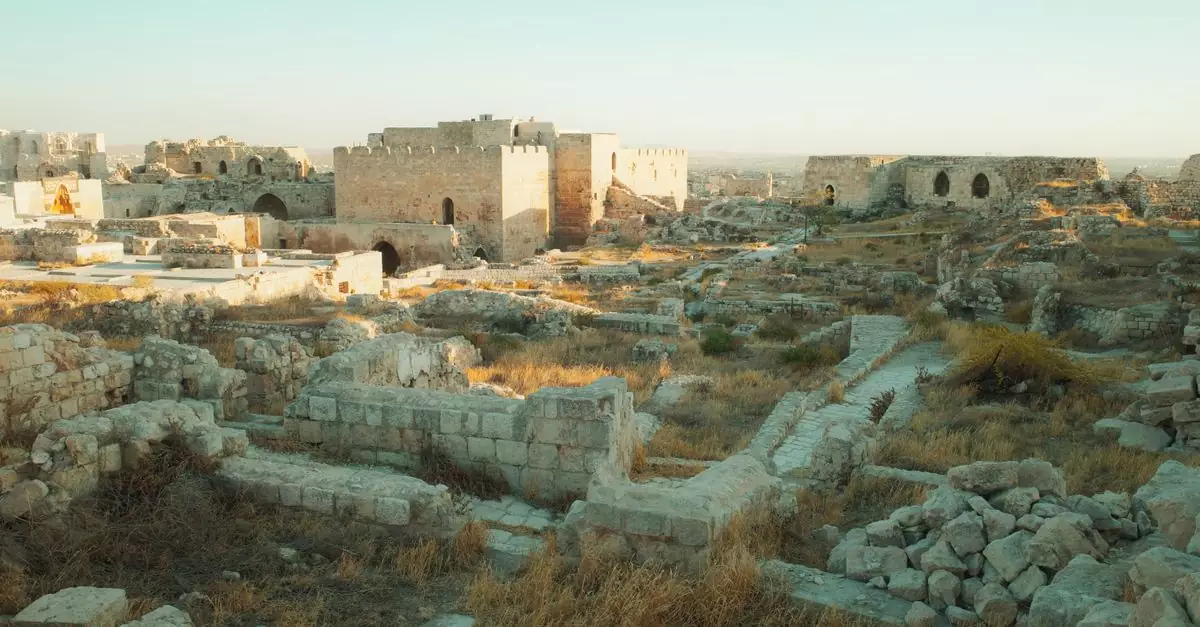
The Middle East’s extensive coastlines present a different kind of natural beauty, moving beyond arid landscapes to reveal vibrant marine life and tranquil seaside retreats. These destinations provide a refreshing contrast, showcasing the region’s diverse ecosystems and offering opportunities for water-based adventures.
Ras Mohammed National Park, Egypt: Red Sea Diving Paradise
For divers and snorkelers, Ras Mohammed National Park near Sharm El Sheikh is a world-class destination. Situated at the southern tip of the Sinai Peninsula, this protected area boasts some of the most spectacular coral reefs in the Red Sea. The park’s underwater topography features dramatic drop-offs, vibrant coral gardens, and abundant fish species.
Key diving sites like Shark Reef and Yolanda Reef are renowned for their sheer walls teeming with marine life, from schools of barracuda to moray eels. Visibility is often excellent, making it a prime location for underwater photography. Access to the park is typically arranged through dive centers in Sharm El Sheikh, which can also provide boat trips and equipment rental. Visiting during spring (March to May) or autumn (September to November) offers pleasant weather and optimal diving conditions, avoiding the summer heat.
Qeshm Island, Iran: Geopark Wonders and Mangrove Forests
Qeshm Island, located in the Strait of Hormuz, is Iran’s largest island and a UNESCO Global Geopark. Its unique geological formations, including canyons, salt caves, and striking rock formations like Stars Valley, attract visitors interested in natural wonders. The island’s diverse landscapes showcase millions of years of geological activity.
A significant ecological feature of Qeshm is its extensive mangrove forests, known as the Hara Marine Ecosystem. These coastal woodlands serve as vital nurseries for marine life and habitats for various bird species, including flamingos during migration seasons. Boat tours through the mangroves provide a serene experience, allowing visitors to observe intricate root systems and surrounding wildlife. The best time to visit is during the cooler months, from November to April, when temperatures are more comfortable for outdoor exploration. Getting to Qeshm typically involves flying from major Iranian cities like Tehran or Bandar Abbas.
Khasab, Oman: Dolphin Watching and Fjords
Khasab, the capital of Oman’s Musandam Peninsula, is often called the “Norway of Arabia” due to its dramatic fjords. These rugged inlets, shaped by ancient geological forces, create stunning coastal vistas where mountains plunge into the turquoise waters of the Persian Gulf. The primary attraction here is the chance to witness pods of dolphins, often seen playing in the wake of traditional Omani dhows.
Dhow cruises are the most popular way to experience the fjords and spot marine life. Many tours depart from Khasab port and include stops for swimming or snorkeling in secluded bays. The Musandam Peninsula is a remote exclave of Oman, requiring either a flight to Khasab or a ferry from the Omani mainland. The winter months (December to February) offer the most pleasant weather for boat trips and outdoor activities. Travelers should be aware that the region is politically sensitive, and it’s advisable to check current travel advisories before planning a visit.
Mountain Retreats: Cooler Climates and Dramatic Vistas
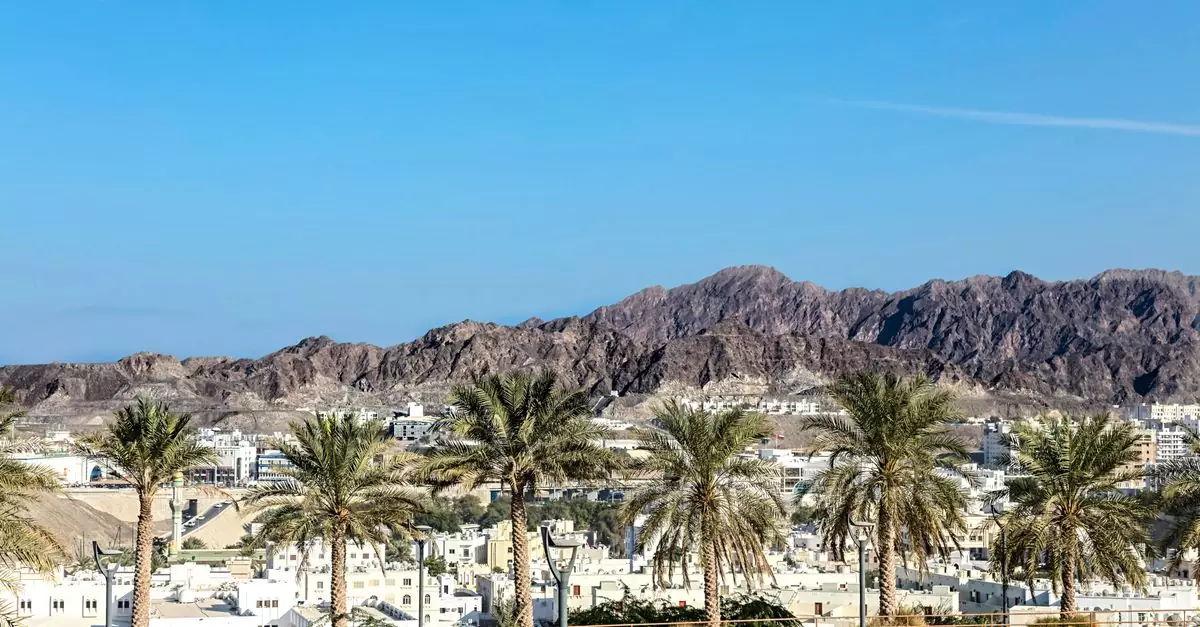
While deserts and coastlines often dominate perceptions of the Middle East, its mountain ranges offer a compelling alternative for nature lovers seeking cooler air and breathtaking landscapes. These elevated regions provide a stark contrast to the arid lowlands, featuring unique flora, traditional villages, and invigorating hiking opportunities. Discovering these highland havens is key to understanding the region’s diverse natural beauty.
Mount Sinai, Egypt: Sunrise Hikes and Spiritual Significance
Mount Sinai, a sacred peak in Egypt’s Sinai Peninsula, attracts pilgrims and hikers alike with its dramatic ascent and profound spiritual history. The most popular activity is the pre-dawn hike to the summit to witness a spectacular sunrise. The climb, which can be done on foot or by camel for part of the way, takes approximately 2-3 hours.
Reaching the summit at around 2,285 meters (7,497 feet) offers panoramic views across the rugged Sinai landscape. The monastery of Saint Catherine, a UNESCO World Heritage site, sits at the foot of the mountain and is worth visiting for its ancient library and well-preserved mosaics.
Logistics for Mount Sinai:
- Best Time to Visit: October to April for cooler temperatures. Avoid summer months due to extreme heat.
- Getting There: Most visitors base themselves in Sharm El Sheikh or Dahab and arrange day trips or overnight stays.
- What to Bring: Sturdy hiking shoes, warm layers (it gets cold at the summit), water, and snacks. A headlamp is essential for the pre-dawn hike.
- Safety: Stick to marked paths and consider going with a guide, especially if hiking alone.
Al Hajar Mountains, Oman: Villages and Terraced Farms
Oman’s Al Hajar Mountains form an imposing range that slices through the northern part of the country, showcasing rugged beauty characterized by deep wadis, dramatic canyons, and ancient settlements. The highest peak, Jabal Shams, is often referred to as the “Grand Canyon of Arabia” due to its immense scale.
This region is dotted with picturesque villages like Misfat Al Abriyeen and Al Hamra, known for their traditional mud-brick architecture and well-preserved falaj irrigation systems. Terraced farms cling to steep hillsides, showcasing centuries of agricultural ingenuity. Hiking through these mountains immerses visitors in both stunning natural scenery and unique Omani mountain culture.
The drive into the mountains is an adventure in itself, with winding roads offering increasingly spectacular vistas. Many visitors opt to rent a 4×4 vehicle to navigate the terrain, which is highly recommended for accessing remote areas and wadis.
Key Attractions in Al Hajar:
- Jebel Shams: Incredible canyon views and hiking opportunities.
- Wadi Ghul: A dramatic gorge often compared to the Grand Canyon.
- Misfat Al Abriyeen: A beautifully preserved traditional village.
- Nizwa: A historic city and gateway to the mountains, famous for its fort and souq.
The Cedar Forest of Barouk, Lebanon: Ancient Giants
Lebanon’s Chouf Mountains are home to the Barouk Cedar Forest, a protected area safeguarding some of the oldest and largest cedar trees in the world. These ancient giants, some estimated to be thousands of years old, stand as silent witnesses to history and are a symbol of national pride.
The forest features well-maintained walking trails that wind through the majestic trees, allowing visitors to experience the serene atmosphere and distinct scent of cedar. The elevation provides a refreshing escape from the coastal heat, especially during summer months.
Beyond the ancient trees, the surrounding mountains offer hiking opportunities with panoramic views of the Bekaa Valley and, on clear days, even the Mediterranean coast. The region is also known for its traditional villages and local cuisine.
Visiting the Barouk Cedar Forest:
- Best Time to Visit: Spring (April-May) for wildflowers and pleasant temperatures, or autumn (September-October) for crisp air and vibrant foliage.
- Getting There: The forest is accessible by car from Beirut, typically a 1-1.5 hour drive.
- Activities: Hiking, nature photography, and learning about the ecological importance of the cedar trees.
- Facilities: The reserve has visitor centers and marked trails.
Desert Adventures: Beyond the Sand Dunes
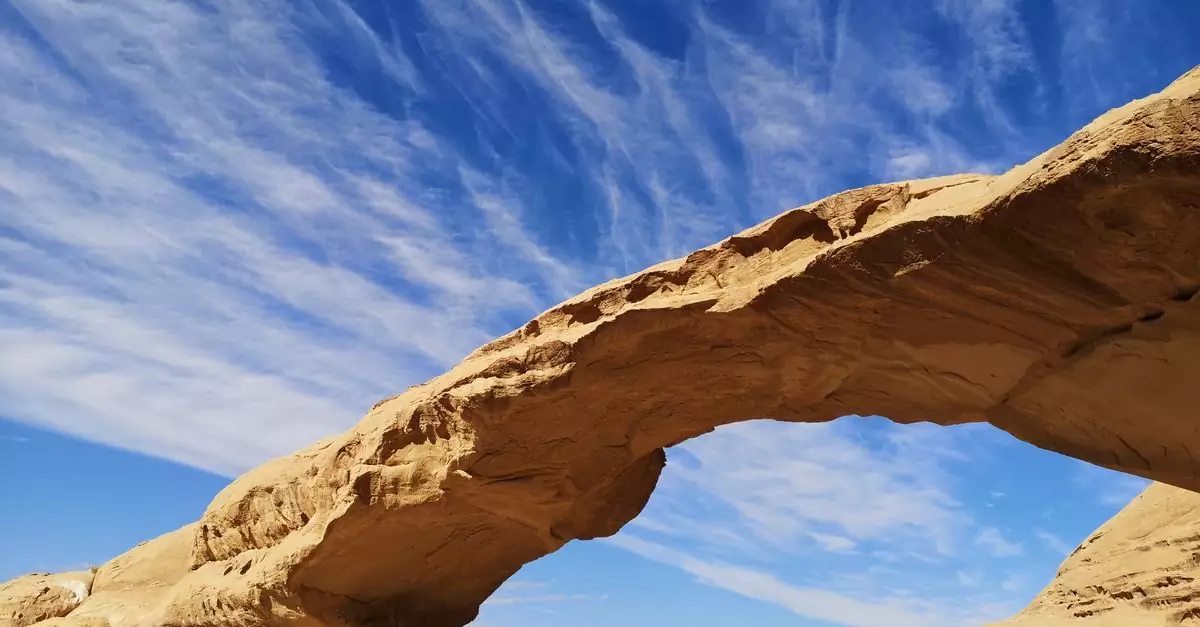
The Middle East’s deserts offer starkly beautiful landscapes for those seeking adventure and a connection to ancient traditions. Far from being barren, these regions teem with unique geological formations, vibrant ecosystems, and rich cultural heritage. Planning a desert escape involves understanding the specific climate, transportation options, and the best times to visit.
Wahiba Sands, Oman: Desert Safari and Bedouin Culture
For an immersive desert experience, the Wahiba Sands in Oman is a premier destination. This vast expanse of undulating dunes, stretching over 180 kilometers, is home to the Bedouin people, whose hospitality is legendary. Visitors can embark on thrilling 4×4 safaris that navigate the shifting sands, offering breathtaking views at sunrise and sunset. Camping under a canopy of stars is an unforgettable experience, often accompanied by traditional Omani music and cuisine.
Activities in Wahiba Sands often include camel riding, sandboarding down steep dunes, and visiting Bedouin families to learn about their traditional way of life, including intricate weaving techniques. The cooler months, from October to April, are most pleasant for visiting, with daytime temperatures ranging from the mid-20s to low 30s Celsius. Access is typically via Muscat, with organized tours or self-drive options requiring a 4×4 vehicle. Accommodation ranges from basic desert camps to luxurious glamping setups.
Negev Desert, Israel: Hiking Trails and Unique Formations
Israel’s Negev Desert presents a different facet of desert beauty, characterized by dramatic canyons, ancient Nabatean cities, and unique geological marvels like the Makhtesh Ramon (Ramon Crater). This vast arid region is a haven for hikers and nature enthusiasts. The Israel National Trail, one of the world’s most renowned hiking routes, traverses significant portions of the Negev, offering multi-day trekking opportunities.
Key attractions include the Ramon Crater, a massive erosion cirque, and the ancient city of Avdat, a UNESCO World Heritage site. The desert landscape is surprisingly diverse, featuring dry riverbeds, colorful rock formations, and hardy desert flora and fauna. Spring (March to May) and autumn (September to November) offer the most comfortable weather for outdoor activities, with milder temperatures. Transportation within the Negev is best managed with a rental car, though public transport connects major towns like Beersheba and Eilat. Budget-conscious travelers can find simple guesthouses and campsites, while more upscale options exist in towns and kibbutzim.
Liwa Oasis, UAE: Towering Dunes and Date Palms
The Liwa Oasis, located in the Empty Quarter of Abu Dhabi, United Arab Emirates, is a verdant contrast to the surrounding desert. This historic oasis features numerous date palm plantations and traditional villages, offering a glimpse into the region’s agricultural past. The towering dunes of the Empty Quarter, some of the largest in the world, provide a dramatic backdrop and opportunities for adventure.
Visitors can experience dune bashing in powerful 4×4 vehicles, try sandboarding, or simply marvel at the sheer scale of the desert landscape. Exploring traditional souks and learning about date cultivation offers cultural insight. The best time to visit Liwa is during the cooler winter months, from November to March, when daytime temperatures are pleasant. Getting to Liwa typically requires a car; it’s about a two-hour drive from Abu Dhabi city. Accommodation options range from desert resorts to simpler hotels in the nearby town of Madinat Zayed.
| Destination | Best Time to Visit | Typical Weather (Daytime) | Transportation | Accommodation Range |
|---|---|---|---|---|
| Wahiba Sands, Oman | Oct – Apr | 25°C – 35°C | 4×4 vehicle, organized tours | Camping, desert camps, glamping |
| Negev Desert, Israel | Mar – May, Sep – Nov | 20°C – 30°C | Rental car, some public transport | Guesthouses, kibbutzim, hotels |
| Liwa Oasis, UAE | Nov – Mar | 20°C – 30°C | Car | Desert resorts, hotels |
Planning Your Middle East Nature Escape: When to Go and How to Get There
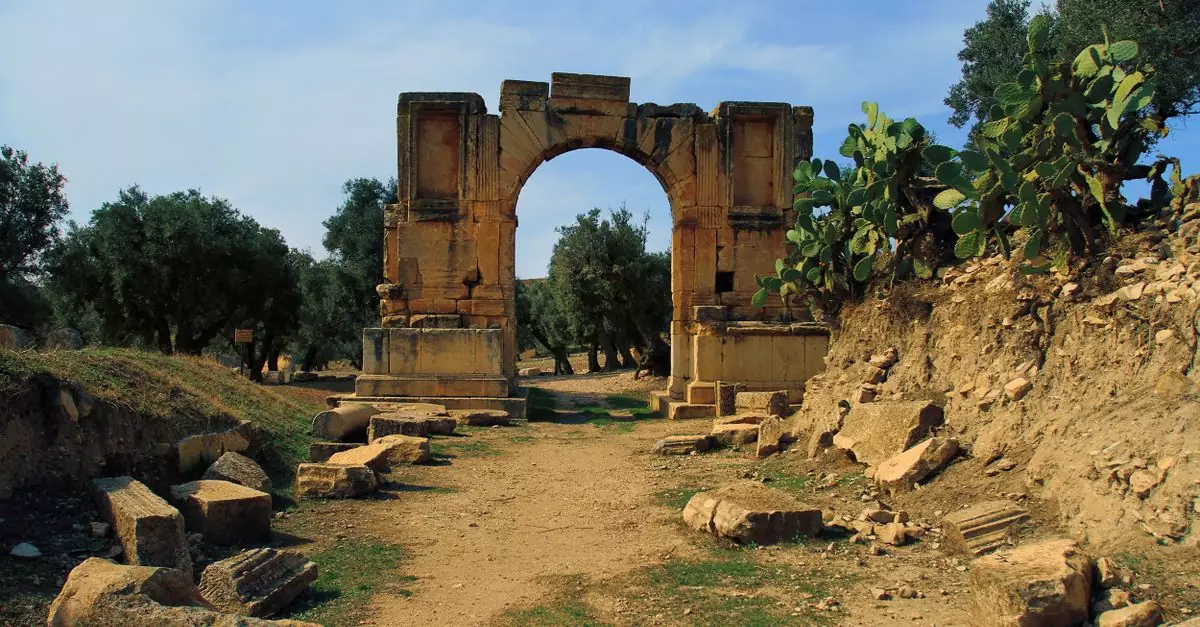
Choosing the best time to visit and navigating the region are crucial first steps for planning your adventure among the Middle East’s diverse natural landscapes. Understanding these logistics will significantly enhance your experience, whether you’re seeking the cool serenity of mountain air or the stark beauty of desert expanses.
Best Times to Visit for Optimal Weather
Timing your visit will heavily influence your comfort and the types of activities available. The Middle East experiences a wide range of climates, from the scorching heat of the desert to temperate conditions in mountainous areas.
Generally, spring (March to May) and autumn (September to November) offer the most pleasant weather across much of the region. During these shoulder seasons, temperatures are moderate, making outdoor exploration enjoyable. For desert safaris, spring is particularly ideal, with wildflowers blooming in some areas and cooler evenings perfect for camping. Mountain regions, such as those in Oman or Jordan, also benefit from these milder temperatures, avoiding the intense summer heat and winter chill.
Summer (June to August) can be extremely hot, especially in the interior deserts and coastal areas. While some travelers might brave the heat for specific experiences like diving in the Red Sea, it’s generally not recommended for extensive overland travel or hiking. Winter (December to February) can be surprisingly cool to cold in northern parts of the Middle East and mountainous terrain, with occasional snow. This season can be excellent for visiting desert areas where daytime temperatures are mild, though nights can be frigid.
Navigating Transportation: Flights, Road Trips, and Local Transport
Getting to and around the Middle East for nature exploration involves several options, each with its own advantages. For international travelers, major hubs like Dubai, Doha, Abu Dhabi, and Istanbul offer excellent connectivity to the wider world. From these hubs, you can often find regional flights to smaller cities closer to natural attractions.
Within countries, a combination of methods works best. Renting a car is highly recommended for flexibility, especially if you plan to explore remote areas. Roads in most major cities and between popular destinations are well-maintained. However, for remote desert tracks or mountain trails, a 4×4 vehicle is essential, and often, hiring a local guide with their own vehicle is the safest and most practical approach.
Public transportation is more developed in urban centers. Buses and trains connect major cities but may not reach remote natural parks or oases. For inter-country travel, budget airlines offer affordable options, but consider the time spent at airports. Overland bus services are also available but can be time-consuming.
| Region/Country | Primary Airport Hub(s) | Recommended for Nature Travel By | Notes |
|---|---|---|---|
| UAE | Dubai (DXB), Abu Dhabi (AUH) | Rental Car (4×4 for desert) | Excellent infrastructure; guided desert safaris are popular. |
| Oman | Muscat (MCT) | Rental Car (4×4 recommended) | Diverse landscapes; Wadi exploration requires careful planning. |
| Jordan | Amman (AMM) | Rental Car, Guided Tours | Wadi Rum and Petra are accessible; local transport to Dead Sea varies. |
| Saudi Arabia | Riyadh (RUH), Jeddah (JED) | Rental Car (4×4 for remote areas) | Vast deserts; access to mountains requires planning and permits. |
When planning your routes, always check local conditions, especially for remote areas. Consulting with local tourism offices or guides is invaluable for up-to-date information on road conditions and accessibility.
Packing Essentials for Diverse Climates
Packing for a Middle East nature escape requires versatility. You’ll likely encounter a range of temperatures and environments, even within a single trip. Layering is your best strategy.
Start with lightweight, breathable base layers. For cooler mornings or evenings, pack fleece or a light down jacket. A waterproof and windproof outer shell is crucial, especially if you’re heading to mountainous regions or anticipate unexpected weather changes. Comfortable, sturdy hiking boots are essential for exploring trails and uneven terrain. Don’t forget sun protection: a wide-brimmed hat, sunglasses, and high SPF sunscreen are non-negotiable, even on cloudy days.
For desert excursions, consider packing a lightweight scarf or bandana to protect your face from dust and sun. Hydration is paramount, so a reusable water bottle is a must. Insect repellent can be useful, particularly near oases or during certain times of the year. When visiting more conservative areas or religious sites, packing modest clothing that covers shoulders and knees is respectful and often required. Always check the specific cultural norms of the countries you plan to visit.
Frequently Asked Questions About Middle East Nature Escapes
Are these nature escapes suitable for families?
Many nature escapes in the Middle East offer activities well-suited for families. Coastal areas, like those in Oman, provide opportunities for snorkeling and boat trips that children often enjoy. Desert safaris can be adapted for younger travelers with shorter excursions and comfortable accommodations. Mountain regions, such as parts of Jordan, feature hiking trails with varying difficulty levels, making some accessible for families with older children. Always check specific tour operators for age recommendations and family-friendly packages.
What are the safety considerations for desert and mountain travel?
When planning desert or mountain adventures, safety is paramount. It’s crucial to travel with experienced guides, especially in remote areas where navigation can be challenging and temperatures fluctuate dramatically. Always inform someone of your itinerary. For mountain treks, ensure you have appropriate gear, including sturdy footwear and layers of clothing, as weather can change rapidly. Staying hydrated is essential in both environments. Familiarize yourself with local customs and any travel advisories from your home country before departure, as general safety in the Middle East can vary by region.
Can I find eco-friendly accommodation options?
Yes, eco-friendly accommodation is becoming more prevalent throughout the region. Look for lodges and camps that emphasize sustainable practices, such as solar power, water conservation, and waste reduction. Many desert camps in Jordan and the UAE are designed with minimal environmental impact. In Oman, you can find eco-lodges in the mountains that support local communities and preserve the natural landscape. Researching accommodations that are certified or have clear environmental policies will help you make a responsible choice.
What are some lesser-known nature spots in the region?
Beyond well-trodden paths, the Middle East holds many hidden natural gems. Consider Wadi Shab in Oman, a stunning canyon with turquoise pools perfect for swimming and hiking. The Dana Biosphere Reserve in Jordan offers diverse landscapes from mountains to desert, with excellent birdwatching opportunities. For a unique desert experience, explore the Al-Kharaz desert in Saudi Arabia, known for its dramatic rock formations and ancient petroglyphs. These locations often provide a more authentic and less crowded encounter with nature.