The Middle East is rapidly becoming a global hub for discerning travelers, offering an exceptional blend of luxurious accommodations, rich cultural heritage, and innovative hospitality. Beyond the iconic skylines and ancient wonders, a new era of luxury is emerging, promising bespoke experiences and world-class service. For those planning an elevated escape in 2026, understanding the nuances of this dynamic region is essential. This guide will explore the best luxury travel destinations in the Middle East, highlighting cities that epitomize sophistication and provide unforgettable journeys. You’ll find insights into exclusive resorts, curated itineraries, and ideal travel times, ensuring your next adventure is nothing short of extraordinary.
Unveiling the Top Luxury Travel Destinations in the Middle East
The Middle East is emerging as a premier destination for travelers seeking unparalleled luxury and rich cultural experiences. Beyond ancient history, modern metropolises now offer world-class resorts, Michelin-starred dining, and bespoke adventures. For those planning a sophisticated getaway in 2026, several cities stand out for their commitment to opulence and exceptional service. Exploring the best luxury travel destinations in the Middle East reveals a region that seamlessly blends tradition with cutting-edge development, promising unforgettable journeys.
Dubai, UAE: A City of Opulence and Innovation
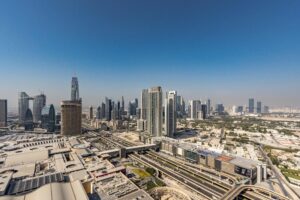
Dubai continues to redefine luxury with its ambitious architectural feats, extravagant shopping, and a vibrant hospitality scene. This emirate boasts a nearly limitless array of high-end accommodations, from beachfront resorts to sky-high suites with panoramic views. The city is a hub for world-class entertainment, featuring dynamic nightlife, exclusive beach clubs, and a flourishing fine-dining landscape led by celebrity chefs.
Getting around Dubai is efficient, thanks to a modern metro system and readily available luxury car services and taxis. For a truly indulgent experience, consider arriving via private jet or arranging a limousine transfer from Dubai International Airport (DXB). The best time to visit is between November and March, when temperatures are mild, making it ideal for outdoor activities and exploring the city’s many attractions.
Doha, Qatar: Culture, Grandeur, and Coastal Charm
Doha offers a sophisticated alternative, blending its rich Qatari heritage with a forward-thinking approach to luxury travel. The city features impressive modern architecture, exemplified by its stunning skyline and the iconic Museum of Islamic Art. Luxury hotels in Doha provide impeccable service, often including private beach access, expansive spa facilities, and gourmet dining that reflects the region’s culinary influences.
Cultural immersion is a major draw, with opportunities to visit traditional souqs, explore historical sites like Al Zubarah Fort, or experience a desert safari with upscale camping. The climate in Doha is best enjoyed during the cooler months, from October to April. Transportation is convenient, with a well-developed road network and readily available ride-sharing services and taxis.
Abu Dhabi, UAE: Palaces, Art, and Desert Escapes
Abu Dhabi presents a refined luxury experience characterized by serene landscapes and grand architectural statements. Home to the magnificent Sheikh Zayed Grand Mosque and the Louvre Abu Dhabi, the emirate provides a deep dive into art, culture, and Islamic heritage. Luxury accommodations range from sprawling resorts on Yas Island to exclusive desert retreats that offer unparalleled tranquility and stargazing opportunities.
Beyond cultural landmarks, Abu Dhabi excels in unique adventure experiences. Consider private yacht tours along the coast, thrilling F1 experiences at Yas Marina Circuit, or bespoke desert excursions with guided nature walks. The optimal time to visit for pleasant weather is also during the winter months, from November to March, allowing for comfortable exploration of both urban attractions and natural beauty. Transportation is generally straightforward, with taxis and private car services being the most convenient options for navigating the city.
Here’s a brief comparison of these leading luxury hubs:
| Destination | Primary Appeal | Best Time to Visit | Luxury Accommodation Style |
|---|---|---|---|
| Dubai, UAE | Innovation, Shopping, Entertainment, Modernity | November – March | Sky-high suites, Beachfront resorts, Boutique hotels |
| Doha, Qatar | Culture, Architecture, Coastal Views, Heritage | October – April | Grand hotels, Private villas, Upscale desert camps |
| Abu Dhabi, UAE | Art, Culture, Grand Mosques, Desert Serenity | November – March | Lavish resorts, Desert lodges, Island retreats |
Experiencing Opulent Stays: World-Class Hotels and Resorts
When seeking the best luxury travel destinations in the Middle East, the quality of accommodations is paramount. The region boasts an impressive array of hotels and resorts that redefine opulence, offering unparalleled service, exquisite design, and exclusive experiences. These establishments are not merely places to stay; they are integral to the luxury travel narrative of the Middle East.
Iconic Dubai Hotels: Burj Al Arab and Beyond
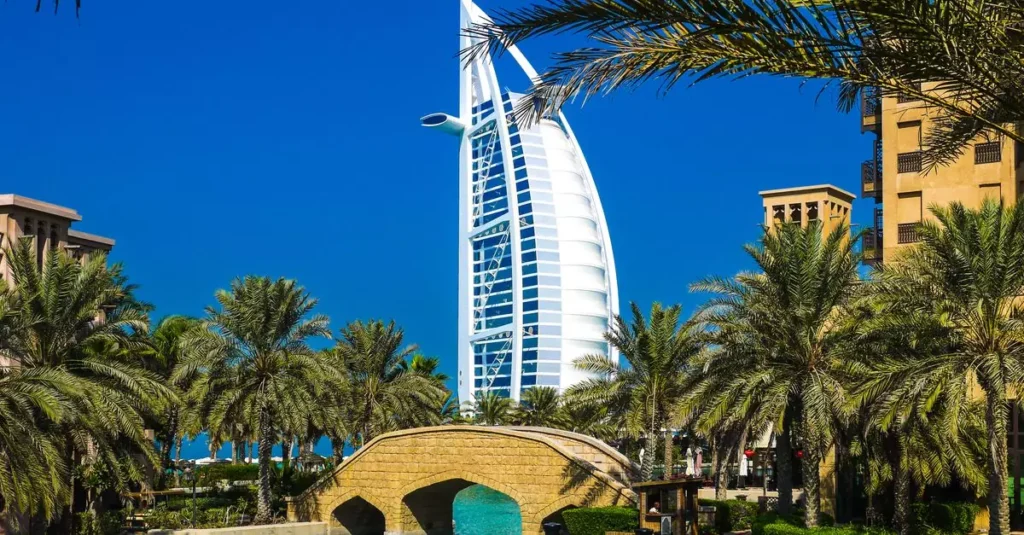
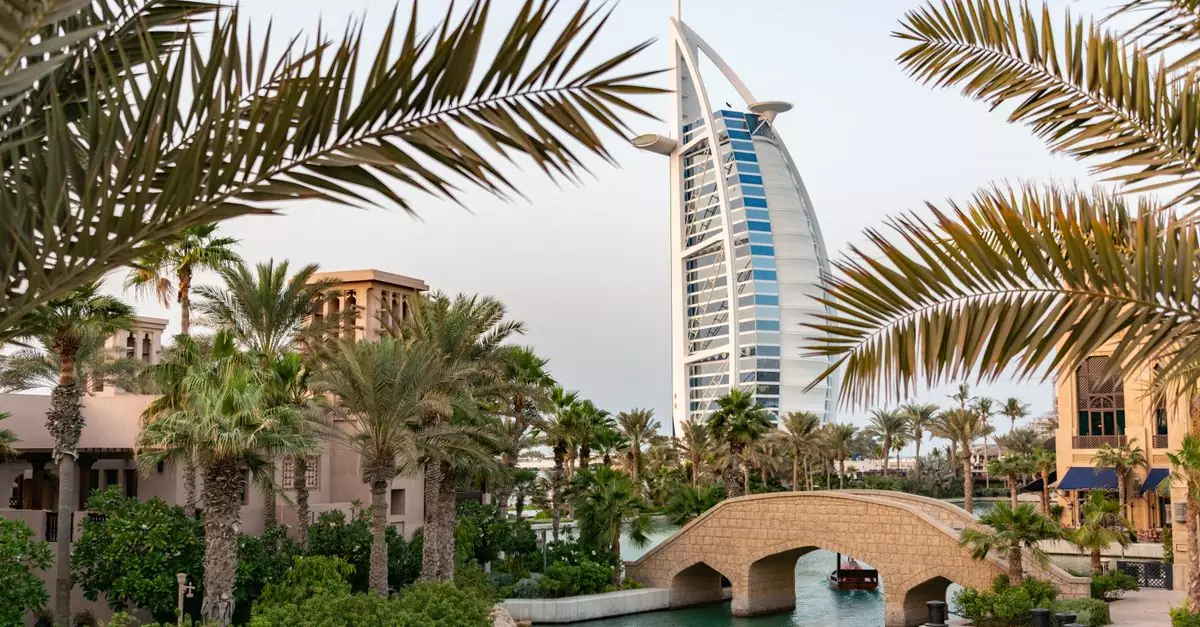
Dubai has long been synonymous with extravagant hospitality, and its iconic hotels set the standard for lavish getaways. The Burj Al Arab Jumeirah, often dubbed the world’s only seven-star hotel, remains a symbol of ultimate luxury. Its sail-shaped silhouette is instantly recognizable, and its suites offer breathtaking views of the Arabian Gulf, personalized butler service, and lavish amenities.
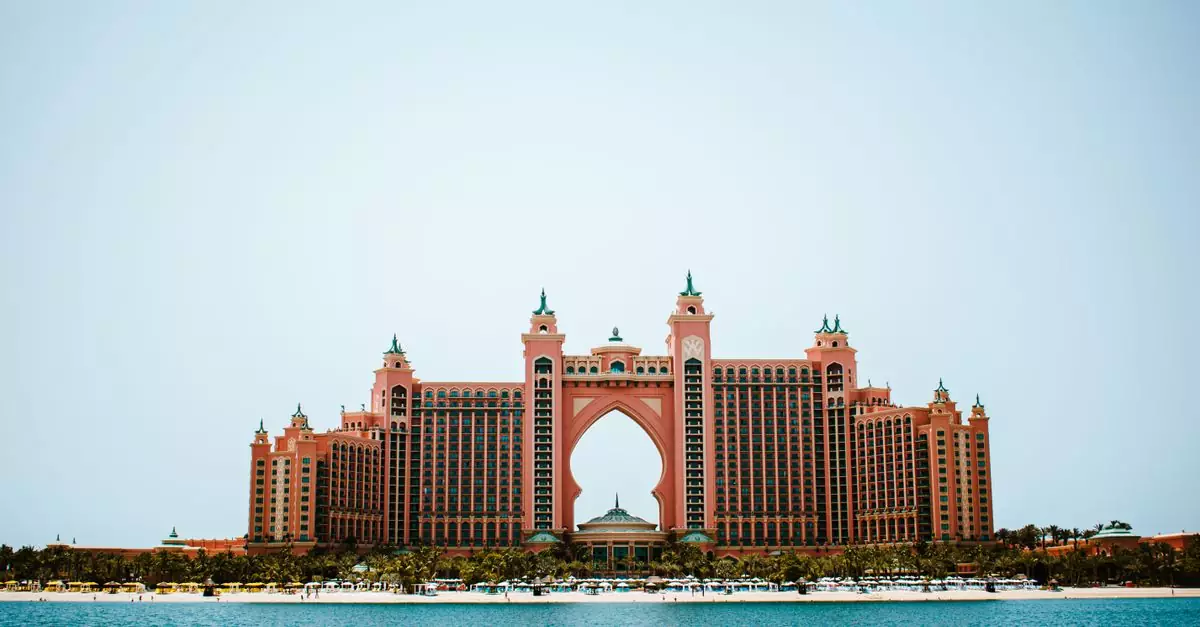
Beyond the Burj Al Arab, Dubai features a constellation of five-star properties. The Atlantis, The Palm, provides a resort experience with its aquariums, water park, and diverse dining options. For a more boutique feel, properties like the Mandarin Oriental Jumeira, Dubai, offer sophisticated design and a tranquil escape within the city’s vibrant pulse. Many of these hotels provide private beach access and world-class spas, ensuring a relaxing and indulgent stay.
Qatar’s Premier Luxury Resorts in Doha
Doha is rapidly emerging as a prime destination for discerning travelers, with its luxury hotel scene reflecting its ambitious growth. The St. Regis Doha is renowned for its opulent suites, exceptional dining, and signature St. Regis Butler Service. Its beachfront location offers a serene environment, while its proximity to cultural landmarks provides easy access to the city’s attractions.
The Four Seasons Hotel Doha also stands out, offering a blend of contemporary elegance and traditional Qatari hospitality. Guests can expect spacious rooms, a stunning private beach, and an array of fine-dining restaurants. For a truly unique experience, consider resorts that offer expansive grounds and private villas, providing an intimate atmosphere. These properties often feature private pools and dedicated concierge services, catering to every guest’s needs.
Abu Dhabi’s Five-Star Havens: Emirates Palace Mandarin Oriental
Abu Dhabi presents a compelling case for luxury travel, anchored by the majestic Emirates Palace Mandarin Oriental. This landmark hotel exemplifies Arabian grandeur, with gold-leaf adorned interiors, sprawling manicured gardens, and a private marina. The hotel offers a range of opulent suites and villas, each designed to provide an unforgettable stay.
The Emirates Palace Mandarin Oriental is celebrated for its exceptional service, from personalized check-ins to bespoke dining experiences. Its extensive facilities include multiple swimming pools, a pristine beach, and a world-class spa. For travelers interested in exploring the region’s rich heritage, the hotel’s location provides convenient access to cultural sites like the Sheikh Zayed Grand Mosque. Abu Dhabi’s luxury offerings ensure a sophisticated and culturally enriching experience for all visitors.
Curating Your Bespoke Middle Eastern Luxury Itinerary
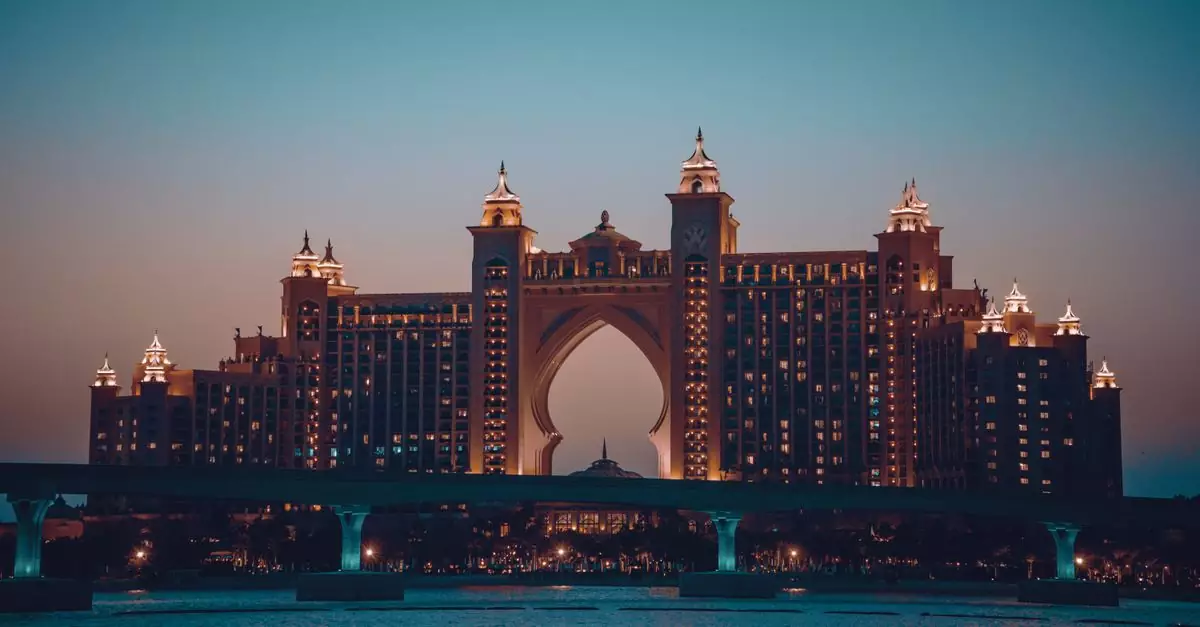
When planning a luxury escape to the Middle East, tailoring an itinerary to your specific interests is crucial. Whether you seek modernity, cultural heritage, or exclusive desert experiences, cities like Dubai, Doha, and Abu Dhabi offer distinct pathways to indulgence. Consider these sample itineraries as a starting point for crafting your unforgettable journey through this dynamic region.
A 7-Day Dubai Itinerary: From Souks to Sky-High Views
Dubai is a city that redefines opulence, blending traditional Arabian charm with futuristic ambition. A week here allows for a deep dive into its multifaceted offerings, from the historic Al Fahidi district to its world-renowned shopping malls and architectural marvels.
Day 1-2: Downtown Dubai & Burj Khalifa
Begin by immersing yourself in the heart of modern Dubai. Ascend the Burj Khalifa for unparalleled city views. Spend an afternoon at The Dubai Mall, not just for shopping but for attractions like the Dubai Aquarium & Underwater Zoo and the indoor ice rink. Evenings can be spent watching the Dubai Fountain show, a spectacular display of water, music, and light.
Day 3-4: Old Dubai & Cultural Immersion
Venture into the Bastakiya Quarter (Al Fahidi Historical Neighbourhood) to explore wind-tower architecture and art galleries. Take an Abra ride across Dubai Creek to the vibrant Spice Souk and Gold Souk in Deira. This offers a sensory experience of traditional commerce and a glimpse into the city’s past. For a luxurious dining experience with a view, consider dinner at a restaurant overlooking the creek.
Day 5-6: Luxury Beaches & Desert Adventures
Indulge in the pristine beaches of Jumeirah, perhaps at a high-end resort like the Burj Al Arab Jumeirah. In the afternoon, embark on a private desert safari, typically including dune bashing in a 4×4, camel riding, and a gourmet dinner under the stars at a Bedouin-style camp, often with traditional entertainment.
Day 7: Departure Prep & Last-Minute Indulgences
Enjoy a leisurely breakfast at a trendy café in the DIFC (Dubai International Financial Centre) district, known for its art galleries and upscale dining. Depending on your flight schedule, you might opt for a final spa treatment or some last-minute souvenir shopping before heading to the airport.
Getting Around Dubai: The Dubai Metro efficiently reaches key areas, but for ultimate luxury and convenience, private car services or taxis are readily available. Many luxury hotels also offer chauffeur services.
A 5-Day Doha Itinerary: Museums, Markets, and Modern Marvels
Doha, the capital of Qatar, offers a sophisticated blend of cultural exploration and contemporary luxury. Its rapid development has resulted in world-class museums, striking architecture, and a burgeoning culinary scene.
Day 1-2: Museum of Islamic Art & Souq Waqif
Start your exploration at the iconic Museum of Islamic Art, designed by I.M. Pei. Its collection spans 1,400 years of Islamic art. Afterwards, wander through the labyrinthine alleys of Souq Waqif, a beautifully restored traditional market. Here, you can find everything from Qatari handicrafts and spices to falcons and traditional clothing. Enjoy dinner at one of the many excellent restaurants within the souq.
Day 3: The Pearl-Qatar & Katara Cultural Village
Visit The Pearl-Qatar, a man-made island featuring Venetian-inspired canals, luxury boutiques, and waterfront dining. Later, explore Katara Cultural Village, a hub for arts and culture with an amphitheater, art galleries, and a stunning beach. The architecture here reflects a modern interpretation of Qatari heritage.
Day 4: National Museum of Qatar & Aspire Zone
Dedicate your morning to the National Museum of Qatar, a striking architectural masterpiece that narrates Qatar’s story from its geological origins to its modern transformation. In the afternoon, head to the Aspire Zone, a hub for sports and wellness, home to the Khalifa International Stadium and Aspire Park, offering a green escape in the city.
Day 5: Desert Excursion or Relaxation
Opt for a half-day desert adventure, including dune driving and a visit to Khor Al Adaid, the inland sea. Alternatively, enjoy a relaxing day at one of Doha’s luxurious spas or beachfront resorts, reflecting on your cultural immersion.
Transportation in Doha: While the Doha Metro is expanding, private cars and taxis are the most convenient way to navigate the city for a luxury experience. Many hotels can arrange transport.
An Abu Dhabi Adventure: Culture, Nature, and Grandeur
Abu Dhabi, the UAE’s capital, balances grand architectural statements with serene natural landscapes and a deep respect for heritage. It offers both exhilarating experiences and tranquil retreats.
Day 1: Sheikh Zayed Grand Mosque & Louvre Abu Dhabi
Begin with a visit to the awe-inspiring Sheikh Zayed Grand Mosque, one of the largest and most beautiful mosques in the world. Dress modestly for this visit. In the afternoon, immerse yourself in art and culture at the Louvre Abu Dhabi, a stunning architectural marvel showcasing a vast collection of art and artifacts from diverse cultures.
Day 2: Yas Island Experiences
Spend a day on Yas Island, home to Ferrari World Abu Dhabi for thrill-seekers, Warner Bros. World Abu Dhabi for family fun, and the Yas Marina Circuit, which hosts the Formula 1 Abu Dhabi Grand Prix. Enjoy world-class dining and entertainment options on the island.
Day 3: Qasr Al Watan & Corniche Stroll
Visit Qasr Al Watan, the Presidential Palace, offering insights into the UAE’s governance, traditions, and craftsmanship. The palace’s opulent halls and gardens are a sight to behold. Afterwards, enjoy a leisurely walk or bike ride along the scenic Abu Dhabi Corniche, with its beautiful beaches and skyline views.
Day 4: Desert Safari or Saadiyat Island Culture
Choose between an authentic desert safari experience in the Empty Quarter, featuring vast dunes and traditional Emirati hospitality, or spend the day on Saadiyat Island, a major cultural hub with the ongoing development of the Zayed National Museum and the Guggenheim Abu Dhabi.
Day 5: Relaxation and Departure
Enjoy a final luxurious breakfast at your hotel or a chic café. Depending on your interests, you might revisit a favorite spot, indulge in last-minute shopping at The Galleria Al Maryah Island, or simply relax by the pool before your departure.
Logistics in Abu Dhabi: Taxis and ride-sharing services are readily available and affordable. For exploring beyond the city, consider arranging private transfers through your hotel or a reputable tour operator.
These itineraries provide a framework for experiencing the best luxury travel destinations in the Middle East. Each city offers unique opportunities for bespoke adventures, blending cultural richness with unparalleled comfort and service.
Indulging in Exquisite Dining: Michelin Stars and Local Flavors
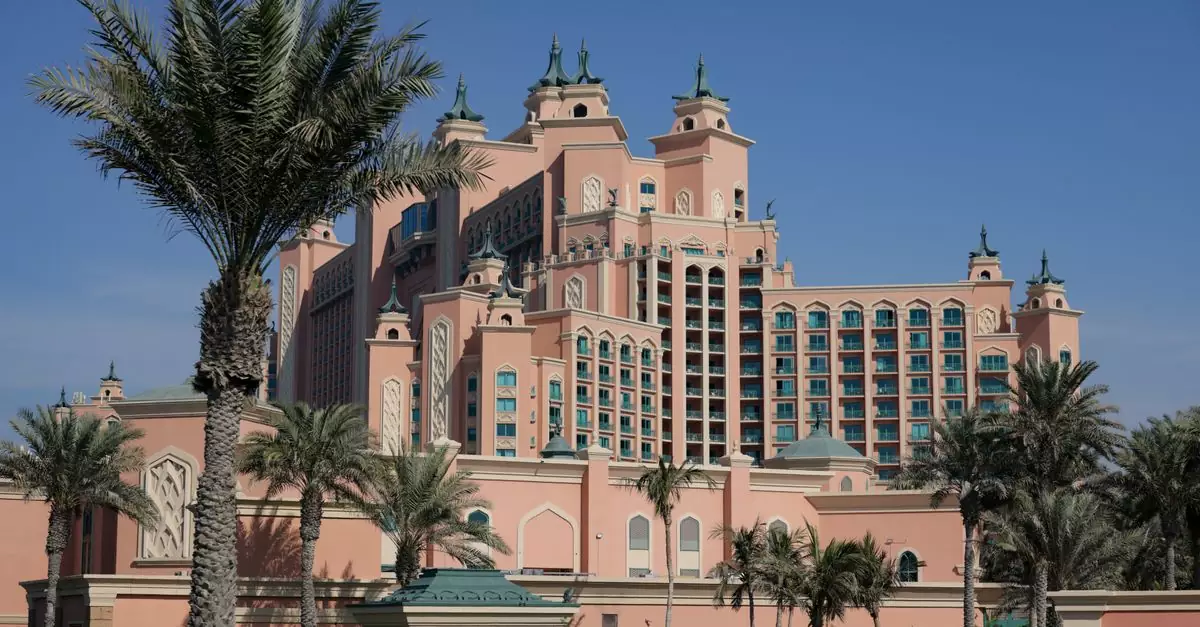
The Middle East is emerging as a global culinary powerhouse, offering a sophisticated array of dining experiences that blend international acclaim with authentic local tastes. For travelers seeking the best luxury travel destinations in the Middle East, the gastronomic scene is a significant draw, with cities boasting innovative chefs, world-class ingredients, and unparalleled ambiance. From the glittering skyscrapers of Dubai to the burgeoning culinary landscape of Doha, and the refined Emirati offerings in Abu Dhabi, a journey through this region promises a feast for the senses.
Fine Dining in Dubai: Global Gastronomy
Dubai has cemented its status as a culinary capital, attracting renowned chefs and securing Michelin stars for its diverse establishments. The city’s dining scene reflects its cosmopolitan population, offering everything from avant-garde molecular gastronomy to authentic international flavors. Many of the top hotels house exceptional restaurants, often featuring dramatic city or sea views.
Make reservations well in advance, especially for establishments that have recently received accolades or are helmed by celebrity chefs. While fine dining in Dubai can command premium prices, the quality of ingredients, innovative presentation, and impeccable service justify the expense for a memorable meal. Exploring beyond hotel restaurants also reveals hidden gems in areas like DIFC (Dubai International Financial Centre), which has a concentration of upscale eateries.
Doha’s Culinary Scene: Qatari Delicacies and International Cuisine
Doha’s culinary landscape is experiencing vibrant expansion, showcasing both traditional Qatari flavors and sophisticated international offerings. The city is home to a growing number of restaurants that emphasize fresh, locally sourced ingredients, often with a modern twist on regional dishes. You can find exquisite seafood infused with aromatic spices alongside high-end international fare.
Visitors can experience authentic Qatari cuisine in casual settings often found within traditional souks or cultural villages, offering accessible yet flavorful introductions to local tastes. For a more luxurious experience, Doha’s five-star hotels and standalone fine dining venues provide creative menus and elegant atmospheres. Planning dining experiences around cultural events or festivals can also lead to unique culinary discoveries.
Abu Dhabi’s Gourmet Experiences: From Seafood to Emirati Specialties
Abu Dhabi offers a refined culinary journey characterized by fresh, high-quality ingredients and a celebration of Emirati heritage. The capital is renowned for exceptional seafood, often prepared with subtle yet fragrant spices that highlight the natural flavors of the ocean’s bounty. Beyond the coast, the city’s chefs increasingly draw inspiration from traditional Emirati recipes, reinterpreting them for a modern palate.
Many of the city’s most luxurious dining experiences are found within opulent hotels and on Yas Island, offering diverse cuisines from around the globe. For a truly authentic taste of the UAE, seek out restaurants that specialize in dishes like machboos (spiced rice with meat or fish) or luqaimat (sweet dumplings). Exploring these local specialties provides a deeper connection to the region’s culture, complementing the broader luxury travel experience.
What Are the Best Times to Visit These Luxury Middle Eastern Havens?
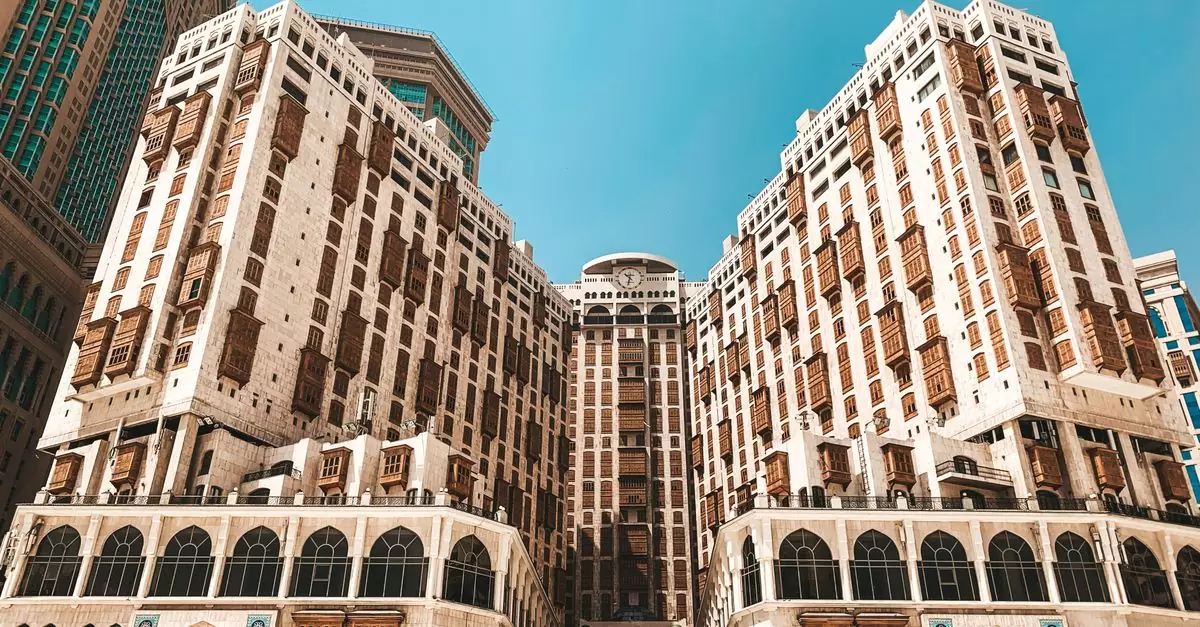
Choosing the right time to visit the best luxury travel destinations in the Middle East can significantly enhance your experience. The region’s climate varies, with scorching summers being a primary consideration for many travelers. Planning your trip around cooler, more comfortable months ensures you can fully enjoy the opulent resorts, outdoor activities, and vibrant cityscapes without the intense heat.
Optimal Weather for Dubai and Abu Dhabi: November to March
For travelers seeking the most pleasant weather in Dubai and Abu Dhabi, the window between November and March is undeniably the best. During these months, temperatures are mild, typically ranging from the mid-60s to the mid-70s Fahrenheit (18-24°C). This makes it ideal for exploring architectural marvels, enjoying desert safaris, lounging on pristine beaches, and strolling through bustling souks. Evenings are often cool and breezy, perfect for outdoor dining at world-class restaurants.
This period coincides with a vibrant events calendar in both cities, from international sporting events to cultural festivals, adding another layer of excitement to your visit. While this is peak season, meaning higher prices and more crowds, the comfortable climate makes it a worthwhile trade-off for many seeking a luxurious escape. Booking accommodations and popular tours well in advance is highly recommended.
Best Seasons for Doha: Avoiding the Summer Heat
Doha shares a similar climate pattern to its Emirati neighbors, making the cooler months its prime tourist season. From November through April, Doha offers a delightful climate with average daytime temperatures hovering between 70-85°F (21-29°C). This allows for comfortable exploration of its modern skyline, traditional markets like Souq Waqif, and cultural institutions such as the National Museum of Qatar.
The summer months, from May to September, can be intensely hot and humid, with temperatures frequently exceeding 100°F (38°C). For those prioritizing outdoor activities and extensive sightseeing, avoiding this period is crucial. If your travel dates fall outside the peak winter season but before the intense summer heat, the shoulder months of April and October can still offer a pleasant experience, albeit with slightly warmer days.
Shoulder Season Advantages: April and October Travel
The shoulder seasons—specifically April and October—present an attractive alternative for visiting many of the best luxury travel destinations in the Middle East. During these months, the extreme heat of summer has begun to recede or has yet to fully arrive, offering a balance between comfortable temperatures and fewer crowds than the peak winter months.
In Dubai and Abu Dhabi, April can still provide pleasant daytime temperatures suitable for most outdoor activities, though evenings might start to feel warmer. October marks the beginning of the cooler season, with temperatures gradually dropping to more comfortable levels. Doha also experiences a similar transition. Traveling during these times can lead to better availability and potentially more competitive pricing on luxury accommodations and flights. It’s a strategic choice for travelers who want to experience the region’s opulence with a bit more breathing room.
Here’s a general overview of seasonal conditions:
| Destination | Peak Season (Best Weather) | Shoulder Season (Good Weather) | Off-Season (Hot Weather) |
|---|---|---|---|
| Dubai & Abu Dhabi | November – March | April, October | May – September |
| Doha | November – April | May, October | June – September |
When planning your luxury getaway, consider these timings to align with your comfort preferences and desired activities. For the most up-to-date travel advisories and regional news, consulting resources like BBC News Middle East can provide valuable context.
Frequently Asked Questions About Luxury Middle East Travel
Is Middle East luxury travel suitable for families?
Yes, many destinations in the Middle East offer excellent luxury travel experiences for families. Cities like Dubai and Abu Dhabi boast world-class theme parks, family-friendly resorts with extensive kids’ clubs, and educational attractions such as aquariums and interactive museums. Resorts in Oman often provide opportunities for gentle adventure activities like dhow cruises and exploring wadis, suitable for various age groups. When planning, look for accommodations that specifically cater to families, often featuring larger suites or connecting rooms.
What are the safety considerations for luxury travelers in the region?
The Middle East is a diverse region, and safety perceptions can vary. Generally, major tourist hubs like Dubai, Abu Dhabi, and Doha maintain very high safety standards, comparable to major global cities. These destinations have robust security measures and low crime rates. For travelers venturing into more remote areas or those concerned about regional stability, it’s advisable to stay updated on current travel advisories for the Middle East. Luxury accommodations and tour operators typically prioritize guest safety and can provide guidance on navigating different areas.
What should I pack for a luxury trip to the Middle East?
Packing for a luxury trip to the Middle East requires a balance of style and cultural sensitivity. For cities like Dubai or Doha, elegant resort wear, smart casual outfits for evenings, and swimwear are appropriate. In more conservative areas or when visiting religious sites, modest clothing is essential, including covering shoulders and knees. Lightweight, breathable fabrics such as linen and cotton are ideal for the climate. Consider packing a light scarf, which can be useful for both sun protection and covering up when needed. High-quality sunglasses and sun protection are also important.
What are the visa requirements for popular luxury destinations?
Visa requirements for the Middle East vary significantly by nationality and destination. Many nationalities receive visa-on-arrival or visa-free entry into the UAE (Dubai, Abu Dhabi) and Qatar (Doha). For example, visitors from the European Union, the United States, the UK, and Australia typically enjoy straightforward entry into these popular luxury hubs. However, it is crucial to verify the specific requirements for your passport well in advance of your travel dates. Checking the official immigration websites of the respective countries or consulting with your luxury travel advisor is the most reliable way to ensure you have the correct documentation. For a broader understanding of the region, you can refer to general information about the Middle East.