Step into a world where innovation meets tradition and ambition shapes skylines. The Middle East is rapidly emerging as a global leader in visionary urban development, providing travelers with a unique glimpse into the future. If you’re interested in what tomorrow’s cities might look like, exploring the best futuristic travel destinations in this dynamic region is essential.
This article will take you through awe-inspiring architectural marvels, cutting-edge smart city initiatives, and groundbreaking sustainable projects. Discover how cities like Dubai and Abu Dhabi blend advanced technology with rich culture, and get a preview of ambitious mega-projects like NEOM in Saudi Arabia. Prepare to be inspired by destinations that are not just building for today but actively shaping the world of tomorrow.
Dubai: A Glimpse into Tomorrow’s Cityscape
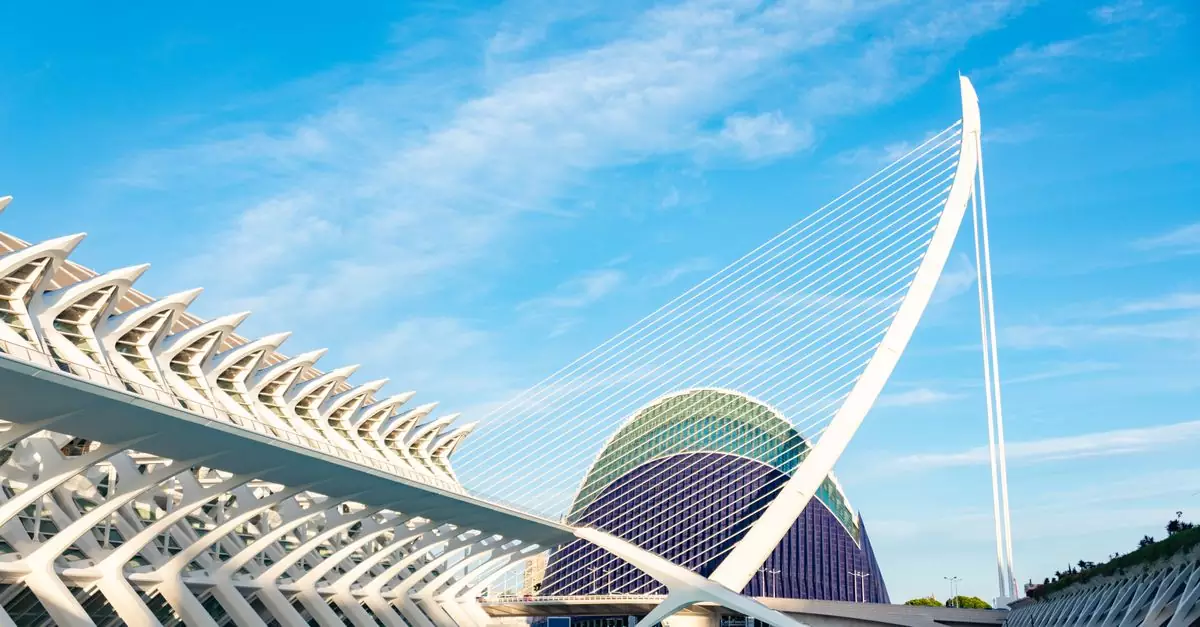
When envisioning futuristic travel, Dubai often comes to mind. This vibrant city in the United Arab Emirates has quickly transformed into a global hub for innovation and architectural excellence. It offers a tangible look at how urban environments can merge cutting-edge technology with luxury and a forward-thinking approach to city living. For travelers seeking a destination that feels like a step into the near future, Dubai delivers a unique experience.
Iconic Futuristic Architecture: Burj Khalifa & Beyond
Dubai’s skyline reflects its ambition, featuring structures that challenge the limits of design and engineering. The Burj Khalifa, the world’s tallest building, stands as the most prominent example. Its sleek, needle-like form pierces the sky, providing unparalleled panoramic views from its observation decks. Beyond the Burj, the city is home to architecturally significant buildings, including the Museum of the Future, with its distinctive oval shape and intricate Arabic calligraphy, symbolizing innovation and forward-thinking design. Other notable structures include the Burj Al Arab, resembling a billowing sail, and the twisting Cayan Tower. These landmarks exemplify Dubai’s commitment to pioneering modern aesthetics and construction.
Smart City Initiatives: Dubai’s Tech-Forward Urban Planning
Dubai is actively pursuing smart city initiatives to enhance the quality of life for residents and visitors alike. The city invests heavily in digital infrastructure, aiming to create a seamless urban experience. This includes widespread Wi-Fi access, smart streetlights that adjust to conditions, and integrated public service platforms. Dubai’s government also emphasizes sustainability through smart technologies, such as advanced waste management systems and energy-efficient buildings. Travelers may notice the subtle integration of technology in daily life, from smart parking solutions to digital interfaces for city services. These efforts are designed to make navigating and interacting with the city more intuitive and responsive.
Experiencing Future Mobility: Dubai Metro and Autonomous Vehicles
Getting around Dubai offers a glimpse into future transportation. The Dubai Metro is a state-of-the-art, fully automated driverless train system that efficiently connects key areas of the city. Its elevated tracks provide scenic views, with stations often integrated with major shopping centers and attractions. Additionally, Dubai is pioneering autonomous vehicle technology. While public adoption is still evolving, the city has served as a testing ground for self-driving taxis and shuttles, demonstrating its commitment to next-generation transport solutions. For visitors, this means a public transportation network that is both modern and increasingly sophisticated.
Here’s a look at how Dubai’s public transport compares:
| Mode of Transport | Key Features | Typical Cost (AED) | Travel Time Example (Downtown to Marina) |
|---|---|---|---|
| Dubai Metro | Driverless, air-conditioned, extensive network | 4-8 per trip | 45-60 minutes |
| Taxis/Ride-Sharing | Readily available, metered/app-based pricing | 50-100+ per trip | 30-45 minutes |
| Buses | Connects areas not served by Metro, affordable | 3-7 per trip | 60-90 minutes |
When planning your visit, consider peak hours for the Dubai Metro to avoid crowds, especially during morning and evening commutes.
Abu Dhabi: Innovation Hub and Cultural Marvels
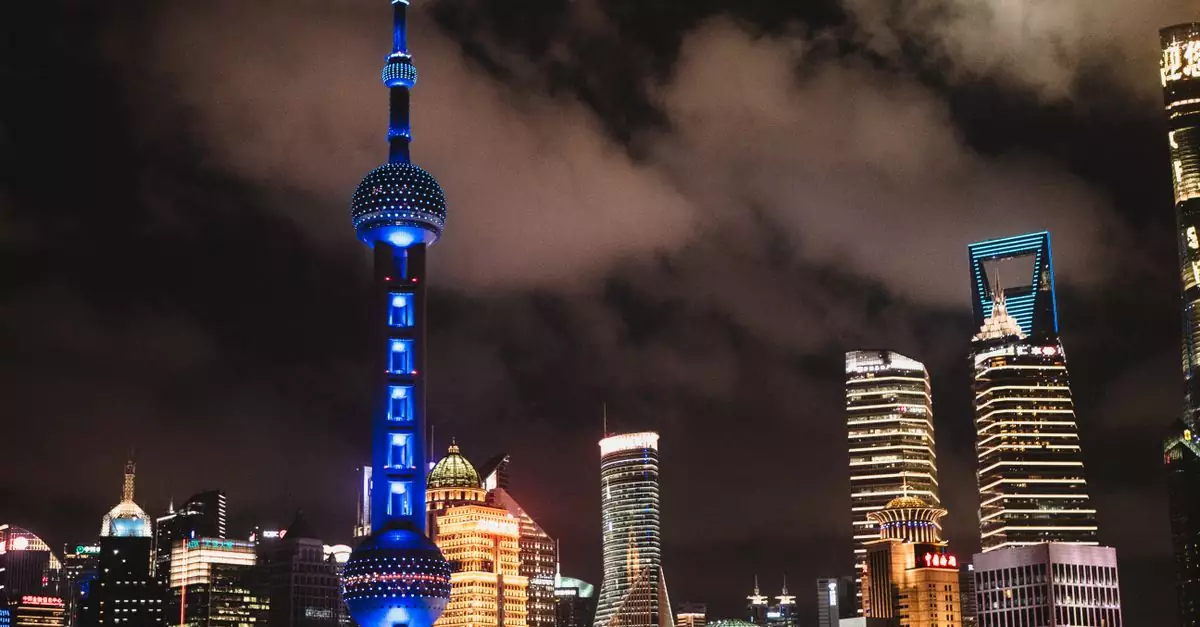
Abu Dhabi exemplifies a Middle Eastern city embracing a forward-thinking vision, seamlessly blending cutting-edge technology with rich cultural heritage. This capital emirate showcases ambitious urban planning and a commitment to a sustainable, advanced future, making it one of the best futuristic travel destinations. Travelers can witness groundbreaking architectural marvels, engage with interactive cultural experiences, and experience a city that is continuously evolving.
Yas Island’s Entertainment and Future-Forward Attractions
Yas Island serves as Abu Dhabi’s entertainment epicenter, showcasing a dynamic fusion of leisure and innovation. Home to world-class attractions, the island caters to a wide range of visitors, from thrill-seekers to families. Ferrari World Abu Dhabi, featuring record-breaking roller coasters, represents a pinnacle of theme park engineering, while Warner Bros. World Abu Dhabi immerses visitors in beloved cartoon and film universes through advanced immersive technologies. The island’s design, with integrated resorts and entertainment venues, reflects a modern approach to tourism and leisure.
Transportation around Yas Island is efficient, with ample parking and shuttle services connecting the main attractions. For a more integrated experience, consider staying at one of the island’s hotels for easy access to entertainment options. Planning your visit during the cooler months, from November to March, ensures a more comfortable experience when exploring outdoor attractions.
Masdar City: The World’s First Sustainable Eco-City
Masdar City embodies Abu Dhabi’s ambitious project to create a sustainable urban environment, serving as a living laboratory for renewable energy and green technologies. This pioneering eco-city aims to be a model for future urban development, minimizing its environmental footprint through innovative design and resource management. Visitors can tour the city’s various sections, observing its unique architecture, which incorporates passive cooling techniques and solar power integration. The city’s commitment to a car-free environment within its core, relying on electric vehicles and pedestrian pathways, offers a glimpse into a more sustainable mode of urban living.
Exploring Masdar City is best done on foot or via its electric pod transportation system. Guided tours are highly recommended to fully appreciate the technological and architectural innovations. The city’s educational institutions and research centers also contribute to its forward-looking atmosphere, attracting students and professionals interested in sustainability.
Cultural Institutions Shaping the Future: Louvre Abu Dhabi
The Louvre Abu Dhabi transcends the traditional museum experience, offering a unique perspective on art and culture that bridges Eastern and Western civilizations. Its striking architecture, designed by Jean Nouvel, is an attraction in itself, featuring a vast, intricate dome that casts a mesmerizing light pattern. The museum’s collection spans millennia, showcasing significant artworks and artifacts that highlight humanity’s shared cultural heritage. This institution represents Abu Dhabi’s dedication to fostering intellectual curiosity and promoting intercultural dialogue through the arts.
Visiting the Louvre Abu Dhabi is a journey through art history, with carefully curated exhibits that encourage contemplation and understanding. The museum’s programming often includes special exhibitions and events that further enhance its role as a cultural beacon. It’s advisable to book tickets in advance, especially during peak tourist seasons, to avoid queues. The museum is accessible via public transport and taxis, with ample parking available nearby.
NEOM, Saudi Arabia: Vision of a New Future
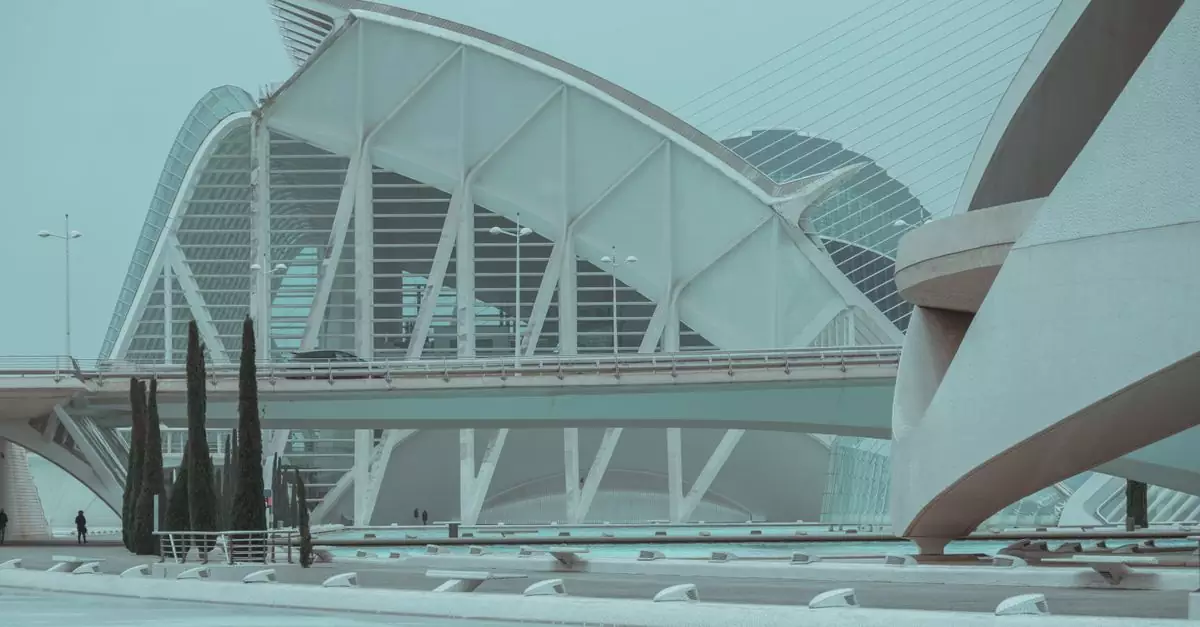
NEOM represents a bold leap into the future of urban living and tourism. This ambitious megaproject in northwest Saudi Arabia is designed from the ground up to be a sustainable, technologically advanced region. Travelers seeking a glimpse into the future of city design, environmental innovation, and luxury experiences will find NEOM a compelling destination. Its development is ongoing, with various components opening in phases, offering a unique opportunity to witness a new world taking shape.
The Line: A Zero-Carbon City of the Future
At the heart of NEOM is “The Line,” a revolutionary linear city concept aimed at redefining urban development. This car-free metropolis will stretch 170 kilometers long and only 200 meters wide, housing nine million residents. The design prioritizes pedestrian access, with all essential amenities, schools, and parks located within a five-minute walk. Transportation will be managed through high-speed rail and automated systems, ensuring a seamless and efficient journey across the city.
The Line’s architecture emphasizes vertical living, with buildings reaching up to 500 meters. Inside, residents will experience a controlled environment where nature is integrated, offering natural light and fresh air. The project aims to be entirely powered by renewable energy sources, setting a new benchmark for sustainability in urban planning. While still under construction, The Line provides a preview of a future where cities are designed around human needs and environmental harmony. Plans for visitor access are in their early stages, but the vision promises an unparalleled experience of futuristic living.
Oxagon: Saudi Arabia’s Industrial Bay
Oxagon is NEOM’s innovative industrial city, situated on the coast. It aims to be a global hub for advanced manufacturing and logistics, emphasizing sustainability and cutting-edge technology. This unique development features a large floating industrial complex, the first of its kind, which will house various industries, including clean energy, advanced materials, and digital manufacturing.
The city’s design emphasizes circular economy principles, aiming to minimize waste and maximize resource efficiency. Oxagon’s strategic location on the Red Sea provides excellent connectivity for global trade. For travelers interested in the future of industry and sustainable economic zones, Oxagon offers a glimpse into advanced infrastructure and innovative industrial practices. As development progresses, it is expected to attract business travelers and those interested in the practical application of futuristic technologies in a commercial setting.
Trojena: A Year-Round Mountain Destination
Trojena is NEOM’s mountain resort destination, designed to offer unique experiences year-round. Located in the Sarawat Mountains, it aims to provide a cooler climate and diverse activities, including skiing, adventure sports, and wellness retreats. This development marks a significant departure from the typical desert landscape of the region, offering a refreshing contrast and a novel travel proposition.
The resort will feature a large ski slope, a man-made lake for water sports, and hiking trails, all set against a backdrop of stunning natural scenery. Trojena is committed to sustainability, with all infrastructure powered by renewable energy. It is envisioned as a destination for adventure seekers, nature lovers, and those looking for a unique luxury escape in a mountainous environment. Travelers can anticipate state-of-the-art facilities blended with the natural beauty of the mountains, offering a glimpse into a future where tourism adapts to diverse climates and environmental considerations.
What Are the Best Times to Visit These Futuristic Destinations?
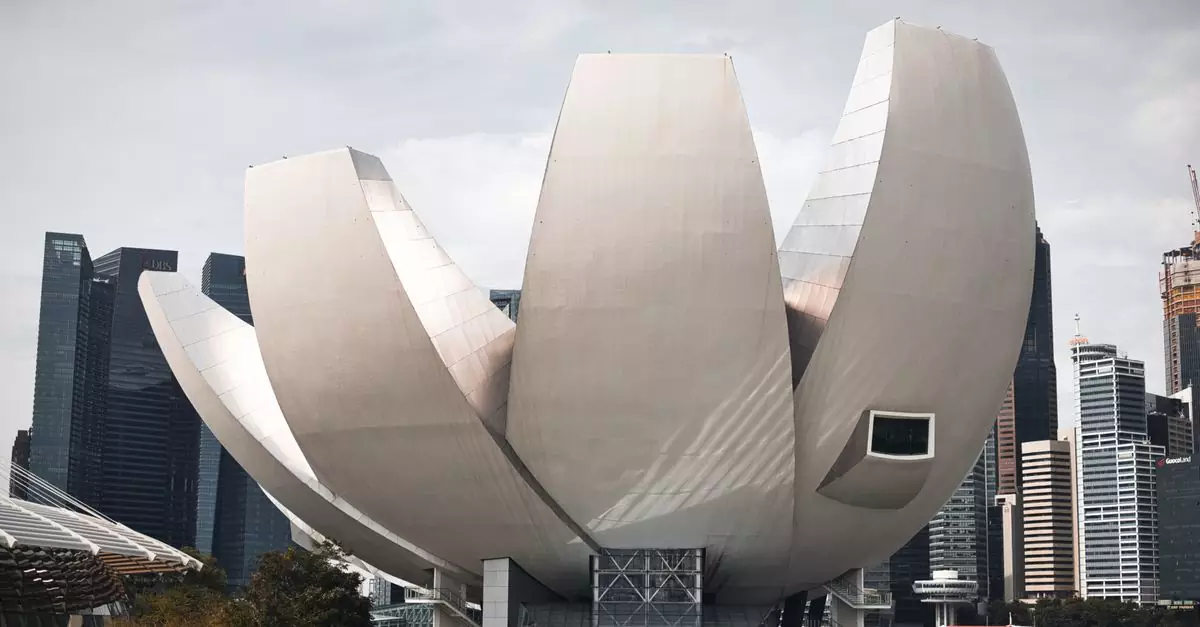
Planning your trip to the Middle East’s most ambitious projects requires attention to the calendar. Understanding the optimal weather and local events will significantly enhance your experience, especially when considering destinations like Dubai, Abu Dhabi, and the developing NEOM.
Optimal Weather for Exploration in Dubai and Abu Dhabi
For the best weather in Dubai and Abu Dhabi, aim for the cooler months between November and March. During this period, daytime temperatures typically range from a pleasant 20°C to 25°C (68°F to 77°F), making outdoor activities and city exploration enjoyable. Summer, from May to September, brings intense heat and humidity, with temperatures frequently exceeding 40°C (104°F), which can limit daytime excursions. Spring and autumn offer transitional periods with warmer temperatures, still manageable for many travelers.
| Month | Avg. High (°C) | Avg. Low (°C) | Humidity | Notes |
|---|---|---|---|---|
| November | 30 | 20 | Moderate | Pleasant, start of tourist season |
| December | 27 | 17 | Moderate | Cooler, festive atmosphere |
| January | 25 | 15 | Moderate | Mildest temperatures |
| February | 27 | 16 | Moderate | Pleasant, good for outdoor activities |
| March | 31 | 19 | Moderate | Warming up, still comfortable |
| April | 35 | 22 | High | Transition to summer heat |
| May | 39 | 26 | High | Hot, indoor activities recommended |
| June-Sept | 40+ | 30+ | Very High | Extreme heat, indoor focus |
| October | 36 | 24 | High | Cooling down, end of summer |
Seasonal Events and Festivals in the UAE’s Future Cities
Beyond the weather, the UAE’s calendar is filled with events that can enhance your visit. The Dubai Shopping Festival, typically held from late December to late January, offers significant retail discounts and entertainment. For a more cultural experience, the Emirates Airline Festival of Literature usually takes place in February or March, drawing renowned authors and engaging audiences. Major sporting events, such as the Dubai World Cup in horse racing (usually late March), also attract international crowds. Planning around these events can add a unique dimension to your trip, though expect higher accommodation prices and larger crowds. The Dubai Tourism website is an excellent resource for current event listings.
Planning Your Visit to NEOM During its Development Phases
NEOM is an active development project rather than a fully established tourist destination. The best time to visit NEOM depends on your interest in witnessing its construction and early stages. Currently, access is limited, and visits are often arranged through specific channels, potentially involving business or investment inquiries.
For those keen to see the progress, the cooler months from October to April offer the most comfortable conditions for any on-site exploration or site visits. Temperatures during this period are significantly milder than the peak summer heat. As NEOM’s infrastructure develops, accessibility will improve. Travelers interested in early access should monitor official NEOM announcements or consult with entities involved in its development for the latest information on visitor access and available tours. Understanding that NEOM is a work in progress is key to managing expectations for any visit.
Navigating Your Futuristic Journey: Transportation and Accommodation
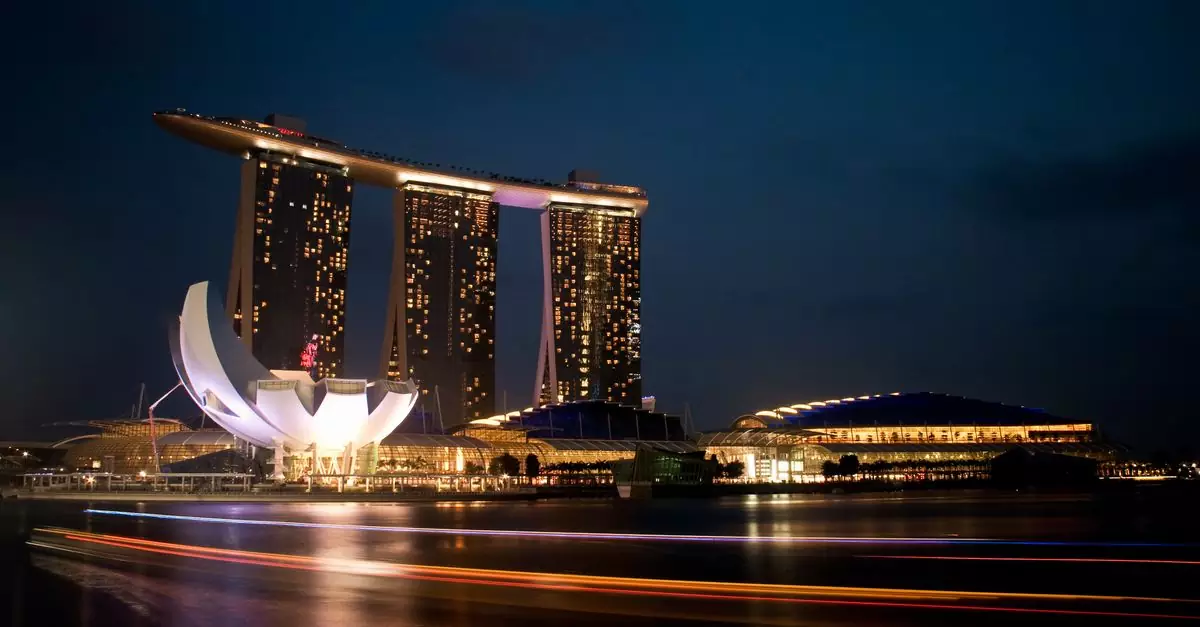
Planning a trip to the Middle East’s most innovative cities requires understanding how to navigate them and where to stay. These destinations are at the forefront of urban development, offering advanced infrastructure and unique lodging experiences. Focusing on efficient transport and forward-thinking accommodations will enhance your visit to these cutting-edge locales.
Getting Around Dubai: From Metro to Ride-Sharing
Dubai boasts an efficient public transportation system, making it easy to traverse the city without a personal vehicle. The Dubai Metro is a key component, with its sleek, driverless trains offering a comfortable and fast way to reach major attractions like the Burj Khalifa and the Dubai Mall. The Red and Green lines cover a significant portion of the city, and stations are well-integrated with other transport hubs.
For areas not directly served by the metro, ride-sharing services like Uber and Careem are widely available and affordable. Taxis are also plentiful and metered, providing another convenient option. Travelers can purchase a Nol card, a rechargeable smart card, to pay for metro, bus, and tram fares, simplifying transit payments across different modes of transport. This integrated system is designed for ease of use, reflecting Dubai’s commitment to a seamless visitor experience.
Sustainable Transport Options in Masdar City
Masdar City, a planned urban development near Abu Dhabi, is a global leader in sustainable urban living, and its transportation reflects this ethos. The city prioritizes pedestrian-friendly design, with shaded walkways and a compact layout encouraging walking. For longer distances, a network of electric vehicles and autonomous pods operates, offering a quiet and emission-free way to get around.
The Personal Rapid Transit (PRT) system, though limited in scope, showcases the future of urban mobility with its on-demand, driverless pods. Visitors can also utilize electric bicycles and scooters available for rent. Masdar City’s approach to transport provides a glimpse into a future where mobility is integrated with environmental responsibility, making it a unique destination for those interested in eco-friendly urban planning.
Choosing Futuristic Stays: Smart Hotels and Unique Accommodations
Accommodations in these futuristic destinations range from hyper-modern smart hotels to architecturally significant boutique stays. In Dubai, many hotels feature advanced technology, allowing guests to control room settings via tablets, enjoy personalized entertainment systems, and benefit from smart concierge services. These hotels often boast stunning views and world-class amenities, catering to discerning travelers.
Beyond conventional hotels, consider unique lodging options that reflect the region’s innovation. Some developments offer serviced apartments with integrated smart home technology, blending home comfort with futuristic convenience. While Masdar City’s accommodation options are more focused on residential living and research facilities, nearby Abu Dhabi offers a wide array of sophisticated hotels and serviced apartments that incorporate sustainable design principles and modern amenities. When booking, look for properties that highlight their technological integration or eco-friendly features for a truly forward-thinking stay.
Frequently Asked Questions About Futuristic Middle Eastern Travel
Are these destinations safe for tourists?
Generally, major cities in the Middle East considered futuristic travel destinations maintain high safety standards. These urban centers often have robust security measures and low crime rates, particularly in tourist areas. However, as with any international travel, it’s wise to stay informed about local advisories and practice common-sense precautions. Travelers can find up-to-date information on safety and security from their home country’s foreign office or through reliable news sources like the BBC News Middle East.
What kind of budget should I expect for a futuristic trip?
The budget for a trip to these modern Middle Eastern cities can vary significantly based on your travel style and choices. Destinations like Dubai and Doha are known for luxury offerings, with high-end hotels and fine dining contributing to a higher overall cost. However, more budget-conscious options for accommodations and dining are available with careful planning.
Here’s a general comparison for a mid-range traveler:
| City | Daily Accommodation (USD) | Daily Food & Activities (USD) |
|---|---|---|
| Dubai | $150 – $300 | $100 – $200 |
| Doha | $120 – $250 | $90 – $180 |
| Riyadh | $100 – $200 | $70 – $150 |
These figures are estimates and can fluctuate based on the season and specific choices. Booking flights and accommodations in advance often yields better prices.
What are some unique local foods to try in these modern cities?
While these cities offer a global culinary scene, exploring local flavors is a must. You’ll find traditional dishes prepared with modern flair.
- Mezze: A selection of small dishes, often including hummus, mutabal (eggplant dip), tabbouleh, and falafel, is a staple and perfect for sharing.
- Machboos: A flavorful rice dish, often cooked with meat (lamb or chicken) and aromatic spices, is a regional specialty.
- Shawarma: While found globally, the authentic Middle Eastern version, made with thinly sliced marinated meats, is a delicious and accessible street food.
- Luqaimat: Sweet dumplings, often drizzled with date syrup or honey, make for a delightful dessert.
Many contemporary restaurants in these urban centers elevate these traditional dishes, offering a refined taste of local cuisine.