Mexico’s coastlines present a stunning blend of turquoise waters, soft sands, and rich cultures, making it a perennial favorite for beach enthusiasts. From the vibrant Riviera Maya to the serene Pacific shores, exploring the best beaches in Mexico is a rewarding adventure. This guide highlights ten remarkable destinations, each promising unforgettable experiences.
You’ll discover the unique charms of each beach, from the iconic Mayan ruins at Tulum to the tranquil bays ideal for families on Isla Mujeres. We’ll delve into the bohemian spirit of Zipolite, the luxurious allure of Maroma Beach, and the natural beauty of Balandra Beach. Whether you crave thrilling surf, peaceful relaxation, or a chance to swim with sea turtles, this curated list offers essential insights for planning your perfect Mexican beach getaway.
Unveiling the Top 10 Best Beaches in Mexico for 2026
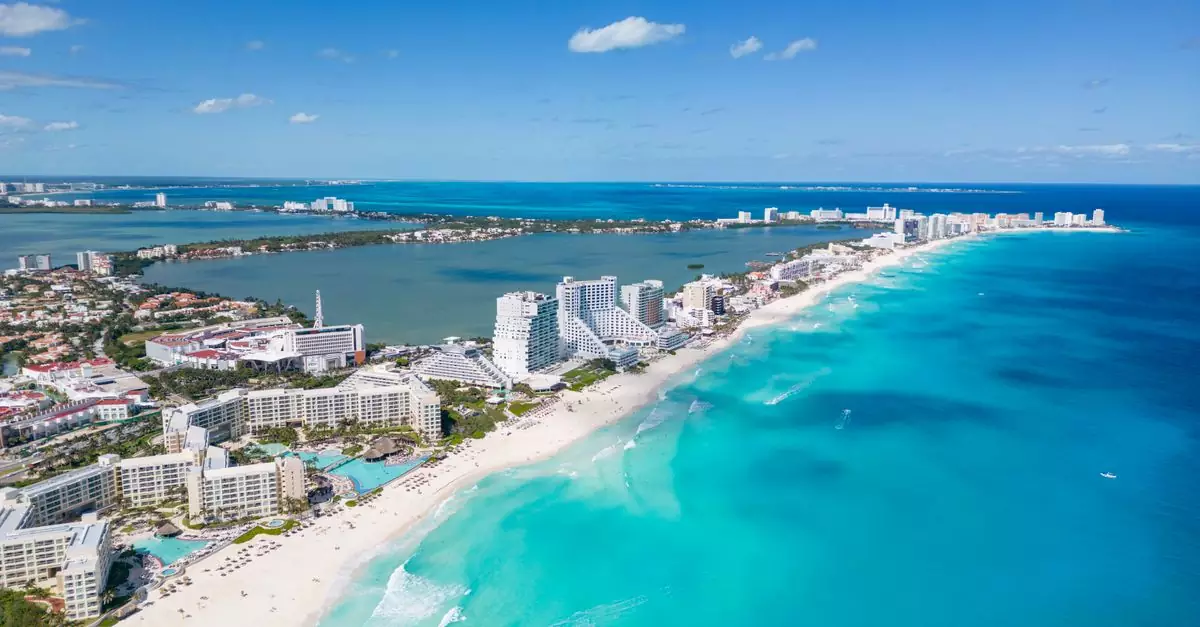
Mexico’s coastline showcases a remarkable variety of beach experiences, ranging from the vibrant Caribbean waters to the rugged Pacific beauty. For travelers seeking sun-drenched shores and memorable coastal adventures in 2026, this selection of the country’s finest beaches awaits, each offering a unique slice of paradise.
Playa Paraiso, Tulum: The Quintessential Caribbean Escape
Nestled along the Riviera Maya, Playa Paraiso truly lives up to its name, translating to “Paradise Beach.” This stretch is celebrated for its powdery white sands and impossibly clear, shallow waters. The iconic Mayan ruins of Tulum provide a dramatic backdrop, creating a captivating blend of history and natural beauty. To enjoy the tranquility before the crowds arrive, visitors should consider an early start.
Travelers can reach Playa Paraiso by flying into Cancún International Airport, then arranging transport—either a rental car or a pre-booked shuttle—for the approximately 90-minute drive south. Accommodation options range from luxury resorts to budget-friendly boutique hotels in Tulum town. While stunning year-round, the dry season from December to April offers the most pleasant weather.
Playa Norte, Isla Mujeres: Turquoise Waters and Shallow Serenity
Isla Mujeres’ Playa Norte consistently ranks among the world’s most beautiful beaches, and for good reason. The exceptionally calm and shallow waters extend hundreds of feet from shore, making it perfect for wading, families with young children, or simply enjoying the sensation of walking on water. The soft sand and gentle Caribbean breeze provide added comfort.
Accessing Isla Mujeres is easy via a short ferry ride from Cancún. Once on the island, Playa Norte is easily reachable by taxi or golf cart rental, the preferred mode of transport. Numerous hotels and restaurants line the beach, offering convenient amenities. The ideal time to visit for calm seas and sunshine is generally from December to May.
Balandra Beach, La Paz: Iconic Mushroom Rock and Calm Bay
On the Baja California Sur peninsula, Balandra Beach near La Paz features a distinctive landscape. Its defining characteristic is “El Hongo” (The Mushroom), a striking rock formation shaped by wind and water. The bay itself is remarkably shallow and calm, resembling a vast, warm natural pool. At low tide, you can walk far into the bay.
Reaching Balandra requires a drive from La Paz, the nearest major city. Renting a car is advisable for flexibility. As a protected natural park, visitors should be mindful of local regulations. The climate in La Paz is arid, with the most comfortable months for visiting being from October to May, avoiding the intense summer heat.
Zipolite Beach, Oaxaca: A Bohemian Haven on the Pacific Coast
On Mexico’s Pacific coast, Zipolite exudes a distinctly bohemian and relaxed atmosphere. As the country’s only officially recognized clothing-optional beach, it attracts a diverse crowd seeking a free-spirited vibe. The waves here are typically stronger than on the Caribbean side, appealing to experienced swimmers and those who appreciate the raw power of the Pacific.
Zipolite is accessible via Huatulco International Airport (HUX) or Puerto Escondido Airport (PXM), followed by a bus or taxi ride. Accommodations mainly consist of small cabanas and guesthouses, reflecting the town’s relaxed ethos. The dry season, from November to April, offers the most reliable sunshine.
Sayulita Beach, Nayarit: Surfing Vibes and Bohemian Charm
Further up the Pacific coast, Sayulita has evolved from a sleepy fishing village into a vibrant surf town. Its main beach serves as a lively hub, featuring colorful buildings, bustling palapa restaurants, and consistent waves that attract surfers of all levels. Smaller coves nearby offer quieter spots for relaxation.
Sayulita is about an hour’s drive north of Puerto Vallarta, with convenient shuttle or taxi services available. The town is very walkable, and many visitors choose to stay in charming boutique hotels or rental apartments. The peak surf season typically runs from November to May, coinciding with pleasant weather.
| Beach Name | Region | Water Type | Vibe | Best For |
|---|---|---|---|---|
| Playa Paraiso | Riviera Maya | Calm, Turquoise | Relaxed, Scenic | Swimming, Photography, History Buffs |
| Playa Norte | Isla Mujeres | Very Shallow, Calm | Family-Friendly, Tranquil | Wading, Relaxing, Gentle Swimming |
| Balandra Beach | Baja California | Extremely Shallow | Natural Beauty, Unique | Walking on Water, Photography, Nature Lovers |
| Zipolite Beach | Oaxaca | Moderate to Strong | Bohemian, Free-Spirited | Swimming (experienced), Sunbathing |
| Sayulita Beach | Nayarit | Moderate Waves | Surfing, Lively, Bohemian | Surfing, People-Watching, Casual Dining |
Riviera Maya’s Most Stunning Coastal Retreats
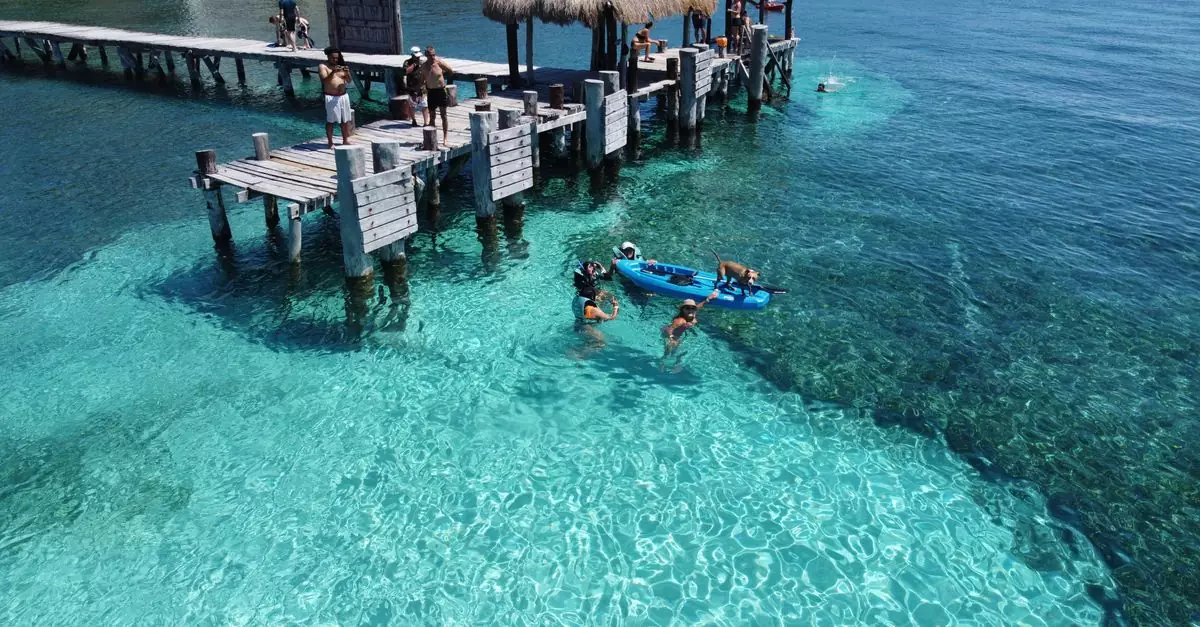
The Riviera Maya, stretching along the Yucatán Peninsula’s Caribbean coast, is synonymous with turquoise waters and soft white sands. This region offers a diverse array of beach experiences, from lively shores with abundant amenities to secluded coves that promise tranquility. Discovering the best beaches in Mexico often leads travelers to this popular stretch—and for good reason.
Akumal Beach: Swimming with Sea Turtles
Akumal, meaning “Place of the Turtles” in Mayan, lives up to its name. This protected bay serves as a prime nesting and feeding ground for green sea turtles. Snorkeling or diving here presents a unique chance to observe these gentle creatures in their natural habitat.
Traveler Tips for Akumal:
- Best Time to Visit: Year-round, though turtle sightings are most consistent from May to November.
- Getting There: Located between Playa del Carmen and Tulum, accessible by colectivo (shared van), taxi, or rental car. Parking is available near the beach.
- Activities: Snorkeling tours are highly recommended for guided turtle encounters and to learn about conservation efforts. Kayaking and paddleboarding are also popular.
- Conservation: Strict rules protect the turtles. Always maintain a respectful distance, never touch them, and use reef-safe sunscreen. Guided tours typically provide proper equipment and guidance.
While Akumal offers a unique wildlife experience, it can become crowded. For a quieter escape with a similar allure, nearby Xpu-Ha is a great alternative.
Xpu-Ha Beach: Secluded Sands and Cenote Adventures
Xpu-Ha presents a more relaxed vibe compared to its more famous neighbors. Its long, wide stretch of sand is less developed, providing spaciousness and calm. The gentle waves and clear waters invite swimming and sunbathing.
Beyond the beach, Xpu-Ha serves as a gateway to inland wonders. Several cenotes, natural sinkholes filled with crystal-clear freshwater, are just a short distance from the coast. These offer a refreshing break from the sun and a chance to explore the Yucatán’s unique geological formations.
Xpu-Ha vs. Akumal Comparison:
| Feature | Akumal Beach | Xpu-Ha Beach |
|---|---|---|
| Vibe | Wildlife-focused, busy | Relaxed, spacious |
| Main Draw | Sea turtle snorkeling | Wide sands, cenote access |
| Development | Moderate, tour operators present | Low-key, beach clubs, minimal |
| Water Clarity | Excellent | Excellent |
| Crowds | High during peak hours | Generally lower |
Accessing Xpu-Ha is straightforward, located just south of Puerto Aventuras and north of Tulum. Parking is available at beach clubs lining the access road, many of which offer amenities like loungers, umbrellas, and food service for a comfortable day by the sea.
Maroma Beach: Luxury Resorts and Pristine Shores
Regularly ranked among the world’s best, Maroma Beach represents Caribbean perfection. Its powdery white sand is exceptionally soft, and the water displays a vibrant spectrum of blues. This exclusivity is largely due to the high-end resorts that line its shores, ensuring a pristine environment.
While public access points exist, Maroma is often experienced through its luxurious hotels. These resorts provide world-class amenities, from infinity pools overlooking the ocean to gourmet dining and spa services. The atmosphere is one of refined relaxation.
Activities at Maroma:
- Water Sports: Guests can enjoy kayaking, paddleboarding, and jet skiing.
- Diving & Snorkeling: The nearby Mesoamerican Barrier Reef offers excellent opportunities for underwater exploration.
- Sunset Cruises: Many resorts provide romantic evening excursions.
For those seeking an indulgent beach experience with impeccable service, Maroma Beach stands out. Its commitment to preserving natural beauty while offering top-tier comfort makes it a premier destination on the Riviera Maya.
Pacific Coast Treasures: Beyond the Crowds

While the Caribbean coast often garners attention, Mexico’s Pacific shoreline offers a distinct charm with its rugged beauty and laid-back atmosphere. These beaches provide a different type of Mexican coastal experience, often less developed and focused on natural landscapes and authentic local life. Travelers seeking a quieter escape will find their haven here, from bohemian surf towns to tranquil bays.
Playa Mermejita, Mazunte: A Tranquil Sunset Spot
Near the bohemian village of Mazunte in Oaxaca, Playa Mermejita is a wide, undeveloped stretch of sand famous for its breathtaking sunsets. Nature takes center stage here, with dramatic rock formations and the powerful Pacific surf creating a stunning backdrop. Unlike the more accessible Playa Rinconcito, Mermejita is less frequented, offering a sense of seclusion.
Reaching Playa Mermejita involves a scenic walk from Mazunte, often through coastal paths. The journey itself rewards visitors with stunning ocean vistas. Once there, the beach is perfect for long walks and quiet contemplation. Swimming can be challenging due to strong currents, so wading or soaking in the views is recommended.
Logistics for Playa Mermejita:
- Access: A 15-20 minute walk from Mazunte village.
- Amenities: Limited; bring your own water and snacks.
- Best for: Sunset viewing, peaceful relaxation, photography.
- Caution: Be aware of strong undertows if entering the water.
Playa Escondida, Sayulita: A Surfer’s Secluded Paradise
Just north of the popular surf town of Sayulita in Nayarit, Playa Escondida (Hidden Beach) lives up to its name. Accessible via a short, scenic hike over a rocky headland from Sayulita’s main beach, this cove is a favorite among local surfers and those seeking a more private surf experience. The hike involves some scrambling over rocks, but the reward is a picturesque beach with consistent waves.
The atmosphere at Playa Escondida is distinctly more relaxed than Sayulita’s bustling main beach. A scattering of surf schools and local vendors can be found, but the overall vibe is one of unpretentious surf culture. It’s a fantastic spot to watch experienced surfers ride the waves or to try your hand at catching a few if you have some surfing experience.
Getting to Playa Escondida:
- From Sayulita: Walk north along the main beach and follow the signs for the coastal trail. The hike takes about 10-15 minutes.
- What to bring: Water shoes for the rocky trail and swim gear.
- Best for: Surfing, watching surfers, a less crowded beach experience.
Playa La Ropa, Zihuatanejo: Family-Friendly Waters and Palapa Dining
In the charming fishing town of Zihuatanejo, Guerrero, Playa La Ropa is known for its calm, clear waters and gentle slope into the sea. This crescent-shaped bay is exceptionally family-friendly, making it a popular choice for those traveling with children. The shallow, tranquil waters are perfect for swimming, paddleboarding, and kayaking without the worry of strong Pacific swells.
Lining Playa La Ropa are numerous open-air restaurants, known as palapas, serving fresh seafood and refreshing drinks with your toes practically in the sand. Dining here embodies the Zihuatanejo experience, providing a relaxed atmosphere to enjoy local cuisine while overlooking the bay. The beach itself is wide and soft, ideal for sunbathing and leisurely strolls.
Playa La Ropa at a Glance:
- Water conditions: Very calm and shallow, excellent for families.
- Activities: Swimming, paddleboarding, kayaking, sailing.
- Dining: Numerous palapa restaurants offering local specialties.
- Access: Easily reachable by taxi or local bus from Zihuatanejo town.
These Pacific coast destinations present a compelling alternative to the more developed Caribbean resorts, showcasing Mexico’s diverse coastal beauty and a more authentic, laid-back travel experience.
When is the Best Time to Visit Mexico’s Best Beaches?
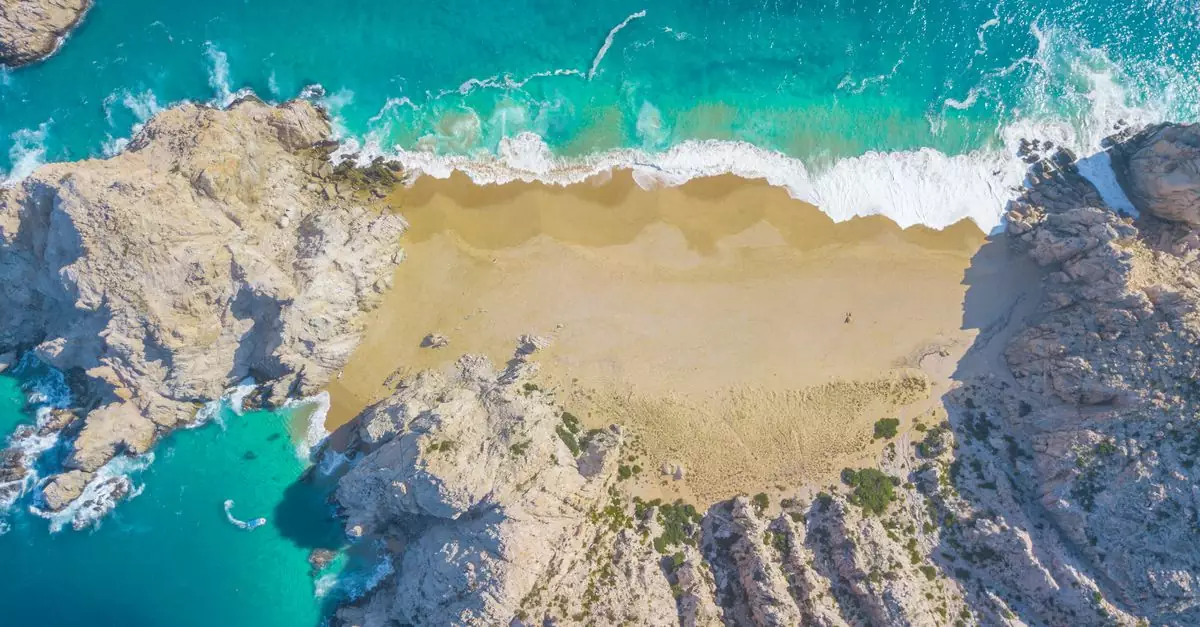
Choosing the right time to visit Mexico’s varied coastline significantly affects your experience, from weather patterns to crowd levels. Understanding seasonal nuances helps pinpoint the ideal window for your desired beach vacation, whether you seek sun-drenched relaxation or adventurous water sports.
Navigating Mexico’s Beach Weather by Season
Mexico’s extensive coastlines, spanning the Caribbean Sea and the Pacific Ocean, experience distinct weather patterns. Generally, the country enjoys a tropical climate, but regional variations and seasonal shifts are essential to consider.
The dry season, typically from December to April, offers the most reliably pleasant weather across most beach destinations. Expect warm, sunny days with lower humidity and minimal rainfall. This period is particularly appealing for those planning a trip to the Yucatán Peninsula, including popular spots like Cancún and Playa del Carmen, as well as Pacific coast gems such as Puerto Vallarta.
Conversely, the wet season runs from May to November. While this doesn’t guarantee constant rain, higher humidity and more frequent, albeit brief, afternoon showers are common. This season can bring lush landscapes and fewer crowds, appealing to budget-conscious travelers or those seeking tranquility. Temperatures remain warm year-round, with the hottest months usually occurring just before the rainy season begins.
Peak Tourist Seasons vs. Shoulder Season Advantages
Mexico’s prime beach season aligns with its dry period, especially from mid-December through Easter week. During this time, resorts and beaches bustle with visitors, creating a vibrant atmosphere. While this offers lively environments and a wide range of activities, it also means higher prices for flights and accommodations, along with increased crowds. Booking well in advance is crucial if you plan to visit during these peak times.
Shoulder seasons, which include periods just before and after peak times (e.g., late April to May, and late October to early December), present a compelling alternative. You can often find better deals on lodging and flights, with noticeably thinner crowds. The weather is generally favorable, making it an excellent compromise for those seeking a balance between good conditions and a more relaxed experience. For instance, visiting Sayulita on the Pacific coast in November provides pleasant weather without the intense December crowds.
Hurricane Season Considerations for Coastal Travel
For travelers heading to Mexico’s Caribbean coast, including destinations like Tulum and Cozumel, understanding hurricane season is vital. This season runs from June 1 to November 30, with the most active period typically occurring from August to October. While direct hits are rare, tropical storms and hurricanes can cause significant disruptions, including heavy rainfall and potential travel cancellations.
Monitoring weather forecasts closely is prudent if traveling during these months. Travel insurance that covers weather-related disruptions is highly recommended for any trip during hurricane season. While the Pacific coast is generally less affected by Atlantic hurricanes, it can experience its own tropical storm activity. Many travelers still enjoy beach vacations during this time, often finding lower prices, but they do so with a greater awareness of potential weather impacts.
| Region | Best Time to Visit (Dry Season) | Shoulder Season Benefits | Hurricane Season (June-Nov) Considerations |
|---|---|---|---|
| Yucatán Peninsula | December – April | May, Oct-Nov (Fewer crowds, good value) | Higher humidity, potential for storms; monitor forecasts closely. |
| Pacific Coast | November – May | April-May, Oct-Nov (Good weather, fewer crowds) | Generally less impacted by Atlantic storms, but can experience Pacific systems. |
| Baja California | October – May | April-May, Oct-Nov (Pleasant temps, fewer crowds) | Can experience strong winds and rain from Pacific storms. |
Planning Your Beach Getaway: Transportation and Accommodation Tips
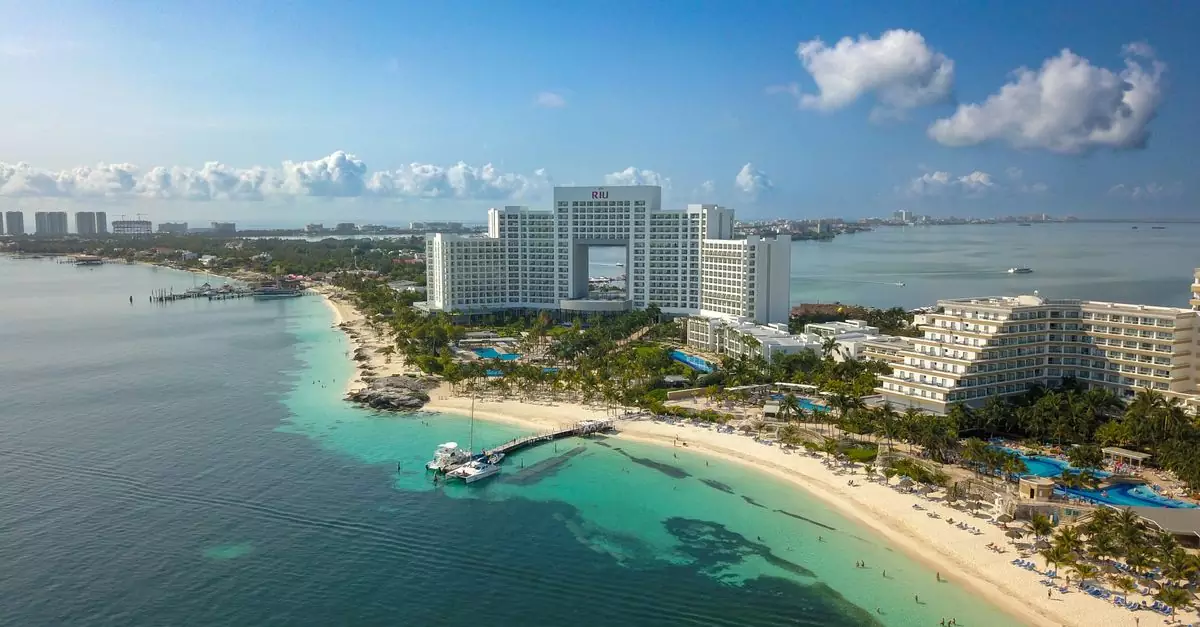
Selecting the right transportation and accommodation is essential for a seamless beach vacation in Mexico. From major international airports to local transit, understanding your options will save you time and money. Likewise, choosing the right lodging can enhance your experience, whether you prefer vibrant all-inclusive resorts or intimate boutique hotels.
Getting to Mexico’s Top Beach Destinations
Most travelers arrive in Mexico via international airports located near popular coastal areas. Cancun International Airport (CUN) serves the Riviera Maya and the Yucatán Peninsula, handling numerous flights from North America and Europe. Puerto Vallarta International Airport (PVR) is the primary gateway for the Pacific Coast’s Jalisco region, while Los Cabos International Airport (SJD) caters to visitors heading to the peninsula’s tip.
For those coming from within North America, direct flights are common. Travelers from farther away may require a connection, often through a major hub in the United States or Mexico City. Booking flights several months in advance, particularly during peak seasons like winter and spring break, is advisable for securing better prices. Consider budget airlines for shorter regional flights within Mexico if you plan to explore multiple coastal experiences.
Navigating Local Transport: Taxis, Buses, and Colectivos
Upon arrival, getting around your chosen beach destination involves various practical options. Taxis are readily available at airports and in most tourist areas, but it’s essential to agree on a fare before starting your journey, as many do not use meters. For longer distances or inter-city travel, ADO buses provide comfortable and reliable service across the country, connecting major towns and tourist hubs.
Within towns and between nearby beaches, colectivos (shared vans or minibuses) are an economical and efficient choice. They operate on fixed routes, picking up and dropping off passengers along the way. This is a great way to experience local life while saving money compared to private taxis. For example, along the Riviera Maya, colectivos are a popular means of travel between Playa del Carmen and Tulum.
| Transportation Type | Typical Use | Estimated Cost (USD) | Notes |
|---|---|---|---|
| International Flight | Arrival from abroad | Varies Greatly | Book in advance for best rates. |
| ADO Bus | Inter-city travel, major towns | $10 – $40 | Comfortable, reliable, air-conditioned. |
| Taxi | Short distances, airport transfers | $15 – $50+ | Agree on fare beforehand, negotiate if possible. |
| Colectivo | Local travel, between nearby towns/beaches | $1 – $5 | Frequent, cost-effective, can be crowded. |
| Rental Car | Independent exploration | $30 – $60 per day | Requires valid license; insurance recommended. |
Choosing Your Ideal Beachfront Stay: Boutique Hotels to All-Inclusives
Mexico’s coastline features a diverse range of accommodations to fit every budget and travel style. All-inclusive resorts are plentiful, especially in Cancun and Riviera Maya, providing a convenient option with meals, drinks, and activities included. These resorts often boast expansive grounds, multiple pools, and direct beach access.
For a more intimate experience, consider boutique hotels. These smaller properties often feature unique decor, personalized service, and prime locations in charming towns or secluded coves. Destinations like Sayulita on the Pacific coast or Isla Mujeres off the Yucatán coast are known for their delightful boutique hotel selections. Vacation rentals, from apartments to private villas, are also widely available and can be a cost-effective choice for families or groups. When booking, pay attention to proximity to the beach and included amenities, such as breakfast or Wi-Fi.
Frequently Asked Questions About Mexico’s Best Beaches
Are Mexico’s beaches safe for tourists?
Safety on Mexico’s beaches generally depends on the specific location and time of day. Major tourist destinations like Cancun, Playa del Carmen, and Puerto Vallarta maintain a visible security presence, especially in popular areas. It’s wise to remain aware of your surroundings, avoid walking alone at night in unlit areas, and heed any local advisories. Researching the safety conditions of your chosen destination is recommended. For general travel safety information in North America, consult resources like Wikipedia’s entry on North America.
What are the most family-friendly beaches in Mexico?
Several destinations cater well to families seeking relaxing beach vacations. Playa Norte in Isla Mujeres features calm, shallow waters ideal for children. Akumal, south of Playa del Carmen, is famous for its gentle sea turtles and clear, shallow bay, making it a unique snorkeling spot for all ages. Many resorts along the Riviera Maya and in areas like Huatulco also provide family-oriented amenities and activities, ensuring a comfortable stay for those traveling with younger children.
Can you find affordable beach destinations in Mexico?
Yes, Mexico offers a variety of beach destinations suitable for various budgets. While popular spots like Tulum can be pricier, areas along the Pacific coast, including towns near Puerto Escondido or Mazatlán, often provide more budget-friendly accommodation and dining options. Traveling during the shoulder seasons (spring or fall, outside of major holidays) can also significantly reduce costs for flights and lodging. Exploring smaller, less developed coastal towns can lead to discovering more affordable havens compared to large resort hubs.