An Alaska summer cruise offers a unique blend of breathtaking natural beauty, abundant wildlife, and accessible adventure, making it a compelling choice for travelers seeking an unforgettable experience. The long daylight hours and generally milder weather of the summer months provide optimal conditions for exploring this vast frontier. From the comfort of a cruise ship, you can witness dramatic landscapes, encounter incredible fauna, and access remote areas without extensive planning.
This guide will equip you with everything you need to know to plan your perfect Alaska summer cruise. Discover the best itineraries for 2026, from classic Inside Passage routes to adventurous Gulf of Alaska voyages. We’ll cover essential packing tips for unpredictable weather, highlight must-see attractions in popular ports like Juneau, Skagway, and Ketchikan, and provide insights into budgeting for your trip. Get ready to explore glaciers, spot whales, and immerse yourself in the rugged splendor of America’s Last Frontier.
Why Choose an Alaska Summer Cruise for Your Next Vacation?
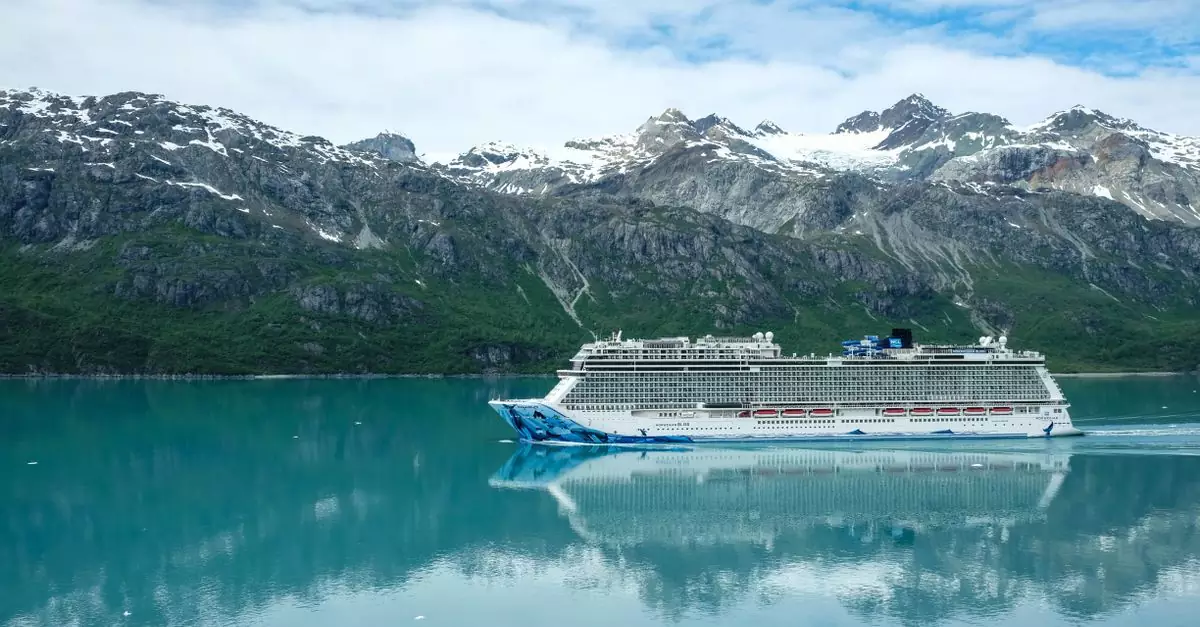
An Alaska summer cruise combines stunning natural beauty, diverse wildlife, and accessible adventure, making it an excellent choice for travelers seeking a memorable experience. The long daylight hours and milder summer weather create ideal conditions for exploring this vast frontier. From your cruise ship, you can witness dramatic landscapes, encounter remarkable wildlife, and access remote areas without the need for extensive planning.
Experiencing the Midnight Sun on an Alaska Summer Cruise
One of the most distinctive features of an Alaska summer cruise is the midnight sun. During June and July, daylight can extend for 18 to 20 hours, bathing the landscape in a soft glow well into the evening. This extended daylight allows for more time to appreciate the scenery from your ship, enjoy on-deck activities, and participate in shore excursions. Even late at night, the bright sky makes it easy to see the mountains and fjords, creating a surreal atmosphere unlike anywhere else. This phenomenon is a significant advantage for photographers and sightseers alike.
Unforgettable Wildlife Encounters: Whales, Bears, and Eagles
Alaska is renowned for its abundant wildlife, and a summer cruise offers exceptional opportunities to witness it in its natural habitat. Humpback whales breaching, pods of orcas slicing through the water, and seals basking on ice floes are common sights. On land, excursions often provide chances to spot brown and black bears foraging along shorelines or in meadows, while bald eagles perch in towering spruce trees, their white heads contrasting against the green foliage. Many cruise lines offer specialized wildlife-watching tours or have naturalists onboard to help identify species and enhance your viewing experience. Seeing these magnificent creatures in the wild is a profound experience that many travelers cherish.
Majestic Glacier Viewing: Hubbard Glacier vs. Glacier Bay National Park
The glaciers of Alaska are among its most iconic attractions, and a summer cruise offers unparalleled access to these icy giants. Two of the most popular destinations are Hubbard Glacier and Glacier Bay National Park.
Hubbard Glacier, North America’s largest tidewater glacier, is awe-inspiring. It is a dynamic river of ice over six miles wide at its terminus, actively calving icebergs with thunderous roars. Ships can often navigate close enough to witness this dramatic display of nature’s power.
Glacier Bay National Park, a UNESCO World Heritage Site, provides a different yet equally spectacular glacial experience. This park features a tidewater glacier system with multiple active glaciers, including Margerie Glacier and Grand Pacific Glacier. The scenery is often more intimate, with opportunities to see glaciers actively calving into the bay, creating a symphony of cracking ice and splashing water. Park rangers often board cruise ships in Glacier Bay to provide expert commentary, enhancing the educational value of the visit.
Here’s a brief comparison of these two premier glacial destinations:
| Feature | Hubbard Glacier | Glacier Bay National Park |
|---|---|---|
| Size of Glacier | Single, massive tidewater glacier | Multiple tidewater glaciers |
| Activity | Highly active calving, impressive sounds | Active calving, often more intimate viewing |
| Scenery | Vast, powerful ice wall | Diverse fjords, multiple glacial fronts |
| Onboard Expertise | Ship’s naturalists | Park Rangers often board ships |
| Accessibility | Typically viewed from ship | Typically viewed from ship, some kayaking options |
| Atmosphere | Raw power and scale | Serene beauty and intricate glacial systems |
Both destinations provide unforgettable glacier viewing, and the choice often depends on the specific cruise itinerary. Regardless of which you visit, the sheer scale and beauty of these frozen landscapes are sure to leave a lasting impression.
Best Alaska Summer Cruise Itineraries for 2026
Choosing the right Alaska cruise itinerary in 2026 depends on your priorities, whether you’re seeking iconic glacier views, abundant wildlife encounters, or a more intimate exploration of the rugged coastline. The summer months, from May to September, offer the best weather and daylight hours for experiencing the Last Frontier by sea. Large cruise ships typically ply the Inside Passage and the Gulf of Alaska, while smaller vessels venture into more remote areas.
7-Day Inside Passage Cruises: Juneau, Skagway, and Ketchikan
A 7-day Inside Passage cruise is a classic introduction to Alaska’s coastal beauty and cultural hubs. These itineraries often depart from Seattle or Vancouver, navigating the sheltered waters of the Alaskan panhandle. You’ll typically visit three main ports: Juneau, Alaska’s capital city accessible only by air or sea; Skagway, a historic Gold Rush town; and Ketchikan, known for its rich Tlingit culture and vibrant totem poles.
Beyond the ports, the real magic often happens at sea. Keep your eyes peeled for humpback whales breaching, pods of orcas, and sea otters floating on their backs. Glacier viewing is a highlight, with many itineraries including scenic cruising days near massive ice formations like Glacier Bay National Park or Tracy Arm Fjord. These cruises are well-suited for families and first-time visitors due to their accessibility and variety of onboard activities.
10-Day Gulf of Alaska Cruises: Exploring Seward and Valdez
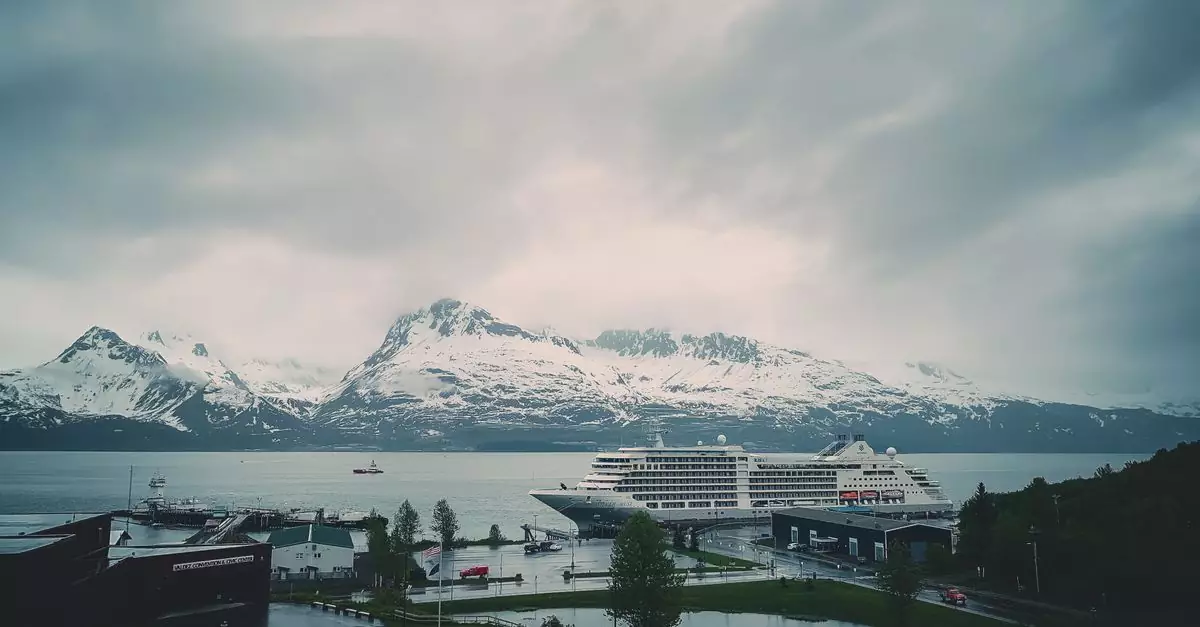
For a more in-depth encounter with Alaska’s dramatic landscapes and marine wildlife, a 10-day Gulf of Alaska cruise offers an extended journey. These voyages often sail roundtrip from Seattle or Vancouver or one-way between Vancouver and Anchorage (Seward or Whittier), allowing for a deeper exploration of the Gulf’s wilder coast. Key destinations often include Seward, the gateway to Kenai Fjords National Park, and Valdez, known as the “Switzerland of Alaska” for its stunning mountain scenery.
These longer itineraries provide more opportunities for scenic cruising through areas like Prince William Sound, a vast network of fjords and glaciers. Expect close-up views of tidewater glaciers calving into the sea, a truly awe-inspiring spectacle. Wildlife viewing can be exceptional, with chances to spot puffins, sea lions, and perhaps even brown bears along the shoreline. Some itineraries may also include unique stops like Kodiak Island, offering a glimpse into Alaska’s fishing heritage. These cruises tend to appeal to travelers seeking more adventure and natural immersion.
Luxury Small Ship Cruises Through the Misty Fjords National Monument
For an intimate and exclusive Alaska cruise experience, consider a luxury small ship voyage through the Misty Fjords National Monument. These itineraries, often operating on vessels carrying fewer than 100 passengers, offer access to areas larger ships cannot reach. Departing from ports like Ketchikan or Juneau, these cruises focus on immersive exploration rather than ticking off major port cities.
The Misty Fjords, a breathtaking wilderness of sheer granite cliffs, cascading waterfalls, and ancient rainforests, is a centerpiece of these journeys. Expect guided kayaking excursions, Zodiac explorations to get closer to wildlife, and naturalist-led hikes. The focus is on experiencing the raw beauty and solitude of Southeast Alaska. Wildlife sightings are often more personal, with opportunities to observe bears, mountain goats, and a rich variety of marine life in their natural habitat. These cruises are ideal for travelers who prioritize a deep connection with nature, personalized service, and a less crowded atmosphere, though they typically come with a higher price tag.
| Cruise Type | Duration | Departure Ports | Key Destinations | Vibe |
|---|---|---|---|---|
| Inside Passage (Large Ship) | 7 Days | Seattle, Vancouver | Juneau, Skagway, Ketchikan, Glacier Bay | Classic, family-friendly, scenic |
| Gulf of Alaska (Large Ship) | 10 Days | Seattle, Vancouver | Seward, Valdez, Kenai Fjords, Prince William Sound | Adventurous, wildlife-focused, immersive |
| Misty Fjords (Small Ship) | 7-14 Days | Ketchikan, Juneau, Sitka | Misty Fjords, remote fjords, secluded coves | Intimate, nature-focused, luxurious |
What to Pack for Your Alaska Summer Cruise Adventure
Packing for an Alaska summer cruise requires a strategic approach, balancing the potential for warm, sunny days with the certainty of cooler temperatures, rain, and wind, especially on deck. The key is layering. Think versatile pieces that can be added or removed as conditions change throughout the day and as you move between the ship and shore.
Essential Clothing Layers for Variable Alaskan Weather
The Alaskan climate in summer is notoriously unpredictable. You might experience temperatures ranging from the low 50s to the high 60s Fahrenheit (10-20°C), with rain being a frequent companion. Start with a moisture-wicking base layer, such as merino wool or synthetic fabrics, to keep you dry. Over this, add an insulating mid-layer, like a fleece jacket or a down vest, for warmth.
Your outer layer is crucial. A waterproof and windproof jacket with a hood is essential. Look for breathable materials to avoid feeling clammy. Consider bringing a pair of waterproof pants, especially if you plan on spending significant time outdoors or participating in activities like whale watching where spray is common. Pack comfortable, long-sleeved shirts and sweaters for cooler evenings or when spending time on the ship’s observation decks.
Must-Have Gear for Shore Excursions: Binoculars and Rain Protection
When disembarking for shore excursions, certain gear can significantly enhance your experience. High-quality binoculars are invaluable for spotting wildlife—from distant whales breaching in the ocean to eagles soaring overhead or bears foraging along the shoreline. A compact, waterproof pair will serve you best.
Beyond personal rain gear, consider a waterproof backpack or dry bag to protect your camera, phone, and other electronics from the elements. Many cruise lines offer guided tours and independent exploration opportunities, and having reliable rain protection ensures you can enjoy these experiences regardless of the weather. A small, quick-drying towel can also be useful for wiping down equipment or yourself after a sudden downpour.
Footwear for Glacier Hiking and City Exploration
Your choice of footwear will depend heavily on your planned activities. For general cruising and exploring port towns like Juneau or Skagway, comfortable walking shoes with good support are essential. Many of these towns are quite walkable, and you’ll be doing a fair amount of strolling along docks and through streets.
If your itinerary includes glacier viewing or hiking, waterproof hiking boots with excellent traction are highly recommended. Some excursions might even require them. Ensure they are broken in before your trip to avoid blisters. Pack comfortable socks, including wool or synthetic blends that wick moisture away from your feet. Focus on versatile options that can handle various conditions without bringing too many pairs of shoes.
Navigating Alaska Summer Cruise Ports: Must-See Attractions
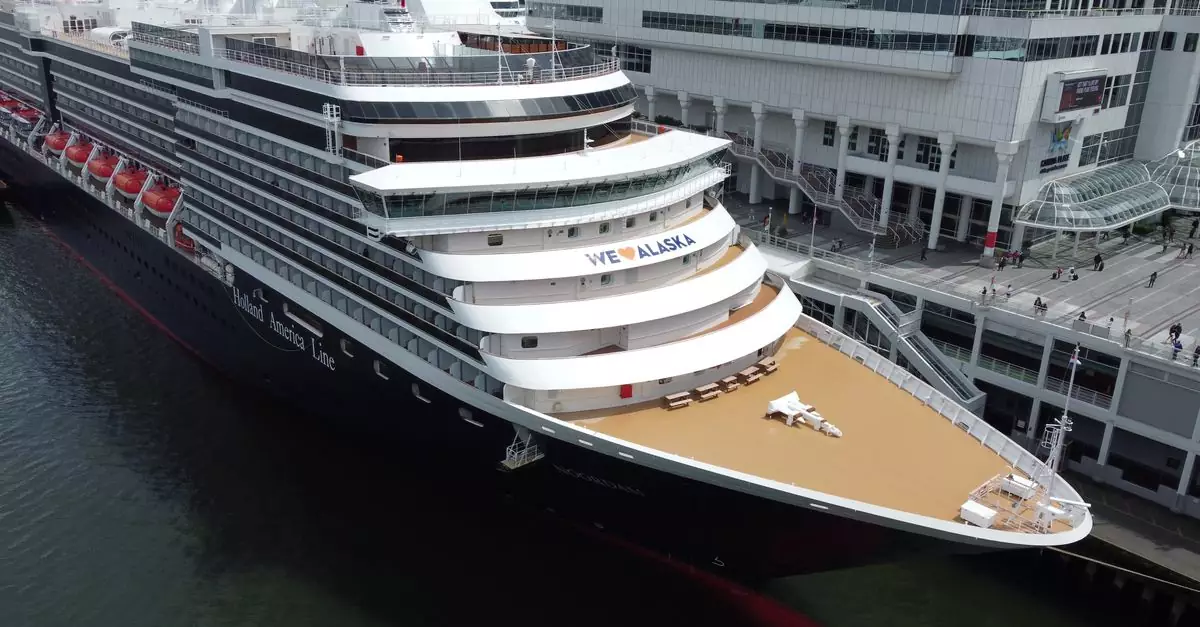
When planning your Alaska summer cruise, understanding the unique offerings of each port is key to maximizing your adventure. From glacier viewing to historical exploration and wildlife encounters, these destinations provide a rich tapestry of experiences.
Exploring Historic Downtown Juneau and the Mendenhall Glacier
Juneau, Alaska’s capital, offers a compelling blend of natural beauty and urban charm. Most visitors head straight for the magnificent Mendenhall Glacier, a 13-mile-long river of ice accessible via a short bus or taxi ride from downtown. The visitor center provides excellent interpretive displays, and walking trails offer varying perspectives of the glacier and its surrounding landscape, including Nugget Falls.
Back in downtown Juneau, you can wander through historic streets lined with colorful buildings that harken back to its gold mining past. Consider a visit to the Alaska State Museum for a deeper dive into the region’s history and culture. For those seeking a more active experience, whale watching tours depart regularly from the waterfront, offering a chance to spot humpbacks and orcas in their natural habitat. Transportation within Juneau is straightforward, with taxis readily available and the city bus system serving major attractions.
Gold Rush History in Skagway: White Pass & Yukon Route Railway
Skagway transports you back to the Klondike Gold Rush era. The town itself is a living museum, with many buildings preserved from the late 1890s. The must-do activity here is the White Pass & Yukon Route Railway. This historic narrow-gauge railway climbs over 3,000 feet in just 20 miles, offering breathtaking views of mountains, glaciers, gorges, and waterfalls. The journey is a remarkable feat of engineering and a scenic marvel.
Beyond the railway, you can explore Skagway’s downtown, visit the Klondike Gold Rush National Historical Park visitor center, or embark on a guided walking tour to learn about the town’s colorful past. For the adventurous, hiking trails like the Chilkoot Trail offer a glimpse into the arduous journey of the gold seekers. Due to limited road access, the railway is the primary way to experience the dramatic scenery surrounding Skagway.
Totem Poles and Salmon Fishing in Ketchikan
Ketchikan, often called the “Salmon Capital of the World,” is renowned for its rich Native Alaskan heritage and abundant marine life. The city is famous for its collection of intricately carved totem poles, with the largest collection displayed at Totem Bight State Historical Park and Saxman Native Village. These vibrant works of art tell stories of Tlingit, Haida, and Tsimshian clans.
A significant portion of Ketchikan’s charm lies in its historic Creek Street, a boardwalk built over the water, once the city’s notorious red-light district and now home to boutiques, galleries, and restaurants. For a true taste of Ketchikan’s identity, consider a salmon fishing excursion or a scenic floatplane tour over the Misty Fjords National Monument. The latter offers a dramatic perspective of sheer granite cliffs, cascading waterfalls, and pristine wilderness. Getting around Ketchikan is easy on foot in the downtown area, with water taxis and local buses available for reaching further attractions.
Budgeting for Your Alaska Summer Cruise: Costs and Savings
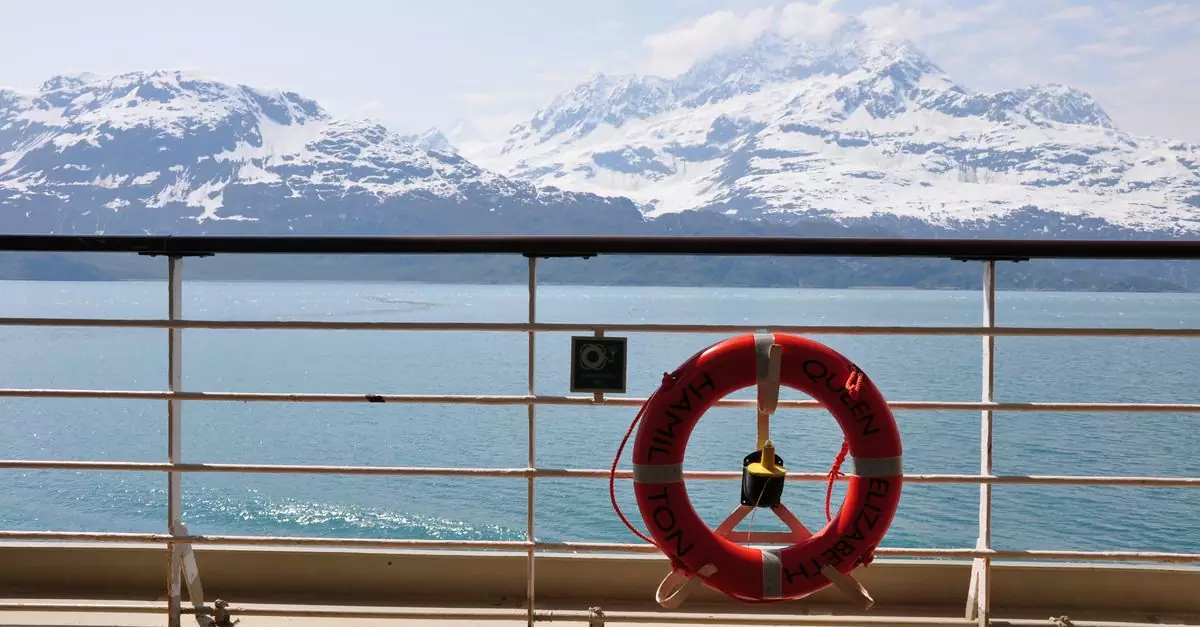
Planning an Alaska summer cruise involves more than just the ticket price. Understanding the full financial picture will help you budget effectively and avoid unexpected expenses. From the initial booking to onboard spending, a little foresight goes a long way in making your adventure both memorable and financially sound.
Understanding Cruise Fares, Port Fees, and Gratuities
The base fare for your Alaska cruise is just the starting point. Most cruise lines will also add port fees and taxes, which can significantly increase the total cost. These cover docking charges, security, and other operational expenses at each destination.
Gratuities are another common charge, often automatically added to your onboard account daily. These typically cover the services of your cabin steward, dining room staff, and other crew members. While some lines allow you to adjust or remove these, it’s important to understand the policy before you sail. Be sure to factor these daily charges, which can range from $15 to $25 per person, into your overall budget.
Cost-Effective Shore Excursion Options Beyond the Ship
While the ship’s organized shore excursions offer convenience, they often come with a premium price tag. For travelers looking to save money, exploring independent tour operators in port towns can yield substantial savings. Many reputable companies offer similar experiences, such as glacier viewing tours, wildlife watching trips, and historical walking tours, at a fraction of the cruise line’s cost.
For instance, instead of booking a dog sledding tour through the cruise line for $200, you might find a comparable excursion with a local operator for $150. Researching these options in advance and booking directly can lead to significant savings. Many independent operators also offer smaller group sizes, providing a more personalized experience. Consider visiting the official tourism websites for towns like Juneau or Skagway to find certified local tour providers.
Saving Money on Onboard Expenses and Souvenirs
Onboard spending can quickly add up, especially with specialty dining, alcoholic beverages, and souvenirs. To manage these costs, consider purchasing a drink package if you plan to consume alcohol regularly, as individual drinks can be expensive. Many cruise lines also offer dining packages that can save money if you intend to try multiple specialty restaurants.
When it comes to souvenirs, the shops onboard and in popular port locations often have inflated prices. For unique and more affordable mementos, explore local markets or smaller shops away from the main tourist hubs. You might find handcrafted items or local specialties at better value. Bringing your own reusable water bottle can also help reduce costs, as many ships have water refill stations, and purchasing bottled water can be pricey.
Frequently Asked Questions About Alaska Summer Cruises
When is the absolute best month for an Alaska summer cruise?
While the entire summer season, from late May through September, offers a fantastic experience, July and August are often considered peak months. These months generally boast the warmest weather and the longest daylight hours, maximizing your opportunities for sightseeing and outdoor activities. You’ll also find that wildlife, particularly whale pods, are very active during this period.
Are Alaska summer cruises crowded?
Yes, Alaska summer cruises are popular, and the peak months of July and August can feel quite busy, especially in popular ports like Juneau and Skagway. Larger ships carry thousands of passengers, and the ports can experience significant foot traffic. If you prefer a less crowded experience, consider booking a cruise in late May or early September. You might encounter cooler weather and a higher chance of rain, but you’ll also find fewer people and potentially better pricing.
What are the chances of seeing the Northern Lights on a summer cruise?
Unfortunately, the chances of seeing the Northern Lights (Aurora Borealis) on an Alaska summer cruise are very slim. The Aurora is best viewed during the dark, clear nights of winter. Alaska’s summer months feature extended daylight hours and relatively short nights, making it nearly impossible to witness the aurora’s display. For Northern Lights viewing, consider an Alaska trip between late August and April.
Can you swim on an Alaska summer cruise?
While some cruise ships offer heated pools and hot tubs that are open year-round, swimming in the ocean or in natural Alaskan waters during a summer cruise is generally not recommended for most travelers. The water temperatures are frigid, even in summer, typically hovering just above freezing. The experience is reserved for the very brave or those seeking an extreme polar plunge, which is sometimes offered as a special, albeit brief, activity on select itineraries.