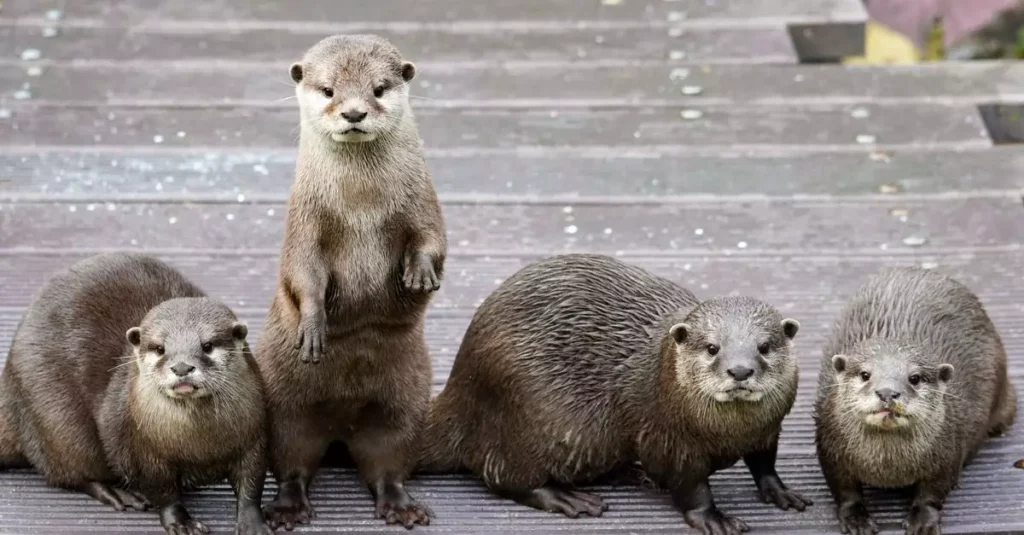
Discovering the playful world of otters in North America provides a unique wildlife experience, whether you’re hoping to spot charming sea otters along the Pacific coast or elusive river otters in freshwater habitats. This guide will help you find the best places to see otters, covering prime viewing locations and optimal times of year for sightings. You’ll learn about specific reserves, national parks, and coastal towns known for their otter populations, along with practical tips to enhance your chances of a successful encounter. We’ll also explore essential gear and responsible viewing etiquette to ensure your adventure is both memorable and respectful of these fascinating creatures. Prepare to explore the most rewarding destinations and strategies for observing North America’s most engaging aquatic mammals.
Spotting Sea Otters Along the California Coast
California’s coastline is an ideal location for observing sea otters, particularly the Southern sea otter (Enhydra lutris nereis). Once nearly extinct, these marine mammals have made a remarkable comeback in certain areas, offering visitors a chance to witness their playful antics in a natural setting. For those interested in the best places to see otters in North America, the Golden State provides several excellent opportunities.
Elkhorn Slough National Estuarine Research Reserve: A Sea Otter Haven
Located near Moss Landing, Elkhorn Slough is a vital estuary and sanctuary for a significant population of sea otters. This protected area features calm waters, abundant kelp forests, and rich food sources, making it an ideal habitat. Visitors can often spot otters from the shore, particularly around the visitor center and along the main trails.
For a closer look, kayaking is highly recommended. Numerous rental outfitters operate in the area, offering guided tours or unguided rentals. Paddling through the slough allows for intimate encounters with otters as they forage, groom, and raft together. It’s essential to maintain a respectful distance and avoid disturbing their natural behavior.
Timing Your Visit:
- Best Time of Day: Mornings and late afternoons often offer the most otter activity.
- Best Season: While otters are present year-round, spring and summer generally provide calmer weather for kayaking and more visible activity.
Logistics:
- Entrance Fee: A small fee is typically required for entry into the reserve.
- Kayaking Rentals: Several local businesses offer rentals and tours. Booking in advance is advisable, especially during peak season.
- What to Bring: Binoculars, a camera, sunscreen, a hat, and layers of clothing are recommended.
Monterey Bay Aquarium: Observing Resident Sea Otters
While not a wild viewing spot, the Monterey Bay Aquarium offers an unparalleled opportunity to observe sea otters up close in a controlled environment. The aquarium’s sea otter exhibit is renowned for its immersive design, allowing visitors to view these animals from various underwater and above-water perspectives. This is an excellent option for families or those seeking guaranteed sightings and educational insights.
The aquarium’s dedicated sea otter program focuses on rescue, rehabilitation, and research. Knowledgeable staff and volunteers are often on hand to answer questions, providing fascinating details about otter biology, behavior, and conservation efforts. The feeding and enrichment sessions are particularly engaging, showcasing the otters’ intelligence and agility.
Visitor Information:
- Location: 886 Cannery Row, Monterey, CA 93940.
- Tickets: Purchasing tickets online in advance is highly recommended to avoid queues.
- Accessibility: The aquarium is fully accessible for visitors with mobility challenges.
Morro Bay: Kayaking with Otters in Central California
Morro Bay, a picturesque coastal town dominated by the iconic Morro Rock, is another fantastic spot for sea otter viewing. The bay’s sheltered waters and abundant seagrass beds attract a healthy population of sea otters, often seen lounging near the rock or foraging in the kelp.
Kayaking is the most popular way to experience the otters here. Rentals are readily available, and the calm bay waters make it suitable for beginners. Paddling around the harbor and towards the sandspit offers opportunities to see otters in their natural element, often just a few yards away. Remember to be quiet and move slowly to avoid startling them.
Tips for Morro Bay:
- Otter Hotspots: Look for otters near Morro Rock, in the kelp beds closer to the ocean entrance, and around the docks.
- Rental Locations: Kayak rentals are concentrated along the Embarcadero.
- Safety: Be aware of boat traffic in the harbor and always wear a life jacket.
These locations along the California coast offer diverse experiences for anyone hoping to see otters in their natural habitat or through engaging educational exhibits.
Where to Find River Otters in the Pacific Northwest

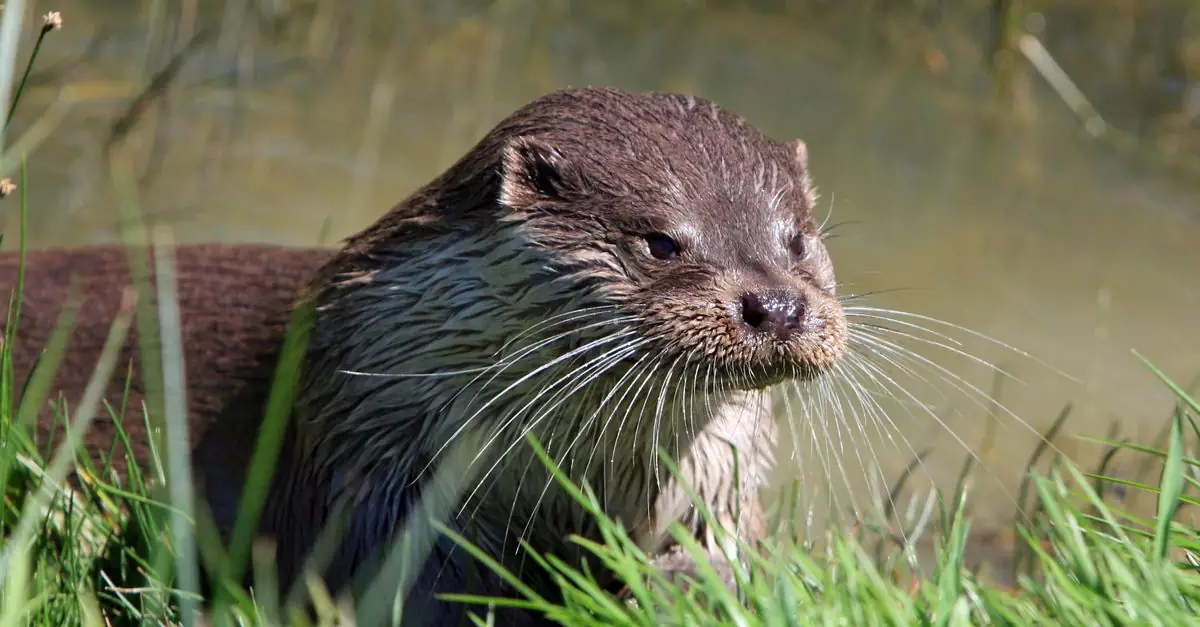
The Pacific Northwest provides abundant opportunities to spot North American river otters, primarily the North American river otter (Lontra canadensis). These playful mammals thrive in the region’s extensive coastlines, rivers, and lakes. Timing your visit and choosing the right location are key to increasing your chances of a sighting.
Olympic National Park: Coastal and Freshwater Otter Habitats
Olympic National Park in Washington State features diverse habitats where river otters are frequently observed. Along the rugged Pacific coastline, particularly near Rialto Beach and Shi Shi Beach, otters can be seen foraging in kelp beds and rocky intertidal zones. Their sleek bodies are well-adapted for both land and water, and they often haul out onto rocks or driftwood to rest.
Inland, the park’s numerous freshwater lakes and rivers, such as Lake Quinault and the Hoh River, also support otter populations. These areas offer calmer waters where otters hunt fish, amphibians, and crustaceans. Early morning and late afternoon are generally the best times for sightings, as otters are most active during these crepuscular periods. Visitors should maintain a respectful distance to avoid disturbing the animals. Binoculars are highly recommended for observing otters from a safe vantage point.
Vancouver Island, British Columbia: Kayaking and Wildlife Tours
Vancouver Island, British Columbia, is a premier destination for wildlife enthusiasts, with river otters commonly sighted along its intricate coastline. The Barkley Sound and the waters around Tofino and Ucluelet are particularly known for otter activity. These areas are rich in marine life, providing a plentiful food source for the otters.
Many local outfitters offer guided kayaking tours and wildlife viewing excursions. These tours often navigate sheltered coves and inlets where otters are known to frequent. Kayaking allows for a quieter approach, minimizing disturbance and increasing the likelihood of observing otters in their natural behavior, such as fishing or playing. It’s advisable to book tours in advance, especially during peak season, typically from May through September. Remember to pack layers, as coastal weather can change rapidly.
Columbia River Gorge: Scenic Overlooks for River Otter Sightings
The Columbia River Gorge, straddling the border between Oregon and Washington, offers a dramatic landscape and excellent opportunities to spot river otters along its powerful river system. While sightings can occur anywhere along the river, areas with slower currents and accessible shorelines are often favored by otters. Look for them near vegetated banks, rocky outcrops, and quieter tributaries feeding into the main river.
Several scenic overlooks and hiking trails provide vantage points for observing the river. Trails like the Historic Columbia River Highway State Trail offer accessible paths near the water. While otters are more elusive in faster currents, patient observation from established viewpoints can yield sightings, especially during the quieter hours of dawn and dusk. The sheer scale of the gorge means binoculars are essential for spotting these agile creatures from a distance. For those interested in the broader region, learning more about travel in North America can provide context for planning your trip.
Best Times and Seasons for Otter Viewing in North America

Planning your otter spotting adventure requires understanding their seasonal behaviors. While some otter species are active year-round, their visibility and activity levels can shift dramatically depending on the time of year, weather, and local conditions. Knowing the optimal times will significantly increase your chances of a memorable encounter.
Spring and Fall: Peak Otter Activity
Spring and fall generally represent the most active periods for many otter populations across North America. During spring, as ice melts and food sources become more abundant, otters emerge from their winter dormancy and become more visible. They are often seen foraging along shorelines and in waterways, and this is also a prime time for observing mothers with their young kits.
Fall brings cooler temperatures and often clearer skies, making for pleasant viewing conditions. Otters are busy preparing for winter, actively hunting and building up their energy reserves. This increased activity translates to more frequent sightings as they move through their territories. Many coastal areas, particularly in the Pacific Northwest and Alaska, see significant otter activity during these shoulder seasons.
Winter: Coastal Otter Dens and Feeding Grounds
While inland freshwater otters may become less visible in winter due to frozen waterways, coastal sea otters remain highly active. Sea otters, found along the Pacific coast, do not hibernate and continue their daily routines of foraging and resting. Winter storms can sometimes push them closer to shore, making them easier to spot from land.
Focusing on coastal areas during winter can be highly rewarding for sea otter enthusiasts. Look for them hauled out on rocks or floating in kelp forests. While the weather might be colder, the reduced vegetation and fewer crowds can offer a more intimate viewing experience. Always dress warmly and check local weather forecasts before heading out.
Summer: Managing Crowds and Optimal Viewing Hours
Summer can present mixed opportunities for otter viewing. While otters remain active throughout the summer months, increased human activity in popular natural areas can sometimes make sightings more challenging. Many otters may retreat to less disturbed areas to avoid crowds.
To maximize your chances during summer, focus on early morning or late evening viewing hours. These times often see increased otter activity and lower visitor numbers. Dawn and dusk provide beautiful light for photography and can coincide with peak foraging times for many species. Consider visiting less popular or more remote locations to avoid the busiest periods. For example, exploring lesser-known coves along the California coast might yield better results than crowded state beaches.
Planning Your Otter Watching Itinerary
Choosing where to go and when can make all the difference in successfully spotting otters. North America offers diverse habitats for both sea and river otters, each requiring a slightly different approach to planning. Understanding the species you hope to see will help you select the right destination and optimize your chances.
Choosing Your Otter Destination: Sea vs. River Otters
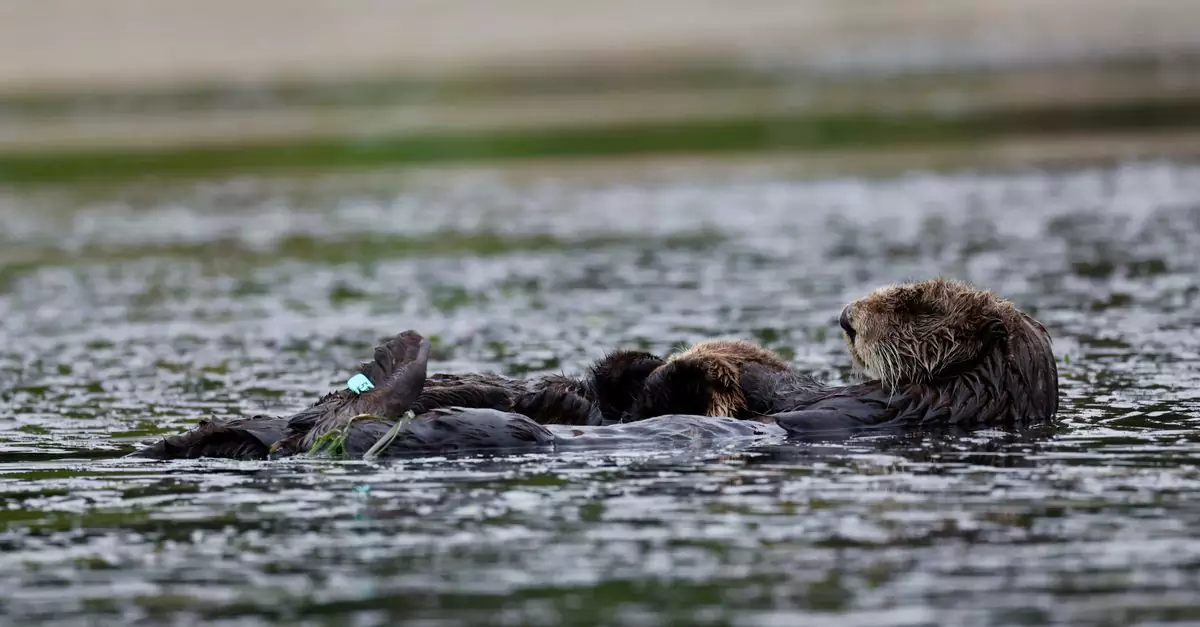
North America is home to two main types of otters: the sea otter and various species of river otters, such as the North American river otter. Sea otters, with their thick fur and playful demeanor, are found along the Pacific coast, primarily from California to Alaska. They are often seen floating on their backs, using tools to crack open shellfish. River otters, on the other hand, are more widespread, inhabiting freshwater systems across much of the continent, from coastal marshes to inland lakes and rivers.
| Otter Species | Primary Habitat | Key Viewing Regions |
|---|---|---|
| Sea Otter | Coastal marine environments (kelp forests) | California coast, Oregon coast, Washington coast, Alaska |
| North American River Otter | Freshwater rivers, lakes, marshes, estuaries, and coastal areas | Widespread across Canada and the United States |
For those interested in sea otters, coastal California, particularly around Monterey Bay and Big Sur, is renowned for viewing opportunities. Further north, Olympic National Park in Washington and various spots along the Alaskan coast offer excellent chances as well. If your goal is to see river otters, their adaptability means they can be found in many different ecosystems. However, focusing on areas with healthy, clean waterways and abundant food sources will increase your chances.
Recommended Day Trips from Seattle and Vancouver
The Pacific Northwest, with its rich marine life and extensive river systems, is a prime region for otter encounters. Both Seattle, Washington, and Vancouver, British Columbia, serve as excellent bases for day trips focused on spotting these charismatic animals.
From Seattle, a popular destination is the Olympic Peninsula. Driving west towards Olympic National Park, you can explore the coastline for sea otters, particularly around areas like Rialto Beach or the Makah Reservation. While less common, North American river otters can also be found in the park’s freshwater lakes and rivers. Another option is a ferry trip to islands in Puget Sound, such as Whidbey Island, where coastal areas might host sea otters.
Vancouver offers similar coastal and riverine opportunities. Heading north along the Sea-to-Sky Highway towards Squamish or Whistler, you might encounter river otters in the many lakes and rivers. For sea otters, a trip to Vancouver Island is highly recommended. While this often requires more than a single day, the west coast of the island, especially areas near Tofino and Ucluelet, is a known habitat. For a shorter excursion, exploring the shores of Stanley Park or the Fraser River estuary within Vancouver itself could yield sightings of river otters.
Multi-Day Road Trip: Exploring Oregon’s Otter Hotspots
Oregon provides a fantastic setting for a multi-day road trip dedicated to otter viewing, combining dramatic coastal scenery with accessible river systems. This allows for a deeper dive into the habitats of both sea and river otters.
Begin your journey on the northern Oregon coast. Towns like Astoria and Cannon Beach are excellent starting points. Near Astoria, the Columbia River estuary can be a good place to spot river otters. Moving south along Highway 101, the coastline becomes a prime area for sea otters. The stretch between Depoe Bay and Newport is particularly promising. Depoe Bay is Oregon’s whale-watching capital, but its rocky shores and kelp beds also attract sea otters. The Oregon Coast Aquarium in Newport is another place to learn about and see these animals up close, offering insights into local conservation efforts.
Further south, areas around Florence and the Oregon Dunes National Recreation Area offer both coastal and freshwater environments. Kayaking or taking a guided boat tour on the Siuslaw River or its tributaries can increase your chances of seeing river otters. The rugged coastline south of Florence also provides opportunities for spotting sea otters in the wild. Planning this trip during the spring or fall can offer pleasant weather and fewer crowds, enhancing the overall experience of searching for otters along the North American coast.
Essential Gear and Etiquette for Responsible Otter Spotting

Observing otters in their natural habitat requires more than just finding a good spot. It demands preparation and a mindful approach to ensure both your safety and the well-being of these fascinating creatures. Understanding the right equipment and adhering to ethical viewing practices will significantly enhance your experience and contribute to their conservation.
Binoculars and Camera Gear for Clearer Views
To truly appreciate the playful antics of otters without disturbing them, a good pair of binoculars is indispensable. Look for models with magnification between 8x and 10x, offering a balance between detail and a steady field of view. A spotting scope can be even more beneficial for observing otters from a greater distance, especially in open coastal areas.
When it comes to photography, a telephoto lens is crucial. A 300mm lens or longer will allow you to capture close-up shots without encroaching on the otters’ personal space. Remember to use a tripod or monopod for stability, especially in low light conditions common during dawn and dusk, prime otter viewing times. Always be prepared for unexpected splashes; a waterproof camera or a rain cover for your equipment is a wise precaution, particularly if you’re visiting coastal areas where sea otters are prevalent.
What to Wear: Layering for Coastal and Inland Weather
The weather where you’ll be spotting otters can vary dramatically, from the chilly, damp Pacific Northwest coast to warmer inland rivers. Layering your clothing is key to staying comfortable and adaptable. Start with a moisture-wicking base layer, followed by an insulating layer like fleece or down. A waterproof and windproof outer shell is essential, especially for coastal viewing, as fog and sea spray are common.
For inland river or lake viewing, lighter, quick-drying fabrics might suffice, but always check the forecast. Comfortable, waterproof footwear is a must, as you might be navigating muddy banks or rocky shorelines. Don’t forget a hat for sun protection or warmth, and consider waterproof gloves if visiting during cooler months. Being prepared for the elements ensures you can stay out longer and enjoy the experience without discomfort.
Keeping a Safe Distance: Respecting Otter Habitats and Behavior
The most critical aspect of otter spotting is maintaining a respectful distance. Otters are wild animals, and their behavior can change drastically if they feel threatened. For sea otters, aim for at least 100 feet (30 meters) away, and for river otters, a slightly closer but still substantial distance of 50 feet (15 meters) is recommended. Never attempt to feed otters, as this can lead to dependency, health problems, and aggressive behavior.
Observe their body language. If an otter appears agitated, vocalizes, or attempts to move away, you are too close. Avoid sudden movements or loud noises that could startle them. When driving to viewing locations, be mindful of wildlife crossing signs and drive cautiously, especially near known otter habitats. Responsible viewing ensures that these animals can continue to thrive in their environment, allowing future generations to witness their charm. Understanding their natural behaviors and respecting their space is paramount for any successful and ethical otter encounter.
Frequently Asked Questions About Seeing Otters
What is the difference between sea otters and river otters?
The primary distinction lies in their habitat and size. Sea otters (Enhydra lutris) are marine mammals found along the Pacific coast of North America, characterized by their thick fur, reliance on the ocean for food, and a tendency to float on their backs. River otters, such as the North American river otter (Lontra canadensis), inhabit freshwater systems like rivers, lakes, and wetlands across the continent. They are generally smaller, more streamlined, and adept swimmers in freshwater environments.
Can you swim with otters?
While the idea of swimming alongside otters might seem appealing, it’s generally not recommended or safe for either humans or the animals. Wild otters, especially sea otters, can be unpredictable and may exhibit defensive behavior if they feel threatened. Approaching them too closely can disrupt their natural activities, including feeding and resting. Respecting their space is crucial for their well-being and your safety. Some ethical wildlife tours might offer opportunities to observe them from a safe distance, but direct interaction is typically avoided.
What are the best chances of seeing otters in the wild?
Your best chances of seeing otters in the wild depend heavily on choosing the right location and time. For sea otters, coastal areas in California and Alaska are prime spots. For river otters, look for clean, freshwater systems with abundant food sources like fish and crustaceans. Early morning and late afternoon are often the most active times for otters. Patience is key; spend time observing quietly from a distance. Understanding their behavior and typical habitats will significantly increase your odds.
Are there specific tours dedicated to otter watching?
Yes, dedicated wildlife tours focusing on otter observation are available, particularly in regions known for high otter populations. In California, for instance, kayak tours in Morro Bay or Monterey Bay often include opportunities to see sea otters. Similarly, in areas like Alaska or parts of the Pacific Northwest, boat tours may specifically target otter viewing. These tours are led by knowledgeable guides who understand otter behavior and can help you find them while ensuring minimal disturbance to the animals. Researching local tour operators in your chosen destination is recommended.