Planning your dream trip through Central America can feel overwhelming, but crafting the best Central America itineraries is more achievable than you might think. This vibrant region offers an incredible diversity of experiences, from ancient Mayan ruins shrouded in jungle mist to pristine Caribbean beaches and cloud forests. Whether you have two weeks or a full month, understanding how to balance adventure with relaxation, choose the right pace, and prioritize your must-see destinations is key. This guide will walk you through essential considerations for building your perfect Central America itinerary, helping you decide whether to focus on historical wonders, natural beauty, or a captivating blend of both. Prepare to discover how to tailor your journey for an unforgettable adventure.
Crafting Your Perfect Central America Itinerary: Key Considerations
Planning a trip through Central America requires thoughtful consideration to ensure your experience aligns with your travel style and interests. The region presents a diverse tapestry of landscapes, cultures, and activities, from ancient Mayan ruins to vibrant coral reefs. Deciding on the best Central America itineraries involves balancing your desire for adventure with moments of relaxation, choosing a pace that suits you, and prioritizing the experiences you most want to have.
Balancing Adventure and Relaxation in Your Central America Itinerary
A common challenge when planning a Central America trip is determining how much to include in your itinerary. While the allure of ancient sites like Tikal or the thrill of zip-lining through Monteverde’s cloud forests are undeniable, building in downtime is crucial. Consider dedicating specific days to enjoying a beach town like San Juan del Sur or soaking in the colonial charm of Antigua, Guatemala. This balance prevents burnout and allows for authentic immersion in local life. For instance, after a few days of hiking volcanoes or exploring dense jungles, a leisurely afternoon by the Pacific coast can be incredibly rejuvenating.
Choosing the Right Pace for Your Central America Trip
The pace of your travel significantly impacts your overall experience. A whirlwind tour might allow you to check off more destinations, but it often means spending more time in transit and less time engaging with each place. For a two-week trip, focusing on one or two countries—or even a specific region within a larger country like Mexico—is often more rewarding. A month-long journey opens up possibilities for a more comprehensive exploration, perhaps linking Guatemala, Belize, and Honduras, or venturing through Costa Rica and Panama.
Travelers often find that a slower pace allows for serendipitous discoveries. Spending three to four nights in a location, rather than just one or two, provides opportunities to interact with locals, sample regional cuisine beyond tourist hotspots, and even learn a few basic Spanish phrases. This approach is particularly beneficial when navigating the varied transportation options across the region.
Prioritizing Destinations: Mayan Ruins vs. Caribbean Coasts
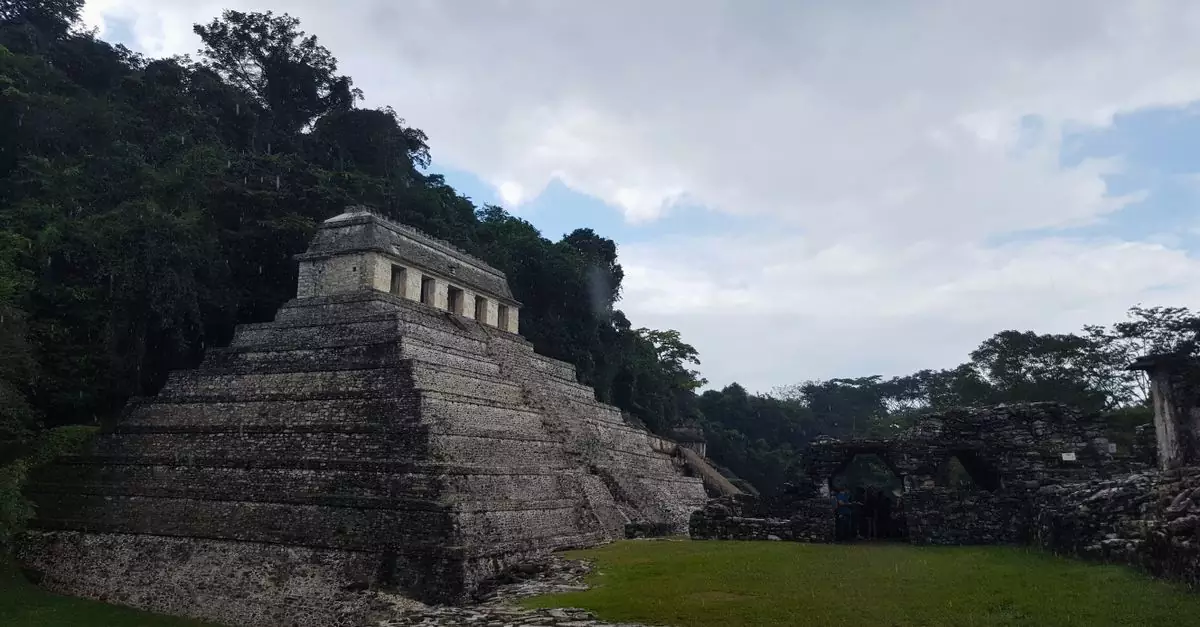
Central America is broadly divided by its historical and natural attractions. Deciding whether your itinerary leans more toward ancient civilizations or tropical paradises is a key step. For history buffs, destinations like the Yucatán Peninsula in Mexico, with Chichen Itza and Palenque, or Guatemala’s Tikal, are essential. These sites offer a profound connection to the pre-Columbian Maya civilization.
Conversely, those seeking sun, sand, and sea might gravitate toward the Caribbean coasts of Belize, Honduras (like the Bay Islands), or Colombia (technically in South America but culturally linked to northern Central America). Here, activities range from world-class diving and snorkeling along the Mesoamerican Barrier Reef to unwinding on pristine beaches.
Here’s a brief comparison to help visualize your priorities:
| Focus Area | Key Destinations | Activities |
|---|---|---|
| Ancient Civilizations | Tikal (Guatemala), Palenque (Mexico), Copán (Honduras) | Ruin exploration, historical sites, archaeology |
| Caribbean Coast | Caye Caulker (Belize), Roatán (Honduras), Bocas del Toro (Panama) | Diving, snorkeling, beaches, island hopping |
| Volcanoes & Cloud Forests | Antigua (Guatemala), Monteverde (Costa Rica), Boquete (Panama) | Hiking, zip-lining, coffee tours, wildlife viewing |
| Colonial Cities | Antigua (Guatemala), Granada (Nicaragua), Cartagena (Colombia) | Architecture, history, culture, local markets |
Ultimately, the best Central America itineraries reflect your personal travel goals. Whether drawn to the echoes of ancient empires or the vibrant pulse of modern cultures, careful planning ensures a fulfilling journey.
14-Day Central America Itinerary: Guatemala & Belize Highlights
This two-week journey offers a compelling blend of colonial history, volcanic landscapes, ancient ruins, and Caribbean charm, making it one of the best Central America itineraries for a shorter trip. It balances cultural immersion with natural beauty, focusing on two of the region’s most diverse countries.
Antigua’s Colonial Charm and Pacaya Volcano Hike
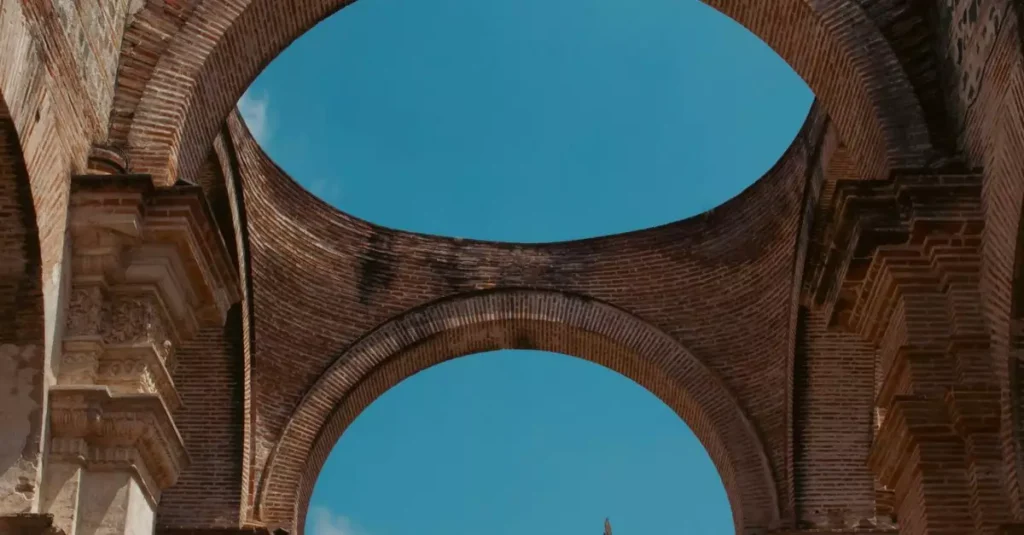
Begin your adventure in Antigua, Guatemala, a UNESCO World Heritage city. Spend two to three days wandering its cobblestone streets, admiring the well-preserved Spanish colonial architecture, and visiting iconic landmarks like the Santa Catalina Arch and the ruins of La Merced Church. The city’s vibrant markets provide a fantastic opportunity to experience local life and pick up unique souvenirs.
For an active day trip, hike the Pacaya Volcano. This relatively accessible volcano offers a rewarding experience, with the chance to see steaming vents and even roast marshmallows over hot spots. Several tour operators in Antigua offer guided excursions, typically including transportation and park entrance fees.
- Logistics: Antigua is easily accessible from Guatemala City’s La Aurora International Airport (GUA) via shuttle or taxi.
- Accommodation: Options range from budget-friendly hostels to charming boutique hotels.
Lake Atitlán’s Indigenous Villages and Volcanic Views
From Antigua, travel to Lake Atitlán, a breathtaking caldera lake surrounded by three majestic volcanoes. Dedicate three to four days to exploring the diverse indigenous Mayan villages that dot the lake’s shores, each with its own distinct culture and traditions. Popular villages include Panajachel (the main hub), San Pedro La Laguna (known for its backpacker scene), San Juan La Laguna (famous for its art cooperatives and textile workshops), and Santiago Atitlán (the largest Tz’utujil Maya community).
Boat taxis are the primary mode of transport between villages, offering stunning views of the lake and volcanoes. Consider a guided kayak tour for a more intimate experience on the water. Hiking opportunities abound, including trails leading up to viewpoints overlooking the vast expanse of the lake.
- Transportation: Shared shuttles or private transfers connect Antigua to Panajachel.
- Budget Tip: Staying in less touristy villages like San Juan La Laguna can offer more affordable accommodation and a more authentic cultural experience.
Tikal’s Ancient Mayan City and Jungle Exploration
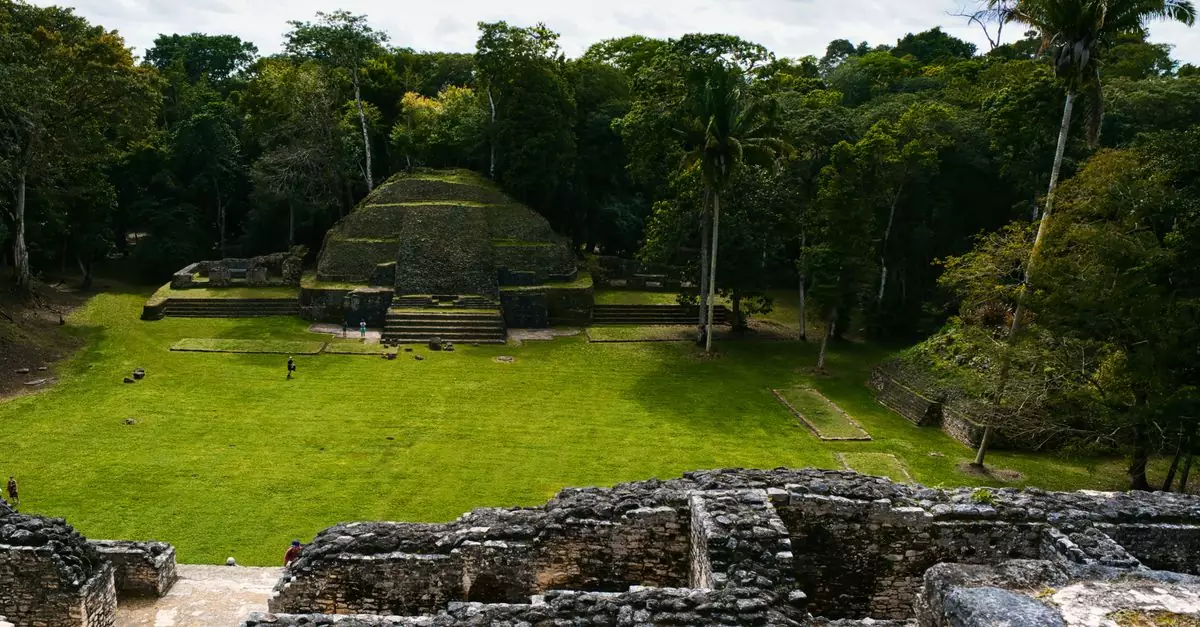
Fly from Guatemala City to Flores, the gateway to Tikal National Park. Spend two to three days immersing yourself in the grandeur of Tikal, one of the largest and most magnificent Mayan archaeological sites. Explore the towering temples and vast plazas, imagining life in this powerful ancient city. Hiring a local guide is highly recommended to understand the history and significance of the structures.
The park is set within a dense jungle, offering opportunities to spot howler monkeys, spider monkeys, and a variety of bird species. Sunrise or sunset tours provide a magical perspective as the mist rises over the jungle canopy and the ancient pyramids emerge.
- Travel Tip: Book flights to Flores (FRS) in advance, especially during peak season.
- Logistics: Tours to Tikal typically depart from Flores or El Remate and include transportation and park entrance.
Ambergris Caye’s Barrier Reef and Snorkeling Adventures
Conclude your itinerary on Ambergris Caye in Belize, a tropical paradise renowned for its proximity to the second-largest barrier reef in the world. Spend your final four to five days relaxing, snorkeling, or diving along the Belize Barrier Reef, a UNESCO World Heritage site. Popular activities include trips to Hol Chan Marine Reserve and Shark Ray Alley for incredible marine life encounters.
Explore the laid-back town of San Pedro, rent a golf cart to navigate the sandy streets, and enjoy fresh seafood and Caribbean vibes. The island provides a perfect contrast to the historical and cultural experiences of Guatemala, offering a relaxing end to your Central American adventure.
- Getting There: Fly from Guatemala City to Belize City (BZE), then take a short domestic flight or a water taxi to Ambergris Caye.
- Comparison: Ambergris Caye offers a more developed Caribbean resort feel compared to the mainland Belizean cayes, with a wider range of dining and accommodation options.
3-Week Central America Itinerary: Costa Rica & Nicaragua Adventure
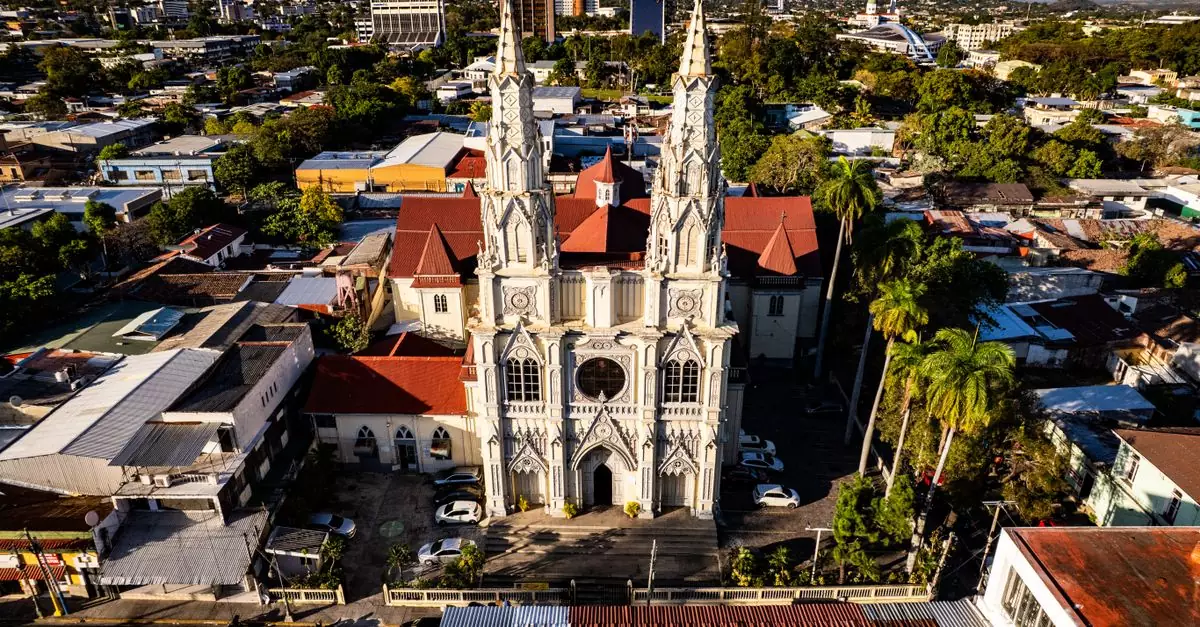
This three-week itinerary offers a dynamic mix of volcanic landscapes, lush cloud forests, and colonial charm, making it one of the best Central America itineraries for adventurous travelers. It balances Costa Rica’s renowned ecotourism with Nicaragua’s burgeoning appeal, providing a rich cultural and natural experience.
La Fortuna’s Arenal Volcano and Hot Springs
Begin your journey in La Fortuna, the gateway to the majestic Arenal Volcano. This region is a playground for outdoor enthusiasts. Spend your days hiking through national parks with trails offering views of the iconic cone, some even leading to lava fields from past eruptions. The area is also famous for its numerous natural hot springs, heated by geothermal activity. Soaking in these mineral-rich waters, surrounded by tropical flora, is a quintessential Costa Rican experience.
- Activities: Hiking, hot springs, waterfall visits, wildlife spotting.
- Logistics: La Fortuna is accessible via shuttle or rental car from San José (SJO) or Liberia (LIR) airports.
- Accommodation: Options range from budget hostels to luxury eco-lodges with volcano views.
Monteverde’s Cloud Forests and Ziplining Thrills
A scenic transfer, often involving a jeep-boat-jeep across Lake Arenal, will take you to Monteverde. This high-altitude region is characterized by its mystical cloud forests, teeming with unique biodiversity. Walking across hanging bridges suspended high in the canopy offers a unique perspective on this ecosystem. Monteverde is also a world-renowned destination for ziplining, with courses that soar over the forest, providing an exhilarating adrenaline rush.
- Activities: Ziplining, hanging bridges, cloud forest hikes, night walks for nocturnal wildlife.
- Travel Tip: Pack layers as the climate is cooler and can be misty.
- Consider: Guided tours enhance wildlife viewing opportunities.
Granada’s Islets and Colonial Architecture
Transitioning to Nicaragua, Granada offers a stark contrast with its vibrant colonial past. This charming city boasts well-preserved Spanish colonial architecture, colorful buildings, and a lively central plaza. A highlight is a boat tour of the Las Isletas, a collection of over 300 small islands formed by a volcanic eruption, now dotted with homes, restaurants, and birdlife. Explore the city on foot or by horse-drawn carriage to fully appreciate its historic ambiance.
- Activities: Walking tours, visiting cathedrals, exploring markets, boat tours of Las Isletas.
- Budget Note: Nicaragua generally offers more budget-friendly travel options compared to Costa Rica.
- Getting There: Fly into Managua (MGA) and take a taxi or shuttle to Granada.
Ometepe Island’s Twin Volcanoes and Natural Beauty
The final stop is Ometepe Island, a unique biosphere reserve located in Lake Nicaragua. Formed by two volcanoes, Concepción and Maderas, the island offers dramatic landscapes and a laid-back atmosphere. Activities include hiking to waterfalls, kayaking on the lake, visiting petroglyph sites, and spotting howler monkeys. Maderas, the smaller volcano, features a crater lake accessible via a challenging but rewarding hike.
- Activities: Hiking, swimming, kayaking, exploring pre-Columbian sites, relaxing on beaches.
- Transportation: Ferries depart regularly from the mainland port of San Jorge.
- Island Logistics: Renting a scooter or hiring a taxi is recommended for getting around the island.
This itinerary provides a well-rounded introduction to two of Central America’s most captivating countries, showcasing diverse landscapes and cultural experiences within a manageable three-week timeframe.
1 Month Central America Itinerary: The Grand Tour
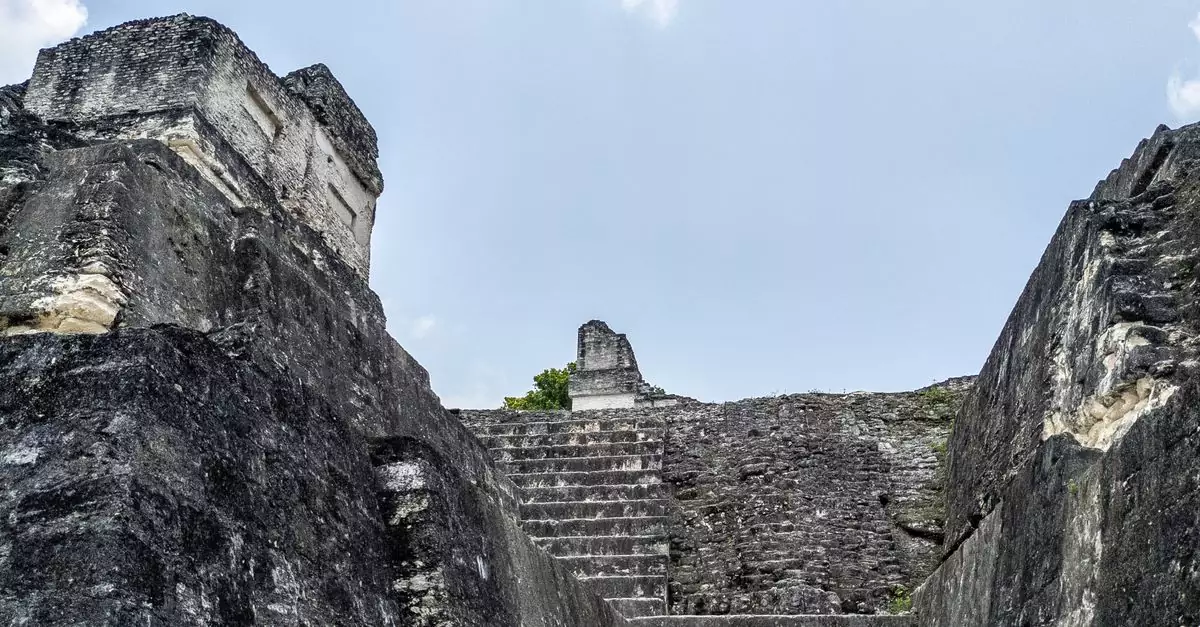
Embarking on a month-long journey through Central America offers an unparalleled opportunity to experience the region’s diverse landscapes, rich history, and vibrant cultures. This extended itinerary allows for deeper immersion, moving beyond the highlights to uncover hidden gems and truly connect with the local way of life. From bustling cities to serene islands and ancient ruins, this route is designed for travelers seeking comprehensive exploration.
Exploring Panama City’s Casco Viejo and Panama Canal
Begin your grand tour in Panama City, a modern metropolis with a historic heart. Dedicate a couple of days to exploring Casco Viejo, the city’s UNESCO World Heritage-listed old town. Wander its cobblestone streets, admire the colonial architecture, and soak in the atmosphere of its lively plazas. Don’t miss the chance to visit the iconic Panama Canal, a marvel of engineering. Taking a tour to see the Miraflores Locks in operation provides a fascinating glimpse into global trade.
For accommodations in Panama City, you’ll find a range from luxury hotels in the financial district to charming boutique options within Casco Viejo. Public transport is developing, but taxis and ride-sharing apps are readily available and relatively affordable for getting around the city. Consider visiting during the dry season (December to April) for the most pleasant weather.
Bocas del Toro’s Archipelago Beaches and Wildlife
From Panama City, fly or take an overnight bus and a short boat ride to the Caribbean coast and the province of Bocas del Toro. This archipelago is a haven for nature lovers and beach enthusiasts. Spend several days island-hopping, discovering secluded coves, and enjoying activities like snorkeling, diving, and surfing. Red Frog Beach on Isla Bastimentos is famous for its vibrant amphibian inhabitants, while Starfish Beach offers calm, clear waters perfect for swimming.
Getting between the islands is typically done by water taxis, which are frequent and reasonably priced. Accommodation options range from budget-friendly hostels and guesthouses to eco-lodges and beachfront bungalows. The climate here is tropical, with warm temperatures year-round, though expect rain showers, especially in the afternoons.
San Blas Islands: Unspoiled Caribbean Paradise
Continue your journey north to the San Blas Islands, an autonomous territory administered by the indigenous Guna people. This collection of over 300 islands and cays epitomizes a tropical paradise, with pristine white-sand beaches, crystal-clear turquoise waters, and swaying palm trees. Life here is simple and traditional, offering a unique cultural experience alongside breathtaking natural beauty.
Access to San Blas is primarily through guided tours or by arranging transport with the Guna themselves, usually involving a 4×4 journey and a boat transfer. Accommodation is typically in basic, rustic cabins or hammocks managed by local families, providing an authentic, off-the-grid experience. This destination is best visited during the dry season, from December to April, when the seas are calmer and the weather is sunny. The limited infrastructure means packing light and being prepared for a simpler way of life.
Adding El Salvador’s Ruta de las Flores and Surf Spots
For a significant cultural and scenic shift, consider extending your itinerary to include El Salvador. This smaller nation offers a compelling mix of volcanic landscapes, vibrant indigenous culture, and world-class surfing. The Ruta de las Flores (Route of the Flowers) is a scenic mountain route connecting charming colonial towns like Ataco, Apaneca, and Juayúa. Here, you can explore artisan markets, sample local coffee, and enjoy cooler mountain air.
El Salvador is also renowned for its Pacific coast surf breaks, such as El Tunco and El Zonte, attracting surfers from around the globe. The country is generally more budget-friendly than some of its Central American neighbors. Transportation within El Salvador is often by local buses (chicken buses) or private shuttles. While safety concerns exist in some areas, tourist routes are generally well-traversed and safe if standard precautions are taken. Visiting between November and April offers the best weather.
What’s the Best Time to Visit Central America?
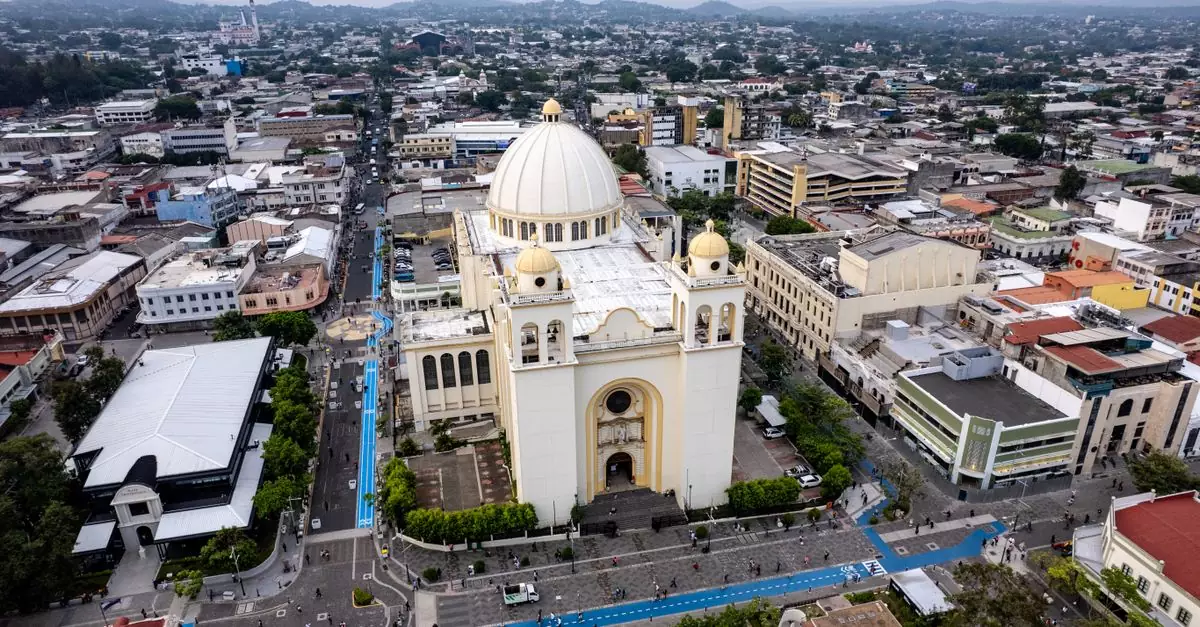
Central America offers a diverse range of climates, meaning the “best” time to visit depends heavily on your chosen destinations and planned activities. Understanding the distinct dry and rainy seasons is crucial for planning a successful trip.
Understanding Dry vs. Rainy Seasons Across the Region
The general rule of thumb is that the dry season runs from roughly December to April, while the rainy season spans from May to November. However, this is a broad generalization, and significant regional variations exist. For instance, the Pacific coast generally experiences drier conditions than the Caribbean coast, which can receive rainfall year-round. The highlands, such as those in Guatemala or Costa Rica, can also have microclimates with cooler temperatures and distinct wet and dry periods. Traveling during the shoulder months, like May or November, can offer a good balance of fewer crowds and manageable weather.
Peak Tourist Seasons and Shoulder Season Benefits
The peak tourist season in Central America aligns with the dry season, from December to April. This is when you’ll find the most sunshine, making it ideal for beach activities and exploring archaeological sites. However, it’s also the busiest and most expensive time to travel. Shoulder seasons, typically May-June and September-November, offer a compelling alternative. You’ll encounter fewer tourists, potentially lower prices on accommodations and flights, and still have a good chance of pleasant weather, though you should expect some rain showers. These periods can be excellent for immersive cultural experiences without the large crowds.
Navigating Weather for Specific Activities: Diving, Hiking, and Ruins
When planning your Central America itineraries, consider how weather impacts your desired activities. For diving and snorkeling, particularly in places like Belize or Honduras, the dry season (December to May) often offers the clearest visibility. However, some divers find the calmer waters of the rainy season acceptable, with fewer boats and potentially better deals.
Hikers heading to volcanic trails in Guatemala or cloud forests in Costa Rica should be prepared for rain, even during the dry season, as mountain weather is unpredictable. Waterproof gear is essential. Visiting ancient Mayan ruins, such as those in Tikal, Guatemala, is generally more comfortable during the dry season. However, the lush greenery of the ruins during the rainy season can be visually stunning, provided you don’t mind occasional downpours. Always check local weather forecasts closer to your travel dates for the most accurate information.
Here’s a general overview of seasonal considerations:
| Season | Months | Pros | Cons | Best For |
|---|---|---|---|---|
| Dry Season | December – April | Sunny, less rain, ideal for most activities | Peak crowds, higher prices | Beaches, diving, exploring ruins, hiking |
| Rainy Season | May – November | Fewer crowds, lower prices, lush scenery | Rain showers (often brief), higher humidity | Budget travel, photography, experiencing local life |
| Shoulder Season | May-June, Sep-Nov | Good balance of weather and crowds, deals | Mixed weather, some rain expected | All activities with flexibility, cultural immersion |
Essential Travel Tips for Central America
Planning a journey through Central America offers incredible diversity, from ancient Mayan ruins to lush rainforests and stunning coastlines. To make the most of your trip, understanding some key travel aspects will be invaluable. This section provides practical advice to help you navigate your adventure, whether you’re on a tight budget or seeking more comfort.
Budgeting for Backpackers vs. Mid-Range Travelers
Central America is generally an affordable region, but your spending will depend significantly on your travel style. Backpackers can comfortably manage on $40-$60 USD per day, covering dorm beds, local bus transport, street food, and basic activities. This budget requires a focus on hostels, market meals, and free or low-cost natural attractions.
Mid-range travelers, aiming for private rooms, a mix of local and tourist restaurants, occasional internal flights, and more organized tours, should budget around $80-$150 USD per day. This allows for greater flexibility, comfort, and access to a wider range of experiences. For example, a private room in a comfortable guesthouse might cost $30-$50, while a guided day trip can range from $50-$100.
Transportation Options: Buses, Flights, and Rental Cars
Getting around Central America is an adventure in itself. The most common and budget-friendly option is the extensive network of local buses, often called “chicken buses” due to their often-overcrowded nature and diverse cargo. These are slow but offer a truly local experience. For longer distances or between major cities, tourist shuttles are a popular compromise, offering more comfort and direct routes for around $20-$50 USD per leg.
Internal flights are available for longer hops, particularly between countries like Guatemala and Costa Rica, saving significant travel time but at a higher cost. Rental cars offer the most freedom, especially for exploring remote areas, but can be expensive, roads can be challenging, and parking in cities is difficult. Consider renting a 4×4 if you plan to venture off the beaten path.
| Transportation Type | Average Daily Cost (USD) | Pros | Cons |
|---|---|---|---|
| Chicken Buses | $5 – $15 | Cheapest, local experience | Slow, crowded, limited comfort |
| Tourist Shuttles | $20 – $50 per leg | Convenient, direct routes, comfortable | More expensive than local buses |
| Internal Flights | $50 – $200 per leg | Fastest for long distances | Most expensive, limited by airport locations |
| Rental Car | $40 – $80+ (excl. gas) | Maximum flexibility, explore off-grid | Expensive, challenging roads, parking issues |
Safety and Health Advice for Central American Adventures
Central America is generally safe for tourists, but like any region, it’s wise to be aware of your surroundings and take precautions. Petty theft can occur in crowded tourist areas and on public transport; keep valuables secure and out of sight. Avoid walking alone at night in unfamiliar neighborhoods. Research specific safety concerns for each destination you plan to visit.
For health, consult your doctor about recommended vaccinations before you travel. Mosquito-borne illnesses like Dengue and Zika are present, so use insect repellent, especially during dawn and dusk. Drink bottled or purified water to avoid stomach issues. Travel insurance is highly recommended to cover any unexpected medical emergencies or trip disruptions.
Must-Try Local Foods in Guatemala, Costa Rica, and Beyond
The culinary landscape of Central America is rich and varied, offering delicious and affordable food options. In Guatemala, don’t miss Pepian, a hearty stew, or Kak’ik, a flavorful turkey soup. Street food like pupusas (stuffed corn tortillas) are a staple across the region, especially in El Salvador, and are incredibly satisfying and cheap.
Costa Rica is known for its healthy and fresh cuisine. The national dish, Gallo Pinto (rice and beans), is a breakfast staple, often served with eggs and plantains. Look for Casados, a plate featuring rice, beans, salad, plantains, and your choice of meat or fish. Trying fresh tropical fruits like mango, papaya, and pineapple from local markets is a must. Exploring these local flavors is a significant part of any Central American journey.