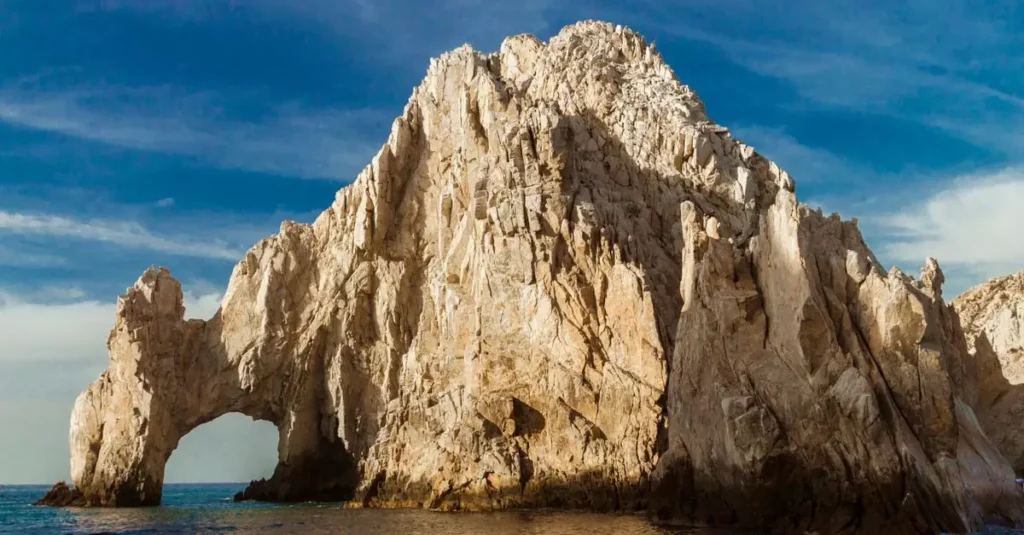
Mexico’s extensive coastline offers an incredible diversity of experiences, from the tranquil turquoise waters of the Caribbean to the dramatic, sun-drenched shores of the Pacific. This rich array of landscapes and cultures explains why Mexico remains a top choice for travelers seeking sun, sand, and adventure. Whether you’re eager to explore ancient ruins above the sea, catch world-class waves, or simply unwind on pristine beaches, the best coastal destinations in Mexico have something unique to offer. This guide will help you navigate the distinct charms of Mexico’s coastlines, highlighting the top spots for relaxation, adventure, and cultural immersion. Get ready to discover the perfect stretch of sand for your next unforgettable getaway.
Why Mexico’s Coastlines Are Unforgettable for Travelers
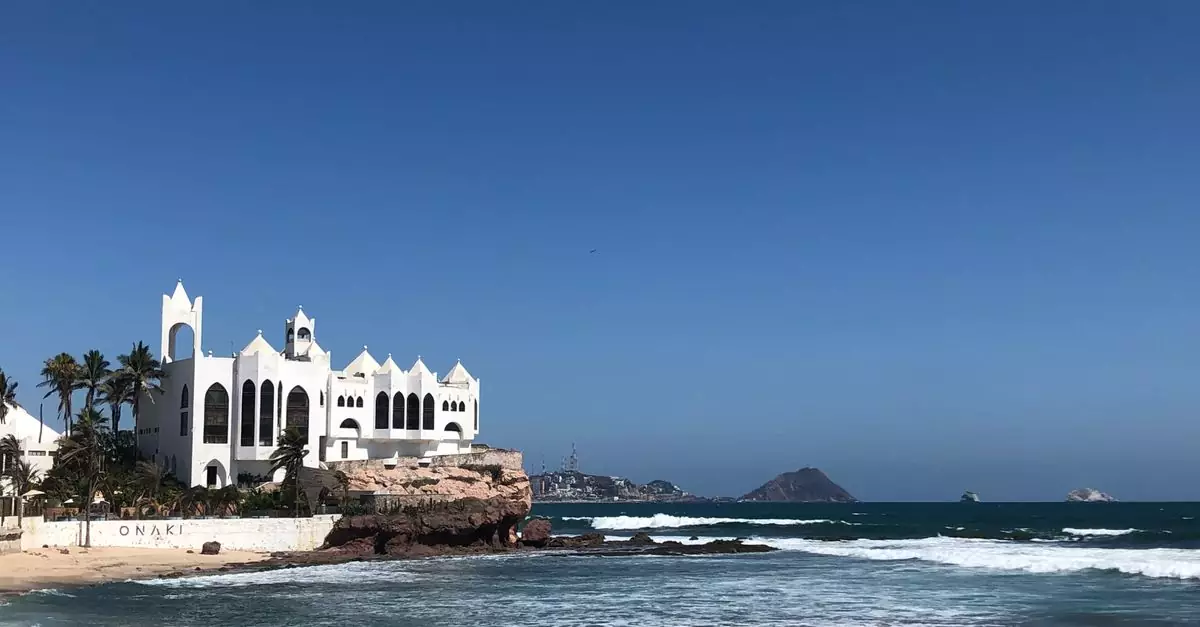
Mexico presents an astonishing variety of coastal experiences, from the soft white sands of the Caribbean to the rugged, cliff-lined shores of the Pacific. This diversity is a primary reason why travelers return year after year, seeking different vibes and landscapes. Whether you envision vibrant coral reefs, ancient Mayan ruins overlooking the sea, or world-class surf breaks, Mexico’s coastline delivers. Understanding the unique characters of its two major coastlines is crucial for planning your ideal beach vacation.
The Allure of Mexico’s Diverse Beaches: Caribbean vs. Pacific
The Caribbean coast, featuring destinations like Cancún, Playa del Carmen, and Tulum, is renowned for its impossibly turquoise waters and powdery white sand. This region benefits from calm, warm seas, making it perfect for swimming, snorkeling, and diving among the Mesoamerican Barrier Reef. The atmosphere here often leans toward resort-style relaxation, vibrant nightlife, and exploration of Mayan history. In contrast, the Pacific coast, with locations such as Puerto Vallarta, Sayulita, and Huatulco, presents a more rugged beauty. Expect dramatic sunsets, powerful waves favored by surfers, and a laid-back, bohemian vibe in many towns. The ocean can be more dynamic, providing thrilling water sports and breathtaking natural scenery.
| Feature | Caribbean Coast | Pacific Coast |
|---|---|---|
| Water Color | Turquoise, clear blue | Deep blue, sometimes emerald green |
| Sand | Fine, white, powdery | Varies from golden to darker, coarser grains |
| Waves | Generally calm, gentle | Can be strong, excellent for surfing |
| Vibe | Resort-centric, lively, historical | Laid-back, bohemian, natural |
| Activities | Snorkeling, diving, relaxing, Mayan ruins | Surfing, whale watching, swimming, exploring towns |
| Scenery | Palm-fringed beaches, cenotes, mangrove forests | Cliffs, coves, lush jungle meeting the sea |
Finding Your Perfect Beach Vibe: Relaxation, Adventure, or Culture
Mexico’s best coastal destinations cater to every type of traveler. For pure relaxation, consider the tranquil bays of Huatulco on the Pacific or the serene stretches of sand south of Playa del Carmen. If adventure calls, the Pacific coast is your playground, offering surfing in Sayulita and exploring Oaxaca’s dramatic coastline. Meanwhile, the Riviera Maya blends adventure and culture, providing opportunities for diving in cenotes, exploring ancient ruins like Chichen Itza, and enjoying various water sports. For those seeking cultural immersion, towns like Isla Mujeres offer a local feel, while Puerto Escondido retains a strong surf culture and Zihuatanejo exudes a charming fishing village atmosphere.
When planning, consider the time of year. The dry season (roughly December to April) offers ideal weather across both coasts, though it also marks peak tourist season. The shoulder months of May and November can provide a pleasant balance of good weather and fewer crowds. Traveling during hurricane season (June to November) on the Caribbean side carries some risk but often results in lower prices and fewer visitors. The Pacific coast is generally less affected by hurricanes but experiences its own rainy season during this period, bringing lush landscapes and dramatic skies.
Mexico’s Coastal Gems: A Traveler’s Overview
Mexico’s coastlines are dotted with gems, each offering a unique perspective on the country’s beauty and culture. On the Yucatán Peninsula, Cancún is known for its large resorts and vibrant nightlife, while Playa del Carmen features a more walkable downtown and access to ferries for Cozumel. Tulum provides a bohemian chic atmosphere with boutique hotels and proximity to ancient ruins. Further south, Bacalar boasts a stunning freshwater lagoon instead of traditional beaches.
On the Pacific coast, Puerto Vallarta is a well-established destination with a charming old town, beautiful bay, and excellent dining options. The Banderas Bay area includes lively surf towns like Sayulita and San Pancho, attracting a younger, more bohemian crowd. Oaxaca’s coast showcases the rugged beauty of Puerto Escondido, a renowned surf spot, along with the picturesque bays of Huatulco, which emphasize eco-tourism. For a taste of authentic Mexico, consider exploring the less-developed stretches of the Mexican Riviera, where quiet fishing villages and pristine natural beauty await. Researching specific regions based on your desired activities and accommodation style will help narrow down the vast array of options.
Top Picks for the Best Coastal Destinations in Mexico
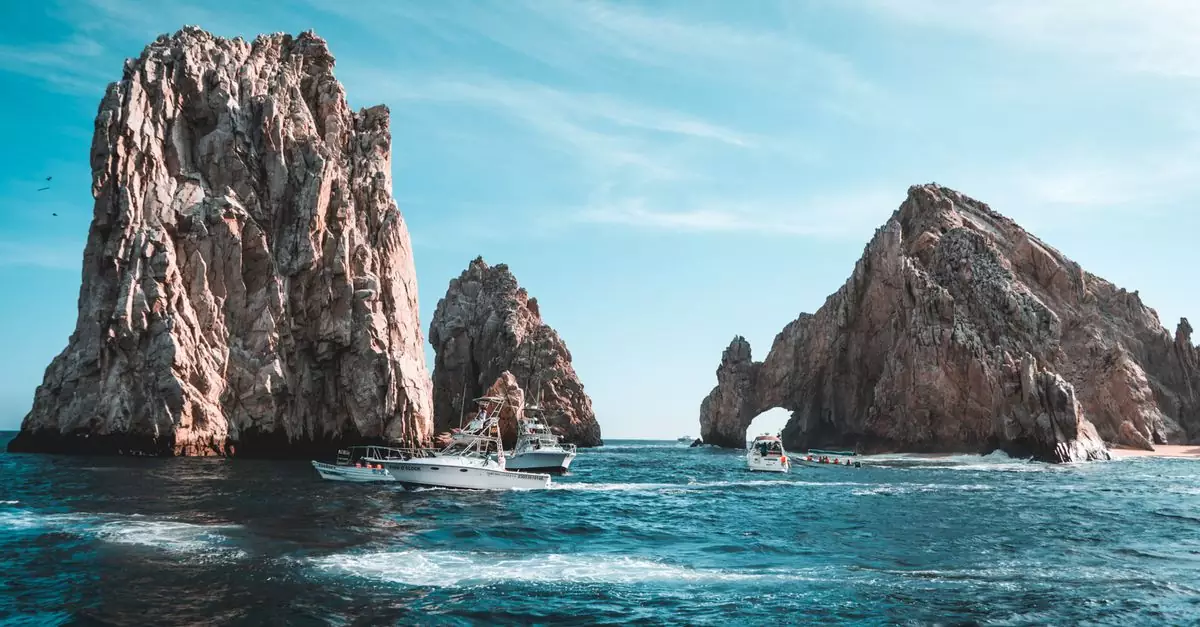
Mexico’s coastline presents a stunning diversity of experiences, from the famed turquoise waters of the Caribbean to the dramatic Pacific shores. Deciding where to go depends on your travel style, whether you seek vibrant surf towns, serene island getaways, or eco-conscious retreats. Here are some of the best coastal destinations in Mexico, each offering a unique slice of paradise.
Tulum: Bohemian Chic and Ancient Ruins on the Riviera Maya
Tulum, located on the Yucatán Peninsula’s Riviera Maya, masterfully blends ancient history with a trendy, bohemian atmosphere. Its iconic Mayan ruins, perched dramatically on a cliff overlooking the Caribbean Sea, are a must-see. Beyond the historical sites, Tulum is celebrated for its pristine white-sand beaches, often framed by lush jungle.
Travelers flock to Tulum for its laid-back vibe, yoga retreats, and commitment to sustainability. The town is divided into two main areas: the hotel zone, featuring boutique hotels and eco-lodges directly on the beach, and the pueblo (town), offering more affordable accommodations and local eateries. Dining options range from upscale beachfront restaurants serving fresh seafood to casual taquerias in the pueblo.
- Best Time to Visit: December to April for dry weather and cooler temperatures.
- Getting Around: Renting a bicycle is a popular and convenient way to navigate the hotel zone and reach the ruins. Taxis are readily available for longer distances.
- Budget Considerations: Tulum can be more expensive, especially for beachfront accommodations and restaurants. Visiting the pueblo offers more budget-friendly options.
Sayulita: The Surf Haven of the Riviera Nayarit
Situated on Mexico’s Pacific coast in the Riviera Nayarit, Sayulita has transformed from a sleepy fishing village into a vibrant surf mecca. Its main beach is known for consistent, gentle waves, making it an excellent spot for beginner and intermediate surfers. The town itself is a colorful mix of cobblestone streets, artisan shops, and lively restaurants.
Sayulita’s charm lies in its unpretentious, bohemian surf culture. Visitors can easily spend their days catching waves, paddleboarding, or simply relaxing on the sand. The town buzzes with energy, especially in the evenings, when mariachi bands often play and street food vendors offer delicious local fare. While surfing is a major draw, Sayulita also boasts a thriving arts scene and a variety of yoga and wellness studios.
- Accommodation: Options range from charming boutique hotels and beachfront cabanas to vacation rentals in town.
- Traveler Tip: Be prepared for unpaved roads in some areas and consider bringing comfortable walking shoes.
Isla Mujeres: Tranquil Island Escapes North of Cancun
A short ferry ride from Cancun, Isla Mujeres (Island of Women) offers a refreshing escape from the mainland’s hustle. This small island boasts some of the most stunning beaches in the region, including Playa Norte, consistently ranked among the world’s best. The water here is exceptionally clear and shallow, creating a mesmerizing turquoise hue.
Life on Isla Mujeres moves at a slower pace. The primary mode of transportation is golf carts, which visitors rent to cruise the island’s scenic roads. The island’s compact size allows easy access to natural attractions, such as Garrafon Natural Reef Park for snorkeling and diving, and Punta Sur cliffs for breathtaking views. The downtown area provides a pleasant pedestrian experience with shops, restaurants, and a lively atmosphere.
- Getting There: Frequent ferries depart from Cancun’s Puerto Juarez.
- Atmosphere: Relaxed and family-friendly, with a focus on natural beauty and water activities.
Huatulco: Oaxaca’s Eco-Conscious Bays and Beaches
Huatulco, located on the Oaxacan coast, comprises nine picturesque bays, each with its own distinct character and beaches. This area is a federally protected national park, emphasizing eco-tourism and preserving its natural beauty. It’s an excellent choice for travelers seeking a less developed and more environmentally focused coastal experience.
The bays of Huatulco offer diverse activities, from the calm waters of Bahía de Cacaluta, perfect for swimming, to the more remote Bahía de San Agustín, known for its oyster farms and fresh seafood. Snorkeling and diving thrive due to the healthy coral reefs and abundant marine life. Huatulco also offers opportunities for hiking through lush forests and exploring waterfalls.
- Logistics: Huatulco has its own airport (HUX), making it accessible for domestic and some international flights.
- Focus: Nature, relaxation, and sustainable tourism practices.
Best Time to Experience Mexico’s Coastal Paradise
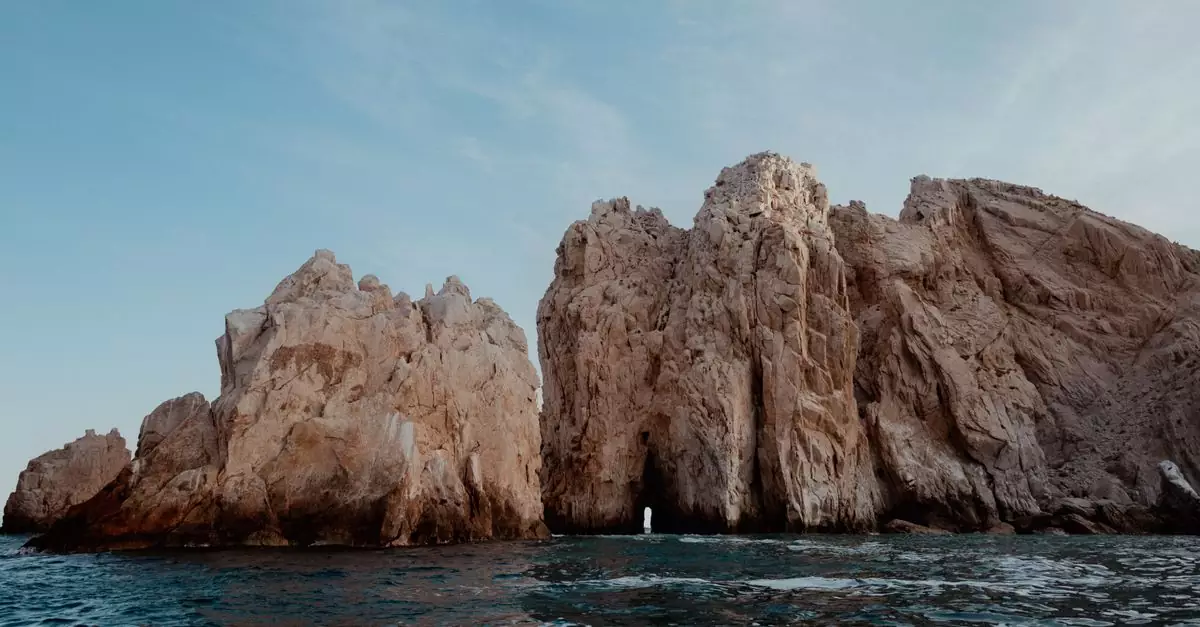
Choosing the right time to visit Mexico’s diverse coastlines can significantly enhance your trip, influencing everything from weather and crowds to wildlife encounters. Understanding the nuances of the dry and rainy seasons, as well as peak and shoulder periods, will help you plan the best coastal getaway.
Navigating Dry Season vs. Rainy Season for Beach Trips
Mexico’s coastal regions generally experience two primary seasons: the dry season and the rainy season. The dry season, typically running from December to April, offers reliably sunny skies and lower humidity across most popular beach destinations. This is prime time for visitors seeking uninterrupted sunshine for lounging or engaging in water sports. Temperatures are warm but generally comfortable, especially along the Pacific coast and in the Yucatán Peninsula.
In contrast, the rainy season usually spans from May to November. While this period can bring afternoon showers and higher humidity, it doesn’t mean constant downpours. Often, the rain is brief and localized, leaving the rest of the day clear. This season can be advantageous for budget travelers, as prices for accommodations and flights tend to be lower. However, it’s also hurricane season, particularly from August to October, which can impact travel plans, especially on the Caribbean coast. Travelers planning a trip during these months should monitor weather forecasts closely and consider travel insurance.
Peak Tourist Seasons and Shoulder Season Advantages
Mexico’s coastline sees its highest influx of visitors during peak tourist seasons. The most significant peak is around the Christmas and New Year holidays, extending into late January. Another busy period is during Spring Break, typically in March. During these times, popular destinations like Cancún, Playa del Carmen, and Puerto Vallarta can be crowded, and prices for flights and lodging are at their highest. Booking well in advance is crucial if you plan to travel during these busy intervals.
The shoulder seasons, generally April to May and September to November, offer a compelling alternative. You’ll find fewer crowds, more competitive pricing, and still-pleasant weather, though May and November can mark the transition between seasons. For instance, visiting the Riviera Maya in late April or early May means enjoying warm temperatures and vibrant turquoise waters before the heavier rains and humidity of summer set in. Similarly, September and October can offer a quieter experience with the potential for good deals, provided you are mindful of the increased chance of rain and storms.
When to Visit for Whale Watching or Turtle Nesting
Specific natural phenomena dictate the optimal timing for certain wildlife experiences. For whale watching, the Pacific coast is particularly renowned. Humpback whales migrate to the warmer waters off Mexico’s western shores to breed and calve. The prime whale watching season typically runs from December to March, with peak sightings often occurring in January and February. Destinations like Puerto Vallarta, Sayulita, and Guerrero Negro in Baja California Sur are excellent spots for these encounters.
The Riviera Maya and other parts of the Yucatán Peninsula are critical nesting grounds for several species of sea turtles. The nesting season generally begins in May and continues through September. Hatching typically occurs from July to October. Many eco-tours offer opportunities to witness these incredible events responsibly. It’s essential to choose reputable tour operators who prioritize the safety and well-being of the turtles and follow strict guidelines to minimize disturbance. For instance, visiting Akumal or Xcaret in the Yucatán during these months can offer a chance to see nesting turtles or hatchlings, depending on the exact timing within the season.
Getting Around Mexico’s Coastal Hotspots

Navigating Mexico’s diverse coastline, from the Caribbean’s vibrant shores to the Pacific’s dramatic cliffs, requires an understanding of the various transportation options available. Planning your travel routes efficiently will enhance your experience and help manage your budget across these stunning regions.
Flying into Key Coastal Airports: Cancun, Puerto Vallarta, Huatulco
For travelers arriving from abroad or distant parts of Mexico, flying into one of the country’s primary coastal airports is often the most practical first step. Cancun International Airport (CUN) serves the entire Riviera Maya, including popular destinations like Playa del Carmen and Tulum. On the Pacific coast, Puerto Vallarta International Airport (PVR) is the gateway to Jalisco’s resort towns, while Huatulco International Airport (HUX) provides access to the Oaxacan coast’s bays. Booking flights in advance, especially during peak seasons like winter and spring break, is advisable for better pricing. Consider flying into smaller, regional airports if your itinerary focuses on a specific, less-trafficked area, though these flights may be less frequent.
Intercity Bus Travel: A Budget-Friendly Option
Mexico boasts an extensive and reliable bus network, making it an excellent choice for budget-conscious travelers looking to move between coastal cities and towns. Companies like ADO (Autobuses de Oriente) offer comfortable, air-conditioned buses with various service classes, from first-class (Primera Clase) to executive (with more legroom and fewer stops). These long-distance buses are common for travel along the Yucatán Peninsula, connecting Cancun, Mérida, and further south. Similarly, on the Pacific side, buses link cities like Guadalajara to Puerto Vallarta or Zihuatanejo. Purchasing tickets online or at bus terminals a day or two in advance is recommended, especially for popular routes.
Local Transportation: Taxis, Colectivos, and Rental Cars
Once you arrive at your destination, getting around locally involves a mix of options. Taxis are readily available in most tourist areas, but it’s crucial to agree on a fare before starting your journey, as many do not use meters. For a more authentic and economical experience, look for colectivos, shared vans or small buses that run fixed routes along main roads. They are cost-effective for short to medium distances. Rental cars offer the most flexibility, particularly if you plan to explore remote beaches or venture off the beaten path. However, driving in Mexico can be challenging due to road conditions, traffic, and local driving habits. Ensure you have the necessary international driving permit and understand local traffic laws.
Navigating Island Ferries to Places like Isla Mujeres
Reaching Mexico’s captivating islands often requires a ferry. The most common example is the ferry service from Cancun to Isla Mujeres. Multiple ferry companies operate this route, departing frequently from various points in Cancun, including the Hotel Zone and Puerto Juarez. The journey typically takes around 20-30 minutes. For other island destinations, such as Holbox, ferry services depart from Chiquilá. It’s wise to check ferry schedules in advance, as they can vary seasonally and are subject to weather conditions. Purchasing tickets at the ferry terminal on the day of travel is usually straightforward, though arriving early during busy periods is advisable.
Culinary Delights: Tasting the Flavors of Mexico’s Coast

Mexico’s coastline offers a vibrant tapestry of flavors, reflecting its diverse geography and rich cultural heritage. From the fresh catches of the Pacific to the zesty influences of the Caribbean, every meal promises an authentic taste of the region. Exploring these culinary landscapes is as essential to the travel experience as visiting the beaches themselves.
Must-Try Seafood Dishes from Pacific to Caribbean
The bounty of Mexico’s waters translates into an array of unforgettable seafood dishes. Along the Pacific coast, particularly in Puerto Vallarta or Oaxaca, expect expertly prepared ceviche with lime-marinated fish, red onion, and cilantro, often served with crisp tostadas. Another Pacific staple is pescado zarandeado, a whole grilled fish marinated in smoky adobo sauce, showcasing a delightful balance of spice and char.
On the Caribbean side, particularly around Cancún or the Riviera Maya, Yucatán cuisine shines. Pescado Tikin Xic is a must-try—fish, often red snapper, marinated in achiote paste and sour orange, then grilled in banana leaves. You’ll also find lighter preparations, such as grilled mahi-mahi with mango salsa, offering a tropical twist. Across both coasts, shrimp tacos, whether battered and fried (tacos de camarón estilo Baja) or grilled, are a universally loved option, showcasing the versatility of local seafood.
Exploring Local Markets for Authentic Flavors
To truly grasp the culinary soul of Mexico’s coastal towns, venturing into local markets is essential. These bustling hubs are not just places to buy produce; they are vibrant social centers where you can sample authentic street food and discover regional specialties. In markets like Mercado 20 de Noviembre in Oaxaca City or the Mercado Municipal in Playa del Carmen, you’ll find stalls offering everything from freshly squeezed juices and regional pastries to prepared meals.
This is where you can often find the freshest ingredients that make the coastal dishes so spectacular. Observing the variety of chilies, tropical fruits, and freshly caught seafood provides a deeper appreciation for the cuisine. Don’t hesitate to try agua fresca, a refreshing fruit-infused water, or sample esquites (corn salad) or elotes (corn on the cob) from a street vendor for an authentic and affordable taste.
Signature Drinks and Beachfront Dining Experiences
No visit to Mexico’s coast is complete without enjoying its signature drinks alongside stunning ocean views. Margaritas are ubiquitous, but consider venturing beyond the classic lime. Flavors like passion fruit, mango, or tamarind add a local flair. For a truly Mexican experience, try a Paloma, a refreshing mix of tequila, grapefruit soda, and lime, or a Michelada, a savory beer cocktail with lime, spices, and often a dash of hot sauce.
Beachfront restaurants, from casual palapas to more upscale establishments, provide the perfect setting to savor these beverages and local cuisine. Imagine enjoying camarones al ajillo (garlic shrimp) with your toes in the sand as the sun sets over the ocean. Many resorts and independent eateries also offer cooking classes, providing a hands-on way to learn the secrets behind these delicious coastal dishes, creating a memorable souvenir of your culinary journey.
Frequently Asked Questions About Mexico’s Coastal Travel
Is it safe to travel to Mexico’s coastal destinations?
Safety in Mexico’s coastal regions is a common concern for travelers. Generally, popular tourist areas like Cancun, Riviera Maya, Puerto Vallarta, and Los Cabos maintain a strong security presence to protect visitors. While isolated incidents can occur anywhere, millions of tourists visit these destinations annually without issue. It’s advisable to stay informed about current travel advisories from your home country’s government and exercise common sense, such as avoiding displays of wealth and sticking to well-trafficked areas, especially at night. Understanding local customs and being aware of your surroundings significantly contributes to a safe trip.
What are the best budget-friendly coastal towns in Mexico?
For travelers seeking affordable beach experiences, several charming towns offer great value. Consider exploring the Pacific coast, where towns like Sayulita or San Pancho (San Francisco) near Puerto Vallarta provide a more laid-back and less expensive atmosphere than their more developed counterparts. On the Caribbean side, while Tulum and Cancun can be pricey, smaller towns further south or less-touristed islands might offer better deals. Look into places like Isla Mujeres for a balance of beauty and affordability, or explore destinations beyond the usual tourist trail for significant savings.
Which coastal destinations are ideal for families with children?
Several Mexican coastal destinations cater well to families. Playa del Carmen offers a good mix of resorts with kid-friendly amenities, calm beaches, and easy access to attractions like Xcaret Park. The Riviera Maya region, in general, is a strong contender due to its numerous all-inclusive resorts designed for families. For a slightly different vibe, consider Cozumel, known for its calm waters and excellent snorkeling opportunities suitable for younger swimmers. Many resorts in Puerto Vallarta also feature dedicated kids’ clubs and family pools, making it a convenient choice.
What should I pack for a beach vacation in Mexico?
Packing for a Mexican coastal getaway should focus on comfort and sun protection. Essential items include swimwear, lightweight clothing like shorts, t-shirts, and sundresses. Don’t forget a wide-brimmed hat, sunglasses, and high SPF sunscreen to shield yourself from the strong tropical sun. Comfortable walking shoes or sandals are crucial for exploring towns or natural sites. Insect repellent is advisable, especially for evenings. Consider a light rain jacket or umbrella, as brief tropical showers can occur, particularly during the summer months.