Beyond the well-known cities, Canada is filled with charming communities that offer a unique glimpse into local life and stunning scenery. If you’re looking for a getaway that combines quaint streets, friendly faces, and picturesque landscapes, exploring adorable Canadian towns is an excellent choice.
This guide will take you on a journey through some of the most delightful small towns across the country. You’ll discover their distinctive appeals, from the historic maritime villages of Nova Scotia and majestic mountain hamlets of Alberta to the charming European-inspired locales of Quebec. We’ll delve into what makes each area special, providing insights into attractions, local culture, and the best times to visit for an unforgettable experience. Prepare to be charmed as we uncover these hidden gems.
Why Seek Out Adorable Canadian Towns?

The Charm of Small-Town Canada Beyond Major Cities
While Canada’s bustling metropolises like Toronto, Vancouver, and Montreal offer undeniable excitement, a different kind of magic awaits in its smaller communities. These adorable Canadian towns provide a more intimate and authentic travel experience, allowing visitors to connect with local culture and beautiful natural landscapes at a leisurely pace. You’ll find warmth and genuine hospitality often less pronounced in larger urban centers. Escaping the city crowds can lead to unexpected discoveries, from charming artisan shops to quiet scenic viewpoints.
Finding Unique Experiences in Quaint Canadian Villages
Beyond the well-trodden tourist paths, quaint Canadian villages are treasure troves of unique experiences. These destinations often boast rich histories, evident in their architecture and local museums, alongside vibrant contemporary arts scenes. Imagine stumbling upon a farmers’ market brimming with local produce, attending a community festival, or simply enjoying coffee in a café where locals greet each other by name. These moments define a truly memorable trip, offering a glimpse into the heart of Canadian life.
Perfect Settings for Romantic Escapes and Family Adventures
The appeal of small-town Canada extends to various travel styles. For couples, these charming locales provide a romantic backdrop with cozy inns, scenic walks, and intimate dining experiences. Picture hand-in-hand strolls along a quiet waterfront or sharing a bottle of local wine by a fireplace. Families will find these towns equally accommodating, often offering safe environments for children to explore, outdoor activities like hiking or swimming, and a less overwhelming atmosphere than big cities. Many of these spots are easily accessible from major hubs, making them convenient destinations for a weekend getaway or a longer exploration of North America.
Picture-Perfect Coastal Charms: Nova Scotia’s Seaside Gems

Nova Scotia’s coastline is dotted with small communities that exude timeless charm, offering a quintessential Canadian maritime experience. These towns, characterized by colorful fishing boats, historic lighthouses, and friendly locals, provide a refreshing escape from the everyday hustle. For travelers seeking picturesque scenery and a slower pace, these coastal gems are a must-visit.
Exploring Lunenburg’s UNESCO World Heritage Waterfront
Lunenburg stands out as one of the most adorable Canadian towns, recognized for its remarkably preserved colonial architecture and vibrant waterfront. This UNESCO World Heritage site offers a tangible connection to its seafaring past, evident in the narrow streets lined with brightly painted buildings. Walking through the town feels like stepping back in time, with the scent of salt air and the gentle creak of wooden ships as your soundtrack.
The waterfront is the heart of Lunenburg, where you can witness active fishing fleets and, during summer months, perhaps even see the iconic Bluenose II schooner. Museums like the Fisheries Museum of the Atlantic delve into the region’s maritime heritage, explaining the importance of the Grand Banks fishery. Boat tours depart regularly from the harbor, providing a different perspective of the town and its surroundings. Consider a harbor cruise to understand the scale of the fishing industry and admire the colorful facades from the water.
Accommodation options range from historic inns to cozy bed and breakfasts, many housed in heritage buildings. Booking in advance is highly recommended, especially during peak season, from June to September. Getting to Lunenburg is straightforward; it’s about a 90-minute drive from Halifax Stanfield International Airport (YHZ).
Whale Watching and Lobster Rolls in Peggy’s Cove
While technically a small village rather than a town, Peggy’s Cove is an iconic Nova Scotian destination renowned for its dramatic coastline and the famous Peggy’s Point Lighthouse. The massive granite boulders sculpted by glaciers create a rugged, otherworldly landscape that draws photographers and nature lovers alike. It’s a place where the raw power of the Atlantic Ocean is on full display.
The primary draw here, beyond the stunning scenery, is the opportunity for whale watching tours that depart from nearby harbors like Bayswater or Halifax. These excursions offer a chance to see humpback, fin, and minke whales in their natural habitat. After exploring the rocky shores or a boat trip, indulging in fresh lobster rolls from a local eatery is a culinary rite of passage. The simple pleasure of fresh seafood with an ocean view is hard to beat.
Visiting Peggy’s Cove is a popular day trip from Halifax, but for a more immersive experience, consider staying in one of the limited accommodations nearby or in a larger town like Mahone Bay. The village itself is small, and while there are a few shops and restaurants, it lacks extensive lodging. Parking can be challenging during busy periods, so arriving early is advisable.
The Artistic Vibe of Mahone Bay’s Three Churches
Mahone Bay is another of Nova Scotia’s undeniably adorable Canadian towns, celebrated for its charming main street and the picturesque trio of historic churches that line its waterfront. St. James’ Anglican, Trinity United, and Our Lady of Fatima Roman Catholic create a postcard-perfect scene, especially when reflected in the calm waters of the bay. The town offers a delightful atmosphere for leisurely strolls.
The main street is a treasure trove of independent boutiques, art galleries, and antique shops, making it a fantastic place for souvenir hunting or simply browsing. Local artisans often display their work, showcasing everything from maritime-themed crafts to fine art. The town also hosts various festivals throughout the year, enhancing its vibrant community spirit. Check local listings for events if you’re planning a visit, as these can significantly enrich your experience.
Mahone Bay is conveniently located between Lunenburg and Peggy’s Cove, making it an excellent base for exploring the South Shore of Nova Scotia. Numerous inns and guesthouses are available within the town, offering comfortable, often historically themed stays. Its compact size makes it very walkable, and the friendly atmosphere ensures visitors feel welcome. For those traveling from Halifax, Mahone Bay is approximately a 1-hour and 15-minute drive.
Mountain Majesty and Alpine Villages in Alberta

Alberta’s Rocky Mountains are home to charming Canadian towns, each offering a unique blend of breathtaking scenery and outdoor adventure. These alpine villages provide a perfect backdrop for a cozy getaway, whether you’re seeking adrenaline-pumping activities or serene natural beauty.
Banff’s Iconic Main Street and Surrounding Peaks
Banff townsite, nestled within Banff National Park, is a quintessential mountain resort town. Its main street, Banff Avenue, is lined with colorful buildings housing boutiques, art galleries, and restaurants, all set against the dramatic backdrop of Mount Rundle and Cascade Mountain. The town’s popularity means it’s always buzzing with energy, especially during peak summer and winter seasons.
Getting to Banff is straightforward. The closest major airport is Calgary International Airport (YYC), about a 1.5-hour drive east. Shuttle services and car rentals are readily available from Calgary. Within Banff, a free public transit system makes it easy to navigate, especially to popular trailheads and the Banff Gondola.
Accommodations in Banff range from luxurious hotels like the Fairmont Banff Springs to cozy inns and hostels, catering to various budgets. Booking well in advance is crucial, particularly for summer visits. Safety is generally high, but visitors should always be bear-aware and informed about wildlife safety protocols.
The Idyllic Setting of Lake Louise Village
Just a 45-minute drive west of Banff, Lake Louise Village offers a tranquil, albeit still popular, mountain experience. While the iconic Lake Louise itself is the main draw, the village provides essential amenities and a quieter base for exploring the surrounding wilderness. The Fairmont Chateau Lake Louise is a landmark, but smaller lodges and guesthouses are also available.
This area is particularly renowned for its stunning turquoise lake and the Victoria Glacier. Activities here revolve around the natural landscape: hiking, canoeing on the lake, and skiing in winter. The village itself is small, with a few shops and dining options.
Transportation to Lake Louise Village typically involves driving from Banff or Calgary. While a bus service operates, having a car offers more flexibility for accessing trailheads further afield, such as Moraine Lake (access is restricted in 2023 and beyond, requiring shuttle or tour bus). The village is easily walkable for its limited services.
Exploring Canmore: A Gateway to the Rockies
Located just outside the national park boundaries, Canmore offers a slightly more laid-back and often more budget-friendly alternative to Banff. It retains a strong local feel while still providing excellent access to outdoor recreation. Three Sisters, Ha Ling Peak, and the Canmore Nordic Centre are prominent landmarks and activity hubs.
Canmore boasts a vibrant downtown with independent shops, a diverse culinary scene, and a lively arts community. It serves as an excellent base for exploring Kananaskis Country, an adjacent provincial park system offering extensive hiking and wildlife viewing opportunities. The town is about a 20-minute drive from Banff.
For those seeking a less crowded experience than Banff but still wanting world-class mountain scenery, Canmore is a compelling choice. Its accessibility from Calgary is similar to Banff, making it an easy addition to a wider Canadian Rockies itinerary. Accommodations here include a good selection of hotels, vacation rentals, and lodges.
Quebec’s Historic European Flair: Adorable Towns with French Roots

Quebec offers a distinct European charm within North America, characterized by its French heritage, historic architecture, and picturesque settings. These adorable Canadian towns provide a unique getaway for travelers seeking a blend of history, culture, and natural beauty.
Wandering Through Old Quebec City’s Cobblestone Streets
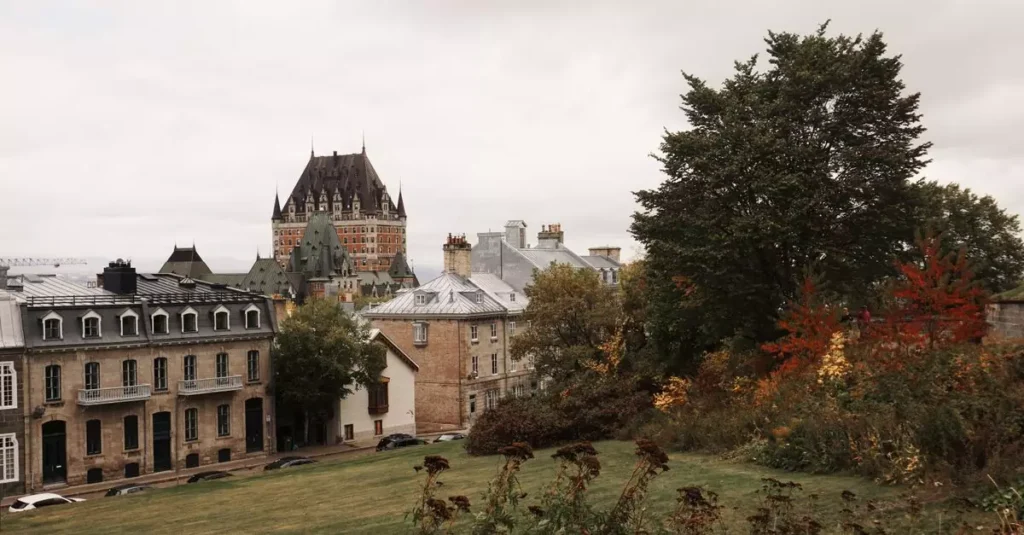
Old Quebec City, a UNESCO World Heritage site, is arguably one of the most enchanting and adorable Canadian towns. Its cobblestone streets, historic fortifications, and European-style architecture transport visitors back in time. The Upper Town, with the iconic Fairmont Le Château Frontenac, offers stunning views of the St. Lawrence River. Down in the Lower Town, the charming streets of Petit Champlain are lined with artisan boutiques, art galleries, and cozy cafés.
Traveler Tip: Wear comfortable shoes for navigating the hilly terrain and uneven cobblestones. Consider visiting during the summer for outdoor festivals or winter for a magical, snow-dusted experience.
The Enchanting Atmosphere of Mont-Tremblant Village
Nestled in the Laurentian Mountains, Mont-Tremblant Village is renowned for its vibrant ski resort and its charming pedestrianized village. Even outside of ski season, the colorful buildings, lively atmosphere, and surrounding natural beauty make it a delightful destination. In summer, hiking and gondola rides offer panoramic views, while winter transforms the village into a snow-covered wonderland. The village center itself is compact and easily walkable, with numerous shops and restaurants.
Getting There: Mont-Tremblant is about a 1.5 to 2-hour drive north of Montreal, making it a popular day trip or weekend escape from the city.
Discovering Tadoussac’s Whale Watching and Historic Charm
Tadoussac, situated at the confluence of the Saguenay Fjord and the St. Lawrence River, is a small, adorable Canadian town with rich history and a unique natural draw. It’s one of the best places in Quebec to embark on a whale-watching tour, with opportunities to spot various species in their natural habitat. Beyond the marine life, Tadoussac boasts a picturesque bay, a historic mission, and a charming, relaxed atmosphere. The town’s setting within the dramatic landscape of the Saguenay–Saint-Laurent Marine Park adds to its appeal.
Best Time to Visit: The whale-watching season typically runs from May to October, with peak activity often occurring in late summer.
When is the Best Time to Visit These Adorable Canadian Towns?

Choosing the right season can significantly enhance your experience in Canada’s charming small towns. Each time of year offers a distinct atmosphere, from vibrant summer festivals to serene winter landscapes, making the “best” time highly dependent on your personal preferences and what you hope to experience. Consider these seasonal highlights when planning your cozy getaway.
Summer: Vibrant Festivals and Mild Weather
Summer, generally from June to August, is a popular time to visit many of these delightful Canadian communities. The weather is typically warm and pleasant, with average temperatures ranging from 20°C to 25°C (68°F to 77°F), though coastal areas might be cooler. This season is perfect for outdoor activities like hiking, exploring local markets, and enjoying waterfronts. Many towns host signature summer festivals, celebrating local music, food, and heritage, offering a lively and engaging atmosphere. Booking accommodations and popular tours in advance is highly recommended due to increased visitor numbers.
Autumn: Stunning Fall Foliage and Cozy Evenings
For many, autumn (September to October) is the quintessential season for visiting adorable Canadian towns. The crisp air and cooler temperatures, often between 5°C and 15°C (41°F and 59°F), are ideal for scenic drives and walks. The true star of autumn is the spectacular fall foliage, with trees bursting into vibrant hues of red, orange, and yellow, particularly in Eastern Canada. Imagine sipping a warm drink by a fireplace as the leaves change outside. This shoulder season often means fewer crowds and potentially lower prices for accommodations compared to summer.
Winter: Snow-Kissed Landscapes and Winter Sports
Winter transforms many of these towns into picturesque, snow-covered villages, usually from December through March. Temperatures can drop significantly, often below freezing, making it a prime time for winter sports enthusiasts. Think skiing, snowboarding, ice skating, and snowshoeing. Towns like Banff in Alberta or Mont-Tremblant in Quebec become hubs for these activities. If you prefer a quieter, more serene experience, visiting in early or late winter can offer beautiful snowy scenery with fewer people. Packing warm layers is essential, and checking road conditions is crucial for safe travel.
Spring: Blooming Flowers and Fewer Crowds
Spring (April to May) offers a gentler transition from winter to summer. While early spring can still see lingering snow in some regions, by late spring, nature is in full bloom. Temperatures begin to rise, typically ranging from 5°C to 15°C (41°F to 59°F), and wildflowers start appearing. This season is characterized by fewer tourists, making it an excellent time for budget-conscious travelers or those seeking a more peaceful visit. It’s a great period to enjoy the natural beauty as it awakens, with the added bonus of potentially finding better deals on accommodations.
Frequently Asked Questions About Adorable Canadian Towns
What are the most romantic Canadian towns for couples?
For a romantic escape, consider towns like Niagara-on-the-Lake, Ontario, known for its wineries and theaters, or Banff, Alberta, offering stunning mountain vistas and cozy lodges. Quebec City’s Old Town provides a European ambiance with cobblestone streets and historic charm, making it another top choice for couples seeking a picturesque setting. These destinations often feature boutique accommodations and fine dining, enhancing the romantic experience.
Which Canadian towns are best for family vacations?
Family-friendly small towns in Canada often boast accessible outdoor activities and engaging local attractions. Consider Lunenburg, Nova Scotia, a UNESCO World Heritage site with maritime history and boat tours. Whistler, British Columbia, while famous for skiing, offers year-round family activities, including hiking and a vibrant village atmosphere. For a unique experience, explore the prairies in towns like Canmore, Alberta, which offers easy access to the Rocky Mountains and wildlife viewing opportunities.
How do I get around these smaller Canadian towns?
Transportation in many of these charming Canadian towns often relies on personal vehicles, especially for reaching more remote locations or national parks. However, many town centers are walkable, allowing you to easily stroll between shops, restaurants, and local sights. Larger towns, like Banff or Whistler, have local bus services or shuttle systems that connect key areas. For inter-town travel, regional bus services or car rentals are common options. Planning your journey in advance, particularly regarding parking availability, is advisable.
| Town Example | Primary Transportation | Walkability | Public Transit |
|---|---|---|---|
| Niagara-on-the-Lake | Car, Walking | High | Limited |
| Banff | Car, Walking, Shuttle | Moderate | Yes |
| Lunenburg | Car, Walking | High | Limited |
What local foods should I try in these charming destinations?
Each region offers distinct culinary delights. In the Maritimes, fresh seafood like lobster rolls and pan-fried haddock are essential. Quebecois specialties such as poutine and tourtière are must-tries in French-Canadian towns. In Western Canada, you might find excellent bison burgers or locally sourced game. Don’t forget to sample regional baked goods and artisanal cheeses, often available at local farmers’ markets, adding to the taste of these adorable Canadian towns.