Chile’s dramatic landscapes, ranging from the world’s driest desert to the glacial fjords of Patagonia, make it an exceptional destination for an unforgettable road trip. This South American gem boasts an incredible diversity of scenery, culture, and adventure, all accessible by car. If you’re dreaming of winding roads through otherworldly terrains, vibrant coastal cities, or venturing into the wild heart of Patagonia, planning one of the best Chile road trips is your next step. This guide will provide you with essential information, including the best times to visit each region, car rental tips, local road navigation, and accommodation options. Prepare to unlock Chile’s vast beauty and embark on your own epic journey.
Why Chile is a Dream Destination for Road Trips
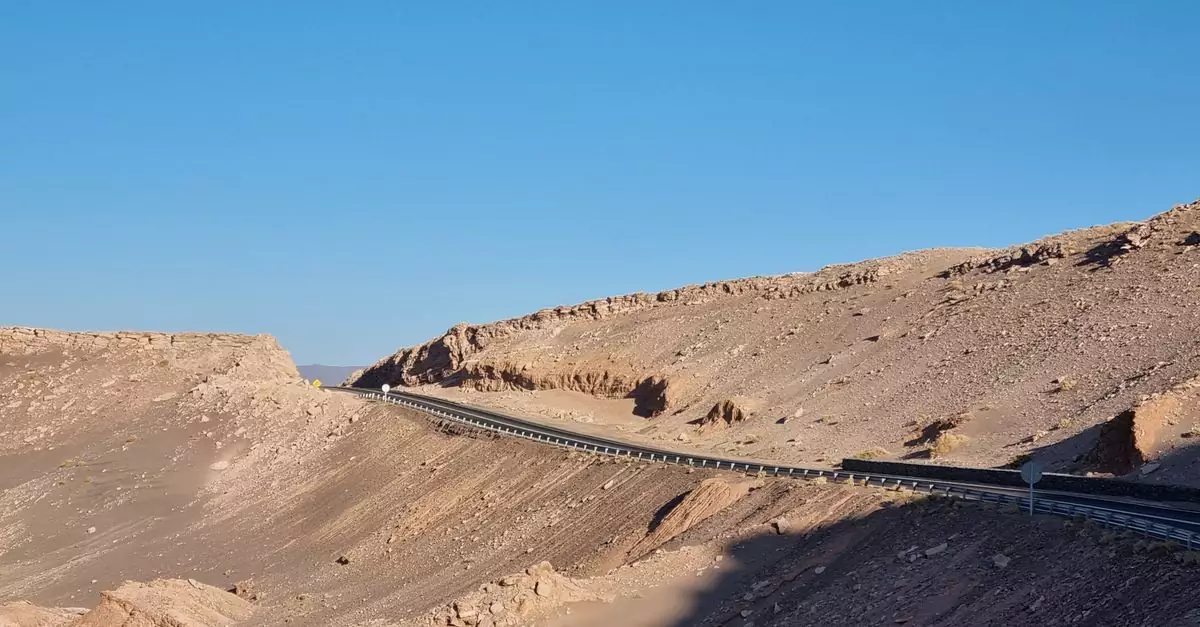
Chile’s extraordinary length and varied geography make it a premier road trip destination, offering a unique journey through dramatically different landscapes. Stretching over 4,300 kilometers, this South American nation presents everything from arid deserts in the north to glacial fjords in the south. Driving through Chile allows travelers to witness this stunning transformation firsthand, encountering unique ecosystems and cultures along the way. The country’s well-maintained road infrastructure, especially the Carretera Austral, facilitates an incredible overland adventure.
Diverse Landscapes: From Atacama Deserts to Patagonian Glaciers
The variety of scenery encountered on a Chile road trip is staggering. In the north, the Atacama Desert, one of the driest places on Earth, offers stark beauty with its salt flats, geysers, and surreal rock formations. As you head south, you’ll discover fertile valleys, coastal mountains, and eventually the dramatic, windswept landscapes of Patagonia, characterized by towering granite peaks, vast ice fields, and turquoise lakes. This dramatic contrast ensures that no two days on the road feel the same, providing a constant sense of discovery.
A road trip through Chile grants unparalleled access to these diverse environments. You can seamlessly transition from stargazing in the clear desert skies of San Pedro de Atacama to hiking among the jagged peaks of Torres del Paine National Park within a single itinerary. The journey itself becomes a spectacle, with each kilometer revealing new geological wonders and breathtaking vistas. For those seeking a comprehensive overview of the continent’s natural marvels, exploring South America by road offers an immersive experience.
Unique Road Trip Experiences Beyond the Tourist Trail
Beyond the iconic sights, Chile offers countless opportunities for off-the-beaten-path adventures. Renting a vehicle provides the freedom to deviate from main routes and discover remote villages, hidden hot springs, and lesser-known national parks. The Carretera Austral, a legendary gravel road traversing Patagonia, exemplifies this adventurous spirit. It winds through ancient forests, alongside pristine rivers, and past remote estancias, offering a glimpse into a wilder, more secluded Chile.
Exploring these less-traveled paths requires flexibility and preparedness. Researching road conditions, especially outside of peak season, is advisable, and carrying necessary supplies is essential. However, the rewards are immense: authentic cultural encounters, solitude amidst stunning nature, and the satisfaction of forging your own path. These experiences extend far beyond typical tourist itineraries, fostering a deeper connection with the country and its people.
Planning Your Ultimate Chile Road Trip Itinerary
Successfully navigating Chile by car necessitates careful planning, particularly considering its vast size. The best time to visit heavily depends on your chosen route. The northern region, with its desert climate, is generally accessible year-round, although summer can be intensely hot. Patagonia’s peak season occurs during the summer months (December to February), providing the most favorable weather for driving and outdoor activities, albeit with larger crowds and higher prices.
When selecting your vehicle, a 4×4 is often recommended for exploring Patagonia and unpaved roads, although a standard car can suffice for many popular routes. Car rental agencies are available in major cities like Santiago and Punta Arenas, but booking in advance is crucial, especially during high season. Budgeting for a road trip should include fuel, accommodation, food, and park entrance fees, which can vary significantly; for instance, Patagonia tends to be more expensive than central or northern regions.
Here’s a general overview of seasonal considerations:
| Region | Best Time to Visit | Typical Weather | Road Conditions |
|---|---|---|---|
| Atacama Desert | March – May, Sep – Nov | Dry, sunny days; cold nights; can be very hot Dec-Feb | Mostly paved, some gravel/dirt access roads |
| Central Chile | September – November | Mild spring, pleasant temperatures | Excellent paved roads |
| Patagonia | December – February | Summer, variable; can be windy, rainy, or sunny | Paved highways and gravel sections; Carretera Austral requires caution |
Safety on Chilean roads is generally good, with well-maintained highways connecting major cities. However, drivers should be aware of local driving habits, potential livestock on rural roads, and the significant distances between services. Carrying a physical map or offline GPS is wise, especially when venturing into remote areas. For more in-depth information on the continent’s diverse travel opportunities, resources like National Geographic can provide valuable insights.
The Atacama Desert: Stargazing and Surreal Landscapes Road Trip
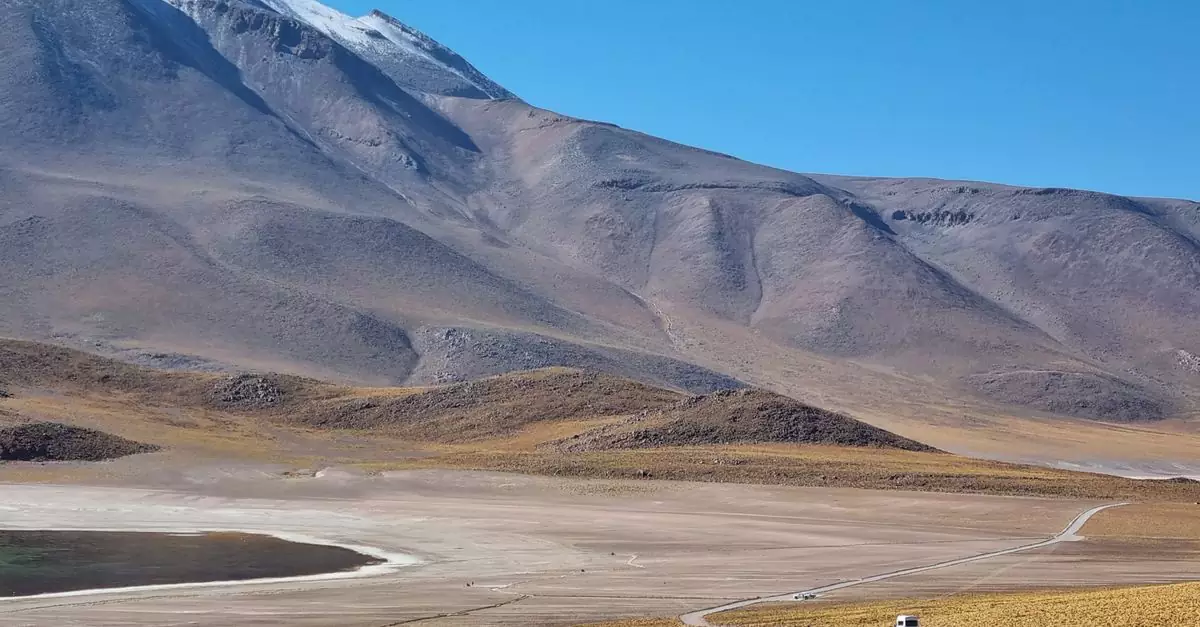
Embarking on a road trip through Chile’s Atacama Desert offers an extraordinary journey into one of Earth’s most extreme environments. This region, known as the driest non-polar desert in the world, transforms into an astronomical observatory at night and a geological wonderland by day. Planning a self-drive adventure here requires attention to vehicle suitability and preparation for remote conditions, but the rewards are immense.
San Pedro de Atacama: Gateway to the Driest Desert
San Pedro de Atacama serves as the primary base for any Atacama road trip. This charming oasis town, characterized by adobe buildings and a relaxed atmosphere, provides essential services, a range of accommodation options from hostels to boutique hotels, and tour operators for guided excursions. Arriving by rental car from Calama Airport (CJC) is straightforward, though securing a 4×4 vehicle is highly recommended for navigating the varied terrain outside of paved roads. Stock up on water and snacks in town before venturing out, as services can be scarce in the desert.
Valle de la Luna & Valle de la Muerte: Otherworldly Rock Formations
Just a short drive from San Pedro, the Moon Valley (Valle de la Luna) and Death Valley (Valle de la Muerte) present surreal, Martian-like landscapes. Erosion has sculpted these areas into dramatic canyons, salt formations, and sand dunes that shift in color with the changing sunlight. Visiting in the late afternoon allows you to witness a spectacular sunset, painting the rocks in hues of orange, red, and purple. While paved paths exist in some areas, exploring deeper requires a suitable vehicle and careful navigation. These valleys are accessible via well-maintained gravel roads, making them a manageable first exploration for any Atacama road trip.
Salar de Atacama: Flamingo Watching and Salt Flats Exploration
The Salar de Atacama, Chile’s largest salt flat, is a breathtaking expanse of white stretching to the horizon. Within this vast salt crust lie vibrant lagoons, most notably the Laguna Chaxa, which serves as a vital habitat for three species of flamingos: Andean, Chilean, and James’s. Observing these elegant birds against the stark white of the salt flats is a highlight. Access to the main salt flats and visitor areas is typically via unpaved but well-trafficked roads from San Pedro. Remember that the salt crust can be fragile; stick to designated paths and be mindful of the delicate ecosystem.
El Tatio Geysers: Sunrise at High Altitude
An early morning excursion to the El Tatio Geysers is a must-do, requiring departure from San Pedro well before dawn. Located at an altitude of over 4,300 meters (14,000 feet), the geyser field is most active at sunrise when the cold desert air meets superheated steam. The drive to El Tatio is a significant part of the adventure, typically involving rough, unpaved roads that demand a robust 4×4 vehicle. The altitude can affect visitors, so acclimatization in San Pedro for a day or two prior is advisable. Pack warm layers, as temperatures can drop below freezing even in summer.
El Tatio Geyser Field Practicalities
| Aspect | Details |
|---|---|
| Altitude | Approx. 4,320 meters (14,173 feet) |
| Best Time | Sunrise (approx. 6:00 AM – 9:00 AM) |
| Road Access | Rough, unpaved; requires 4×4 vehicle |
| Temperature | Can be below freezing at sunrise |
| What to Bring | Warm clothing, water, sunscreen, hat |
| Logistics | Long drive from San Pedro; consider a guided tour for ease of access |
Central Chile’s Wine Routes and Coastal Charm Road Trip
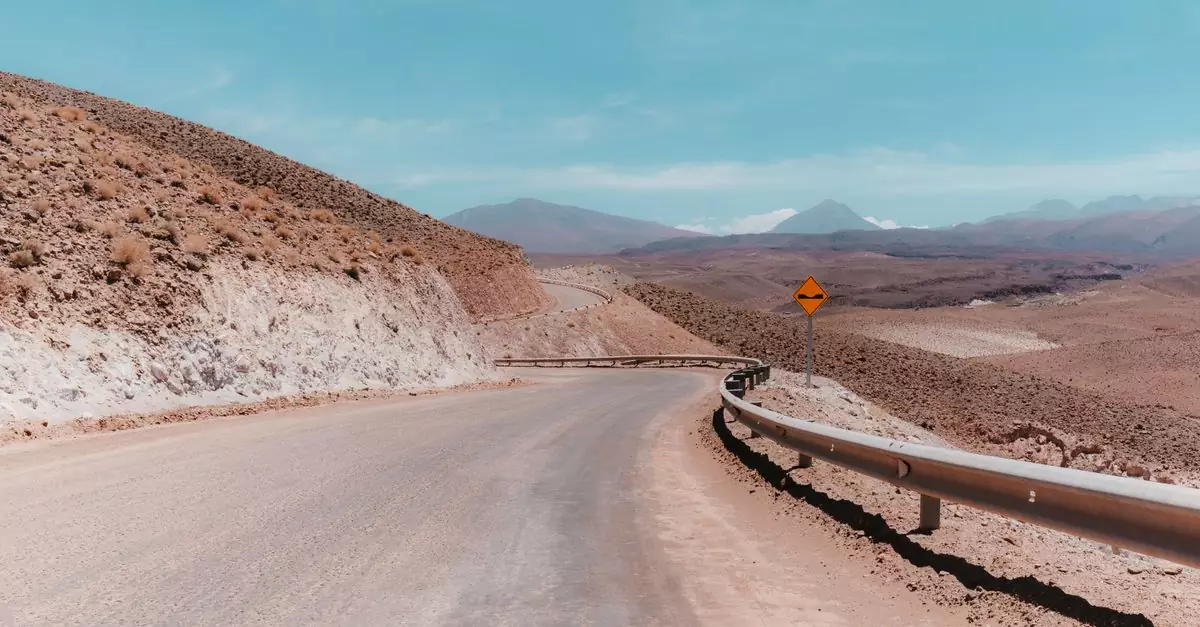
This central Chile road trip offers a delightful blend of world-class vineyards, vibrant city life, and refreshing Pacific breezes. It’s an easily accessible adventure from Santiago, making it one of the best Chile road trips for those with limited time or seeking diverse experiences. The region is particularly appealing for its mild climate and the ease of navigating between distinct attractions.
Casablanca Valley Wine Region: Tastings and Vineyard Stays
The Casablanca Valley is Chile’s premier cool-climate wine region, renowned for its crisp Sauvignon Blancs and elegant Chardonnays. Driving through this valley reveals rolling hills carpeted with vines, punctuated by modern wineries and charming haciendas. Many wineries offer extensive tasting experiences, from casual cellar doors to guided tours that delve into the winemaking process.
Consider staying overnight at one of the vineyard hotels for an immersive experience. Options range from boutique guesthouses on winery grounds to more established hotels with spa facilities. Booking wine tours in advance is recommended, especially during peak season, which generally runs from November to April.
- Tasting Highlights: Look for wineries like Concha y Toro (Don Melchor vineyard), Casas del Bosque, and Matetic for diverse tasting menus and vineyard tours.
- Accommodation: Vineyard hotels offer unique stays, often including gourmet dining and vineyard walks.
- Logistics: The valley is about a 1.5-hour drive from Santiago. Renting a car provides flexibility for visiting multiple wineries.
Valparaíso’s Bohemian Neighborhoods and Street Art
A short drive west from the Casablanca Valley brings you to the UNESCO World Heritage city of Valparaíso. This vibrant port city is a feast for the senses, characterized by its steep hillsides adorned with colorful houses, a labyrinth of winding streets, and an unparalleled collection of street art. Navigating Valparaíso is best done on foot, utilizing its historic funiculars (ascensores) to ascend the hills.
Each cerro (hill) has its own distinct character. Cerro Alegre and Cerro Concepción are known for their bohemian atmosphere, boutique hotels, art galleries, and charming cafes. Cerro Bellavista offers a more raw, authentic feel with extensive murals and local life. Be mindful of your surroundings, particularly in less touristy areas, and keep valuables secure.
- Getting Around: Utilize the ascensores for a scenic and practical way to move between the lower city and the upper neighborhoods.
- Street Art Tours: Guided walking tours are highly recommended to appreciate the history and context of the city’s incredible murals.
- Culture: Explore local artisan shops and enjoy fresh seafood at the Muelle Prat (Pier Prat).
Viña del Mar: Beachfront Relaxation and Coastal Drives
Just north of Valparaíso lies Viña del Mar, a stark contrast with its manicured gardens, wide avenues, and popular sandy beaches. Known as the “Garden City,” it offers a polished, resort-like atmosphere, making it an excellent stop for relaxation after exploring Valparaíso’s bustling streets.
The scenic coastal road connecting Valparaíso and Viña del Mar is a highlight, offering stunning ocean views. In Viña del Mar, visitors can stroll along the Avenida Peru, visit the famous Flower Clock, or try their luck at the Casino. The city also boasts several museums, including the Quinta Vergara Palace and Amphitheatre, a popular venue for concerts and cultural events.
- Beaches: Playa Caleta Abarca and Playa del Deporte are popular choices for sunbathing and water activities.
- Scenic Drive: The coastal road provides numerous viewpoints for capturing photos of the Pacific.
- Family-Friendly: Viña del Mar offers a more conventional beach resort experience, appealing to families and those seeking a more relaxed pace.
Connecting Santiago to the Coast: Scenic Routes
The journey from Santiago to this coastal region is straightforward and offers several scenic options. The most direct route involves heading west on Route 68, which conveniently passes near the Casablanca Valley. This highway is well-maintained and typically experiences moderate traffic, making it one of the best Chile road trips for easy access.
For a more picturesque, albeit slower, approach, consider detouring through smaller towns and agricultural landscapes. The drive typically takes between 1.5 to 2 hours, depending on traffic and your specific destinations within the region.
Transportation Options:
| Option | Description | Best For |
|---|---|---|
| Rental Car | Offers maximum flexibility to visit wineries and explore coastal towns. | Independent travelers, wine enthusiasts |
| Bus | Frequent services from Santiago to Valparaíso and Viña del Mar. | Budget travelers, those not wanting to drive |
| Private Transfer | Convenient door-to-door service, ideal for wine tours. | Groups, luxury travelers |
When planning your trip, remember that Chilean summers (December-February) are warm and dry, while autumn (March-May) offers pleasant temperatures and harvest season activities. Spring (September-November) is also a lovely time to visit, with blooming landscapes and fewer crowds. For a comprehensive overview of South America’s diverse travel offerings, resources like National Geographic’s South America guide can provide broader context.
Patagonia’s Majestic Peaks and Glacial Wonders Road Trip
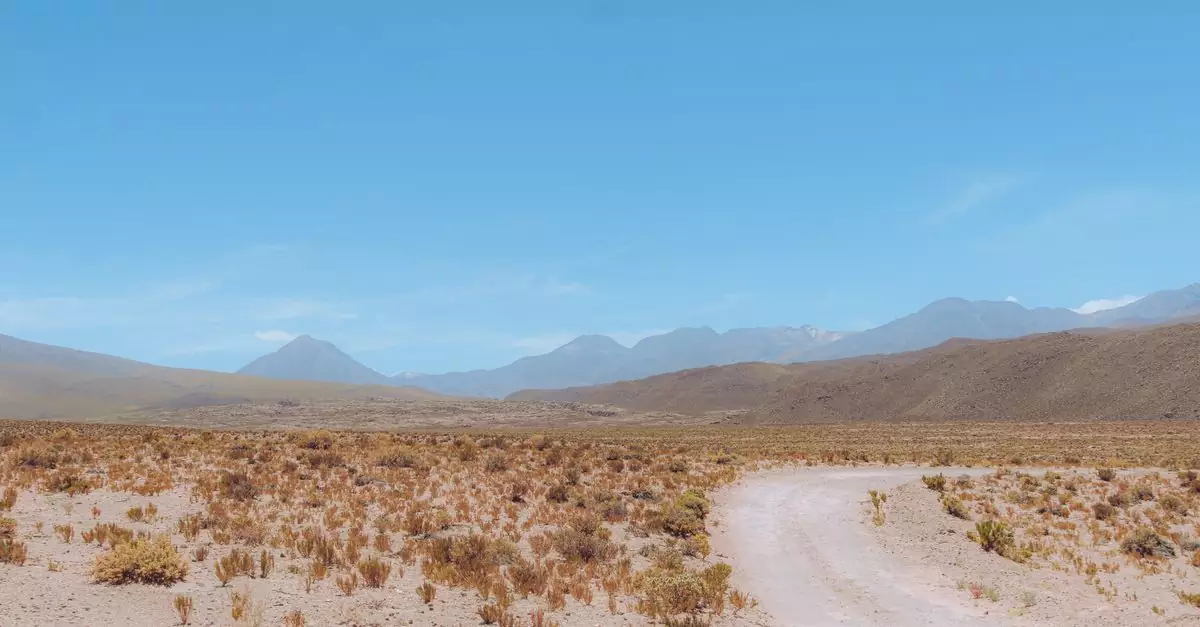
Embarking on a road trip through Chilean Patagonia allows for profound encounters with some of the planet’s most dramatic landscapes. This region, at the southern tip of South America, is characterized by jagged mountains, vast ice fields, and windswept plains. Planning a Patagonian adventure requires attention to seasonality and robust vehicle preparation, as conditions can change rapidly.
Torres del Paine National Park: Hiking and Iconic Views
Torres del Paine National Park is the crown jewel of any Patagonian journey. Its granite spires, turquoise lakes, and sprawling glaciers are world-renowned. While the park is accessible by car, many of its most breathtaking vistas require hiking. The “W” trek and the longer “O” circuit are popular multi-day routes, but day hikes to the base of the Towers or to Grey Glacier are also rewarding.
Key Considerations for Torres del Paine:
- Best Time to Visit: Summer (December to February) offers the most stable weather, but also the largest crowds. Shoulder seasons (October-November and March-April) provide fewer visitors and stunning autumn colors, though weather is more unpredictable.
- Getting There: Fly into Punta Arenas (PUQ) or El Calafate (FTE) in Argentina, then take a bus or rent a car for the drive to Puerto Natales, the main gateway town to the park.
- Accommodation: Options range from luxury hotels and eco-domes within the park to more budget-friendly hostels and campsites. Booking well in advance is essential, especially during peak season.
Carretera Austral: The Legendary Southern Highway Adventure
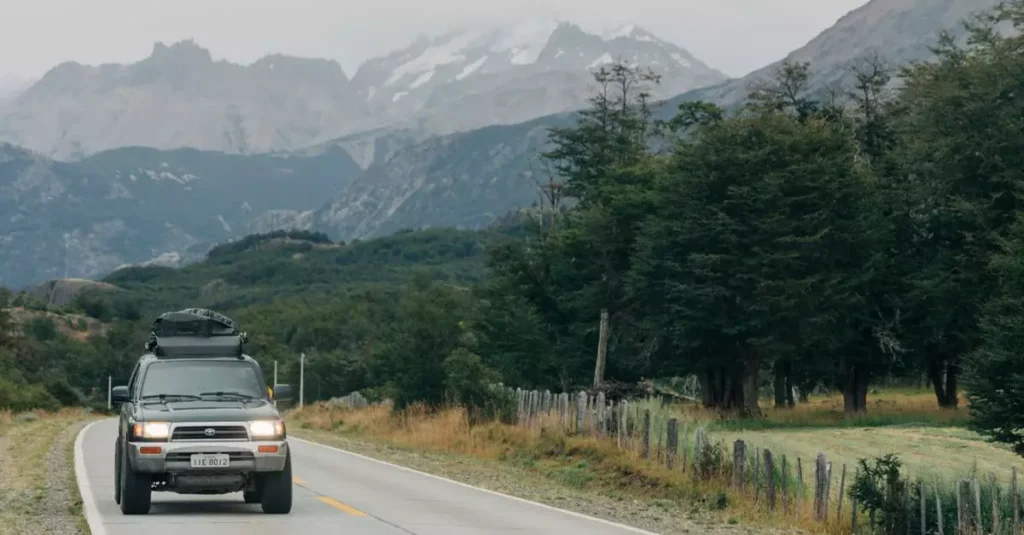
The Carretera Austral is more than just a road; it’s an epic Patagonian expedition. This unpaved highway winds through remote fjords, ancient forests, and past turquoise rivers, connecting isolated communities. Driving the Carretera Austral is an adventure in itself, demanding patience and a sturdy vehicle, preferably a 4×4.
Carretera Austral Highlights:
- Queulat National Park: Home to the Ventisquero Colgante (Hanging Glacier), a spectacular sight accessible via a short hike.
- Marble Caves (Capillas de Mármol): Located on General Carrera Lake, these intricate marble formations carved by water are best visited by boat.
- Patagonia National Park: A protected area safeguarding unique ecosystems and offering incredible trekking opportunities.
Logistics for the Carretera Austral:
- Vehicle: A 4×4 is highly recommended due to the unpaved and often rough sections of the road. Ensure you have good tires and a spare.
- Supplies: Towns are sparse. Stock up on fuel, food, and water whenever possible.
- Connectivity: Mobile phone service is unreliable, so inform someone of your travel plans.
El Calafate (Argentina) Day Trip: Perito Moreno Glacier Access
While technically in Argentina, El Calafate is a common and worthwhile addition to a Chilean Patagonia road trip, particularly for those exploring the southern regions. The main draw is the Perito Moreno Glacier, one of the few advancing glaciers in the world. Witnessing its immense scale and hearing the thunderous calving of ice is an unforgettable experience.
Visiting Perito Moreno:
- Access: From Puerto Natales, Chile, it’s a scenic drive of approximately 5-6 hours to El Calafate. Many tours also depart from Puerto Natales.
- Activities: Walkways offer stunning views of the glacier face. Boat tours provide a closer perspective, and ice trekking excursions are available for the adventurous.
- Best Time: Similar to Torres del Paine, summer offers the best weather, but spring and autumn can be less crowded.
Punta Arenas: Gateway to Tierra del Fuego and Penguin Colonies
Punta Arenas serves as a vital hub for exploring the Strait of Magellan and the northern reaches of Tierra del Fuego. This historic port city is a common starting or ending point for Patagonian road trips. Its proximity to significant wildlife reserves makes it a prime destination for nature enthusiasts.
Punta Arenas Attractions:
- Isla Magdalena Penguin Colony: Accessible via boat tour, this island hosts thousands of Magellanic penguins during the breeding season (typically October to March).
- Tierra del Fuego: Explore the rugged landscapes and historical sites of this remote archipelago.
- Fuerte Bulnes: A historical fort offering insights into Chile’s early settlement of the region.
Traveler Tip: When planning your Patagonian road trip, consider combining elements of these destinations. For example, a trip starting in Punta Arenas could include a visit to Torres del Paine, followed by a drive up the Carretera Austral, or a detour into Argentina to see the Perito Moreno Glacier. The sheer scale of Patagonia means that comprehensive road trips often span several weeks and require significant planning, particularly regarding vehicle readiness and accommodation bookings.
What to Expect on Your Chile Road Trip: Logistics and Tips
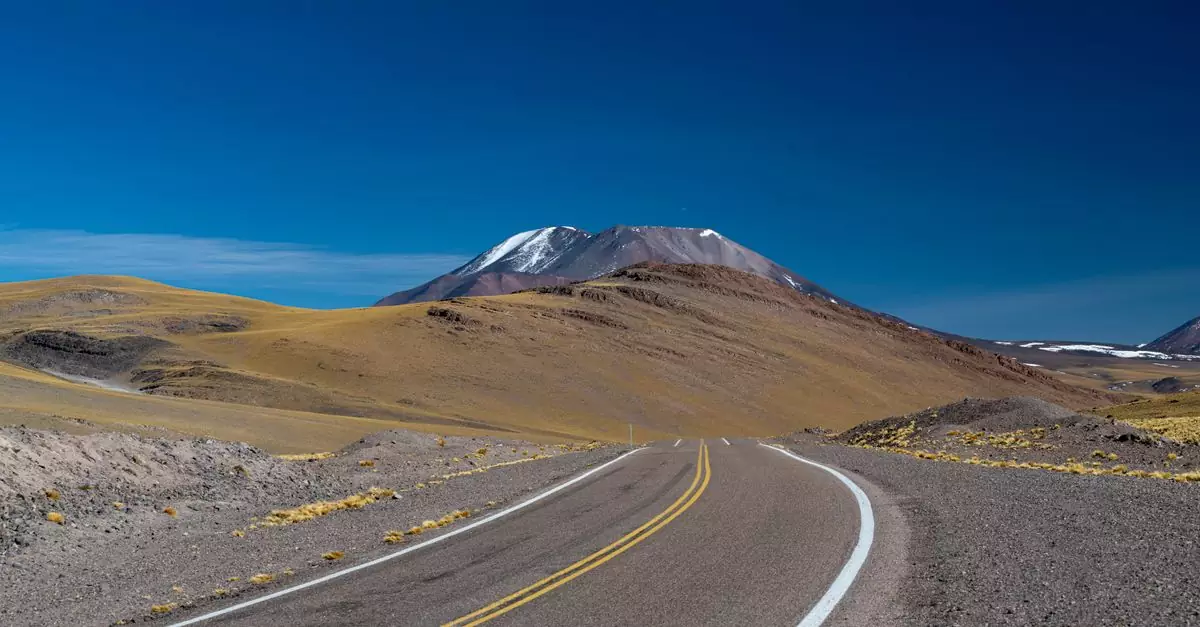
Embarking on one of the best Chile road trips requires careful planning, especially given the country’s extraordinary length and diverse landscapes. From the driest desert on Earth to glacial fjords, your journey will demand consideration of seasonal variations, vehicle choice, and navigating unfamiliar roads. Understanding these logistical elements beforehand will transform potential challenges into smooth sailing, allowing you to fully immerse yourself in Chile’s stunning scenery.
Best Time to Visit Chile for Each Road Trip Region
Chile’s unique geography means weather patterns vary dramatically from north to south. Planning your trip around the optimal season for your chosen route is crucial for an enjoyable experience.
- Atacama Desert (North): The desert is a year-round destination, but the shoulder seasons of March to May and September to November offer the most pleasant temperatures, with fewer crowds than the peak summer months of December to February. Nights can be very cold, even in summer, so pack layers.
- Central Valley (Santiago, Valparaíso): Spring (September to November) and autumn (March to May) are ideal for this region, with mild temperatures perfect for wine tasting and city exploration. Summer (December to February) can be hot, while winter (June to August) brings rain, especially to the Andes foothills.
- Lake District (South-Central): Summer (December to February) is the most popular time, offering the warmest weather and longest daylight hours for outdoor activities. However, it’s also the busiest and most expensive. Spring and autumn provide beautiful foliage and fewer tourists, though weather can be unpredictable.
- Patagonia (Far South): The prime season for Patagonia is the austral summer (December to February), when the weather is most stable, though still prone to rapid changes. Shoulder seasons (October-November and March-April) offer fewer crowds and stunning autumn colors, but with a higher chance of rain and wind. Many services close during the winter months (May to September).
Renting a Car in Chile: Tips and Considerations
Renting a car is often the best way to experience the freedom of a Chile road trip. Major international rental companies operate at airports in Santiago, Puerto Montt, and Punta Arenas, as well as in larger cities.
- Vehicle Type: For the Atacama Desert or well-paved highways, a standard sedan may suffice. However, if you plan to venture onto unpaved roads, especially in Patagonia or the Lake District, a 4×4 or an SUV with higher clearance is highly recommended. Many rental agreements restrict travel on unpaved roads, so clarify this with your provider.
- Insurance: Ensure you understand the insurance coverage included and consider additional options. Comprehensive insurance is advisable.
- International Driving Permit (IDP): While not always strictly enforced, it’s recommended to carry an International Driving Permit along with your national license.
- Booking in Advance: Especially during peak season, booking your rental car well in advance is essential, particularly for automatic transmission vehicles or larger SUVs.
Navigating Chile’s Roads: Fuel, Signage, and Safety
Chile’s road infrastructure varies significantly. Major highways, particularly the Ruta 5 (Pan-American Highway), are generally well-maintained. However, rural and unpaved roads can be challenging.
- Fuel: Gas stations are plentiful along the main highways but can be sparse in remote areas. It’s wise to fill up whenever you have the opportunity, especially when venturing off the Ruta 5. Diesel is widely available.
- Signage: Road signs are primarily in Spanish. Familiarize yourself with common road signs and Spanish driving terms. GPS navigation is highly recommended, and downloading offline maps is a smart precaution for areas with limited mobile service.
- Safety: While Chile is one of the safer countries in South America, petty crime can occur, particularly in urban areas. Keep valuables out of sight and avoid leaving your car unattended in isolated spots. Be aware of speed limits and road conditions, especially on unpaved or mountainous routes. Driving at night is generally discouraged outside of major cities due to reduced visibility and potential hazards.
Accommodation Options: From Desert Hostels to Patagonian Lodges
Chile offers a wide range of accommodations to suit every budget and travel style, from basic hostels to luxurious lodges.
- Hostels: Abundant in popular tourist hubs like San Pedro de Atacama, Puerto Varas, and El Calafate (just across the border in Argentina, but a common gateway), hostels provide budget-friendly options and social atmospheres.
- Hotels and Guesthouses (Hospedajes/Residenciales): Available in most towns and cities, these offer private rooms with varying levels of comfort and amenities. In smaller towns, a residencial or hospedaje can provide a more local experience.
- Eco-Lodges and Glamping: Particularly in the Lake District and Patagonia, you’ll find eco-lodges and glamping sites offering unique stays immersed in nature.
- Estancias (Ranches): In some rural areas, particularly near the Andes, you can stay at working estancias, offering a glimpse into traditional Chilean ranch life.
Booking accommodation in advance is highly recommended, especially for popular destinations like San Pedro de Atacama and Torres del Paine National Park, particularly during peak season. Many remote areas have limited options, and popular spots can book up months ahead.
Frequently Asked Questions About Chile Road Trips
Is it safe to drive in Chile?
Driving in Chile is generally safe, especially on major highways like the Ruta 5. However, conditions can vary significantly. Roads in Patagonia can be unpaved and challenging, particularly during winter months. Be aware of local driving habits, which can be more aggressive than you might be accustomed to. Always drive defensively and keep an eye out for livestock on rural roads.
What is the average cost of a road trip in Chile?
The cost of a road trip in Chile can range widely depending on your travel style and chosen destinations. A moderate budget might be around $70-$100 USD per person per day, covering accommodation, food, fuel, and activities. This can be significantly reduced by opting for hostels or camping, and cooking your own meals. Conversely, luxury accommodations and frequent fine dining will increase costs considerably. Fuel prices are comparable to many European countries.
What are the essential items to pack for a Chile road trip?
Packing essentials depend heavily on the regions you plan to visit and the time of year. For any Chile road trip, consider:
- Navigation: A reliable GPS or offline map app is crucial, as cell service can be spotty.
- Vehicle Kit: A spare tire, jack, and basic tools are advisable.
- Clothing Layers: Chile’s diverse climate demands versatility. Pack for hot days in the north, cool evenings in the central valleys, and potentially freezing temperatures and snow in the south, even in summer. Waterproof and windproof outer layers are a must for Patagonia.
- Sun Protection: High SPF sunscreen, sunglasses, and a hat are vital, especially in the Atacama Desert and at higher altitudes.
- First-Aid Kit: A comprehensive kit for minor injuries.
- Water Bottle: Staying hydrated is important, especially in arid or high-altitude areas.
Can you do a Chile road trip on a budget?
Absolutely. Chile can be explored on a budget with careful planning. Opting for budget accommodations like hostels or campsites significantly cuts costs. Preparing your own meals using ingredients from local markets or supermarkets rather than eating out for every meal will also save money. Traveling during the shoulder seasons (spring and autumn) can offer lower prices on accommodation and car rentals. Utilizing buses for longer inter-city travel and then renting a car for specific regions can also be a cost-effective strategy for a varied South America adventure.