From the dramatic peaks of Patagonia to the vibrant Amazon basin, South America is a continent rich in natural beauty. This region showcases a remarkable tapestry of landscapes, attracting travelers eager for adventure and immersion in the wild. If you’re planning a journey to explore some of the most stunning nature destinations in the world, South America offers an extraordinary array of options.
In this guide, we’ll delve into the untamed wonders of this diverse continent. You’ll discover the glacial majesty of Patagonia, the unparalleled biodiversity of the Amazon rainforest, and the surreal landscapes of Bolivia’s Salar de Uyuni. We’ll provide insights into the unique experiences each destination offers, highlighting what makes them truly unforgettable. Prepare to be inspired by the raw allure of South America’s natural heart.
South America’s Untamed Beauty: From Glaciers to Rainforests
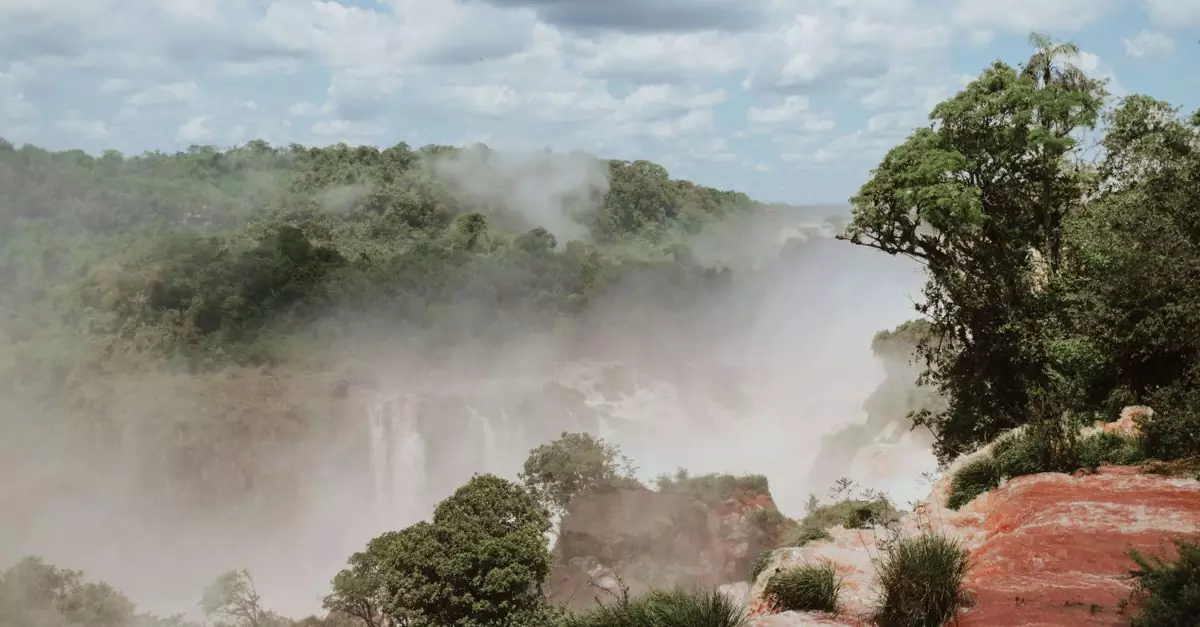
South America boasts an impressive diversity of natural landscapes, attracting those who seek raw, unspoiled beauty. From the icy spires of Patagonia to the vibrant heart of the Amazon, this continent is home to some of the world’s most stunning nature destinations. Planning a trip here involves navigating vast distances and varied climates, but the rewards are immense.
Exploring Patagonia’s Glacial Peaks and Fjords
Patagonia, spanning Argentina and Chile, is defined by its dramatic glacial landscapes. Trekking through Los Glaciares National Park in Argentina offers breathtaking views of the immense Perito Moreno Glacier, a colossal ice river that calves icebergs with thunderous roars. On the Chilean side, Torres del Paine National Park features iconic granite peaks, turquoise lakes, and windswept plains, perfect for multi-day hikes.
Traveler Tips for Patagonia:
- Best Time to Visit: December to March (austral summer) for favorable weather; shoulder seasons (October-November, April) offer fewer crowds.
- Getting Around: Flights to El Calafate (Argentina) or Punta Arenas (Chile) are common entry points, followed by bus or rental car.
- Accommodation: Options range from rustic campsites and refugios to comfortable lodges. Booking well in advance is crucial during peak season.
- Budget: Patagonia can be expensive due to its remote location and popularity. Consider costs for park entrance fees, guided tours, and transport.
The Amazon Rainforest: Biodiversity Hotspots
The Amazon Basin, a vast expanse of tropical rainforest covering much of South America, is a global epicenter of biodiversity. Traveling into the Amazon—whether from Iquitos in Peru, Manaus in Brazil, or Coca in Ecuador—immerses visitors in a world teeming with life. River cruises and jungle lodges provide opportunities to witness incredible flora and fauna, including diverse bird species, monkeys, and elusive jaguars.
Amazon Experience Insights:
- Activities: Jungle treks, piranha fishing, caiman spotting, and birdwatching are popular. Many lodges offer guided excursions with local naturalists.
- Health Precautions: Consult your doctor about necessary vaccinations and malaria precautions well before your trip.
- Packing Essentials: Lightweight, quick-drying clothing, insect repellent with DEET, sunscreen, a wide-brimmed hat, and waterproof gear are essential.
- Sustainability: Choose eco-lodges and tour operators committed to responsible tourism practices to minimize environmental impact.
Salar de Uyuni: Bolivia’s Surreal Salt Flats
Bolivia’s Salar de Uyuni is the world’s largest salt flat, creating an otherworldly landscape of pure white under vast blue skies. During the dry season (May to November), the cracked salt crust stretches to the horizon, offering incredible photo opportunities. The wet season (December to April) transforms the flats into a colossal mirror, reflecting the sky and creating a surreal beauty.
Visiting the Salar de Uyuni:
- Tours: Most visitors experience the Salar via multi-day 4×4 tours originating from Uyuni town or Tupiza. These tours often include visits to colorful lagoons, geysers, and hot springs in the surrounding desert.
- Logistics: Uyuni is accessible by overnight bus or train from La Paz, though flights to the small Uyuni airport are also available.
- Altitude: The Salar de Uyuni is situated at high altitude (over 3,600 meters or 11,800 feet), so acclimatization in cities like Sucre or La Paz beforehand is recommended.
- Unique Stays: For an unforgettable experience, consider staying in a salt hotel, constructed almost entirely from salt blocks.
Asia’s Majestic Landscapes: Mountains, Islands, and Deserts
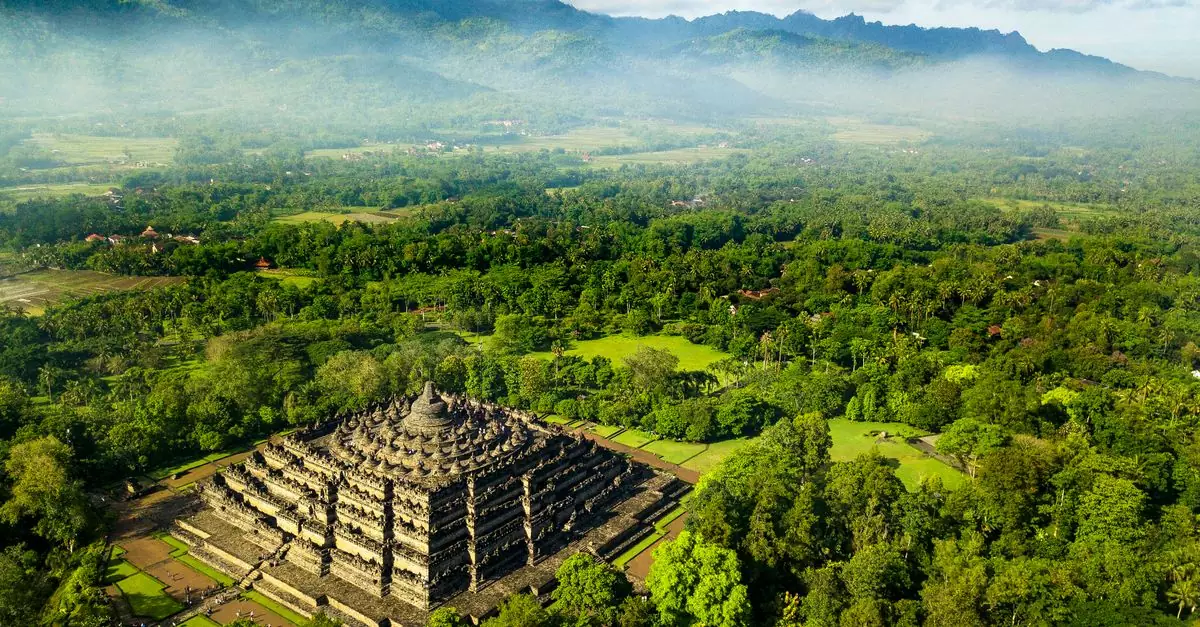
Asia offers a remarkable diversity of natural beauty, from the world’s highest peaks to pristine tropical islands and vast arid expanses. These destinations showcase dramatic geological formations and vibrant ecosystems, appealing to adventurers and nature enthusiasts alike. Planning a trip to these regions requires consideration of varying climates, accessibility, and the best times to visit for optimal experiences.
The Himalayas: Trekking Through Nepal’s Annapurna Circuit
The Annapurna Circuit in Nepal is a world-renowned trekking route, offering an unparalleled journey through the heart of the Himalayas. This trek takes you past diverse landscapes, from lush rhododendron forests to arid alpine deserts, all under the shadow of towering snow-capped peaks. You’ll encounter traditional villages, interact with local communities, and witness breathtaking panoramas of mountains like Annapurna I and Dhaulagiri.
Logistics and Timing:
The trekking season typically runs from March to May and September to November, offering stable weather and clear skies. The circuit can take anywhere from 10 to 20 days, depending on your pace and chosen side trips. Permits are required for entry into the Annapurna Conservation Area. Hiring a local guide and porter is highly recommended for navigation, cultural insights, and safety.
Budget Considerations:
While the trek can be managed with moderate daily expenses for food and lodging in teahouses, overall costs include flights to Nepal, internal transportation, permits, gear, and guide/porter fees. A rough estimate for a 15-day trek, excluding international flights, might range from $700 to $1500 USD per person, depending on comfort levels and services chosen.
Palawan’s El Nido: Limestone Karsts and Turquoise Waters
El Nido, located on the northern tip of Palawan island in the Philippines, is famous for its dramatic limestone karst cliffs, hidden lagoons, and crystal-clear turquoise waters. This archipelago is a paradise for island hopping, snorkeling, and diving, with vibrant coral reefs teeming with marine life. Kayaking through narrow openings in the karsts reveals secret beaches and serene lagoons, offering a sense of secluded discovery.
Key Attractions:
Popular island-hopping tours (Tours A, B, C, and D) visit iconic spots such as the Big Lagoon, Small Lagoon, Secret Lagoon, and Seven Commandos Beach. Nacpan Beach provides a more relaxed setting with its long stretch of golden sand. The underwater world is equally captivating, with opportunities to see sea turtles, colorful fish, and diverse coral formations.
Best Time to Visit:
The dry season, from November to May, offers the most favorable conditions with sunny skies and calm seas, ideal for boat tours and water activities. During the wet season (June to October), expect occasional rain showers, but fewer crowds and potentially lower prices. Travel to El Nido typically involves flying into Puerto Princesa or directly to Lio Airport near El Nido town.
Zhangjiajie National Forest Park: China’s Avatar Mountains
Zhangjiajie National Forest Park in China’s Hunan province is renowned for its unique sandstone pillars, often referred to as the “Avatar Mountains” due to their inspiration for the landscapes in the film Avatar. These towering rock formations, sculpted by erosion over millions of years, are draped in lush vegetation and shrouded in mist, creating an otherworldly spectacle.
Navigating the Park:
The park is vast and well-developed, with a network of paths, elevators, and cable cars to facilitate access. Key attractions include the Bailong Elevator, which ascends a sheer cliff face, and the Tianzi Mountain Nature Reserve, offering panoramic views. The Yuanjiajie area is home to the “Mesa Pillar,” the iconic formation that inspired the floating mountains in Avatar.
Visitor Tips:
The best times to visit are spring (April to June) and autumn (September to November) when the weather is pleasant and the scenery is vibrant. Weekdays and avoiding major Chinese holidays will help mitigate crowds. Comfortable walking shoes are essential, as significant walking and climbing are involved to fully appreciate the landscape. Consider purchasing a multi-day park pass if you plan to explore extensively.
Africa’s Wild Heart: Savannahs, Waterfalls, and Volcanic Peaks
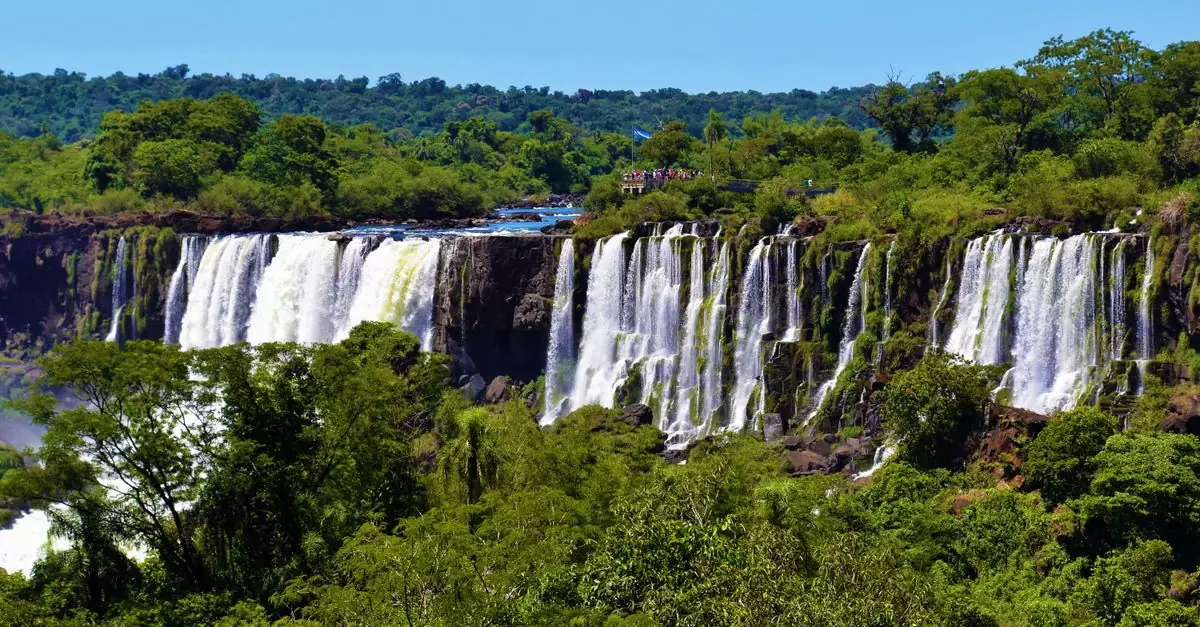
Africa offers some of the planet’s most dramatic landscapes, from vast plains teeming with wildlife to colossal waterfalls and majestic mountains. These destinations provide unparalleled opportunities for adventure and immersion in raw, untamed nature.
Serengeti National Park: Witnessing the Great Migration
The Serengeti in Tanzania is synonymous with the Great Migration, a breathtaking spectacle of millions of wildebeest, zebras, and antelopes traversing the plains in search of greener pastures. This natural event, primarily occurring from July to October as the herds move north across the Mara River, is a highlight for those seeking the most beautiful nature destinations in the world. Planning a safari here requires booking well in advance, especially for peak season.
Logistics for Serengeti:
- Best Time to Visit: July to October for the migration river crossings; January to February for calving season in the southern Serengeti.
- Getting There: Fly into Kilimanjaro International Airport (JRO) and take a smaller bush plane to one of the Serengeti’s airstrips, or drive from Arusha (a longer journey).
- Accommodation: Options range from luxury tented camps and lodges to more basic campsites, often situated within or near prime wildlife viewing areas.
- Activities: Game drives (day and night), hot air balloon safaris, guided walking safaris.
Victoria Falls: The Smoke That Thunders
Straddling the border of Zambia and Zimbabwe, Victoria Falls is one of the largest and most awe-inspiring waterfalls on Earth. Known locally as “Mosi-oa-Tunya” (The Smoke That Thunders), the sheer volume of water plunging into the Zambezi River creates a mist that can be seen for miles. The roar of the water is deafening, and the spray often generates rainbows.
Visiting Victoria Falls offers a different kind of natural wonder compared to the vast plains of the Serengeti. It’s a powerful display of water’s force and a UNESCO World Heritage site.
Planning Your Visit to Victoria Falls:
- Peak Flow: February to May offers the most dramatic water levels.
- Low Flow: November to December can reveal more of the falls’ structure and allow for activities like swimming in the Devil’s Pool (on the Zambian side, with a guide).
- Getting There: Fly into Livingstone (LVI) in Zambia or Victoria Falls (VFA) in Zimbabwe.
- Activities: Viewpoints on both sides, sunset cruises on the Zambezi, white-water rafting, bungee jumping, and helicopter flights over the falls.
Mount Kilimanjaro: Tanzania’s Iconic Summit
Mount Kilimanjaro, Africa’s highest peak, is a dormant volcano and a bucket-list destination for trekkers worldwide. Its three volcanic cones—Kibo, Mawenzi, and Shira—rise dramatically from the surrounding plains, offering a challenging yet rewarding climb. The journey to the summit, Uhuru Peak, takes you through diverse ecological zones, from rainforest to alpine desert and arctic summit.
Climbing Kilimanjaro is a significant undertaking requiring physical preparation and proper acclimatization. It’s a journey that tests endurance and offers unparalleled views of the continent. For those interested in adventure travel in South America, consider the diverse mountain ranges there as well, though Kilimanjaro stands as a unique African icon.
Key Considerations for Climbing Kilimanjaro:
- Routes: Various routes exist, each with different durations, difficulty levels, and scenery. Popular choices include Marangu, Machame, and Lemosho.
- Best Time to Climb: January to March and June to October offer drier conditions.
- Guides and Porters: Essential for safety and success. It is mandatory to climb with a registered guide company.
- Health and Safety: Altitude sickness is a significant risk; slow ascent and hydration are crucial.
- Budget: Costs vary widely depending on the route, company, and duration, but expect to pay several thousand dollars for a reputable climb.
North America’s Diverse Natural Splendors
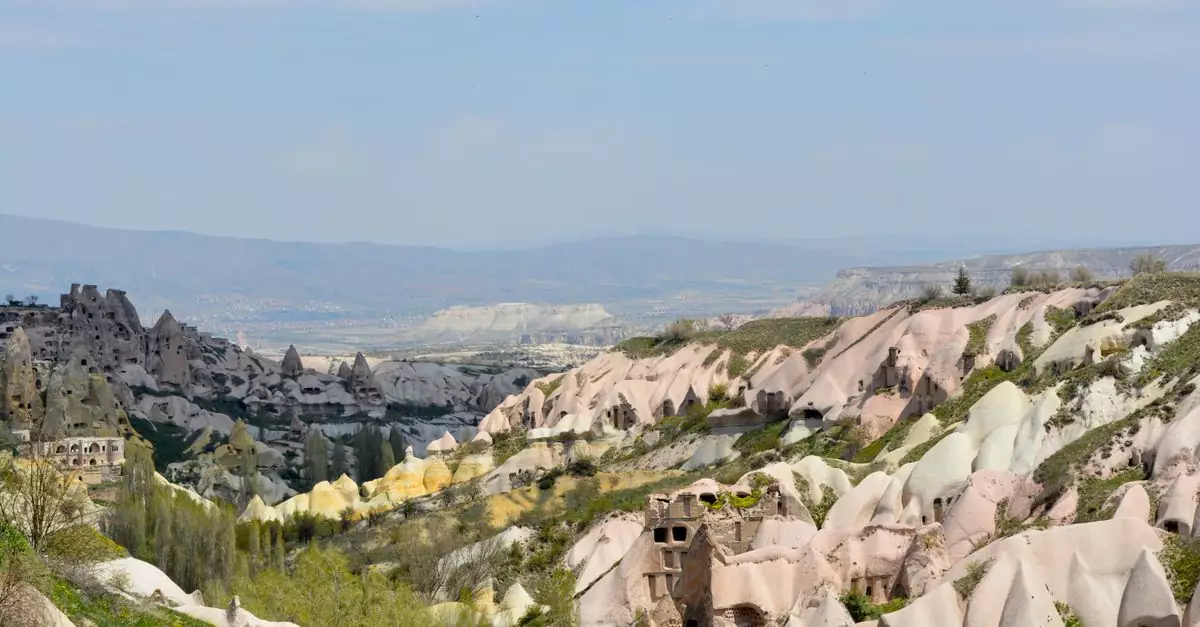
North America boasts a staggering array of natural wonders, from the icy peaks of the Canadian Rockies to the arid depths of the Grand Canyon. These destinations offer unique landscapes and outdoor adventures, making them essential stops for anyone seeking beautiful nature destinations. Planning a trip requires considering seasonal weather, accessibility, and the type of experience you’re after.
Banff National Park: Alberta’s Turquoise Lakes and Rocky Mountains
Banff National Park, Canada’s oldest national park, is renowned for its impossibly blue glacial lakes and dramatic Rocky Mountain scenery. Lake Louise and Moraine Lake are iconic for their vibrant turquoise hues, reflecting the surrounding snow-capped peaks. Visitors can enjoy hiking, canoeing, and wildlife viewing, with opportunities to spot elk, bears, and bighorn sheep.
Getting to Banff is straightforward. The closest major airport is Calgary International Airport (YYC), about a 90-minute drive away. Many travelers rent a car in Calgary for flexibility within the park and to access scenic drives like the Icefields Parkway, which connects Banff to Jasper National Park.
Best Time to Visit: Summer (June-August) offers the warmest weather and access to all trails and attractions, though it’s also the busiest. Fall (September-October) brings stunning autumn colors and fewer crowds. Winter (December-March) is ideal for skiing and snowboarding.
Accommodation Options: Banff townsite offers a range of hotels, from luxury resorts like the Fairmont Banff Springs to budget-friendly motels. Camping is also popular, with numerous campgrounds available, though reservations are highly recommended.
Yosemite National Park: California’s Granite Cliffs and Giant Sequoias
Yosemite National Park in California is a masterpiece of granite cliffs, towering waterfalls, and ancient giant sequoias. El Capitan and Half Dome are world-famous climbing and sightseeing destinations, while Yosemite Falls is one of the tallest waterfalls in North America. The Mariposa Grove of Giant Sequoias allows visitors to walk among these colossal trees, some of the largest living organisms on Earth.
Accessing Yosemite typically involves flying into a major California airport like San Francisco (SFO) or Oakland (OAK) and then driving approximately 3-4 hours. Alternatively, Fresno Yosemite International Airport (FAT) is closer, about a 1.5-hour drive to the park’s southern entrance. Reservations are often required for vehicle entry during peak season, so check the National Park Service website for current requirements.
Key Attractions:
- Yosemite Valley: Home to El Capitan, Half Dome, and Yosemite Falls.
- Mariposa Grove: Features over 500 mature giant sequoias.
- Tioga Pass: A scenic high-country road (open seasonally) offering access to Tuolumne Meadows.
Budget Considerations: Entrance fees apply, and accommodation within the park can be expensive, especially during peak season. Consider visiting during the shoulder seasons or looking for lodging in gateway towns like Oakhurst or Mariposa.
Grand Canyon National Park: Arizona’s Awe-Inspiring Chasm
The Grand Canyon National Park in Arizona is an unparalleled geological spectacle, a vast and deeply carved chasm showcasing millions of years of Earth’s history. The sheer scale and vibrant colors of the canyon walls are breathtaking, especially at sunrise and sunset. The South Rim is the most accessible and popular area, offering iconic viewpoints like Mather Point and Yavapai Point.
The most common way to reach the Grand Canyon is by flying into Las Vegas (LAS) or Phoenix Sky Harbor International Airport (PHX), both about a 4-hour drive away. Flagstaff Pulliam Airport (FLG) is the closest, but offers fewer flight options. Driving is highly recommended for exploring the park and its various viewpoints.
Activities: Hiking is a primary draw, with trails ranging from easy rim walks to strenuous inner-canyon treks like the Bright Angel Trail. Mule rides and helicopter tours offer alternative perspectives of the immense landscape.
Safety: The desert environment can be extreme. Always carry plenty of water, wear sun protection, and be aware of the dangers of hiking in the heat. Stick to marked trails and do not venture too close to the canyon edge.
Comparison of North American Natural Wonders
| Destination | Primary Landscape | Best Season | Accessibility (Major Airport) | Typical Budget (Mid-Range) |
|---|---|---|---|---|
| Banff National Park | Glacial lakes, Rocky Mountains, forests | Summer, Fall | Calgary (YYC) – 90 min drive | $$$ |
| Yosemite National Park | Granite cliffs, waterfalls, giant sequoias | Spring, Summer | San Francisco (SFO) – 3.5 hr drive | $$$ |
| Grand Canyon National Park | Deep canyon, desert, Colorado River | Spring, Fall | Las Vegas (LAS) – 4 hr drive | $$ |
Budget indication: $ (Budget-friendly) to $$$$ (Luxury)
When is the Ideal Time to Visit These Natural Paradises?
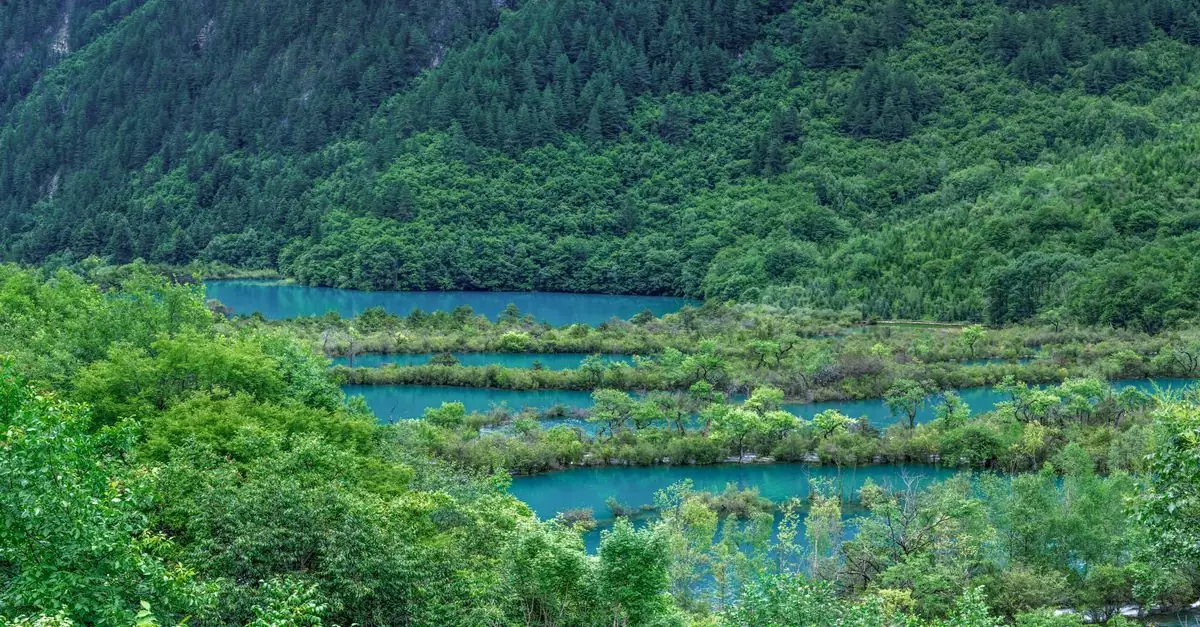
Choosing the right time to visit the most beautiful nature destinations can significantly enhance your experience, from witnessing incredible wildlife events to enjoying favorable weather conditions. Each location offers distinct seasonal highlights that cater to different traveler interests.
Best Seasons for Patagonia’s Glacial Adventures
Patagonia, spanning Argentina and Chile, is best experienced during its summer months, from December to February. This period offers the longest daylight hours, ideal for trekking and glacier viewing. Temperatures are milder, typically ranging from 10-20°C (50-68°F).
The shoulder seasons—spring (September-November) and autumn (March-May)—also present compelling reasons to visit. Spring brings blooming wildflowers and fewer crowds, while autumn offers stunning fall foliage, particularly in areas like El Chaltén. However, be prepared for unpredictable weather, including strong winds and potential snow, even in summer. Winter (June-August) sees very cold temperatures, heavy snowfall, and limited access to many hiking trails, making it suitable only for the most adventurous seeking winter sports.
| Season | Months | Avg. Temperature (°C) | Daylight Hours | Crowd Levels | Key Activities |
|---|---|---|---|---|---|
| Summer | Dec – Feb | 10 – 20 | Long | High | Hiking, glacier tours |
| Spring | Sep – Nov | 5 – 15 | Moderate | Moderate | Wildflowers, trekking |
| Autumn | Mar – May | 5 – 15 | Moderate | Moderate | Fall foliage, photography |
| Winter | Jun – Aug | -5 – 5 | Short | Low | Skiing, snowshoeing (limited access) |
Optimal Times for Amazon Rainforest Exploration
The Amazon rainforest, a vast expanse across South America, experiences two main seasons: the wet season and the dry season. The wet season, typically from December to May, sees higher river levels, which is advantageous for boat-based exploration, allowing access to more remote flooded forests and easier navigation through waterways. Temperatures remain consistent year-round, averaging around 25-30°C (77-86°F), with high humidity.
The dry season, from June to November, offers lower river levels, exposing more land and trails for hiking. It also means fewer mosquitoes and a higher concentration of wildlife congregating around shrinking water sources, making sightings more probable. Many travelers find the dry season more comfortable for jungle treks. Regardless of the season, packing light, quick-drying clothing and insect repellent is essential for any Amazon adventure.
Seasonal Highlights of the Serengeti Migration
The Serengeti National Park in Tanzania is renowned for the Great Migration, a spectacular wildlife phenomenon. The timing of this migration is dictated by rainfall and the availability of fresh grazing. Generally, large herds of wildebeest and zebras are found in the southern Serengeti plains from December to March, during calving season.
As the dry season approaches, from June to October, the herds move north and west across the Mara River, a dramatic event often featuring perilous river crossings. This period is prime time for witnessing predator-prey interactions. The short rains in November can see herds moving back towards the central and southern areas. For general wildlife viewing outside the migration, the dry season (June-October) is often preferred due to easier game viewing on the open plains and lower malaria risk.
Frequently Asked Questions About the Most Beautiful Nature Destinations
What are the most accessible natural wonders?
Accessibility varies greatly among the world’s most beautiful nature destinations. National parks in North America and Europe, such as Banff National Park in Canada or the Swiss Alps, feature well-maintained roads, extensive trail networks, and visitor centers, making them relatively easy to reach and navigate. These locations typically offer a range of accommodations and transportation options.
In contrast, some of the most remote and awe-inspiring landscapes, like the Amazon rainforest or parts of Patagonia, require more logistical planning. Reaching these places might involve multiple flights, boat journeys, or overland travel on unpaved roads. Travelers seeking beautiful nature destinations should research specific accessibility features for their chosen location, considering factors like mobility challenges and preferred travel styles.
How can I travel sustainably to these remote locations?
Traveling sustainably to remote natural wonders is crucial for preservation. Prioritize eco-friendly transportation options whenever possible. This could mean choosing direct flights to minimize emissions, opting for public transport or shared shuttles at your destination, or even cycling or hiking short distances. Many regions in South America are embracing sustainable tourism initiatives, with local operators offering tours that emphasize minimal environmental impact.
When selecting accommodations, look for lodges or hotels that demonstrate a commitment to sustainability, such as those using renewable energy, managing waste responsibly, and supporting local communities. Pack reusable items like water bottles, coffee cups, and shopping bags to reduce single-use plastic waste. Always adhere to Leave No Trace principles: pack out everything you pack in, stay on marked trails, and avoid disturbing wildlife. Supporting local economies through purchasing local goods and services also contributes to sustainable travel.
What essential gear do I need for nature-focused trips?
The essential gear for visiting the most beautiful nature destinations depends heavily on the specific environment and planned activities. However, some items are universally beneficial for nature-focused trips.
- Footwear: Durable, broken-in hiking boots are vital for most outdoor adventures. Waterproof options are recommended for varied weather conditions.
- Clothing: Layering is key. Pack moisture-wicking base layers, insulating mid-layers (like fleece or down), and a waterproof and windproof outer shell.
- Navigation: A reliable map and compass, or a GPS device/app, are essential, especially in remote areas. Ensure you know how to use them.
- Safety: A first-aid kit, headlamp or flashlight with extra batteries, sun protection (hat, sunglasses, sunscreen), and insect repellent are non-negotiable.
- Hydration and Nutrition: A reusable water bottle or hydration reservoir and high-energy snacks are crucial. Consider a water filter or purification tablets for longer treks.
- Backpack: A comfortable, appropriately sized backpack to carry your gear is essential for day hikes or multi-day excursions.
For specific environments, consider additions like trekking poles for mountainous terrain, binoculars for wildlife viewing, or waterproof bags for wet conditions. Always check the local weather forecast and pack accordingly.