
The way we explore the world is on the brink of a significant evolution, and the future of air travel is central to this transformation. As technology advances and environmental consciousness grows, our journeys promise to become more efficient, sustainable, and personalized. For travelers dreaming of vast landscapes and vibrant cultures across a diverse continent like South America, these changes will redefine accessibility and comfort.
This article will guide you through the groundbreaking innovations shaping how we fly. You’ll discover emerging technologies—from sustainable fuels and electric aircraft to AI-driven operations and advanced air mobility—that are poised to revolutionize aviation. We’ll explore how these advancements will impact flight efficiency, environmental footprints, in-flight experiences, and access to even the most remote destinations. Prepare to understand the exciting possibilities that lie ahead for air travel and how they will unlock new ways to experience South America and beyond.
What is the Future of Air Travel?

Air travel is on the cusp of a significant transformation. Driven by technological advancements, environmental concerns, and evolving passenger expectations, the future promises more efficient, sustainable, and personalized journeys. This evolution will profoundly impact how we connect with destinations, including the vast and diverse continent of South America.
Defining the Next Era of Aviation
The next era of aviation is characterized by a commitment to sustainability and innovation. We’re moving beyond incremental improvements to a fundamental rethinking of aircraft design and operation. This includes a strong push to reduce carbon emissions through new fuel types and more aerodynamic aircraft. Expect increased emphasis on electric and hybrid-electric propulsion systems, especially for shorter regional flights, opening up new travel possibilities within and between South American countries.
Key Drivers of Change in Air Travel
Several powerful forces are shaping the future of air travel. Environmental regulations and a growing global awareness of climate change are pushing airlines and manufacturers to invest heavily in greener technologies. Advances in materials science are leading to lighter, stronger aircraft components that enhance fuel efficiency. Additionally, the demand for faster, more convenient travel is driving innovation in areas like supersonic flight and advanced air traffic management systems. For travelers planning trips across South America’s immense distances, these changes could translate to shorter flight times and more accessible routes.
Impact of Technology on Passenger Experience
Technology will be the most visible driver of change for everyday travelers. Artificial intelligence and machine learning are set to personalize every aspect of the journey, from booking and check-in to in-flight entertainment and baggage tracking. Biometric identification systems will streamline security and boarding processes, minimizing wait times. The cabin experience itself is poised for transformation with smart seating, enhanced connectivity, and virtual reality options. Imagine seamless travel experiences where your preferences are anticipated, making journeys through destinations like Brazil or the Andes even more enjoyable.
Sustainable Aviation in South America: Greener Skies Ahead

The future of air travel in South America increasingly emphasizes sustainability, with a focus on reducing environmental impact. As travelers become more conscious of their carbon footprints, airlines and airports across the continent are investing in innovative solutions to make journeys greener. This shift is vital for preserving the region’s breathtaking natural landscapes, from the Amazon rainforest to the Andes mountains.
Electric and Hybrid Aircraft Development
While widespread adoption may still be years away, the development of electric and hybrid aircraft holds significant promise for regional air travel in South America. These technologies are particularly suited for shorter routes connecting cities and remote communities, where their lower emissions and noise pollution offer distinct advantages. Early prototypes are being tested globally, and South American nations are closely monitoring these advancements, with potential applications for ecotourism and inter-city transit.
Sustainable Aviation Fuels (SAFs) in Regional Flights
Sustainable Aviation Fuels (SAFs) represent a more immediate and scalable solution for decarbonizing air travel in South America. SAFs are produced from renewable sources like used cooking oil, agricultural waste, and even captured carbon. Several airlines operating within the continent are beginning to incorporate SAFs into their fuel mix, particularly on domestic and shorter international routes. This transition is essential for reducing greenhouse gas emissions from existing fleets without requiring entirely new aircraft designs.
Reducing Carbon Footprints on South American Routes
Beyond fuel and aircraft technology, efforts to reduce carbon footprints on South American routes include operational efficiencies. Airlines are optimizing flight paths to minimize fuel burn and alleviate air traffic congestion, especially in busy corridors like the one connecting São Paulo and Rio de Janeiro. Ground operations at airports are also being scrutinized, with a move towards electric ground support equipment and more efficient terminal operations.
Eco-Friendly Airport Infrastructure in Cities like Bogotá
Airports are key hubs for the future of air travel, and many in South America are embracing eco-friendly infrastructure. Bogotá’s El Dorado International Airport, for example, has implemented various sustainability initiatives, including waste management programs and energy-efficient lighting. Other major hubs are exploring renewable energy sources, such as solar power, to offset their energy consumption. These developments contribute to a more sustainable travel ecosystem across South America.
Enhanced Passenger Experience: Comfort and Connectivity
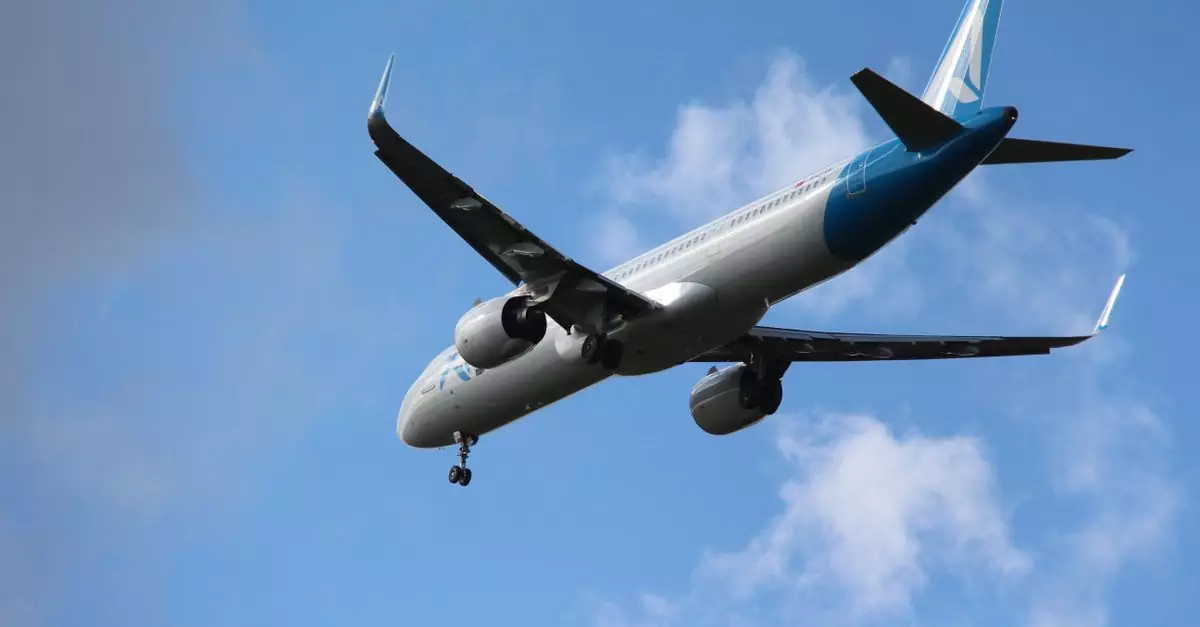
The future of air travel is focused on making the journey itself more comfortable and convenient. As airlines strive to differentiate themselves and cater to evolving traveler expectations, significant innovations are emerging in how passengers interact with airports and aircraft. For those planning trips across South America, these advancements promise to streamline the often-stressful aspects of flying.
Biometric Check-ins and Seamless Boarding
Imagine arriving at the airport and moving through check-in, bag drop, and security with just a facial scan. Biometric technology is rapidly becoming a reality at many major airports, and its expansion across South American hubs will revolutionize the passenger journey. This technology not only speeds up processes but also enhances security by accurately identifying individuals. Airlines are increasingly integrating these systems, allowing for a truly touchless and efficient experience from curb to gate. For travelers visiting diverse destinations like Peru or Brazil, this means less time in queues and more time to relax or explore the airport before boarding.
In-Flight Connectivity and Entertainment Advancements
Staying connected and entertained during long-haul flights is now an expectation. The future of air travel includes ubiquitous, high-speed in-flight Wi-Fi, allowing passengers to work, stream, and communicate as they would on the ground. Beyond basic internet access, airlines are investing in advanced entertainment systems that offer a wider array of movies, TV shows, games, and even live television. For longer journeys connecting major South American cities or traveling internationally, these upgraded systems will transform the cabin into a personalized entertainment hub, significantly reducing perceived flight time.
Personalized Cabin Experiences
Airlines are leveraging data and technology to offer increasingly personalized experiences within the cabin. This ranges from pre-selecting meal options that cater to dietary needs to adjusting cabin lighting and temperature based on passenger feedback. Some carriers are experimenting with mood lighting that changes throughout the flight to help passengers adjust to time zone changes. This level of customization aims to make each flight feel tailored to the individual, enhancing overall comfort and satisfaction, whether flying domestically within Argentina or embarking on a longer route.
The Rise of Premium Economy and New Cabin Classes
The traditional three-tier cabin structure (Economy, Business, First Class) is expanding. Premium Economy has gained traction, offering a comfortable middle ground with more legroom, wider seats, and enhanced service at a more accessible price point than traditional business class. Looking ahead, we can expect further segmentation, with airlines introducing new cabin classes designed to meet specific traveler needs. This might include ultra-premium suites offering unparalleled privacy and service or more utilitarian, cost-effective options for budget-conscious travelers. For those planning extensive travel throughout South America, the availability of these varied cabin options will provide greater flexibility in balancing comfort and budget.
The Role of AI and Automation in Future Flights
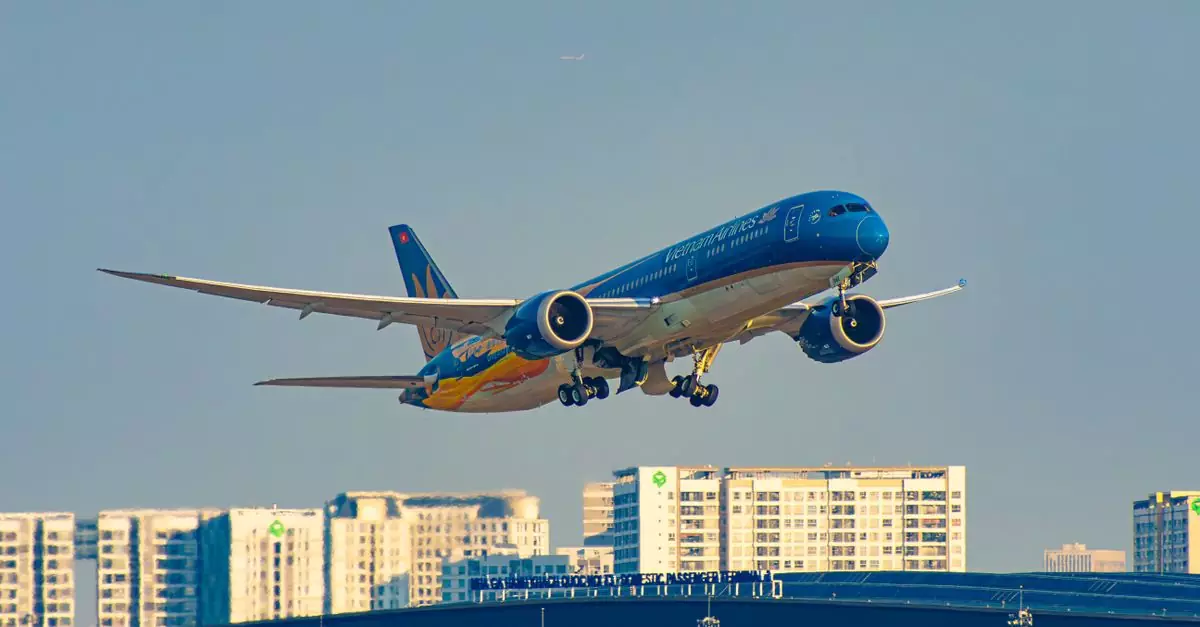
Artificial intelligence (AI) and automation are poised to revolutionize air travel, from the skies above South America to the ground operations at its airports. These technologies promise increased efficiency, enhanced safety, and a more personalized experience for travelers navigating the continent. Understanding these shifts can help anticipate the evolving landscape of flight.
AI-Powered Flight Planning and Operations
The complexity of flight paths, especially across varied terrains and weather systems in South America, makes AI an invaluable tool. Advanced algorithms can optimize routes in real-time, considering factors such as air traffic, weather patterns, and fuel consumption. This not only leads to more efficient flights but also reduces delays and environmental impact. For airlines operating in regions with unpredictable weather, such as the Andes or the Amazon basin, AI-driven planning can significantly improve schedule reliability.
Robotics in Airport Services and Maintenance
Airports are increasingly adopting robotic solutions to streamline operations. From automated baggage handling systems that reduce manual labor to robotic cleaning crews maintaining hygiene standards, these technologies are transforming the passenger experience. At busy South American hubs like São Paulo-Guarulhos or Buenos Aires Ezeiza, robots can assist with tasks like aircraft towing and pushback, freeing up human staff for more complex customer service roles. This automation can lead to quicker turnarounds for flights and a smoother journey for travelers.
Predictive Maintenance for Enhanced Safety
One of the most significant impacts of AI on air travel is in predictive maintenance. By analyzing vast amounts of data from aircraft sensors, AI systems can identify potential mechanical issues before they become critical. This proactive approach allows airlines to schedule maintenance during routine checks rather than in response to failures. For flights traversing long distances or remote areas of South America, this proactive approach to aircraft upkeep is crucial for ensuring passenger safety and minimizing unexpected diversions.
AI for Personalized Travel Recommendations in South America
Beyond operational aspects, AI is set to enhance the traveler’s journey through personalized recommendations. As you plan your trip to diverse destinations like Peru or Patagonia, AI-powered platforms can analyze your travel history, preferences, and real-time information to suggest flights, accommodations, and activities tailored to your interests. Imagine an AI assistant recommending the best time to book flights to Machu Picchu based on historical demand or suggesting lesser-known cultural experiences in Colombia based on your past travel patterns. This level of personalization promises a more curated and enjoyable travel experience across the continent.
Transforming Travel: Hyperloop and Advanced Air Mobility

The landscape of transportation is on the cusp of a revolution, with innovations like hyperloop and advanced air mobility poised to reshape how we traverse vast regions like South America. These technologies promise faster, more efficient journeys, potentially unlocking new travel possibilities and economic corridors.
Exploring Hyperloop Potential for South American Cities
While still largely in its conceptual phase, the hyperloop offers a tantalizing glimpse into the future of intercity travel. Imagine reducing journey times between major South American hubs, such as Buenos Aires and Santiago, from hours of flying or driving to mere minutes. This could foster greater economic integration and make day trips between distant metropolises feasible. The primary challenges for hyperloop implementation in South America include the significant infrastructure investment required and the complex geological terrain across the continent, complicating route planning.
Urban Air Mobility (UAM) and Air Taxis in São Paulo
As cities grow, so does the need for efficient urban transit. Urban Air Mobility (UAM), often manifesting as electric vertical takeoff and landing (eVTOL) aircraft or air taxis, could become a reality in sprawling South American metropolises like São Paulo. These vehicles could alleviate traffic congestion by offering rapid transit above the gridlock, connecting airports to city centers or traversing vast urban landscapes. For travelers, this could mean significantly shorter commutes from international airports to their accommodations, transforming arrival and departure experiences. Safety regulations and the development of vertiports (landing and charging stations) are key considerations for UAM’s integration.
Drone Technology for Cargo and Logistics
Beyond passenger transport, advanced drone technology is set to revolutionize cargo and logistics across South America. In remote or challenging terrains, drones can deliver essential goods, medical supplies, or facilitate e-commerce more effectively than traditional methods. This is particularly relevant for connecting isolated communities or navigating the Amazon basin, where accessibility can be a major hurdle. The expansion of drone delivery services will likely streamline supply chains and potentially lower costs for goods in hard-to-reach areas.
Integrating New Transport Modes with Existing Air Travel
The successful adoption of hyperloop and UAM hinges on their seamless integration with existing air travel networks. Travelers will expect smooth transitions between these new modes and conventional flights. This might involve integrated ticketing systems, centralized transportation hubs that accommodate all modes, and coordinated scheduling. For instance, a traveler might take an air taxi from their hotel to a hyperloop station, then connect to an airport for an international flight, all managed through a single booking platform. This multimodal approach is crucial for enhancing overall travel convenience and efficiency in the future of air travel.
Frequently Asked Questions About the Future of Air Travel
Will air travel become more affordable?
The future of air travel suggests a mixed bag for affordability. While advancements in fuel efficiency and potentially new aircraft designs could lower operational costs for airlines, increased demand and investment in sustainable technologies might offset these savings. Travelers can anticipate a gradual shift rather than an immediate plunge in ticket prices. Factors like fluctuating fuel costs and the pace of technological adoption will play significant roles.
How will the future of air travel affect travel to remote South American destinations?
Innovations in air travel hold significant promise for accessing more remote areas of South America. We might see the introduction of smaller, more agile aircraft capable of landing on shorter runways, opening up previously inaccessible regions. Electric or hybrid-electric planes could also enable quieter, more environmentally friendly flights over sensitive ecosystems. This could boost ecotourism and cultural immersion in places like the Amazon rainforest or the Patagonian wilderness, though careful planning will be needed to manage increased visitor impact.
What are the biggest challenges facing sustainable aviation?
The primary challenge for sustainable aviation is the significant investment required for research, development, and infrastructure. Transitioning to Sustainable Aviation Fuels (SAFs) faces hurdles in production scalability and cost competitiveness. Developing new electric or hydrogen-powered aircraft requires overcoming technological limitations related to battery density and hydrogen storage. Regulatory frameworks and international cooperation are also crucial for setting standards and incentivizing change across the global aviation industry.
When can we expect to see widespread adoption of new air travel technologies?
Widespread adoption of truly transformative air travel technologies, such as electric or hydrogen-powered commercial flights, is likely still a decade or more away for mainstream routes. Short-haul electric flights might appear sooner, perhaps within the next 5-8 years. However, longer-haul and large-capacity aircraft relying on these new power sources will require extensive testing, certification, and infrastructure upgrades. The integration of advanced air mobility (like air taxis) in urban areas could see earlier adoption, potentially within 3-5 years for specific services.