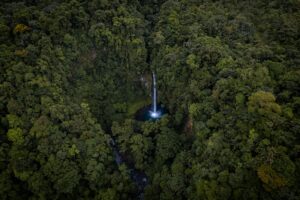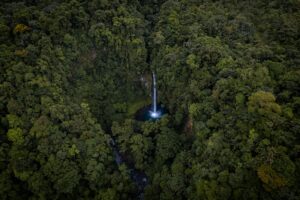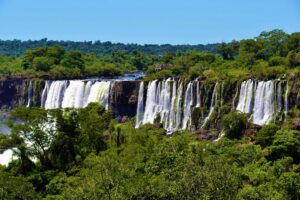
South America beckons with an unparalleled diversity of landscapes and a growing commitment to responsible travel, making it an ideal continent for your next sustainable adventure. From the iconic wildlife of the Galapagos Islands to the vast rainforests of the Amazon and the dramatic peaks of Patagonia, this region offers profound connections with nature. Discovering the best eco travel destinations here means exploring these precious environments with minimal impact, supporting local communities, and contributing to vital conservation efforts. This guide equips you with the knowledge to choose your perfect eco-conscious journey, detailing unique experiences in destinations like Costa Rica, the Peruvian and Brazilian Amazon, and Patagonia, along with practical advice on responsible exploration and sustainable choices.
Why Choose South America for Your Next Eco-Travel Adventure?

South America presents a compelling case for travelers seeking authentic, sustainable adventures. This vast continent, rich in biodiversity and cultural diversity, fosters a deep connection to the natural world. For those prioritizing responsible travel, South America’s commitment to conservation and its growing eco-tourism infrastructure make it a standout choice.
Understanding South America’s Biodiversity Hotspots
The continent is a global leader in biodiversity, hosting an astonishing array of ecosystems, from the Amazon rainforest to the Andean highlands and the Patagonian steppes. These diverse landscapes are home to countless endemic species, many found nowhere else on Earth. Travelers can witness this natural wealth firsthand, from the vibrant macaws of the Amazon to the elusive spectacled bears of the cloud forests. Understanding these sensitive environments is key to appreciating the importance of eco-tourism.
The Growing Importance of Sustainable Tourism in the Region
Recognizing the fragility of its natural treasures, many South American nations actively promote sustainable tourism practices. This shift involves supporting local communities, minimizing environmental impact, and investing in conservation efforts. Destinations increasingly offer eco-lodges, community-based tours, and wildlife reserves that prioritize ecological integrity. Choosing these options contributes directly to preserving the continent’s natural heritage for future generations.
Connecting with Nature: Unforgettable Wildlife Encounters
South America provides unparalleled opportunities for wildlife observation in its natural habitats. Imagine spotting giant river otters along the Amazon River, observing condors soaring over the Andes, or witnessing penguins and whales along the Patagonian coast. These experiences are not just about seeing animals; they involve understanding their behaviors within their ecosystems. Responsible wildlife viewing ensures these encounters remain respectful and non-disruptive, a cornerstone of eco-travel. For an overview of the continent’s diverse offerings, consult National Geographic’s South America travel guide.
Galapagos Islands, Ecuador: A Living Laboratory for Conservation
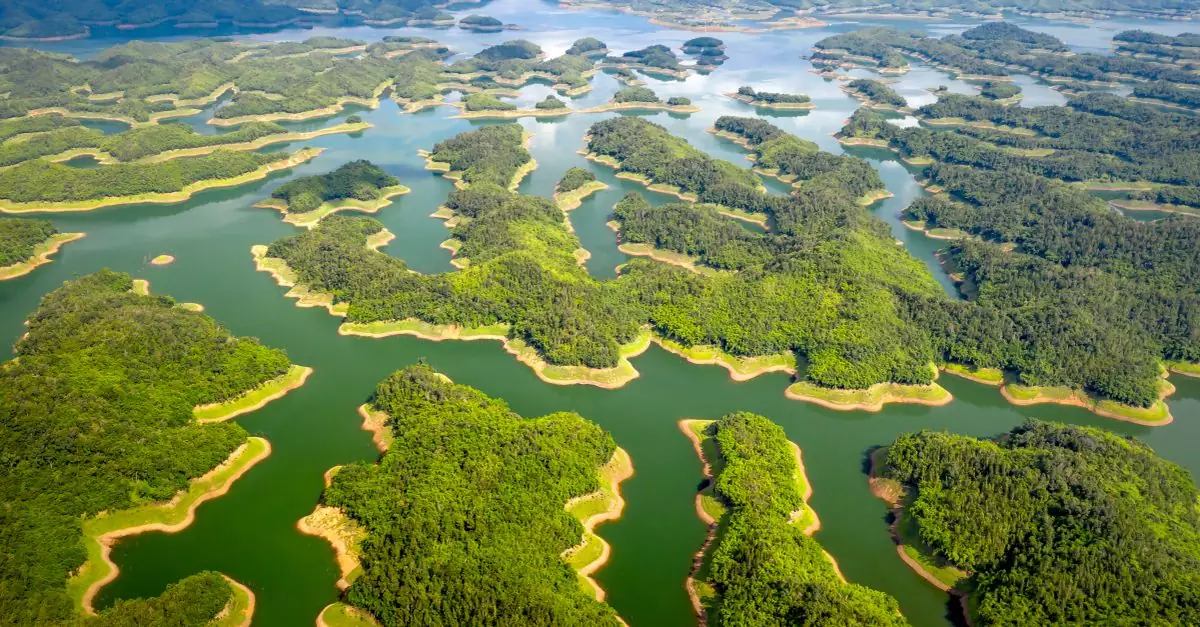
The Galapagos Islands stand as a premier destination for eco-travel in South America, where unique wildlife thrives in a meticulously protected environment. Visiting here fosters a profound connection with nature, largely due to stringent conservation efforts shaping every aspect of the visitor experience. This archipelago is not just a vacation spot; it’s an immersion into evolutionary biology and a testament to successful conservation.
Navigating the Galapagos National Park Rules
Understanding and adhering to the Galapagos National Park rules is essential for any visitor. These regulations minimize human impact on the fragile ecosystem. Guides are mandatory for all excursions within the park, ensuring visitors learn about the environment and follow designated paths. Expect strict rules regarding touching or feeding animals and a ban on bringing outside food or any non-native plant or animal material onto the islands.
Key rules to remember include:
- Always stay with your certified naturalist guide.
- Maintain a respectful distance from all wildlife.
- Do not take any natural souvenirs, such as shells or rocks.
- Avoid using flash photography, which can disturb animals.
- Dispose of all waste properly, carrying it back to your boat or accommodation.
These guidelines help ensure the islands remain a pristine habitat for generations to come, making it one of the best eco travel destinations for those prioritizing responsible tourism.
Island-Hopping Itinerary: Santa Cruz, Isabela, and San Cristobal
A popular way to experience the Galapagos is through island hopping, allowing you to witness diverse landscapes and endemic species across different locations. Santa Cruz, Isabela, and San Cristobal are three accessible and rewarding islands for this type of exploration.
- Santa Cruz: As the most populated island, Santa Cruz serves as a central hub. It’s home to the Charles Darwin Research Station, where you can learn about conservation efforts and see giant tortoises. Tortuga Bay offers a beautiful beach for swimming and observing marine iguanas.
- Isabela: The largest island, Isabela, boasts dramatic volcanic landscapes and a more remote feel. Highlights include Sierra Negra volcano, the Wall of Tears, and opportunities to see penguins and marine iguanas in their natural habitat.
- San Cristobal: This island offers excellent snorkeling and diving opportunities, particularly at Kicker Rock. It’s also a nesting site for blue-footed boobies and home to a large colony of sea lions at La Loberia.
Travel between these islands is typically done via speedboats, which can be a bumpy but efficient way to cover distances. Booking tours and inter-island transport in advance is advisable, especially during peak seasons.
Responsible Wildlife Viewing: What to Expect
Wildlife encounters in the Galapagos are unique. Animals here have evolved with few natural predators and show little fear of humans, allowing for remarkably close observations. However, this proximity comes with a responsibility to observe ethically. Your naturalist guide will ensure you maintain appropriate distances and understand the animals’ behavior.
You can expect to see:
- Giant tortoises lumbering through highlands.
- Marine iguanas basking on volcanic rocks.
- Sea lions lounging on beaches and piers.
- Various species of Darwin’s finches flitting through the vegetation.
- Blue-footed boobies performing their courtship dances.
Remember that “responsible” means observing from a distance that does not alter the animal’s natural behavior. Never attempt to touch or feed any creature, as this can harm them and is strictly prohibited.
Eco-Lodges and Sustainable Accommodation Options
The Galapagos is committed to sustainable tourism, and this extends to its accommodation. Many lodges and hotels actively participate in conservation initiatives, utilize renewable energy, and implement waste reduction programs. Choosing these establishments supports the preservation of this unique environment.
When searching for lodging, look for options that highlight their eco-friendly practices. Some may focus on local sourcing for their food, water conservation, or community engagement. Staying in smaller, locally-owned establishments can also contribute more directly to the local economy. While luxury options exist, there are also rustic, eco-conscious choices that provide an authentic experience without compromising on sustainability. Booking through reputable tour operators that vet their accommodation partners is a good strategy for ensuring a responsible stay.
The Amazon Rainforest: Immersive Experiences in Peru and Brazil
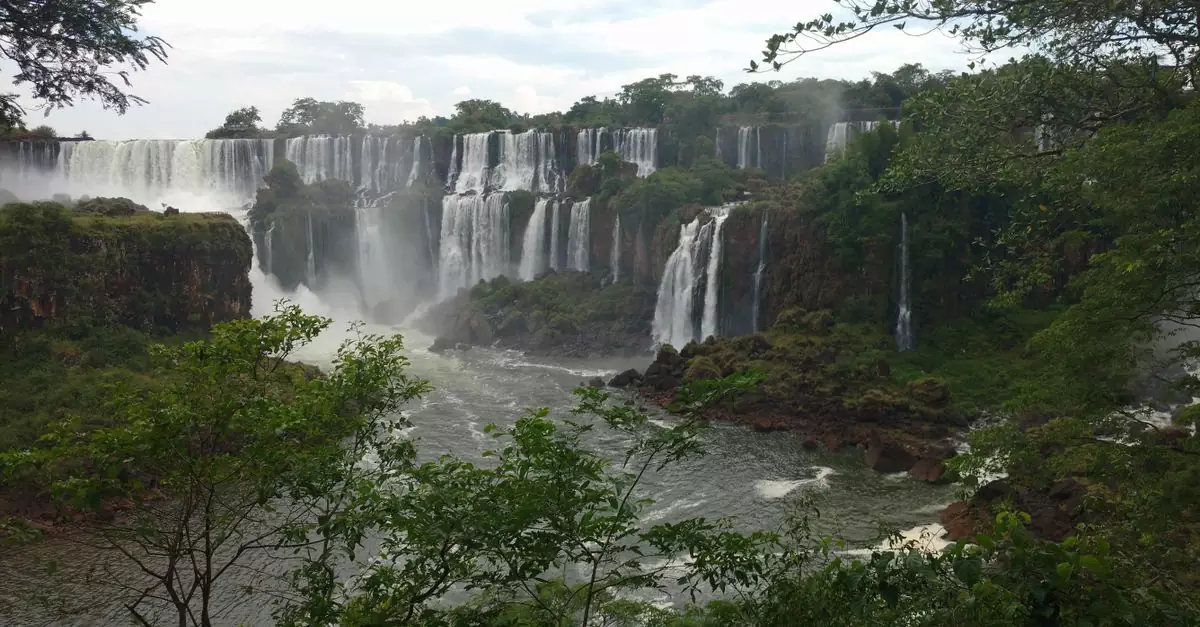
The Amazon Rainforest, a vast and vital ecosystem, offers unparalleled opportunities for eco-conscious travelers seeking deep immersion in nature. Spanning multiple countries in South America, its sheer scale and biodiversity make it a top contender for sustainable adventures. Choosing the right region and approach is key to a rewarding and responsible journey.
Choosing an Eco-Lodge in the Peruvian Amazon (Tambopata vs. Iquitos)
Peru’s Amazon offers distinct experiences depending on your chosen gateway. The Tambopata National Reserve, accessible from Puerto Maldonado, is renowned for its high concentration of clay licks, attracting macaws and parrots in spectacular displays. Lodges here often focus on guided jungle walks, canopy tours, and river excursions, emphasizing research and conservation.
In contrast, Iquitos, the world’s largest city inaccessible by road, provides a different Amazonian perspective. Trips from Iquitos often involve longer boat journeys upriver, leading to more remote areas. While Iquitos itself is a bustling hub, its surrounding lodges can offer access to unique ecosystems and a glimpse into riverine life.
| Region | Primary Gateway | Key Attractions | Lodge Focus |
|---|---|---|---|
| Tambopata | Puerto Maldonado | Macaw clay licks, diverse wildlife | Wildlife viewing, guided treks, research support |
| Iquitos | Iquitos | Remote river systems, unique flora/fauna | Deeper jungle immersion, cultural encounters |
When selecting an eco-lodge, look for those with strong sustainability practices, such as waste management, renewable energy use, and community involvement. Many lodges in Tambopata are pioneers in eco-tourism, offering educational programs alongside wildlife viewing.
Exploring the Brazilian Amazon: Manaus and the Meeting of Waters
Brazil’s Amazon, centered around the vibrant city of Manaus, presents another incredible facet of this immense rainforest. A must-see natural phenomenon is the “Meeting of Waters” (Encontro das Águas), where the dark Rio Negro and the sandy-colored Solimões River flow side by side for miles without mixing. This spectacle is best viewed from a boat tour departing from Manaus.
Manaus itself is a fascinating city, boasting a rich history from the rubber boom era, evident in its grand opera house. From Manaus, numerous eco-lodges and river cruises offer access to the surrounding rainforest. These tours often include piranha fishing, caiman spotting, and visits to local riverine communities.
Transportation to Manaus typically involves flights, as it is a major urban center. From there, onward travel to lodges is usually arranged by the accommodation providers, often by boat.
Ethical Wildlife Tours: Spotting Jaguars and Macaws
Responsible wildlife viewing is paramount in the Amazon. When booking tours, prioritize operators committed to ethical practices. This means maintaining a respectful distance from animals, avoiding feeding them, and minimizing disturbance to their habitats. Guides should be knowledgeable about local wildlife and conservation efforts.
In areas like the Tambopata National Reserve, guided excursions are essential for spotting elusive creatures. Early morning and late afternoon are often the best times for wildlife activity. Macaws are a common sight at clay licks, while jaguars, though rare, can sometimes be spotted on riverbanks during boat tours, particularly in regions like the Pantanal (though this is a separate ecosystem from the core Amazon basin).
Always follow your guide’s instructions for safety and to ensure minimal impact on the environment.
Supporting Local Communities: Indigenous Culture and Crafts
Sustainable travel in the Amazon extends beyond environmental protection to supporting the livelihoods of its indigenous communities. Many eco-lodges partner with local villages, offering visitors opportunities to learn about traditional ways of life, participate in cultural exchanges, and purchase authentic handicrafts directly from artisans.
When visiting communities, it’s important to do so respectfully. Always ask permission before taking photographs and be mindful of local customs and traditions. Purchasing crafts directly supports the local economy and helps preserve cultural heritage. Look for initiatives that ensure a fair price is paid to the artisans.
Engaging with these communities provides a deeper understanding of the Amazon and the importance of preserving its natural and cultural wealth for future generations.
Patagonia’s Glaciers and Mountains: Trekking Responsibly in Chile and Argentina

Patagonia, a vast and wild region shared by Chile and Argentina, beckons adventurers with its dramatic landscapes of jagged peaks, immense glaciers, and windswept plains. It’s a premier destination for those seeking responsible travel experiences, offering unparalleled opportunities for hiking, wildlife viewing, and connecting with nature. Planning a trip here requires attention to detail, from understanding the best times to visit to packing appropriately for unpredictable weather.
Torres del Paine National Park: Best Hikes and Trails
Torres del Paine National Park in Chile is world-renowned for its iconic granite spires and challenging trekking routes. The “W” Trek is a popular multi-day option, typically taking 4-5 days, showcasing the park’s most stunning vistas, including the Towers, French Valley, and Grey Glacier. For a more immersive experience, the full “O” Circuit circles the entire massif, requiring 7-10 days and offering a more remote adventure. Day hikers can access viewpoints like Mirador Base Las Torres, though it’s a strenuous climb. Booking accommodations and park entrance well in advance is crucial, especially during the peak season from December to February.
El Chaltén, Argentina: Gateway to Fitz Roy and Cerro Torre
Across the border in Argentina, El Chaltén serves as the nation’s trekking capital and the gateway to Mount Fitz Roy and Cerro Torre. This charming mountain village offers a more laid-back atmosphere than its Chilean counterpart, focusing on day hikes and shorter overnight trips. The trek to Laguna de los Tres provides breathtaking views of Fitz Roy, while the hike to Laguna Torre offers a dramatic perspective of Cerro Torre. El Chaltén is accessible by bus from El Calafate, making it a common stop on any Patagonia itinerary. The best hiking season aligns with the Southern Hemisphere’s summer, from November to March, though shoulder seasons can offer fewer crowds.
Responsible Glacier Exploration: Perito Moreno and Beyond
The Perito Moreno Glacier in Argentina’s Los Glaciares National Park is a natural marvel, famous for its dramatic calving events. Visitors can witness this spectacle from boardwalks offering various vantage points or opt for guided ice-trekking tours on the glacier itself. These tours, offered by reputable operators, emphasize safety and environmental stewardship. When visiting any glacial area, it’s vital to stick to marked paths and follow guide instructions to minimize your impact. Understanding the fragile nature of these ice giants is key to responsible tourism.
Packing Essentials for Patagonian Weather Shifts
Patagonia is notorious for its rapidly changing weather. Even in summer, you can experience sunshine, strong winds, rain, and even snow within a single day. Layering is the most effective strategy. Essential items include:
- Waterproof and windproof outer shell: A high-quality jacket and pants are essential.
- Insulating layers: Fleece or down jackets provide warmth.
- Moisture-wicking base layers: Merino wool or synthetic materials help manage sweat.
- Sturdy hiking boots: Broken-in and waterproof, with good ankle support.
- Warm hat and gloves: Essential for windy conditions.
- Sun protection: Sunglasses, sunscreen, and a hat are important, even on cloudy days, due to strong UV rays at high altitudes.
- Reusable water bottle: Tap water is generally safe to drink in many areas, and refilling reduces plastic waste.
Careful packing ensures comfort and safety while exploring the stunning natural beauty of South America.
Costa Rica: A Pioneer in Ecotourism and Biodiversity

Costa Rica consistently ranks among the top eco-travel destinations worldwide, a testament to its deep commitment to conservation and its unparalleled natural beauty. This Central American gem is a global leader in ecotourism, protecting over a quarter of its land in national parks and reserves. Travelers seeking authentic, sustainable adventures will find diverse ecosystems, from misty cloud forests to pristine Pacific coastlines, all brimming with wildlife. The country’s dedication to preserving its environment makes it a prime example of how tourism can coexist with ecological preservation.
Monteverde Cloud Forest: Ziplining and Nature Walks
The Monteverde Cloud Forest Biological Preserve is an iconic destination for nature lovers. Its unique high-altitude ecosystem supports an astonishing array of flora and fauna, including numerous orchid species, resplendent quetzals, and elusive jaguars. Visitors can experience the forest from a unique perspective by walking across hanging bridges that offer a canopy-level view or, for the more adventurous, by ziplining through the misty treetops. Guided nature walks are highly recommended to spot elusive wildlife and learn about the delicate balance of this cloud forest environment.
When visiting Monteverde, consider the shoulder seasons of March-May or September-November for fewer crowds and potentially drier weather, though rain is common year-round. Accommodations range from rustic eco-lodges to comfortable hotels, many of which are committed to sustainable practices.
Manuel Antonio National Park: Beaches and Rainforest Wildlife
Manuel Antonio National Park, situated on Costa Rica’s Pacific coast, offers a quintessential blend of stunning beaches and vibrant rainforest. Despite its relatively small size, it is one of the most biodiverse parks in the country, renowned for easily observable wildlife. Keep an eye out for capuchin monkeys, sloths, iguanas, and a variety of tropical birds. The park’s trails lead to secluded coves and beautiful stretches of sand, providing opportunities for swimming and sunbathing after a morning of wildlife spotting.
To avoid peak crowds, aim for a weekday visit during the off-season (May to November). Remember that the park is closed on Tuesdays. Booking accommodations in the nearby town of Quepos or along the road to the park offers convenient access.
Osa Peninsula: Corcovado National Park’s Untamed Beauty
Often described as the “most biologically intense place on Earth,” the Osa Peninsula is a remote and wild region that embodies Costa Rica’s commitment to conservation. Corcovado National Park, its crown jewel, is a vast wilderness protecting endangered species like tapirs, scarlet macaws, and all four of Costa Rica’s monkey species. Access to the park is controlled to minimize human impact, requiring permits and often guided tours, which enhances the feeling of true wilderness immersion.
Visiting the Osa Peninsula requires more planning due to its remote nature. Lodges here are typically rustic and focused on sustainability, often operating off the grid. The best time to visit is during the dry season, from December to April. Getting to the peninsula usually involves a flight to Drake Bay or Puerto Jiménez, followed by boat or 4×4 transport.
Getting Around Costa Rica: Sustainable Transportation Options
Navigating Costa Rica with an eco-conscious mindset is achievable through various transportation methods. Shared shuttles are a popular and relatively sustainable option, connecting major tourist destinations and reducing the number of individual vehicles on the road. For shorter distances or within towns, local buses are an economical and environmentally friendly choice. Many hotels and tour operators prioritize low-emission vehicles or offer carbon offsetting programs.
For those looking to minimize their footprint, consider renting a fuel-efficient vehicle or an electric car if available in major cities like San José. Public transportation networks are extensive, especially between urban centers and popular tourist hubs. Planning your itinerary to group destinations geographically can also reduce travel time and emissions.
| Transportation Method | Pros | Cons | Sustainability Focus |
|---|---|---|---|
| Shared Shuttles | Convenient, connects popular spots, social | Less flexibility, fixed schedules | Reduces per-person emissions |
| Local Buses | Very affordable, authentic experience, low impact | Slower, can be crowded, limited routes | Minimal emissions, supports local infrastructure |
| Rental Car (Fuel-Efficient) | Flexibility, access to remote areas | Higher emissions than public transport, cost | Choose smaller, more efficient models |
| Domestic Flights | Fastest for long distances | Highest carbon footprint, less scenic | Offset emissions where possible |
Frequently Asked Questions About Eco-Travel in South America
What is the best time of year for eco-travel in South America?
The ideal time for sustainable travel across South America varies significantly by region due to its diverse climates. Generally, the dry seasons offer the best conditions for wildlife viewing and outdoor activities. For instance, the Amazon basin experiences its dry season from roughly June to November, making it ideal for jungle treks. The Andean regions, including Peru and Ecuador, are best visited during their dry season, from May to October, which offers clearer skies for trekking and cultural site visits. Patagonia’s peak season, for its dramatic landscapes, is during the Southern Hemisphere’s summer, from December to March, though shoulder seasons like October-November and April can offer fewer crowds and stunning autumn colors.
How can I minimize my environmental impact while traveling?
Minimizing your footprint involves conscious choices before and during your trip. Opt for direct flights when possible to reduce emissions. Once at your destination, prioritize public transportation, walking, or cycling. Choose eco-lodges and accommodations that demonstrate a commitment to sustainability through waste reduction, water conservation, and local sourcing. Support local communities by dining at local restaurants and purchasing handmade crafts directly from artisans. Be mindful of your water and energy consumption in hotels, and always pack out what you pack in when visiting natural areas, especially in sensitive ecosystems like the Galapagos Islands.
What are some budget-friendly eco-travel options?
Several destinations offer incredible eco-adventures without breaking the bank. Consider exploring the less-visited regions of Colombia, such as the coffee region or the Sierra Nevada de Santa Marta, which have growing eco-tourism infrastructure. Hostels and guesthouses often provide more affordable accommodation than luxury eco-resorts, and many are increasingly adopting sustainable practices. Traveling during the shoulder seasons can also lead to significant savings on flights and lodging. Furthermore, focusing on destinations with extensive public transport networks, like cities in Argentina or Chile, reduces reliance on costly private tours.
Is it safe to travel to these eco-destinations?
Safety is a valid concern for any traveler. While South America is vast and diverse, many popular eco-tourism hubs are well-established and have robust safety measures. Destinations like Costa Rica, though Central America, often serve as a benchmark for safety in eco-tourism and can offer insights into what to expect. Within South America, areas like the Peruvian Amazon, Ecuador’s cloud forests, and Patagonia are generally considered safe for tourists who exercise standard precautions. It’s always advisable to research specific regions, stay informed about local conditions, and be aware of your surroundings. Consulting up-to-date travel advisories from your government is a prudent step before planning any international trip.