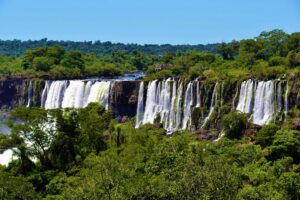
South America beckons with its unparalleled biodiversity and vibrant cultures, making it an ideal continent for conscious exploration. If you’re seeking an enriching journey that respects both the planet and its people, discovering the best sustainable travel destinations here offers a deeply rewarding experience. This guide illuminates how to immerse yourself in breathtaking landscapes, from the Amazon rainforest to the Andes mountains, while contributing to conservation efforts and supporting local communities. You’ll learn about innovative eco-lodges, community-based tourism initiatives, and responsible adventure activities that allow for authentic connections with the destinations you visit. Prepare to embark on an adventure where your travel choices make a positive difference.
Why Choose South America for Your Next Sustainable Trip?

South America presents a compelling tapestry of natural wonders and vibrant cultures, making it increasingly attractive for travelers prioritizing responsible tourism. The continent’s diverse ecosystems, from the Amazon rainforest to the Andes mountains, are home to an unparalleled array of biodiversity, much of which is actively conserved. Choosing this region for your next eco-conscious adventure means directly supporting efforts to protect these invaluable natural assets.
Understanding the Growing Trend of Eco-Tourism in South America
Eco-tourism in South America transcends mere buzzwords; it’s a tangible movement fueled by local initiatives and international awareness. Many South American countries are developing sustainable tourism frameworks that minimize environmental impact while maximizing benefits for local communities. This includes investing in renewable energy for lodges, implementing waste reduction programs, and promoting local guides who possess in-depth knowledge of the region’s natural and cultural heritage. Travelers increasingly seek authentic experiences that positively impact the places they visit, and this continent delivers.
South America’s Commitment to Preserving Biodiversity and Culture
The continent’s dedication to conservation is evident in its extensive network of national parks, protected reserves, and community-led initiatives. Destinations like the Galápagos Islands in Ecuador have long pioneered strict environmental regulations, while countries like Costa Rica (though technically Central America, often included in regional eco-travel discussions) have set high standards for sustainable practices. Many areas within South America now follow suit, offering opportunities to witness incredible wildlife and ancient traditions in environments actively managed for long-term ecological health. This commitment ensures future generations can also experience the unique natural and cultural richness of South America.
The Impact of Responsible Travel Choices on Local Communities
When you opt for sustainable travel in South America, your choices create a direct and positive ripple effect. By supporting locally owned accommodations, dining at community-run restaurants, and hiring local guides, you ensure that tourism revenue stays within the region, bolstering livelihoods and preserving cultural integrity. Responsible travel also encourages the protection of traditional practices and artisanal crafts, providing economic incentives for their continuation. For travelers, this translates into more authentic interactions and a deeper understanding of the destination, moving beyond superficial tourism to meaningful engagement.
Top Eco-Lodges and Sustainable Stays in the Ecuadorian Amazon

The Ecuadorian Amazon offers profound immersion into one of the planet’s most biodiverse regions. Travelers seeking an eco-conscious experience will find numerous lodges dedicated to conservation and community empowerment. These destinations provide access to incredible wildlife and cultural encounters while prioritizing minimal environmental impact. Planning a trip here involves understanding unique logistics and the importance of choosing operators with strong sustainability credentials.
Exploring the Yasuni National Park: A Biodiversity Hotspot
Yasuni National Park stands as a crown jewel of the Amazon, recognized globally for its extraordinary species richness. This vast protected area, straddling the equator, is home to an astonishing array of mammals, birds, reptiles, and insects, many of which are unique to this region. Visiting Yasuni offers a chance to witness this vibrant ecosystem firsthand. Sustainable tourism here emphasizes guided excursions that educate visitors about the delicate balance of nature and the threats facing this precious environment.
Getting to the park typically involves flights to regional airports like Coca (Francisco de Orellana), followed by motorized canoe journeys along the Napo River. This river travel serves not just as transportation but as an introduction to the rainforest’s scale and the primary route for accessing remote lodges.
Eco-Lodge Experiences: From Canopy Tours to Community Visits
Sustainable eco-lodges in the Ecuadorian Amazon are more than just places to stay; they serve as gateways to understanding the rainforest’s complexity. Many lodges are built with local, sustainable materials and employ staff from nearby indigenous communities, providing direct economic benefits. Activities are designed to be low-impact and educational.
Expect opportunities for:
- Canopy observation: Platforms and towers offer a bird’s-eye view of the forest, revealing arboreal life and stunning vistas.
- Jungle treks: Guided walks with local naturalists focus on identifying medicinal plants, tracking wildlife, and understanding forest ecology.
- River excursions: Kayaking or canoeing on tributaries allows for quiet observation of aquatic life and riverside fauna.
- Community interactions: Visits to local villages provide insights into indigenous culture, traditions, and daily life, often including craft demonstrations.
When selecting an eco-lodge, look for those certified by reputable eco-tourism organizations or those transparent about their conservation efforts and community partnerships. This ensures your visit contributes positively to the region.
Responsible Wildlife Viewing Etiquette in the Amazon Rainforest
Observing wildlife in its natural habitat is a highlight of any Amazonian adventure, but it requires a mindful approach to avoid disturbing the animals or their environment. Responsible viewing is essential for the ecosystem’s well-being and the success of conservation efforts.
Key principles for ethical wildlife encounters include:
- Maintain distance: Always keep a respectful distance from animals, especially larger mammals and nesting birds. Use binoculars or telephoto lenses for closer views.
- Quiet observation: Avoid loud noises or sudden movements that can startle wildlife and disrupt their natural behavior.
- No feeding: Never feed wild animals, as this can alter their diet, create dependency on humans, and spread disease.
- Follow your guide: Trust your experienced naturalist guides. They understand animal behavior and know the safest and most respectful ways to observe them.
- Leave no trace: Pack out everything you pack in, including all trash. Stay on designated trails to minimize your impact on vegetation.
Adhering to these guidelines ensures the incredible biodiversity of South America can be enjoyed by future generations.
Discovering the Sacred Valley’s Sustainable Tourism Initiatives (Peru)

The Sacred Valley of the Incas in Peru offers a compelling model for eco-friendly travel, blending ancient heritage with modern conservation efforts. This region, situated between Cusco and Machu Picchu, is not just about breathtaking landscapes and historical sites; it actively promotes responsible tourism. Travelers seeking to connect with nature and culture while minimizing their impact will find numerous opportunities here. Planning a trip to this area involves understanding its unique approach to tourism, prioritizing local communities and environmental preservation.
Visiting Ancient Inca Sites with Minimal Environmental Footprint
Exploring iconic Inca ruins like Ollantaytambo and Pisac requires a mindful approach to ensure their preservation for future generations. Many sites have implemented strict guidelines to manage visitor flow and protect fragile structures. Opting for guided tours that emphasize historical context and conservation can enhance your understanding and appreciation. These tours often use designated paths to prevent erosion and damage to archaeological remains.
When visiting, consider the time of year. The dry season, from May to October, offers pleasant weather for exploration, but it’s also peak tourist season. Traveling during the shoulder months of April or November can provide a less crowded experience and support the local economy outside of peak demand. Transportation to these sites is often arranged through local operators, many of whom are committed to sustainable practices, such as using fuel-efficient vehicles or promoting walking tours within the immediate vicinity of the ruins.
Community-Based Tourism Projects in the Andes
Beyond the famous ruins, the Sacred Valley is home to vibrant indigenous communities actively participating in sustainable tourism. Projects focused on community-based tourism allow visitors to engage directly with local life, learn traditional crafts, and understand Andean culture firsthand. These initiatives ensure that tourism revenue directly benefits the people who call this region home, fostering economic empowerment and cultural preservation.
Staying in a homestay or participating in a workshop organized by a community cooperative offers an authentic experience. For example, learning traditional weaving techniques from local artisans provides a deeper connection than simply purchasing souvenirs. Such interactions contribute to the viability of these communities and encourage the continuation of their ancestral practices. Researching and booking through reputable local organizations or sustainable travel platforms can help you identify and support these valuable projects.
Farm-to-Table Culinary Experiences in the Sacred Valley
The fertile lands of the Sacred Valley yield incredible produce, and a growing number of establishments are embracing farm-to-table dining. This approach not only offers fresh, delicious meals but also supports local farmers and reduces the carbon footprint associated with food transportation. Many restaurants and agritourism ventures highlight native ingredients like quinoa, corn varieties, and diverse potato species, showcasing the region’s agricultural richness.
Participating in a cooking class that utilizes ingredients sourced directly from nearby farms is a highly rewarding experience. You can learn about traditional Peruvian cuisine and the importance of sustainable agriculture in the Andes. These culinary journeys often include visits to local markets or even the farms themselves, providing a comprehensive understanding of the food chain. When dining out, look for establishments that clearly state their commitment to sourcing local and organic produce. This conscious choice directly contributes to the economic well-being of the farming communities in the Sacred Valley of the Incas.
Patagonia’s Pristine Landscapes: Responsible Trekking and Conservation Efforts

Patagonia, a vast region shared by Argentina and Chile, is renowned for its dramatic mountain peaks, expansive glaciers, and windswept plains. Traveling here responsibly means prioritizing conservation and supporting local communities. The sheer scale of its natural beauty demands careful stewardship, making it a prime example of why sustainable travel is crucial in South America. Planning a trip to this remote wilderness requires attention to logistics and a commitment to minimizing your environmental impact.
Sustainable Hiking Trails in Torres del Paine National Park
Torres del Paine National Park in Chilean Patagonia is a hiker’s paradise, but its popularity necessitates mindful trail use. The park has implemented a comprehensive trail management system to prevent erosion and protect fragile alpine vegetation. Stick to designated paths, especially on popular routes like the W Trek or the O Circuit. Avoid shortcuts, as they can cause significant damage to delicate ecosystems.
When planning your hikes, consider the park’s carrying capacity. Visiting during the shoulder seasons—spring (September to November) and autumn (March to May)—can help distribute visitor numbers more evenly, reducing pressure on popular trails during the peak summer months (December to February). Always pack out everything you pack in, including all trash and food scraps. This simple practice is fundamental to leaving no trace and preserving the park’s pristine condition for future visitors.
Glacier Exploration Without Damaging Fragile Ecosystems
Exploring Patagonia’s iconic glaciers, such as the Perito Moreno Glacier in Argentina or those within Chile’s national parks, offers awe-inspiring experiences. However, direct interaction with these ice formations must be managed carefully to avoid ecological harm. Opt for guided tours that prioritize safety and environmental respect. Reputable operators use designated walkways and viewing platforms, and any glacier trekking tours ensure guides are trained in low-impact techniques.
Avoid activities that could disturb wildlife or damage glacial meltwater systems. This includes not venturing off marked paths on boat tours or during guided walks. The ice and surrounding moraines are sensitive environments, and even small disturbances can have lasting effects. Supporting tour companies that invest in sustainable practices and contribute to glacier research helps ensure these natural wonders endure.
Supporting Conservation Projects in Southern Patagonia
Beyond national parks, southern Patagonia is home to numerous ranches and private reserves engaged in conservation initiatives. Engaging with these projects offers a deeper understanding of the region’s ecological challenges and successes. Many eco-lodges and estancias actively participate in wildlife monitoring, habitat restoration, and sustainable land management. Choosing accommodations and activities that align with these conservation goals directly contributes to their efforts.
For instance, some reserves focus on protecting native wildlife like the guanaco or the endangered huemul deer. Visitors can often participate in or learn about these programs, providing valuable support through their tourism dollars. Researching and selecting tourism providers committed to environmental responsibility is key to ensuring your visit benefits the local ecosystem and communities. This thoughtful approach to travel helps safeguard the unique natural heritage of South America.
Costa Rica’s Pioneering Role in Ecotourism and Sustainable Practices

Costa Rica stands as a global leader in ecotourism, a destination that has long prioritized conservation and sustainable practices. This Central American nation has successfully blended its stunning natural beauty with a commitment to protecting its biodiversity, offering travelers a chance to experience nature responsibly. From lush rainforests to pristine coastlines, the country provides a blueprint for how tourism can benefit both visitors and the environment.
Exploring Cloud Forests: Monteverde and the Nicoya Peninsula
The cloud forests of Monteverde offer an immersive experience in a unique ecosystem. Here, mist-shrouded trails wind through ancient trees, home to an astonishing array of wildlife, including the resplendent quetzal and numerous orchid species. Visitors can explore hanging bridges for a canopy-level view or embark on guided nature walks led by local naturalists who share insights into the delicate balance of this environment.
Nearby, the Nicoya Peninsula offers a different yet equally sustainable coastal experience. Known for its long stretches of golden beaches and vibrant surf towns, the region also champions eco-lodges and community-based tourism initiatives. Travelers can participate in sea turtle conservation projects or enjoy farm-to-table dining experiences that highlight local, organic produce, reinforcing the peninsula’s commitment to environmental stewardship.
Zip-lining and Adventure Activities with Eco-Certifications
Adventure seekers will find plenty of adrenaline-pumping activities in Costa Rica, many of which are operated with a strong focus on sustainability. Companies offering zip-lining tours, canopy tours, and white-water rafting often hold certifications that demonstrate their commitment to minimizing environmental impact and supporting local communities. These operators typically adhere to strict guidelines regarding waste management, energy consumption, and wildlife protection, ensuring that your adventure contributes positively to the region.
When choosing an adventure provider, look for certifications like the Certification for Sustainable Tourism (CST) program, managed by the Costa Rican Tourism Board. This program evaluates businesses on their environmental, social, and economic practices, helping travelers make informed choices that align with their values. Many of these operators also invest in reforestation projects and support local conservation efforts, making your thrilling experience part of a larger ecological mission.
Best Time to Visit Costa Rica for Wildlife Spotting and Sustainable Adventures
The dry season, from December to April, is generally the best time to visit Costa Rica for abundant sunshine and optimal wildlife viewing conditions. During these months, many animals are more active and easier to spot, especially in popular national parks and reserves. This period also sees peak demand, so booking accommodations and tours in advance is highly recommended, particularly for eco-lodges and certified operators.
For those interested in specific wildlife events, the shoulder seasons can offer a more tranquil experience with fewer crowds. For instance, the green season (May to November) brings lush landscapes and is ideal for birdwatching, while certain coastal areas offer opportunities to witness nesting sea turtles. Traveling during these times can also present more budget-friendly options for accommodations and flights.
| Season | Months | Weather Highlights | Wildlife Viewing | Crowd Levels |
|---|---|---|---|---|
| Dry Season | December – April | Sunny, less humidity, ideal for outdoor activities | High, especially for mammals and reptiles | High |
| Green Season | May – November | Humid, frequent afternoon showers, lush landscapes | Excellent for birdwatching, amphibians, and insects | Moderate |
| Turtle Season | Varies by coast | Dependent on specific beach and species | Nesting and hatching events | Variable |
Understanding the nuances of Costa Rica’s climate and wildlife cycles can help you plan a more rewarding and sustainable trip. Whether you’re aiming for the vibrant dry season or the verdant green season, responsible travel practices will enhance your experience and contribute to the preservation of this remarkable destination. For more information on traveling in this region, consult resources on South America.
Frequently Asked Questions About Sustainable Travel in South America
What are the most eco-friendly transportation options within South America?
When traveling between countries or major cities in South America, long-distance buses often represent the most sustainable and accessible option. They have a lower per-passenger carbon footprint compared to flying. For shorter distances within cities, prioritize walking, cycling, or using public transport like metros and local buses. Many South American cities are investing in better public transit infrastructure, making these viable choices for eco-conscious travelers.
Consider these options for greener travel:
- Buses: Extensive networks connect most major destinations.
- Trains: Limited but scenic routes exist, particularly in regions like Peru.
- Ferries: Essential for navigating Amazonian waterways or reaching certain islands.
- Cycling: Increasingly popular in cities like Buenos Aires and Bogotá.
- Walking: The best way to immerse yourself in local culture and reduce your impact.
How can I minimize my plastic waste while traveling in South America?
Reducing plastic consumption is a key aspect of sustainable travel. Always carry a reusable water bottle and a filter or purification tablets to avoid purchasing single-use plastic bottles. Many hotels and hostels now offer filtered water stations. Bring a reusable shopping bag for markets and a reusable coffee cup for your morning brew. Politely decline plastic straws and cutlery when ordering food or drinks.
What are some common tourist mistakes to avoid in fragile ecosystems?
Treading lightly in sensitive natural areas is crucial. Avoid leaving any trash behind, including organic waste like fruit peels, which can disrupt local wildlife. Stay on marked trails to prevent erosion and damage to vegetation. Do not feed wild animals, as this can alter their natural behaviors and diets. Always maintain a respectful distance from wildlife and avoid using flash photography, which can disturb them. Supporting local conservation efforts and purchasing from local artisans also contributes positively.
Are there specific certifications to look for when booking sustainable tours?
While a universal certification doesn’t exist for all sustainable tourism in South America, look for tour operators that highlight their commitment to eco-friendly practices. Certifications like Rainforest Alliance, Green Globe, or those recognized by national tourism boards indicate a commitment to environmental and social responsibility. Many lodges and tour providers will clearly state their sustainability policies on their websites. It’s also worth researching local initiatives and community-based tourism projects, which often have strong sustainability credentials.