South America is a continent rich in diverse ecosystems, offering some of the most extraordinary animal encounters on the planet. From the unique evolutionary wonders of the Galapagos Islands to the vibrant biodiversity of the Amazon rainforest and the dramatic coastlines of Patagonia, the opportunities to witness wildlife in its natural habitat are unparalleled. This guide explores the best animal encounters across this vast continent, helping you find where to swim with playful sea lions, observe giant tortoises, marvel at vast penguin colonies, and track elusive jungle creatures. Whether you hope to spot a majestic Andean condor or the gentle capybara, this article will provide the insights needed to plan an unforgettable wildlife adventure.
Unforgettable Wildlife Experiences in the Ecuadorian Amazon
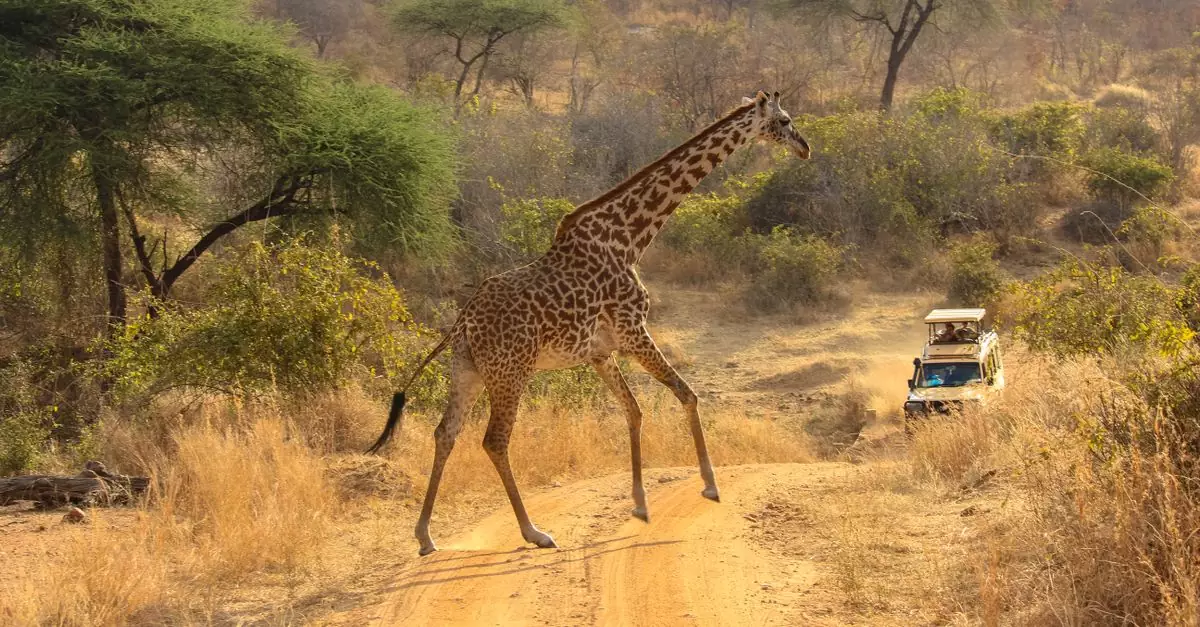
The Ecuadorian Amazon boasts some of the most immersive wildlife encounters in South America. This region is alive with species, from elusive jaguars to vibrant macaws, creating unparalleled opportunities for nature enthusiasts. To maximize your chances of spotting incredible creatures, it’s essential to understand how to access these remote areas.
Spotting Pink River Dolphins on the Napo River
The Napo River, a major tributary of the Amazon, is an ideal spot for encountering the unique Amazon river dolphin, often called the pink river dolphin. These intelligent and playful mammals are frequently seen surfacing to breathe, especially in calmer waters or near the confluence of smaller tributaries. Early morning and late afternoon are typically the best times for sightings, as they are more active during these cooler parts of the day. Boat tours along the Napo River, usually departing from Coca, are the most effective way to seek out these fascinating creatures. Look for their distinctive pinkish hue, which is more pronounced in adult males.
Guided Jungle Treks for Macaw and Monkey Sightings
Exploring the dense rainforest with experienced local guides is crucial for uncovering the Amazon’s hidden wildlife. Guided jungle treks provide the best chances to see various monkey species, including howler monkeys, capuchins, and squirrel monkeys, often moving in noisy troops through the canopy. Birdwatchers will be excited to spot colorful macaws, toucans, and parrots, particularly at clay licks where they gather to ingest mineral-rich soil. These treks require a good level of fitness and appropriate gear, such as sturdy hiking boots and insect repellent. Guides possess invaluable knowledge of animal behavior and the forest, significantly increasing your chances of a memorable sighting.
Staying in Eco-Lodges Near Yasuní National Park
For an authentic and sustainable wildlife experience, consider staying in an eco-lodge near Yasuní National Park. This UNESCO Biosphere Reserve is renowned for its exceptional biodiversity, holding the record for the highest number of tree species in the Amazon. Lodges vary from rustic to more comfortable, providing different levels of immersion in the jungle environment. Many lodges offer guided excursions, including canoe trips, night walks to observe nocturnal animals, and visits to observation towers for panoramic views of the canopy. Choosing an eco-lodge supports conservation efforts and fosters a deeper connection to the natural surroundings. When booking, inquire about the lodge’s commitment to sustainability and community involvement.
Logistics for an Amazon Adventure:
| Aspect | Details |
|---|---|
| Getting There | Fly into Quito (UIO), then take a domestic flight to Francisco de Orellana (Coca – OCC). |
| River Travel | Motorized canoes and smaller boats serve as the primary transport on rivers. |
| Best Time | Dry season (June-August) for easier trekking; wildlife is present year-round. |
| Accommodation | Eco-lodges range from basic to comfortable; booking in advance is recommended. |
| Essential Gear | Waterproof clothing, insect repellent, high-SPF sunscreen, hat, sturdy boots. |
| Health | Consult your doctor regarding necessary vaccinations and malaria precautions. |
Galapagos Islands: A Living Laboratory for Animal Encounters
The Galapagos Islands present unmatched opportunities for witnessing wildlife in a pristine environment, making them a premier destination for animal encounters. This volcanic archipelago, straddling the equator off Ecuador’s coast, is home to unique species found nowhere else on Earth. Planning a trip here requires careful consideration of logistics, as access is strictly regulated to preserve its delicate ecosystem.
Swimming with Marine Iguanas and Sea Lions
One of the most thrilling experiences in the Galapagos is swimming alongside its endemic marine life. Sea lions, known for their playful curiosity, often approach snorkelers, darting and twirling in the clear waters. You may also encounter marine iguanas, the only sea-going lizards, as they dive to feed on algae. Their prehistoric appearance and surprising agility in the water are captivating. Remember to maintain a respectful distance; touching or feeding any wildlife is strictly prohibited and can result in fines.
This experience is best during the warmer months, from December to May, when water temperatures are more pleasant. Several islands offer excellent snorkeling and diving sites, including Kicker Rock (León Dormido) off San Cristóbal Island and the waters around Santa Cruz and Isabela Islands.
Observing Giant Tortoises in Their Natural Habitat
Seeing Galapagos giant tortoises in their natural environment is a profound experience. These gentle giants, some weighing over 500 pounds and living over a century, are iconic symbols of the islands. You can observe them in various locations, from the highlands of Santa Cruz Island to protected reserves on San Cristóbal and Isabela.
Visiting the Charles Darwin Research Station on Santa Cruz provides insights into conservation efforts and allows you to see tortoises at different life stages, including hatchlings. For a more wild encounter, head to the El Chato Tortoise Reserve in the Santa Cruz highlands, where you can walk among them on designated paths. The best time to visit the highlands is generally during the dry season (June to November) for clearer skies, though tortoises are present year-round.
Birdwatching: Blue-Footed Boobies and Frigatebirds
The Galapagos is a birder’s paradise, home to a dazzling array of unique avian species. The comical blue-footed booby, with its vibrant azure feet, is a must-see. Their mating dance, a high-stepping display, is particularly memorable. You’ll also find magnificent frigatebirds, with males inflating their bright red gular pouches to attract females.
Prime locations for birdwatching include North Seymour Island, known for its large colonies of blue-footed boobies and frigatebirds. Española Island is another hotspot, offering close encounters with waved albatrosses during their breeding season (April to December). Birdwatching is excellent year-round, though specific breeding or nesting periods might offer more active displays. Many day trips and cruises include stops at these key birding locations.
Galapagos Travel Logistics
| Aspect | Details |
|---|---|
| Getting There | Flights depart from Quito or Guayaquil, Ecuador, to Baltra (GPS) or San Cristóbal (SCY) airports. |
| Best Time | Year-round destination, with distinct wet (Dec-May, warmer, calmer seas) and dry (Jun-Nov, cooler, rougher seas, more marine life activity) seasons. |
| Accommodation | Options range from luxury cruise ships to hotels and guesthouses on inhabited islands like Santa Cruz, San Cristóbal, Isabela, and Floreana. Booking in advance is highly recommended. |
| Transportation | Inter-island travel is primarily by small planes or speedboats. On inhabited islands, taxis and walking are common. Guided tours are essential for accessing most wildlife sites. |
| Budget | The Galapagos is an expensive destination due to conservation fees, limited access, and specialized tours. Expect costs to be significantly higher than mainland South America travel. |
| Permits | A National Park entrance fee ($100 USD for most foreign adults) and a Transit Control Card ($20 USD) are mandatory, typically paid in cash upon arrival. |
Where Can You See Penguins in South America?
South America offers remarkable opportunities to witness penguin colonies in their natural habitats. From extensive breeding grounds to smaller, accessible rookeries, these charismatic birds are a highlight for many wildlife enthusiasts. Understanding the best locations and timing is key to a successful penguin encounter.
Punta Tombo, Argentina: The World’s Largest Magellanic Penguin Colony
Punta Tombo, on the coast of Patagonia in Argentina, is renowned for hosting the largest Magellanic penguin colony globally. Millions of penguins migrate here annually to breed, creating an unforgettable spectacle. The sheer number of birds, estimated at around 500,000 breeding pairs, makes for an impressive sight.
During the breeding season from September to March, visitors can walk along designated paths that wind through the colony. You’ll be just feet away from nesting penguins, observing their daily routines and interactions, including their sometimes-comical waddle as they move between their burrows and the sea. It’s crucial to stay on marked trails to avoid disturbing the birds and their eggs.
Getting to Punta Tombo typically involves flying into Trelew or Comodoro Rivadavia, followed by a bus or rental car journey. The site is accessible via a gravel road, with facilities including visitor centers and restrooms. For those planning a trip to Patagonia, this is an essential stop for experiencing abundant wildlife.
Valdes Peninsula Wildlife Tours
While Punta Tombo boasts the largest colony, the Valdes Peninsula Wildlife Tours in Argentina also offers excellent penguin viewing alongside a wealth of other marine life. Magellanic penguins are present here, particularly around Punta Cantor, but the peninsula is perhaps more famous for its southern right whales, orcas, sea lions, and elephant seals.
Visiting the Valdes Peninsula provides a broader wildlife experience. Tours often combine penguin sightings with opportunities to see whales breaching (during their season, June to December) or orcas hunting. The landscape itself is starkly beautiful, a UNESCO World Heritage site that enhances the overall allure.
Accommodation options range from estancias (ranches) to hotels in the nearby town of Puerto Pirámides. Transportation usually involves a flight to Trelew and then a transfer. The peninsula is a protected area, and visitor access is managed to ensure minimal impact on the wildlife.
Isla Magdalena Penguin Rookery, Chile
For a different perspective on penguin encounters, Isla Magdalena in the Strait of Magellan, Chile, is a prime destination. This island is home to a significant colony of Magellanic penguins, estimated to be around 60,000 individuals. It’s a designated natural monument and a crucial breeding ground.
Access to Isla Magdalena is primarily by boat tour from Punta Arenas, Chile’s southernmost major city. These tours typically run from October to March. The boat journey itself can offer sightings of other marine animals, and upon arrival, visitors disembark to walk among the penguins on a well-maintained trail. The experience here is often described as more intimate than Punta Tombo due to the island setting and slightly fewer visitors.
Punta Arenas serves as the gateway, with regular flights from Santiago. Travelers should pack layers, as the weather in this region can be unpredictable and windy. The boat trips are weather-dependent, so flexibility in your itinerary is advisable.
Penguin Viewing Comparison
| Location | Primary Penguin Species | Estimated Colony Size | Best Viewing Season | Typical Traveler Experience |
|---|---|---|---|---|
| Punta Tombo, Argentina | Magellanic | ~500,000 pairs | Sep – Mar | Vast numbers, close-up views on marked trails |
| Valdes Peninsula, Arg. | Magellanic | Moderate | Sep – Mar | Combined with whale and seal watching, broader wildlife focus |
| Isla Magdalena, Chile | Magellanic | ~60,000 individuals | Oct – Mar | Island setting, boat access, potentially more intimate feel |
This table highlights the key differences, helping you choose the best location for your desired penguin encounter. Each offers a unique way to appreciate these fascinating birds in their natural South American environment.
Andean Adventures: Llamas, Alpacas, and Condors
The Andes Mountains of South America present a distinct set of wildlife encounters, focusing on hardy native species adapted to high altitudes. From the iconic camelids that have shaped Andean cultures for centuries to the majestic birds of prey soaring above dramatic landscapes, these experiences offer a different pace and perspective compared to jungle or marine expeditions. Planning for these encounters often involves considerations of altitude, weather, and local community involvement.
Hiking the Inca Trail with Pack Llamas
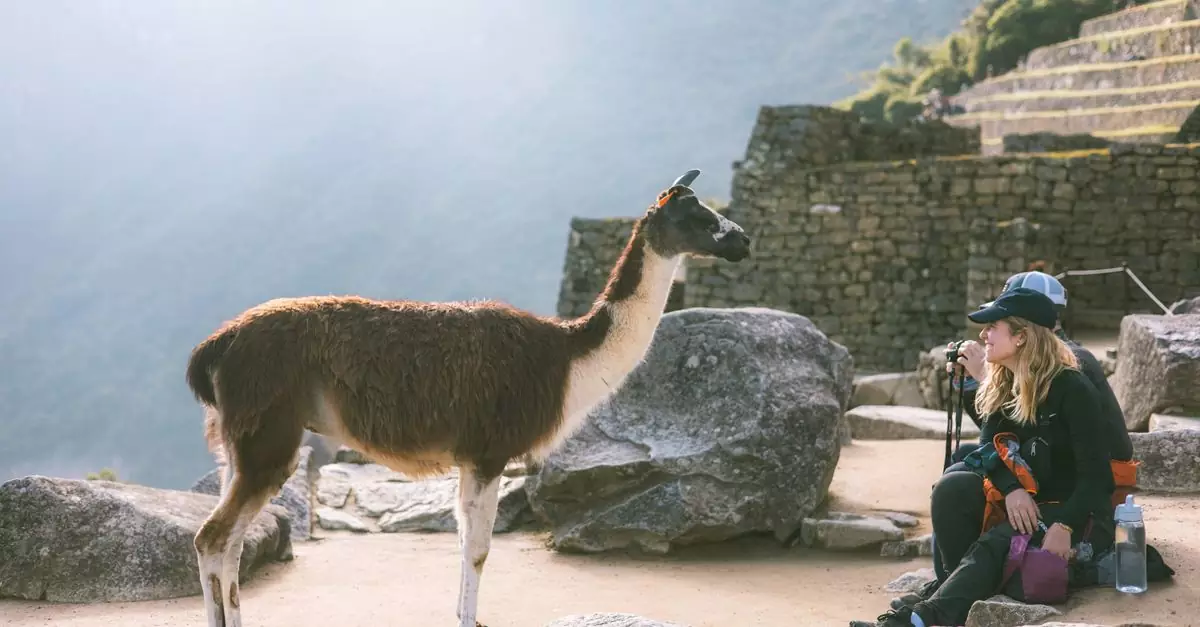
Trekking the legendary Inca Trail to Machu Picchu provides an opportunity to travel alongside llamas, the indispensable pack animals of the Andes. While hikers carry their own daypacks, trained llamas shoulder the bulk of the camping equipment and food, making the challenging multi-day trek more manageable. Their sure-footed nature and gentle disposition add a unique charm to the journey.
Choosing a reputable tour operator is crucial for ensuring the welfare of the llamas and the quality of the trek. Companies often enforce strict guidelines regarding the number of llamas per group and the weight they carry. The presence of these animals, their soft bleating, and their calm demeanor against the backdrop of ancient ruins and stunning mountain vistas create an unforgettable atmosphere.
Logistics for the Inca Trail:
- Permits: Book Inca Trail permits 6-12 months in advance, as they sell out quickly.
- Trekking Season: The dry season (May to September) offers the best weather, though it’s also the busiest.
- Altitude: Acclimatize in Cusco for at least two days before starting the trek to mitigate altitude sickness.
- Pack Animals: Most reputable treks include llama porters for group gear. Personal items are usually carried by hikers.
Visiting Alpaca Farms in the Sacred Valley, Peru
The Sacred Valley of Peru, a fertile region nestled between Cusco and Machu Picchu, is the heartland of alpaca and llama herding. Visiting local farms offers a chance to get up close with these soft-fleeced animals, learn about their significance in Andean culture, and witness traditional weaving techniques. Many communities welcome visitors, providing insights into a way of life that has remained largely unchanged for generations.
Alpacas are prized for their incredibly soft, hypoallergenic wool, used to create vibrant textiles. Unlike llamas, which were historically used as pack animals, alpacas were primarily bred for fiber. Observing them graze in picturesque Andean fields, often with children tending to them, is a tranquil experience. Some farms also offer opportunities to try your hand at spinning or weaving, connecting you directly with the artisans.
When visiting, it’s courteous to purchase a locally made textile or handicraft to support the community directly. This ensures that tourism benefits the families who care for these animals. The vibrant colors and intricate patterns of the woven goods reflect the rich cultural heritage of the region.
Spotting Andean Condors in Colca Canyon, Peru
Colca Canyon, one of the deepest canyons in the world, is a prime location for observing the Andean condor, one of the largest flying birds on Earth. The most popular viewing spot is the Cruz del Condor (Condor’s Cross), a natural viewpoint where these magnificent birds frequently glide on thermal updrafts. Witnessing their immense wingspan, often exceeding three meters, as they soar effortlessly against the vast canyon backdrop is truly awe-inspiring.
The best time to see condors is typically in the morning, from around 9:00 AM to 11:00 AM, when the sun’s warmth creates the thermals they rely on for flight. While you can visit Colca Canyon as a day trip from Arequipa, an overnight stay in the nearby town of Chivay or Yanque allows for a more relaxed experience and better chances of spotting the condors. The journey to the canyon itself is scenic, passing through high Andean plains dotted with vicuñas and offering views of snow-capped volcanoes.
Tips for Condor Viewing in Colca Canyon:
- Timing: Aim for the morning hours for the best thermal activity.
- Location: Cruz del Condor is the most reliable viewpoint.
- Patience: Condors are wild animals; sightings are not guaranteed, but their presence is common.
- Respect: Maintain a respectful distance and avoid loud noises that could disturb them.
The Andean region offers a profound connection to nature and culture, with these animal encounters serving as highlights for many travelers to South America.
Unique South American Animal Encounters Beyond the Tourist Trail
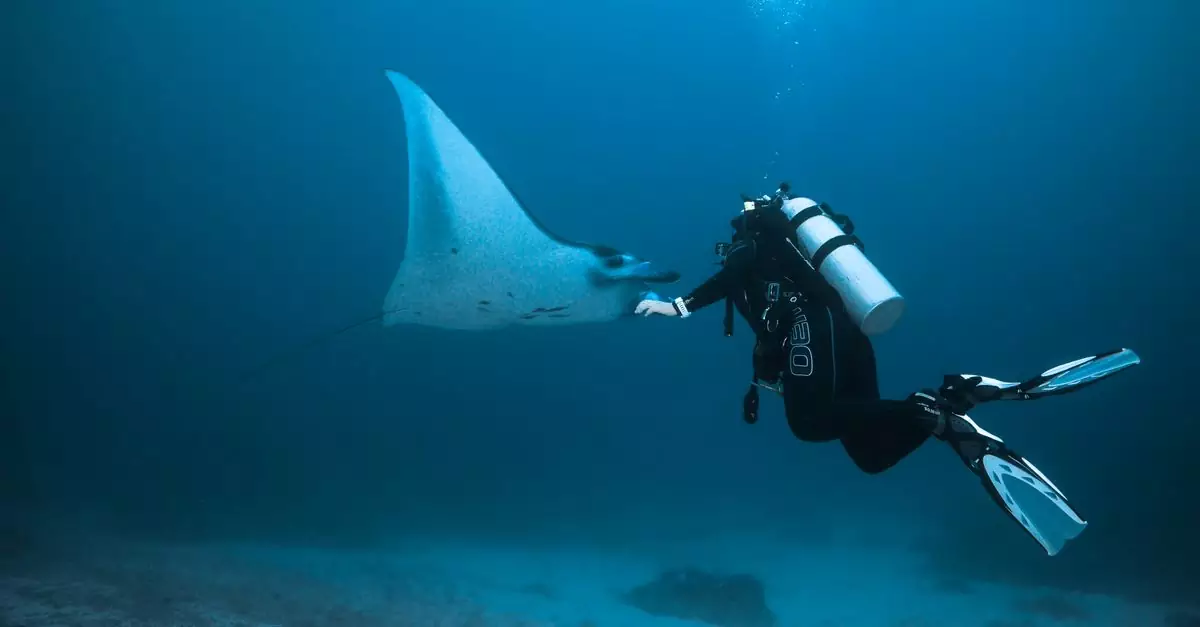
While iconic wildlife destinations like the Galapagos and the Amazon rainforest often dominate discussions of animal encounters in South America, the continent holds many lesser-known treasures for dedicated wildlife enthusiasts. Venturing beyond the most frequented spots can reveal unique species and more intimate viewing opportunities, offering a deeper connection with the natural world. These experiences often require additional planning but reward travelers with unforgettable moments and a greater appreciation for biodiversity.
Capybara Watching in the Pantanal Wetlands, Brazil
The Pantanal, the world’s largest tropical wetland, is an unmatched haven for wildlife, with capybaras being its most visible and abundant residents. These giant rodents, the largest in the world, are social and remarkably placid, often seen lounging by the water’s edge in large family groups. Unlike in other regions where they might be solitary or more elusive, Pantanal capybaras are accustomed to boats and vehicles, allowing for close-up observations.
Timing Your Visit: The dry season, from May to September, is generally considered the best time for wildlife viewing in the Pantanal. As water levels recede, animals congregate around remaining water sources, making them easier to spot.
Getting There: Access typically involves flying into Campo Grande or Cuiabá and then arranging transfers to a lodge or estancia. Many lodges offer guided jeep safaris, boat tours, and horseback riding excursions specifically designed for wildlife spotting.
Budget Considerations: The Pantanal can be a more expensive destination due to its remote location and the need for guided tours. All-inclusive packages from lodges often provide the best value.
Maned Wolf Spotting in the Cerrado Savanna
The Cerrado, a vast tropical savanna region in Brazil, is home to the striking maned wolf. With its long, slender legs and distinctive reddish coat, the maned wolf is an enigmatic and solitary creature, more closely related to foxes than wolves. Spotting one requires patience and local knowledge, as they are most active at dawn and dusk and inhabit large territories.
Best Viewing Locations: Areas around Emas National Park in Brazil are known for maned wolf sightings. Private reserves and cattle ranches in the Cerrado also offer opportunities, often with guides familiar with the animals’ habits.
Logistics: Traveling to the Cerrado usually involves flying into cities like Goiânia or Brasília, followed by overland travel. Hiring a local guide or staying at a lodge that specializes in wildlife excursions is highly recommended to increase your chances of a sighting.
When to Go: The dry season (April to September) can enhance visibility as vegetation is less dense, but maned wolves are present year-round.
Discovering Spectacled Bears in Machu Picchu’s Cloud Forest
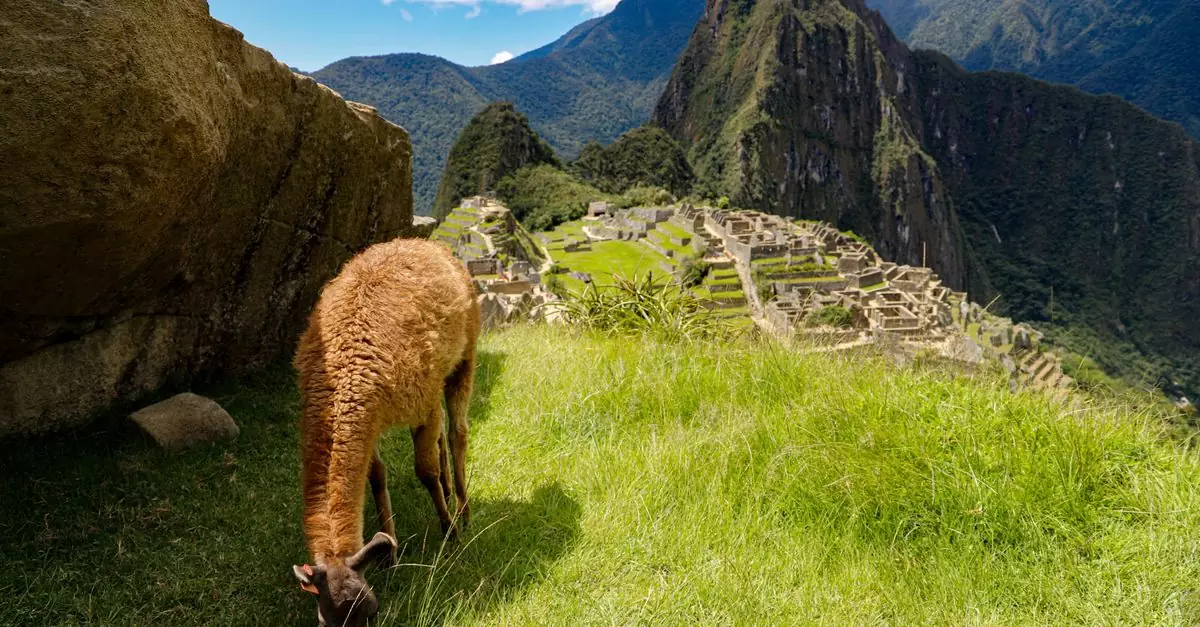
While Machu Picchu is a historical wonder, the surrounding cloud forest offers a chance to spot South America’s only native bear species: the spectacled bear, also known as the Andean bear. These bears are shy and arboreal, spending much of their time in trees foraging for fruit and bromeliads. Sightings are rare and require a keen eye and often a bit of luck.
Where to Look: The trails leading to and from Machu Picchu, particularly those at higher elevations and through denser vegetation, are potential habitats. Exploring areas around the Sacred Valley or venturing into the Manu National Park region can also yield sightings, though Manu is a more dedicated wildlife destination.
Guided Tours: Engaging a knowledgeable local guide is crucial. They can interpret tracks, identify calls, and know the best areas and times to potentially encounter these elusive bears. Early morning or late afternoon are typically the most active periods.
Traveler Tip: While the primary draw for many visitors is Machu Picchu, dedicating time to explore the less-trodden paths with a guide significantly enhances the possibility of seeing a spectacled bear, making it a truly unique encounter.
Planning Your South American Animal Encounter Trip: FAQs
Best Time of Year for Wildlife Viewing in South America
Timing your trip significantly impacts your chances of seeing specific wildlife. For the Amazon rainforest, the dry season (roughly June to November) is often best, as animals congregate around shrinking water sources, making them easier to spot. However, the wet season (December to May) offers higher river levels, allowing deeper exploration by boat and the chance to see arboreal species more easily.
The Galapagos Islands have two main seasons. The warm and wet season (December to May) brings calmer seas, ideal for snorkeling and diving with marine life, and is breeding season for many birds. The cool and dry season (June to November) offers better whale and dolphin sightings and is when the waved albatross performs its mating dance. For Patagonia, the summer months (December to February) provide the most accessible wildlife viewing, with longer daylight hours and milder weather for spotting guanacos, condors, and penguins.
Responsible Tourism Practices for Animal Encounters
Engaging with wildlife responsibly ensures their protection and enhances your experience. Always maintain a safe and respectful distance from animals; never feed them, as this disrupts their natural diet and behavior. Choose tour operators committed to ethical wildlife viewing, such as those adhering to guidelines set by conservation organizations.
Avoid using flash photography, especially with nocturnal animals, and minimize noise to prevent disturbing them. When visiting sensitive breeding grounds or nesting sites, follow your guide’s instructions precisely. Supporting local conservation efforts through your tourism choices also contributes to the long-term health of these ecosystems. Remember, your visit should leave a positive impact, not a trace.
Essential Packing List for Amazon and Galapagos Trips
Packing for diverse South American environments requires careful consideration. For the Amazon, lightweight, quick-drying clothing in neutral colors is essential. Include long-sleeved shirts and trousers to protect against insects and sun, a wide-brimmed hat, and waterproof gear. High-quality insect repellent with DEET and high-SPF sunscreen are non-negotiable. Binoculars are crucial for spotting distant wildlife, and a waterproof bag will protect your electronics.
In the Galapagos, focus on sun protection: a rash guard for water activities, a sun hat, sunglasses, and reef-safe sunscreen. Comfortable walking shoes and water shoes are useful. A reusable water bottle is a must to reduce plastic waste. For both destinations, pack a basic first-aid kit, any personal medications, and a good camera with extra batteries and memory cards.
Getting Around South America for Wildlife Tours
Navigating South America for wildlife viewing often involves a combination of flights, buses, and local transport. Major hubs like Lima, Quito, and Rio de Janeiro offer international and domestic flight connections. To reach remote Amazon lodges, you typically fly to a gateway city like Iquitos or Manaus, followed by boat transfers.
The Galapagos Islands are accessed via flights from mainland Ecuador (Quito or Guayaquil) to Baltra or San Cristobal. Once there, inter-island travel is usually by speedboat or small aircraft. Patagonia can be reached by flying into cities like El Calafate or Punta Arenas, with further travel by bus or rental car to access national parks. Booking tours with reputable operators often simplifies logistics, as they manage transfers and accommodation as part of the package. Researching transportation options in advance is key to a smooth journey.