The world is adorned with countless bodies of water, but some possess a unique magic that captivates the soul. From the impossibly turquoise hues of glacial melt to the serene, mirror-like surfaces reflecting snow-capped peaks, these aquatic wonders offer more than just a pretty view. This guide explores the most beautiful lakes globally, examining what makes them extraordinary. You’ll uncover the geological forces that shaped these landscapes, the vibrant ecosystems they support, and the rich cultural tapestries woven around their shores. Prepare to be inspired as we journey to these breathtaking destinations, understanding the elements that elevate them from mere lakes to unforgettable natural masterpieces.
Why Are These Lakes Considered the Most Beautiful in the World?
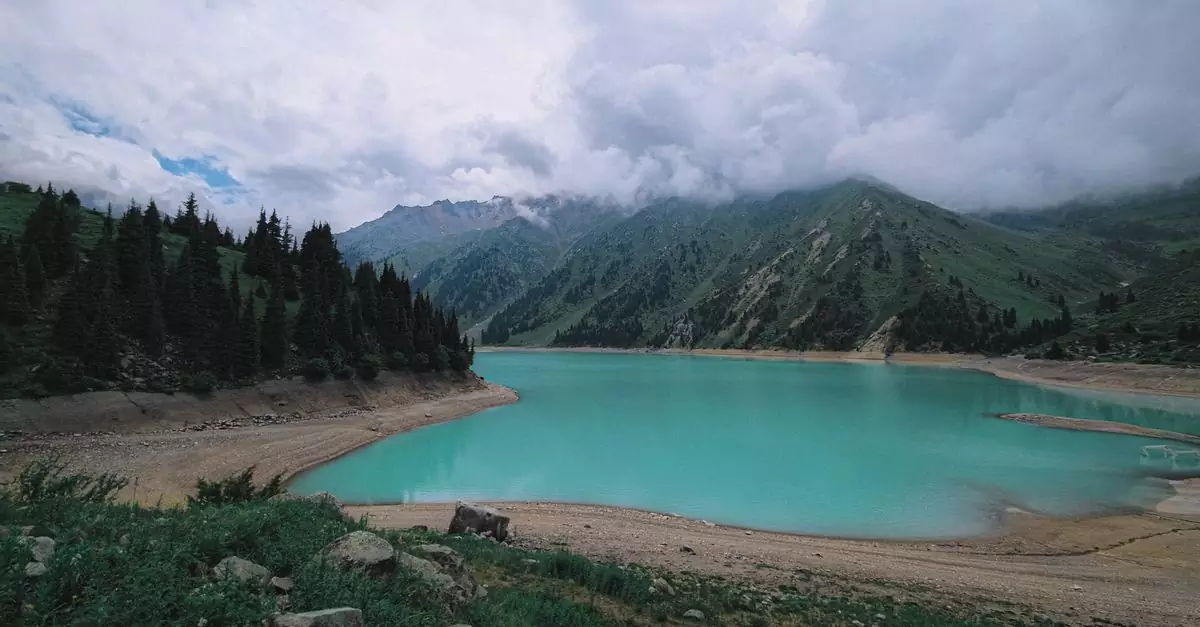
The allure of the world’s most beautiful lakes stems from a captivating blend of geological marvels, vibrant ecosystems, and rich cultural significance. These bodies of water are dynamic landscapes shaped by powerful natural forces and imbued with human history. Understanding these elements provides a deeper appreciation for their visual splendor and unique character.
Geological Formations Shaping Stunning Lake Landscapes
The dramatic beauty of many iconic lakes results from powerful geological processes. Glacial activity, for instance, has carved vast basins in mountainous regions, leaving behind deep, clear waters like those in the Canadian Rockies or the Swiss Alps. Volcanic calderas, formed by ancient eruptions, create strikingly circular and intensely colored lakes, such as Crater Lake in Oregon or Lake Toba in Indonesia. Tectonic shifts and river erosion also play significant roles, forming expansive, tranquil surfaces or winding, serpentine waterways.
Consider the fjords of Norway, where glaciers have sculpted deep, narrow inlets filled with saltwater, creating a unique lake-like landscape. These formations often feature sheer cliffs plunging into the water, offering breathtaking vistas. Similarly, the Great Rift Valley in Africa is home to a chain of lakes, many of which are alkaline or saline due to their tectonic origins and limited outflow, leading to unusual colors and salt formations along their shores. The diversity of these geological origins contributes to the vast range of aesthetics found among the world’s most visually striking lakes.
Unique Ecosystems and Biodiversity of World-Class Lakes
Beyond their geological foundations, the most beautiful lakes cradle unique biodiversity. Their specific water chemistry, depth, and surrounding climate foster ecosystems that support a remarkable array of flora and fauna. Some lakes, like Lake Baikal in Russia, are ancient and incredibly deep, harboring endemic species found nowhere else on Earth, including the Baikal seal.
In tropical regions, lakes might boast vibrant coral reefs or an astonishing diversity of cichlid fish, as seen in Africa’s Lake Malawi. The clarity of many alpine lakes allows for abundant aquatic plant life, supporting delicate food webs. Travelers can witness this biodiversity through activities like snorkeling, diving, or simply observing the abundant birdlife that congregates around these rich environments. The health and vibrancy of these ecosystems are intrinsically linked to the lakes’ visual appeal, contributing to their pristine appearance and the lively natural spectacles they offer.
Cultural Significance and Folklore Surrounding Iconic Lakes
For millennia, lakes have held profound cultural and spiritual significance for communities living around their shores. Many are steeped in local folklore, legends, and religious beliefs, often seen as sacred sites or dwelling places of deities. Lake Titicaca, straddling the border of Peru and Bolivia in South America, is a prime example, revered by the indigenous Aymara and Quechua people as the birthplace of the sun.
The stories woven around these lakes add a layer of mystique and human connection to their natural beauty. From tales of mythical creatures to ancient rituals performed on their waters, this cultural heritage enriches the visitor experience. Engaging with traditions that have been passed down through generations provides insights into how humans have coexisted with these natural wonders. This interplay between nature and culture is a vital component of what makes certain lakes truly iconic and unforgettable destinations.
Top 5 Most Beautiful Lakes for Your Bucket List
When considering the most beautiful lakes in the world, several destinations consistently capture the imagination with their stunning scenery and unique characteristics. These bodies of water offer immersive natural experiences that draw travelers from across the globe. Planning a trip to see these aquatic wonders requires understanding their specific appeal, best visiting times, and logistical considerations.
Lake Louise, Canada: Turquoise Waters and Victoria Glacier Views
Nestled within Banff National Park in the Canadian Rockies, Lake Louise is renowned for its striking turquoise color, a result of glacial silt suspended in the water. This vibrant hue is most pronounced in the summer months, reflecting the towering Victoria Glacier and surrounding peaks. Visitors often arrive by car, but parking fills up quickly, especially during peak season. For a more relaxed experience, consider utilizing the Parks Canada shuttle system.
Accommodations range from the historic Fairmont Chateau Lake Louise, offering unparalleled lakefront views, to more budget-friendly options in nearby Banff. Hiking trails abound, catering to all fitness levels, from easy strolls along the lakeshore to challenging ascents offering panoramic vistas. The best time to visit for that iconic turquoise water is typically from late May to early October, though snow often lingers on the peaks year-round.
Moraine Lake, Canada: Valley of the Ten Peaks and Vivid Blue Hues
Just a short drive from Lake Louise, Moraine Lake presents an equally breathtaking, if not more dramatic, landscape. Its intensely blue water is framed by the majestic Valley of the Ten Peaks, a formidable mountain range creating a stunning backdrop. The iconic “Rockpile” viewpoint offers a classic postcard-perfect panorama. Access to Moraine Lake is often restricted to shuttle buses, private tours, or bicycles during the summer season due to its popularity and limited parking.
The vibrant blue color is most intense during June and July when glacial meltwater is at its peak. Hiking opportunities include the Consolation Lakes trail and the challenging Larch Valley hike, particularly stunning in autumn when the surrounding larches turn golden. Like Lake Louise, Moraine Lake is only accessible from late May or early June until mid-October, when the road closes for winter. Planning transportation well in advance is crucial for visiting this gem.
Lake Bled, Slovenia: Island Church and Medieval Castle Charm
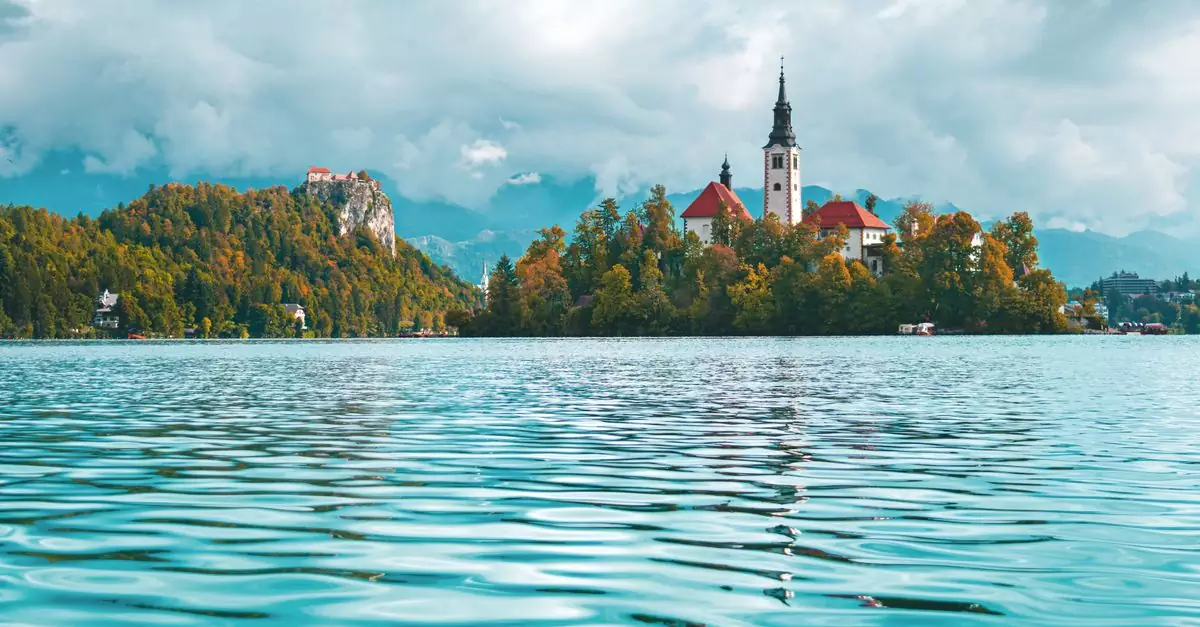
Lake Bled in Slovenia offers a fairy-tale setting with its emerald-green waters, a small island topped with a charming church, and a medieval castle perched on a cliff overlooking the lake. The island church, with its wishing bell, is a central attraction, accessible by traditional Pletna boats rowed by local oarsmen. The Bled Castle provides panoramic views and houses a museum detailing the region’s history.
Visitors can enjoy walking or cycling around the lake, a flat and scenic route. Swimming is popular in the warmer months, and the water temperature is pleasant. The best time to visit is spring or early autumn for fewer crowds and mild weather, though summer offers the warmest conditions. While direct flights to Ljubljana are common, reaching Bled typically involves a short train or bus journey from the capital. Accommodation options range from lakeside hotels to guesthouses in the surrounding village.
Plitvice Lakes National Park, Croatia: Cascading Waterfalls and Emerald Pools
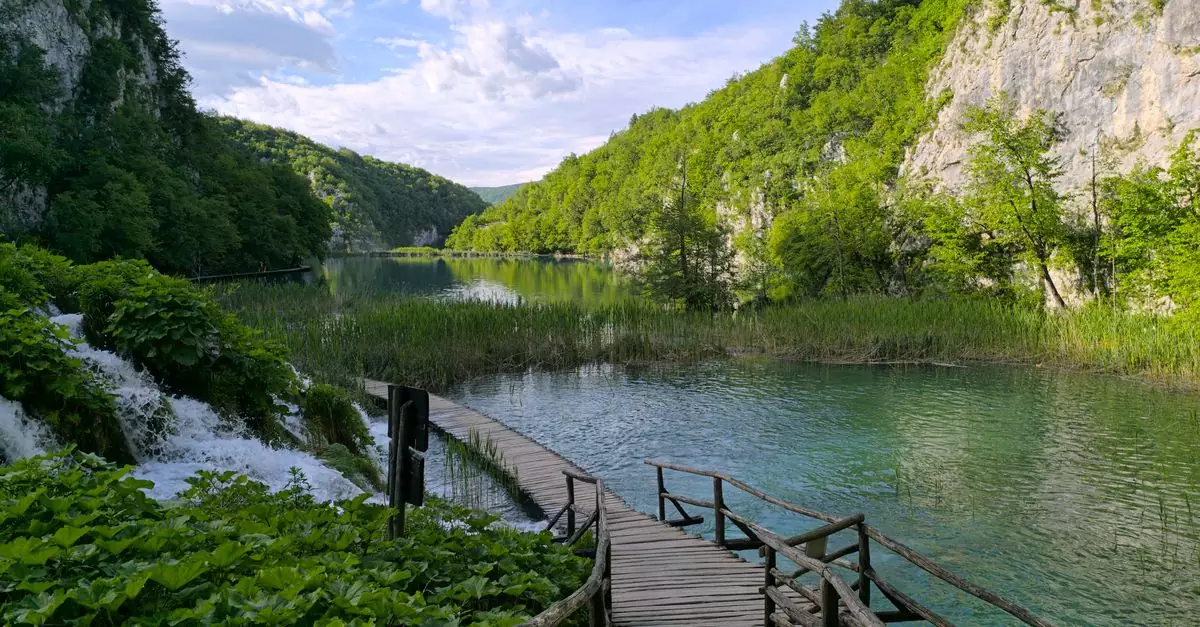
Plitvice Lakes National Park in Croatia is a UNESCO World Heritage site famous for its sixteen terraced lakes, interconnected by stunning waterfalls. The water’s color shifts from azure to green, grey, or blue depending on the mineral content, time of day, and angle of sunlight. Wooden boardwalks wind through the park, allowing visitors to walk over and alongside the crystal-clear waters.
The park is divided into the Upper and Lower Lakes, each offering unique perspectives. Electric boats ferry visitors across the larger Kozjak Lake, and a panoramic bus connects different sections of the park. Visiting in spring or autumn is recommended to avoid summer crowds and enjoy pleasant temperatures. While the park is accessible by bus from major Croatian cities like Zagreb and Zadar, booking accommodation in advance, especially near the park entrances, is advisable. Dogs are not permitted on the boardwalks, and swimming is strictly prohibited to preserve the delicate ecosystem.
| Lake Name | Country | Primary Color | Key Feature | Best Time to Visit (Peak Color) | Transportation Note |
|---|---|---|---|---|---|
| Lake Louise | Canada | Turquoise | Victoria Glacier Views | June – September | Shuttle bus recommended; parking is limited. |
| Moraine Lake | Canada | Vivid Blue | Valley of Ten Peaks | June – July | Access via shuttle, tour, or bicycle; no private cars. |
| Lake Bled | Slovenia | Emerald Green | Island Church, Castle | May – September | Accessible by Pletna boat; walkable around lake. |
| Plitvice Lakes National Park | Croatia | Azure to Green/Blue | Cascading Waterfalls | May – June, September – October | Boardwalks, electric boats, park bus. |
Exploring South America’s Most Stunning Lakes
South America boasts a remarkable collection of unique and breathtaking lakes, each offering a distinct natural spectacle. From the high-altitude salt flats of Bolivia to the vibrant, flowing colors of a Colombian river, these aquatic wonders are among the most beautiful lakes in the world and draw travelers seeking unforgettable landscapes and cultural encounters. Planning a trip to these destinations requires attention to altitude, seasonality, and local logistics.
Laguna Colorada, Bolivia: Red Waters and Flamingos in the Andes
Laguna Colorada, situated within the Eduardo Avaroa Andean Fauna National Reserve in southwest Bolivia, is a visually arresting salt lake. Its striking red hue comes from algae and sediments, creating a surreal contrast with the surrounding white borax islands. This high-altitude wetland, often visited as part of a multi-day Salar de Uyuni tour, is a vital habitat for three species of Andean flamingos: James’s, Andean, and Chilean.
Traveler Insights:
- Altitude: The lake sits at over 13,000 feet (4,000 meters), so acclimatization is crucial. Many visitors experience altitude sickness.
- Best Time to Visit: The dry season (June to October) offers clearer skies and more accessible viewing conditions.
- Logistics: Laguna Colorada is typically visited as part of a 3- or 4-day 4×4 jeep tour departing from Uyuni. Independent travel is challenging due to the remote location and lack of infrastructure.
- What to Expect: While the colors are most vibrant under sunlight, be prepared for strong winds and cold temperatures, even in the dry season. Bring warm layers, sunglasses, and sunscreen.
Lake Titicaca, Peru & Bolivia: Floating Uros Islands and Ancient Cultures
Straddling the border of Peru and Bolivia, Lake Titicaca is the highest navigable lake in the world and a cradle of pre-Columbian civilizations. Its deep blue waters are dotted with islands, most famously the Uros floating islands, constructed entirely from totora reeds by the Uru people. Visitors can experience the unique lifestyle of these communities and learn about their traditions.
Traveler Insights:
- Access: The main gateways are Puno in Peru and Copacabana in Bolivia. Ferries connect these towns and offer stunning lake views.
- Island Stays: For a more immersive experience, consider staying overnight on islands like Amantaní or Taquile in Peru, or Isla del Sol in Bolivia, where you can engage with local communities.
- Cultural Significance: Lake Titicaca is steeped in Inca mythology. The Isla del Sol is believed to be the birthplace of the sun god Inti.
- Getting Around: Boat tours are the primary way to see the islands. Walking is feasible on many of the larger islands, but some have steep inclines.
| Location | Primary Gateway | Key Attractions | Overnight Options |
|---|---|---|---|
| Peruvian Side | Puno | Uros, Taquile, Amantaní Islands | Homestays, Hotels |
| Bolivian Side | Copacabana | Isla del Sol, Isla de la Luna | Guesthouses, Hostels |
Caño Cristales, Colombia: The ‘River of Five Colors’ in Serranía de la Macarena
Caño Cristales, located in Colombia’s Serranía de la Macarena National Natural Park, is often called the “River of Five Colors” or the “Liquid Rainbow.” From approximately June to November, a unique aquatic plant, Macarenia clavigera, blooms, painting the riverbed in vibrant shades of red, yellow, green, and blue. This natural phenomenon transforms the river into one of the most visually stunning waterways on Earth.
Traveler Insights:
- Seasonality is Key: The dazzling colors are only visible during a specific window each year when water levels and sunlight are optimal. Outside this period, it appears as a typical river.
- Access: The journey typically involves flying from Bogotá to La Macarena town, followed by a boat trip and a hike to reach the river.
- Conservation: The park has strict regulations to protect the delicate ecosystem. Visitors must be accompanied by certified guides.
- What to Bring: Light clothing, swimwear for designated areas, insect repellent, and sturdy walking shoes are recommended.
These South American aquatic gems highlight the continent’s diverse natural beauty, offering experiences that range from wildlife observation in remote Andean landscapes to cultural immersion on ancient waters and vibrant natural artistry. For travelers looking for unique destinations, these lakes and rivers provide unparalleled photographic opportunities and a deep connection with nature and local heritage.
Planning Your Visit to the World’s Most Beautiful Lakes
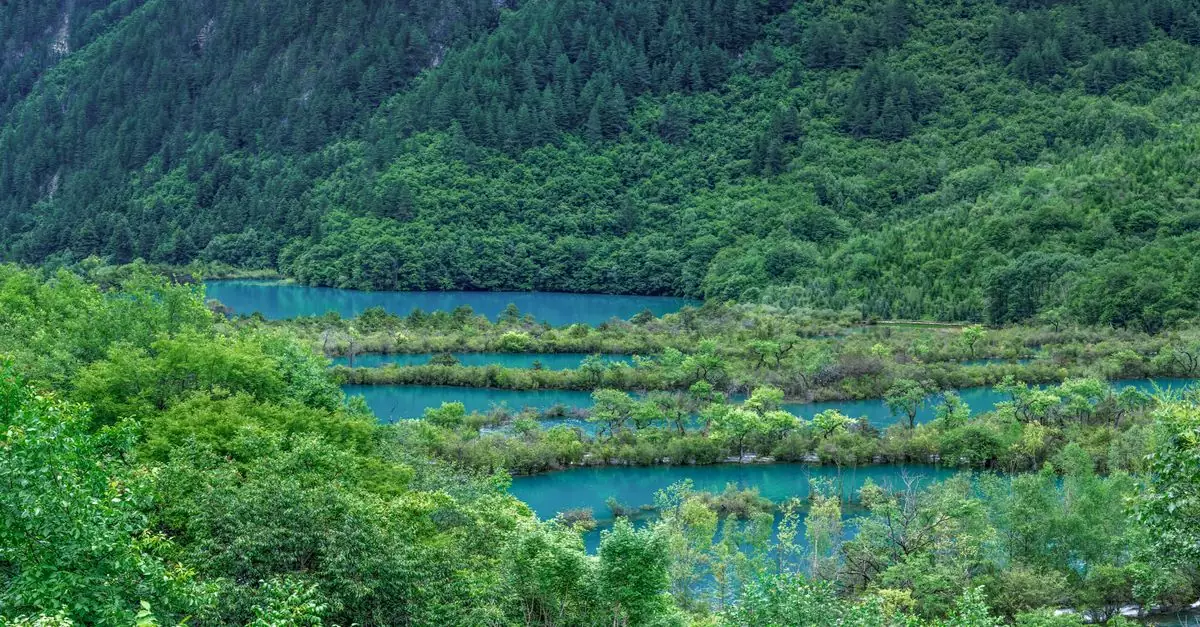
Deciding which of the world’s stunning lakes to visit is just the first step. Effective planning ensures you maximize your experience, whether drawn to the vibrant hues of a South American glacial lake or the serene beauty of a European alpine gem. Understanding seasonal variations, transportation logistics, and accommodation options will transform a dream trip into a seamless reality.
Best Time to Visit: Seasonal Beauty and Optimal Weather
The ideal time to visit many of the most beautiful lakes hinges on seasonal considerations. For alpine lakes like those in the Swiss Alps or Canadian Rockies, summer (June to August) offers the most accessible conditions, with melting snow opening up hiking trails and pleasant temperatures for boating. However, this is also peak tourist season, meaning higher prices and larger crowds.
Spring (April to May) and autumn (September to October) can provide a more tranquil experience, with fewer visitors and the stunning visual appeal of blooming wildflowers or changing foliage. Be aware that weather can be more unpredictable during these shoulder seasons, and some higher-altitude access roads might still be closed due to snow in early spring.
Tropical or sub-tropical lakes, such as Lake Atitlán in Guatemala, often have distinct wet and dry seasons. The dry season (typically November to April) offers the most reliable sunny weather, ideal for enjoying the lake’s scenery and surrounding activities. The rainy season can bring dramatic cloud formations and lush green landscapes but may limit outdoor excursions.
| Destination Type | Peak Season (Best Weather) | Shoulder Season (Fewer Crowds) | Considerations |
|---|---|---|---|
| Alpine / Mountain | June – August | April – May, September – October | Snowmelt, road access, variable weather |
| Tropical / Sub-tropical | November – April | May – October | Rainy season impacts, humidity, lush landscapes |
| Desert / Arid | Spring, Autumn | Summer (avoid extreme heat) | Water levels, heat, accessibility |
Getting There: Transportation Options from Major Hubs
Reaching these breathtaking aquatic destinations often involves a combination of air and ground transportation. For remote or less accessible lakes, flying into the nearest major international airport is usually the first step. For instance, accessing the stunning glacial lakes of Patagonia might involve flights to Santiago, Chile, or Buenos Aires, Argentina, followed by domestic flights to smaller regional airports.
From these hubs, travelers can opt for rental cars, buses, or private transfers. A rental car offers the most flexibility, especially when visiting multiple lakes or exploring scenic routes. This is particularly true for destinations like the Great Lakes region in North America or the lake districts of Finland and Sweden.
Public transportation networks are well-developed in many parts of Europe and Asia, making it feasible to reach many beautiful lakes via train or bus. For example, reaching Lake Bled in Slovenia is straightforward by bus or car from Ljubljana. Researching local transit options in advance is crucial, as service frequency and availability can vary significantly. Travelers heading to remote areas of South America might find that organized tours offer the most convenient way to navigate complex logistics.
Accommodation Near Iconic Lakeside Destinations
Finding the right place to stay can significantly enhance your lake experience. Options range from luxury lakeside resorts offering panoramic views and premium amenities to charming bed and breakfasts and self-catering apartments. Booking well in advance is highly recommended, especially during peak seasons for popular destinations like Lake Como in Italy or Lake Louise in Canada.
Consider your priorities: proximity to hiking trails, access to water sports, quiet seclusion, or vibrant town centers. Many lakeside towns offer a variety of accommodations to suit different budgets and travel styles. For those seeking a more immersive natural experience, camping or staying in rustic cabins near national parks can be an excellent choice.
When looking for places to stay, consider areas slightly outside the most popular tourist hubs. You might find more affordable rates and a more authentic local atmosphere. Always check reviews for insights into noise levels, accessibility, and the quality of lake views or access.
What Activities Can You Enjoy at These Beautiful Lakes?
The world’s most beautiful lakes offer more than stunning scenery; they are gateways to diverse recreational activities and cultural immersion. Travelers can tailor their experiences to suit their interests, from active adventures to tranquil observations.
Hiking and Trekking Trails with Panoramic Lake Vistas
Many breathtaking lakes are situated within mountainous regions, providing ample opportunities for hiking and trekking. Trails range from gentle lakeside strolls to challenging ascents that reward hikers with unparalleled panoramic views. For instance, the trails around Lake Louise in the Canadian Rockies offer accessible paths with iconic vistas of the turquoise water and surrounding glaciers. Further afield, the routes near Patagonia’s Lago Argentino present more rugged terrain, ideal for experienced trekkers seeking dramatic landscapes. Always check local trail conditions and weather forecasts before setting out, as mountain environments can change rapidly.
Kayaking, Canoeing, and Boat Tours on Crystal Waters
Exploring the serene surfaces of these magnificent bodies of water by kayak, canoe, or boat provides an intimate perspective. Paddling allows for quiet contemplation and access to secluded coves that larger vessels cannot reach. Many destinations offer guided boat tours, which are excellent for learning about the lake’s geology, history, and surrounding ecosystems. Lake Bled in Slovenia, for instance, is famous for its traditional Pletna boat rides to the island church, offering a unique cultural and scenic experience. For those seeking more active pursuits, renting a kayak on Lake Tahoe or the Great Lakes provides hours of exploration on vast, clear waters.
Wildlife Spotting and Photography Opportunities
The pristine environments surrounding many beautiful lakes are havens for diverse wildlife. Birdwatchers can find abundant species, especially in wetland areas or along migratory routes. Mammals, from deer and foxes to elusive creatures like bears or mountain goats, can often be spotted in national parks and protected reserves. These locations are also a photographer’s dream, with dramatic landscapes, vibrant water colors, and abundant natural light. Early mornings and late afternoons often provide the best light for capturing the ethereal beauty of these lakes and their inhabitants. Remember to maintain a safe distance from wildlife and never feed animals.
Visiting Nearby Villages and Local Cultural Experiences
Beyond the natural splendor, the communities situated around these stunning lakes offer rich cultural insights. Many lakeside towns and villages retain traditional architecture, local crafts, and unique culinary traditions. Visiting a local market or attending a regional festival can provide a deeper connection to the destination. For example, the villages around Lake Como in Italy offer charming cobblestone streets, historic villas, and exquisite Italian cuisine. Similarly, exploring the towns bordering the fjords of Norway, like those near Geirangerfjord, allows travelers to experience local life and understand the historical relationship between communities and their dramatic watery landscapes. Engaging with local culture enhances the overall travel experience significantly.
Frequently Asked Questions About the Most Beautiful Lakes
Are there any hidden gems among the most beautiful lakes?
While iconic lakes like Moraine Lake and Lake Como often steal the spotlight, numerous lesser-known but equally stunning bodies of water await discovery. Consider exploring the emerald waters of Lake Bled in Slovenia or the vibrant hues of the Guilin Karst lakes in China. These destinations offer a more intimate experience away from the largest crowds, often with unique cultural or geological features. For travelers venturing through South America, hidden glacial lakes in Patagonia provide breathtaking scenery without the extensive infrastructure of more famous locales.
What is the best way to photograph these lake destinations?
Capturing the grandeur of the most beautiful lakes in the world often requires strategic timing and equipment. The “golden hours” – shortly after sunrise and before sunset – offer the most dramatic and flattering light for landscape photography. Consider using a polarizing filter to enhance sky colors and reduce glare on the water’s surface. For wider vistas, a wide-angle lens is essential. Many of these destinations, such as the Canadian Rockies, are best viewed from elevated vantage points, so researching local trails or viewpoints beforehand is highly recommended. Drone photography can offer unique perspectives, but always check local regulations regarding drone usage.
What should I pack for a trip to these natural wonders?
Packing for a visit to a stunning lake destination depends heavily on its location and season. Regardless of the climate, waterproof and windproof outer layers are advisable, as weather can change rapidly in mountainous or coastal lake regions. Comfortable, broken-in hiking boots are crucial for exploring trails around the lake. Don’t forget sun protection, including sunscreen, a hat, and sunglasses, even on cloudy days. Insect repellent is often necessary, particularly during warmer months. If you plan on water activities, quick-drying clothing and appropriate footwear are beneficial.
Are these lakes safe for swimming and water activities?
Safety for swimming and water activities varies greatly among the world’s most beautiful lakes. Glacial lakes, while stunning, are often extremely cold and can be dangerous for swimming. Always check local advisories regarding water temperature and potential hazards like strong currents or submerged objects. Some lakes, like Lake Geneva in Switzerland, have designated swimming areas and are well-suited for activities like kayaking and paddleboarding. For many remote or wilder lake environments, it’s wise to prioritize guided tours or rentals from reputable local outfitters to ensure safety. Always assess conditions and heed any posted warnings before entering the water.