Discover the captivating world of African wildlife conservation prints, where stunning artistry meets a vital mission. These pieces are not just beautiful wall decor; they embody a powerful connection to the continent’s incredible biodiversity and contribute directly to its preservation.
In this article, you’ll explore what makes these prints unique, from the compelling imagery captured by talented artists to the tangible impact your purchase can have on conservation efforts. We’ll examine how these artworks celebrate Africa’s iconic animals while providing crucial funding for organizations dedicated to their protection. Whether you’re an art enthusiast, a wildlife lover, or seeking a meaningful acquisition, understanding the value and purpose behind African wildlife conservation prints offers a rewarding perspective on how art can truly make a difference.
What Are African Wildlife Conservation Prints?
African wildlife conservation prints represent a significant intersection of art, advocacy, and the natural world. These artworks serve as tangible connections to the continent’s diverse ecosystems and iconic species, with a portion of the proceeds often directly supporting conservation efforts. Grasping their purpose and appeal is essential for appreciating their value, both aesthetically and ethically.
Defining Conservation Art and Its Impact
Conservation art aims to raise awareness and funds for environmental protection. In the context of African wildlife, this includes artworks that capture the majesty, vulnerability, or unique behaviors of animals such as elephants, rhinos, lions, and pangolins. The impact of this art extends beyond the gallery or home. When you purchase an African wildlife conservation print, you’re often contributing to organizations that work on the ground to protect habitats, combat poaching, and ensure the survival of these magnificent creatures for future generations. This direct link between acquisition and action compels many to invest in these pieces.
The Unique Appeal of Wildlife Imagery from Africa
The allure of African wildlife is undeniable. The continent boasts unparalleled species diversity, from the “Big Five” to countless smaller, equally fascinating creatures. The vast, dramatic landscapes—the Serengeti plains, the Okavango Delta, the Namib Desert—provide breathtaking backdrops that imbue wildlife imagery with a sense of raw, untamed beauty. Artists are drawn to the vibrant colors, intricate patterns of fur and feathers, and the compelling stories of survival that unfold daily across Africa. These prints allow people to bring a piece of this extraordinary natural heritage into their lives.
Why Invest in African Wildlife Conservation Prints?
Investing in African wildlife conservation prints offers multifaceted returns. Firstly, there’s the aesthetic value; skilled artists capture their subjects with remarkable detail and emotion, creating pieces that enhance any living space. Secondly, there’s the emotional connection. Owning art that depicts endangered species fosters a deeper appreciation for the natural world and serves as a constant reminder of the importance of conservation. Most significantly, there is the impact. By choosing prints that support conservation initiatives, buyers become active participants in protecting Africa’s precious biodiversity. This dual benefit—personal enjoyment and a tangible contribution to a vital cause—makes these prints meaningful acquisitions for art lovers and environmentally conscious individuals alike. For travelers, these prints serve as lasting mementos, far more impactful than typical souvenirs. Those interested in exploring the continent’s natural wonders might find resources from the African Tourism Board helpful.
Top Artists Creating African Wildlife Conservation Prints
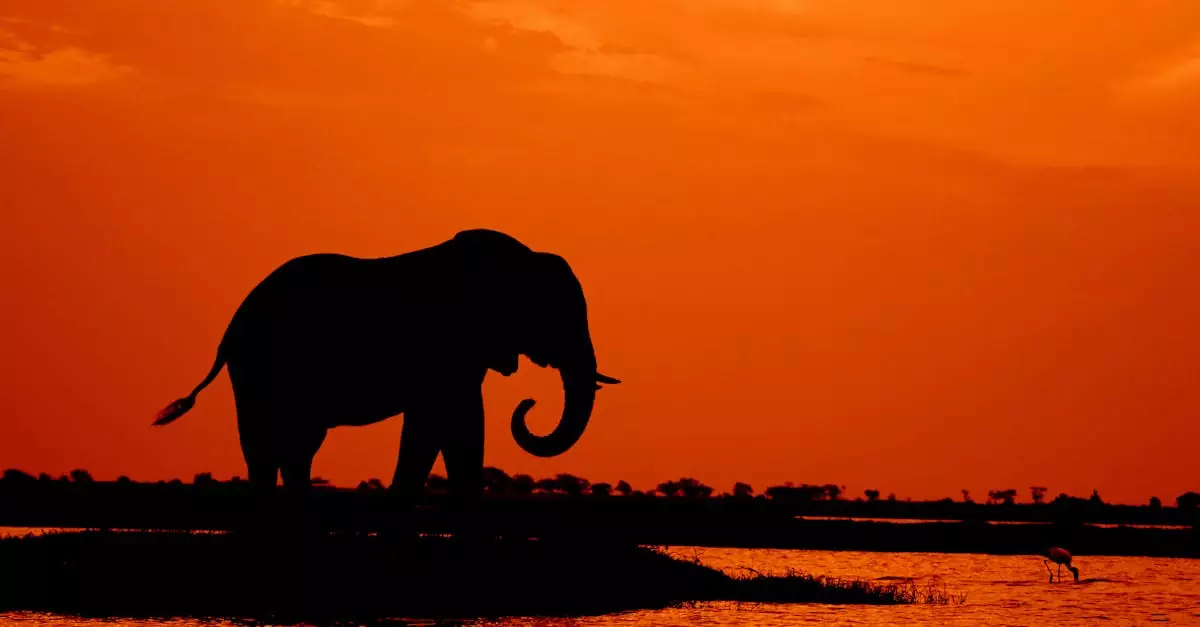
The art world offers a powerful lens through which to view and support critical wildlife conservation efforts across Africa. Many talented artists dedicate their skills to capturing the majesty of its animals, with a portion of their proceeds often benefiting conservation efforts. Whether you’re drawn to the raw emotion of a photograph or the intricate detail of a painting, these artists create pieces that beautify spaces while supporting a vital cause.
Spotlight on Renowned Wildlife Photographers
Photographers uniquely freeze moments in time, conveying the vulnerability and power of wildlife in their natural habitats. Many leading wildlife photographers focus their lenses on the African continent, producing stunning images that highlight the need for protection. Their work serves as a stark reminder of the beauty we risk losing if conservation efforts falter.
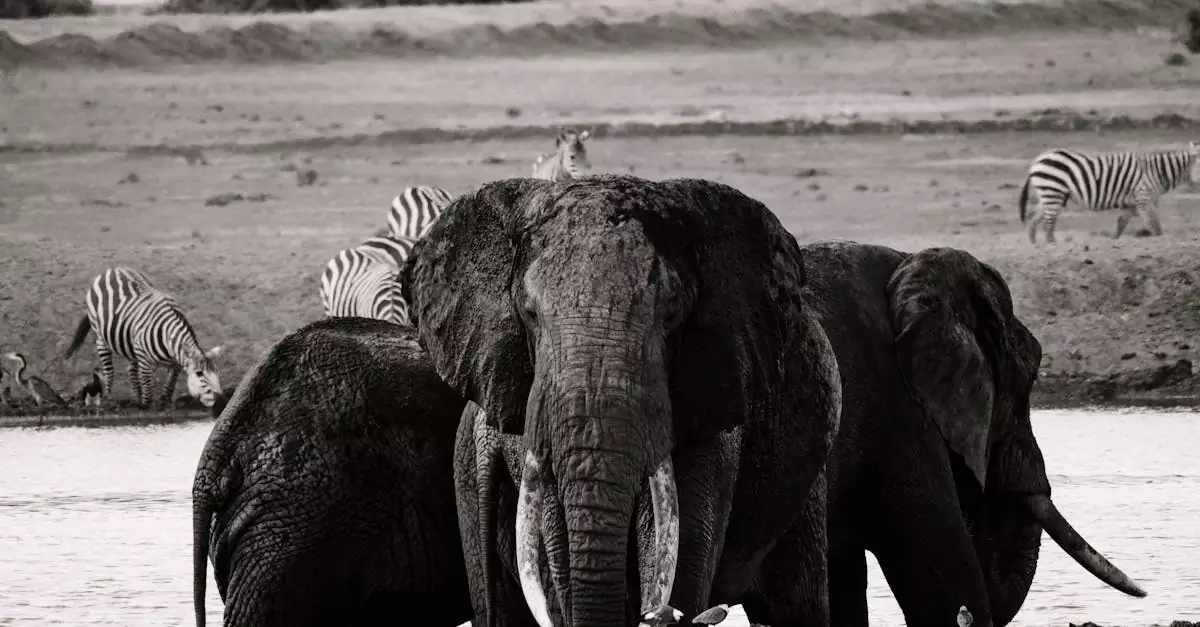
Consider the work of artists like Nick Brandt, whose evocative black-and-white images of animals in East Africa, often set against stark landscapes, powerfully communicate themes of environmental degradation. His prints are not merely art; they are poignant visual narratives. Similarly, photographers who spend months documenting species like rhinos, elephants, or big cats bring an intimate understanding of their subjects to their prints. These images, captured with patience and technical skill, can be purchased directly from the artists’ galleries or specialized fine art print retailers. Many of these photographers partner with specific conservation organizations, ensuring that a significant portion of each sale supports on-the-ground initiatives.
Emerging Artists Championing Conservation Through Paint
Beyond photography, a vibrant community of painters and illustrators uses their brushes and pencils to champion African wildlife. These artists often bring a different kind of intimacy to their subjects, translating the spirit and form of animals onto canvas or paper through color and texture. Their work ranges from hyper-realistic portrayals to impressionistic interpretations, each offering a unique perspective on the continent’s biodiversity.
You might find artists specializing in watercolor portraits of endangered primates, capturing their expressive eyes, or oil painters depicting the dramatic interactions of predator and prey on the savanna. Many emerging talents actively seek collaborations with conservation charities, donating a percentage of their sales or creating bespoke pieces for fundraising events. Discovering these artists can be rewarding, often found through online art platforms, independent galleries, or even at wildlife sanctuaries hosting art exhibitions. Their passion for the subject matter is palpable in every stroke, making their African wildlife conservation prints highly sought-after pieces for collectors wanting to make a tangible difference.
Where to Discover Original Art and Limited Editions
Finding impactful works requires a strategic approach, blending an appreciation for art with a commitment to conservation. Beyond direct artist websites, several avenues exist for acquiring original art and limited edition prints. Online galleries specializing in wildlife art or ethical consumerism are excellent starting points. These platforms often curate collections from various artists, providing detailed information about the conservation organizations each artist supports.
For those seeking a more tangible experience, visiting galleries in major cities that focus on African art or wildlife photography can be highly rewarding. Some travel companies and tourism boards, like the African Tourism Board, may also highlight artists or exhibitions that align with conservation values. When purchasing, look for limited edition prints, which often increase in value and come with a certificate of authenticity. Understanding the artist’s commitment—whether it’s a direct donation, a partnership with a specific charity, or a portion of profits allocated to conservation projects—is crucial to ensuring your purchase truly supports the cause. This approach transforms acquiring art into a meaningful act of support for the preservation of African wildlife.
Where to Find and Purchase Conservation Prints
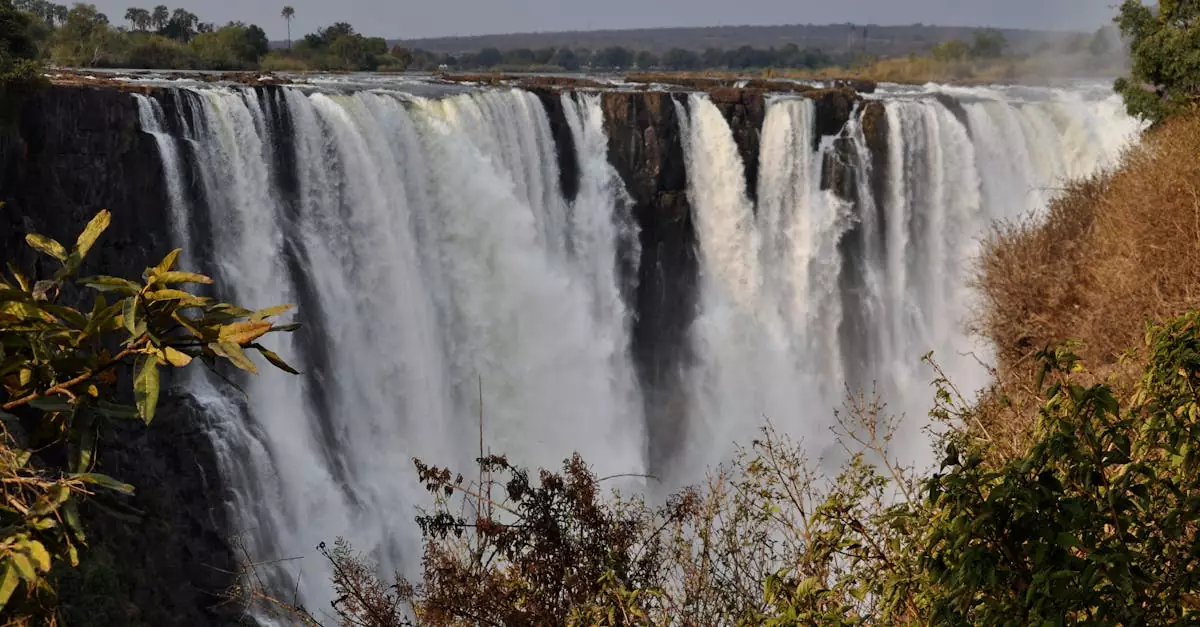
Acquiring impactful African wildlife conservation prints offers a tangible way to support vital preservation efforts. Whether you’re a seasoned art collector or a first-time buyer, knowing where to find these pieces ensures your purchase directly benefits the animals and habitats they depict. The market for these prints ranges from online marketplaces to specialized galleries, each offering unique avenues for discovery and acquisition.
Online Galleries Specializing in Wildlife Art
Numerous online platforms have emerged as prime destinations for discovering and purchasing African wildlife conservation prints. These digital galleries often curate collections from established and emerging artists, focusing specifically on nature and wildlife themes. Many feature detailed artist biographies and information about the conservation projects their work supports, allowing buyers to make informed decisions.
When browsing these sites, look for sections dedicated to “conservation art” or “wildlife photography.” Websites such as The Wildlife Art Gallery or Art for Conservation often showcase stunning pieces. These platforms typically offer secure payment options and international shipping, making them accessible to a global audience. Prices can vary significantly, from a few hundred dollars for limited edition prints to several thousand for original works or larger photographic pieces.
Art Fairs and Exhibitions Supporting Conservation
Attending art fairs and specialized exhibitions presents a more personal way to connect with artists and the stories behind their work. Many such events are organized with a philanthropic mission, donating a portion of proceeds to wildlife conservation charities across Africa. These gatherings provide an opportunity to see prints in person, gauge their scale and impact, and speak directly with the creators or representatives of conservation organizations.
Major cities worldwide often host annual wildlife art shows. For example, events like the Nature in Art exhibition in the UK or similar gatherings in North America and Australia frequently feature artists focused on African wildlife. Planning a trip around such an event can combine your passion for art with a meaningful cultural experience. It’s advisable to check event schedules well in advance, as popular exhibitions can fill up quickly and require advance ticket purchase.
Direct Purchases from African Conservation Organizations
For the most direct impact, consider purchasing African wildlife conservation prints directly from the organizations working on the ground. Many reputable conservation groups, such as the African Wildlife Foundation or the Giraffe Conservation Foundation, use art as a fundraising tool. These prints are often created by photographers or artists deeply involved with the organization’s projects, providing an authentic connection to the cause.
Buying directly ensures that a larger percentage of your investment supports conservation initiatives, such as anti-poaching patrols, habitat restoration, or community education programs. Websites of these organizations typically have a “shop” or “support us” section where you can find available prints. Shipping times and costs can vary, so it’s wise to inquire about these details before making a purchase, especially if you are located outside of the continent. Engaging with these groups offers a transparent way to contribute to the preservation of Africa’s magnificent wildlife.
How Your Purchase Supports Wildlife Conservation Efforts
Acquiring African wildlife conservation prints offers a tangible way to contribute to vital preservation initiatives across the continent. These pieces are not just decorative; they signify a commitment to safeguarding endangered species and their natural habitats. Understanding where your money goes is key to appreciating the impact of your purchase.
Understanding the Donation Models
Many artists and galleries specializing in African wildlife art operate with clear donation models. A significant portion of the sale price, often ranging from 10% to 50% or more, is allocated directly to conservation organizations. Some artists partner with specific charities, while others may divide their contributions among several vetted groups. It’s beneficial to seek prints where the artist or gallery explicitly states their donation percentage and the beneficiary organizations. This transparency ensures that your investment in art directly fuels conservation work, whether it’s protecting rhinos in South Africa or supporting elephant corridors in Botswana.
Projects Funded by Art Sales: From Anti-Poaching to Habitat Restoration
Funds generated from selling African wildlife conservation prints support a diverse array of critical projects. A substantial amount often goes toward anti-poaching units, providing essential equipment, training, and operational support to rangers on the front lines. These units are crucial for deterring illegal hunting and protecting vulnerable species like pangolins, lions, and giraffes.
Beyond direct anti-poaching efforts, your purchase can also contribute to habitat restoration and protection. This includes initiatives like reforesting degraded areas, securing vital migration routes, and establishing protected zones. When you invest in these prints, you’re indirectly helping to ensure that the majestic animals depicted in the artwork have safe, expansive environments to thrive in for generations to come.
The Ripple Effect: How Art Empowers Local Communities
The impact of purchasing African wildlife conservation prints extends beyond the animals and their environments; it also empowers local communities. Many conservation projects work closely with indigenous populations, offering employment opportunities as rangers, researchers, guides, and community liaisons. By supporting these initiatives, your art purchase helps create sustainable livelihoods directly linked to the health of wildlife and natural landscapes.
Furthermore, some artists collaborate with local artisans, incorporating traditional crafts or techniques into their prints. This not only adds a unique cultural dimension to the artwork but also provides direct economic benefits to these communities. When you choose these prints, you’re not just acquiring a beautiful piece of art; you’re becoming part of a larger ecosystem of support that benefits wildlife, conservation, and the people who share their land.
Caring for Your African Wildlife Conservation Prints
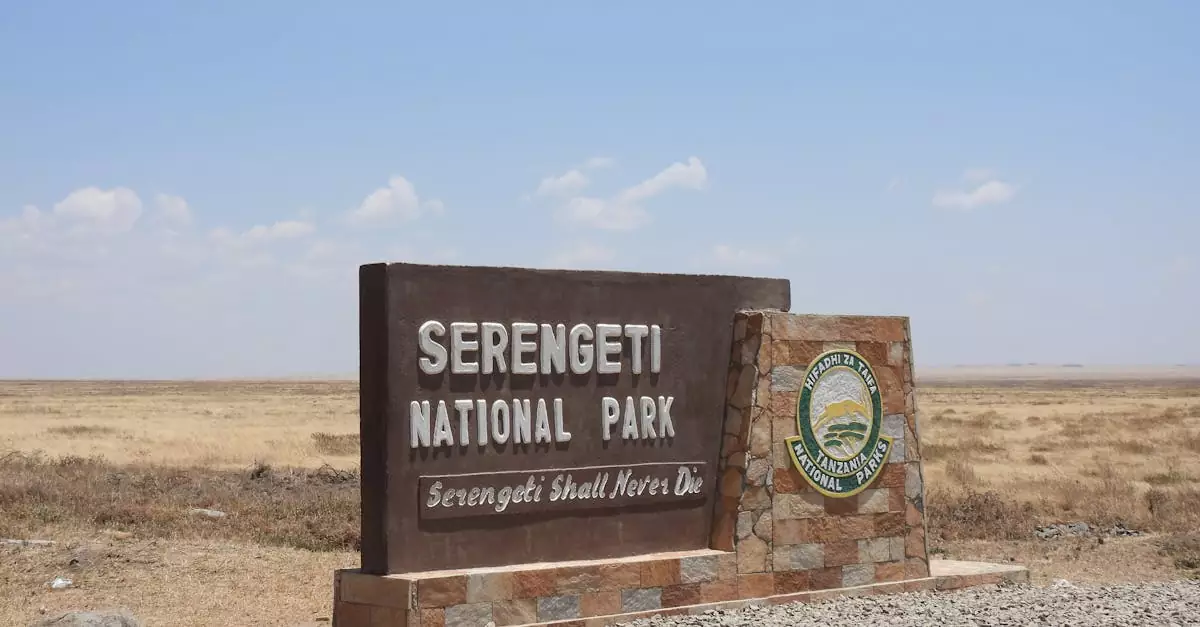
Acquiring beautiful African wildlife conservation prints is a rewarding experience, bringing the spirit of the continent into your home while supporting vital conservation efforts. To ensure these artworks remain vibrant and cherished for years, proper care is essential. This involves thoughtful framing, protection from environmental damage, and understanding the provenance of your chosen pieces.
Framing and Display Tips for Longevity
The right frame enhances the visual appeal of your prints and plays a crucial role in their preservation. Opt for archival-quality framing materials, such as acid-free mats and backing boards, to prevent paper from yellowing or degrading over time. UV-protective glass or acrylic is highly recommended, as it significantly reduces damage from light exposure, a common cause of fading artwork.
Consider the placement of your framed prints carefully. Avoid hanging them in direct sunlight, near heat sources like radiators or fireplaces, or in areas with high humidity, such as bathrooms or kitchens. These conditions can accelerate deterioration and damage the paper and inks. When choosing a display location, consider how the artwork will be viewed. A well-lit room without direct sun is often the best choice for showcasing the intricate details of wildlife art.
Protecting Prints from Environmental Factors
Beyond framing, several environmental factors can impact the condition of your African wildlife conservation prints. Airborne pollutants, dust, and even certain cleaning products can cause discoloration or surface damage. Regular, gentle dusting with a soft, dry cloth or a feather duster is advisable. Avoid using any liquid cleaners directly on the print surface.
Temperature and humidity fluctuations can also be detrimental. Consistent, moderate conditions are ideal. If you live in an area with significant seasonal changes, consider using a humidifier or dehumidifier to maintain a stable indoor environment. For particularly valuable or rare prints, professional conservation advice can be invaluable in creating optimal display and storage conditions. Protecting these pieces ensures their legacy and continued support for conservation initiatives across Africa.
Authenticity Verification and Provenance
When purchasing African wildlife conservation prints, understanding their authenticity and provenance is key. Reputable artists and galleries will often provide a certificate of authenticity with each print. This document typically includes details such as the artist’s name, the title of the artwork, the edition number (if it’s a limited edition print), the printing method, and the date of creation.
Researching the artist and the gallery or platform from which you are buying is also important. Look for established organizations or artists known for their commitment to wildlife conservation. Many artists dedicate a portion of their print sales to specific conservation projects, and knowing this adds another layer of meaning to your purchase. Understanding the story behind the artwork—the inspiration, the conservation cause it supports, and the artist’s journey—enhances its value beyond the aesthetic. This information is often found on the artist’s website or through the selling gallery, providing a clear record of the print’s history.
Frequently Asked Questions About African Wildlife Conservation Prints
Are these prints ethically sourced?
Many artists and galleries specializing in African wildlife conservation prints prioritize ethical sourcing. This often means working directly with artists from Africa or ensuring a significant portion of the proceeds directly supports conservation efforts on the ground. Look for artists or organizations that clearly state their commitment to fair trade practices and transparently share how their sales contribute to wildlife protection initiatives. Reputable sellers will often provide details about the specific projects or organizations their work benefits.
What is the typical price range for conservation prints?
The price for African wildlife conservation prints can vary widely, depending on factors like the artist’s reputation, the size and medium of the print, whether it’s a limited edition, and the framing. You might find smaller, open-edition prints starting from around $100 to $250. Limited edition prints from established artists or those with significant conservation backing can range from $500 to several thousand dollars. High-end, large-format pieces or original artworks could command even higher prices. It’s essential to consider that a portion of the cost often goes towards conservation, making it an investment in both art and wildlife preservation.
How can I verify the authenticity of a print?
Authenticity is crucial, especially for limited edition prints. Reputable sources will typically provide a certificate of authenticity, often signed by the artist or an authorized representative of the gallery. This certificate should include details such as the print’s title, edition number (e.g., 50/100), the medium used, and the date of creation. For added assurance, consider purchasing from galleries with a strong reputation or directly from artists who have a verifiable online presence and history. Some high-value prints may also have unique security features or be registered with a reputable art authentication service.
Can I commission a custom piece?
Yes, commissioning a custom piece is often possible, especially if you are working directly with an artist or a gallery that represents them. This allows you to request a specific animal, landscape, or even a particular conservation theme. The process usually involves discussing your vision with the artist, agreeing on the size, medium, and price, and understanding the timeline. Commissioning a custom print can be a deeply personal way to support conservation and acquire a unique piece of art that resonates with you. Artists often share their commission policies and availability on their websites.