
Turkey, a land of dramatic landscapes bridging continents, offers more than just ancient ruins and bustling bazaars. Its diverse geography features a stunning array of beautiful lakes in Turkey, each providing a serene escape and showcasing the country’s natural splendor. From the vast, shimmering salt flats of Lake Tuz to the deep, turquoise waters of Lake Salda, these aquatic gems reveal a captivating side of this nation.
This guide will take you on a visual journey to discover some of Turkey’s most breathtaking lakes. You’ll learn about their unique characteristics, the best times to visit for optimal scenery, and the activities that await you. Prepare to explore tranquil waters, vibrant ecosystems, and picturesque surroundings that invite you to venture beyond the well-trodden paths.
Discover Turkey’s Most Beautiful Lakes: A Visual Journey
Turkey, a land bridging continents, offers more than historical sites and vibrant bazaars. Its diverse geography cradles a collection of stunning freshwater and saline lakes, each with its own unique character. From vast inland seas to shimmering salt flats, these bodies of water provide serene escapes and showcase the country’s natural beauty. Planning a trip around these aquatic gems offers a fresh perspective on Turkey, revealing tranquil landscapes and rich ecosystems away from the usual tourist trails.
Lake Tuz: The Surreal Salt Flats of Central Anatolia
Located in the heart of Central Anatolia, Lake Tuz is Turkey’s second-largest lake and a truly unique natural wonder. This shallow, hypersaline lake transforms into vast, shimmering salt flats during the hot summer months. The stark white expanse, often reflecting the sky like a mirror, creates an almost otherworldly landscape. It’s a crucial breeding ground for flamingos, adding a splash of pink to the otherwise monochrome scenery.
Access to the lake is easiest from the towns of Aksaray or Konya. Visitors can walk onto the salt flats, feeling the crunch beneath their feet and experiencing the intense salinity. The best time to visit is typically late summer and early autumn when the water recedes, exposing the salt crust. Be prepared for intense sun; consider visiting during sunrise or sunset for the most dramatic light.
Lake Van: Anatolia’s Largest Inland Sea and Its Unique Ecosystem
Lake Van, situated in eastern Turkey, is the country’s largest lake and the largest soda lake in the world. Its immense size gives it the feel of an inland sea, framed by dramatic mountains and boasting a striking blue hue. The lake’s high alkalinity and salinity mean that few fish species can survive, but it is home to the endemic Van fish (Chalcalburnus tarichi), which can tolerate these conditions.
The region surrounding Lake Van is rich in cultural history, with ancient monasteries like the Akdamar Church perched on an island within the lake. Reaching the island is typically done by boat from the town of Gevaş. The city of Van serves as a base for exploring the lake, offering accommodations ranging from simple guesthouses to more established hotels. Traveling to eastern Turkey requires careful planning, but the rewards of experiencing this vast, unique lake are significant.
Lake Beyşehir: The Tranquil Heart of the Turkish Lakes Region
Often considered the jewel of the Turkish Lakes Region, Lake Beyşehir is the third-largest lake in Turkey and a haven of natural beauty and tranquility. Unlike the saline lakes, Beyşehir is a freshwater lake surrounded by lush vegetation and rolling hills. Its most distinctive feature is the presence of numerous islands within the lake, many accessible by boat from the town of Beyşehir.
These islands, particularly Kızkalesi and Mada, offer opportunities for exploration, with ancient ruins and picnic spots. The town of Beyşehir itself is charming, featuring a pleasant promenade along the lake’s edge. Birdwatching is a popular activity here, as the lake and its surrounding wetlands attract various avian species. For those seeking a peaceful lakeside retreat with opportunities for gentle exploration, Lake Beyşehir is an excellent choice.
Lake Eğirdir: The Jewel of Isparta with Island Views
Lake Eğirdir, located in the Isparta province, is another stunning freshwater lake renowned for its clear blue waters and picturesque islands. The lake is divided into two parts by a narrow strait, connected by a causeway. Its islands, including Yeşilada and Can Ada, are easily accessible and offer charming villages, historical sites, and beautiful viewpoints.
Green Island (Yeşilada) is particularly notable, featuring a historic Greek Orthodox church and a quaint village atmosphere. Visitors can enjoy boat trips, swimming, fishing, and hiking in the surrounding hills. The town of Eğirdir itself is a pleasant place to stay, with a range of accommodations and restaurants. The clarity of the water makes it ideal for water sports, and the scenic beauty provides a perfect backdrop for a relaxing holiday.
Beyond the Tourist Trail: Hidden Gem Lakes in Turkey

While Turkey is renowned for its historical sites and bustling cities, its natural landscapes offer equally captivating experiences. For travelers seeking tranquility and breathtaking scenery away from the crowds, the country’s beautiful lakes provide an ideal escape. These serene waters, often set against dramatic backdrops, offer a different perspective on Turkey’s diverse geography.
Lake Abant: A Picturesque Mountain Retreat Near Istanbul
Located in the Bolu province, Lake Abant is a freshwater lake celebrated for its stunning natural beauty and accessibility from Istanbul. This mountain retreat is a popular weekend destination for locals and a serene escape for those looking to reconnect with nature. The lake is surrounded by lush forests, offering opportunities for hiking, horseback riding, and simply enjoying the fresh mountain air.
The best time to visit Lake Abant is during spring and autumn when the foliage is at its most vibrant. Summer offers pleasant weather for outdoor activities, while winter can transform the landscape into a snowy wonderland. Accommodations range from charming boutique hotels to rustic lodges, many offering direct lake views. Getting there typically involves a drive from Istanbul, taking approximately 3-4 hours.
Lake Uzungöl: The Famous ‘Long Lake’ of the Black Sea
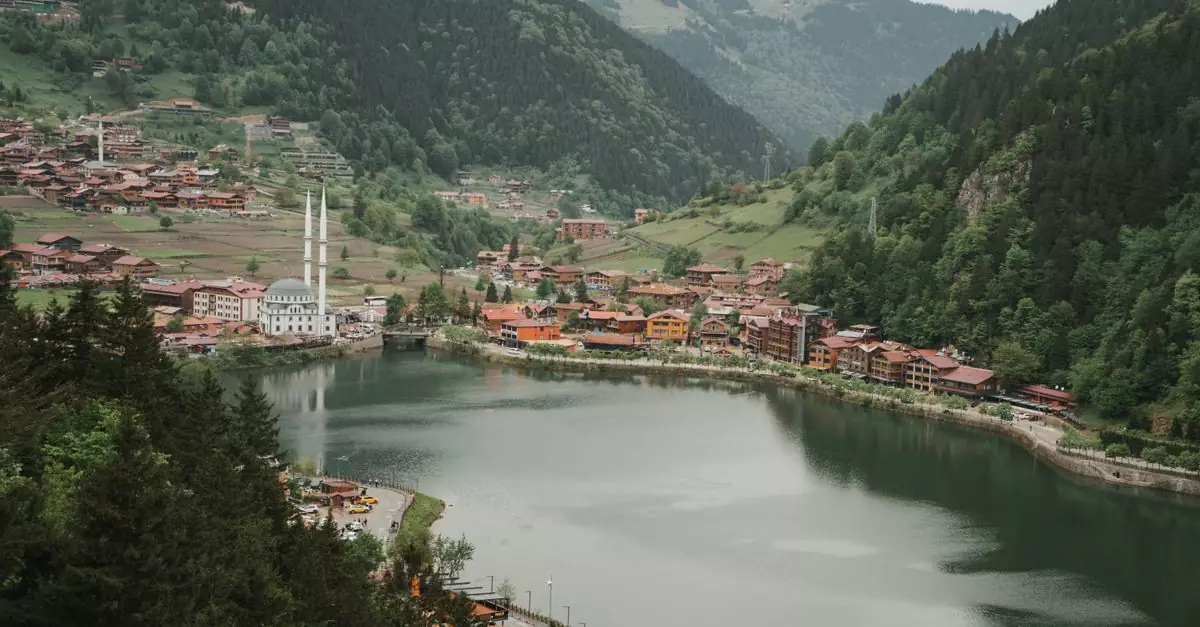
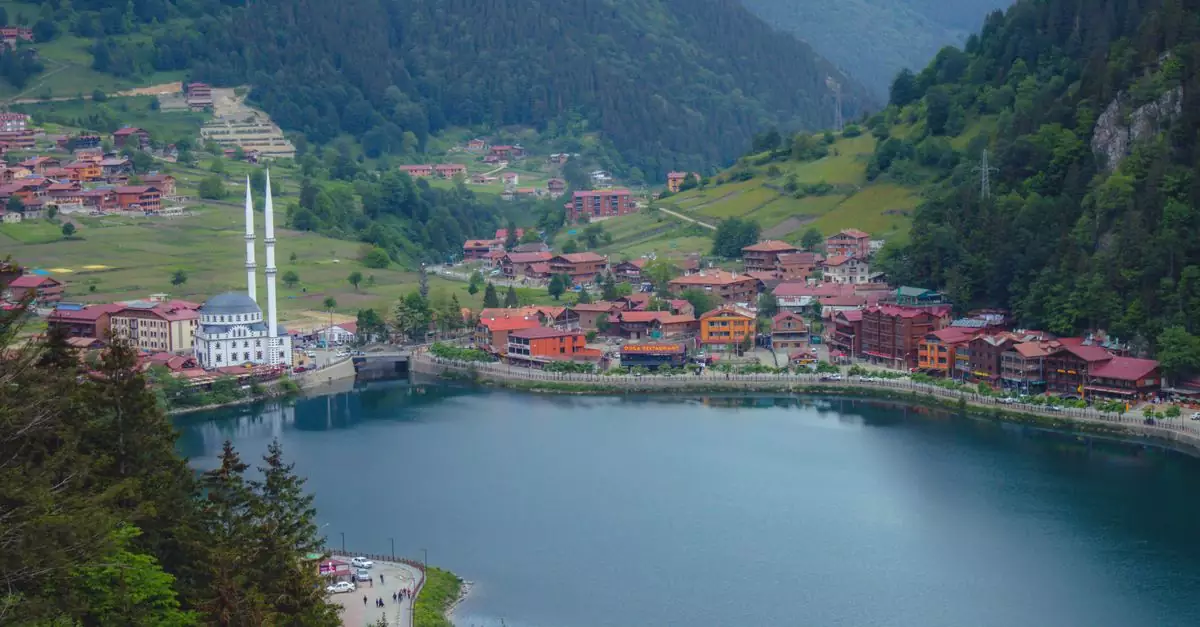
Nestled in the Trabzon province of the Eastern Black Sea region, Lake Uzungöl, meaning ‘Long Lake,’ is a postcard-perfect destination. This glacial lake is set within a valley, flanked by steep, forest-covered mountains, creating a dramatic and picturesque scene. The village of Uzungöl itself is built around the lake’s edge, featuring traditional wooden houses and charming guesthouses.
Visitors can enjoy leisurely strolls around the lake, rent a paddleboat, or explore the surrounding hiking trails that lead to higher viewpoints offering panoramic vistas. The climate here is humid and rainy, characteristic of the Black Sea region, making spring and summer the most popular times to visit for optimal weather. The journey to Uzungöl usually involves flying into Trabzon and then taking a taxi or bus for the scenic 1-hour drive.
Lake Salda: Turkey’s Maldives with Turquoise Waters
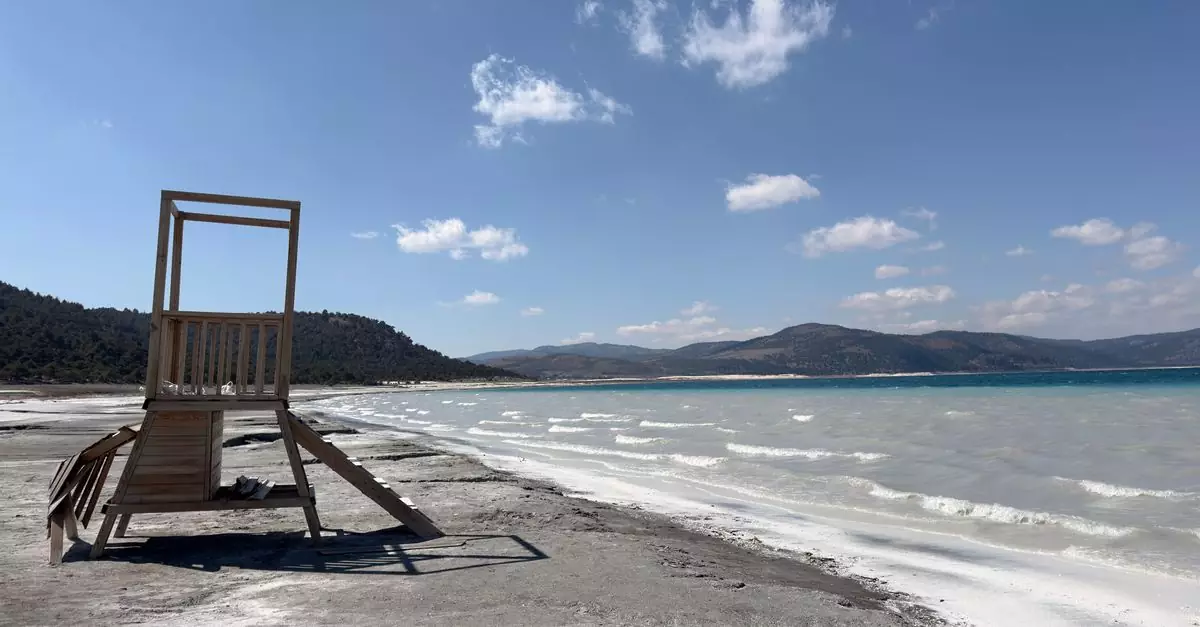
Often dubbed “Turkey’s Maldives,” Lake Salda in Burdur province is famous for its strikingly clear turquoise waters and white sandy shores. This crater lake is one of the deepest and cleanest in Turkey, with a unique mineral composition that gives its waters their distinctive color and therapeutic properties. The surrounding landscape is arid and rocky, creating a stark contrast with the vibrant blue of the lake.
The best time to experience Lake Salda’s allure is during the summer months when the water is warm enough for swimming and the skies are clear. However, visiting in the shoulder seasons of spring or autumn can offer a more tranquil experience with fewer crowds. Access is typically via car from nearby cities like Denizli or Antalya, with the drive taking around 2-3 hours. It’s important to note that regulations are in place to protect the lake’s delicate ecosystem, so visitors should adhere to designated areas.
Kızılırmak Delta Bird Sanctuary Lakes: A Birder’s Paradise
For ornithology enthusiasts and nature lovers, the lakes within the Kızılırmak Delta Bird Sanctuary near Samsun offer an unparalleled wildlife viewing experience. This vast wetland, formed by the Kızılırmak River as it meets the Black Sea, is a crucial stopover point for migratory birds and a permanent home to numerous species. The sanctuary comprises a mosaic of freshwater lakes, salt marshes, and sand dunes.
The best seasons for birdwatching are spring and autumn, coinciding with major migratory periods. However, the delta supports a diverse resident bird population year-round. Visitors can arrange guided tours or explore designated pathways, often by boat or on foot, to observe species like flamingos, pelicans, and various waterfowl. Its proximity to Samsun makes it a feasible day trip or a short overnight stay for those interested in Turkey’s rich biodiversity.
Planning Your Trip to Turkey’s Stunning Lakes
Turkey boasts a remarkable array of beautiful lakes, each offering a unique landscape and experience. From the vibrant blues of the Mediterranean coast to the serene, high-altitude waters of Anatolia, planning your visit to these natural wonders requires local insight. Understanding the best times to visit, how to navigate between these aquatic gems, and structuring your journey will ensure a memorable trip.
Best Time to Visit Turkey’s Beautiful Lakes for Optimal Scenery
The ideal timing for visiting Turkey’s lakes largely depends on your interests. Spring (April to June) and autumn (September to October) generally offer the most pleasant weather across the country. During these shoulder seasons, you’ll find moderate temperatures, fewer crowds, and vibrant natural colors.
Spring brings blooming wildflowers around many lakes, particularly in western and central Anatolia. Water levels are often at their highest, and the air is crisp and refreshing. Summer (July to August) can be very hot, especially in inland regions, making early mornings and late afternoons the best times for lakeside activities. However, summer is peak tourist season, so expect more people and higher prices.
Autumn offers a different kind of beauty. The foliage around lakes like Abant and Yedigöller transforms into stunning hues of red, orange, and gold, creating a picturesque setting. The weather remains mild, perfect for hiking and photography. Winter (November to March) can bring snow, transforming some lakes into ethereal, frozen landscapes, though accessibility can be challenging for some destinations.
Getting Around: Transportation Options to Reach Turkey’s Lakes
Reaching Turkey’s diverse lakes involves a mix of domestic flights, intercity buses, and private car rentals. The most efficient way to cover long distances is often by flying into a major city near your desired lake region. For example, flying into Istanbul or Ankara provides access to many central Anatolian lakes.
Once you arrive in a major city, intercity buses are a common and affordable way to travel to smaller towns near the lakes. Companies like Kamil Koç and Metro Turizm operate extensive networks. However, bus schedules can be limiting, and reaching more remote lakes might require multiple transfers.
Renting a car offers the greatest flexibility, especially if you plan to visit multiple lakes or explore off-the-beaten-path locations. Major car rental agencies are available at airports and in larger cities. This is particularly useful for exploring scenic routes around lakes like Salda or Beyşehir. Navigating Turkish roads is generally straightforward, but be prepared for winding mountain passes in some areas.
Here’s a general overview of common transportation methods:
| Transportation Mode | Pros | Cons | Best For |
|---|---|---|---|
| Domestic Flights | Fastest for long distances | Can be expensive; requires airport transfers | Reaching distant lake regions quickly |
| Intercity Buses | Affordable; extensive network | Slower; limited flexibility | Budget travelers; connecting major towns |
| Car Rental | Maximum flexibility and convenience | Higher cost; requires navigation skills | Exploring remote areas; lake hopping adventures |
| Local Taxis/Dolmuş | Convenient for short, local trips | Can be costly for longer distances | Getting around towns near lakes |
Crafting Your Itinerary: Lake Hopping Across Turkey
Designing an itinerary that includes several of Turkey’s beautiful lakes depends on your available time and interests. For a shorter trip, focusing on a specific region is advisable. For instance, a week could be dedicated to the lakes of western Turkey, including the stunning Salda Lake and the natural beauty surrounding Beyşehir Lake.
A more extensive itinerary might combine the volcanic crater lakes near Kars in the east with the renowned natural parks of Abant and Yedigöller in the northwest. This would likely require at least two weeks and a combination of domestic flights and car rental for efficient travel.
When planning your route, consider the distances involved. Traveling between distinct regions, such as from the Mediterranean coast to the Black Sea, can take a full day by road. Utilizing domestic flights can save significant travel time, allowing you to spend more days enjoying the lakeside scenery. For example, flying from Antalya to Istanbul can connect you to the northern lake regions more efficiently than a continuous road trip.
When mapping out your lake-hopping adventure, think about the type of experience you seek. Are you looking for tranquil natural parks for hiking and relaxation, or lakes with historical or geological significance? This will help you prioritize destinations and build a cohesive journey.
What to Do at Turkey’s Most Beautiful Lakes?

Turkey’s serene waters offer a diverse range of activities, from capturing breathtaking landscapes to engaging in outdoor adventures and finding moments of pure tranquility. Whether you’re a seasoned photographer, an avid hiker, or simply seeking a peaceful retreat, the country’s beautiful lakes provide an unforgettable experience.
Photography Hotspots: Capturing the Beauty of Turkish Lakes
The visual appeal of Turkey’s lakes makes them prime locations for photographers. Lake Van, the largest lake in Turkey, is renowned for its dramatic sunsets and the ancient Armenian churches on Akdamar Island, providing a unique blend of natural and historical subjects. The surrounding mountains create a stunning backdrop, especially during the spring bloom or autumn foliage.
Consider Lake Abant for its accessible beauty. This freshwater lake, surrounded by pine forests, is particularly photogenic in the early morning mist or when lightly dusted with snow during winter. Its easily navigable paths mean you can find numerous vantage points without extensive trekking. For those drawn to unique geological formations, Lake Salda, often called Turkey’s “Maldivian lake” due to its white sand and turquoise waters, presents an almost surreal photographic opportunity. The mineral-rich waters and the surrounding arid landscape create a striking contrast.
Activities for Nature Lovers: Hiking, Birdwatching, and Boating
Beyond their aesthetic charm, Turkey’s lakes are hubs for outdoor enthusiasts. Lake Beyşehir, located in a national park, offers excellent birdwatching opportunities. The lake and its surrounding wetlands are home to various waterfowl and migratory birds, making it a significant ecological area. Boat trips on Lake Beyşehir provide a tranquil way to observe diverse birdlife and appreciate the scale of this expansive lake.
For hikers, the mountainous terrain around many of these water bodies presents numerous trails. The areas surrounding Lake Yedigöller (Seven Lakes National Park) are a hiker’s paradise, with well-marked paths winding through dense forests connecting the individual lakes. Each lake within Yedigöller has its own character, offering varied scenery for day hikes. Lake Tortum, with its impressive waterfall cascading into the lake, is another location where hiking trails allow visitors to experience the power of nature up close. Boating is a popular pastime on many larger lakes, offering a different perspective of the landscapes. Kayaking or paddleboarding on calmer lakes like Lake Uluabat, a Ramsar site known for its rich biodiversity, can be a peaceful way to connect with nature.
Relaxation and Wellness: Lakeside Escapes in Turkey
The calming presence of water makes Turkey’s lakes ideal destinations for relaxation and wellness. Lake Sapanca, a popular weekend getaway for residents of Istanbul and Ankara, offers a range of lakeside resorts and spas. Visitors can enjoy spa treatments, yoga retreats, or simply unwind by the water’s edge. The gentle lapping of waves and the fresh air contribute to a rejuvenating atmosphere.
Lake Manyas, also known as Kuş Cenneti National Park, provides a serene environment for those seeking quiet contemplation. While it’s a significant bird sanctuary, it also offers peaceful spots for visitors to relax and enjoy the natural surroundings. The accessibility of many lakeside locations means that a tranquil escape is often within easy reach, even for those with limited time. Many hotels and guesthouses around these beautiful lakes in Turkey focus on providing a restorative experience, incorporating local natural elements into their wellness offerings.
Experiencing Local Culture and Cuisine Near Turkish Lakes
Beyond the visual splendor of Turkey’s lakes, a rich tapestry of local culture and culinary delights awaits. Engaging with the communities surrounding these serene waters offers a deeper appreciation of the region and its people. Understanding local customs and savoring regional dishes can transform a scenic visit into a truly immersive experience.
Must-Try Local Foods in the Lake Regions of Turkey
The culinary landscape around Turkey’s lakes is as diverse as its geography, often featuring fresh, locally sourced ingredients. Many dishes highlight the bounty of the land and water.
Near the Mediterranean and Aegean coasts, where saltwater lakes meet freshwater bodies, seafood often features prominently. Grilled sea bream or sea bass, seasoned simply with lemon and herbs, is a common and delicious option. Inland, particularly around regions like Lake Van, expect heartier fare. Dishes like Van Kahvaltısı, a lavish breakfast spread featuring local cheeses, olives, honey, eggs, and various breads, are legendary.
Don’t miss regional specialties like Gözleme, a savory Turkish flatbread often filled with cheese, spinach, or minced meat, cooked fresh on a griddle. In areas with abundant orchards, you’ll find fruit-infused desserts and jams. Local honey, especially from the Black Sea region, is also a must-try, often served with yogurt or as a sweet topping. Many lakeside towns have small, family-run restaurants, or lokantas, where you can sample authentic home-style cooking.
Charming Lakeside Towns and Villages to Explore
The appeal of Turkey’s lakes extends to the charming settlements that dot their shores. These towns and villages offer a glimpse into traditional Turkish life and provide a tranquil base for exploration.
Bolu and the surrounding region, near the picturesque Abant Lake, are known for lush green landscapes and serene atmospheres. The town itself offers a relaxed pace, with opportunities to enjoy nature walks and sample local trout.
Further east, Van provides a more historic experience. The city overlooks the vast Lake Van, Turkey’s largest lake. Exploring the ancient Van Castle and the Akdamar Island church offers rich cultural context to the stunning natural scenery. The city serves as a gateway to many smaller villages around the lake, where life moves at a slower rhythm.
For a more accessible option, towns near Eğirdir Lake in the Isparta province provide a pleasant base. Eğirdir town, with its old city walls and Ottoman-era houses, is particularly attractive. The lake itself is known for its clear waters and the small islands accessible by boat.
When planning your visit, consider the size and type of settlement that best suits your travel style. Larger towns offer more amenities and dining options, while smaller villages provide a more authentic and peaceful retreat.
| Destination Aspect | Bolu Region | Van City & Surroundings | Eğirdir Town |
|---|---|---|---|
| Atmosphere | Serene, nature-focused | Historic, culturally rich | Relaxed, traditional |
| Amenities | Moderate | Good | Moderate |
| Activities | Nature walks, relaxation | Historical sites, lake tours | Lakeside activities, town exploration |
| Food Focus | Trout, local produce | Regional breakfast, hearty meals | Fresh lake fish, local fruits |
Understanding Local Etiquette and Customs
Interacting respectfully with local communities enhances your travel experience and fosters positive connections. While Turkey is generally welcoming to tourists, understanding a few key customs can be very helpful.
When visiting homes or smaller establishments, it’s customary to remove your shoes before entering. If invited for tea or coffee, accepting is a gesture of politeness. While not mandatory, learning a few basic Turkish phrases like “Merhaba” (Hello) and “Teşekkürler” (Thank you) is always appreciated and can go a long way in building rapport.
Dress modestly when visiting religious sites, such as mosques. This typically means covering your shoulders and knees. Women may also need to cover their heads; scarves are often available for use at the entrance.
Public displays of affection are generally more reserved in Turkey compared to many Western countries. While holding hands is common, more intimate gestures might draw attention. Patience and a friendly demeanor are key when navigating cultural differences. For broader context on the region, you can refer to resources like BBC News on the Middle East.
Frequently Asked Questions About Turkey’s Beautiful Lakes
Are Turkey’s lakes safe for swimming?
Safety for swimming varies significantly by lake and season. Many of Turkey’s beautiful lakes, particularly those in national parks or designated recreational areas, are safe and popular for swimming during the summer months. Lakes like Salda, known for its clear turquoise waters, are generally safe, though it’s wise to check local advisories. Avoid swimming in areas with strong currents, unclear water, or near industrial outflow. Always be aware of your surroundings and swim with a buddy.
What kind of wildlife can I expect to see near these lakes?
The wildlife around Turkey’s lakes is diverse, reflecting the varied ecosystems. Birdwatchers will find abundant species, especially at wetlands and lakes known for migratory routes. Expect to see various waterfowl, herons, and kingfishers. Larger mammals are less commonly seen by casual visitors, but areas surrounding lakes in more remote or forested regions might host deer, wild boar, and foxes. Reptiles and amphibians are also common, particularly near marshy areas. While most wildlife is shy, it’s important to maintain a respectful distance. For more information on regional wildlife, you can consult resources about the Middle East.
What should I pack for a trip focused on visiting lakes in Turkey?
Packing for a lake-focused trip in Turkey requires a mix of essentials for both relaxation and outdoor activity. Lightweight, quick-drying clothing is advisable for warmer months, along with swimwear. A good pair of walking shoes or hiking boots is crucial if you plan to explore the surrounding landscapes. Don’t forget sun protection: a wide-brimmed hat, sunglasses, and high-SPF sunscreen are essential, as sun intensity can be high, especially near water. Insect repellent is recommended, particularly for evenings. A reusable water bottle is also a good idea, as staying hydrated is key. Consider bringing binoculars for wildlife viewing and a waterproof bag to protect electronics near the water.