For those seeking an adrenaline rush paired with stunning views, few experiences compare to climbing a bridge. These engineering marvels offer a unique perspective, turning familiar cityscapes and natural wonders into new experiences. Taking on one of the world’s top adventure bridge climbs allows you to test your limits, appreciate remarkable architecture, and forge unforgettable memories. This guide highlights some of the most iconic and thrilling bridge climbs, detailing what makes each special. You’ll find essential tips on what to expect, how to prepare, and how to select the perfect climb for your adventurous spirit.
Top 5 Thrilling Bridge Climbs for Adrenaline Junkies
For those who crave elevation and a sense of accomplishment, climbing a bridge provides an extraordinary perspective and an unforgettable experience. These structures, often architectural masterpieces, grant access to panoramic views and a profound sense of achievement. From iconic cityscapes to expansive natural vistas, the world’s best adventure bridge climbs cater to various thrill-seekers.
Sydney Harbour Bridge Climb: An Iconic Australian Experience
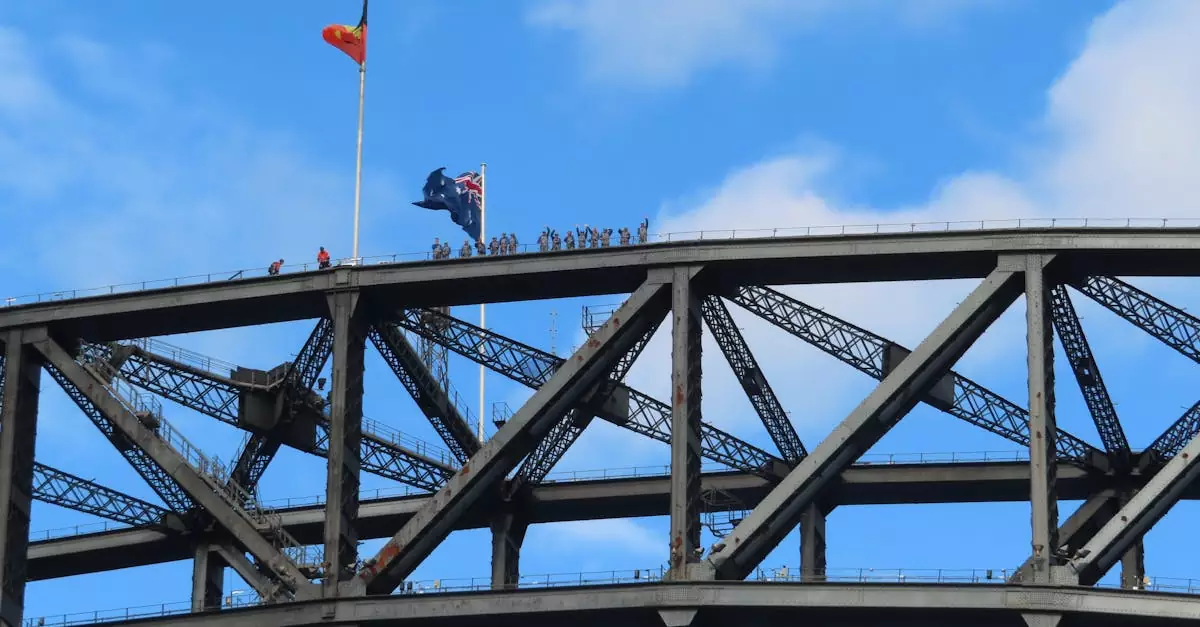
The Sydney Harbour Bridge Climb is arguably the most renowned bridge climb globally, offering an unmatched journey over this beloved landmark. Climbers ascend a series of catwalks and ladders, guided by experienced leaders, to reach the summit, 134 meters above the harbor. The climb culminates in breathtaking 360-degree views of Sydney, including the Opera House and the bustling city center.
- Best Time to Visit: Climbs are available year-round, but dawn and twilight ascents provide particularly spectacular lighting for photography.
- What to Expect: The climb lasts approximately 3.5 hours and requires moderate physical exertion. All safety equipment is provided.
- Logistics: Bookings are essential and should be made well in advance, especially during peak seasons. Various climb types are offered, including day, twilight, and night climbs.
The Auckland SkyJump & Bridge Climb: New Zealand’s Extreme Adventure
Auckland, New Zealand, presents an exhilarating option for adrenaline enthusiasts with the SkyJump and the SkyWalk around the Sky Tower. While not a traditional bridge, the SkyWalk provides a similar experience of walking around a high-altitude structure with stunning views. For an even greater thrill, the SkyJump allows participants to leap from the tower, reaching speeds of up to 85 km/h.
- Activity Types: SkyWalk (a guided walk around the Sky Tower observation deck) and SkyJump (a controlled freefall from the Sky Tower).
- Location: Auckland Sky Tower, which offers panoramic views of the city and Hauraki Gulf.
- Considerations: Both activities are highly weather-dependent. The SkyJump is for those seeking extreme thrills, while the SkyWalk offers a less intense but still exhilarating high-altitude experience.
Millau Viaduct Climb, France: Soaring Above the Tarn Valley
The Millau Viaduct in southern France, the tallest bridge in the world, offers a rugged and natural adventure. While official climbs are less frequent than in major cities, guided expeditions can provide access to the structure’s impressive scale. Participants can appreciate the engineering feat while surrounded by the dramatic landscapes of the Tarn Valley.
- Scenery: Dramatic views of the Tarn River and the surrounding French countryside.
- Activity: Primarily focused on guided expeditions rather than regular public climbs, offering a unique, less commercialized experience.
- Travel Tip: Research local tour operators who specialize in adventure activities in the Aveyron region for potential Viaduct access opportunities.
Capilano Suspension Bridge Park, Canada: A Rainforest Adventure
Located in North Vancouver, British Columbia, Capilano Suspension Bridge Park offers a different kind of bridge adventure, immersed in nature. The park features the iconic Capilano Suspension Bridge, which sways gently 70 meters above the Capilano River. Beyond the main bridge, visitors can explore Treetops Adventure, a series of suspension bridges connecting ancient trees, and the Cliffwalk, a cantilevered walkway clinging to a granite cliff.
- Environment: Lush temperate rainforest setting with towering old-growth trees.
- Activities: Suspension bridge crossing, Treetops Adventure, Cliffwalk, and rainforest trails.
- Accessibility: The park is easily accessible from Vancouver and provides a family-friendly adventure with moderate physical activity.
Climb the Brooklyn Bridge: New York City Views from Above
Walking or cycling across the Brooklyn Bridge is a quintessential New York City experience, offering stunning views of the Manhattan skyline. While not a guided climb like the Sydney Harbour Bridge, ascending to the bridge’s pedestrian walkway provides a remarkable vantage point. The Gothic Revival towers and intricate steel cables are architectural marvels, and the panoramic vistas are world-class.
- Best Views: Approach from the Brooklyn side for the most iconic Manhattan skyline panorama.
- Logistics: The pedestrian walkway is accessible from both Manhattan and Brooklyn. It can get crowded, especially during peak tourist seasons.
- Travel Advice: Consider visiting early in the morning or later in the evening to avoid large crowds and capture beautiful light over the city.
What to Expect on a Bridge Climb Adventure
Embarking on a bridge climb is more than just a scenic walk; it’s an immersive adventure that tests your mettle and rewards you with unparalleled views. These guided ascents are designed to be accessible to most fitness levels, but understanding the demands and preparations involved is key to a successful and enjoyable experience. From mandatory safety briefings to the physical effort required, each element contributes to the thrill and accomplishment of conquering an iconic structure.
Safety Briefings and Gear for Bridge Climbs
Safety is paramount on any bridge climb. Before stepping onto the structure, you’ll participate in a comprehensive safety briefing. This session covers crucial information about your harness, safety lines, and emergency procedures. You’ll learn how to move securely along designated pathways and what to do in various scenarios.
The gear provided is designed for both safety and comfort. This typically includes a full-body harness, a helmet, and a safety tether that connects you to a continuous cable or rail system. You’ll also receive a high-visibility vest. Wear comfortable, closed-toe shoes with good grip, as you’ll be ascending metal stairs and walkways. Many operators have specific footwear requirements, so check their guidelines in advance.
Physical Demands of Ascending Iconic Structures
While bridge climbs are generally accessible, they do require a moderate level of physical fitness. You should be comfortable with heights and able to walk for an extended period, often uphill and on uneven surfaces. The ascents typically involve climbing stairs, sometimes steep ones, and navigating walkways exposed to the elements.
Participants should be able to stand for the duration of the climb, which can range from 1.5 to 3.5 hours depending on the specific bridge and tour. Climbing involves using your legs and arms, and you’ll need to ascend and descend stairs independently. Individuals with significant mobility issues, heart conditions, or severe fear of heights may find these climbs challenging. Always consult your doctor if you have any pre-existing health concerns before booking.
Capturing Unforgettable Moments: Photography on Bridge Climbs
The panoramic views from the tops of these magnificent structures are breathtaking, and you’ll want to capture them. However, photography rules can vary significantly between different bridge climb operators. Many locations allow you to bring your own camera or smartphone, provided it is securely tethered to your person, typically with a wrist strap or lanyard.
Some tours offer professional photography services, where guides take high-quality photos of you and your group throughout the climb. These packages are often available for purchase after the experience. If you plan to take your own photos, ensure your camera has a secure strap. Loose items are generally not permitted, as they pose a safety risk. Be prepared for strong winds at higher elevations, which can make steadying your camera a challenge.
Planning Your Bridge Climb Itinerary: Essential Tips
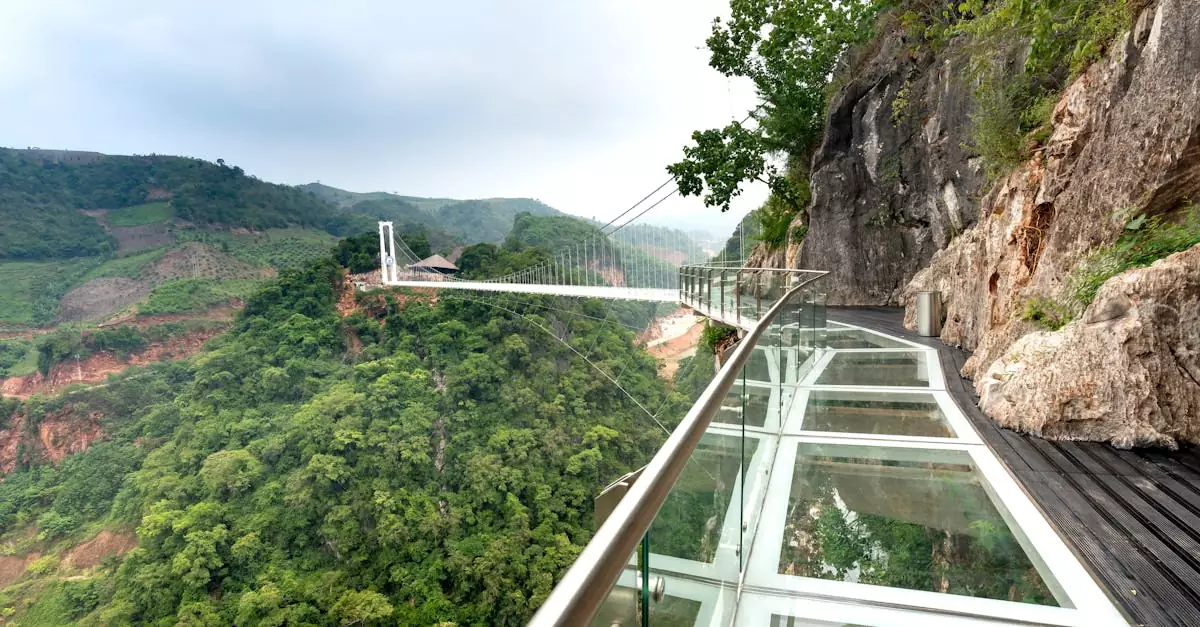
Embarking on a bridge climb offers a unique perspective and an unforgettable adventure. To maximize your experience, careful planning is essential. This section provides practical advice to help you organize your climb, from booking and timing to understanding what the experience entails.
Booking Your Bridge Climb: When to Reserve Your Spot
Securing your spot on a bridge climb often requires advance booking, especially for popular climbs during peak seasons. For iconic structures like the Sydney Harbour Bridge, it’s advisable to book several weeks or even months ahead, particularly if you’re targeting specific dates or times, such as weekends or holidays. Consider the time of year; while many bridge climbs operate year-round, some locations may have weather-dependent closures or reduced availability during their off-season. Research the specific requirements for your chosen climb. Some operators offer flexible booking options, while others have strict cancellation policies.
Best Times of Day for Bridge Climbs: Sunrise vs. Sunset Views
The time of day you choose for your bridge climb significantly impacts the views and overall atmosphere. Sunrise climbs offer a serene experience with fewer crowds and the dramatic spectacle of the sun rising over the cityscape, providing stunning photographic opportunities. Sunset climbs allow you to witness the transition from daylight to twilight, often culminating in the twinkling city lights below. This vibrant view is a popular choice. Midday climbs generally offer the clearest views but can be hotter and busier.
Many travelers find the golden hours around sunrise and sunset to be the most rewarding. However, availability for these popular slots can be limited, so book early.
Duration of Bridge Climbs and What’s Included
The length of a bridge climb varies depending on the specific structure and chosen package. Most organized bridge climbs, such as those on the Sydney Harbour Bridge, typically last between 2 to 3.5 hours. This duration includes safety briefings, the ascent, time spent at the summit for photos and information, and the descent.
What’s typically included in the price of a bridge climb:
- Guided Tour: A knowledgeable guide will lead you, providing historical and cultural insights about the bridge and its surroundings.
- Safety Equipment: You’ll receive all necessary safety gear, including a harnessed suit, helmet, and communication device.
- Photo Opportunities: Designated spots usually allow for breathtaking photos, often with professional photos available for purchase.
- Commemorative Item: Some packages include a small souvenir or certificate of completion.
Check the specifics of your booking to understand exactly what is covered. Some climbs may offer different tiers, with longer or more exclusive experiences at a higher price point. For instance, a standard climb might focus on the main arch, while a premium option could include additional access or a more extended summit stay.
Beyond the Climb: Exploring the Surroundings
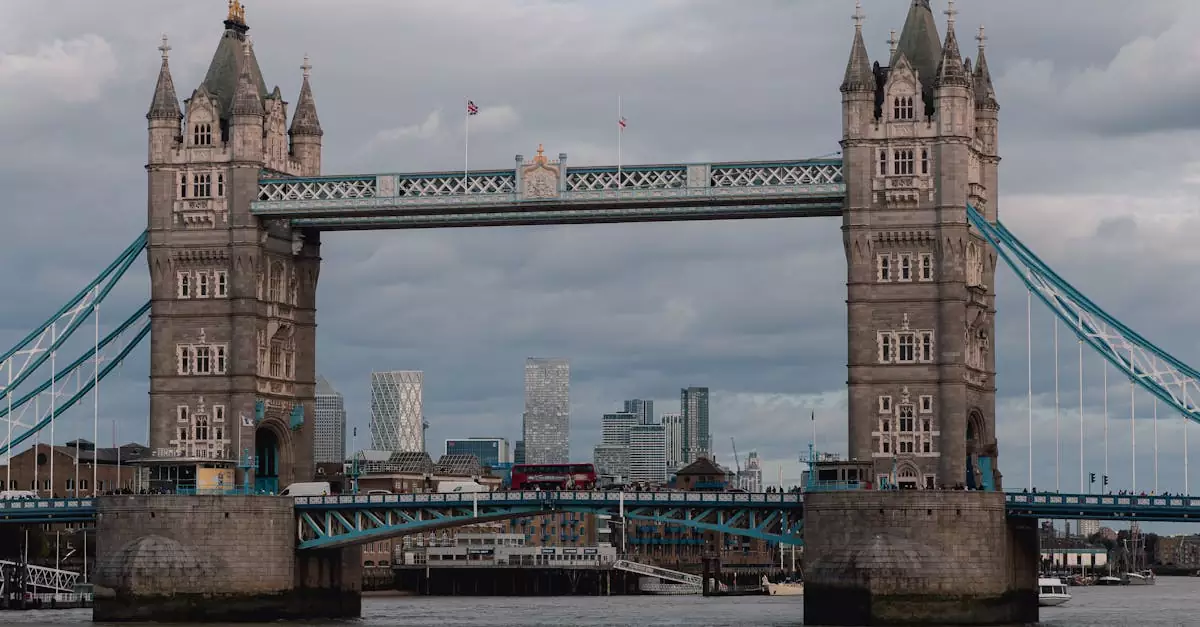
A bridge climb is an unforgettable experience, but the adventure doesn’t have to end upon descent. Many of the world’s premier bridge climbs are situated in or near vibrant cities and breathtaking natural landscapes, offering ample opportunities for further exploration. Integrating these climbs into a broader itinerary can transform a single thrilling activity into a comprehensive travel experience.
Sydney’s The Rocks Neighborhood: History and Views
The Sydney Harbour Bridge climb offers more than panoramic city vistas; it provides a unique perspective on one of Sydney’s most historic districts. After your ascent, descend into The Rocks, a cobblestoned precinct that marks the landing site of the First Fleet in 1788. Here, you can immerse yourself in Australia’s colonial past by visiting the Museum of Contemporary Art Australia or exploring the weekend markets for local crafts and souvenirs.
Getting to The Rocks from the bridge climb is a short walk, allowing you to transition seamlessly from heights to historic streets. The area is also a hub for dining, with numerous pubs and restaurants offering everything from casual pub fare to fine dining. Consider visiting on a Friday, Saturday, or Sunday to experience the vibrant market atmosphere.
Auckland City Exploration: From Sky Tower to Waterfront
While Auckland doesn’t feature a direct bridge climb in the same vein as Sydney or Brisbane, its proximity to the Sky Tower offers a comparable adrenaline rush with stunning city and harbor views. For those seeking a more traditional bridge experience, the Harbour Bridge Bungy and Bridge Climb provide thrilling alternatives. After your chosen adventure, Auckland city awaits.
The Sky Tower is a landmark that offers observation decks and fine dining, providing a different kind of elevated perspective. Alternatively, explore the Viaduct Harbour, a bustling waterfront precinct filled with restaurants, bars, and superyachts. Ferry services from the downtown terminal can whisk you away to charming islands like Waiheke, known for its vineyards, or Rangitoto, a volcanic island offering hiking trails and coastal walks.
Millau: Discovering the Tarn Gorge Region
The Millau Viaduct in France is an engineering marvel, and while direct climbs are not offered to the public, the surrounding Tarn Gorge region provides a wealth of adventure and natural beauty. This area is a paradise for outdoor enthusiasts, with opportunities for kayaking, canoeing, and hiking amidst dramatic limestone cliffs and picturesque villages.
Driving through the gorge offers spectacular viewpoints of the viaduct from below and along the winding river. Consider staying in one of the charming villages like Sainte-Enimie, a historic settlement nestled along the Tarn River. The region is best explored by car, allowing you the flexibility to stop at scenic overlooks and discover hidden trails. The summer months are ideal for water activities, while autumn offers stunning foliage.
Vancouver’s North Shore: Beyond Capilano Suspension Bridge
Vancouver’s North Shore is synonymous with suspension bridges, most famously the Capilano Suspension Bridge. While a climb over this particular bridge isn’t offered, the area is a gateway to numerous hiking trails and natural attractions. For a different kind of elevated experience, consider the Grouse Grind, a strenuous hike up Grouse Mountain, or take the Skyride gondola for panoramic views.
Beyond the bridges, the North Shore boasts attractions like Lynn Canyon Park, which features its own suspension bridge and is free to access, offering a more natural and less commercialized experience. Stanley Park, easily accessible from downtown Vancouver, offers miles of seawall paths for cycling and walking, with stunning views of the water and city skyline. The temperate rainforest environment makes the North Shore a year-round destination for outdoor activities, though spring and summer are best for hiking.
Are Bridge Climbs Worth the Cost?
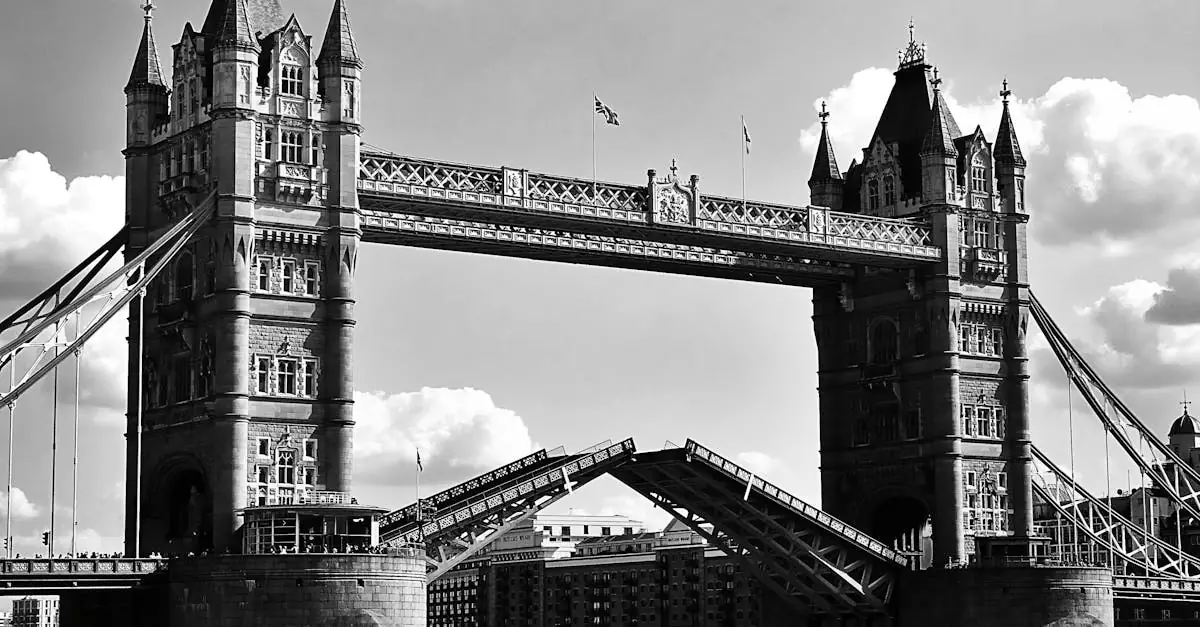
Embarking on a bridge climb offers a unique perspective and an unforgettable adventure, but these experiences come with a price tag. Understanding the value proposition and budgeting effectively is key to making your chosen climb a worthwhile investment in your travels.
Comparing Bridge Climb Prices Worldwide
The cost of a bridge climb can vary significantly depending on the city, the iconic status of the structure, and the duration of the tour. Climbs in major global cities tend to be more expensive due to higher operational costs and demand. For instance, a climb up the Sydney Harbour Bridge in Australia typically costs more than some lesser-known or shorter bridge ascent experiences.
| Bridge Climb Location | Approximate Price Range (USD) | Duration (Hours) |
|---|---|---|
| Sydney Harbour Bridge | $250 – $400 | 3 – 3.5 |
| Brooklyn Bridge (NYC) | $150 – $250 | 2 – 2.5 |
| Eiffel Tower (Paris) | Varies (access to levels) | N/A |
| Golden Gate Bridge | Not officially offered | N/A |
Note: Prices are estimates and can fluctuate based on season, time of day, and specific package chosen.
Value for Money: What Makes a Bridge Climb a Bucket List Item?
Beyond the price, the true value of a bridge climb lies in the unparalleled views, the sense of accomplishment, and the unique narrative it offers. These aren’t just walks; they are guided expeditions that delve into the history and engineering marvels of these iconic structures. The panoramic vistas from the summit are often breathtaking, providing photo opportunities and memories that standard sightseeing cannot match. For many, conquering a famous bridge represents a personal challenge and a significant travel highlight, justifying the expenditure for the sheer experience.
Budgeting for Your Bridge Climb Trip
When planning your adventure, consider more than just the ticket price. Transportation to and from the climb site, potential accommodation costs if traveling from afar, and any associated fees should also be factored in. Booking in advance is often recommended, as popular climbs can sell out, and sometimes early bookings offer slight discounts. Researching different tour operators and package options can help you find the best value for your budget. Consider combining your bridge climb with other local attractions to maximize your trip’s overall experience without significantly increasing the climb’s individual cost.
Frequently Asked Questions About Adventure Bridge Climbs
What is the most challenging bridge climb in the world?
Determining the “most challenging” bridge climb depends on individual fitness, fear of heights, and the specific metrics used, such as vertical gain or technical difficulty. However, climbs like the Sydney Harbour Bridge Climb in Australia offer significant ascents and exposure, providing a demanding yet rewarding experience. Some climbs may incorporate more strenuous routes or have stricter safety protocols that add to the perceived challenge.
Can children participate in bridge climbs?
Age restrictions for bridge climbs vary significantly by operator and location. Many bridge climb experiences, such as those on the Sydney Harbour Bridge, have minimum age requirements, often around 10-13 years old, and may require adult supervision. It’s crucial to check the specific operator’s guidelines regarding age, height, and weight limits before booking. Safety is paramount, and operators ensure participants meet the necessary physical criteria.
What are the weather considerations for bridge climbs?
Weather plays a significant role in the safety and enjoyment of bridge climbs. Operators typically monitor conditions closely and may cancel or postpone climbs due to high winds, heavy rain, lightning, or extreme heat. It’s advisable to book climbs during seasons with more stable weather patterns. For instance, spring and autumn often offer milder temperatures and less unpredictable conditions in many regions. Always check the local weather forecast for your chosen climb date and be prepared for potential changes.
What should I wear for a bridge climb?
Comfortable, practical clothing is essential for a bridge climb. Most operators recommend wearing long pants or comfortable shorts that allow for easy movement, and a long-sleeved shirt is often advised for sun protection and to prevent chafing from safety harnesses. Sturdy, enclosed footwear with rubber soles, like hiking shoes or trainers, is mandatory; sandals, high heels, or slip-on shoes are not permitted. Many operators provide safety gear, including harnesses and helmets, which you’ll wear over your clothing. Avoid loose jewelry or anything that could snag.