For anglers dreaming of their next great adventure, discovering the best fishing lodges worldwide opens the door to unparalleled experiences. These premier destinations combine challenging sport with exceptional comfort, granting access to some of the planet’s most pristine waters and elusive trophy fish. Whether you envision casting for salmon in the remote Alaskan wilderness, stalking trout in Patagonian rivers, or battling marlin in tropical seas, the right lodge enhances the entire journey. This guide explores a curated selection of exceptional lodges, highlighting what makes them unique, the fishing opportunities they offer, and tips for planning your ultimate escape. Prepare to immerse yourself in breathtaking landscapes and world-class fishing that promises unforgettable memories.
Top-Tier Fishing Lodges for the Discerning Angler
For anglers seeking the ultimate adventure, a well-chosen fishing lodge offers more than just a place to stay; it provides access to world-class waters, expert guidance, and unparalleled comfort. These destinations cater to those who appreciate the finer aspects of a fishing trip, from the quality of the catch to the serenity of the surroundings. The best fishing lodges in the world are where the pursuit of trophy fish is matched by exceptional hospitality.
Luxury Fly-Fishing Retreats in Patagonia
Patagonia, spanning the southern tip of South America, is a legendary destination for fly-fishing, particularly for brown and rainbow trout in its pristine rivers and lakes. Lodges here often focus on high-end experiences, blending challenging fishing with gourmet dining and luxurious accommodations. Many are all-inclusive, covering gourmet meals, fine wines, guided fishing excursions, and transfers from local airports.
The prime season for fly-fishing in Patagonia generally runs from November through April, coinciding with the Southern Hemisphere’s summer and autumn. Expect dramatic landscapes of snow-capped mountains, glaciers, and turquoise waters. While accessible by commercial flights to cities like El Calafate or Bariloche, reaching the more remote lodges often requires private transfers or small aircraft. Budget for these trips can be significant, reflecting the exclusivity and remoteness of the experience.
Remote Arctic Char Lodges in Greenland
Greenland offers some of the planet’s most remote and untouched fishing opportunities, particularly for Arctic char. These vibrant fish inhabit cold, clear waters, and fishing for them in such a starkly beautiful environment is unforgettable. Lodges in Greenland are typically rustic yet comfortable, designed to withstand the elements while providing a warm base for anglers.
The fishing season for Arctic char is short, typically from July to September, when the ice has receded enough to access prime fishing locations. Travel to Greenland usually involves flights to Kangerlussuaq or Nuuk, followed by charter flights or boat transfers to the lodges. Visitors should be prepared for unpredictable weather, even in summer, and pack accordingly. The remoteness contributes to higher costs, but the chance to fish for abundant, healthy Arctic char in pristine wilderness is unparalleled. Safety is paramount, and lodges work with experienced guides who understand local conditions.
World-Class Salmon Rivers in Alaska’s Wilderness
Alaska is synonymous with salmon fishing, boasting iconic rivers teeming with king, sockeye, coho, and pink salmon. The wilderness setting, featuring vast forests, glaciers, and abundant wildlife, adds to the allure. Many lodges are situated along prime riverfronts, offering guided trips that target specific salmon runs. Options range from comfortable, family-friendly lodges to more rugged, fly-in camps accessible only by floatplane.
The best time to fish for salmon in Alaska varies by species and river, but generally, the peak season runs from June through September. Each river system has its own unique timing for the different salmon runs. Getting to these lodges often involves flying into major Alaskan hubs like Anchorage or Juneau, then taking a smaller charter flight to the lodge’s airstrip or a nearby drop-off point. Expect a variety of accommodation styles and price points, but an all-inclusive package is common for remote lodges.
Big Game Fishing Resorts in the Seychelles
For anglers targeting powerful offshore species, the Seychelles archipelago in the Indian Ocean is a premier destination for big game fishing. Marlin, tuna, sailfish, and wahoo are among the prized catches. Resorts here typically offer a blend of high-end accommodation, world-class dining, and access to state-of-the-art sportfishing boats captained by experienced crews.
The prime season for big game fishing in the Seychelles generally runs from September to May, with specific months often better for certain species. The warm, clear waters surrounding the islands attract pelagic fish. Access is via flights to Mahé International Airport (SEZ), followed by boat transfers or short inter-island flights to reach specific resorts or charter operations. The cost reflects the tropical luxury and the pursuit of some of the ocean’s most challenging game fish.
Choosing Your Ultimate Fishing Lodge Experience
Selecting the right fishing lodge is crucial for an unforgettable angling adventure. The “best fishing lodges world” offer more than just access to prime fishing spots; they provide a complete experience tailored to your preferences. Consider what truly matters to you: the type of fish you want to catch, the remoteness of the location, the level of luxury, or the specific activities available.
What to Look for in the Best Fishing Lodges Worldwide
When evaluating potential lodges, prioritize those with a proven track record and excellent reviews. Look for experienced guides who know the local waters intimately and can help you land your target species. High-quality, well-maintained equipment is also a good indicator of a professional operation. Beyond fishing, consider the lodge’s amenities, such as comfortable accommodations, delicious cuisine, and opportunities for relaxation. The best lodges often blend world-class fishing with superior hospitality.
All-Inclusive Packages vs. DIY Fishing Trips
The decision between an all-inclusive package and a do-it-yourself approach depends heavily on your budget and desired level of convenience. All-inclusive packages typically cover lodging, meals, guided fishing trips, and sometimes even transportation from a local airport. This option simplifies planning and budgeting, allowing you to focus entirely on fishing.
A DIY trip, on the other hand, offers more flexibility and can be more cost-effective if you’re comfortable arranging your own accommodations, meals, and guides. This approach is often favored by experienced anglers who prefer to customize their itinerary and explore independently. However, it requires more research and logistical planning.
Family-Friendly Fishing Lodge Options
Many lodges cater specifically to families, offering activities and amenities that appeal to all ages. These locations often provide calmer waters, easier fishing opportunities for beginners, and non-fishing activities like hiking, swimming, or wildlife viewing. Look for lodges with kids’ programs, spacious family suites, and a welcoming atmosphere. Ensuring everyone in the family has a great time, whether they’re avid anglers or not, is crucial for a successful family vacation.
Solo Angler Adventures at Exclusive Lodges
For the solo angler, exclusive lodges can offer a chance to immerse oneself in prime fishing environments without distractions. These lodges often provide a high level of personalized service, ensuring that even a single guest receives top-notch guidance and attention. You might find yourself sharing the experience with like-minded individuals, creating opportunities for camaraderie, or enjoying the solitude of a remote wilderness. Lodges specializing in trophy fishing or specific species often attract serious anglers seeking a challenging and rewarding solo trip.
Where to Find the Best Fishing Lodges for Specific Species
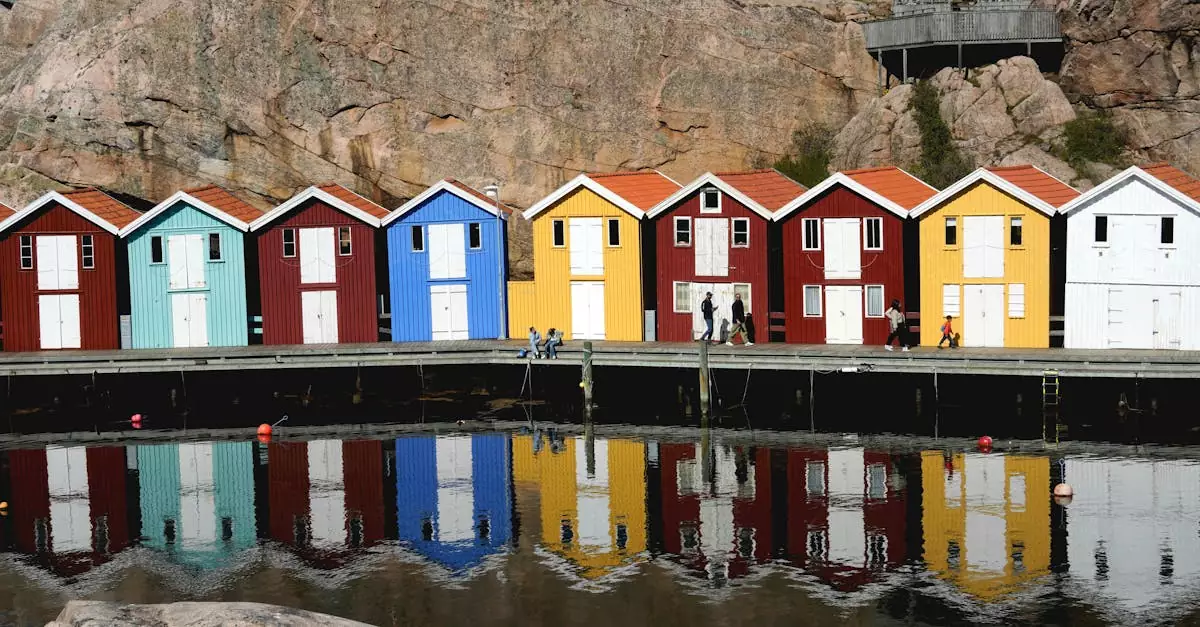
Choosing a fishing lodge often comes down to the species you hope to catch. Different regions of the world offer distinct opportunities for anglers seeking specific trophy fish. Understanding these regional strengths can help narrow your search for the best fishing lodges worldwide.
Prime Destinations for Trophy Trout and Salmon
For anglers targeting impressive trout and salmon, consider the Pacific Northwest of North America or the wild rivers of Scandinavia. Alaska’s remote rivers are renowned for king salmon and trophy rainbow trout, with lodges accessible via floatplane offering unparalleled wilderness experiences. British Columbia also boasts exceptional salmon runs and steelhead fishing. In Europe, Iceland’s pristine rivers provide world-class Atlantic salmon fishing, often set against stunning volcanic landscapes.
Timing is crucial for salmon and trout. The peak seasons generally align with spawning runs, typically from late summer through fall in North America and early summer to mid-fall in Iceland. Lodges in these regions often range from rustic cabins to luxurious wilderness retreats, with prices reflecting the exclusivity and remoteness.
Hotspots for Marlin and Tuna in Tropical Waters
When targeting powerful billfish like marlin or large tuna species, tropical and subtropical oceans are prime destinations. The Great Barrier Reef in Australia, Panama’s Pacific coast, and the waters off Kona, Hawaii, are legendary for their marlin populations. These locations offer deep-sea fishing charters and lodges catering to big game anglers.
The peak season for marlin varies by location, but many hotspots experience prime fishing during the warmer months. For tuna, particularly giant bluefin, the waters off Nova Scotia, Canada, and the Azores in the Atlantic are world-class. These trips often involve dedicated sportfishing boats and experienced captains who know the best fishing grounds.
Accommodation options range from beachfront resorts with private docks to exclusive island lodges. Budget considerations are significant, as charter costs and travel to remote tropical locations can be substantial. Safety is paramount when deep-sea fishing; always choose reputable operators with excellent safety records.
Seeking Permit and Bonefish in the Caribbean
The shallow, clear waters of the Caribbean are a fly angler’s paradise for permit and bonefish. Destinations like the Florida Keys, Belize, the Bahamas, and the Yucatan Peninsula in Mexico offer incredible flats fishing. Lodges here often specialize in fly-fishing and provide experienced guides skilled at spotting these elusive fish.
The best time for bonefishing is generally year-round, though wind conditions can impact sight-fishing success. Permit fishing can be more seasonal, with many anglers targeting them during spring and fall. Lodges range from small, intimate operations to larger resorts, with many offering all-inclusive packages that include accommodation, meals, guided fishing trips, and sometimes even transportation from local airports.
The laid-back atmosphere of these destinations complements the focused pursuit of these challenging sportfish. While not as physically demanding as deep-sea fishing, the precision and patience required make it a rewarding pursuit for many anglers.
Exploring Pike and Zander Fishing in Scandinavia
For freshwater predators like pike and zander, the lakes and rivers of Europe, particularly Scandinavia, offer exceptional angling. Sweden, Finland, and parts of Norway are dotted with thousands of lakes teeming with large pike. These destinations are ideal for anglers who enjoy casting large lures or flies for aggressive predators.
The prime season for pike and zander fishing typically runs from late spring through early fall. Many lodges are situated directly on the water, offering easy access to prime fishing spots. Some lodges provide boat rentals and fishing equipment, while others focus on guided excursions.
These trips often involve a more rustic or self-sufficient style of travel, with lodges ranging from simple cabins to comfortable guesthouses. The natural beauty of the Scandinavian wilderness, with its vast forests and clear waters, enhances the appeal of these fishing adventures. Budget-wise, these destinations can be more accessible than some tropical or remote North American options, especially when considering self-guided trips.
When is the Best Time to Visit the World’s Best Fishing Lodges?
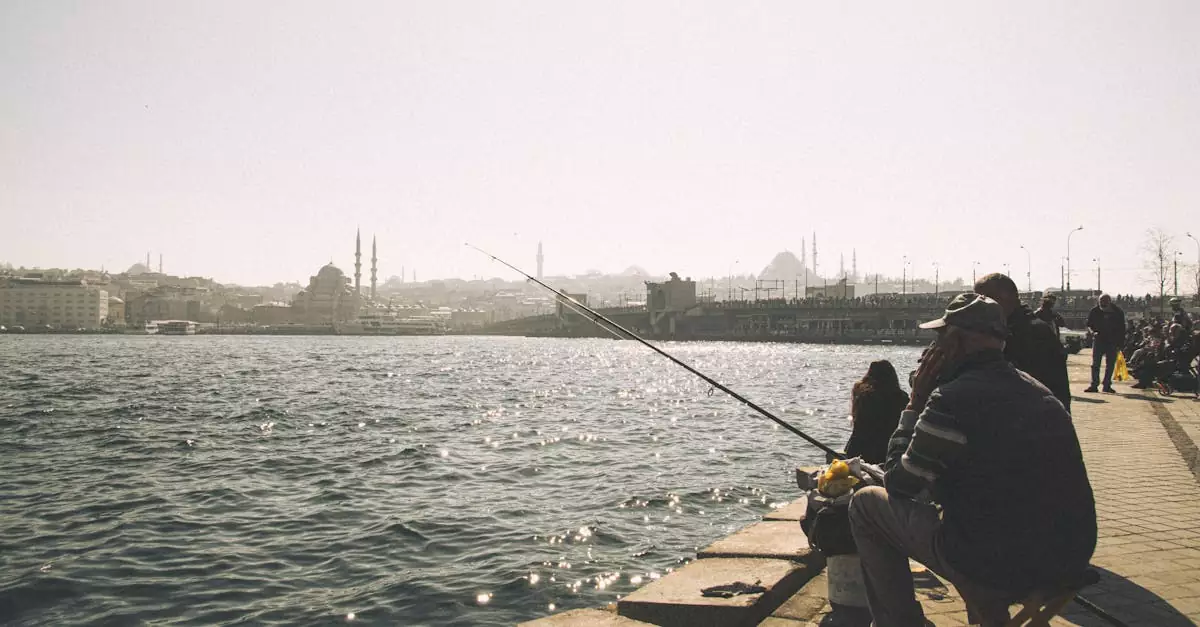
Timing your visit to the world’s best fishing lodges is crucial for maximizing your chances of a successful and memorable angling adventure. Different species and ecosystems have distinct peak seasons, influenced by water temperatures, breeding cycles, and migratory patterns. Understanding these nuances will help you choose the right destination at the right time.
Seasonal Peaks for Atlantic Salmon Runs
For anglers targeting Atlantic salmon, timing is everything. The prime season varies significantly by river and region, often dictated by the specific salmon run. In Europe, rivers in Norway and Scotland typically see their best salmon fishing from late spring through autumn. Early season (May-June) can offer larger, fresh-run fish, while late summer and early fall (August-October) often bring increased numbers and a variety of salmon species. Research specific river systems, as some might have distinct spring and fall runs, providing multiple opportunities throughout the year.
Optimal Seasons for Tropical Saltwater Fishing
Tropical saltwater destinations, renowned for species like marlin, tuna, and permit, offer year-round fishing opportunities but with distinct high and low seasons. The dry season in many tropical locales generally provides clearer water, calmer seas, and predictable weather, making it ideal for offshore and flats fishing. For example, Caribbean destinations often experience their best sportfishing from December to May, coinciding with calmer seas and migratory patterns of pelagic species. Similarly, Pacific islands may have peak seasons influenced by specific baitfish migrations that attract larger predators.
Best Months for Trout Fishing in Mountain Rivers
Mountain rivers, particularly those famed for wild trout, often have a more defined optimal fishing window. The prime time usually begins once the snowmelt subsides and water temperatures rise to comfortable levels for trout, typically from late spring through early autumn. In many North American mountain ranges, June through September offers excellent conditions. Early season can present higher, faster water, while mid-summer often brings lower, clearer flows, ideal for dry fly fishing. As autumn approaches, the changing foliage creates a picturesque backdrop, and the pre-spawn aggression of trout can lead to exciting fishing.
Winter Ice Fishing Opportunities
While many associate fishing with warmer months, winter opens up unique angling experiences at certain lodges, particularly those offering ice fishing. Regions with consistently cold winters, such as parts of Canada and Scandinavia, transform lakes and rivers into prime ice fishing grounds. Lodges in these areas cater to anglers seeking species like pike, walleye, and lake trout through the ice. This type of fishing often involves specialized shelters and equipment, providing a cozy and productive way to enjoy the outdoors during colder months. For those in colder climates, fishing through a frozen surface offers a distinct adventure.
Planning Your Fishing Lodge Getaway: Logistics and Considerations
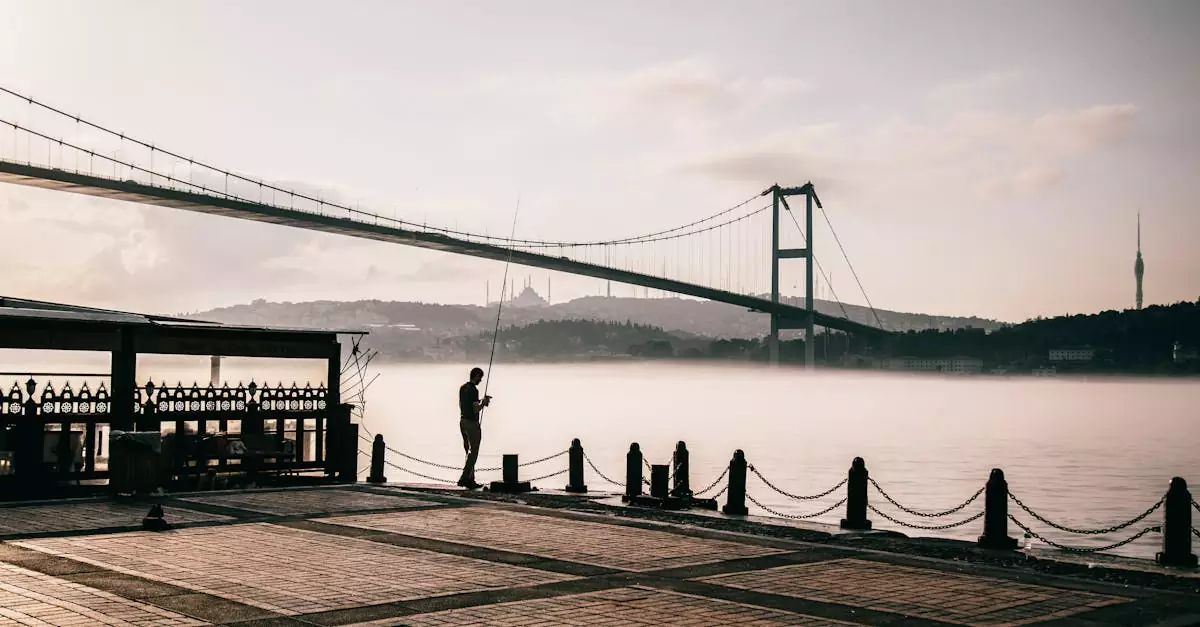
Choosing a fishing lodge is only the first step toward an unforgettable angling adventure. Successful planning involves understanding how to reach your destination, what to pack, and how to navigate the specific culture of a lodge. Addressing these logistical elements ensures a smoother, more enjoyable experience, allowing you to focus on the thrill of the catch.
Getting to Remote Fishing Destinations
Many of the world’s best fishing lodges are situated in remote, pristine locations, often requiring multi-stage journeys. International flights might bring you to a major hub, followed by smaller domestic flights, boat transfers, or even floatplane access. Researching the specific transportation network for your chosen lodge well in advance is crucial. For instance, lodges in Alaska might rely heavily on bush planes, while those in Patagonia could involve extensive road travel followed by riverboats. Always factor in potential delays, especially with weather-dependent transport like floatplanes.
| Transportation Method | Typical Use Cases | Considerations |
|---|---|---|
| Commercial Flights | International and domestic travel to regional airports | Book in advance, consider baggage allowances for gear |
| Charter Flights (Floatplane/Helicopter) | Accessing remote lodges, scenic transfers | Weather dependent, higher cost, specialized booking |
| Boat/Ferry | Coastal lodges, river access, island destinations | Schedule adherence, potential for rough seas, luggage limits |
| Private Vehicle/4×4 | Lodges accessible by road, self-drive options | Road conditions, fuel availability, permits |
Essential Gear and Packing List for Anglers
Your packing list will depend heavily on the type of fishing you plan to do and the climate. However, some items are universally important for a comfortable and successful trip. High-quality, weather-appropriate clothing is paramount, often involving layers for varying conditions. Don’t forget essential fishing tackle, but check with your lodge beforehand; many provide high-quality gear or have specific recommendations.
Key items to consider include:
- Waders and Boots: Waterproof and comfortable for long hours on the water.
- Rain Gear: A breathable, waterproof jacket and pants are essential.
- Sun Protection: Hat, sunglasses (polarized are best for spotting fish), and sunscreen.
- Insect Repellent: Especially important for certain regions and seasons.
- Fishing License: Ensure you have the correct permits for the area.
- Personal First-Aid Kit: For minor cuts and scrapes.
- Camera: To capture those trophy moments.
Always confirm with your lodge about what gear they provide and what you should bring. This avoids unnecessary packing and ensures you have what you need.
Understanding Lodge Etiquette and Rules
Fishing lodges, especially those focused on fly fishing or specific conservation efforts, often have a distinct culture and set of rules. Understanding and respecting these guidelines enhances the experience for everyone. This can include catch-and-release policies, designated fishing times or areas, and noise levels. Many lodges have a communal dining atmosphere, and participating in conversations and sharing stories is part of the experience.
Pay attention to:
- Conservation Practices: Adherence to catch-and-release, barbless hooks, or specific handling techniques.
- Fishing Ethics: Respecting other anglers’ space and avoiding interference.
- Lodge Amenities: Understanding hours for dining, bar service, and common areas.
- Safety Briefings: Lodges often provide essential safety information regarding wildlife or water conditions.
Engaging with lodge staff and guides will quickly familiarize you with local customs and expectations.
Budgeting for Your Dream Fishing Lodge Vacation
The cost of a fishing lodge vacation can vary dramatically, from moderately priced cabins to ultra-luxury wilderness retreats. Factors influencing price include the exclusivity of the location, the quality of accommodation and dining, the types of fish targeted, and the inclusion of guided services. All-inclusive packages are common, covering accommodation, meals, guided fishing, and sometimes even fishing licenses.
When budgeting, consider these components:
- Accommodation and Meals: Often bundled into lodge rates.
- Guided Fishing: Daily rates for private guides or included group excursions.
- Fishing Licenses and Permits: Costs vary by region and duration.
- Transportation: Flights, transfers, and any necessary ground transport.
- Tackle Rental or Purchase: If not bringing your own.
- Gratuities: For guides, lodge staff, and service personnel.
- Personal Expenses: Souvenirs, drinks, or optional activities.
It’s wise to set a realistic budget early on and communicate your financial parameters to lodge booking agents. This helps them recommend options that align with your expectations, ensuring you find the best fishing lodges worldwide without unexpected costs.
Frequently Asked Questions About World-Class Fishing Lodges
What is the average cost of a stay at a top fishing lodge?
The cost of a stay at a premier fishing lodge varies significantly based on location, duration, included activities, and the level of luxury. Budget anywhere from $500 to $2,000 per person per day for all-inclusive packages. These often cover guided fishing trips, meals, drinks, accommodation, and sometimes even transfers. Shorter trips or less amenity-rich lodges might fall on the lower end, while remote, exclusive destinations with private guides and gourmet dining will command higher prices.
Are fishing licenses and permits usually included?
Most reputable fishing lodges include the necessary fishing licenses and permits as part of their package. This is a significant convenience, as navigating local regulations and obtaining permits can be complex. However, it’s always wise to confirm this inclusion with your chosen lodge before booking. Some specific permits for certain species or protected areas might incur an additional fee.
What level of fishing experience is required?
World-class fishing lodges cater to a wide range of skill levels, from absolute beginners to seasoned anglers. Many lodges offer expert guides who can teach novice anglers the basics or refine the techniques of experienced fishermen. Whether you’re looking to catch your first trout or land a trophy marlin, the staff are typically equipped to provide tailored guidance and support.
Can I bring my own fishing gear?
Yes, you can almost always bring your own fishing gear. Many anglers have a preferred rod, reel, or tackle that they trust. Lodges often provide high-quality gear, but bringing your own ensures comfort and familiarity. If you plan to bring specialized equipment, especially for international travel, check the lodge’s policies and any airline restrictions on sporting equipment. Some lodges may also offer rental services for specific items if you prefer not to travel with everything.