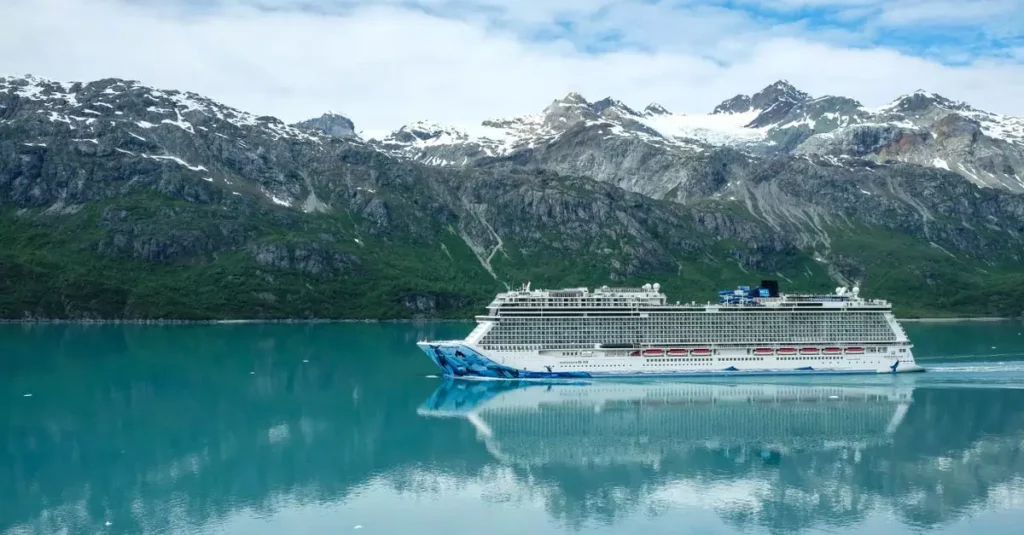
Embarking on one of the best Alaska wildlife cruises offers an unparalleled opportunity to witness some of the planet’s most magnificent creatures in their natural, breathtaking environment. From the thunderous calving of glaciers to the serene surfacing of a humpback whale, Alaska’s pristine waters and rugged coastlines are rich with life. This guide will equip you with everything you need to know to plan an unforgettable journey in 2026. You’ll discover the prime locations for spotting whales, bears, otters, and a vibrant array of birdlife, learn about the optimal times to visit for peak animal activity, and understand how to choose the right itinerary and vessel for your adventure. Get ready to explore the wild heart of Alaska.
Top Alaska Wildlife Cruises for Unrivaled Animal Sightings
Choosing the best Alaska wildlife cruises requires an understanding of where the animals are and what kind of experience you seek. From immense glaciers to secluded fjords, Alaska’s coastline teems with life. These top destinations provide exceptional opportunities to see whales, bears, otters, and a wide variety of seabirds in their natural habitats. Planning your trip around these regions will maximize your chances of unforgettable animal encounters in 2026.
Glacier Bay National Park & Preserve Wildlife Cruises
Glacier Bay National Park is a UNESCO World Heritage site known for its dramatic tidewater glaciers and abundant marine wildlife. This protected area serves as a critical feeding ground for humpback whales, orcas, and seals. Brown and black bears often forage along the shorelines, visible from the water, while birdwatchers will delight in spotting puffins, murrelets, and eagles.
Cruises here typically range from 3 to 7 days, often departing from Juneau or Gustavus. Larger ships may offer limited access, so opting for a smaller vessel or a dedicated park tour provides a more intimate experience. Park rangers frequently join these cruises to share educational insights into the ecosystem and wildlife. The best viewing season is from May through September, with July and August providing the warmest weather and peak whale activity.
Kenai Fjords National Park Expedition Cruises
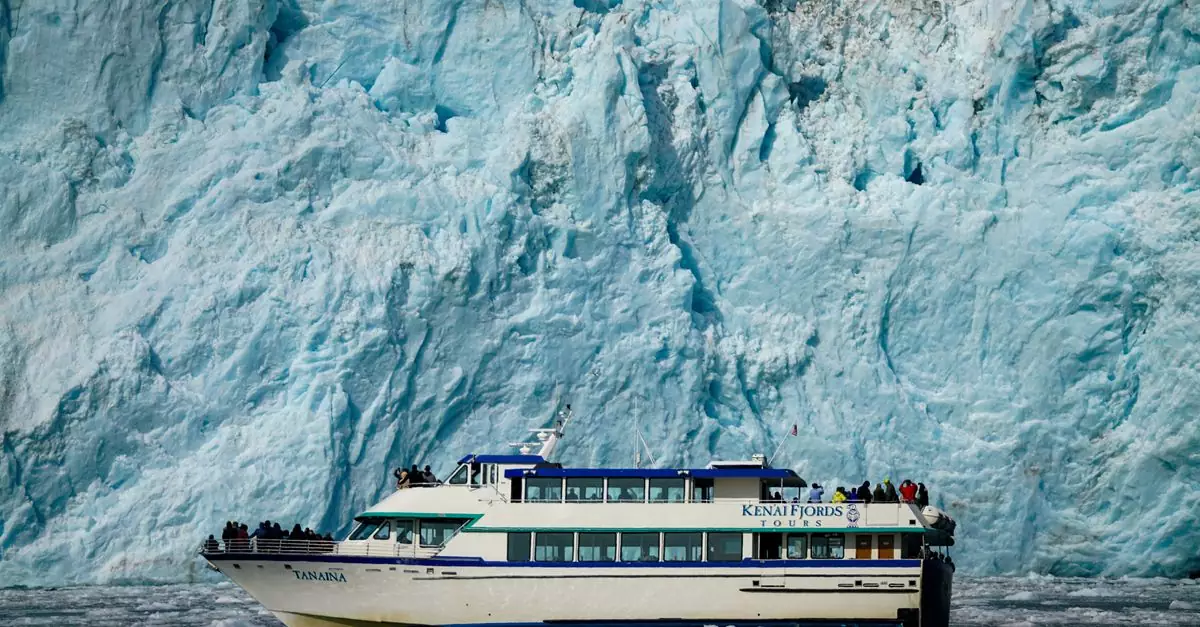
Located on the Kenai Peninsula, Kenai Fjords National Park is a haven for marine mammals and seabirds. The park’s rugged coastline, shaped by glaciers, creates diverse habitats. Humpback, orca, and minke whales are frequently spotted, especially during their summer feeding season. Sea otters are often seen in kelp beds, while harbor seals haul out on ice floes and Steller sea lions can be found on rocky shores.
Expedition cruises, typically departing from Seward, range from half-day tours to multi-day adventures. These smaller ships can navigate closer to shorelines and into coves, increasing wildlife viewing opportunities. Kayaking excursions are also popular here, allowing for quiet encounters with marine life. The summer months, particularly July and August, are ideal for wildlife viewing and calmer seas.
Inside Passage Small Ship Adventures
The Inside Passage is a vast network of protected waterways along Alaska’s southeastern coast. This region is a prime corridor for migrating whales, including humpbacks and orcas. Sea otters, harbor seals, and Dall’s porpoises are also common. The lush, temperate rainforest lining the shores offers chances to spot black bears and Sitka black-tailed deer, while bald eagles are ubiquitous.
Small ship cruising is particularly well-suited for the Inside Passage, allowing access to remote bays and smaller islands often missed by larger vessels. Itineraries can vary significantly, from 7-day voyages departing from Seattle or Vancouver to shorter trips from Ketchikan or Juneau. These cruises often include opportunities for kayaking, hiking, and visiting charming coastal towns. The prime season runs from May to September, with longer daylight hours and active wildlife.
Prince William Sound Kayak & Cruise Combos
Prince William Sound, east of Anchorage, is a spectacular glacial fjord system teeming with wildlife. Known for its calm waters, abundant glaciers, and rich marine ecosystem, it frequently hosts humpback whales, orcas, and Dall’s porpoises. Sea otters are a highlight, often seen playfully in the water, while harbor seals are common, and birdlife is prolific, including puffins and eagles.
Many tours in Prince William Sound combine boat cruising with sea kayaking, allowing for intimate wildlife encounters as you paddle quietly through coves and near shorelines where larger boats cannot go. Departures are typically from Whittier or Valdez. These expeditions are often shorter, ranging from day trips to 3-day adventures, making them accessible for those with limited time. The best wildlife viewing occurs from May through September.
| Destination | Best Time to Visit | Primary Wildlife Focus | Typical Cruise Length | Departure Ports |
|---|---|---|---|---|
| Glacier Bay National Park | May – Sept | Whales, Bears, Seals, Seabirds | 3-7 days | Juneau, Gustavus |
| Kenai Fjords National Park | May – Sept | Whales, Sea Otters, Seals, Sea Lions, Seabirds | 1-7 days | Seward |
| Inside Passage | May – Sept | Whales, Sea Otters, Seals, Porpoises, Bears, Eagles | 7+ days | Seattle, Vancouver, Ketchikan, Juneau |
| Prince William Sound | May – Sept | Whales, Sea Otters, Seals, Seabirds | 1-3 days | Whittier, Valdez |
When to Book Your Alaska Wildlife Cruise for Peak Season
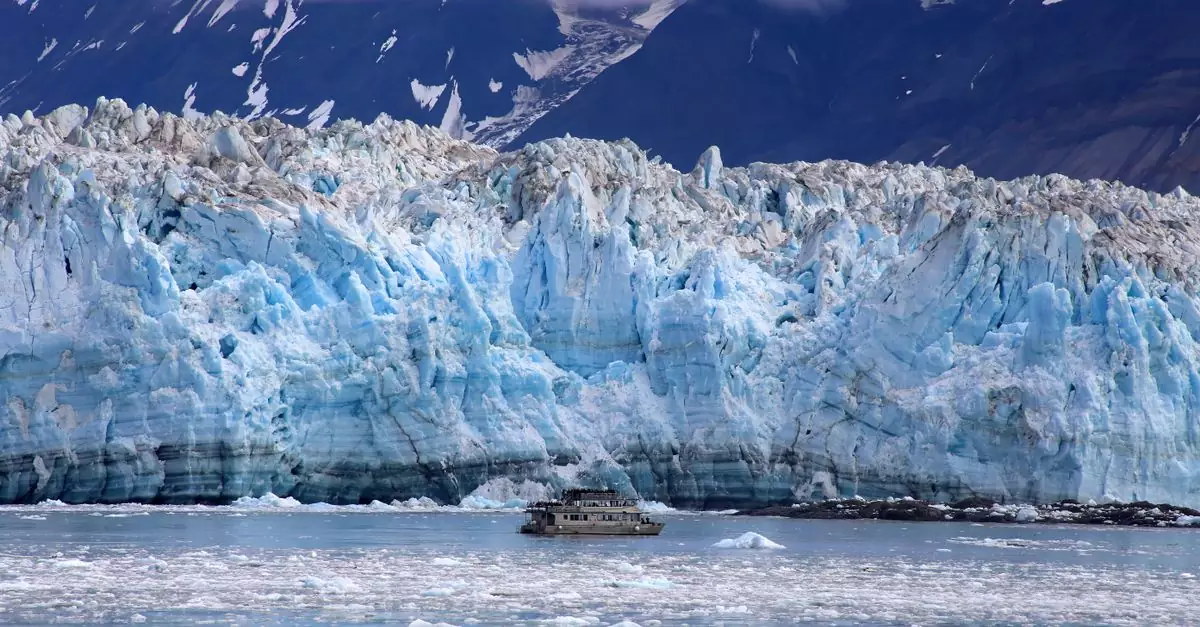
Choosing the right time for your Alaska wildlife cruise significantly impacts your overall experience. The prime season for observing Alaska’s diverse fauna, from breaching whales to foraging bears, generally runs from May through September. Each month offers unique advantages, catering to different traveler preferences regarding crowds, weather, and specific animal migrations. Understanding these nuances can help you pinpoint the best time for your unforgettable encounter with Alaska’s wilderness.
May: Early Season Bear Sightings & Fewer Crowds
May marks the opening of the Alaska cruise season, making it an excellent month for those seeking fewer crowds and the chance to witness wildlife emerging from hibernation. As the snow melts, bears begin to appear along the coastlines, particularly in areas like Katmai National Park, often accompanied by their cubs. This early season also means fewer ships are in the water, leading to a more intimate experience with nature.
While the weather in May can still be cool, with average temperatures ranging from the low 40s to low 50s Fahrenheit, the landscape comes alive. The longer daylight hours provide ample opportunity for wildlife viewing, making it a good time for photographers looking for dramatic scenery with lingering snow-capped peaks and fewer tour boats vying for the best vantage points. Booking early for May cruises often secures better rates and availability.
June-August: Peak Whale Migration & Puffins
The summer months, from June through August, represent the absolute peak of the Alaska wildlife cruise season. Marine mammal activity is at its highest, making it prime time for whale watching. Humpback whales, orcas, and gray whales actively feed in the nutrient-rich waters of the Inside Passage and the Gulf of Alaska.
June is particularly renowned for the arrival of puffins, with colonies like those on St. Paul Island becoming bustling hubs of activity. The weather is generally most pleasant during these months, with average temperatures in the 50s and 60s Fahrenheit, though rain is always a possibility. Longer daylight hours allow for more time spent observing sea lions, otters, and eagles.
This period is also when most families travel, so expect more ships and a livelier atmosphere. Booking well in advance, often six months to a year ahead, is crucial for securing your preferred itinerary and cabin, especially for popular departure dates in July and August. The abundance of wildlife and generally favorable weather make these months the most sought-after for an Alaska wildlife cruise.
September: Autumn Colors & Marine Mammal Activity
As summer winds down, September offers a different yet equally compelling window for Alaska wildlife viewing. The landscape transforms with stunning autumn colors, painting the mountainsides in hues of gold and red. While some migratory birds begin their journey south, many marine mammals remain active, providing a fantastic opportunity to see sea otters and seals.
Crowds thin out considerably in September, offering a more serene experience. Temperatures are cooler, typically in the 40s Fahrenheit, and daylight hours are shorter than in mid-summer. However, the crisp air and dramatic fall scenery can be incredibly rewarding. It’s also a good time for bear viewing as they prepare for winter, sometimes seen fishing for salmon in rivers.
This shoulder season can present better value for cruises, and the quieter atmosphere appeals to travelers seeking a more contemplative connection with Alaska’s natural beauty. Be prepared for potentially colder weather and pack accordingly.
| Month | Wildlife Highlights | Crowd Levels | Weather | Booking Tip |
|---|---|---|---|---|
| May | Early bear sightings, calving seals | Low | Cool, potential snow | Book 3-6 months in advance for good selection. |
| June | Peak puffins, whale activity, longer days | High | Mild, increasing warmth | Book 9-12 months in advance for best availability. |
| July | Peak whale migration, active marine life | Very High | Warmest, most daylight | Book 9-12 months in advance; expect higher prices. |
| August | Continued whale activity, salmon runs | High | Warm, pleasant | Book 6-9 months in advance. |
| September | Autumn colors, sea otters, fewer crowds | Moderate | Cool, crisp, potential frost | Book 4-6 months in advance for value. |
What Wildlife Can You Expect to See on an Alaska Cruise?
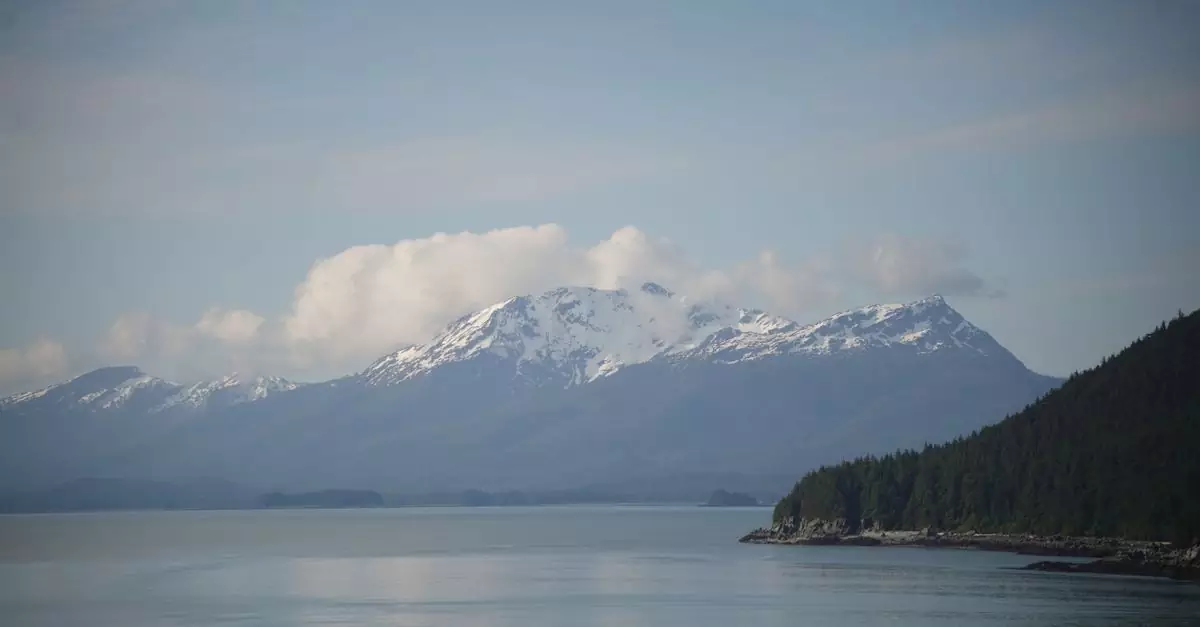
Alaska’s dramatic coastline and protected waters are a haven for an astonishing array of wildlife, making it a premier destination for wildlife viewing cruises. From the immense marine mammals that grace the icy fjords to the birds that soar overhead, an Alaska wildlife cruise offers remarkable opportunities for unforgettable encounters. Planning your trip around the best wildlife viewing seasons can significantly enhance your experience.
Humpback Whales & Orcas in Glacier Bay
Glacier Bay National Park and Preserve is a world-renowned hotspot for whale watching. Humpback whales are frequently sighted, often seen feeding, breaching, or fluking as they dive. Keep an eye out for their massive forms and distinctive songs. Orcas, or killer whales, also patrol these waters, their sleek black and white bodies a thrilling sight against the glacial backdrop. Observing pods of orcas hunting or traveling is a highlight for many visitors.
While sightings are common throughout the summer months, early to mid-summer often sees increased whale activity as they feed on abundant krill and small fish. Many smaller cruise ships and expedition vessels offer dedicated whale watching tours that navigate the bay’s intricate waterways, providing intimate viewing opportunities.
Sea Otters & Harbor Seals in Kenai Fjords
Kenai Fjords National Park, accessible from Seward, is another critical marine wildlife sanctuary. Here, you’re likely to spot sea otters, often seen floating on their backs and cracking shellfish on their chests. These charismatic creatures symbolize Alaska’s marine ecosystem. Harbor seals are also abundant, frequently seen lounging on ice floes or resting on rocky shorelines, especially near calving glaciers.
The protected coves and kelp forests of Kenai Fjords offer excellent foraging grounds for these marine mammals. Tours departing from Seward often focus on navigating close to tidewater glaciers, where seals are a common sight. The waters here are rich with plankton, attracting a diverse range of marine life.
Brown Bears on the Alaskan Coastline
The rugged Alaskan coastline, particularly in areas like Katmai National Park and Preserve or along the Inside Passage, is prime territory for brown bears. While not every cruise directly stops in bear-viewing hotspots, many itineraries include excursions to coastal areas where bears forage for berries, dig for clams, or fish for salmon. Seeing a brown bear in its natural habitat is a profound experience.
Bear viewing is highly seasonal, with activity peaking during the salmon runs, typically from June through September. Some specialized Alaskan cruises or land-based tours focus specifically on bear viewing, offering guided walks in safe, controlled environments. Always maintain a safe distance and follow the guidance of experienced guides.
Bald Eagles & Puffins on the Inside Passage
The Inside Passage, a sheltered waterway along Alaska’s southeastern coast, is a birdwatcher’s paradise. Bald eagles are ubiquitous, their white heads and tails striking against the evergreen forests and blue skies. You’ll see them perched in trees, soaring overhead, or diving for fish.
This region is also home to numerous seabird colonies. Puffins, with their colorful beaks and distinctive waddle, are a particular favorite. Common puffins, rhinoceros auklets, and murres can often be spotted from the ship or during shore excursions to islands like St. Lazaria. The best time for birdwatching, including puffins, is generally from May through August.
Choosing the Right Alaska Wildlife Cruise Itinerary
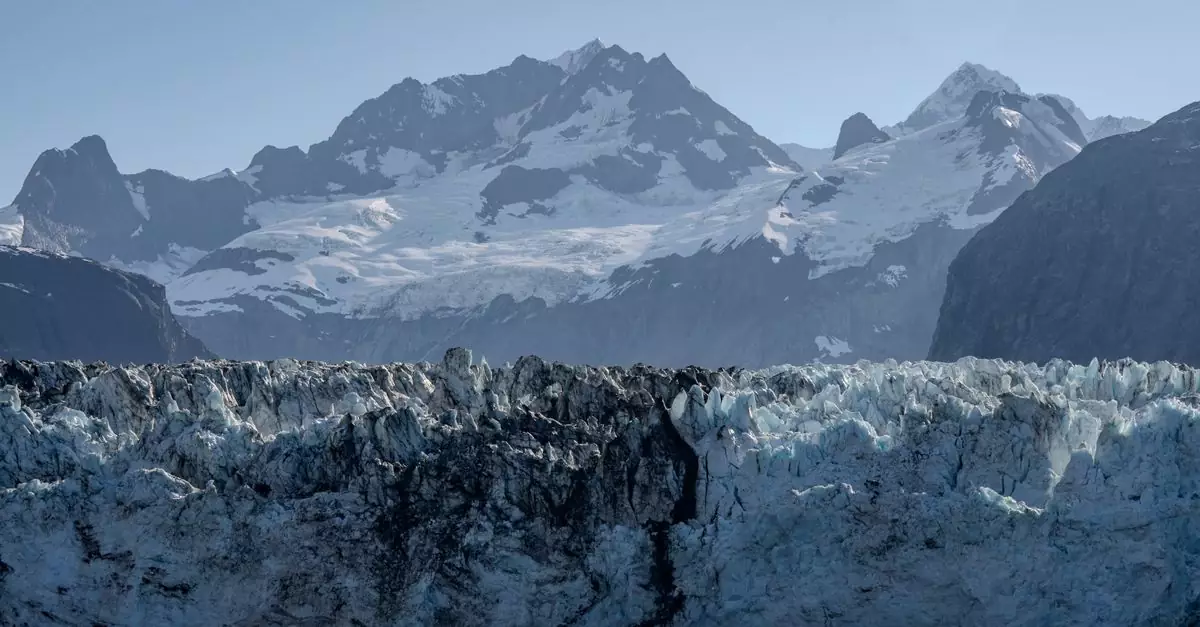
Selecting the best Alaska wildlife cruises in 2026 hinges on understanding your priorities. The vastness of Alaska means itineraries vary significantly, impacting what you’ll see and how you’ll experience it. Consider the duration, ship size, and specific wildlife concentrations to tailor your adventure.
7-Day Inside Passage vs. 14-Day Grand Alaska
The primary decision often comes down to the length of your voyage. A 7-day Inside Passage cruise typically focuses on the southeastern panhandle, offering a concentrated experience of glaciers, rainforests, and marine life. These routes often depart from Seattle or Vancouver and may include stops in charming towns like Juneau, Skagway, and Ketchikan. While shorter, they provide a solid introduction to Alaska’s coastal wonders.
In contrast, a 14-day Grand Alaska itinerary offers a more comprehensive exploration. These longer journeys often extend further north, potentially reaching areas like Anchorage or Seward, and may include voyages through Prince William Sound or even the Gulf of Alaska. This allows for a deeper dive into diverse ecosystems, increasing the chances of spotting a wider array of wildlife and visiting more remote fjords. Budget and available vacation time are key factors in choosing between these durations.
| Itinerary Type | Duration | Typical Departure Ports | Key Highlights | Wildlife Potential |
|---|---|---|---|---|
| Inside Passage | 7 Days | Seattle, Vancouver | Glaciers, rainforests, coastal towns, whale watching | High |
| Grand Alaska | 14 Days | Seattle, Vancouver | Extended coast, Prince William Sound, Gulf of Alaska | Very High |
Small Ship vs. Large Ship Cruise Experience
The type of vessel significantly shapes your wildlife viewing and overall experience. Large cruise ships, often carrying over 2,000 passengers, provide a resort-like atmosphere with numerous amenities. While they can access popular ports, their size sometimes limits access to more intimate bays and fjords where wildlife is abundant. Wildlife viewing from a large ship often occurs from a distance, though organized excursions can get you closer.
Small expedition ships, accommodating fewer than 100 passengers, offer a more intimate and immersive encounter. These vessels can navigate shallower waters, anchor in secluded coves, and facilitate frequent landings via Zodiacs. This proximity allows for unparalleled wildlife viewing opportunities, from observing bears fishing on shore to getting close to seals on ice floes. The crew often includes naturalists who provide in-depth insights, making these cruises highly sought after by dedicated wildlife enthusiasts. While the cost per day can be higher on smaller ships, the enhanced experience is often worth it for those prioritizing close wildlife encounters.
Focusing on Specific Wildlife Hotspots: Katmai vs. Resurrection Bay
Alaska is renowned for its diverse wildlife, and certain regions excel for specific species. For those eager to witness brown bears in their natural habitat, especially during salmon runs, the Katmai National Park area is unparalleled. Cruises targeting Katmai offer opportunities to see bears fishing at Brooks Falls, a truly iconic Alaskan spectacle. Access to Katmai is often via smaller expedition ships or chartered flights from larger ports.
Alternatively, Resurrection Bay, near Seward, is a fantastic location for marine wildlife. This area is a haven for sea otters, puffins, sea lions, and various whale species, including humpbacks and orcas. Many standard and small ship cruises include excursions into Resurrection Bay, making it accessible for a broader range of travelers. While you might not see as many bears as in Katmai, Resurrection Bay provides a rich tapestry of marine life and abundant birdwatching opportunities, often with easier logistics. For a broader overview of North America’s natural wonders, consider the diverse landscapes of the continent.
Packing Essentials for Your Alaska Wildlife Viewing Adventure
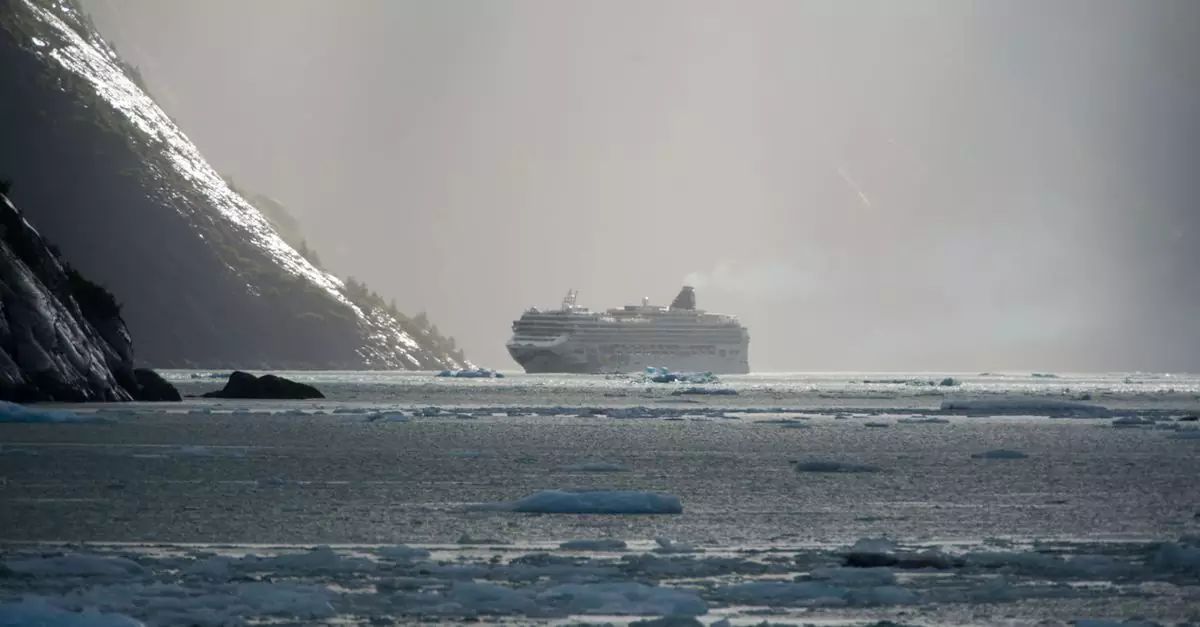
A successful Alaska wildlife cruise hinges on being prepared for its famously changeable weather and varied activities. Packing thoughtfully ensures comfort and maximizes your chances of incredible sightings, whether you’re on deck or venturing ashore.
Layering Strategy for Variable Alaskan Weather
Alaskan weather can shift dramatically within a single day, from sunny and mild to chilly and rainy. The key to staying comfortable is a smart layering system. Start with a moisture-wicking base layer, such as merino wool or synthetic fabric, to draw sweat away from your skin. Your mid-layer should provide insulation; think fleece jackets or down vests. Finally, an outer layer is crucial for protection against wind and rain. A waterproof and windproof jacket with a hood is essential for any Alaska wildlife cruise.
This approach allows you to adjust your clothing to the conditions. You can shed layers as you warm up during an activity or add them if the temperature drops unexpectedly. Remember that even on warmer days, the ocean breeze can make it feel much cooler, especially when you’re out on deck looking for whales or sea otters.
Essential Gear: Binoculars, Camera, and Waterproofs
High-quality binoculars are vital for wildlife viewing. A good pair, ideally 8×42 or 10×42, will bring distant creatures like puffins, eagles, and whales closer without disturbing them. Invest in the best you can afford, as they can significantly enhance your experience.
Complement your binoculars with a camera capable of capturing sharp images, preferably with a telephoto lens. While many modern smartphones have impressive cameras, a dedicated camera with optical zoom will yield superior results for wildlife photography. Don’t forget extra batteries and memory cards, as you’ll likely be taking many photos.
Crucially, all your gear should be protected from the elements. Waterproof bags or dry sacks are essential for keeping electronics, cameras, and extra clothing dry, especially during Zodiac excursions or unexpected rain showers. A waterproof backpack is highly recommended for carrying your essentials on shore excursions.
Footwear for Shore Excursions and Zodiac Landings
Comfortable and sturdy footwear is crucial for enjoying Alaska’s stunning landscapes and participating in shore excursions. For general wear on the ship and around port towns, comfortable walking shoes or sneakers will suffice. However, for excursions involving uneven terrain, muddy trails, or disembarking via Zodiacs, specialized footwear is necessary.
Many cruise lines provide rubber boots for Zodiac landings, ideal for keeping your feet dry when stepping into shallow water or onto wet shorelines. If your cruise doesn’t offer them or if you prefer your own, consider bringing waterproof hiking boots or durable, waterproof walking shoes with good grip. Ensure they are broken in before your trip to avoid blisters. The ability to move confidently on slippery surfaces will enhance your exploration of places like Glacier Bay or the Inside Passage.
Frequently Asked Questions About Alaska Wildlife Cruises
What is the average cost of an Alaska wildlife cruise?
The cost of an Alaska wildlife cruise can vary significantly based on the cruise line, duration, cabin type, and itinerary. Generally, you can expect to pay anywhere from $1,500 for a shorter, interior cabin on a budget-friendly line to over $10,000 for a premium suite on a luxury expedition. Mid-range options with ocean views often fall between $2,500 and $5,000 per person for a 7-day sailing.
Keep in mind that these prices typically cover accommodation, meals, and onboard entertainment. Shore excursions, such as bear viewing tours or glacier hikes, are usually additional costs. Booking in advance, especially during peak season (June to August), can secure better rates.
Are Alaska cruises safe for solo travelers?
Alaska cruises are generally very safe for solo travelers. Cruise lines have robust safety protocols, and many solo travelers find it a comfortable way to experience Alaska’s stunning scenery and wildlife. Most ships offer single cabins or programs to help solo travelers connect with others if they wish.
The onboard environment is typically secure, and the destinations visited are accustomed to international tourism. However, as with any travel, it’s wise to remain aware of your surroundings, especially during shore excursions. Researching tour operators and sticking to reputable companies enhances safety.
What are the best cruise lines for wildlife viewing in Alaska?
Several cruise lines excel at providing exceptional wildlife viewing opportunities in Alaska. For those seeking an intimate, expedition-style experience with a strong focus on naturalists and up-close encounters, lines like Lindblad Expeditions and UnCruise Adventures are top choices. They often use smaller ships that can navigate into coves and channels inaccessible to larger vessels, maximizing wildlife sightings.
Larger cruise lines such as Holland America Line, Princess Cruises, and Norwegian Cruise Line also offer excellent itineraries that pass through prime wildlife habitats like the Inside Passage and Glacier Bay. While their ships are larger, they often employ naturalists and provide educational programming that enhances the wildlife viewing experience. For a luxury approach with excellent wildlife opportunities, consider Silversea or Seabourn.