Australia’s vast landscapes offer a profound connection with nature, extending far beyond its iconic beaches. For those eager to immerse themselves in breathtaking wilderness and unique ecosystems, exploring the best Australian nature escapes is an unforgettable adventure. This guide highlights destinations showcasing the continent’s raw beauty, from ancient rainforests to dramatic outback gorges and pristine coastlines.
You’ll find a curated selection of top natural wonders, the ideal times to visit each for optimal experiences, and practical travel tips for navigating these incredible locations. Prepare to uncover the heart of Australia’s wild side, where every vista promises awe and discovery.
Discovering Australia’s Top 5 Nature Escapes for 2026
Australia’s natural beauty extends far beyond its famous coastlines. For travelers seeking breathtaking landscapes and unique ecosystems in 2026, these five destinations represent the pinnacle of the continent’s wilderness experiences. Each offers a distinct adventure, from ancient rainforests to dramatic outback gorges, ensuring unforgettable encounters with the wild.
The Daintree Rainforest: Ancient Ecosystems and Canopy Walks
The Daintree Rainforest in Queensland is one of the oldest continuously living rainforests on Earth, predating the dinosaurs. Its sheer biodiversity astounds, with unique flora and fauna found nowhere else. Walking through its ancient trees feels like stepping back in time, with the air thick with the scent of damp earth and exotic blooms.
For an immersive experience, consider a guided tour that delves into the rainforest’s complex ecosystem. Many tours offer opportunities to spot cassowaries, tree kangaroos, and vibrant birdlife. The Daintree River provides a crucial habitat for saltwater crocodiles, and boat tours allow you to observe these formidable reptiles in their natural environment.
- Getting There: Fly into Cairns Airport (CNS) and rent a car for the scenic 2-hour drive north.
- Best Time to Visit: May to September offers drier conditions and cooler temperatures.
- Must-Do: Experience a canopy walk for a bird’s-eye view of the forest or take a river cruise.
Karijini National Park: Crimson Gorges and Crystal Pools
Located in the remote Pilbara region of Western Australia, Karijini National Park is a geological marvel. Its defining features are the deep, ancient gorges carved by rivers over millennia, revealing striking red rock formations. These gorges conceal hidden waterfalls and pristine swimming holes, offering a refreshing escape from the outback heat.
Navigating Karijini requires a sense of adventure. Many gorge floors are accessible via steep staircases or require scrambling over rocks. Popular spots like Weano Gorge, Hancock Gorge, and Fern Pool are well worth the effort, providing stunning scenery and opportunities for a dip in the cool, clear water. Carry plenty of water and wear sturdy footwear.
- Logistics: Access is primarily by 4WD vehicle. The nearest town with services is Tom Price.
- Accommodation: Camping is available within the park, with limited facilities.
- Safety: Stay hydrated, inform someone of your hiking plans, and be aware of flash flood risks during the wet season.
The Grampians National Park: Hiking Trails and Aboriginal Rock Art
The Grampians National Park in Victoria is a hiker’s paradise, renowned for its rugged mountain ranges, diverse walking tracks, and significant Aboriginal rock art sites. The peaks offer panoramic views across the park, rewarding trekkers with sweeping vistas of valleys and waterfalls. Trails range from easy strolls to challenging multi-day hikes.
Beyond its natural beauty, the Grampians holds deep cultural significance. Numerous sheltered rock overhangs contain ancient Aboriginal rock art, some dating back over 20,000 years. Guided tours provide valuable insights into the history and cultural practices of the traditional custodians of this land. The park is also a haven for wildlife, including kangaroos, wallabies, and emus.
- Pro Tip: Visit the Brambuk National Park and Cultural Centre for information on trails and cultural heritage.
- Seasonality: Spring (September-November) brings wildflowers, while autumn (March-May) offers pleasant hiking temperatures.
- Nearby: Consider a detour to the scenic wineries of the Grampians region.
Freycinet National Park: Wineglass Bay’s Pink Granite Peaks
On Tasmania’s east coast, Freycinet National Park is famous for its iconic Wineglass Bay, a crescent of white sand framed by dramatic pink granite peaks known as the Hazards. The park’s rugged coastline, secluded beaches, and diverse wildlife make it a standout destination. Its natural beauty is a major draw for visitors to Australia.
Hiking is the primary way to experience Freycinet. The walk to the Wineglass Bay lookout offers stunning views, while the longer hike to the beach itself provides an opportunity to relax on its pristine shores. For a more challenging adventure, consider tackling the Mount Amos or Mount Freycinet climbs. Keep an eye out for wallabies, echidnas, and a variety of seabirds.
- Getting Around: The park is accessible by car from Hobart or Launceston.
- Accommodation: Options range from campgrounds to lodges within and near the park.
- Must-See: Don’t miss the sunset views from the Hazards Beach track or the chance to kayak in the bay.
Best Australian Nature Escapes for Wildlife Encounters
Australia’s vast landscapes teem with unique wildlife, offering incredible opportunities for nature lovers to connect with the continent’s endemic species. Beyond the well-trodden coastal paths, several destinations provide exceptional chances to witness animals in their natural habitats. These escapes focus on immersive experiences, from island encounters to vast national parks, making them some of the best Australian nature escapes for those seeking unforgettable wildlife sightings.
Spotting Quokkas on Rottnest Island
Rottnest Island, a short ferry ride from Perth or Fremantle in Western Australia, is famously known as the “happiest place on Earth” thanks to its resident quokkas. These small marsupials are remarkably unafraid of humans, often approaching visitors with curiosity. The best time to visit is during the warmer months, from September to April, though quokkas are present year-round.
Getting around the island is best done by bicycle, which can be rented upon arrival or brought over on the ferry. This allows for unhurried exploration of the island’s numerous bays and beaches, where quokkas are frequently spotted grazing. Remember to maintain a respectful distance and never feed the animals, as this can harm their health and natural behaviors. The island also offers excellent snorkeling and diving opportunities in its clear turquoise waters, providing a chance to see marine life.
Whale Watching Tours from Hervey Bay
Hervey Bay, located on the Fraser Coast in Queensland, is renowned as one of Australia’s premier whale-watching destinations. From July to October, the calm, sheltered waters of the bay become a crucial resting and nursery ground for humpback whales migrating along the East Australian coast. Numerous tour operators offer trips ranging from a few hours to full-day excursions, providing close encounters with these magnificent marine mammals.
Choosing a responsible tour operator is key. Look for companies that adhere to strict whale-watching guidelines, ensuring minimal disturbance to the whales. Many tours offer guaranteed sightings, and some even provide underwater hydrophones to listen to whale songs. The sheer size and grace of humpbacks breaching or playing in the water create a truly awe-inspiring experience, solidifying Hervey Bay’s status as a top nature escape.
Encountering Kangaroos in the Blue Mountains
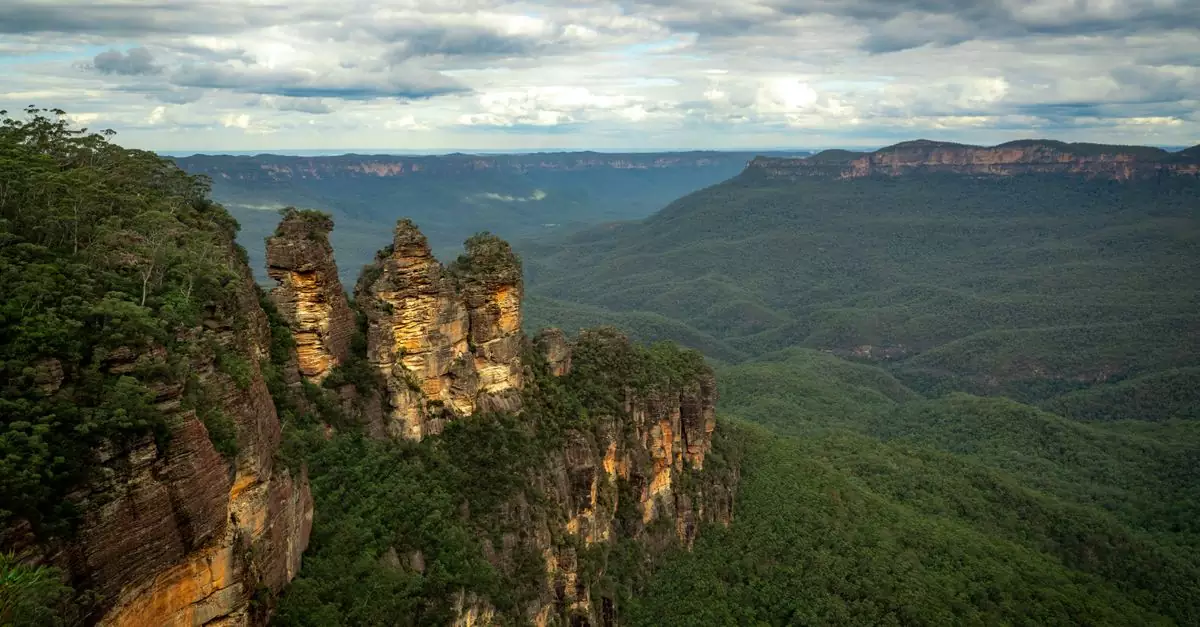
Just a few hours’ drive west of Sydney, the Blue Mountains National Park offers a dramatic backdrop of sandstone cliffs, eucalyptus forests, and cascading waterfalls, alongside abundant wildlife. While not guaranteed, encountering kangaroos and wallabies is a common and rewarding experience here, particularly at dawn and dusk. Look for them grazing in open areas like Prince Henry Cliff Walk lookouts or along quieter walking trails.
The park’s diverse ecosystems support a range of native animals, including various bird species and, if you’re very lucky, echidnas. Guided walks can increase your chances of spotting wildlife and provide insights into their habits from local experts. The proximity of the Blue Mountains to Sydney makes it an accessible nature escape for a day trip or a longer stay in one of the charming mountain villages.
Birdwatching in Kakadu National Park
Kakadu National Park in the Northern Territory is a UNESCO World Heritage site renowned for its stunning natural beauty and rich cultural heritage, but it is also a paradise for birdwatchers. During the wet season (roughly November to April), the park’s wetlands become a vital breeding ground, attracting an incredible diversity of avian life. The dry season (May to October) concentrates water and wildlife, making sightings easier.
Over 280 species of birds inhabit Kakadu, including iconic species like the magpie goose, brolga, whistling kite, and various kingfishers. Yellow Water Billabong is a particularly popular spot for boat tours that offer excellent birdwatching opportunities. For dedicated birdwatchers, consider visiting during the shoulder seasons when crowds are thinner. Planning your visit around the distinct wet and dry seasons is crucial for maximizing your wildlife viewing potential in this vast and ecologically significant park.
Planning Your Itinerary for Remote Australian Nature
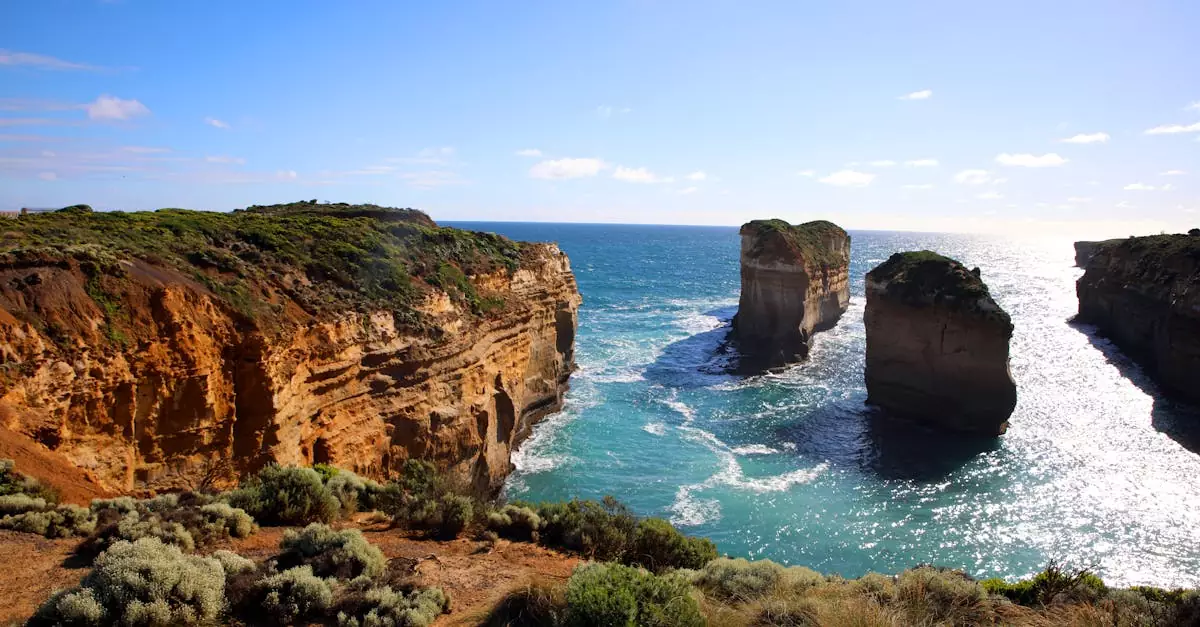
Australia’s natural wonders extend far beyond its famous coastlines, from ancient desert landscapes to rugged outback gorges and pristine wilderness. Planning a trip to these remote destinations requires careful consideration of time, logistics, and the specific experiences you seek. The best Australian nature escapes are often found by venturing inland or to the less-traveled corners of the continent.
When crafting your itinerary for these unique environments, consider the following sample plans that highlight diverse natural beauty and offer a taste of the country’s vastness. Each provides a distinct experience, catering to different interests and timeframes.
A 7-Day Itinerary for the Red Centre: Uluru and Kata Tjuta
The heart of Australia, the Red Centre, offers an iconic and deeply spiritual introduction to the country’s outback. This itinerary focuses on experiencing the majesty of Uluru (Ayers Rock) and the domed formations of Kata Tjuta (The Olgas).
Day 1-3: Uluru-Kata Tjuta National Park
Arrive at Ayers Rock Airport (AYQ) and transfer to your accommodation. Spend these days immersing yourself in the park. Sunrise and sunset viewings of Uluru are essential, offering dramatic shifts in color. Explore the base of Uluru via the Mala Walk or the longer Uluru Base Track. Dedicate a full day to Kata Tjuta, hiking the Valley of the Winds walk for breathtaking views among the domes.
Day 4: Cultural Immersion
Visit the Uluru-Kata Tjuta Cultural Centre to learn about the Anangu people, the traditional custodians of the land. Consider a guided tour or a ranger-led activity to gain deeper insights into the local flora, fauna, and Dreamtime stories.
Day 5: Kings Canyon
Drive or take a guided tour to Kings Canyon, approximately a three-hour journey. This dramatic sandstone canyon offers stunning geological formations.
Day 6: Rim Walk and Return
Complete the Kings Canyon Rim Walk early in the morning to avoid the heat. This challenging but rewarding walk offers panoramic views. After the walk, begin your journey back toward Ayers Rock Airport for your departure or onward travel.
Day 7: Departure
Depart from Ayers Rock Airport (AYQ).
Logistics & Tips:
- Getting there: Fly into Ayers Rock Airport (AYQ). Car hire is recommended for flexibility.
- Accommodation: Options range from luxury resorts to campgrounds within or near the national park. Book well in advance.
- Best time to visit: April to September offers milder temperatures. Summer (October to March) can be extremely hot.
- What to pack: Sun protection (hat, sunscreen, sunglasses), comfortable walking shoes, light clothing, and a water bottle.
A 10-Day Itinerary for Tasmania’s Wilderness Coast
Tasmania, Australia’s island state, boasts some of the most pristine and dramatic coastal wilderness in the country. This itinerary focuses on the Freycinet Peninsula and the Southwest National Park.
Day 1-3: Freycinet National Park
Fly into Hobart (HBA) and drive north to Freycinet National Park (approx. 2.5 hours). Base yourself in Coles Bay or Swansea. Hike to the Wineglass Bay Lookout for the iconic postcard view. Explore other walks, such as the Hazards Beach track or the shorter Honeymoon Bay trail. Enjoy kayaking or simply relax on the white sands.
Day 4-5: East Coast Exploration
Continue exploring the East Coast, perhaps visiting the historic town of Richmond or the stunning beaches of Bicheno. Consider a visit to a local vineyard in the region.
Day 6-9: Southwest National Park
Drive to the gateway of Southwest National Park, likely Strahan or Lake St Clair (this is a significant drive, consider breaking it up). This region is a UNESCO World Heritage Area, renowned for its ancient rainforests, rugged mountains, and wild coast.
- Option A (Strahan): Take a Gordon River cruise to experience the serene beauty of the river and its reflections. Visit the Henty Sand Dunes.
- Option B (Lake St Clair): Undertake parts of the Overland Track, or enjoy shorter walks around the lake, such as the Wallaby Track. The remoteness here is profound.
Day 10: Return to Hobart
Drive back to Hobart for your departure.
Logistics & Tips:
- Getting there: Fly into Hobart (HBA) or Launceston (LST). Car hire is essential for this itinerary.
- Accommodation: Ranges from charming B&Bs and self-contained cottages to wilderness lodges. Bookings are crucial, especially for the Southwest.
- Best time to visit: Summer (December to February) offers the warmest weather and longest days. Spring (September to November) and autumn (March to May) are also beautiful with fewer crowds.
- Weather: Tasmanian weather can be unpredictable and change rapidly, even in summer. Be prepared for all conditions.
A 5-Day Itinerary for the Kimberley’s Rugged Beauty
The Kimberley region in Western Australia is vast, ancient, and breathtakingly wild. This short itinerary focuses on the iconic Horizontal Falls and the Dampier Peninsula.
Day 1: Broome Arrival and Transfer
Fly into Broome (BME). This itinerary requires a scenic flight. Transfer to your accommodation.
Day 2: Horizontal Falls Experience
Take a full-day tour from Broome to the Horizontal Falls, located in the Buccaneer Archipelago. This often includes a flight over the falls, a boat ride through them, and opportunities for shark feeding and swimming in a marine enclosure. It’s a unique natural phenomenon.
Day 3: Dampier Peninsula Exploration
Drive north from Broome to the Dampier Peninsula (4WD recommended, or join a guided tour). Visit Cygnet Bay Pearl Farm, Australia’s oldest operating pearl farm.
Day 4: Cape Leveque and Buccaneer Archipelago
Continue to Cape Leveque, known for its stunning red cliffs meeting turquoise waters. Enjoy the beaches and the remote Aboriginal communities. Consider a sunset viewing over the Indian Ocean.
Day 5: Return to Broome
Drive back to Broome for your departure.
Logistics & Tips:
- Getting there: Fly into Broome (BME). A 4WD vehicle is highly recommended for the Dampier Peninsula, or book guided tours.
- Accommodation: Broome offers a range of hotels and resorts. On the Dampier Peninsula, options include eco-lodges and campgrounds.
- Best time to visit: The Dry Season (May to October) is the most comfortable and accessible time, with clear skies and lower humidity. The Wet Season brings monsoonal rains and can make travel difficult.
- Safety: Be aware of tides, crocodiles in waterways, and the remote nature of the region. Carry ample water and supplies.
These itineraries offer a starting point for experiencing the best Australian nature escapes beyond the typical tourist trail. Each destination provides a unique and unforgettable encounter with the raw beauty of the Australian landscape.
What’s the Best Time to Visit These Australian Nature Hotspots?
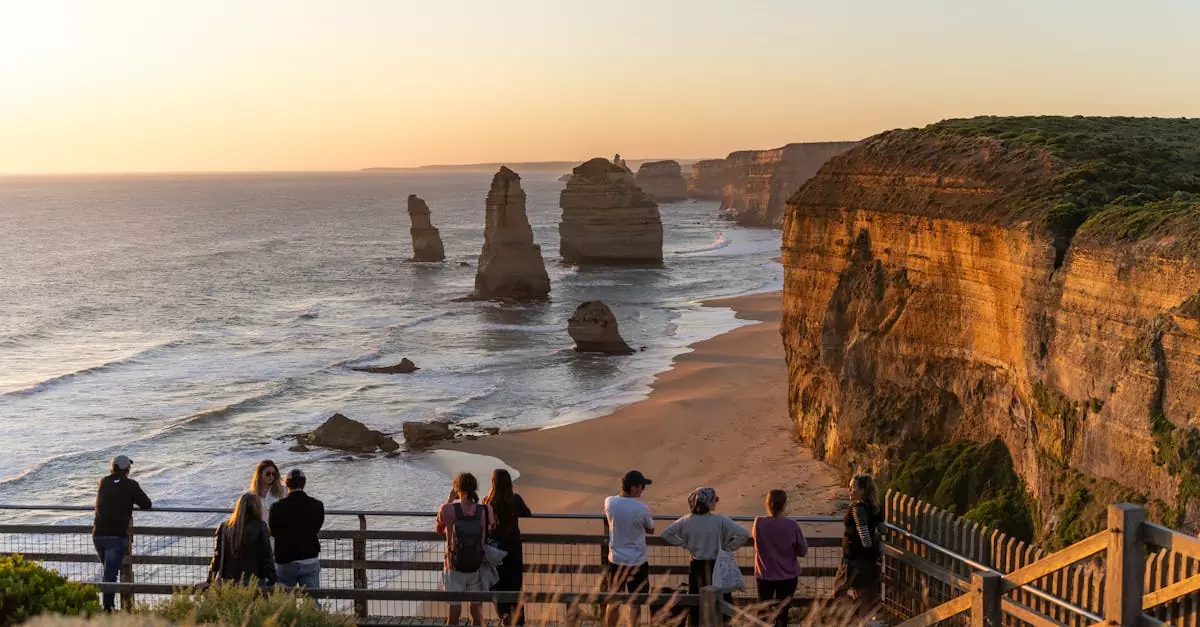
Choosing the right time of year can significantly enhance your experience of Australia’s diverse natural landscapes. Each region offers unique seasonal highlights, from vibrant rainforests to rugged outback vistas. Understanding these patterns helps you avoid extreme weather and maximize your opportunities for adventure.
Optimal Seasons for Tropical North Queensland’s Rainforests
The best time to visit the ancient rainforests of Tropical North Queensland, including areas around Cairns and the Daintree, is during the dry season, which runs from May to October. This period offers lower humidity, less rainfall, and more comfortable temperatures for activities like hiking and exploring. The wet season (November to April) brings heavy downpours, higher humidity, and increased risk of cyclones, though it also means lush, vibrant scenery and fewer crowds.
For those interested in diving or snorkeling the Great Barrier Reef, the dry season is also preferable, with calmer seas and better visibility. While you can visit year-round, the May-October window generally provides the most pleasant conditions for outdoor exploration in this tropical paradise.
Dry Season vs. Wet Season in the Northern Territory’s Parks
The Northern Territory’s iconic national parks, such as Kakadu and Litchfield, are dramatically shaped by their distinct wet and dry seasons. The dry season, typically from May to October, is the most popular time to visit. During these months, roads are accessible, waterfalls are less powerful but still present, and the weather is warm and sunny, making it ideal for hiking and wildlife spotting. Temperatures are generally in the mid-30s Celsius (mid-90s Fahrenheit).
The wet season, from November to April, is characterized by heavy monsoonal rains, high humidity, and temperatures often exceeding 30°C (86°F). While some areas become inaccessible due to flooding, the landscape transforms into a vibrant, verdant spectacle. Many waterfalls reach their peak flow, and the air is alive with the sounds of nature. If you plan to visit during the wet season, always check road conditions and be prepared for sudden weather changes.
Best Months for Hiking in Victoria’s National Parks
Victoria’s diverse national parks, including the Grampians and Wilsons Promontory, are best experienced during the shoulder seasons: spring (September to November) and autumn (March to May). These periods offer mild temperatures, making them perfect for hiking and outdoor activities. Spring brings wildflowers, while autumn showcases stunning foliage.
Summer (December to February) can be hot, especially for inland areas, and carries a significant bushfire risk, requiring constant monitoring of fire danger ratings. Winter (June to August) is cooler and wetter, with snow possible in the high country, offering a different kind of beauty but requiring preparedness for colder conditions. Always check Parks Victoria for current conditions and alerts before your visit.
When to Experience Tasmania’s Coastal Wonders
Tasmania’s coastal regions, including Freycinet National Park and the Bay of Fires, are most enjoyable during the summer months (December to February). This is when the weather is warmest and driest, with average daytime temperatures around 20-25°C (68-77°F). It’s the prime time for beach activities, swimming, and coastal walks.
The shoulder seasons, spring (September to November) and autumn (March to May), also offer pleasant conditions with fewer crowds and beautiful scenery, though the water can be quite cool for swimming. Winter (June to August) is cold and often wet, with shorter daylight hours, making it less ideal for typical coastal exploration but perfect for cozying up by a fire and enjoying dramatic, moody landscapes.
Getting Around: Transportation for Australian Nature Adventures
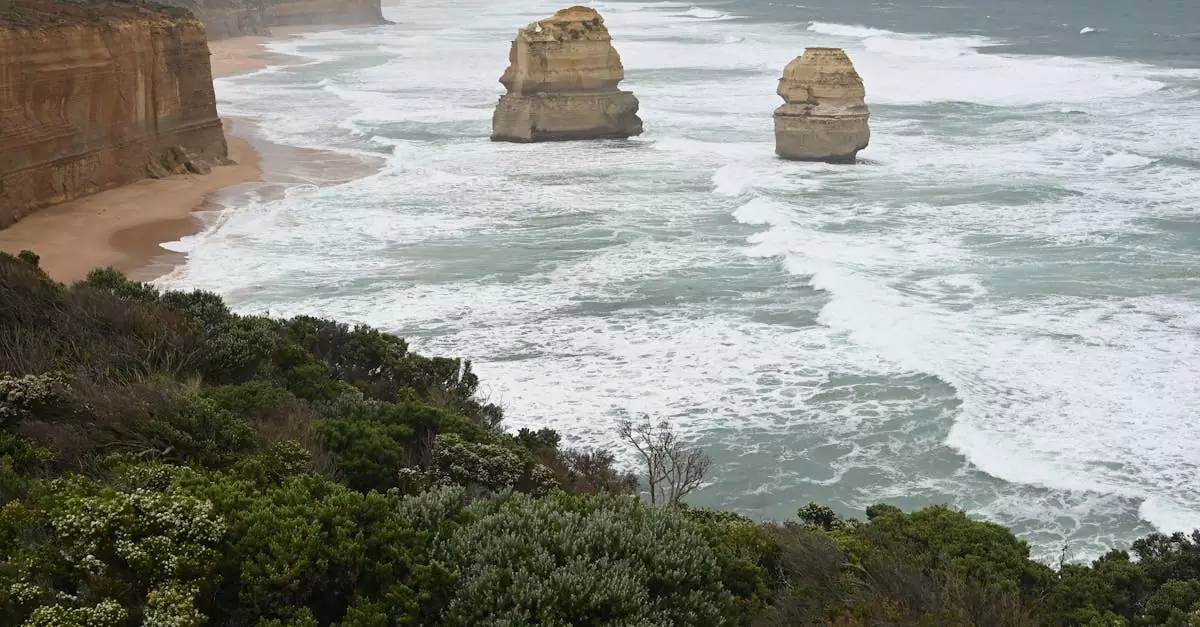
Australia’s vastness means thoughtful planning is key to accessing its incredible natural wonders. While you might be dreaming of the best Australian nature escapes, reaching them often requires specific transport choices. From rugged outback tracks to remote island hopping, understanding your options will unlock a more immersive experience.
Renting a 4WD for Off-Road Exploration
For those seeking to venture beyond paved roads into Australia’s wilder heartlands, renting a four-wheel-drive (4WD) vehicle is often essential. Many national parks, particularly in the Northern Territory and Western Australia, feature unsealed roads or tracks that are impassable for standard cars. A 4WD provides the clearance and traction needed for these challenging terrains.
When choosing a rental company, look for those that permit off-road use, as not all do. It’s also crucial to understand the vehicle’s limitations and the specific road conditions you’ll encounter. Familiarize yourself with basic recovery techniques like changing a tire on uneven ground or using a snatch strap, as help can be miles away. Booking in advance is highly recommended, especially during peak seasons or for popular models.
Domestic Flights to Remote National Parks
Australia’s sheer size makes flying a practical necessity for reaching distant natural attractions. Many of the most spectacular national parks, such as Kakadu in the Northern Territory or the Daintree Rainforest in Queensland, are hundreds or even thousands of kilometers from major cities. Domestic flights connect you efficiently to regional airports, significantly cutting down travel time.
Airlines like Qantas, Virgin Australia, and Rex Airlines offer extensive networks. Consider flying into gateway towns like Darwin, Cairns, or Broome, from where you can arrange further transport. Booking flights well in advance can secure better fares, and be mindful of luggage restrictions, especially if you plan on carrying camping gear. For example, flying into Uluru-Alice Springs Airport is the most direct way to access the Red Centre’s iconic landscapes.
Scenic Road Trips: The Great Ocean Road vs. The Savannah Way
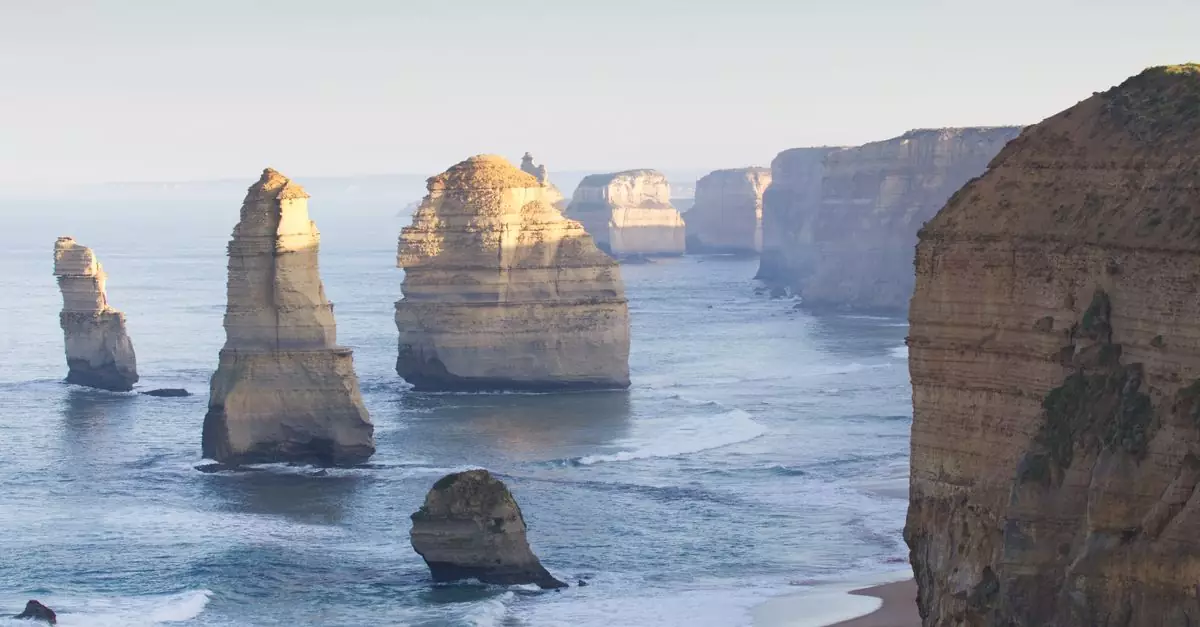
Australia offers world-class road trips, each showcasing a different facet of its natural beauty. The Great Ocean Road in Victoria is a relatively short, accessible coastal drive famous for its dramatic cliffs, Twelve Apostles, and charming seaside towns. It’s perfect for a few days of scenic exploration without requiring extensive off-road capabilities.
In stark contrast, the Savannah Way stretches over 3,500 kilometers from Cairns in Queensland to Broome in Western Australia. This epic journey traverses ancient rainforests, vast cattle stations, and remote outback landscapes. It demands a more robust vehicle, significant time commitment (typically 3-4 weeks), and careful logistical planning, including fuel stops and accommodation in remote areas.
| Route | Length (approx.) | Best For | Vehicle Type Recommended | Time Commitment |
|---|---|---|---|---|
| Great Ocean Road | 243 km | Coastal scenery, wildlife, accessible | Standard car | 2-4 days |
| The Savannah Way | 3,500 km | Outback adventure, remote wilderness | 4WD recommended | 3-4 weeks |
Public Transport Options Near Major Nature Destinations
While public transport is extensive in Australian cities, its availability diminishes significantly once you venture into natural areas. However, some major nature destinations do have limited public transport links or tour-based services. For instance, around the Blue Mountains National Park near Sydney, a combination of trains and local bus services can get you to key lookouts and trailheads.
In regions like Tasmania, relying solely on public transport for visiting national parks like Cradle Mountain can be challenging and time-consuming. Many visitors opt for organized bus tours that depart from major towns like Hobart or Launceston. These tours often provide a convenient way to see multiple sights without the hassle of driving or parking. For the best Australian nature escapes, consider how integrated public transport is before committing to a destination if you aren’t driving.
Frequently Asked Questions About Australian Nature Escapes
Are these nature escapes suitable for families with young children?
Many of Australia’s natural wonders offer family-friendly experiences. National parks often have well-maintained walking tracks suitable for strollers or younger children, with interpretive signage to engage them. Look for destinations with accessible lookouts, short loop walks, and picnic areas. For instance, the Daintree Rainforest in Queensland provides boardwalks through ancient ecosystems that are manageable for families. Always check specific park websites for accessibility information before you go.
What are the essential items to pack for Australian bushwalking?
When preparing for Australian bushwalking, prioritize sun protection and hydration. Essential items include a wide-brimmed hat, high SPF sunscreen, sunglasses, and a reusable water bottle. Comfortable, sturdy walking shoes are crucial for uneven terrain. Lightweight, breathable clothing, a rain jacket (even in drier seasons), insect repellent, and a basic first-aid kit are also highly recommended. A map and compass or GPS device are vital for navigation in more remote areas.
What are the best budget-friendly accommodation options near national parks?
Camping and caravan parks are often the most economical choices near national parks. Many offer powered and unpowered sites, as well as basic cabin accommodations. Hostels are another good option, providing dormitory-style rooms or private rooms at lower price points, particularly in popular gateway towns. For a step up, consider holiday parks that combine cabin and camping facilities. Booking in advance, especially during peak seasons, can secure better rates.
How can I ensure my safety while exploring remote Australian wilderness?
Safety in remote Australian wilderness requires preparation and awareness. Always inform someone of your plans, including your intended route and expected return time. Carry sufficient water and food, and be aware of local wildlife and environmental hazards like snakes, spiders, and extreme weather. Check weather forecasts before and during your trip. Stick to marked trails unless you are experienced in off-track navigation. Understanding local conditions is key to a safe and enjoyable adventure.