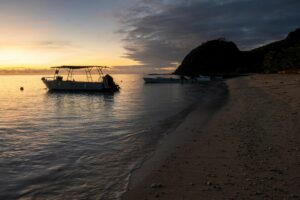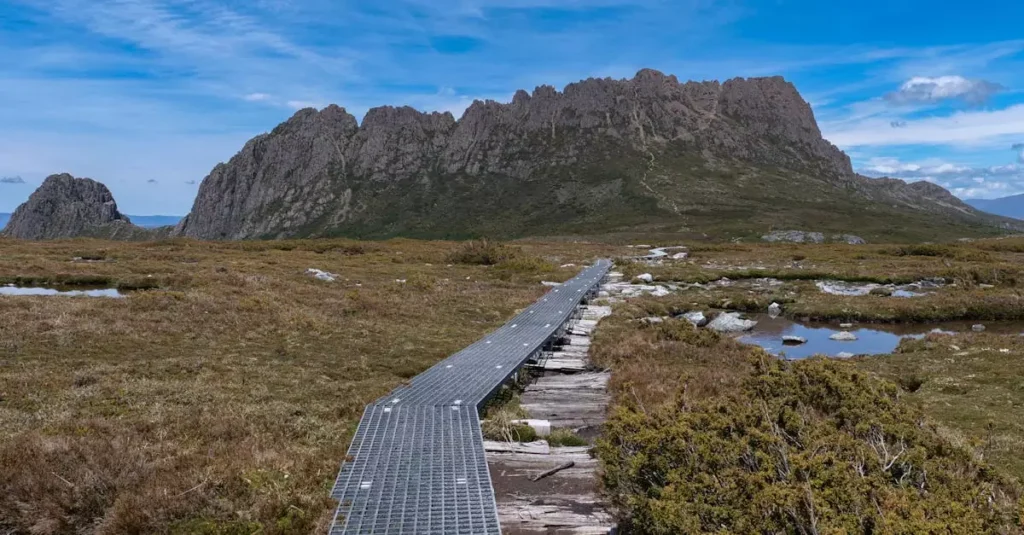
Australia is a continent shaped by ancient forces, offering a remarkable diversity of landscapes ideal for exploration on foot. From the rugged peaks of the Snowy Mountains to the lush rainforests of the tropics, adventure opportunities abound. If you’re looking for the best hiking parks Australia has to offer, you’re in the right place. This guide highlights some of the country’s most spectacular national parks, detailing their unique trails, the best times to visit, and essential tips for planning your journey. Whether you’re a seasoned trekker seeking a challenging multi-day expedition or a casual walker looking for a scenic day trip, discover the natural wonders that await you across this vast and beautiful land.
Iconic National Parks for Unforgettable Bushwalks in Australia
Australia is a hiker’s paradise, showcasing a range of landscapes from ancient rainforests to rugged alpine peaks. For those seeking the best hiking parks, a journey through its national park system reveals trails for every fitness level and interest. Whether you’re drawn to dramatic coastlines, dense eucalyptus forests, or sweeping mountain vistas, these protected areas offer unparalleled opportunities for bushwalking adventures.
Kosciuszko National Park: Snowy Mountains Treks
Located in New South Wales, Kosciuszko National Park features Australia’s highest peak, Mount Kosciuszko. This park provides a distinct alpine experience, with trails ranging from gentle walks around glacial lakes to challenging multi-day treks. The Main Range Track is a popular choice, leading to the summit of Mount Kosciuszko and offering panoramic views of the surrounding Snowy Mountains.
Best time to visit: Summer (December to February) for clear trails and milder weather; autumn (March to May) showcases stunning fall colors; winter (June to August) attracts experienced snowshoers and skiers.
Logistics: Access is generally via Jindabyne or Thredbo. Accommodation options range from campgrounds and basic huts to hotels in nearby towns. Be prepared for rapidly changing weather conditions, even in summer.
Great Otway National Park: Rainforest Trails and Coastal Views
Venture to Victoria’s Great Otway National Park for a different wilderness experience. Here, lush temperate rainforests meet a dramatic coastline. The Cape Otway Lightstation offers historical insights alongside breathtaking ocean panoramas. Hiking trails wind through towering fern gullies and ancient eucalyptus trees, leading to secluded beaches and powerful ocean views.
Key trails: The Great Ocean Walk traverses significant sections of the park, providing multi-day hiking opportunities. Shorter walks include the Otway Fly Treetop Walk for a unique perspective and the Erskine Falls track.
Traveler tip: Pack rain gear, as the region experiences frequent rainfall. Many trails are well-maintained, but some can be muddy after rain.
Daintree National Park: Ancient Rainforest Meets the Reef
In Tropical North Queensland, Daintree National Park is a UNESCO World Heritage site where one of the world’s oldest rainforests meets the Great Barrier Reef. This park offers a unique ecosystem, with opportunities to spot cassowaries and other distinctive wildlife. Walking tracks range from short boardwalks through the dense jungle to longer hikes that reveal cascading waterfalls.
Must-do experiences: Explore the Marrdja Botanical Boardwalk for an immersive rainforest experience, or take a guided tour to learn about the area’s indigenous cultural significance.
Considerations: The Daintree is a tropical environment; be prepared for high humidity and rain, especially during the wet season (November to April). Insect repellent is essential.
Blue Mountains National Park: Grand Canyon of Australia
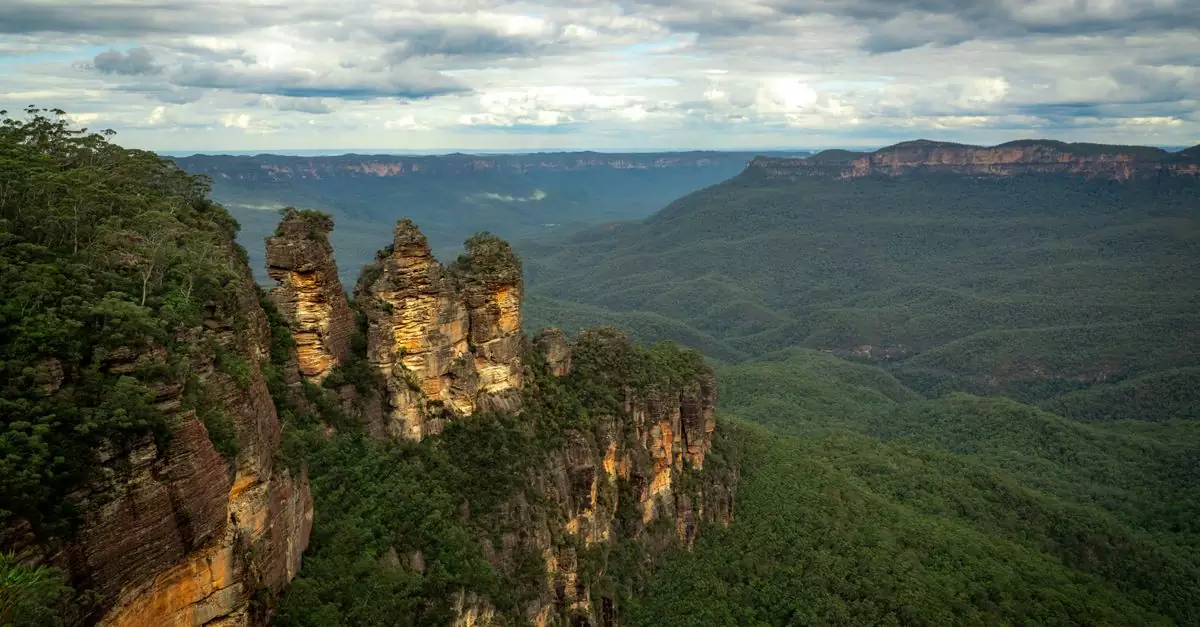
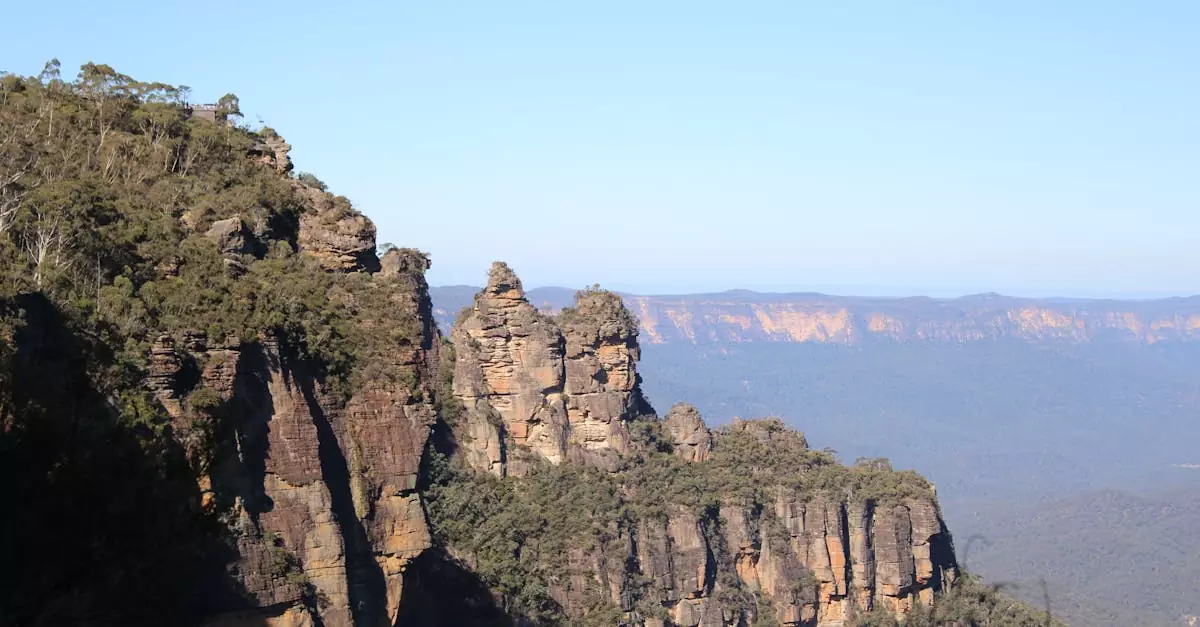
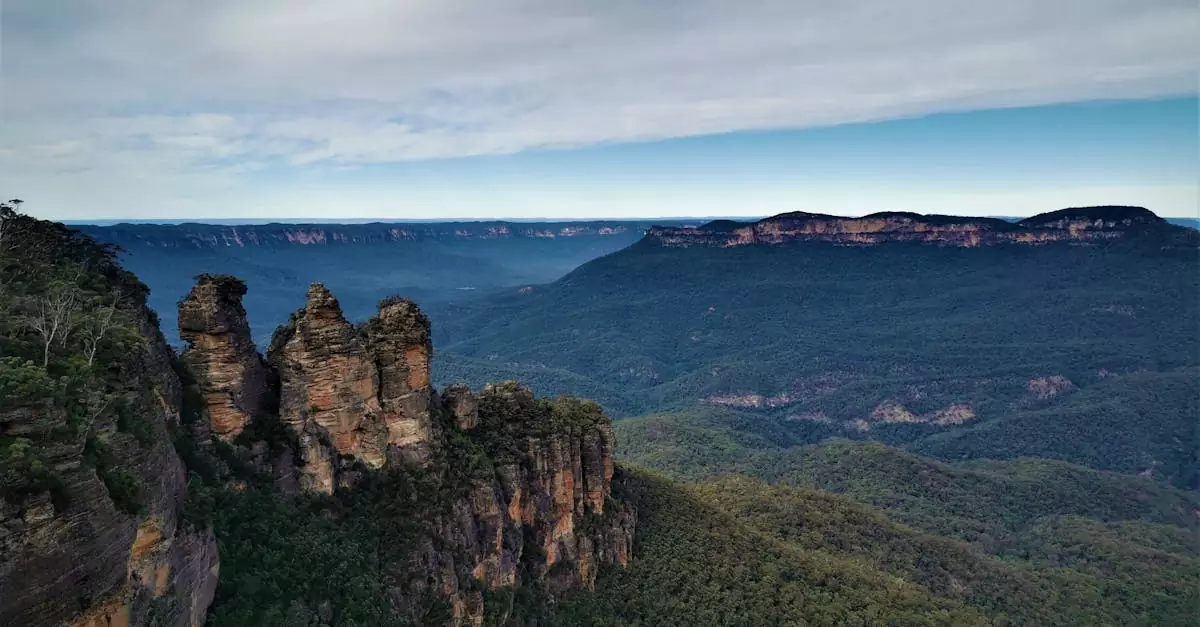
Just a short drive from Sydney, the Blue Mountains National Park is known for its dramatic sandstone cliffs, eucalyptus forests, and cascading waterfalls. This park is a popular day-trip destination with a vast network of hiking trails. The Three Sisters rock formation is an iconic landmark, with numerous viewpoints and walking tracks accessible from Echo Point.
Trail variety: Options range from the relatively easy Prince Henry Cliff Walk, which offers spectacular views, to the more challenging descent into the Jamison Valley via the Federal Pass.
Getting there: Regular train services run from Sydney to Katoomba and other towns within the Blue Mountains, making it an accessible escape. Driving offers flexibility for reaching trailheads. Always check park alerts for track closures before you go.
Best Time to Lace Up Your Boots for Hiking in Australia
Choosing the right season significantly enhances your hiking experience across Australia’s diverse landscapes. The continent’s vastness means weather patterns vary dramatically from north to south, so timing your visit to the best hiking parks Australia has to offer is crucial for comfort and safety. Understanding these regional differences will help you plan your adventure, whether you’re aiming for desert treks, mountain climbs, or coastal paths.
Autumn (March-May) for Mild Temperatures and Autumn Foliage
Autumn offers some of the most pleasant hiking conditions across much of Australia, particularly in the southern and eastern regions. Temperatures cool down from the summer heat, making it ideal for exploring national parks without the intense sun. This season is also known for its beautiful autumn foliage in areas like the Blue Mountains and the Dandenong Ranges, where eucalyptus leaves turn golden and red.
Many hikers find this period perfect for tackling longer trails. The air is crisp, and the risk of heatstroke is significantly reduced, especially in inland areas that can become dangerously hot in summer. Parks such as Kosciuszko National Park in New South Wales and the Tasmanian Highlands are particularly stunning during these months. Remember to pack layers, as mornings and evenings can still be cool.
Spring (September-November) for Wildflowers and Pleasant Hiking
Spring brings vibrant life to many Australian landscapes, especially in the western and southern parts of the country. This is the prime season for wildflower displays, with Western Australia’s Coral Coast and the wildflowers of the Grampians in Victoria putting on spectacular shows. The weather is generally mild and sunny, making it a fantastic time for day hikes and multi-day treks.
Coastal trails, such as those along the Great Ocean Walk in Victoria, are particularly enjoyable during spring. The sea breeze keeps temperatures comfortable, and the surrounding flora is at its most impressive. For those venturing into the outback, spring offers a window before the extreme heat of summer sets in, allowing for exploration of areas like the Flinders Ranges. Be aware that spring can also bring unpredictable weather, so checking forecasts is always wise.
Summer (December-February) for Alpine and Coastal Breezes
Summer in Australia is characterized by hot weather across most of the mainland, but this doesn’t mean hiking is off the table. For those seeking cooler temperatures, the Australian Alps in Victoria and New South Wales offer excellent hiking opportunities. Higher altitudes mean significantly lower temperatures, making them a refreshing escape from the heat. Trails around Mount Kosciuszko are popular during this period.
Coastal regions also provide a more temperate hiking experience due to sea breezes. Exploring parks along the Queensland coast or the beaches of Western Australia can be very rewarding. However, it’s crucial to hike early in the morning or late in the afternoon to avoid the midday sun, especially in more exposed areas. Hydration and sun protection are paramount during summer hikes. Inland parks can be extremely challenging due to heat, and some may even be closed for safety reasons.
Winter (June-August) for Snowshoeing in Tasmania and Victoria
Winter transforms the higher elevations of southeastern Australia into a snowy wonderland, offering a unique hiking experience. Tasmania’s Central Highlands and Victoria’s alpine regions, including Mount Buller and Falls Creek, become prime destinations for snowshoeing and winter trekking. This is the only time of year when you can experience snow-covered landscapes while hiking on the Australian mainland.
While the rest of the country experiences milder winter conditions, it’s an excellent time to explore the deserts of Central Australia, such as Uluru-Kata Tjuta National Park. Daytime temperatures are comfortable for walking, and the risk of dehydration is lower than in warmer months. However, nights can be very cold, so appropriate gear is essential. Northern Australia, including Queensland and the Northern Territory, experiences its dry season during winter, offering pleasant temperatures for exploring tropical parks.
Planning Your Hiking Adventure: Essential Tips for Australian Parks
Embarking on a trek through Australia’s diverse landscapes requires thoughtful preparation. Understanding park entry requirements, accommodation options, and essential gear will ensure a smoother and more enjoyable experience. Planning ahead is key to making the most of your exploration of the best hiking parks Australia has to offer.
Booking Accommodation Near Trailheads
Securing lodging close to popular trailheads is crucial, especially during peak seasons. Many national parks offer campgrounds within their boundaries, ranging from basic sites to those with amenities. Booking these in advance is highly recommended, often months ahead for popular locations like those in the Blue Mountains or Tasmania. For those preferring more comfort, consider booking lodges, cabins, or hotels in nearby towns. These can provide a good base for day trips and offer services like restaurants and shops. Always check the park’s official website for the most up-to-date accommodation information and booking procedures.
Navigating Park Entry Fees and Permits
Most Australian national parks have entry fees, which contribute to conservation efforts and trail maintenance. These fees can vary significantly, from a daily per-vehicle charge to multi-day passes. Some parks, particularly those managed by state governments, may offer free entry. For specific activities like overnight camping, multi-day treks, or visiting restricted areas, permits are often required. These can usually be obtained online through the relevant Parks Australia website or state park service portals. Always verify the specific permit requirements for the parks you plan to visit, as penalties for non-compliance can be strict.
Understanding Park Regulations and Leave No Trace Principles
Adhering to park regulations is vital for preserving the natural environment and ensuring visitor safety. These rules typically cover aspects like staying on marked trails, waste disposal, fire restrictions, and wildlife interaction. Familiarizing yourself with the “Leave No Trace” principles is fundamental to responsible outdoor recreation. This means packing out everything you pack in, minimizing campfire impacts, respecting wildlife, and leaving what you find. Many parks also have specific rules regarding drones, pets, and cycling, so check the local guidelines before your visit.
Packing Essentials for Australian Hiking Conditions
The Australian climate can be unpredictable, and conditions vary greatly across the country. Packing appropriately is essential for comfort and safety.
Here’s a breakdown of key items to consider:
- Footwear: Sturdy, broken-in hiking boots are a must for most trails.
- Clothing: Layers are key. Pack moisture-wicking base layers, insulating mid-layers, and a waterproof and windproof outer shell. Sun protection is paramount, so include a wide-brimmed hat and sunglasses.
- Hydration: Carry more water than you think you’ll need, especially in arid regions. A reusable water bottle or hydration pack is recommended.
- Navigation: A map, compass, and GPS device or app are crucial, even on well-marked trails. Ensure you know how to use them.
- First-Aid Kit: A comprehensive kit with essentials for blisters, cuts, insect bites, and any personal medications.
- Sunscreen and Insect Repellent: High SPF sunscreen and effective insect repellent are non-negotiable.
- Food: Pack high-energy, non-perishable snacks and meals.
Consider the specific environment you’ll be hiking in. For instance, coastal walks require different gear than alpine treks. Always check the weather forecast before you depart.
Beyond the Main Trails: Hidden Gem Hiking Spots in Australia
Australia’s vast landscapes offer an incredible diversity of hiking experiences, extending far beyond the most famous national parks. For those seeking unique trails and fewer crowds, several regions provide unforgettable adventures, from ancient rainforests to rugged coastlines. These destinations showcase the country’s natural beauty and rich cultural heritage, catering to various fitness levels and interests.
Lamington National Park: Gondwana Rainforest Walks
Located in southeast Queensland, Lamington National Park is a UNESCO World Heritage site renowned for its ancient Gondwanan rainforests. This park offers a network of trails winding through ancient trees, past cascading waterfalls, and into lush fern gullies. The Border Track is a popular choice for longer treks, while shorter walks like the Gallery Walk provide accessible routes to stunning viewpoints and diverse flora and fauna. Keep an eye out for the park’s resident lyrebirds and colorful parrots.
- Best for: Rainforest immersion, waterfall hikes, birdwatching.
- Getting there: Accessible by car from Brisbane or the Gold Coast.
- Timing: Year-round, though autumn (March-May) offers pleasant temperatures and vibrant foliage.
Freycinet National Park: Wineglass Bay and Coastal Tracks
On Tasmania’s east coast, Freycinet National Park is famous for the iconic Wineglass Bay, but its hiking opportunities extend much further. Beyond the well-trodden path to the bay’s lookout, visitors can tackle the challenging Mount Freycinet summit for panoramic views or explore the Hazards Beach circuit. The park’s granite peaks, pristine beaches, and turquoise waters create spectacular scenery.
- Key trails: Wineglass Bay Lookout, Mount Freycinet Summit, Hazards Beach Circuit.
- Consider: Booking accommodation in advance, especially during peak season.
- Logistics: Entry fees apply; visitor centre provides maps and information.
Grampians National Park: Dramatic Peaks and Aboriginal Rock Art
Victoria’s Grampians National Park is a hiker’s paradise, characterized by its dramatic sandstone mountain ranges, ancient Aboriginal rock art sites, and abundant wildlife. The park features a range of trails, from gentle strolls to challenging climbs. The Pinnacle Lookout offers breathtaking views across the valleys, while the path to the Balconies provides a different, equally stunning perspective. Many trails lead to significant cultural sites, offering a glimpse into the region’s Indigenous history.
- Highlights: The Pinnacle, Reeds Lookout, Boronia Peak.
- Cultural significance: Respectful visitation of rock art sites is paramount.
- Accommodation: Options range from campgrounds to lodges within and around the park.
Kakadu National Park: Wetlands and Escarpment Hikes
Kakadu National Park in the Northern Territory is Australia’s largest national park, a vast wilderness of wetlands, escarpments, and ancient Aboriginal rock art galleries. Hiking here offers a unique experience of this biodiverse landscape, from the edge of the Arnhem Land plateau to the floodplains teeming with wildlife. Trails like the Jim Jim Falls walk (seasonal access) and the Ubirr Rock Art walk provide access to iconic natural and cultural landmarks.
- Must-do walks: Ubirr Rock Art, Jim Jim Falls (seasonal), Nourlangie Rock Art.
- Important: Always check local conditions and safety advice, especially during the wet season.
- Travel tip: Consider guided tours for deeper cultural insights and logistical support.
Getting Around Australia’s Best Hiking Parks: Transportation Options
Navigating Australia’s vast and varied landscapes to reach its best hiking parks requires careful planning. While the sheer size of the continent can be daunting, a range of transportation options caters to different travel styles and budgets, ensuring access to these natural wonders. Whether you prefer the freedom of a road trip or the convenience of guided excursions, understanding your choices is key to a successful adventure.
Driving and Self-Drive Itineraries for Park Access
For many, the ultimate way to experience Australia’s hiking parks is by car, offering unparalleled flexibility. Renting a vehicle allows you to set your own pace, stop at scenic lookouts, and access trailheads that might be hours from major towns. Popular national parks like the Blue Mountains in New South Wales or the Grampians in Victoria are easily reachable by car from Sydney and Melbourne, respectively. Planning a self-drive itinerary means you can combine multiple park visits or dedicate more time to a single region.
Consider the distances involved; driving between major parks can take several days. For instance, a road trip from the Daintree Rainforest in Queensland to the Flinders Ranges in South Australia covers over 3,000 kilometers. Researching road conditions, especially for remote areas, is crucial. Many parks have well-maintained sealed roads leading to key attractions, but some secondary tracks may require a 4WD vehicle.
Public Transport and Shuttle Services to Trailheads
While less common for reaching remote hiking destinations, public transport can be a viable option for accessing some popular national parks, particularly those closer to major cities. Buses and trains can get you to gateway towns, from where local shuttle services or taxis might connect you to park entrances or specific trailheads. For example, in Tasmania, regional bus services connect Hobart and Launceston to towns near Cradle Mountain-Launceston National Park.
However, reliance on public transport can limit your flexibility and the number of trails you can realistically access within a single day. Services are often infrequent, and schedules may not align with early morning or late afternoon hiking plans. It’s essential to thoroughly research available public transport routes and timings well in advance of your trip, as options can vary significantly between states and territories.
Organized Tours for Seamless Park Exploration
For travelers seeking a hassle-free experience, organized tours offer a convenient way to visit Australia’s best hiking parks. These tours often include transportation from major cities directly to park entrances, guided walks, and sometimes even accommodation and meals. Companies specializing in adventure travel provide a variety of options, from day trips to multi-day trekking expeditions.
Choosing a tour can be particularly beneficial if you’re visiting a park with complex logistics or if you’re traveling solo and prefer the camaraderie of a group. Tours can also provide valuable insights from local guides who are knowledgeable about the flora, fauna, and history of the region. This option removes the stress of navigation and vehicle management, allowing you to focus entirely on the hiking experience.
Navigating Different Terrain: 4WD vs. Standard Vehicles
The type of vehicle you choose will significantly impact which hiking parks and trails you can access. Standard rental cars are suitable for most sealed roads leading to visitor centers and popular viewpoints in parks like the Royal National Park near Sydney or Wilson’s Promontory in Victoria. However, many incredible hiking opportunities lie off the beaten path, requiring a more robust vehicle.
For accessing remote trailheads, unsealed park tracks, or areas known for rough terrain, a four-wheel-drive (4WD) vehicle is often recommended or even mandatory. Parks such as Karijini National Park in Western Australia or the Simpson Desert Conservation Park in South Australia demand 4WD capability. When renting, ensure you understand the rental company’s policies regarding off-road use, as this can affect insurance coverage. Always check park-specific vehicle access guidelines before setting out.
Frequently Asked Questions About Hiking in Australia
What are the most challenging hikes in Australia?
For those seeking a true test of endurance, consider the Larapinta Trail in the Northern Territory. This 223-kilometer trek traverses the rugged West MacDonnell Ranges, featuring steep ascents, rocky terrain, and remote sections requiring self-sufficiency. Another demanding option is the Overland Track in Tasmania, a 65-kilometer journey through alpine landscapes that can be extended with side trips. Summiting Mount Kosciuszko, Australia’s highest peak, via the Main Range Track in New South Wales also offers a significant challenge, particularly in winter conditions.
Are there dangerous animals I should be aware of while hiking?
While encounters are rare, it’s wise to be aware of potential wildlife. Snakes, including venomous species like the Eastern Brown Snake, are present in many Australian bushland areas. Always wear sturdy hiking boots and watch where you step. In northern Australia, crocodiles inhabit freshwater and saltwater environments, so adhere strictly to warning signs near waterways. Jellyfish and stingrays are a concern in coastal waters, but less so for inland hikes. Most Australian animals are shy and will avoid humans.
Can I go camping in Australia’s national parks?
Yes, camping is a popular way to experience Australia’s national parks. Many parks offer designated campgrounds, ranging from basic sites with minimal facilities to more developed campgrounds with amenities like toilets, picnic tables, and fire pits. Booking is often required, especially during peak seasons or for popular locations like Kosciuszko National Park. Backcountry camping is permitted in some areas, but usually requires a permit and adherence to strict Leave No Trace principles. Always check park-specific regulations before planning your trip.
What are the best day hikes near Sydney or Melbourne?
Near Sydney, the Royal National Park offers stunning coastal walks, such as the Bundeena to Marley Beach track, showcasing dramatic cliffs and secluded coves. The Blue Mountains also provide numerous day hike options, with the Prince Henry Cliff Walk near Katoomba offering spectacular views of the Three Sisters.
For Melbourne locals and visitors, the Dandenong Ranges boast beautiful forest trails, like the walk to the top of Mount Dandenong. The Great Ocean Walk, while a multi-day trek, has accessible day hike sections, particularly around the Twelve Apostles. The Yarra Valley also presents scenic vineyard and bushland walks.