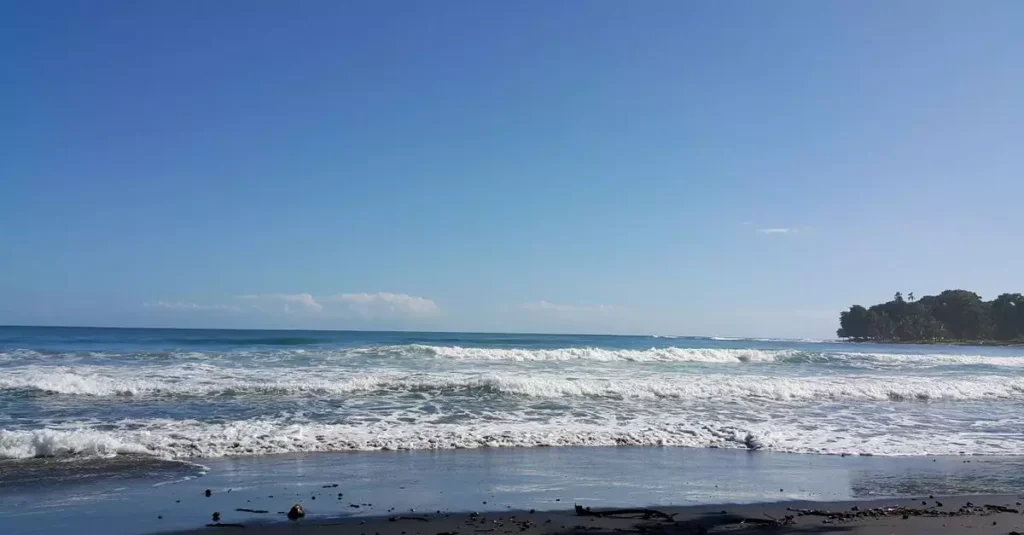
Central America is a treasure trove of coastal beauty, offering everything from the dramatic waves of the Pacific to the serene, turquoise waters of the Caribbean. If you’re dreaming of sun-drenched shores, vibrant coral reefs, or world-class surf breaks, this region delivers a diverse array of experiences.
This guide will help you uncover the best beaches in Central America, showcasing destinations that cater to every type of traveler. You’ll discover the unique charm of each location, from the bohemian surf vibes of Costa Rica’s Santa Teresa to the underwater wonders of Honduras’s Roatán and the laid-back island life of Belize. We’ll explore what makes each spot special, providing insights into available activities, the local atmosphere, and how to make the most of these stunning coastal gems. Get ready to plan your ultimate beach getaway.
Top 10 Best Beaches in Central America for Every Traveler
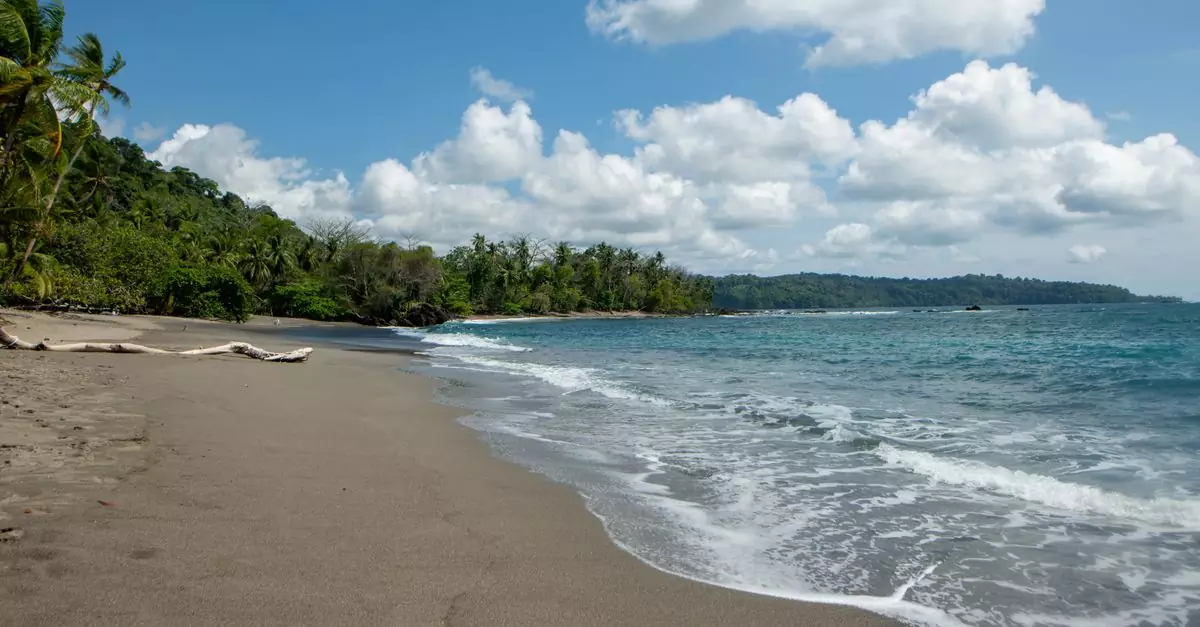
Central America boasts a stunning variety of coastlines, from powerful Pacific surf breaks to the tranquil turquoise waters of the Caribbean. Whether you’re an experienced surfer, a dedicated diver, or simply seeking relaxation, this region has a beach for you. Here are some of the best beaches in Central America, showcasing diverse landscapes and experiences.
Playa Santa Teresa, Costa Rica: Surf and Bohemian Vibes
Situated on the Nicoya Peninsula, Playa Santa Teresa attracts surfers and those drawn to a laid-back, bohemian atmosphere. The consistent Pacific swells create ideal conditions for catching waves, with numerous surf schools available for beginners. Beyond surfing, the town offers yoga retreats, healthy eateries, and a general sense of barefoot luxury.
Getting to Santa Teresa involves a ferry from Puntarenas to Paquera, followed by a scenic drive. The journey itself is part of the adventure, revealing glimpses of Costa Rica’s lush interior. Accommodations range from rustic cabinas to stylish boutique hotels, reflecting the area’s eclectic charm.
Bocas del Toro, Panama: Caribbean Paradise for Snorkeling
The Bocas del Toro archipelago, a UNESCO World Heritage site, is renowned for its vibrant coral reefs and crystal-clear Caribbean waters. Starfish Beach (Playa Estrella) is a local favorite, named for the abundance of starfish in its shallow, calm waters. Red Frog Beach, on Isla Bastimentos, offers a more secluded experience in a stunning natural setting.
Transportation within Bocas del Toro is primarily by water taxi, connecting the main island of Colón with its smaller neighbors. This makes island hopping an enjoyable way to discover different coves and snorkeling spots. The vibe here is distinctly Caribbean, often accompanied by reggae music drifting from beach bars.
Roatán, Honduras: Underwater Wonders and Pristine Sands
Roatán, the largest of Honduras’s Bay Islands, sits directly on the Mesoamerican Barrier Reef, making it a premier destination for diving and snorkeling. West Bay Beach is the most popular stretch of sand, known for its soft white powder and calm, clear waters ideal for swimming. The coral formations just offshore teem with marine life, from colorful fish to sea turtles.
Access to Roatán typically involves flights into Juan Manuel Gálvez International Airport. Within the island, taxis and rental scooters are common modes of transport. Many resorts line West Bay, offering convenient access to the beach and diving operations.
Ambergris Caye, Belize: The Ultimate Barrier Reef Escape
Ambergris Caye is Belize’s largest island and a gateway to the Belize Barrier Reef, the second-largest reef system in the world. The main town, San Pedro, buzzes with activity, while quieter stretches of beach can be found further north. Hol Chan Marine Reserve and Shark Ray Alley are must-visit spots for snorkeling and diving, offering close encounters with nurse sharks, rays, and a kaleidoscope of fish.
Reaching Ambergris Caye involves a short flight from Belize City or a ferry. Golf carts serve as the primary mode of transportation on the island, adding to its unique, relaxed charm. The island offers a range of accommodations, from budget-friendly guesthouses to luxury beachfront resorts.
El Tunco, El Salvador: Surfing Mecca for All Levels
El Tunco, a small, bohemian surf town on El Salvador’s coast, has gained international recognition for its consistent waves and vibrant surf culture. Playa El Tunco itself is known for its namesake rock formation, a large sea stack that creates powerful A-frame waves. Nearby beaches like La Bocana and El Zonte provide different breaks suitable for various skill levels.
This beach town is easily accessible by shuttle or bus from San Salvador. The atmosphere is laid-back, with surf shops, open-air restaurants, and hostels lining the main street. It’s an excellent destination for budget-conscious travelers looking to immerse themselves in the surf scene.
Unveiling Central America’s Hidden Beach Gems
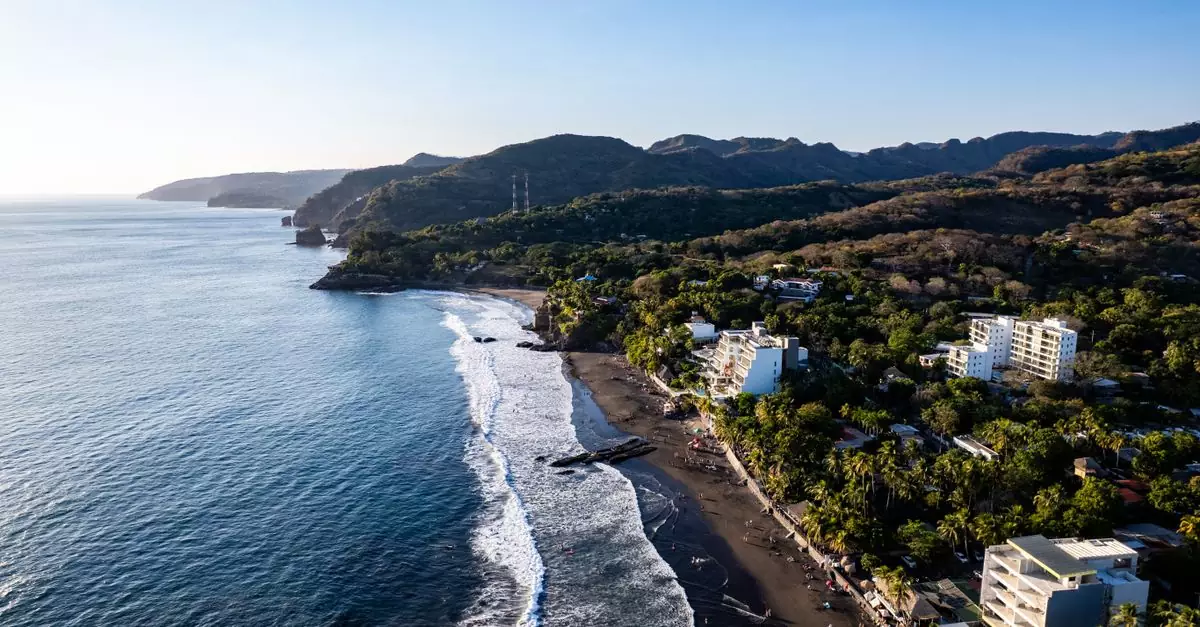
Central America presents a dazzling array of coastal experiences, from tranquil waters of volcanic lakes to the vibrant shores of the Caribbean. Travelers seeking diverse beach destinations will find plenty to love across this varied region.
Laguna de Apoyo, Nicaragua: Volcanic Crater Lake Beach Bliss
For a unique beach getaway, consider Laguna de Apoyo in Nicaragua. This stunning crater lake, formed by a collapsed volcano, boasts clear, calm, and warm waters ideal for swimming and kayaking. The surrounding lush hills create a serene backdrop, far removed from the typical oceanfront hustle.
Getting to Laguna de Apoyo usually involves a taxi or shuttle from nearby Granada or Masaya. While not a traditional ocean beach, its tranquil atmosphere and natural beauty make it a compelling stop for those exploring Nicaragua’s interior. Accommodation options range from rustic eco-lodges to more comfortable hotels right on the lake’s edge, offering direct access to its refreshing waters.
Caye Caulker, Belize: ‘Go Slow’ Philosophy on a Laid-back Island
Caye Caulker, Belize, embodies the “go slow” motto with its sandy streets, golf cart transport, and unhurried pace of life. This small Caribbean island is a haven for snorkelers and divers, with the world’s second-largest barrier reef just a short boat trip away. The main swimming area, known as “The Split,” is a channel that divides the island and offers a popular spot for sunbathing and swimming.
Reaching Caye Caulker requires a ferry from Belize City or San Pedro. The island is easily navigable on foot or by bicycle. Budget-friendly guesthouses and charming beachfront bungalows cater to backpackers and independent travelers. Evenings are best spent enjoying fresh seafood at local eateries and soaking in the laid-back island vibe.
San Juan del Sur, Nicaragua: Vibrant Nightlife Meets Golden Beaches
San Juan del Sur is Nicaragua’s premier beach resort town, known for its energetic atmosphere and beautiful crescent-shaped bay. Surfers flock to nearby beaches like Playa Maderas and Playa Hermosa for consistent waves, while the main town beach is perfect for swimming and sunbathing. The town buzzes with activity, offering a wide range of restaurants, bars, and hostels.
Transportation to San Juan del Sur is straightforward, with frequent shuttle services from Managua and Costa Rican border crossings. The town is highly walkable, though taxis are readily available for reaching more distant surf spots. Accommodation ranges from lively hostels with social atmospheres to boutique hotels and private villas overlooking the ocean. Visitors should be aware of the active nightlife, which can be quite lively on weekends.
Palomino, Colombia (Caribbean Coast, close to Central America): River Meets Sea Serenity
While technically in Colombia, Palomino’s Caribbean coast location makes it a natural extension for those traveling through Central America’s northern reaches. This laid-back beach town is famous for its unique geography where the crystal-clear Palomino River meets the vast Caribbean Sea. Tubing down the river, with the jungle on one side and the ocean in sight, is a quintessential Palomino experience.
Access to Palomino typically involves flying into Santa Marta and then taking a bus or taxi. The town has a relaxed vibe with a growing number of charming hostels and eco-lodges. It’s a destination for travelers seeking natural beauty and a slower pace, away from larger tourist crowds. The combination of river and sea offers diverse water activities for a memorable coastal escape.
When is the Best Time to Visit Central America’s Beaches?
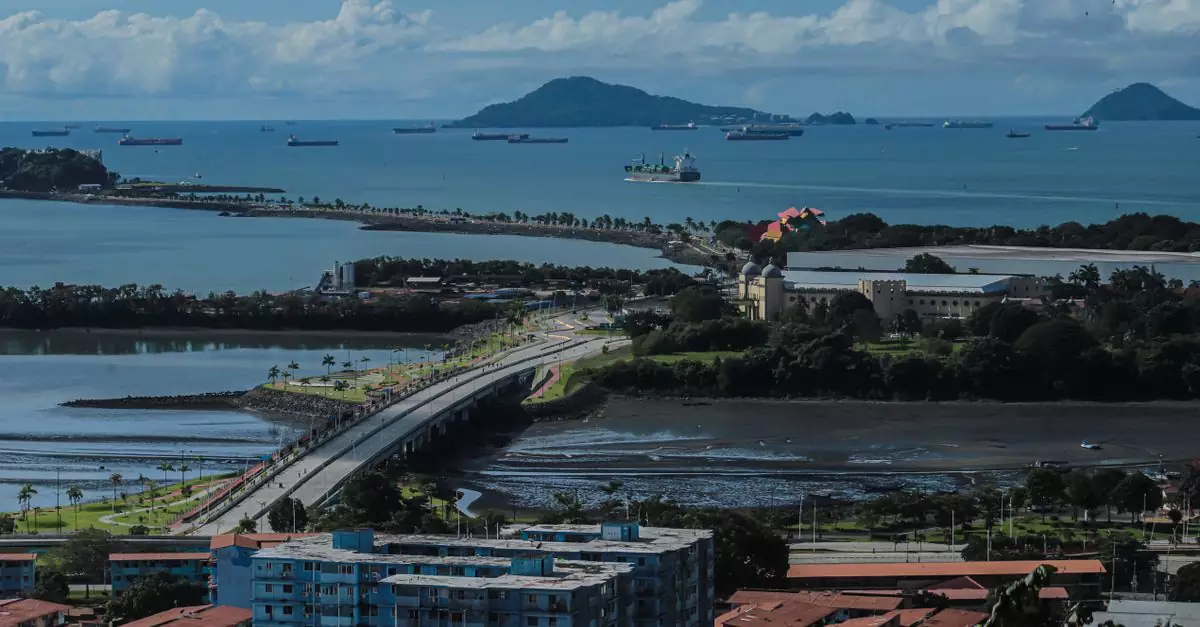
Choosing the right time to visit Central America’s diverse coastlines significantly impacts your experience, from sunshine and surf conditions to crowd levels and budget. The region experiences distinct wet and dry seasons, with variations between the Pacific and Caribbean sides that are crucial for planning your trip to the best beaches Central America has to offer.
Navigating the Dry Season: December to April
The dry season, generally spanning from December to April, is widely considered the prime time for beach holidays across most of Central America. During these months, you can expect abundant sunshine, lower humidity, and minimal rainfall, making it ideal for sunbathing, swimming, and water sports. Pacific coast destinations like those in El Salvador and Nicaragua typically boast excellent surf conditions during this period, attracting surfers from around the globe.
This period also aligns with peak tourist season, meaning flights and accommodations can be pricier, and popular beaches may feel crowded. Booking well in advance is highly recommended, especially if you’re traveling during holidays like Christmas or Easter. For those seeking a balance of good weather and slightly fewer crowds, consider visiting in early December or late April.
Embracing the Green Season: May to November for Fewer Crowds
Often referred to as the “rainy season,” the period from May to November, known locally as the “green season,” offers a different appeal for visiting Central America’s coastal regions. Rainfall typically occurs in short, intense bursts, often in the afternoon, leaving mornings and evenings clear and pleasant. This pattern can create dramatic skies and lush landscapes.
The main advantage of traveling during the green season is the significant drop in tourist numbers and prices for flights and lodging. This makes it an excellent time for budget-conscious travelers or those who prefer a more tranquil beach experience. Destinations like the Caribbean coast of Costa Rica and Belize often experience less rain during the early part of this season (May-July) compared to the Pacific side. The lush rainforests also become incredibly vibrant, providing a beautiful backdrop for your beach getaway.
Hurricane Season Considerations for Caribbean Coasts
Central America’s Caribbean coast, stretching from Belize down to Panama, is susceptible to hurricanes and tropical storms from June through November, with peak activity typically occurring from August to October. While not every year sees a direct hit, potential disruptions to travel, including flight cancellations and storm warnings, are a real possibility.
Travelers planning a trip to the Caribbean during these months should closely monitor weather forecasts and consider travel insurance that covers weather-related cancellations. Despite the risks, many visitors still enjoy the Caribbean during this period, often finding lower prices and fewer crowds. However, it’s essential to be flexible with your plans and prepared for potential changes. The Pacific coast is generally less affected by Atlantic hurricanes, though it can experience its own tropical storm activity. Understanding these regional weather patterns is key to a smooth trip to the best beaches Central America has to offer.
| Region | Dry Season (Best Weather) | Green Season (Fewer Crowds) | Hurricane Season (Caribbean) |
|---|---|---|---|
| Pacific Coast | December – April | May – November | Less direct impact |
| Caribbean Coast | December – April | May – July (often drier) | June – November (peak Aug-Oct) |
Getting Around Central America’s Coastal Regions
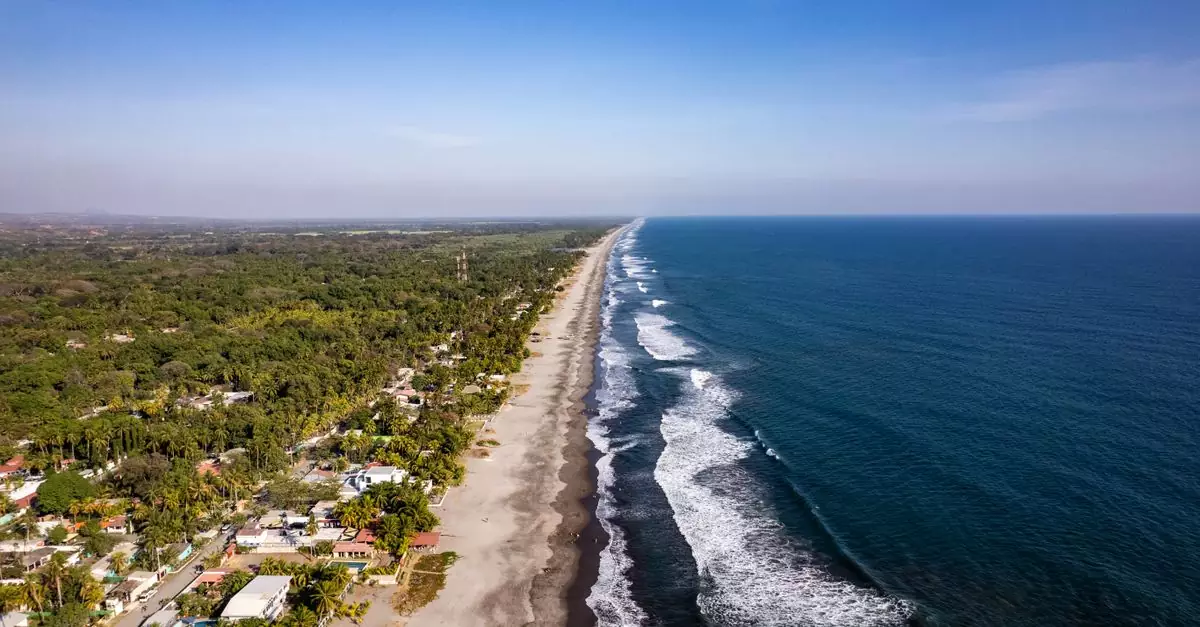
Navigating the diverse coastal landscapes of Central America offers various transportation options, each suited to different travel styles and budgets. Whether you’re aiming for quick transit between major hubs or seeking the freedom to discover hidden coves, understanding your options is key to a smooth journey. From bustling bus networks to serene ferry routes, planning your travel between the best beaches in Central America ensures you spend more time soaking up the sun and less time worrying about logistics.
Flying Between Beach Destinations: Quickest Routes
For travelers with limited time or those covering significant distances, flying offers the fastest way to reach popular coastal areas. Major international airports in cities like San José, Costa Rica; Panama City, Panama; and Belize City, Belize, serve as hubs for regional flights. Smaller airstrips often cater to specific tourist destinations, such as the islands of Bocas del Toro or the remote beaches of Nicaragua.
Booking flights in advance, especially during peak season, is highly recommended to secure better fares and availability. Airlines like Copa Airlines and Avianca operate extensive networks across the region, connecting you to key coastal gateways. Consider the total travel time, including airport transfers and check-in procedures, when comparing flying with other transport methods.
Busting Buses: Budget-Friendly Travel Between Towns
The extensive network of public and tourist buses is the backbone of overland travel in Central America, providing an economical way to journey between towns and coastal villages. Local buses are incredibly affordable but can be slow, making frequent stops and sometimes requiring transfers. Tourist shuttles, while more expensive, offer a more direct and comfortable service between popular destinations, often with air conditioning and fewer stops.
When planning your bus travel, factor in potential delays due to road conditions or traffic, particularly in and around larger cities. Purchasing tickets in advance from reputable bus companies or your accommodation can save time and ensure a seat, especially on popular routes. For example, traveling along the Pacific coast of Nicaragua often involves a combination of local buses and occasional shuttles to reach surf towns like San Juan del Sur.
Island Hopping: Ferries and Water Taxis in Bocas del Toro and Belize
For archipelagos like Bocas del Toro in Panama or the cayes of Belize, ferries and water taxis are essential for reaching your island paradise. These services provide regular connections between mainland ports and the various islands, as well as between the islands themselves. In Bocas Town, the main hub of Bocas del Toro, frequent water taxis shuttle visitors to popular spots like Starfish Beach and Red Frog Beach.
In Belize, regular ferries operate between Belize City, Caye Caulker, and Ambergris Caye, the country’s most popular island destinations. For more remote cayes or private transfers, water taxis can be hired, though this significantly increases the cost. Always confirm ferry schedules and book tickets in advance where possible, especially for longer journeys or during busy periods, to ensure smooth island hopping.
Renting a Car: Freedom for Exploring Remote Beaches
Renting a car offers the ultimate freedom to explore Central America’s coastlines at your own pace, particularly for reaching less accessible beaches and scenic viewpoints. Major rental agencies are available at international airports and in larger cities. However, driving in Central America can be challenging due to varying road conditions, local driving habits, and navigation in unfamiliar territories.
If you plan to rent a vehicle, consider opting for a 4×4 if you intend to venture onto unpaved roads, which are common when seeking out secluded stretches of sand. It is also advisable to secure comprehensive insurance and familiarize yourself with local traffic laws. For those comfortable with independent travel, a rental car unlocks the potential to discover hidden gems far from the typical tourist trails, making it an excellent choice for adventurous travelers seeking the best beaches in Central America.
What to Pack for Your Central American Beach Adventure

Packing for a trip to the diverse coastlines of Central America requires a thoughtful approach, balancing the needs of sun-drenched relaxation with the realities of tropical climates and potential excursions. The best beaches in Central America range from the Pacific’s surf-ready breaks to the Caribbean’s calm, clear waters, each demanding slightly different gear. Consider the season, as transition periods can bring rain, and always prioritize sun protection and insect defense.
Essential Beachwear and Sun Protection
When heading to the coast, comfortable and quick-drying beachwear is essential. Think swimsuits, rash guards for added sun protection during water activities, and cover-ups that transition easily from sand to a casual beachfront eatery. Robust sun protection is non-negotiable; pack a high SPF sunscreen, reapplying diligently throughout the day, especially after swimming. A wide-brimmed hat offers crucial shade for your face and neck, while UV-protective sunglasses safeguard your eyes. Consider a reusable water bottle to stay hydrated and minimize plastic waste.
Insect Repellent and After-Bite Solutions
Tropical environments, particularly near water and during dawn and dusk, are prime habitats for mosquitoes and other biting insects. A reliable insect repellent containing DEET or picaridin is essential for comfort and to prevent potential insect-borne illnesses. Look for products specifically designed for tropical climates, as they often offer longer-lasting protection. Alongside repellent, bring an after-bite treatment. Soothing lotions or hydrocortisone creams can provide relief from itchy bites, ensuring your relaxation isn’t compromised.
Lightweight Clothing and Rain Gear for Transition Seasons
While beach destinations are often warm, inland areas or evenings can be cooler, and the shoulder seasons often bring unpredictable weather. Pack lightweight, breathable clothing like cotton or linen shirts, shorts, and sundresses. For the transition seasons, typically the ‘green season’ or shoulder months, a lightweight, waterproof rain jacket or poncho is highly advisable. This gear is useful not only for sudden downpours but also for exploring rainforests or higher elevations that might be part of your itinerary. A quick-drying towel is also a practical addition, far superior to standard cotton towels for beach use.
Footwear for Sand, Trails, and Exploring
Your choice of footwear should cater to varied activities. Comfortable flip-flops or sandals are perfect for the beach and casual strolls. However, for exploring coastal towns, hiking to viewpoints, or walking on uneven terrain, a sturdy pair of walking shoes or closed-toe sandals with good grip is recommended. Water shoes can be beneficial for rocky shorelines or when participating in activities like kayaking or snorkeling in areas with sharp coral. Ensure your footwear is broken in before your trip to avoid blisters during your adventures.
Frequently Asked Questions About Central America’s Best Beaches
Are Central America’s beaches safe for solo female travelers?
Many solo female travelers find Central America’s beaches to be safe and welcoming, especially in well-trafficked tourist areas. However, it’s always wise to exercise caution. Stick to reputable accommodations, be aware of your surroundings, and avoid walking alone late at night in unlit areas. Popular destinations like Bocas del Toro in Panama or the Pacific coast of Costa Rica generally have a good safety record for solo visitors. Researching specific locations and reading recent traveler reviews can provide valuable insights.
What are the most family-friendly beaches in Central America?
Several beaches cater well to families. Playa Tamarindo in Costa Rica offers calm waters, surf lessons for beginners, and a lively town with amenities. On the Caribbean side, the islands of Bocas del Toro, Panama, like Isla Colón, provide shallow, clear waters and opportunities for snorkeling and boat trips. For a more laid-back experience, consider the Bay Islands of Honduras, where beaches on Utila and Roatan offer gentle waves and abundant marine life accessible right from shore.
Can you find affordable beach destinations in Central America?
Absolutely. Central America is known for its budget-friendly travel options, and many beach areas reflect this. Nicaragua’s Pacific coast, with towns like San Juan del Sur, offers affordable hostels and guesthouses, alongside inexpensive local eateries. El Salvador’s Ruta de las Flores, while not exclusively beach-focused, has coastal towns with very reasonable accommodation and food costs. Even popular spots in Costa Rica can be experienced on a budget by opting for guesthouses over resorts and dining at local “sodas.”
What are the best activities beyond sunbathing at these beaches?
Beyond soaking up the sun, the best beaches in Central America offer a wealth of activities. Surfing is a major draw on the Pacific coasts of Costa Rica, Nicaragua, and El Salvador, with waves suitable for all skill levels. Snorkeling and diving are exceptional in the clear waters of the Caribbean, particularly in Belize, the Bay Islands of Honduras, and Bocas del Toro, Panama, where vibrant coral reefs teem with marine life. Many coastal areas also provide opportunities for kayaking, paddleboarding, jungle treks, and exploring nearby ruins or cultural sites. For a unique experience, consider a bioluminescence tour in certain coastal lagoons.