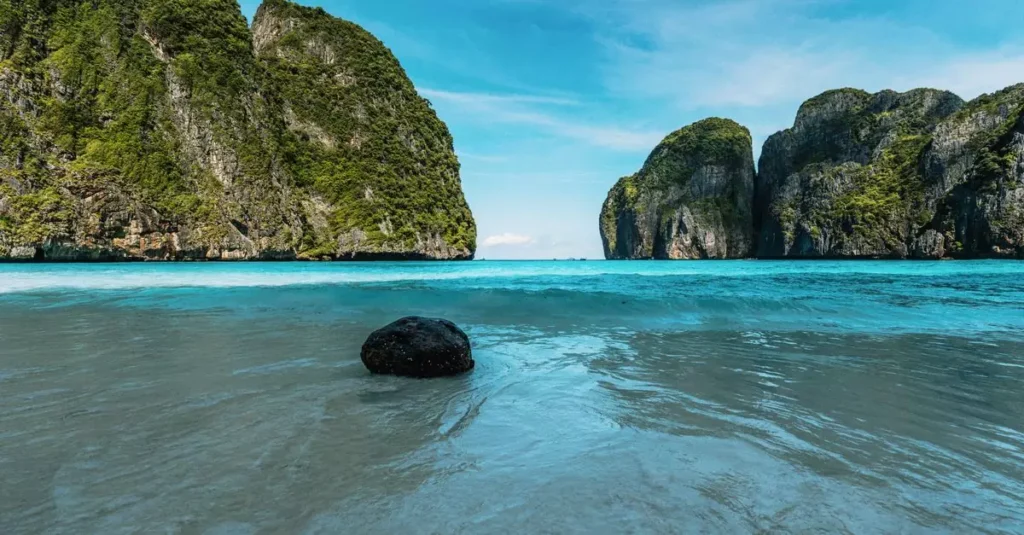
Thailand’s coastline is a breathtaking mosaic of turquoise waters, dramatic limestone cliffs, and powdery white sands, making it a dream destination for beach lovers. With so many stunning stretches of paradise, deciding where to go can be overwhelming. This guide highlights the best beaches in Thailand, tailored to suit every type of traveler. You’ll find secluded coves for relaxation, vibrant shores for adventure, and iconic bays that truly live up to their legendary status.
We’ll explore the unique charm of each location, offering practical tips on how to get there, the best times to visit for optimal weather, and activities available beyond the shoreline. Whether you’re drawn to the tranquility of the Gulf islands or the dramatic beauty of the Andaman Sea, get ready to find your ideal Thai beach escape.
Top 5 Best Beaches in Thailand for Every Traveler
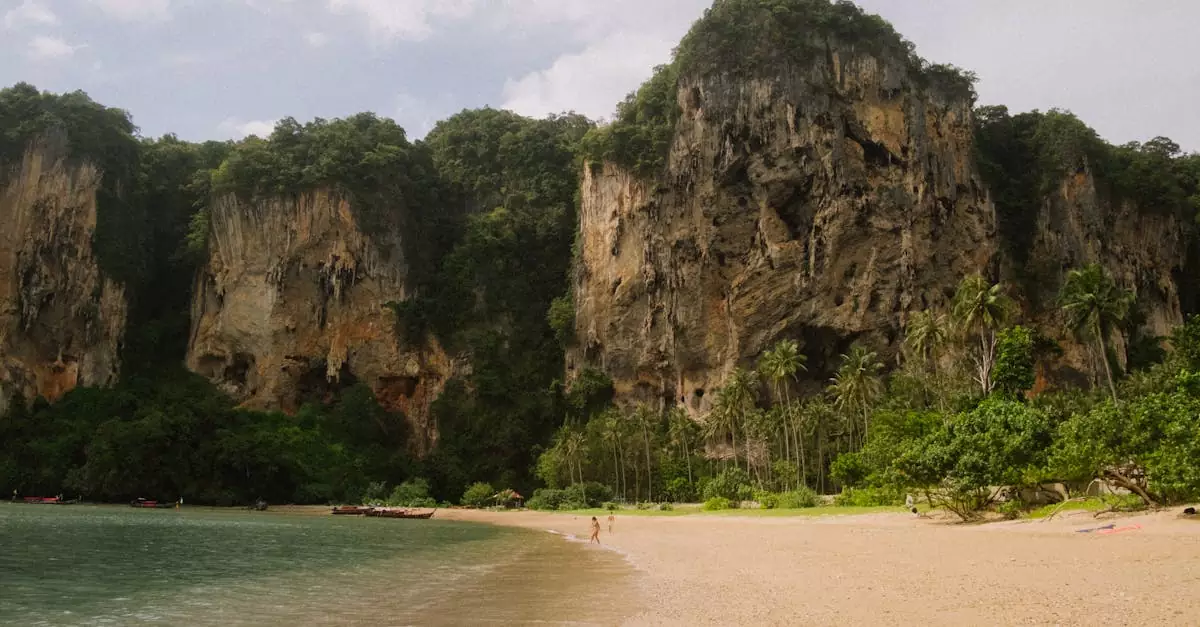
Thailand’s coastline is a tapestry of turquoise waters, dramatic limestone karsts, and powdery white sands, making it a perennial favorite for beach lovers. To help you navigate this paradise, here’s a curated list of the best beaches in Thailand, catering to different travel styles.
Phra Nang Beach, Railay: The Limestone Cliff Paradise
Accessible only by boat due to the towering cliffs surrounding it, Phra Nang Beach on the Railay peninsula offers a dramatic setting. The sand is soft and pale, meeting exceptionally clear, shallow waters. The highlight is the Phra Nang Cave, a shrine to a sea goddess adorned with phallic symbols, adding a unique cultural element to the natural beauty.
Getting there: Longtail boats depart regularly from Ao Nang, Krabi Town, and Koh Lanta. The journey is scenic, passing by other stunning karst formations.
Best for: Photographers, couples, and those seeking a visually spectacular, somewhat secluded experience.
Logistics: While there are no major resorts directly on Phra Nang, Railay West and East offer ample accommodation options, with Phra Nang just a short walk or boat ride away.
Maya Bay, Koh Phi Phi Leh: Iconic Emerald Waters (Post-Reopening)
Made famous by the movie “The Beach,” Maya Bay on Koh Phi Phi Leh has reopened to visitors after a closure for ecological recovery. This stunning cove, framed by sheer cliffs, features vibrant emerald waters and a crescent of fine sand. Strict regulations are now in place to protect the delicate ecosystem, including limitations on visitor numbers and swimming in certain areas.
Timing: Visit during the dry season (November to April) for the calmest seas and clearest visibility. Arriving early in the day helps avoid the largest crowds.
Considerations: Due to its popularity and conservation efforts, expect a structured visitor experience, with swimming restricted to designated areas.
Access: Boats depart from Koh Phi Phi Don.
Freedom Beach, Phuket: Secluded Sands South of Patong
For a tranquil escape close to Phuket’s bustling Patong area, Freedom Beach is an excellent option. This beautiful stretch of sand is accessible via a steep, sometimes challenging, jungle path or more commonly by longtail boat from the southern end of Patong or Karon. The clear, inviting water is perfect for swimming and snorkeling.
Budget: Access is free, but boat hire incurs a cost, typically negotiated with the boatman.
Amenities: Limited facilities mean you should bring your own refreshments, though a small restaurant occasionally operates here.
Traveler Tip: The journey to Freedom Beach can be an adventure, rewarding those who make the effort with a less crowded experience.
Sairee Beach, Koh Tao: Vibrant Sunsets and Diving Hub
Sairee Beach is the longest and most popular beach on Koh Tao, renowned for scuba diving certification. Its wide sandy expanse is lined with beachfront restaurants, bars, and dive shops, creating a lively atmosphere. While not as pristine as some of Thailand’s more remote beaches, Sairee offers incredible sunset views and convenient access to the island’s underwater attractions.
Diving: Koh Tao is one of the cheapest places in the world to get PADI certified, with many dive schools located directly on Sairee Beach.
Accommodation: Options range from budget-friendly bungalows to upscale resorts, many with direct beach access.
Atmosphere: Expect a bustling vibe, especially in the evenings, with plenty of dining and nightlife choices.
Thong Nai Pan Noi & Yai, Koh Phangan: Tranquil Coves for Relaxation
Located on Koh Phangan’s northeastern coast, Thong Nai Pan Noi and Thong Nai Pan Yai are twin bays that offer a more serene beach experience compared to the island’s famous Full Moon Party locations. These crescent-shaped beaches, framed by lush jungle-covered hills, feature soft sand and clear, calm waters. They attract travelers seeking peace, yoga retreats, and a slower pace of life.
Getting there: Reaching Thong Nai Pan often involves a taxi or scooter ride over a somewhat challenging road, or a boat transfer from other parts of the island.
Best for: Relaxation, couples, families, and wellness travelers.
Atmosphere: Quieter than many other Thai beaches, with a focus on natural beauty and tranquility.
When is the Best Time to Visit Thailand’s Beaches?
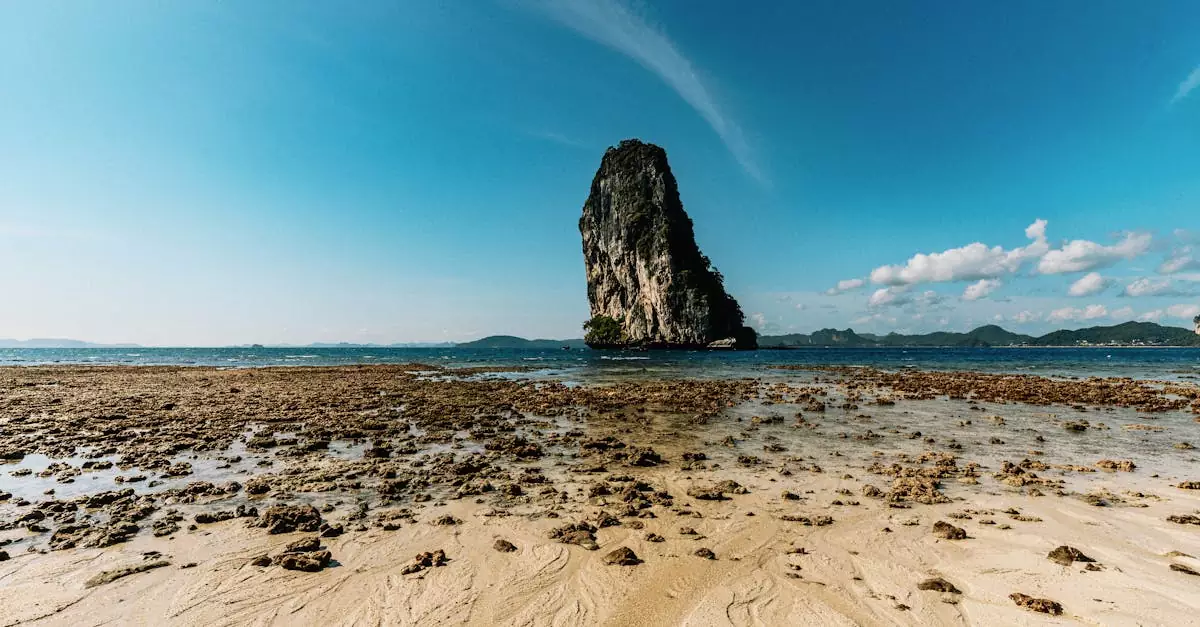
Choosing the right time to visit Thailand’s stunning coastline significantly impacts your experience, from sunshine levels to crowd sizes. The country’s tropical climate features distinct wet and dry seasons that vary between the Gulf of Thailand and the Andaman Sea. Understanding these regional differences is key to planning your ideal beach getaway.
Navigating Thailand’s Monsoon Seasons by Region
Thailand experiences two main monsoon seasons, but their timing and intensity differ between the two major coastal regions. The Andaman coast, home to popular destinations like Phuket and Krabi, typically sees its heaviest rainfall from May to October. During these months, rough seas can disrupt ferry services, and many island resorts close. Conversely, the Gulf coast, including islands like Koh Samui and Koh Phangan, experiences its wettest period from October to December, bringing potential heavy downpours and strong winds.
Peak Season Bliss: December to February
The period from December to February is widely regarded as the prime time to visit Thailand’s beaches. During these months, both the Andaman and Gulf coasts generally enjoy dry, sunny weather with lower humidity. Pleasant temperatures hover around 30°C (86°F), making it ideal for sunbathing, swimming, and water sports. This is also the busiest travel period, so expect higher prices for flights and accommodations, along with larger crowds at popular spots. Booking well in advance is highly recommended if you plan to travel during this peak window.
Shoulder Season Sweet Spots: March-May & September-November
The shoulder seasons provide a balance between good weather and fewer crowds. From March to May, temperatures climb, peaking in April before the main rainy season begins on the Andaman coast. This period often offers plenty of sunshine, especially early in the season, with fewer tourists than in winter.
From September to November, the weather becomes nuanced. The Andaman coast starts to dry out, while the Gulf coast experiences significant rainfall. September and October may still see some rain on the Andaman side, but it typically comes in short bursts. November marks a turning point, with improving weather across both regions as the dry season approaches. Travelers seeking a tranquil beach experience and potentially lower prices might find these months appealing, as long as they are prepared for occasional rain.
Understanding the Gulf vs. Andaman Coast Weather Patterns
The primary difference in weather patterns lies in the timing of the monsoon. The Andaman Sea experiences its monsoon from May to October, meaning the dry, sunny months are generally from November to April. This makes islands like Phuket, Koh Phi Phi, and Krabi most appealing during this winter period.
Conversely, the Gulf of Thailand’s monsoon typically runs from October to December, so the best weather for islands such as Koh Samui, Koh Phangan, and Koh Tao usually occurs from January to September. This distinction is crucial for travelers aiming to maximize beach time and minimize the chances of rain.
Here’s a simplified comparison of the best times to visit each coast:
| Region | Best Time to Visit (Dry Season) | Shoulder Season (Mixed Weather) | Monsoon Season (Rainy) |
|---|---|---|---|
| Andaman Coast | November – April | March-May, September-October | May – October |
| Gulf Coast | January – September | October, December | October – December |
For those looking to experience Thailand’s best beaches without peak season crowds, strategically timing your visit during these shoulder periods can lead to a more rewarding and cost-effective trip.
How to Get to Thailand’s Most Beautiful Beaches
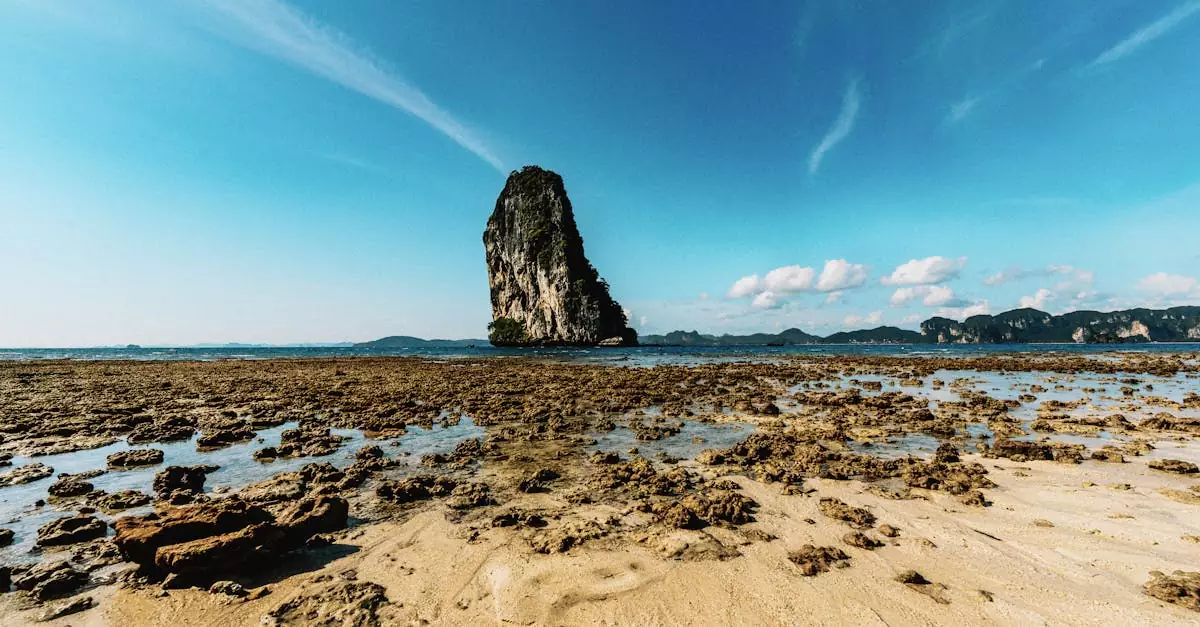
Navigating the journey to Thailand’s renowned coastal destinations involves a mix of international flights, domestic hops, and local transport. Understanding these options will streamline your travel and maximize your beach time.
Flying into Bangkok (BKK) and Domestic Connections
Most international travelers arrive at Suvarnabhumi Airport (BKK) in Bangkok. From here, you have several options to reach the popular beach regions. Budget airlines like AirAsia, Nok Air, and Thai Lion Air offer frequent, affordable flights to major hubs such as Phuket (HKT), Krabi (KBV), and Koh Samui (USM). Booking these domestic flights in advance can secure the best fares, especially during peak season.
Island Hopping: Ferries and Speedboats to Popular Islands
Once you reach a coastal gateway city like Krabi or Phuket, or a mainland town like Surat Thani for access to the Gulf islands, ferries and speedboats become your primary mode of transport. These services connect the mainland to numerous islands and also link islands to each other.
A typical journey might involve a bus or taxi from the airport to the ferry pier, followed by a sea crossing. Ferry schedules can vary, so it’s wise to check timings beforehand, particularly for less frequented routes. Speedboats offer a quicker, though often pricier, alternative. For the Gulf islands, such as Koh Tao and Koh Phangan, ferries depart from piers in Surat Thani province, like Don Sak.
Getting Around Islands: Scooters, Taxis, and Songthaews
Upon arrival at an island, getting around is usually straightforward. Renting a scooter is a popular and economical choice for independent exploration, allowing flexibility to discover hidden coves and local eateries. Ensure you have the appropriate international driving permit and always wear a helmet for safety.
For shorter distances or if you prefer not to drive, taxis and tuk-tuks are readily available. On many islands, especially those with developed tourist infrastructure, you’ll also find songthaews—shared pick-up trucks with benches in the back that operate on fixed routes or can be hired privately. Negotiate fares before starting your journey to avoid misunderstandings.
Bangkok to Phuket: Direct Flights and Overnight Buses
Reaching Phuket from Bangkok offers two main transport options: flying or taking an overnight bus.
- Flights: Direct flights from Bangkok (BKK or DMK) to Phuket International Airport (HKT) are the quickest option, taking about 1 hour and 20 minutes. Numerous airlines operate this route daily, providing a convenient way to start your beach holiday.
- Overnight Buses: For budget-conscious travelers, overnight buses from Bangkok’s Southern Bus Terminal (Sai Tai Mai) to Phuket are a viable alternative. These journeys typically take 10-12 hours. While less comfortable than flying, they save on a night’s accommodation and can be booked through various online platforms or directly at the bus station.
This table outlines common travel routes to popular beach destinations:
| Origin | Destination | Primary Transport | Duration (approx.) | Notes |
|---|---|---|---|---|
| Bangkok | Phuket | Flight | 1.5 hours | Frequent; book in advance for best prices. |
| Bangkok | Krabi | Flight | 1.5 hours | Connects to Ao Nang and Railay beaches. |
| Bangkok | Koh Samui | Flight/Ferry | 4-5 hours | Flight to Samui (USM) is pricier; ferry via Surat Thani is longer. |
| Phuket | Koh Phi Phi | Ferry/Speedboat | 1-2 hours | Frequent departures from Rassada Pier. |
| Krabi | Koh Lanta | Ferry/Minivan | 2-3 hours | Access via ferry or minivan to ferry. |
| Surat Thani | Koh Tao | Ferry | 3-4 hours | Departures from Don Sak pier. |
Beyond the Sands: Must-Do Activities Near Thailand’s Best Beaches
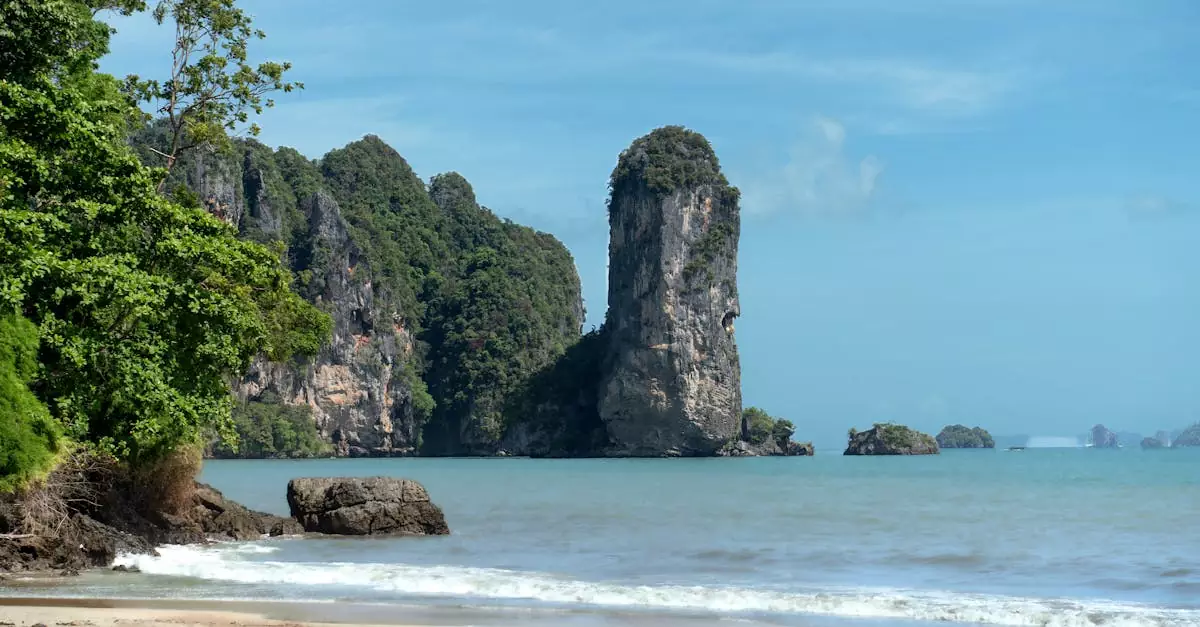
While Thailand’s coastline is renowned for its stunning beaches, the surrounding regions offer a wealth of activities that enhance any tropical escape. From vibrant underwater worlds to ancient cultural sites, there’s much to discover beyond simply sunbathing.
Snorkeling and Diving Hotspots: Ang Thong Marine Park
For an unforgettable marine adventure, a day trip to Ang Thong National Marine Park is highly recommended. This archipelago of 42 islands features dramatic limestone cliffs, hidden lagoons, and crystal-clear waters teeming with marine life. Many tours depart from Koh Samui and Koh Phangan, offering opportunities for snorkeling, kayaking, and hiking to breathtaking viewpoints. The best time to visit is during the dry season, from November to April, when visibility is at its peak.
Sea Kayaking Through Karst Landscapes in Krabi
The dramatic karst formations in Krabi province provide a spectacular backdrop for sea kayaking. Paddling through emerald waters, you can navigate into hidden sea caves, mangrove forests, and secluded coves inaccessible by larger boats. Popular starting points include Ao Nang and Railay Beach. Guided tours are readily available, offering a safe and informative way to experience this unique geological wonderland. Consider a sunset kayak tour for a truly magical experience.
Exploring Ancient Temples Near Coastal Towns
Thailand’s rich history often lies just a short journey from its popular beach destinations. Many coastal towns serve as gateways to significant cultural sites. Near the beaches of the Andaman coast, you can visit temples in Phuket or explore historical ruins in Krabi. Further north, near Hua Hin, the Maruekhathaiyawan Palace offers a glimpse into royal seaside life from a bygone era. Engaging with these historical landmarks provides a deeper understanding of Thai culture and heritage.
Learning to Dive in Koh Tao’s World-Class Centers
Koh Tao has earned a global reputation as one of the most affordable and accessible places to learn scuba diving. With numerous dive schools catering to all levels, from beginner PADI courses to advanced certifications, it’s an excellent location to gain diving skills. The surrounding waters feature diverse dive sites with coral reefs, shipwrecks, and a variety of tropical fish. The calm, clear conditions are ideal for new divers. Many dive resorts offer packages that combine accommodation with dive courses, simplifying logistics for aspiring divers.
What to Eat: Local Delicacies by Thailand’s Shores
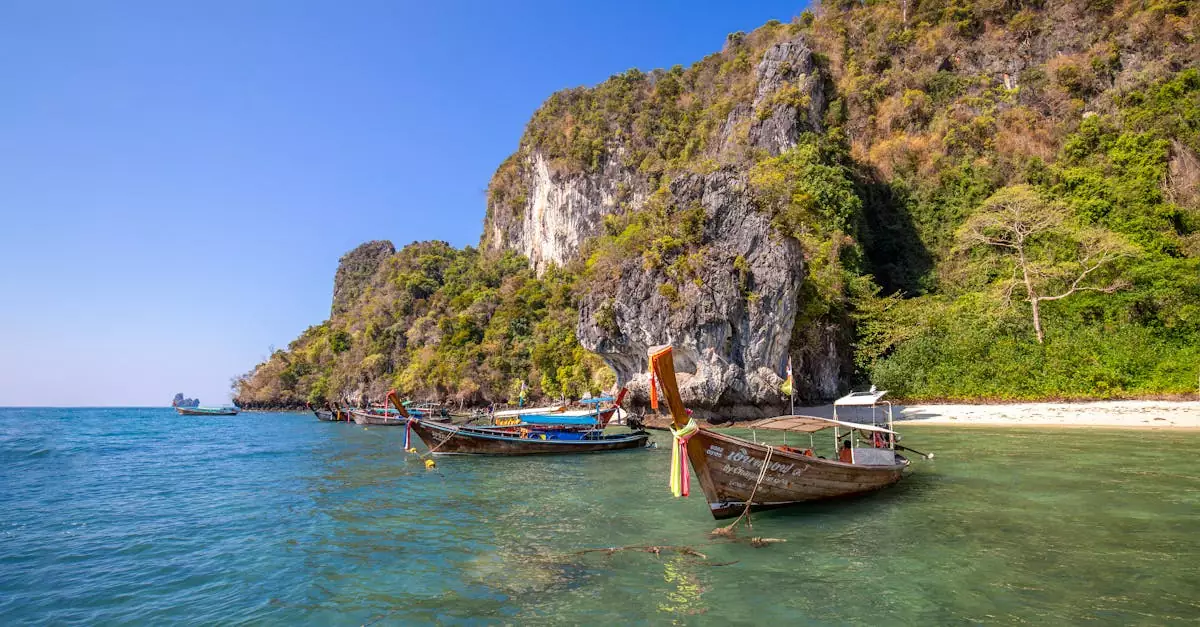
Thailand’s coastline offers more than stunning scenery; it’s a culinary playground where fresh ingredients meet vibrant flavors. From bustling night markets to beachfront restaurants, the food scene is an integral part of the island experience. Sampling local dishes is essential for any traveler seeking the authentic taste of this Southeast Asian gem.
Fresh Seafood Feasts: Grilled Fish and Spicy Salads
Along the coast, the catch of the day reigns supreme. Many beachside eateries specialize in freshly grilled seafood, seasoned simply with salt and lime to highlight the natural sweetness of the fish. Look for pla pao (salt-crusted grilled fish), often stuffed with herbs and served with a zesty dipping sauce. Spicy seafood salads, like yam pla meuk (squid salad) or goong chae nam pla (raw shrimp with spicy dressing), provide a refreshing contrast, especially on warm days.
Southern Thai Curries: Rich Flavors from Coconut Milk
Southern Thai cuisine is renowned for its intense flavors, often featuring rich coconut milk bases and generous use of turmeric and chilies. While not exclusively beach dishes, you’ll find excellent versions of gaeng som pla (sour fish curry) or massaman curry (a milder, richer curry with peanuts and potatoes) in coastal towns. These curries are typically served with rice, providing a hearty and satisfying meal after a day of sun and sea.
Street Food Gems: Pad Thai and Mango Sticky Rice by the Beach
No trip to Thailand is complete without indulging in its world-famous street food, and the beaches are no exception. Vendors expertly prepare pad Thai right before your eyes, the wok sizzling as noodles, shrimp, tofu, and sprouts are tossed with a sweet and savory tamarind sauce. For dessert, khao niao mamuang (mango sticky rice) is a delightful treat, featuring sweet glutinous rice topped with ripe mango slices and drizzled with coconut cream. These quick, affordable, and delicious options are readily available throughout tourist areas.
Refreshing Tropical Fruits and Juices
Beat the heat with an array of Thailand’s abundant tropical fruits. Freshly cut pineapple, watermelon, papaya, and rambutan are sold by the bag at beaches and markets, offering a healthy and cooling snack. For an even more invigorating experience, try freshly squeezed juices, with lime, orange, and passionfruit being popular choices. Many stalls also blend fruits into smoothies, often with a touch of condensed milk for added sweetness. These simple, natural refreshments are the perfect antidote to the tropical sun.
Frequently Asked Questions About Thailand’s Beaches
Are Thailand’s beaches safe for solo female travelers?
Generally, Thailand’s popular beach destinations are considered safe for solo female travelers. Most tourist areas have a visible police presence, and locals are accustomed to international visitors. However, as with any travel, it’s wise to remain aware of your surroundings, especially at night. Stick to well-lit areas and be cautious of overly friendly strangers offering unsolicited help or drinks.
What is the average cost of a beach vacation in Thailand?
The cost of a beach vacation in Thailand varies significantly based on your travel style, chosen islands, and the time of year. Budget travelers can find guesthouses for as little as $20-$30 per night, with meals costing $5-$10 daily. Mid-range accommodations typically range from $50-$150 per night, while luxury resorts can start at $200 and up. Transportation, activities, and dining will also impact your overall budget.
Here’s a general breakdown:
| Category | Budget (USD/day) | Mid-Range (USD/day) | Luxury (USD/day) |
|---|---|---|---|
| Accommodation | $20 – $40 | $50 – $150 | $200+ |
| Food | $10 – $20 | $25 – $50 | $75+ |
| Local Transport | $5 – $10 | $10 – $20 | $20+ |
| Activities/Misc. | $15 – $30 | $40 – $70 | $100+ |
| Total Estimate | $50 – $100 | $125 – $290 | $395+ |
What should I pack for a beach trip to Thailand?
Pack light, breathable clothing suitable for hot and humid weather. Essentials include swimwear, t-shirts, shorts, sundresses, and a light rain jacket or poncho, especially during the monsoon season. Don’t forget sun protection: a wide-brimmed hat, sunglasses, and high SPF sunscreen are crucial. Comfortable walking sandals or flip-flops are ideal for beachwear, while closed-toe shoes might be useful for exploring towns or hiking. Insect repellent is also highly recommended.
Can I find quiet, less crowded beaches in Thailand?
Absolutely. While popular spots like Phuket’s Patong or Koh Samui’s Chaweng can be busy, Thailand offers numerous tranquil beaches. Consider visiting lesser-known islands or exploring the southern Andaman coast beyond the main hubs. Islands like Koh Lanta, Koh Yao Noi, or parts of Koh Chang can provide a more serene beach experience. Traveling during the shoulder seasons (e.g., April-May or September-October, depending on the region) can also help you avoid peak crowds.