
Beyond the bustling shores of Phuket lies a treasure trove of tropical escapes, each offering a unique slice of paradise. If you’re dreaming of turquoise waters, powdery sands, and swaying palms, navigating the sheer number of options can be overwhelming. This guide delves into the best islands in Thailand, highlighting destinations that cater to every type of traveler.
You’ll discover which islands are perfect for adventure seekers craving vibrant coral reefs, where to find tranquil retreats for ultimate relaxation, and which spots boast dramatic landscapes ideal for photographers. We’ll explore the distinct vibes of each locale, from the laid-back charm of Koh Lanta to the untouched beauty of Koh Kood and the dramatic cliffs of Railay Beach, helping you pinpoint your ideal island getaway. Let’s uncover the diverse beauty that Thailand’s archipelago has to offer.
Which Thai Islands Offer the Best Beaches?

When planning a trip to Thailand, the allure of pristine beaches is undeniable. While Phuket often comes to mind first, many other islands offer equally stunning—and often less crowded—coastal experiences. Choosing the best island depends on whether you prioritize tranquility, dramatic scenery, or vibrant underwater life.
Koh Lanta: Uncrowded Sands and Relaxed Vibes
Koh Lanta stands out for its long stretches of relatively undeveloped coastline, offering a more laid-back atmosphere compared to its bustling neighbors. Long Beach (Phra Ae Beach) exemplifies this, featuring soft sand and clear, shallow waters ideal for swimming. The island’s west coast is dotted with numerous beaches, each with its own character, from the family-friendly Klong Dao Beach to the more secluded Nui Bay.
Travelers seeking a peaceful escape will appreciate Koh Lanta’s unhurried pace. The island is easily navigable by scooter, allowing for spontaneous stops at hidden coves. Sunset views are spectacular, best enjoyed from one of the many beachfront bars that line the shore. Accommodation ranges from simple bungalows to upscale resorts, catering to various budgets. Visiting during the dry season, from November to April, ensures the best weather for beach enjoyment.
Koh Kood: Pristine Waters and Jungle Backdrops
For those dreaming of untouched tropical paradises, Koh Kood offers an unparalleled experience. Located in the eastern Gulf of Thailand, close to the Cambodian border, this island remains remarkably underdeveloped, preserving its natural beauty. Beaches like Ao Phrao and Klong Chao Beach boast powdery white sand and crystal-clear waters, often resembling a natural aquarium.
The island’s interior features lush jungle, crisscrossed by waterfalls and freshwater streams that feed into the sea. This environment makes Koh Kood ideal for travelers who appreciate both stunning beaches and jungle exploration. Reaching Koh Kood typically involves a ferry from the mainland, with services operating mainly during the high season. Its remoteness contributes to its serene ambiance, making it a top choice for a truly tranquil beach holiday.
Railay Beach: Dramatic Limestone Cliffs and Emerald Sea
Technically a peninsula accessible only by boat due to towering limestone cliffs, Railay Beach is renowned for its dramatic scenery and exceptional climbing opportunities. The main beaches, Railay West and Railay East, offer distinct experiences. Railay West is known for its soft sand and calm waters, while Railay East serves as a gateway to mangrove forests and a more rugged coastline.
The iconic emerald-green waters and sheer karst formations make Railay a photographer’s dream and a haven for adventure seekers. Beyond sunbathing and swimming, activities include rock climbing, kayaking through sea caves, and hiking to viewpoints overlooking the stunning seascape. The journey to Railay involves a short longtail boat ride from Ao Nang or Krabi Town, enhancing its secluded feel. This destination provides a unique blend of breathtaking natural beauty and accessible adventure, making it one of the best islands in Thailand for a visually spectacular beach getaway.
Here’s a quick comparison to help you choose:
| Feature | Koh Lanta | Koh Kood | Railay Beach |
|---|---|---|---|
| Vibe | Relaxed, uncrowded | Pristine, tranquil, undeveloped | Dramatic, adventurous, scenic |
| Beaches | Long, soft sand, calm waters | Powdery white, crystal clear | Soft sand, emerald waters, cliffs |
| Activities | Swimming, snorkeling, sunsets | Swimming, kayaking, waterfalls | Rock climbing, kayaking, hiking |
| Accessibility | Ferry/minivan to island | Ferry from mainland | Boat from Ao Nang/Krabi Town |
| Best For | Families, couples, relaxation | Nature lovers, peace seekers | Climbers, adventurers, photographers |
Finding Your Perfect Island Paradise: A Guide to Thailand’s Best Islands
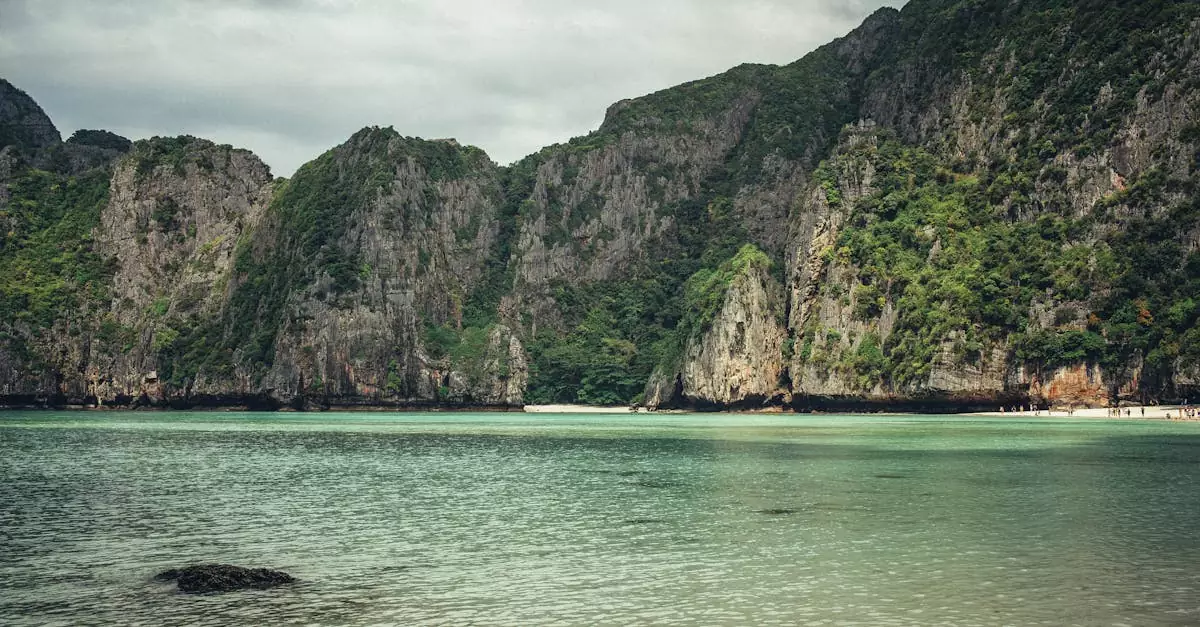
Thailand’s coastline is dotted with hundreds of islands, each offering a unique slice of tropical paradise. While Phuket and Koh Phi Phi often steal the spotlight, many other stunning destinations await those willing to venture further. From vibrant coral reefs to serene jungle interiors, discovering the best islands in Thailand means finding one that matches your travel style.
For Adventure Seekers: Koh Tao’s Diving and Climbing
Koh Tao, meaning “Turtle Island,” lives up to its name as a haven for marine life and a playground for active travelers. This island is world-renowned for its affordable scuba diving certification courses, with numerous dive shops offering PADI and SSI certifications. Expect to see colorful coral reefs, vibrant fish, and, of course, sea turtles. Visibility is generally excellent, making it ideal for both beginners and experienced divers.
Beyond the underwater world, Koh Tao also boasts impressive granite cliffs that attract rock climbers. Guided climbing tours cater to all skill levels, offering breathtaking views of the Gulf of Thailand as a reward. For those who prefer to stay above water, kayaking around the island’s bays or hiking to viewpoints like John-Suwan offers exhilarating experiences. Getting to Koh Tao typically involves a ferry from the mainland, usually from Chumphon or Surat Thani.
For Culture Buffs: Koh Chang’s Waterfalls and Local Life
Koh Chang, Thailand’s third-largest island, offers a more laid-back and authentic experience, appealing to travelers interested in local culture and natural beauty beyond the beaches. The island’s interior is a protected national park, characterized by dense rainforests and stunning waterfalls, such as Klong Plu Waterfall, where you can swim in cool, clear pools. Exploring these natural wonders often involves scenic hikes through lush jungle.
Life on Koh Chang retains a strong local flavor, particularly in villages like Bang Bao, a traditional fishing village built on stilts over the water. Here, you can sample fresh seafood and observe daily life. The island is easily accessible by ferry from the Trat mainland. Its diverse landscape means there’s plenty to see away from the main beach areas, making it a compelling choice for cultural immersion.
For Luxury Getaways: Koh Samui’s Resorts and Spas
Koh Samui has long been a favorite for those seeking a more upscale tropical escape. The island is home to a wide array of luxurious resorts, from sprawling beachfront properties with private villas to boutique hotels offering personalized service. World-class spas provide an extensive menu of treatments, making it a prime destination for relaxation and rejuvenation.
Beyond the pampering, Koh Samui offers sophisticated dining options, chic beach clubs, and high-end shopping. While it caters to a luxury market, it also provides a range of activities, including boat trips to nearby Ang Thong Marine National Park for snorkeling and kayaking. Access is straightforward, with a dedicated airport receiving flights from Bangkok and other major cities. For travelers prioritizing comfort and premium amenities, Koh Samui stands out among Thailand’s island offerings.
Navigating Between Thailand’s Island Gems
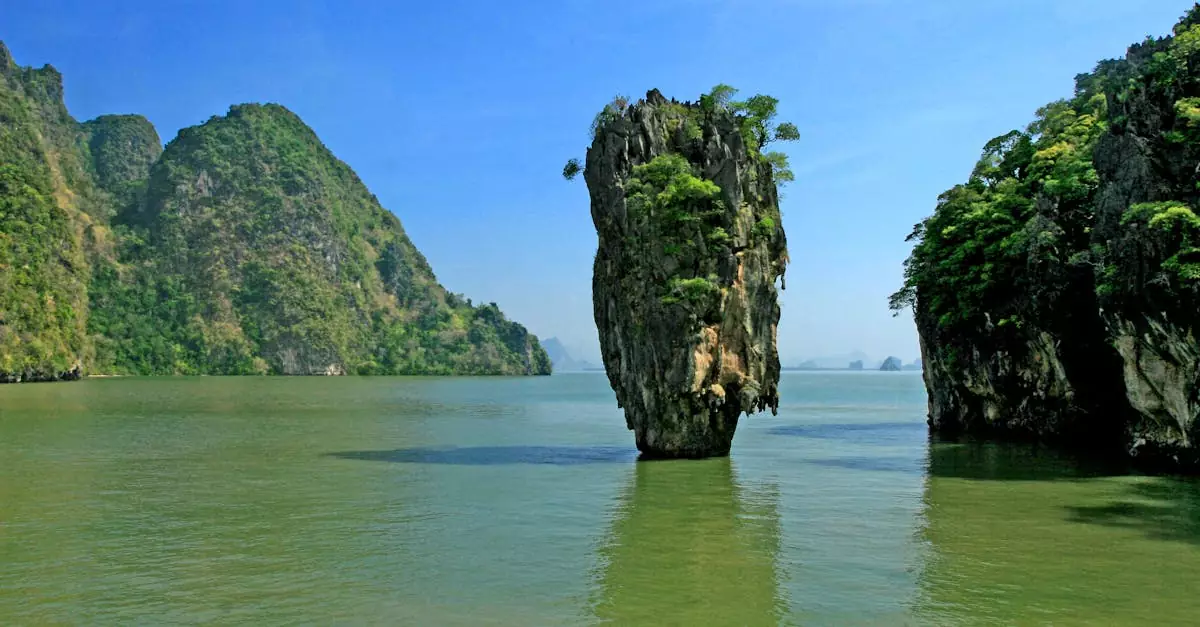
Choosing the best islands in Thailand is only the first step; figuring out how to get between them is crucial for a smooth island-hopping adventure. Thailand’s well-developed transportation network makes it relatively easy to traverse the country, whether you’re sticking to one coast or venturing between the Andaman Sea and the Gulf of Thailand. Understanding your options will help you maximize your time and budget.
Ferry Routes: Connecting the Andaman and Gulf Coasts
Ferries are the backbone of inter-island travel, particularly in the Andaman Sea. Major hubs like Phuket, Krabi, and Koh Lanta are well-connected by regular ferry services, offering scenic views of limestone karsts and turquoise waters. For instance, a ferry from Phuket to Koh Phi Phi takes around 2 hours and is a popular route.
Crossing between the Andaman and Gulf coasts is less direct. There are no direct ferry routes connecting islands like Koh Lanta to Koh Samui. Travelers typically need to return to the mainland and take a bus or flight. For example, to travel from Koh Lanta to Koh Phangan, you’d likely take a ferry back to Krabi or Phuket, then a bus or flight to Surat Thani (the gateway to the Gulf islands), followed by another ferry. This often involves an overnight journey or requires careful planning to connect transportation.
Budget Flights: Speeding Up Your Island Hopping
For travelers on a tighter schedule or those covering longer distances, budget airlines offer a significant time-saving advantage. Airports are conveniently located near major island gateways. Phuket International Airport (HKT) and Krabi International Airport (KBV) serve the Andaman side, while Samui Airport (USM) and the mainland airport in Surat Thani (URT) are key for the Gulf islands.
Airlines like AirAsia, Nok Air, and Thai Lion Air frequently operate routes connecting these hubs. For example, flying from Phuket to Surat Thani takes just over an hour, a stark contrast to the multiple hours required by land and sea. While flights are more expensive than ferries, they can be cost-effective when booked in advance, especially when considering the value of saved travel time. It’s worth checking flight comparison sites for deals, particularly during the shoulder seasons.
Local Songthaews and Tuk-Tuks: Island Transportation Tips
Once you’ve arrived on an island, getting around is usually straightforward and often enjoyable. Many islands have readily available songthaews (converted pickup trucks with benches in the back) and tuk-tuks. These are great for short distances and offer a more local experience. Prices can be negotiated, especially for longer trips or private hires.
On larger islands like Phuket or Koh Samui, you might also find metered taxis, though they can be more expensive. Ride-sharing apps are also becoming more prevalent in tourist areas. For independent exploration, renting a scooter is a popular option, but exercise caution. Roads can be narrow and winding, and traffic can be unpredictable. Always wear a helmet, ensure you have the correct license, and be aware of local driving customs.
Here’s a quick comparison of common inter-island travel methods:
| Travel Method | Typical Cost (USD) | Travel Time (approx.) | Scenery | Best For |
|---|---|---|---|---|
| Ferry | $10 – $30 | 1-4 hours | Coastal views, limestone karsts | Andaman Sea island hopping, budget travelers |
| Budget Flight | $30 – $100+ | 1-1.5 hours (flight) | Aerial views | Long distances, time-sensitive travelers |
| Bus + Ferry | $20 – $50 | 6-12+ hours | Varies, often highway and coastal scenery | Connecting Andaman and Gulf coasts (indirect) |
| Songthaew/Tuk-tuk | $2 – $15 (per trip) | Varies | Local streets, village life | Short distances on islands, local experience |
| Scooter Rental | $7 – $15 (per day) | Varies | Island roads, personal exploration | Independent travelers, short-term rentals |
When planning your island-hopping itinerary, factor in the travel time between destinations. Many travelers underestimate how long it takes to get from one island to another, especially when crossing between the two main coastal regions. Booking onward travel in advance is recommended during peak season.
What to Eat on Thailand’s Best Islands
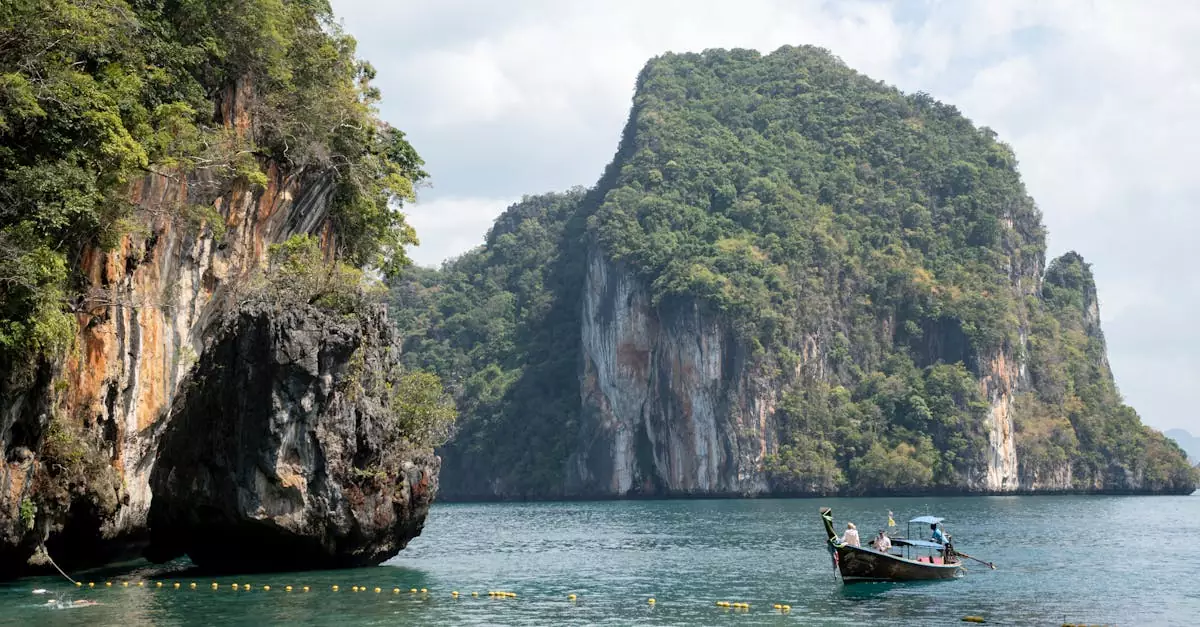
Exploring Thailand’s islands offers a culinary journey as vibrant as its turquoise waters. From fresh catches of the day to complex regional curries, the food scene is a significant draw for many visitors. Understanding the local specialties can elevate your travel experience, turning meals into memorable events.
Fresh Seafood Feasts on Koh Phangan
Koh Phangan, known for its full moon parties, also boasts a surprisingly sophisticated culinary landscape, especially when it comes to seafood. Along the western coast, particularly around Thong Sala, you’ll find bustling night markets and beachfront restaurants serving grilled fish, prawns, and squid caught daily. Many establishments offer a “market-to-table” experience, allowing you to select your seafood directly.
Don’t miss the opportunity to try pla pao (salt-crusted grilled fish), often stuffed with lemongrass and herbs, or a spicy seafood salad (yam talay). The island’s diverse population means you can also find excellent international cuisine, but prioritizing local seafood is a must. For a truly authentic experience, seek out smaller, family-run eateries away from the main tourist hubs.
Southern Thai Curries on Koh Lanta
Koh Lanta offers a more relaxed vibe, and its food reflects the rich flavors of Southern Thai cuisine. This region is famous for its curries, which are often more intense and spicier than those found elsewhere in the country, frequently featuring turmeric and fresh herbs. A standout dish to try is Gaeng Som Pla, a sour fish curry with a distinct tangy broth, often packed with vegetables like papaya or pineapple.
Another Southern specialty is Massaman Curry, a milder, richer curry influenced by Malay and Indian cooking, typically made with beef or chicken and potatoes. On Koh Lanta, many restaurants pride themselves on using fresh, local ingredients, including chilies, galangal, and kaffir lime leaves, to create authentic flavors. Exploring the food stalls in Saladan town provides a great introduction to these local tastes.
Street Food Delights in Krabi Town Markets
While Krabi is often associated with its stunning limestone karsts and island-hopping tours, Krabi Town itself is a fantastic destination for experiencing authentic Thai street food. The night market near the main pier is a hub of activity, offering an incredible variety of affordable and delicious options. Here, you can sample everything from savory skewers and crispy fried chicken to sweet mango sticky rice and refreshing fruit shakes.
A must-try in this region is Khao Mok Gai, a fragrant chicken biryani with Southern Thai influences, often served with a sweet and sour sauce. You’ll also find a wide array of noodle dishes, stir-fries, and local snacks. For travelers looking to immerse themselves in the local culture and savor genuine Thai flavors without breaking the bank, spending an evening at the Krabi Town market is an essential experience.
Planning Your Thailand Island Itinerary: 7-14 Day Suggestions
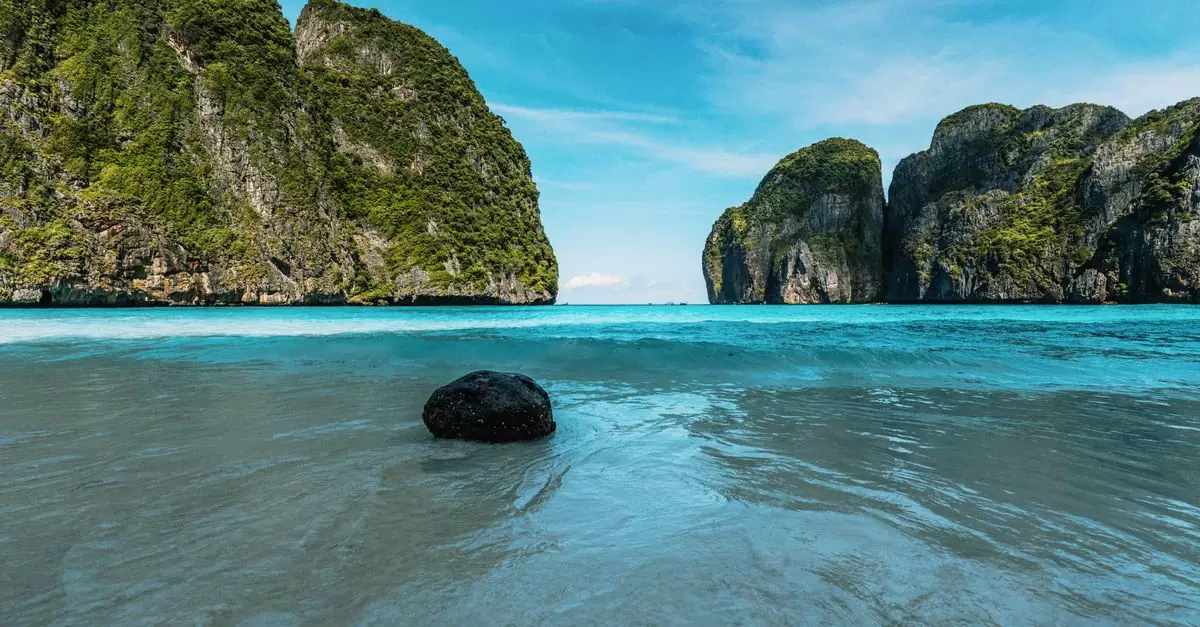
Crafting the ideal Thai island-hopping adventure depends on your priorities, whether that’s lively nightlife, serene beaches, or vibrant marine life. With thousands of islands dotting its coastlines, selecting the best islands in Thailand for your trip can be a delightful challenge. Here are a few itinerary suggestions to help you plan, ranging from popular hotspots to more secluded gems.
Andaman Coast Explorer: Phuket, Koh Phi Phi, Koh Lanta
This classic route offers a blend of iconic scenery, lively atmospheres, and family-friendly relaxation, ideal for a 7-14 day trip.
Phuket serves as a convenient gateway, offering a wide range of accommodations and activities. From the bustling beaches of Patong to the more tranquil shores of Kata and Karon, there’s a vibe for everyone. Its international airport makes arrival and departure seamless.
A short ferry ride away, Koh Phi Phi is famed for its dramatic limestone cliffs and Maya Bay, though visitor numbers can be high. For a more relaxed experience, consider staying on the quieter side of Phi Phi Don or visiting during the shoulder seasons. The snorkeling and diving here are exceptional.
Koh Lanta provides a stark contrast with its laid-back ambiance, long sandy beaches, and a more local feel. It’s a great option for families and couples seeking a slower pace. The island offers beautiful sunsets and is well-suited for exploring by scooter.
Logistics: Ferries connect these islands regularly. You can fly into Phuket (HKT) and take ferries directly to Koh Phi Phi and Koh Lanta.
Estimated Budget (per person, per day, excluding flights): $50 – $100 USD
Gulf Coast Discovery: Koh Samui, Koh Phangan, Koh Tao
This trio in the Gulf of Thailand offers diverse experiences, from luxury resorts to backpacker havens and world-class dive sites.
Koh Samui is the largest of the three and boasts a well-developed infrastructure with luxury resorts, bustling markets, and beautiful beaches like Chaweng and Lamai. It’s a good starting point for a more comfortable island experience.
Koh Phangan is perhaps best known for its Full Moon Party, but beyond the party scene, it offers stunning, secluded beaches, yoga retreats, and a bohemian atmosphere. For those seeking tranquility, explore the island’s northern and eastern coasts.
Koh Tao is a diver’s paradise, renowned for its affordable dive courses and abundant marine life. The island is compact and easily navigable, with numerous bays and beaches to discover. It attracts a younger, more budget-conscious crowd.
Timing: The Gulf Coast generally has better weather from January to September, while the Andaman Coast is best from November to April.
Travel Options: Fly into Koh Samui (USM) or take a bus/train from Bangkok to the mainland town of Surat Thani, then a ferry.
Comparison Table: Gulf Coast Islands
| Island | Vibe | Best For | Accessibility |
|---|---|---|---|
| Koh Samui | Developed, Resort-focused | Families, Luxury travelers, Convenience | Direct flights, Ferry from Surat Thani |
| Koh Phangan | Bohemian, Party & Calm | Divers, Yoga, Backpackers, Partiers | Ferry from Koh Samui or Surat Thani |
| Koh Tao | Dive-centric, Relaxed | Divers, Budget travelers, Snorkelers | Ferry from Koh Samui or Surat Thani |
Off-the-Beaten-Path: Trang Islands and Koh Kood
For travelers seeking fewer crowds and a more authentic Thai island experience, consider these less-visited destinations.
The Trang Islands, such as Koh Mook, Koh Kradan, and Koh Libong, offer pristine beaches, clear waters, and a tranquil escape. Koh Mook’s Emerald Cave (Tham Morakot) is a highlight, accessible only by swimming through a dark passage at low tide. These islands provide a glimpse into a slower pace of life.
Further north in the Gulf of Thailand, near the Cambodian border, lies Koh Kood. This island is characterized by lush jungle, cascading waterfalls, and quiet, sandy coves. It’s a destination for those who appreciate natural beauty and seek genuine peace, with limited development and a focus on eco-tourism.
Getting There: Reaching the Trang Islands typically involves flying to Trang Airport (TST) and taking a ferry. Koh Kood is best accessed via flights to Trat Airport (TDX), followed by a ferry.
Traveler Insight: While these islands offer serenity, infrastructure is less developed. Be prepared for fewer dining options and potentially less frequent transport compared to the more popular destinations. This lack of crowds is precisely their charm for many visitors to Asia.
Frequently Asked Questions About Thailand’s Best Islands
When is the best time to visit Thailand’s islands?
The optimal time to visit most of Thailand’s islands is during the dry season, which typically runs from November to April. During these months, you’ll experience less rain, lower humidity, and plenty of sunshine, making it ideal for beach activities and island hopping. The Andaman Sea coast, including islands like Phuket and Koh Lanta, generally sees its best weather from November to March. The Gulf of Thailand islands, such as Koh Samui and Koh Phangan, have a slightly different pattern, with their driest period often from December to May.
Here’s a general overview of seasonal weather patterns:
| Region | Dry Season (Best Weather) | Shoulder Season (Good Weather) | Rainy Season (Higher Chance of Rain) |
|---|---|---|---|
| Andaman Coast | Nov – Mar | Apr – Oct | May – Oct |
| Gulf of Thailand | Dec – May | Nov, Jun – Aug | Sep – Nov |
What is the average budget for an island trip?
Budgeting for a trip to the best islands in Thailand can vary significantly based on your travel style, accommodation choices, and planned activities. For backpackers, a daily budget of $30-$50 USD per person is achievable, covering basic guesthouses, local food, and affordable transport. Mid-range travelers can expect to spend $70-$150 USD per day for comfortable hotels, a mix of local and tourist restaurants, and organized tours. Luxury travelers might spend $200+ USD per day for high-end resorts, fine dining, and private excursions.
Transportation between islands, especially via ferries and speedboats, adds to the overall cost. Flights to popular hubs like Phuket or Koh Samui also need to be factored in. Eating at local markets and street food stalls is the most budget-friendly way to dine.
Are Thailand’s islands safe for solo travelers?
Thailand’s islands are generally considered safe for solo travelers, including those identifying as female. The country has a well-established tourism infrastructure, and locals are accustomed to visitors. However, like any destination, it’s wise to exercise common sense precautions.
Key safety tips for solo travelers include:
- Be aware of your surroundings: Especially in crowded areas or at night.
- Secure your belongings: Use hotel safes and be mindful of pickpockets.
- Inform someone of your plans: Let a friend or family member know your itinerary.
- Research transportation: Use reputable taxi services or ride-sharing apps.
- Stay hydrated and use sun protection: The tropical climate can be intense.
- Be cautious with alcohol: Avoid overconsumption, particularly in unfamiliar settings.
- Respect local customs: Dress modestly when visiting temples and be mindful of cultural norms.
While petty crime can occur, violent crime against tourists is rare. The biggest risks often involve traffic accidents or scams, so staying alert and informed is crucial for a safe and enjoyable trip.
