Europe’s culinary landscape is a vibrant mosaic of flavors, traditions, and world-class wines, making it a dream destination for food lovers. From the sun-drenched vineyards of Italy and Spain to the historic gastronomic hubs of France and Portugal, the continent offers an unparalleled journey for the palate. Planning a trip around these rich culinary centers allows for an immersive experience, connecting with local ingredients, time-honored techniques, and the essence of regional culture.
This guide explores some of Europe’s best wine and food destinations, highlighting iconic regions and cities that promise unforgettable gastronomic adventures. You’ll discover what makes each location a must-visit for discerning travelers, from specific dishes and wines to savor to the best times of year for a truly authentic experience. Prepare to embark on a delicious exploration that will inspire your next European getaway.
Discovering Europe’s Premier Wine Regions for Connoisseurs
Europe presents a remarkable tapestry of flavors and aromas for any culinary traveler. From the sun-drenched vineyards of the Mediterranean to the historic cellars of France, the continent’s dedication to winemaking and gastronomy is evident. Planning a trip around these regions ensures an immersive experience, connecting with local traditions and the very soil that produces these celebrated beverages. Exploring the best wine and food destinations in Europe promises a journey of discovery for both seasoned oenophiles and curious newcomers.
Bordeaux, France: The Quintessential Wine Experience
Bordeaux stands as a titan among European wine regions, synonymous with prestige and exceptional quality. The Médoc peninsula, with its gravelly soils, is renowned for producing some of the finest Cabernet Sauvignon-based blends. Visitors can tour historic châteaux, many offering guided tastings and insights into centuries-old winemaking techniques. Beyond the wine, Bordeaux city itself is a culinary hub, boasting Michelin-starred restaurants and vibrant markets like Marché des Capucins, ideal for sampling local delicacies such as oysters and foie gras.
Getting Around Bordeaux:
- Car: Essential for reaching châteaux scattered across the countryside.
- Train: High-speed TGV connects Bordeaux to Paris and other major French cities.
- Local Buses/Trams: Useful for navigating Bordeaux city.
Best Time to Visit:
- Spring (April-May): Vineyards are green and budding, fewer crowds.
- Autumn (September-October): Harvest season offers a lively atmosphere and the chance to see winemaking in action.
Tuscany, Italy: Rolling Hills and Chianti Classico
Tuscany evokes images of cypress-lined avenues, medieval towns, and, of course, world-class wine and food. This region is the heartland of Sangiovese, the grape behind the celebrated Chianti Classico. Traveling through the Chianti Classico route, between Florence and Siena, reveals charming villages like Greve in Chianti and Castellina in Chianti, each with its own unique wineries and trattorias. The Tuscan culinary scene is celebrated for its simplicity and high-quality ingredients, featuring dishes like Bistecca alla Fiorentina, handmade pasta, and Pecorino cheese, all best paired with local Super Tuscans or Vernaccia di San Gimignano.
Tuscan Culinary Highlights:
- Pasta: Pici, pappardelle, and ravioli.
- Meats: Bistecca alla Fiorentina, wild boar ragu.
- Cheeses: Pecorino Toscano.
- Olive Oil: Freshly pressed, often sampled directly from producers.
A drive through the Tuscan countryside is an experience in itself, offering breathtaking vistas at every turn. Many vineyards offer cooking classes, providing a hands-on approach to mastering regional dishes. Consider basing yourself in Florence or Siena for easy access to day trips, or opt for an agriturismo for a more intimate rural experience.
Rioja, Spain: Tempranillo and Traditional Bodegas
Rioja, Spain’s most famous wine region, is celebrated for its elegant Tempranillo-based wines, known for their complex notes of red fruit, vanilla, and spice. The region is divided into three distinct areas: Rioja Alavesa, Rioja Alta, and Rioja Oriental (formerly Baja), each offering a unique expression of the Tempranillo grape. Visitors can explore traditional bodegas, some dating back centuries and featuring impressive underground cellars, alongside modern architectural marvels like Marqués de Riscal. The food in Rioja is hearty and flavorful, with tapas culture thriving in towns like Logroño, where you can sample pintxos and local specialties such as lamb chops (chuletillas) and tripe stew (callos de Rioja).
Comparing Rioja Wine Styles:
| Wine Style | Grape Dominance | Aging (Minimum) | Flavor Profile |
|---|---|---|---|
| Crianza | Tempranillo | 2 years (1 yr oak) | Red fruit, moderate oak, approachable |
| Reserva | Tempranillo | 3 years (1 yr oak) | Complex, dried fruit, spice, well-integrated oak |
| Gran Reserva | Tempranillo | 5 years (2 yrs oak) | Deep, tertiary notes, elegant, long finish |
The Ebro River carves through the landscape, influencing microclimates and contributing to the diversity of Rioja wines. For a truly authentic experience, consider visiting during the grape harvest festival in September, a vibrant celebration of the region’s viticultural heritage. Exploring these best wine and food destinations in Europe offers a profound connection to culture, history, and the art of gastronomy.
Top Cities for Unforgettable Gastronomic Adventures

When planning a culinary tour of Europe, certain cities stand out for their dedication to exceptional food and drink. These destinations offer more than just meals; they provide immersive experiences that celebrate local ingredients, traditional techniques, and innovative gastronomy. For travelers seeking the best wine and food destinations in Europe, these three cities promise an unforgettable journey for the palate.
San Sebastián, Spain: Pintxos Paradise and Michelin Stars
San Sebastián, nestled on Spain’s northern coast in the Basque Country, is a world-renowned hub for food lovers. The city boasts an extraordinary concentration of Michelin-starred restaurants, including the acclaimed three-Michelin-star eatery, Arzak. However, its true culinary soul lies in its vibrant pintxos culture.
Pintxos are small, artfully prepared snacks, often served on a slice of bread, that are the Basque answer to tapas. Wandering through the narrow streets of the Old Town (Parte Vieja) is essential. Each bar offers unique specialties, from delicate seafood creations to hearty meat dishes. A typical evening involves a “pintxos crawl,” moving from bar to bar, sampling a different bite and a glass of local Txakoli wine at each stop.
Getting Around: San Sebastián is highly walkable, especially in core areas. For longer distances, local buses are efficient. Taxis are readily available.
Budget Tip: While fine dining can be expensive, enjoying pintxos is a more budget-friendly way to experience the city’s culinary scene. Prices per pintxo typically range from €2 to €5.
Best Time to Visit: Spring (April-June) and autumn (September-October) offer pleasant weather and fewer crowds. Summer (July-August) is peak season, with lively streets but higher prices and more visitors.
Lyon, France: The Culinary Capital of the World
Often hailed as the gastronomic capital of France, and by extension, the world, Lyon is a city where food is a way of life. Its culinary heritage is deeply rooted in its history, with traditional “bouchons” serving hearty, rustic Lyonnaise cuisine. These cozy, family-run restaurants are essential stops for authentic flavors.
Dishes like quenelles de brochet (pike dumplings), salade Lyonnaise (a salad with bacon, croutons, and a poached egg), and tablier de sapeur (breaded and fried tripe) are staples. Beyond the bouchons, Lyon’s markets, such as Les Halles de Lyon Paul Bocuse, are treasure troves of local produce, cheeses, charcuterie, and pastries. The city also boasts a significant number of Michelin-starred establishments, showcasing the diverse spectrum of its culinary excellence.
Transportation: Lyon has an excellent public transport system, including metro, trams, and buses. Many central areas are easily explored on foot.
Accommodation: Options range from charming boutique hotels in the Presqu’île district to more budget-friendly choices in surrounding neighborhoods.
Local Culture: Embrace the Lyonnaise pace of dining. Meals are often long, leisurely affairs meant to be savored.
Bologna, Italy: Authentic Emilia-Romagna Flavors
Bologna, the capital of the Emilia-Romagna region, is a paradise for those who appreciate the heart of Italian cuisine. This city is the birthplace of iconic dishes like tagliatelle al ragù (the authentic bolognese sauce, served with fresh egg pasta, not spaghetti), tortellini in brodo (small stuffed pasta in broth), and mortadella. The region is also a major producer of Parmigiano-Reggiano cheese and Prosciutto di Parma.
The Quadrilatero, Bologna’s ancient market district, is a vibrant labyrinth of food shops, delis, and trattorias. Here, you can sample local products, enjoy a casual lunch, or simply soak in the atmosphere. Bologna’s food scene is characterized by its commitment to quality ingredients and time-honored recipes, making it one of the most rewarding best wine and food destinations in Europe for experiencing true Italian culinary traditions.
Logistics: Bologna is well-connected by high-speed rail, making it an easy addition to any Italian itinerary. The city center is largely pedestrian-friendly.
When to Visit: Spring (April-May) and fall (September-October) offer ideal weather for exploring the city and its markets.
Culinary Experiences: Consider taking a cooking class to learn the secrets of Emilia-Romagna’s pasta-making traditions.
| Destination | Signature Dishes | Culinary Style | Price Range (per meal) |
|---|---|---|---|
| San Sebastián | Pintxos, Grilled Seafood, Txuleta (Beef Steak) | Modern Basque, Traditional | €20 – €150+ |
| Lyon | Quenelles, Salade Lyonnaise, Saucisson Brioché | Traditional Lyonnaise, Haute Cuisine | €25 – €200+ |
| Bologna | Tagliatelle al Ragù, Tortellini, Mortadella | Traditional Emilia-Romagna | €15 – €100+ |
Beyond the Tourist Trail: Hidden Culinary Gems in Europe
While iconic destinations like Paris and Rome often steal the spotlight for European gastronomy, the continent is brimming with lesser-known cities offering exceptional culinary experiences. These destinations provide a more authentic taste of local traditions, often at a more accessible price point, and a chance to discover true hidden gems. For travelers seeking the best wine and food destinations in Europe away from the crowds, these cities deliver unforgettable flavors and cultural immersion.
Porto, Portugal: Port Wine and Fresh Seafood
Porto, Portugal’s second-largest city, is a captivating destination for anyone interested in robust wines and the bounty of the Atlantic. The city is synonymous with Port wine, a fortified wine produced exclusively in the Douro Valley, a UNESCO World Heritage site just a short trip from Porto. Visitors can spend days touring the historic Port wine cellars in Vila Nova de Gaia, across the Douro River from the city center, learning about the production process and indulging in tastings.
Beyond Port, Porto’s culinary scene is deeply rooted in fresh, high-quality ingredients. Bacalhau (dried and salted cod) is a national obsession, prepared in countless ways, with Bacalhau à Gomes de Sá being a particularly beloved local rendition. The city’s Ribeira district, a UNESCO World Heritage site itself, offers charming riverside restaurants serving freshly grilled sardines and other seafood. Don’t miss trying a Francesinha, a hearty, multi-layered sandwich often described as a Portuguese croque monsieur on steroids, typically smothered in a rich beer-based sauce.
Getting to Porto: Porto is well-served by Francisco Sá Carneiro Airport (OPO), with direct flights from many European cities. The city center is easily accessible via metro or taxi.
Best time to visit: Spring (April-May) and autumn (September-October) offer pleasant weather for exploring and fewer crowds. Summer can be hot, while winter is mild but can be rainy.
Ghent, Belgium: Craft Beer and Flemish Stews
Ghent, a vibrant university city in Flanders, often gets overshadowed by Bruges and Brussels, but it boasts a rich culinary heritage and a thriving craft beer scene. The city is a haven for beer enthusiasts, with numerous pubs and bars offering an astonishing selection of Belgian brews, from Trappist ales to lambics. For a truly local experience, seek out “brown cafes,” traditional pubs with a cozy atmosphere and an extensive beer list.
Flemish cuisine is hearty and comforting, with stoofvlees (Flemish beef stew) being a quintessential dish. This slow-cooked stew, typically made with beef, onions, and dark beer, is a perfect example of Belgian comfort food, often served with crispy fries. Ghent also excels in seafood, with mussels (moules) being a seasonal highlight, especially during the autumn months. For a sweet treat, indulge in a cuberdon, a cone-shaped, raspberry-flavored candy unique to Ghent.
Getting around Ghent: The city center is compact and highly walkable. Public transportation, including trams and buses, is efficient for reaching areas further afield.
Local Delicacy: Look for waterzooi, a creamy chicken or fish stew that originated in Ghent.
Malta: Mediterranean Flavors and Unique Delicacies
Malta, an archipelago in the heart of the Mediterranean, presents a fascinating fusion of culinary influences, shaped by its history as a strategic trading post. Sicilian, North African, and British flavors mingle to create a distinct Maltese gastronomic identity. The islands offer a delicious escape for food lovers seeking something different.
Maltese cuisine emphasizes fresh, seasonal ingredients. Rabbit (Fenek) is a national dish, prepared in various ways, including a rich stew (stuffat tal-fenek) or fried with garlic. Pastizzi, savory, flaky pastries filled with ricotta cheese or mushy peas, are an ubiquitous and affordable snack found in bakeries across the islands. Seafood is also abundant, with Lampuki (dorado) being a popular catch during its season (late summer to autumn). For a truly unique experience, try Maltese honey, known for its distinct floral notes.
Getting to Malta: Malta International Airport (MLA) is the main gateway, with connections to numerous European cities. Ferry services also connect Malta to Sicily.
Island Hopping: Consider visiting the smaller islands of Gozo and Comino, which offer their own charming culinary scenes and stunning natural beauty.
| Destination | Signature Dish(es) | Key Beverage(s) | Budget (per day, excluding flights) |
|---|---|---|---|
| Porto, Portugal | Bacalhau, Francesinha, Grilled Sardines | Port Wine, Vinho Verde | €70 – €120 |
| Ghent, Belgium | Stoofvlees, Moules-frites, Waterzooi | Belgian Beer | €90 – €150 |
| Malta | Stuffat tal-Fenek, Pastizzi, Lampuki | Maltese Wine, Kinnie | €60 – €110 |
When is the Best Time to Visit Europe’s Best Wine and Food Destinations?
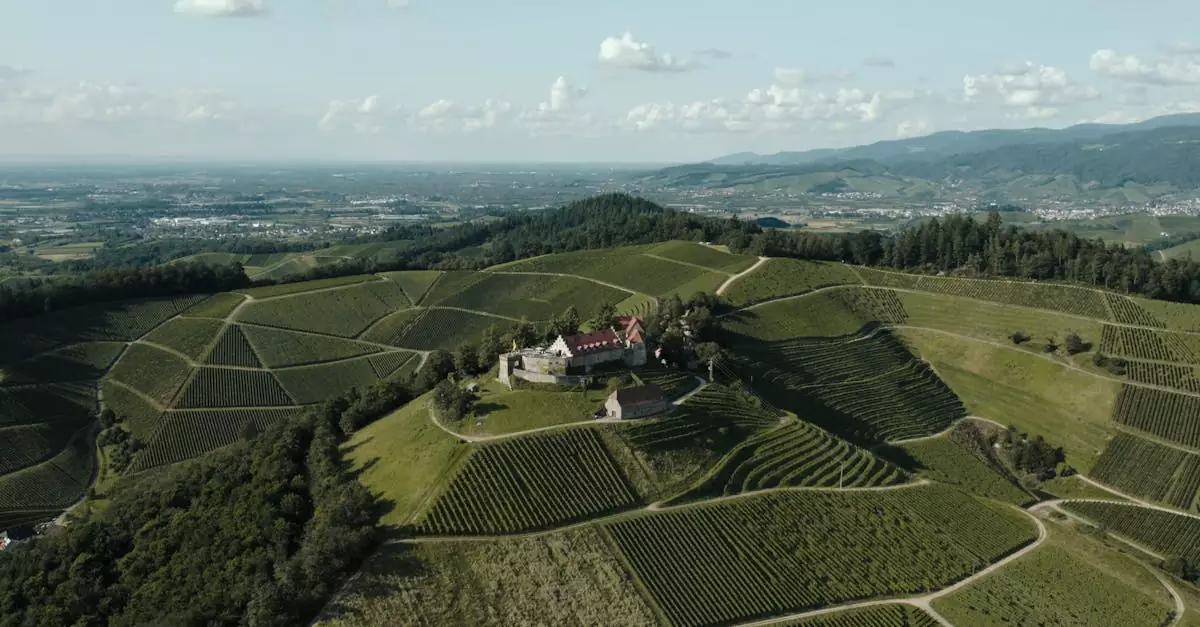
Choosing the right season can significantly enhance your culinary and viticultural journey across Europe. Each period offers unique flavors, events, and atmospheric advantages, making different times of year ideal for various interests.
Spring Harvests and Mild Weather
Spring in Europe, typically from April to June, brings a refreshing change after winter. The weather is generally mild, with blossoming landscapes creating a picturesque backdrop for vineyard visits. This season is particularly exciting for those interested in early harvests of asparagus, spring lamb, and fresh produce that heralds the warmer months. While not the primary grape harvest season, some early-ripening varieties may see initial activity, and the burgeoning food markets are a delight.
Spring offers a more relaxed experience in popular wine regions, with fewer crowds than in peak summer. It’s an excellent time for exploring charming towns and enjoying outdoor dining as terraces begin to open. The cooler evenings are perfect for savoring rich, aged wines, while daytime temperatures are comfortable for walking tours of vineyards and cities. Many regions also host spring food festivals celebrating local delicacies.
Autumn’s Bounty: Grape Harvests and Seasonal Delights
Autumn, from September to November, is arguably the most celebrated season for wine lovers. This is the period of the vendange, or grape harvest, across most of Europe’s renowned wine countries like France, Italy, and Spain. Witnessing the harvest firsthand, participating in grape stomping, and enjoying the celebratory atmosphere are unforgettable experiences. The air is crisp, and the foliage in vineyard landscapes transforms into a stunning display of reds, oranges, and golds.
Beyond the grape harvest, autumn brings a wealth of seasonal produce. Think of truffles in Italy, chestnuts roasting in France, and hearty stews appearing on menus across the continent. Food festivals abound, celebrating these autumnal flavors. Temperatures remain pleasant for much of early autumn, making it ideal for wine tasting and culinary tours. As the season progresses, the focus shifts to richer, more robust wines and comforting dishes.
| Region | Peak Harvest Time | Key Seasonal Foods | Typical Weather (Oct) |
|---|---|---|---|
| Bordeaux, France | September-October | Duck confit, mushrooms | Mild, some rain |
| Tuscany, Italy | September-October | Truffles, olive oil, pasta | Pleasant, cooler |
| Rioja, Spain | September-October | Lamb, peppers, tapas | Mild, sunny days |
| Douro Valley, Portugal | September-October | Fresh fish, port wine | Warm, potentially wet |
Summer Festivals and Al Fresco Dining
Summer, from June to August, offers the longest days and warmest weather, perfect for embracing Europe’s vibrant outdoor dining culture. Beachside restaurants, bustling city squares, and vineyard terraces come alive. This season is ideal for those who enjoy a lively atmosphere and a wide array of events. Many regions host music festivals, outdoor markets, and food celebrations that coincide with the peak tourist season.
The summer months are excellent for exploring regions known for crisp white wines and rosé, which are particularly refreshing in the heat. Think of the crisp wines of the Loire Valley or the refreshing whites of Alsace. While the grape harvest hasn’t begun, vineyards are in full bloom, offering beautiful scenery. Be prepared for larger crowds and higher accommodation prices, especially in July and August. Booking accommodations and popular restaurants well in advance is crucial during this peak travel period.
Navigating Your Culinary European Getaway: Itinerary and Logistics
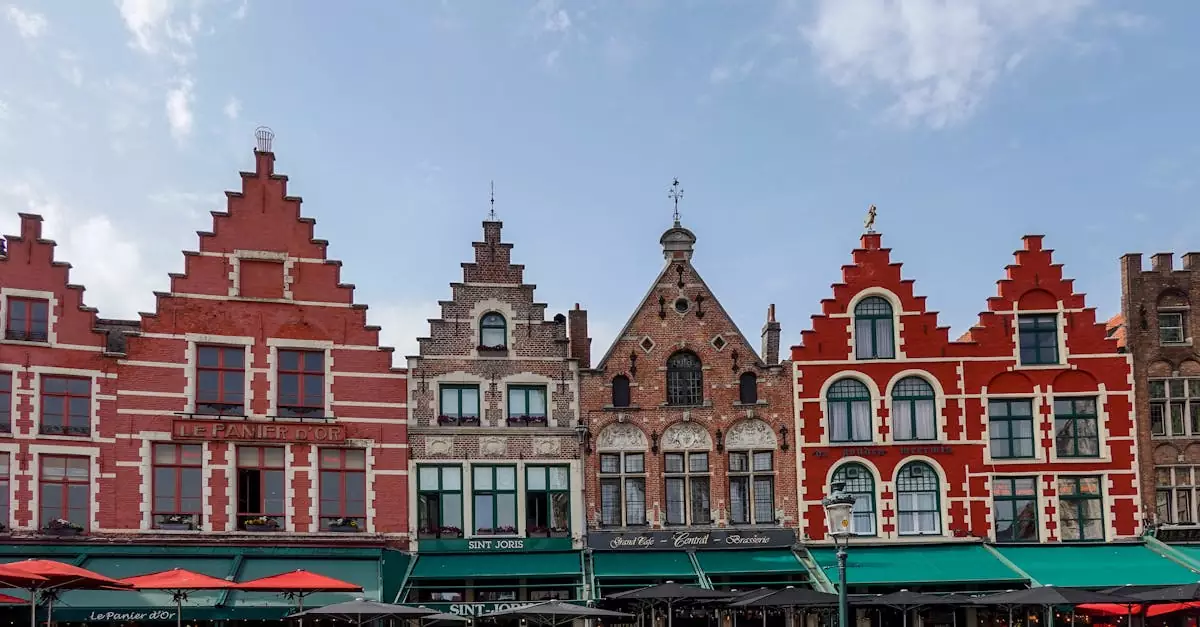
Embarking on a European food and wine adventure requires thoughtful planning to maximize your gastronomic discoveries. From crafting an itinerary that balances iconic flavors with hidden gems to understanding the practicalities of inter-city travel and budgeting, a well-prepared journey ensures a richer experience. This section offers actionable advice for those seeking the best wine and food destinations Europe has to offer.
Planning a 7-Day Wine and Food Tour Through Northern Italy
A week in Northern Italy provides a concentrated taste of diverse culinary landscapes, from the rolling vineyards of Piedmont to the coastal bounty of Liguria. Start in Turin, the capital of Piedmont, known for its elegant arcades, rich chocolate, and, of course, its world-class wines like Barolo and Barbaresco. Dedicate two days here to savoring traditional dishes and visiting local enoteche.
Next, journey to the Ligurian coast, perhaps basing yourself in Cinque Terre or the charming town of Portofino. Focus on fresh seafood, pesto Genovese, and crisp Vermentino wines. Allow three days to hike between villages, enjoy seaside trattorias, and soak in the Mediterranean atmosphere. Conclude your tour in the Emilia-Romagna region, the heartland of Italian gastronomy, with stops in Bologna and Parma. Indulge in Parmigiano Reggiano, Prosciutto di Parma, and the rich ragù that defines Bolognese cuisine. Two days here will offer a deep dive into authentic flavors before your departure.
Inter-City Travel: Trains vs. Flights for Foodie Explorers
When traversing Europe’s renowned culinary regions, the choice between trains and flights significantly impacts your travel experience and access to local flavors. High-speed rail networks across the continent offer a scenic and convenient way to connect major cities and even smaller towns known for their gastronomy. Traveling by train often deposits you directly in city centers, allowing immediate immersion into the local food scene without the added time and cost of airport transfers.
For instance, a train journey from Bordeaux to Lyon in France is not only efficient but also offers glimpses of the changing French countryside, hinting at the culinary shifts to come. Many routes are quite affordable, especially when booked in advance. Flights, while faster for very long distances, can be less practical for shorter hops between gastronomically rich areas. The time spent getting to and from airports, security checks, and potential delays can eat into valuable tasting time. For travelers prioritizing the journey and a relaxed pace, trains are generally the superior option for exploring the best wine and food destinations Europe has to offer.
Budgeting for Gourmet Experiences: Affordable vs. Luxury Dining
The cost of indulging in Europe’s finest food and wine can vary dramatically, from budget-friendly trattorias to Michelin-starred temples of gastronomy. Understanding these differences is key to a successful culinary trip. Many regions offer exceptional value at local markets and smaller, family-run establishments. For example, enjoying a simple, authentic pasta dish and a glass of local wine at a trattoria in Rome can cost under €20, a fraction of a fine-dining experience.
Luxury dining, while often a highlight, demands a more significant financial commitment. A tasting menu at a three-Michelin-star restaurant in Paris or San Sebastián can easily range from €200 to €500 per person, not including wine pairings. However, even luxury travel can be managed. Consider focusing your splurge on one or two truly memorable meals and supplementing them with more casual, yet equally delicious, experiences. Many European cities also offer affordable wine-tasting tours and cooking classes that provide excellent value and insight into local culinary traditions.
| Dining Style | Typical Cost per Person (EUR) | Experience Focus | Example Locations |
|---|---|---|---|
| Budget Dining | €10 – €30 | Local markets, street food, casual eateries | Lisbon, Budapest, Naples |
| Mid-Range Dining | €30 – €70 | Bistros, traditional restaurants, good wine | Lyon, Florence, Seville |
| Luxury Dining | €100+ | Michelin-starred restaurants, fine wine pairings | Paris, San Sebastián, Copenhagen |
Frequently Asked Questions About Europe’s Culinary Scene
What are the essential foods to try in each region?
Across Europe, culinary traditions are rich and varied. In Italy, beyond pasta and pizza, seek out regional specialties like Florentine steak (Bistecca alla Fiorentina) in Tuscany or risotto alla Milanese in Lombardy. Spain offers a diverse tapas culture, with essential bites including patatas bravas, gambas al ajillo, and jamón ibérico. French cuisine is renowned for its pastries, cheeses, and classic dishes like coq au vin and bouillabaisse. For a taste of Central Europe, try goulash in Hungary or schnitzel in Austria.
Are there specific wine pairings recommended?
Pairing wine with food enhances the dining experience. In Bordeaux, France, robust red blends complement rich meats like lamb or steak. For lighter Italian dishes, consider a crisp Pinot Grigio or a Sangiovese from Tuscany. Spanish wines, such as Albariño from Rías Baixas, pair beautifully with seafood, while Rioja reds are excellent with tapas. Germany’s Rieslings, with their acidity and fruit notes, are versatile, working well with spicy Asian dishes or lighter European fare.
What are common tourist mistakes to avoid?
A common pitfall for travelers is sticking solely to tourist-heavy restaurants, often leading to overpriced and less authentic meals. Another mistake is not considering local dining customs, such as the timing of meals or the practice of tipping, which varies significantly across Europe. Over-scheduling and rushing through meals also detract from the culinary experience. Finally, be mindful of peak tourist seasons, as popular restaurants can require advance reservations.
What are the best neighborhoods for food lovers in Paris?
Paris boasts several neighborhoods that are havens for food enthusiasts. Le Marais is known for its trendy bistros, bakeries, and Jewish quarter specialties like falafel. Saint-Germain-des-Prés offers classic brasseries and upscale dining, alongside charming cafés. For a more local feel and traditional markets, explore the Latin Quarter or the Montmartre area. The Canal Saint-Martin district has become a hub for innovative eateries and wine bars.