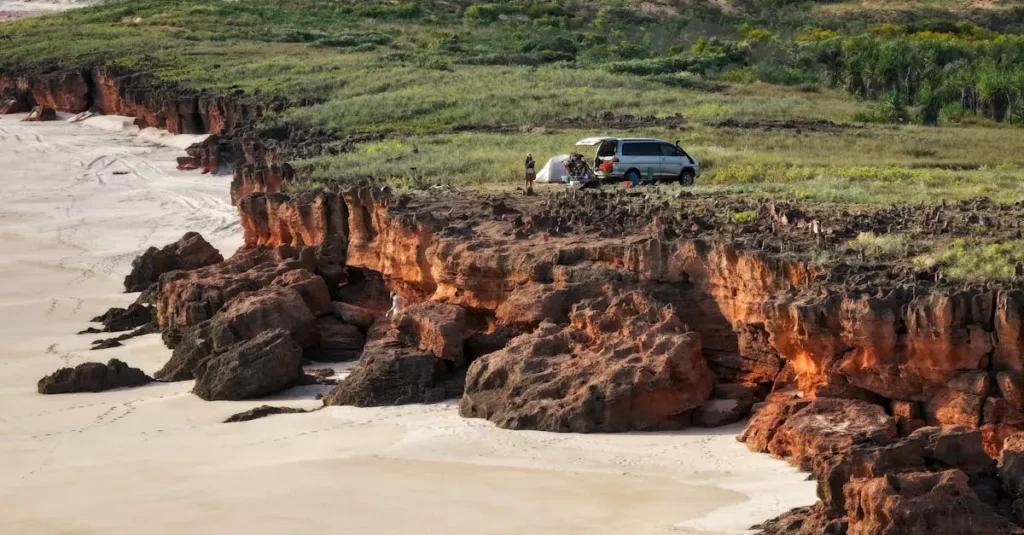
Australia’s vast landscapes beckon exploration, and there’s no better way to experience its diverse beauty than through a campervan adventure. From iconic coastlines to the rugged Outback, embarking on one of the best campervan trips Australia has to offer promises freedom and unforgettable memories. This guide will equip you with everything needed to plan your ultimate road trip.
You’ll discover essential tips for selecting the right campervan, navigating Australian driving laws, and finding the most scenic routes. We’ll also explore budgeting strategies, packing advice, and the best times to travel for optimal weather and wildlife encounters. Get ready to map out your journey and embrace the open road with confidence.
Planning Your Best Campervan Trips in Australia
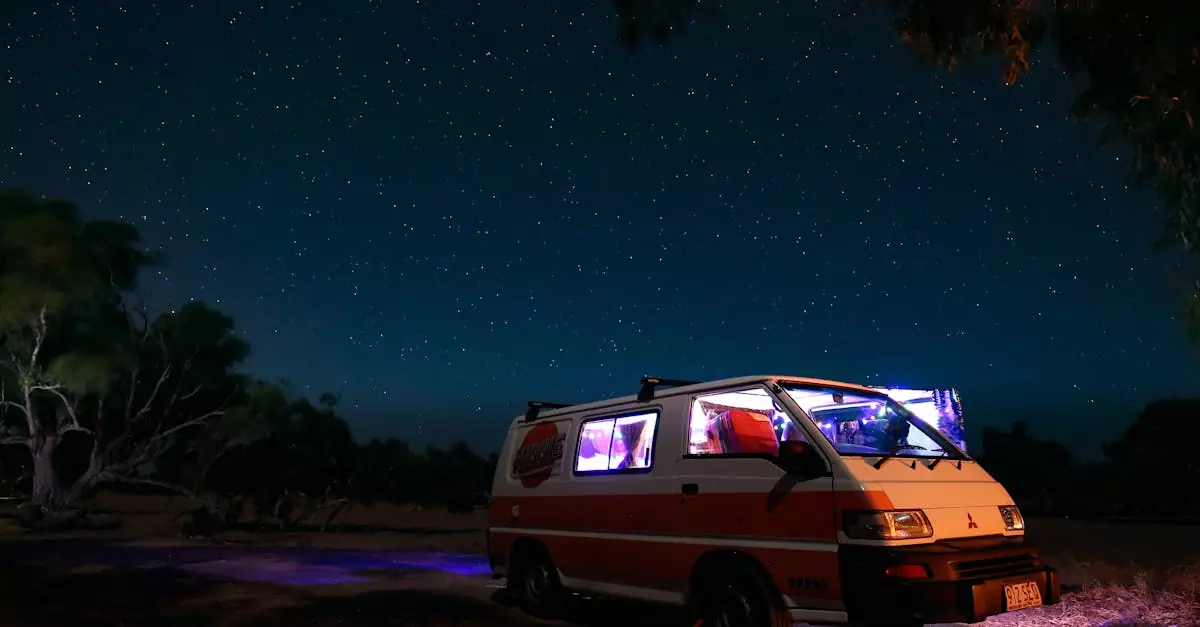
A campervan adventure across Australia offers unparalleled freedom to witness the continent’s vast and varied landscapes. From sun-drenched beaches on the west coast to ancient rainforests on the east, a well-planned road trip is key to maximizing your experience. Careful consideration of your vehicle, rental agreements, and local driving regulations will set the stage for a memorable journey.
Choosing the Right Campervan for Australian Roads
Selecting the appropriate campervan is crucial for navigating Australia’s diverse terrain and ensuring comfort on longer drives. Consider your group size and the type of roads you plan to travel. For extensive distances on highways, a larger, more comfortable vehicle might be preferable, while smaller, more agile vans are better suited for navigating tighter coastal roads or national parks.
Many rental companies offer a range of vehicles, from compact two-berth vans to larger six-berth models with full amenities. Think about essential features like kitchen facilities, bathroom access, and bed configurations. If you plan to venture onto unsealed roads, a 4WD campervan is necessary, though these are often more expensive to rent and operate. Always check the rental company’s policy regarding off-road travel.
Essential Campervan Rental Tips for Budget Travelers
Renting a campervan can be a significant portion of your travel budget, but smart planning can lead to substantial savings. Booking well in advance, especially during peak seasons like school holidays or summer, often secures better rates. Compare prices from multiple rental companies; some may offer unlimited kilometers, while others charge per kilometer, which can add up quickly on long-distance trips.
Consider the timing of your rental. Off-season travel can significantly reduce costs, and you’ll often encounter fewer crowds. Look for deals that include essential items like camping gear or kitchen kits. Many companies offer one-way rentals, but these often come with a premium fee. If possible, plan a round trip to avoid this extra cost. Always read the rental agreement carefully, paying attention to insurance options, excess fees, and fuel policies.
Navigating Australian Driving Laws and Road Rules
Understanding and adhering to Australia’s driving laws is paramount for a safe and stress-free campervan trip. Speed limits vary across states and territories and are strictly enforced. Be aware of common road signs, particularly those indicating wildlife crossings, caravan parks, and rest stops. Fatigue is a major cause of accidents, so plan for regular breaks, ideally every two hours.
Australia drives on the left side of the road. If you’re not accustomed to this, take extra caution, especially when turning. Many rural roads are unsealed and can be narrow, so reduce your speed and be mindful of oncoming traffic. Wildlife, particularly kangaroos and emus, can be a hazard, especially at dawn and dusk. Avoid driving during these times if possible, and if you see wildlife, slow down and be prepared to stop. Familiarize yourself with the specific road rules for the states you intend to visit, as minor variations can exist. For general information on driving in Australia, resources are readily available.
Top 5 Campervan Routes for Unforgettable Australian Adventures

A campervan trip across Australia offers unparalleled freedom to discover its diverse landscapes, from sun-drenched coastlines to the vast Outback. Planning your route is key to maximizing your adventure. Here are some of the best campervan trips Australia has to offer, catering to different interests and timeframes.
The Great Ocean Road: Coastal Scenery and Wildlife Encounters
Stretching for 243 kilometers along Victoria’s southwest coast, the Great Ocean Road is a classic Australian road trip. This route is renowned for its dramatic cliffs, picturesque beaches, and abundant wildlife. You’ll encounter the Twelve Apostles, Loch Ard Gorge, and the charming seaside towns of Lorne and Apollo Bay.
Traveler Insights:
- Timing: Best experienced during the shoulder seasons (spring and autumn) for milder weather and fewer crowds. Summer can be busy, and winter brings cooler temperatures and potential rain.
- Logistics: Many campgrounds and caravan parks are available along the route, ranging from basic facilities to more developed sites. Booking ahead is advisable, especially during peak season.
- Wildlife: Keep an eye out for koalas in the eucalyptus trees near Kennett River and seals at the Cape Otway Lightstation. Dolphins and whales are also sometimes spotted offshore.
Sydney to Cairns: East Coast Highlights and Tropical North
This extensive journey covers over 2,500 kilometers, showcasing the vibrant culture and stunning natural beauty of Australia’s eastern seaboard. Starting in Sydney, you’ll travel north through New South Wales and Queensland, passing through coastal cities, national parks, and rainforests. Highlights include the beaches of the Gold Coast, the laid-back vibe of Noosa, the stunning Whitsunday Islands, and the Great Barrier Reef near Cairns.
Considerations for this trip:
- Duration: Allow at least two to three weeks to comfortably complete this route and enjoy the key attractions.
- Activities: Snorkeling or diving the Great Barrier Reef, exploring the Daintree Rainforest, and relaxing on world-class beaches are must-dos.
- Campervan Hire: Numerous rental depots are available in Sydney and Cairns, offering a wide range of campervan sizes and amenities.
Perth to Broome: Western Australia’s Wild Frontier
For those seeking raw, untamed beauty, the drive from Perth to Broome is an unforgettable experience. This 2,200-kilometer journey takes you through Western Australia’s diverse landscapes, from the rugged coastline of the Coral Coast to the ancient gorges of the Pilbara region. Key stops include the Pinnacles Desert, Monkey Mia for dolphin encounters, and the stunning Karijini National Park.
Key Attractions and Advice:
- Pinnacles Desert: Visit at sunrise or sunset for the most dramatic views of these unique limestone formations.
- Karijini National Park: Offers incredible hiking opportunities through ancient gorges and to pristine waterholes. Ensure your campervan is equipped for unsealed roads if you plan to access all areas.
- Broome: Known for its pearling history, Cable Beach sunsets, and the Staircase to the Moon phenomenon.
Uluru & the Red Centre: Iconic Outback Landscapes
This trip delves into the heart of Australia’s spiritual and geological center. Starting from Alice Springs, you’ll journey south to Uluru-Kata Tjuta National Park. The vast, ochre-red landscapes, ancient rock formations, and rich Indigenous culture are the main draws. Witnessing sunrise and sunset over Uluru is a profound experience.
Planning Your Outback Adventure:
- Vehicle: A sturdy campervan or 4WD is recommended, especially if you plan to venture off the main sealed roads. Ensure you have adequate fuel, water, and supplies, as distances between towns are significant.
- Best Time to Visit: Autumn (April to September) offers pleasant daytime temperatures, making it ideal for outdoor activities. Summer can be extremely hot.
- Cultural Significance: Respect the Indigenous Anangu culture by following park guidelines, such as not climbing Uluru.
Tasmania: Island Paradise by Campervan
Tasmania offers a compact yet incredibly diverse campervan experience, perfect for those with less time or who prefer island exploration. The entire island can be circumnavigated in about two weeks, but you could easily spend longer. From the rugged wilderness of Cradle Mountain-Lake St Clair National Park to the historic Port Arthur site and the pristine beaches of Freycinet National Park, Tasmania packs a scenic punch.
Tasmanian Campervan Highlights:
- Scenery: Expect dramatic coastlines, lush rainforests, and alpine plateaus.
- Wildlife: Look for wallabies, wombats, and the elusive Tasmanian devil.
- Roads: Generally well-maintained, though some scenic routes can be winding. Numerous campgrounds are available, from national park sites to private holiday parks.
When is the Best Time to Embark on Australian Campervan Journeys?
Planning your campervan adventure across Australia requires understanding its vast and varied climate. The “best” time depends heavily on the regions you intend to visit and the experiences you’re seeking. From scorching deserts to tropical rainforests, the timing of your road trip can significantly impact comfort, accessibility, and wildlife encounters.
Seasonal Weather Patterns Across Australia for Road Trips
Australia experiences distinct seasons, but they differ significantly between the north and south. The southern half, including popular routes like the Great Ocean Road and Tasmania, enjoys a Mediterranean-like climate with warm, dry summers (December to February) and mild, wet winters (June to August). Conversely, the tropical north, encompassing destinations like the Daintree Rainforest and the Kimberley, has a wet season (November to April) characterized by high humidity and heavy rainfall, followed by a dry season (May to October) with pleasant temperatures and lower humidity.
A table summarizing typical weather patterns illustrates these regional differences:
| Region | Summer (Dec-Feb) | Autumn (Mar-May) | Winter (Jun-Aug) | Spring (Sep-Nov) |
|---|---|---|---|---|
| South | Hot, dry, sunny | Mild, pleasant | Cool, wet, mild | Warm, sunny, breezy |
| North | Hot, humid, wet, storms | Warm, humid, less rain | Warm, dry, sunny | Hot, humid, building rain |
| Outback | Extremely hot, dry | Warm days, cool nights | Mild days, cold nights | Warm days, cool nights |
Understanding these patterns is crucial for comfortable driving and avoiding road closures, especially in remote areas during the wet season.
Avoiding Peak Tourist Seasons for a More Relaxed Trip
While summer (December to February) offers the warmest weather for many southern destinations, it also coincides with school holidays and the Christmas/New Year period. This means higher prices for campervan rentals and campsites, as well as more crowded attractions. Shoulder seasons – spring (September to November) and autumn (March to May) – often provide a better balance. You’ll find more pleasant weather across much of the country, fewer crowds, and potentially lower rental costs. For instance, visiting the Great Barrier Reef in September offers excellent visibility and comfortable temperatures without the peak summer crowds.
Traveling during the shoulder seasons can lead to a more relaxed and authentic experience. You’ll have more flexibility with spontaneous stops and a better chance to connect with local culture without the pressure of large tour groups. Planning your routes to avoid major public holidays can further enhance this sense of freedom on your road trip.
Best Months for Wildlife Spotting on Your Campervan Adventure
Australia’s incredible biodiversity means wildlife encounters are a highlight for many road trippers. The best months for spotting specific animals often align with their breeding or feeding seasons, as well as favorable weather conditions for observation. For instance, whale watching along the eastern coast is best from May to November, with peak sightings typically between July and October. This timing aligns with the southern dry season, making for comfortable viewing conditions.
If your itinerary includes the Northern Territory’s Kakadu National Park, the dry season (May to October) is ideal for spotting crocodiles and a vast array of birdlife. During this period, water levels recede, concentrating animals and making them more visible. Conversely, visiting Tasmania between September and November offers opportunities to see native marsupials like wombats and wallabies, which are often more active during the milder spring months. Always research specific wildlife viewing locations and their peak seasons for the most rewarding encounters.
Must-See Stops and Hidden Gems on Your Australian Campervan Itinerary
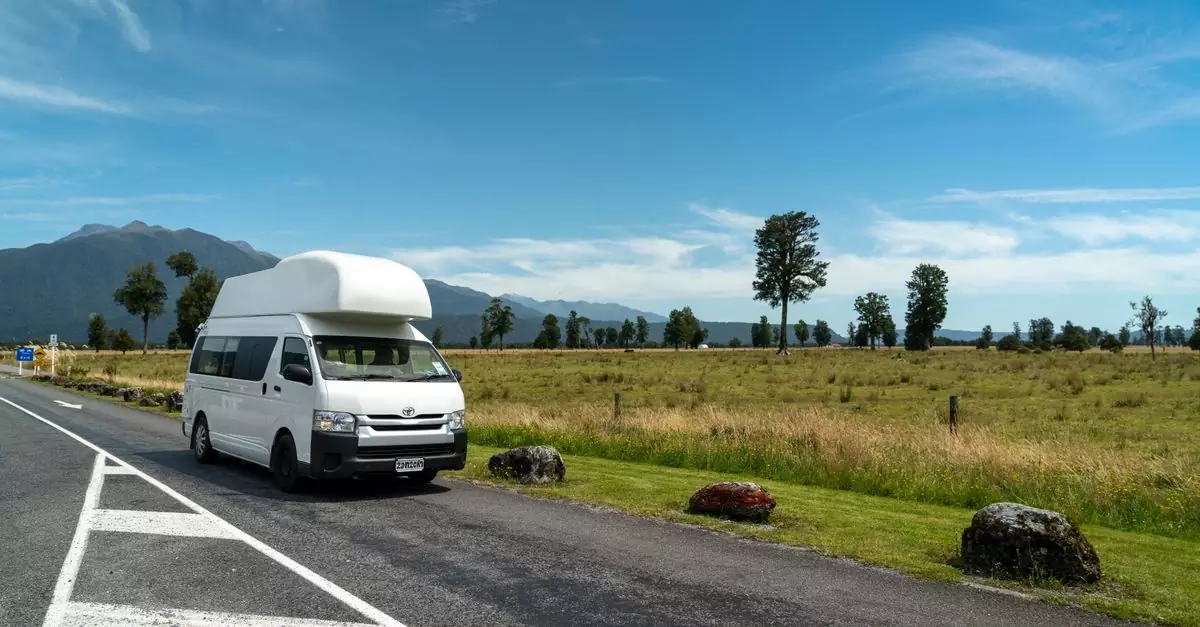
Planning a campervan trip across Australia offers unparalleled freedom, but knowing where to venture beyond the well-trodden paths can elevate your journey from great to unforgettable. While iconic destinations like Sydney and the Great Barrier Reef are essential for many, seeking out lesser-known spots provides a more intimate connection with the continent’s diverse landscapes and vibrant culture. This guide highlights unique stops that promise authentic experiences for your ultimate road trip.
Discovering Lesser-Known Beaches Along the Coast
Australia’s coastline is legendary, but venturing beyond the famous stretches of sand reveals secluded coves and pristine waters. Consider heading south of Sydney to the Jervis Bay Territory. While Hyams Beach is popular, explore nearby spots like Greenfield Beach for crystal-clear waters and abundant white sand, often with fewer crowds. Further north, the Coral Coast of Western Australia boasts gems like Jurien Bay Marine Park. Here, you can snorkel amongst vibrant coral and swim with sea lions, offering a different coastal experience than the east coast.
For a truly remote beach adventure, the Ningaloo Coast in Western Australia is exceptional. While famous for whale sharks, its beaches like Oyster Creek offer tranquil settings ideal for swimming and observing marine life directly from the shore. These locations require a bit more planning for campervan access, often involving well-maintained unsealed roads, so ensure your vehicle is suitable and you have ample supplies.
Exploring Unique National Parks Beyond the Tourist Trail
While Uluru-Kata Tjuta National Park and the Daintree Rainforest draw significant visitor numbers, Australia’s vast interior and lesser-visited coastal regions hold national parks brimming with unique natural wonders. In Tasmania, Cradle Mountain-Lake St Clair National Park is a hiker’s paradise, but for a different kind of Tasmanian wilderness, consider Freycinet National Park. While Wineglass Bay is famous, the park offers numerous walking tracks leading to secluded beaches and dramatic granite formations.
Venture inland to Mungo National Park in New South Wales, part of the Willandra Lakes World Heritage Area. This park offers a profound glimpse into ancient Indigenous history and a starkly beautiful desert landscape shaped by wind and water. The Mungo Lunettes walking track provides insights into millennia of human occupation. Another remarkable inland destination is Carnarvon National Park in Queensland, known for its stunning sandstone gorges, ancient Aboriginal rock art galleries, and unique flora and fauna. Accessing these parks, especially Carnarvon, often involves significant distances on unsealed roads, so checking road conditions and carrying sufficient fuel and water is crucial for campervan travelers.
Finding Authentic Local Eateries in Outback Towns
The heart of any campervan trip lies in experiencing local flavors, and Australia’s outback towns offer some of the most authentic culinary encounters. Forget fancy restaurants; think hearty meals and genuine hospitality. In Birdsville, Queensland, a remote town on the edge of the Simpson Desert, the iconic Birdsville Hotel is a must-visit. It’s not just about the pub grub; it’s about the atmosphere, the history, and the characters you’ll meet. This is a true outback experience.
Further west, in Kalgoorlie, Western Australia, the gold rush history permeates the town. Seek out local pubs and cafes that serve classic Australian fare like steak and parma, often with a generous portion size befitting a hard day’s travel. Towns along the Oodnadatta Track in South Australia, such as Oodnadatta itself or William Creek, offer simple, welcoming roadhouses that are central to community life and provide a taste of true bush hospitality. These eateries are often the social hubs of these small communities, offering a chance to chat with locals and fellow travelers.
Budgeting and Practicalities for Campervan Travel in Australia
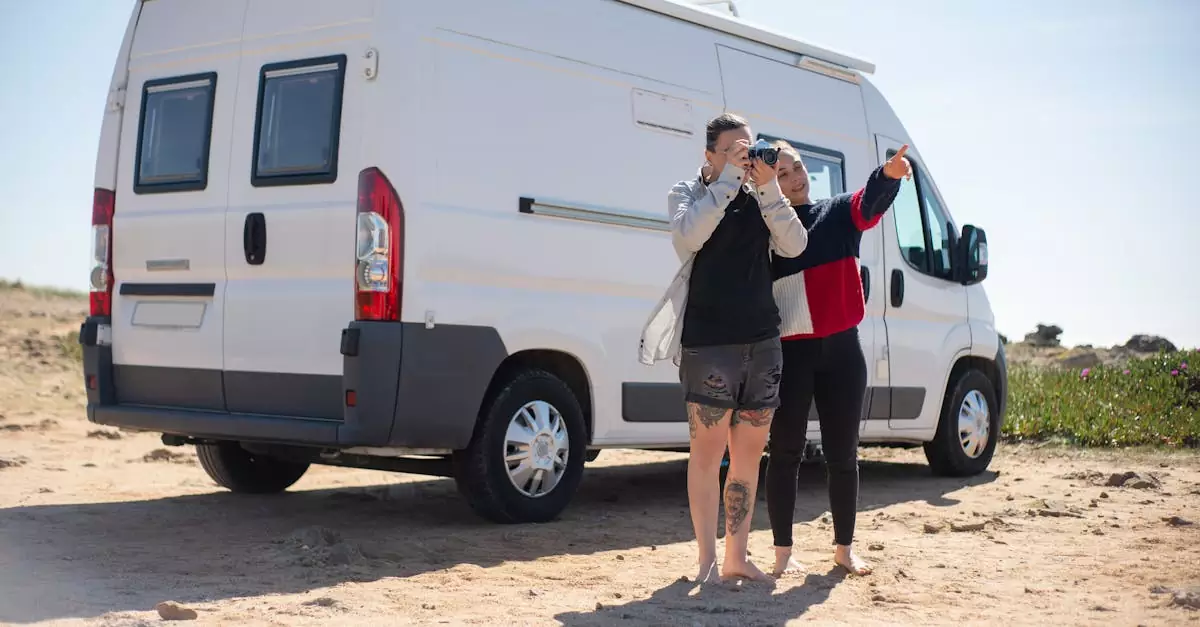
Embarking on one of the best campervan trips Australia has to offer requires careful planning, especially regarding budgeting and practical logistics. Australia is a vast continent, and the costs associated with fuel, accommodation, and supplies can add up quickly if not managed wisely. Understanding the financial landscape and essential practicalities will ensure a smoother, more enjoyable adventure.
Cost-Saving Tips for Fuel, Campsites, and Groceries
Fuel is often the largest single expense on an Australian campervan road trip. Prices fluctuate significantly between states and even towns, so planning your fuel stops is crucial. Look for fuel stations in larger regional centers, as they often offer more competitive prices than remote outposts. Consider purchasing a fuel discount card if you plan on extensive travel, although their effectiveness can vary.
Campsite fees range from free to over $60 per night for powered sites at popular holiday parks. Opting for unpowered sites and utilizing free or low-cost camping options can drastically reduce your expenditure. Many local councils offer basic amenities at low prices.
Groceries are another area where savings can be made. While major supermarkets like Coles and Woolworths are readily available in most towns, prices can be higher in remote areas. Stocking up in larger cities before heading off the beaten path is a smart strategy. Cooking your own meals instead of eating out will also lead to significant savings.
Finding Free and Low-Cost Campsites for Campervans
Australia offers a growing network of free and low-cost camping opportunities for self-contained campervans. These range from basic rest areas with minimal facilities to designated campsites managed by local shires or national park services. Websites and apps like WikiCamps Australia (paid app) or CamperMate are invaluable resources for locating these spots, often providing user reviews and facility details.
Many national parks offer affordable camping, though booking in advance is often required, especially during peak seasons. Look for “designated camping areas” within parks. Rest areas along major highways are also an option for overnight stays, but check signage carefully as some have time limits or are not suitable for overnight parking. Remember that “self-contained” usually means your vehicle has its own toilet and grey water facilities.
Essential Packing List for Australian Conditions
Packing for an Australian campervan trip requires versatility due to the continent’s diverse climates and environments. Even in summer, nights can be cool in some regions, while tropical areas remain humid year-round.
- Clothing: Pack light, breathable clothing for warmer weather, including long-sleeved shirts and trousers for sun protection and insect deterrence. Include a warm jumper or fleece, especially if traveling inland or during cooler months. A waterproof jacket is essential, regardless of the season.
- Footwear: Comfortable walking shoes are a must, along with sturdy hiking boots if you plan on exploring national parks. Thongs (flip-flops) are practical for campsites and beaches.
- Sun Protection: High SPF sunscreen, a wide-brimmed hat, and sunglasses are essential. The Australian sun is intense.
- Insect Repellent: Essential for many coastal and tropical areas, particularly at dawn and dusk.
- First-Aid Kit: A comprehensive kit is vital, especially when traveling in remote areas. Include any personal medications.
- Navigation: While GPS is useful, always have a physical map of Australia as a backup, especially in areas with poor mobile reception.
- Camping Gear: Beyond the campervan itself, consider items like a good quality sleeping bag, camp chairs, a portable table, and cooking equipment. A headlamp or flashlight is also very useful.
- Water Storage: Ensure you have adequate water containers, as potable water can be scarce in some locations.
Frequently Asked Questions About Campervan Trips in Australia
Planning a campervan adventure across Australia is an exciting prospect, and a few common questions often arise. Addressing these can help ensure a smoother journey.
What are the best campervan hire companies in Australia?
Several reputable campervan hire companies operate throughout Australia, catering to different budgets and travel styles. Popular options include Apollo, Britz, Maui, and JUCY. These companies offer a range of vehicles, from compact campervans ideal for couples to larger motorhomes suitable for families. It’s advisable to compare prices, vehicle features, and insurance options across a few providers before booking. Booking in advance, especially during peak seasons, is highly recommended.
Is it safe to drive a campervan long distances in Australia?
Driving long distances in a campervan in Australia is generally safe, provided you exercise caution and plan appropriately. The vastness of the country means roads can be long and remote. Always check road conditions before setting off, especially in rural or Outback areas, and be aware of wildlife, particularly at dawn and dusk. Fatigue is a significant risk, so take regular breaks and avoid driving for extended periods without rest. Familiarize yourself with Australia’s road rules, including speed limits and driving on the left.
Can I park my campervan anywhere in Australia?
No, you cannot park your campervan just anywhere in Australia. While free camping options exist, they are often designated areas with specific rules. Many towns have caravan parks or holiday parks that offer powered and unpowered sites, as well as facilities like restrooms, showers, and laundry. It’s crucial to respect local signage and regulations regarding overnight parking to avoid fines. Apps and websites like WikiCamps Australia can help locate official campgrounds and rest areas.
What kind of insurance do I need for a campervan rental?
When hiring a campervan in Australia, standard insurance typically covers basic third-party liability. However, it’s highly recommended to opt for comprehensive insurance or a collision damage waiver (CDW) to cover damage to the rental vehicle itself. Carefully review the excess amount associated with each insurance option, as this is the maximum you would pay in case of an accident. Some companies offer premium protection plans that reduce or eliminate the excess. Ensure your chosen coverage aligns with your comfort level and budget.