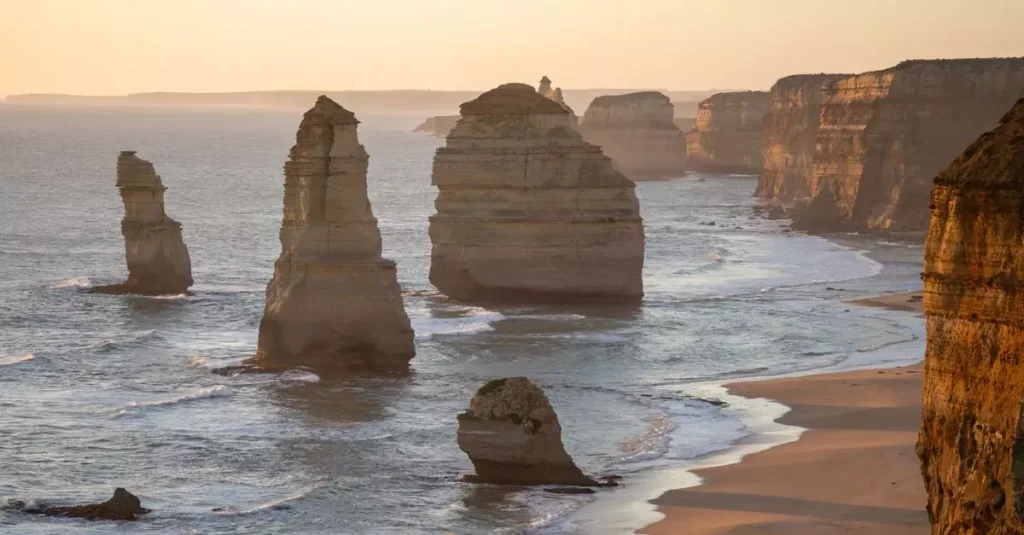
Australia’s coastline is legendary, offering some of the world’s most spectacular drives. Embarking on one of the best beach road trips Australia has to offer is an unforgettable way to experience the country’s diverse natural beauty, from rugged cliffs to sun-drenched sands. Planning these journeys requires knowing the best routes, the ideal times to visit, and essential tips for navigating the open road. This guide will help you discover iconic coastal highways, uncover hidden gems, and make the most of your adventure. Whether you’re drawn to the dramatic vistas of the Great Ocean Road, the tropical allure of Queensland’s Pacific Coast, or the remote wonders of Western Australia’s Ningaloo Reef, we’ll equip you with the knowledge to craft your perfect seaside escape. Get ready to explore the unparalleled beauty of Australia’s shores.
Iconic Australian Beach Road Trips for Every Traveler
Australia boasts some of the most breathtaking coastal drives, offering a kaleidoscope of landscapes from rugged cliffs to pristine white-sand beaches. Planning a road trip along its extensive coastline provides an unparalleled way to experience the country’s natural beauty and vibrant culture. Whether you’re seeking dramatic scenery, marine life encounters, or a classic coastal adventure, these routes deliver unforgettable journeys.
Great Ocean Road: Victoria’s Dramatic Coastline
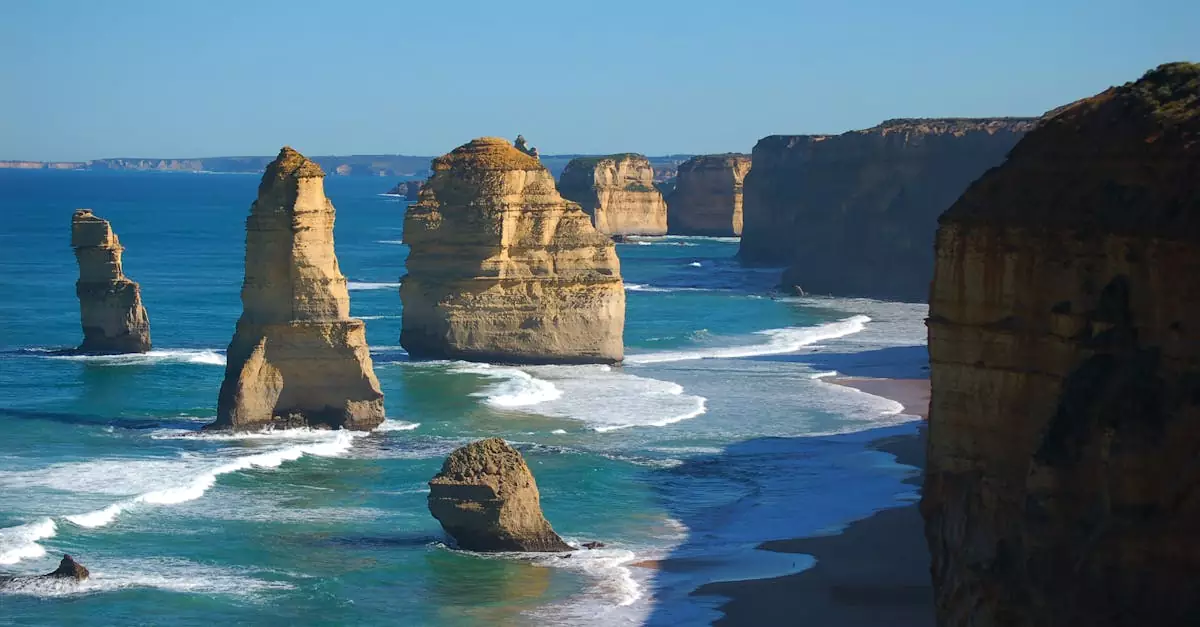
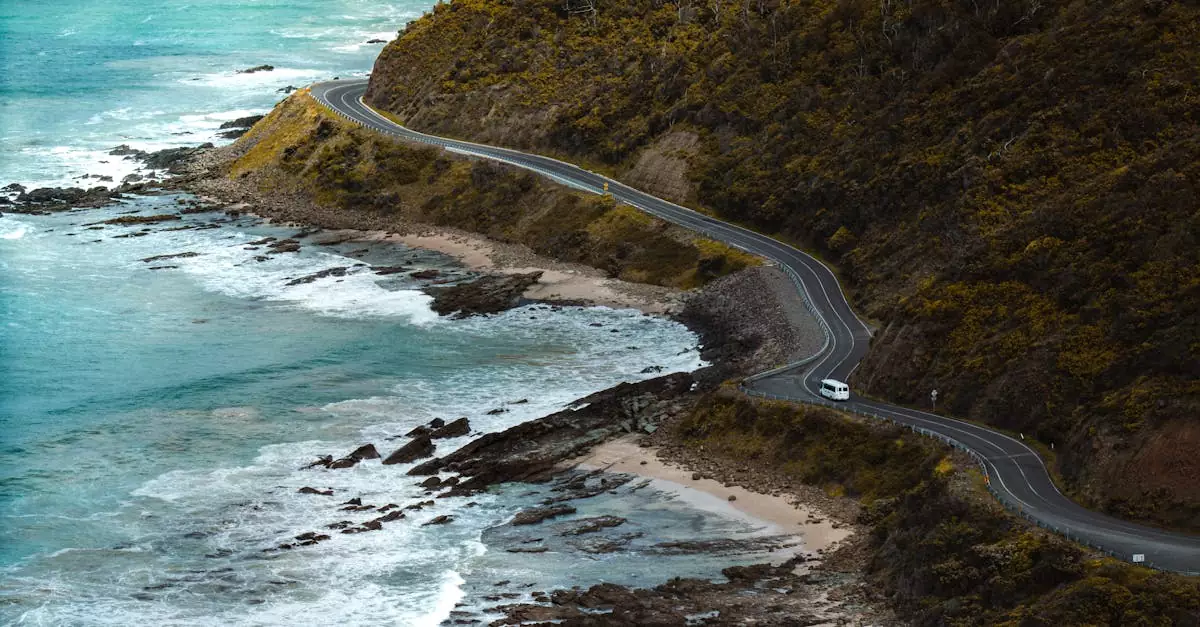
The Great Ocean Road in Victoria is arguably Australia’s most famous coastal drive, winding for 243 kilometers (151 miles) between Torquay and Nelson. This iconic route is renowned for its spectacular rock formations, including the Twelve Apostles and Loch Ard Gorge, shaped by the relentless Southern Ocean. The drive itself is a visual feast, with hairpin turns revealing panoramic ocean vistas at every bend.
Travelers can expect a mix of winding roads through temperate rainforest and dramatic cliff-top viewpoints. Key stops include the charming surf towns of Lorne and Apollo Bay, where you can enjoy excellent seafood and coastal walks. Wildlife sightings are common, with koalas often spotted in the eucalyptus trees near Kennett River and seals lounging at Cape Otway.
Planning Your Great Ocean Road Trip:
- Best Time to Visit: Spring (September-November) and Autumn (March-May) offer pleasant weather and fewer crowds. Summer (December-February) is popular but can be busy.
- Duration: A minimum of two days is recommended to appreciate the key sights, while three to four days allow for a more relaxed pace and deeper exploration.
- Logistics: The road is well-maintained but can be narrow and winding in sections. Driving from Melbourne is a common starting point.
- Accommodation: Options range from luxury lodges to beachfront motels and caravan parks in towns like Lorne, Apollo Bay, and Port Campbell.
Pacific Coast Highway: Sydney to Brisbane Adventure
Stretching roughly 950 kilometers (590 miles) along the New South Wales and Queensland coast, the Pacific Highway (now largely superseded by the M1 Motorway, but the scenic coastal detours remain) offers a quintessential Australian beach road trip experience. This journey connects major cities with a string of popular beach towns, national parks, and opportunities for whale watching.
The route south of Brisbane takes you through the beautiful Gold Coast, famous for its surf beaches and theme parks, and then onto Byron Bay, a bohemian coastal hub. Further south, the charming towns of the Tweed Coast lead you into New South Wales, where you’ll find areas like Port Macquarie and the stunning beaches of the Mid North Coast. Keep an eye out for chances to detour to coastal lookouts and hidden coves.
Key Highlights and Considerations:
- Marine Life: The migration of humpback whales along the east coast between May and November is a major draw. Many towns offer whale-watching tours.
- Beaches: From the famous surf breaks of the Gold Coast to the serene waters of Jervis Bay (a detour south of Sydney), there’s a beach for every preference.
- Detours: Consider venturing off the main highway to explore the hinterland of the Gold Coast or the vineyards of the Hunter Valley.
- Pace: While it’s possible to drive this route in a few days, allowing a week or more will enable you to truly savor the coastal lifestyle and discover hidden gems.
Ningaloo Reef Drive: Western Australia’s Coral Coast
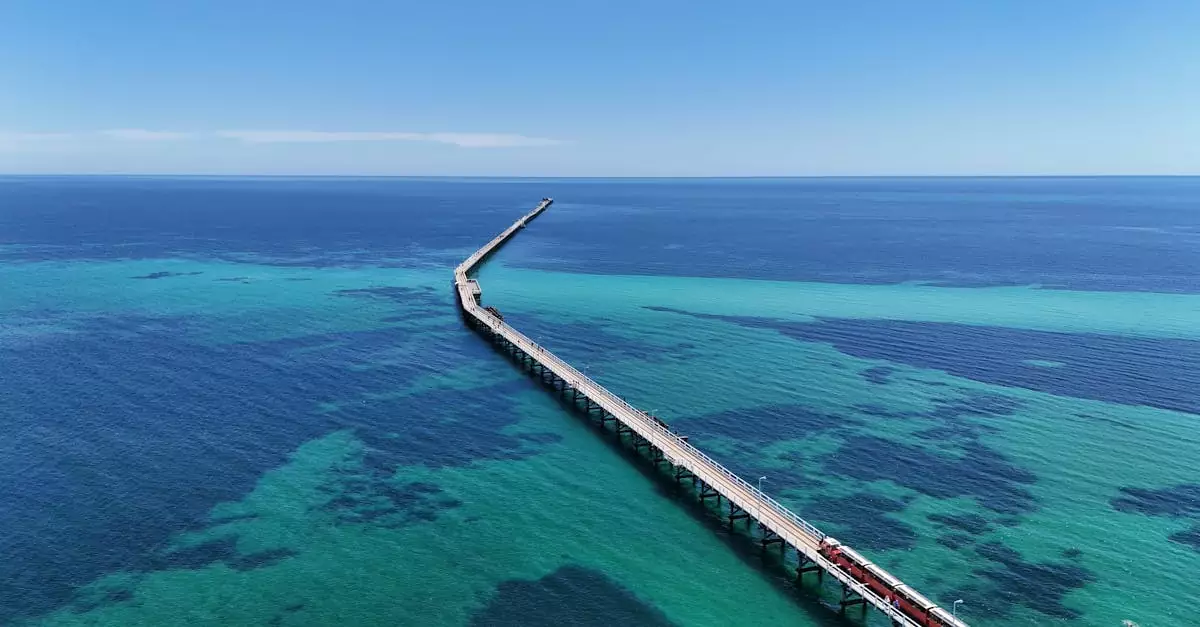
For an unparalleled marine encounter, the Ningaloo Reef Drive along Western Australia’s Coral Coast is an extraordinary choice. This region, approximately 1,200 kilometers (745 miles) north of Perth, is home to the Ningaloo Reef, a UNESCO World Heritage site that is the world’s largest fringing reef and the only one so close to shore.
The drive itself is less about winding coastal roads and more about accessing the incredible natural wonders of the region. Towns like Exmouth and Coral Bay serve as gateways to the reef. Here, you can swim, snorkel, or dive directly from the beach, encountering vibrant coral gardens, manta rays, turtles, and the majestic whale sharks (from March to August).
Experiencing Ningaloo:
- Whale Sharks: The opportunity to swim with whale sharks is a bucket-list experience. Bookings for tours are essential.
- Other Marine Encounters: Manta rays are present year-round, and humpback whales migrate through the area from July to October.
- Desert Landscapes: The drive also offers a contrast between the coast and the stark beauty of the outback, with opportunities to visit gorges and unique rock formations.
- Remoteness: This is a more remote destination, requiring careful planning for fuel, supplies, and accommodation.
| Destination | Typical Duration | Scenery | Marine Life Highlights | Budget Range (AUD) |
|---|---|---|---|---|
| Great Ocean Road | 2-4 days | Dramatic cliffs, rainforest, surf beaches | Seals, dolphins, coastal birds | $$–$$$ |
| Pacific Coast Highway | 5-10 days | Long sandy beaches, rainforest, coastal towns | Whales (seasonal), dolphins, diverse birdlife | $$–$$$$ |
| Ningaloo Reef Drive | 3-7 days | Pristine beaches, coral reef, arid landscape | Whale sharks (seasonal), manta rays, turtles, reef fish | $$$–$$$$ |
Planning Your Ultimate Australian Beach Road Trip Itinerary
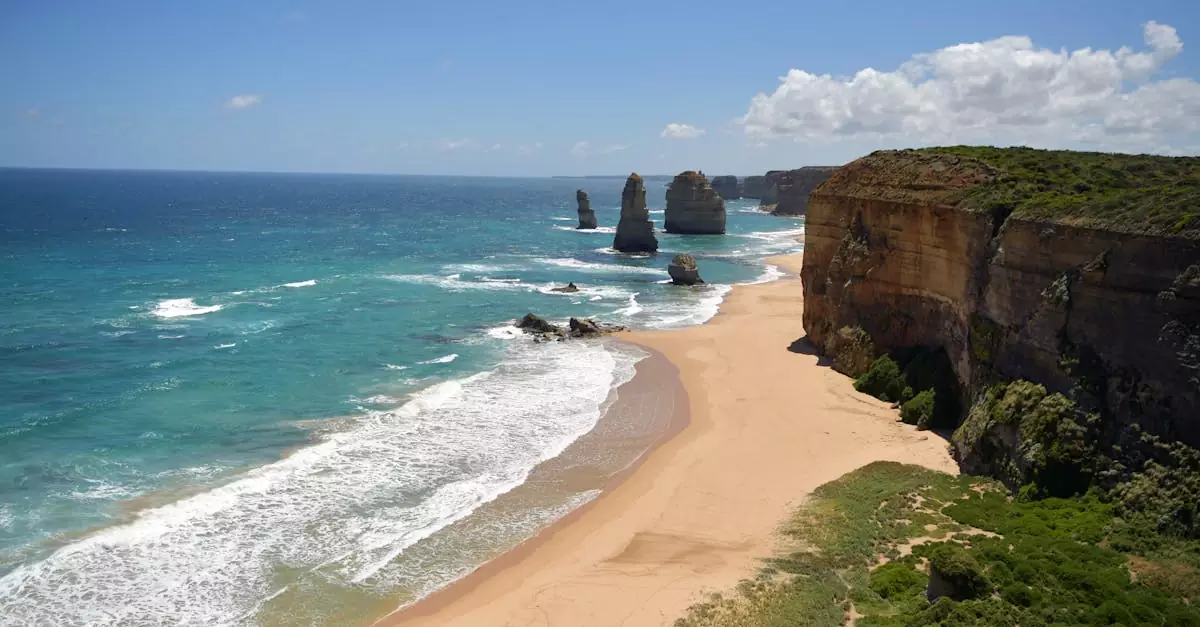
Embarking on one of Australia’s best beach road trips requires thoughtful planning to maximize your coastal adventure. Understanding the nuances of different routes, the ideal duration for your journey, and key stops will transform a good trip into an unforgettable experience. Consider your travel style and interests when mapping out your itinerary, ensuring you capture the essence of Australia’s stunning coastline.
Choosing the Right Route: South Coast vs. West Coast
Australia offers vastly different coastal road trip experiences depending on whether you head south or west. The South Coast of New South Wales provides a more accessible and varied landscape, characterized by dramatic cliffs, sheltered bays, and charming seaside towns. This region is well-suited for shorter trips and offers a mix of surf beaches and calmer swimming spots.
In contrast, the West Coast of Western Australia, particularly the drive from Perth to Exmouth, is renowned for its vast, rugged beauty and more remote destinations. Think Ningaloo Reef, with its incredible marine life, and the stark, ancient landscapes of the Pilbara coast. This route typically requires more time and a robust vehicle, offering a sense of true adventure and unparalleled natural wonders.
| Feature | South Coast (NSW) | West Coast (WA) |
|---|---|---|
| Scenery | Dramatic cliffs, forests, sheltered bays | Vast beaches, coral reefs, rugged coastline, desert |
| Accessibility | Generally easier, well-maintained roads | Can be remote, some unsealed roads, longer distances |
| Wildlife | Whales (seasonal), dolphins, diverse birdlife | Whales, dolphins, sharks, dugongs, sea turtles |
| Best For | Shorter trips, varied activities, family travel | Adventurous travelers, diving/snorkeling, nature |
Duration: How Long Do You Need for Each Drive?
The time required for an Australian beach road trip depends heavily on the chosen route and your pace. A comprehensive exploration of the South Coast of New South Wales from Sydney to Melbourne can comfortably be done in 7 to 10 days, allowing for visits to key towns like Kiama, Jervis Bay, and Eden. Rushing this route would mean missing its many hidden gems.
For the iconic West Coast drive from Perth to Exmouth and back, a minimum of 10 days is recommended, but 14 days or more will provide a richer experience. This allows ample time to fully appreciate the Ningaloo Reef, explore Karijini National Park (though not strictly coastal, it’s a common detour), and soak in the unique atmosphere of towns like Cervantes and Coral Bay. Longer journeys, such as driving the entire length of the Western Australian coast, would require several weeks.
Essential Stops: Must-See Coastal Towns & Beaches
No Australian beach road trip is complete without highlighting some captivating spots along the coast. On the South Coast, Jervis Bay in New South Wales is a standout, boasting some of the whitest sand in the world and crystal-clear waters ideal for swimming and dolphin watching. Further south, Hyams Beach is a must-visit for its powdery white shores.
Heading west, the Margaret River region in Western Australia offers a sophisticated blend of world-class wineries, surf breaks, and stunning beaches like Bunker Bay and Meelup Beach. Further north, Monkey Mia is famous for its resident dolphin population that comes ashore daily to be fed. The jewel in the crown for many Western Australian coastal drives is the Ningaloo Reef, a UNESCO World Heritage site offering incredible opportunities for swimming with whale sharks (seasonally) and vibrant coral snorkeling directly from the shore. Consider stops in Cervantes to see the Pinnacles Desert, a starkly beautiful contrast to the coastal scenery.
Best Time to Experience Australia’s Beach Road Trips
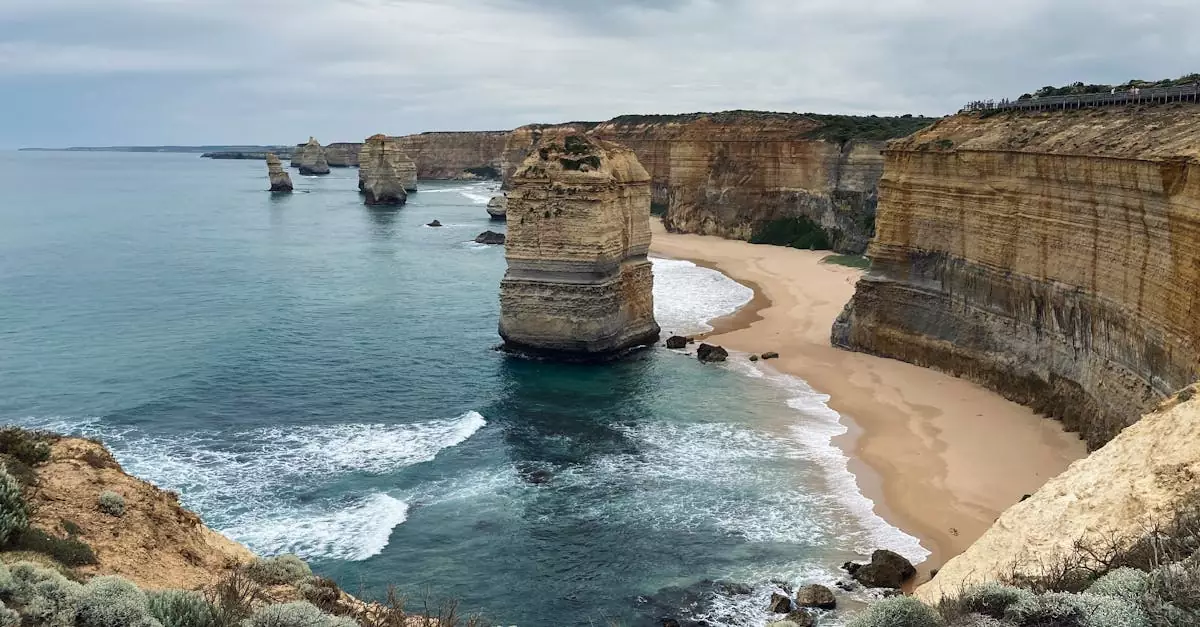
Choosing the right time of year to embark on one of Australia’s best beach road trips significantly impacts your experience. The vastness of the continent means weather can vary dramatically from north to south, so aligning your travel dates with optimal conditions for your chosen coastal route is key. Consider what you hope to see and do – from swimming and sunbathing to wildlife spotting and enjoying milder temperatures for driving.
Summer Sunsets: December to February
Summer in Australia brings the peak of beach season, especially along the southern coasts. This is the time for vibrant sunsets and warm waters perfect for swimming and water sports. However, it’s also the busiest period, with school holidays leading to crowded beaches and higher accommodation prices. Expect hot temperatures across much of the country, particularly inland.
For those dreaming of a classic Australian summer road trip, the Great Ocean Road in Victoria or the coastal drives around Sydney offer iconic experiences. Be prepared for potential heatwaves, especially in the afternoons, and book accommodations well in advance. Remember to stay hydrated and use plenty of sunscreen.
Autumn Escapes: March to May
Autumn offers a sweet spot for many of Australia’s coastal drives, balancing pleasant weather with fewer crowds. The intense heat of summer subsides, making driving more comfortable and outdoor activities more enjoyable. The ocean remains warm enough for swimming in many southern regions well into April.
This season is excellent for exploring Western Australia’s Coral Coast or driving the scenic routes of Tasmania. The changing landscape adds an extra layer of beauty to the coastal vistas. Prices for flights and accommodation typically decrease after the summer rush, offering better value.
Winter Wonders: June to August
Winter presents a unique opportunity for experiencing Australia’s northern beach destinations. While the southern coasts can be cool and wet, the tropical north, including Queensland and the Northern Territory, enjoys its dry season. This means sunny days, minimal rain, and comfortable temperatures perfect for exploring the Great Barrier Reef or the beaches of Darwin.
This is an ideal time for road trips along the Queensland coast, from Cairns down to Brisbane. It’s also a fantastic period for whale watching along the coastlines of New South Wales and Western Australia. While you might not be swimming in the southern waters, the dramatic coastal scenery remains captivating.
Spring Blooms: September to November
Spring brings a resurgence of warmth and life to Australia’s coastlines. Flowers bloom, wildlife becomes more active, and the weather gradually heats up, preparing for summer. It’s a shoulder season that often provides a good balance of pleasant conditions and manageable crowds before the December holidays.
This is a great time for coastal drives in South Australia or exploring the beaches of Western Australia. You can enjoy the wildflowers that often bloom along the coastlines. The transition from cooler to warmer weather makes it versatile for various activities, from hiking coastal trails to enjoying early dips in the ocean.
To help you plan, here’s a general comparison of seasons for popular beach road trip regions:
| Region | Summer (Dec-Feb) | Autumn (Mar-May) | Winter (Jun-Aug) | Spring (Sep-Nov) |
|---|---|---|---|---|
| Sydney & NSW Coast | Hot, busy | Mild, pleasant | Cool, some rain | Warm, mild |
| Great Ocean Road | Warm, busy | Mild, pleasant | Cool, windy | Mild, pleasant |
| Queensland Coast | Hot, humid, wet | Warm, pleasant | Warm, dry, sunny | Hot, humid |
| Western Australia | Hot (south), mild (north) | Pleasant, mild | Mild (south), warm (north) | Warm, pleasant |
| Tasmania Coast | Mild, pleasant | Cool, crisp | Cold, potential rain | Mild, pleasant |
When considering the best time for your Australian coastal adventure, remember that Australia is a vast continent with diverse climates. Researching the specific weather patterns for your chosen route is always advisable.
Navigating Australia’s Coastal Highways: Transportation & Tips
Embarking on one of Australia’s best beach road trips requires a solid understanding of how to get around and what to expect on the road. From securing the right vehicle to understanding local driving customs, preparation is key to a smooth and enjoyable coastal adventure. This section provides essential advice for navigating the vast distances and unique conditions of Australian highways.
Car Hire Essentials for Australian Road Trips
When planning your coastal drive, securing a suitable rental vehicle is paramount. Most travelers opt for car hire, offering the flexibility to stop at scenic lookouts and explore off-the-beaten-path beaches. Consider the size of your group and the amount of luggage when choosing a vehicle; a compact car might suffice for solo travelers or couples, while families may need a larger SUV or minivan.
When booking, compare prices across different rental companies and be aware of additional costs such as insurance, GPS units, and extra driver fees. Many companies offer one-way rentals, which can be convenient if you plan to traverse a long stretch of coastline and don’t intend to return to your starting point. Familiarize yourself with the rental agreement, particularly regarding mileage limits and fuel policies.
Driving Laws and Road Safety on the Coast
Australia drives on the left side of the road, a crucial detail for visitors accustomed to right-hand driving. Speed limits are clearly signposted and vary depending on the road type and location, with lower limits often in place near populated areas and national parks. Always adhere to these limits; demerit points and fines can accumulate quickly.
Fatigue is a significant risk on long drives. It’s advisable to take regular breaks, at least every two hours, and avoid driving during times when you would normally be asleep. If you encounter wildlife on the road, especially at dawn or dusk, exercise caution. Kangaroos, emus, and other animals can cause serious damage to vehicles if hit. Always maintain a safe following distance, particularly on unsealed roads, which are common in more remote coastal regions.
Fuel Stops and Vehicle Maintenance
Fuel availability can be sporadic along certain stretches of Australia’s coast, especially between major towns. It’s wise to keep your fuel tank at least half full whenever possible. Major highways are generally well-serviced, but if you plan to venture onto less-traveled coastal tracks or into remote areas, research fuel stop locations in advance. Carrying a small emergency fuel can might offer peace of mind.
Regular vehicle checks are vital. Ensure your tires are properly inflated, especially if you plan to drive on unsealed surfaces. Check your oil and water levels, particularly during warmer months when engines can work harder. Most rental agreements include roadside assistance, so know the contact number in case of a breakdown. Familiarizing yourself with the car’s basic functions before you set off will also prevent minor issues from becoming major inconveniences.
Discovering Local Flavors and Hidden Coastal Gems
The best beach road trips in Australia are more than just scenic views; they’re a journey for the senses, offering a chance to dive into local culture and taste the region’s bounty. From fresh seafood plucked straight from the ocean to artisan coffee crafted in charming seaside towns, these coastal drives reveal culinary delights and secluded spots often missed by the casual traveler.
Fresh Seafood Hotspots Along the Coast
Australia’s extensive coastline is a paradise for seafood lovers, and road trips offer the perfect opportunity to sample the freshest catches. Many coastal towns boast local markets or small, unassuming eateries where you can savor fish and chips made with the day’s haul or enjoy more elaborate dishes featuring local oysters, prawns, and various regional fish.
Consider a stop in Port Lincoln, South Australia, renowned as the “Seafood Capital of Australia.” Here, you can tour tuna farms, visit oyster leases, or simply enjoy succulent seafood platters at waterfront restaurants. Further north, the Queensland coast offers incredible opportunities for fresh prawns, especially around areas like Mooloolaba. Look for roadside stalls or fish co-ops for the most authentic and often most affordable options.
Best Cafes in Byron Bay & Surrounds
Byron Bay, a popular destination on the New South Wales coast, is celebrated not only for its surf breaks but also for its vibrant cafe culture. Beyond the main street, you’ll find a wealth of independent cafes serving exceptional coffee and wholesome, locally sourced food. Many offer stunning hinterland or ocean views, making them ideal stops for breakfast or lunch during your drive.
For a truly local experience, venture slightly outside the main town. Cafes in nearby towns like Bangalow or Brunswick Heads provide a more relaxed atmosphere and a chance to connect with the community. Expect menus featuring plenty of organic produce, gluten-free options, and expertly brewed single-origin coffees. These spots are perfect for a mid-drive recharge, offering a taste of Byron’s laid-back, health-conscious lifestyle.
Off-the-Beaten-Path Beaches Near Perth
While Western Australia’s capital, Perth, has its popular city beaches, the coastline north and south of the city hides quieter, more pristine stretches of sand. Renting a car for a coastal road trip from Perth allows easy access to these less-crowded gems. A short drive north can lead you to places like Yanchep Lagoon, known for its calm, sheltered waters and excellent snorkeling, or further to the vast, wild beaches of the Coral Coast.
Heading south, the drive towards Mandurah and the Peel Region reveals beautiful bays and inlets. Look for smaller access points and local recommendations for beaches that offer a more secluded experience. These areas are often less developed, providing a raw, natural beauty that’s increasingly rare. Remember to pack plenty of water and snacks, as amenities can be sparse in these more remote locations.
| Location | Vibe | Key Attraction | Best For |
|---|---|---|---|
| Port Lincoln, SA | Bustling seafood hub | Tuna farms, oyster leases | Culinary exploration, fresh seafood |
| Mooloolaba, QLD | Lively beach town | Prawn trawlers, markets | Casual seafood dining, local produce |
| Byron Bay, NSW | Bohemian, vibrant | Artisan coffee, organic food | Cafe culture, healthy eating |
| Yanchep Lagoon, WA | Relaxed, natural | Sheltered waters, snorkeling | Family swimming, easy coastal access |
| Mandurah Region, WA | Coastal, relaxed | Bays, inlets, wildlife | Secluded beach experiences, nature |
Frequently Asked Questions About Australian Beach Road Trips
What is the most scenic beach road trip in Australia?
Determining the single “most scenic” Australian beach road trip is subjective, as Australia boasts an incredibly diverse coastline. However, the Great Ocean Road in Victoria consistently ranks as a top contender. Its dramatic cliffs, iconic Twelve Apostles, and charming seaside towns offer breathtaking views. For a different kind of beauty, the Coral Coast in Western Australia, stretching from Cervantes to Exmouth, showcases turquoise waters, vibrant coral reefs, and unique geological formations like the Pinnacles Desert. Each offers a distinct and memorable coastal drive.
Can you do a beach road trip in Australia on a budget?
Yes, an Australian beach road trip can certainly be done on a budget. The key lies in smart planning. Opting for camping or caravan parks is significantly cheaper than hotels. Self-catering meals by packing groceries and utilizing picnic spots or camp kitchens will reduce food expenses considerably. Traveling during the shoulder seasons (spring and autumn) often brings lower accommodation prices and fewer crowds. Many of the most stunning coastal scenery, like national park lookouts and beaches themselves, are free to access. Consider destinations with more affordable local produce and fewer high-end tourist traps.
What should I pack for an Australian coastal drive?
Packing for an Australian coastal drive requires versatility due to varying weather and activities. Essential items include:
- Sun Protection: High SPF sunscreen, a wide-brimmed hat, and sunglasses are essential.
- Clothing: Lightweight, breathable clothing like t-shirts, shorts, and sundresses. Include a light jacket or fleece for cooler evenings or unexpected weather changes. A rain jacket is also advisable, especially if traveling outside of the dry season.
- Footwear: Comfortable walking shoes for exploring towns and trails, plus flip-flops or sandals for the beach.
- Swimwear: Multiple swimsuits are useful if you plan on frequent dips.
- Insect Repellent: Particularly important for coastal areas, especially at dawn and dusk.
- Reusable Water Bottle: Staying hydrated is crucial, and a reusable bottle is eco-friendly and cost-effective.
- Camera: To capture the stunning scenery.
- First-Aid Kit: For minor injuries.
Are there any safety concerns for beach road trips in Australia?
While generally safe, Australian beach road trips do have specific safety considerations. Always be aware of rip currents when swimming at beaches; look for flags indicating safe swimming zones patrolled by surf lifesavers. Never swim alone. When driving, adhere to speed limits, as wildlife, particularly kangaroos, can dart onto roads, especially at dawn and dusk. Ensure your vehicle is in good condition and carry a spare tire. Familiarize yourself with local road conditions, especially if venturing onto unsealed roads. It’s also wise to inform someone of your travel plans and expected return time. For those venturing into remote areas, carrying extra water and fuel is recommended. Understanding the local environment, including tides and potential marine stingers in certain regions, is also part of responsible travel.