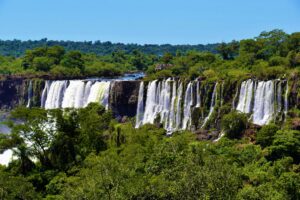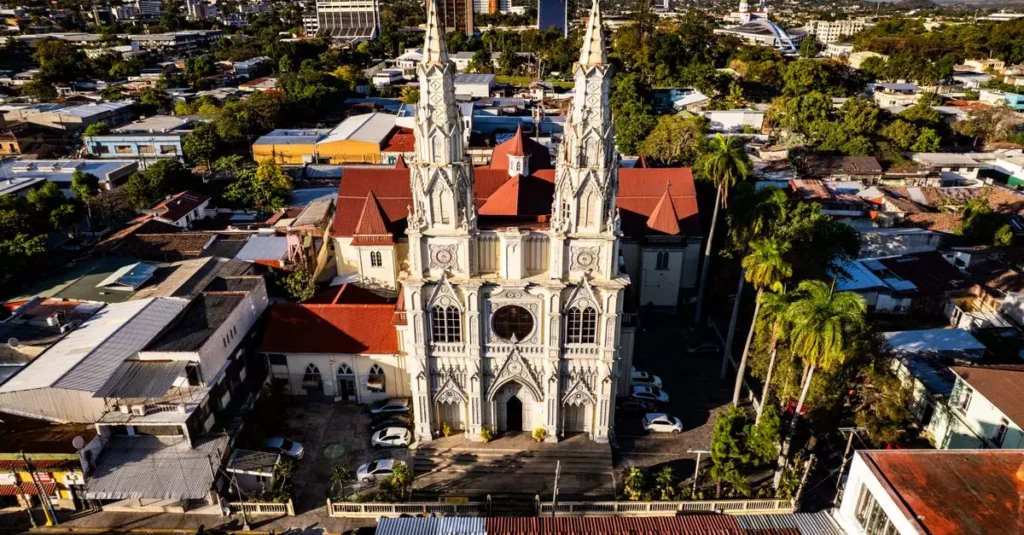
Central America is a region brimming with diverse landscapes, rich history, and thrilling adventures, offering an unforgettable experience for every traveler. From ancient Mayan ruins nestled in lush rainforests to the pristine beaches along the Caribbean and Pacific coasts, this narrow strip of land promises a unique escape. Planning your trip can be overwhelming with so many incredible destinations, but this best Central America travel guide is here to assist.
Inside, you’ll find a detailed breakdown of each country, highlighting unique attractions ranging from volcanic hikes and world-class diving to vibrant colonial cities and culinary experiences. We’ll also provide essential tips on navigating the region, including transportation options, the best times to visit, and what to pack. Get ready to explore the wonders of Central America and craft your perfect itinerary.
Why Central America is Your Next Must-Visit Destination
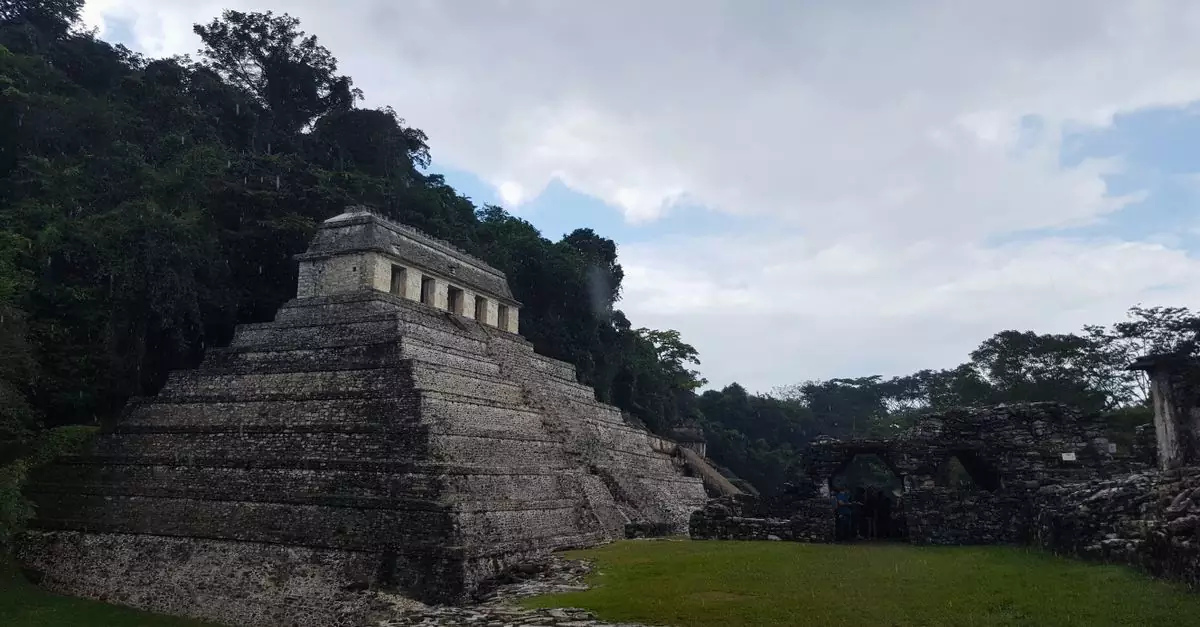
Central America beckons with a captivating blend of history, natural wonders, and adrenaline-pumping activities. This vibrant region, situated between Mexico and South America, offers an accessible yet exotic escape for travelers seeking diverse experiences. Understanding what makes this part of North America special is key to planning an unforgettable journey.
The Allure of Ancient Ruins and Colonial Charm
Step back in time amid the impressive remnants of ancient civilizations and the beautifully preserved architecture of Spanish colonial towns. From the awe-inspiring Mayan cities like Tikal in Guatemala, where jungle-clad pyramids rise toward the sky, to the colorful streets of Granada, Nicaragua, with its ornate churches and vibrant plazas, history whispers from every corner. These sites provide a tangible connection to the past, allowing you to imagine life centuries ago.
Many travelers find the historical depth of Central America a significant draw. Exploring these ruins and colonial centers enriches the region’s rich cultural tapestry. Consider visiting Antigua, Guatemala, a UNESCO World Heritage site, for its well-preserved colonial buildings and dramatic volcanic backdrop, offering a distinct contrast to the jungle ruins.
Unspoiled Beaches and Vibrant Marine Life
The Pacific and Caribbean coastlines of Central America boast a stunning array of beaches, from secluded coves to lively surf spots. Whether you’re dreaming of white sands and turquoise waters in Belize or the renowned surf breaks of El Salvador, a coastal paradise awaits. The region is also a world-class destination for diving and snorkeling, with the Belize Barrier Reef, the second-largest in the world, teeming with colorful coral and diverse marine life.
For underwater enthusiasts, destinations like Utila in Honduras offer affordable PADI dive certifications and opportunities to spot whale sharks. The clarity of the water and the abundance of marine species create incredible underwater adventures. Even if diving isn’t your focus, simply relaxing on a tropical beach or watching a Caribbean sunset is a powerful draw.
Thrilling Adventures: Volcanoes to Rainforests
Central America is an adventurer’s playground, offering a wealth of activities for thrill-seekers. Hike active volcanoes, zip-line through lush rainforest canopies, or white-water raft down exhilarating rivers. The diverse topography supports a wide range of eco-adventures. For instance, Costa Rica is synonymous with ecotourism, featuring canopy tours in Monteverde or volcano trekking near Arenal.
The variety of landscapes means you can experience vastly different adventures within a relatively small geographic area. Nicaragua’s Ometepe Island, with its twin volcanoes rising from Lake Nicaragua, provides opportunities for hiking and unique volcanic sandboarding. These natural playgrounds offer breathtaking scenery and the chance to push your limits.
Crafting Your Perfect Central America Itinerary: A Region-by-Region Breakdown
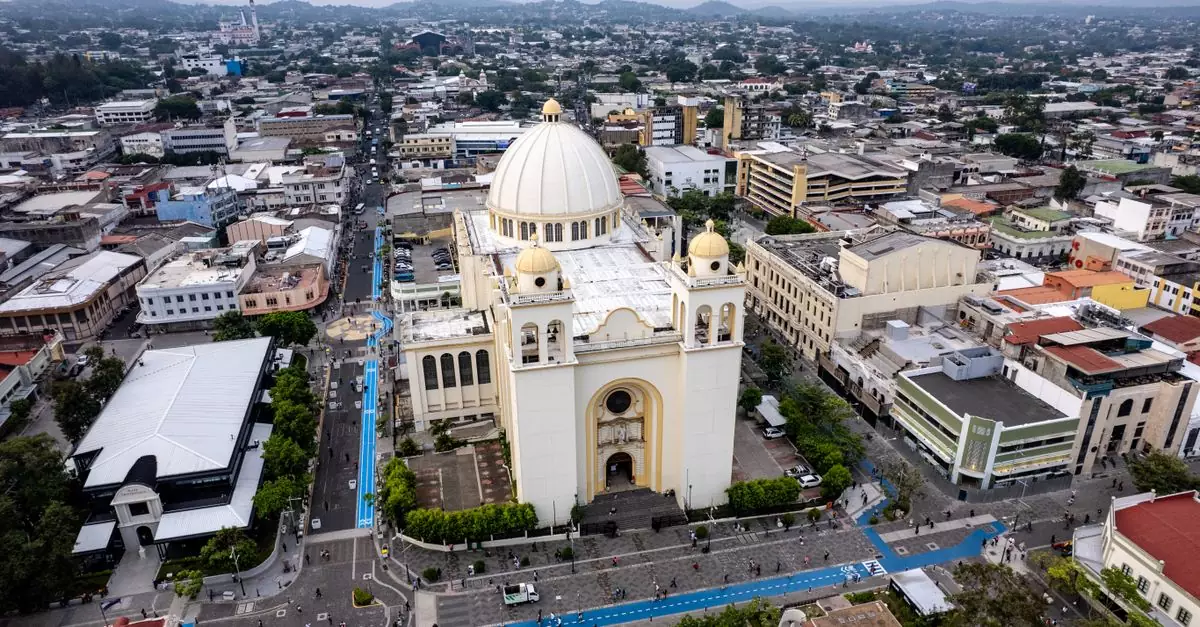
Central America, a vibrant tapestry of cultures, landscapes, and adventures, offers diverse experiences depending on which corner you choose to explore. This guide breaks down the region to help you tailor your journey, whether you’re drawn to ancient ruins, volcanic peaks, or pristine coastlines. Planning your route is key to maximizing your time and experiencing the best this narrow strip of land has to offer.
The Mayan Heartland: Guatemala & Belize
For travelers captivated by ancient civilizations and lush jungle landscapes, Guatemala and Belize are essential stops. Guatemala boasts the awe-inspiring Mayan city of Tikal, set amidst a dense rainforest where howler monkeys serenade visitors. Antigua, a colonial gem, features cobblestone streets, vibrant markets, and a backdrop of volcanoes, making it a popular base for exploring the highlands. Lake Atitlán, surrounded by volcanic peaks and indigenous villages, offers stunning scenery and cultural immersion.
Belize is renowned for its Caribbean allure. The Belize Barrier Reef, a UNESCO World Heritage site, is a diver’s and snorkeler’s paradise, teeming with marine life. Caye Caulker and Ambergris Caye offer laid-back island vibes, perfect for unwinding after exploring Mayan ruins like Caracol or Xunantunich. The Cockscomb Basin Wildlife Sanctuary, the world’s first jaguar preserve, appeals to wildlife enthusiasts.
Traveler Tip: Consider visiting during the dry season (November to April) for more predictable weather, though shoulder seasons can offer fewer crowds and lower prices. Transportation between these countries often involves shuttle buses or flights.
Pacific Coast Wonders: El Salvador & Nicaragua
El Salvador and Nicaragua present a compelling combination of volcanic landscapes, surf-ready beaches, and a burgeoning adventure tourism scene. El Salvador, often overlooked, offers world-class surfing at spots like El Tunco and a unique cultural experience. The Ruta de las Flores provides a scenic drive through charming mountain towns, coffee plantations, and artisan villages. Hiking the Santa Ana volcano for panoramic views of the Coatepeque caldera lake is a must-do.
Nicaragua, the largest country in Central America, showcases dramatic contrasts. Its Pacific coast is a surfer’s haven, with popular breaks in San Juan del Sur and Popoyo. Ometepe Island, formed by two volcanoes rising from Lake Nicaragua, is a unique destination for hiking, kayaking, and exploring pre-Columbian petroglyphs. Granada, a well-preserved colonial city, serves as a gateway to the Las Isletas archipelago, a network of small islands formed by volcanic activity. León, with its revolutionary history and vibrant student population, offers a different cultural pulse.
Budget Comparison:
| Destination | Daily Budget (USD) | Accommodation Type | Notes |
|---|---|---|---|
| El Salvador | $40 – $70 | Hostels, Guesthouses | Generally more budget-friendly |
| Nicaragua | $35 – $65 | Hostels, Budget Hotels | Very affordable, especially outside tourist hubs |
Caribbean Rhythms: Honduras & Costa Rica
For those seeking vibrant coral reefs, lush rainforests, and a taste of Afro-Caribbean culture, Honduras and Costa Rica deliver. Honduras’s Bay Islands, particularly Utila and Roatán, are legendary for their affordable diving and snorkeling opportunities on the Mesoamerican Barrier Reef. Beyond the islands, mainland Honduras offers ancient Mayan sites like Copán and the Pico Bonito National Park for jungle trekking.
Costa Rica has long been a pioneer in ecotourism, showcasing an incredible array of biodiversity. From the cloud forests of Monteverde, where you can walk among the treetops on hanging bridges, to the wildlife-rich rainforests of Corcovado National Park, the country is an outdoor enthusiast’s dream. Popular activities include zip-lining, white-water rafting, and wildlife spotting in areas like Manuel Antonio National Park. The Caribbean coast, with towns like Puerto Viejo, offers a distinct Afro-Caribbean culture, reggae music, and beautiful beaches.
Logistics: Costa Rica generally has a more developed tourist infrastructure, making travel easier but often more expensive. Honduras can be more challenging logistically but offers a more off-the-beaten-path experience, especially on the mainland.
Southern Gems: Panama’s Biodiversity
Panama, the southernmost country in Central America, is a land of striking contrasts, from the bustling metropolis of Panama City to the pristine wilderness of its national parks. The San Blas Islands, an archipelago of over 300 islands inhabited by the indigenous Guna people, offer idyllic white-sand beaches and crystal-clear waters, representing a unique cultural and natural escape. Boquete, nestled in the highlands, is a hub for coffee production, adventure sports like white-water rafting, and hiking to cloud forest trails.
The Darién Gap, a dense jungle region bordering Colombia, is a formidable natural barrier and generally not traversable by road, adding to the mystique of this remote area. Panama’s most significant draw for nature lovers is its incredible biodiversity. The Pearl Islands offer beautiful beaches and opportunities for whale watching, while Coiba National Park, a UNESCO World Heritage site, is a marine sanctuary renowned for its diverse underwater life.
Traveler Insight: Panama City itself is a modern marvel, featuring the impressive Panama Canal, a vital global shipping route, and a vibrant historic district, Casco Viejo. It serves as a convenient gateway to both North and South America.
Navigating Central America: Transportation Tips for Every Traveler
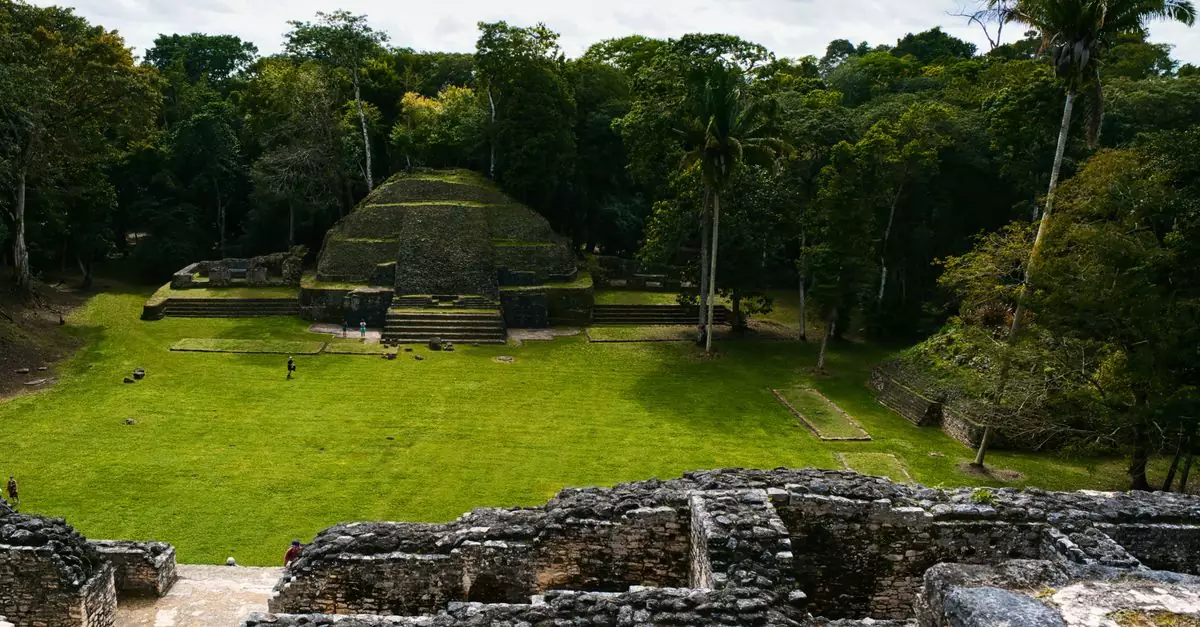
Central America offers a diverse range of travel experiences, and how you get around will significantly shape your adventure. From bustling local buses to efficient shuttle networks, understanding your options is key to a smooth journey. This guide covers the primary ways to navigate the region, helping you make informed decisions based on your budget, time, and desired level of comfort.
Getting Around: Chicken Buses, Shuttles, and Flights
The most iconic and budget-friendly way to travel between towns and countries is by “chicken bus.” These often retired school buses are brightly decorated and packed with passengers, luggage, and sometimes even live animals. While an adventure in itself, they can be slow, crowded, and require some Spanish proficiency for navigation. Expect to pay just a few dollars for journeys that might take several hours.
For a more comfortable and direct experience, tourist shuttles are widely available. These minivans connect popular destinations and can be booked through hostels, tour operators, or online. They are significantly faster than chicken buses and offer door-to-door service between hotels or bus stations. Prices vary by route but are generally more expensive than local buses, typically ranging from $20 to $50 USD for longer inter-country trips.
For those on a tight schedule or covering vast distances, regional flights are an option. Airlines like Avianca and Copa connect major hubs such as Panama City, San Jose, and Mexico City. While the quickest method, flights are the most expensive and require booking in advance, especially during peak seasons. Consider the total travel time, including airport transfers and check-in, when comparing flight times to ground transportation.
Border Crossings: What to Expect and How to Prepare
Crossing land borders in Central America is a common part of many itineraries. While generally safe and well-trodden, it’s wise to be prepared. Most crossings involve disembarking your current transportation, walking through immigration, paying any required exit or entry fees, and then finding new transport on the other side.
Have your passport, any necessary visas, and cash (USD is widely accepted, but local currency is often needed for smaller fees) readily accessible. Be wary of unofficial “helpers” who may try to charge you for services you can perform yourself. Research the specific requirements for your nationality and the countries you are visiting beforehand. For instance, some nationalities may need to pre-arrange visas or pay specific tourist card fees.
A few key crossings to be aware of include:
- Guatemala-Mexico: Often busy, with buses to Palenque or San Cristobal on the Mexican side.
- Guatemala-Belize: Connects to Belize City or the islands.
- El Salvador-Guatemala/Honduras: Relatively straightforward routes connecting coastal areas.
- Nicaragua-Costa Rica: A popular crossing, with shuttles readily available for onward travel.
- Panama-Costa Rica: The Darien Gap makes a land crossing between Panama and Colombia impossible, so flights or sea routes are the only options between these two countries.
Familiarizing yourself with the general process for each border you anticipate crossing will reduce stress and potential delays.
Renting a Car: Freedom and Challenges
Renting a car offers unparalleled freedom to explore off-the-beaten-path destinations and set your own pace. This can be particularly appealing for those wanting to visit remote beaches, national parks, or small villages not serviced by public transport. Car rental agencies are present in major cities and airports across most Central American countries.
However, renting a car comes with its own set of challenges. Road conditions can vary dramatically, from well-paved highways to unpaved, potholed tracks, especially in rural areas. Traffic laws may not always be strictly enforced, and navigating unfamiliar roads, particularly at night, can be difficult. It’s advisable to opt for a 4×4 vehicle if you plan on venturing onto unpaved roads.
Considerations for Car Rentals:
- Insurance: Always opt for full coverage insurance. Local insurance is often mandatory and can be expensive.
- International Driving Permit (IDP): While not always strictly enforced, it’s recommended to carry one along with your home country’s license.
- Fuel: Gas stations can be sparse in remote areas, so keep your tank topped up.
- Security: Never leave valuables visible in your car, and park in secure lots whenever possible.
- Cross-Border Travel: Taking a rental car across international borders is often complicated and may require special permits and additional insurance, which can be costly and time-consuming to arrange. Many agencies prohibit it entirely.
While renting a car provides flexibility, it’s essential to weigh the added costs and potential stresses against the benefits, especially when compared to the extensive and affordable public transportation networks available. For many travelers, a combination of chicken buses and tourist shuttles offers the best balance of cost, convenience, and cultural immersion.
Best Time to Visit Central America: Balancing Weather and Crowds
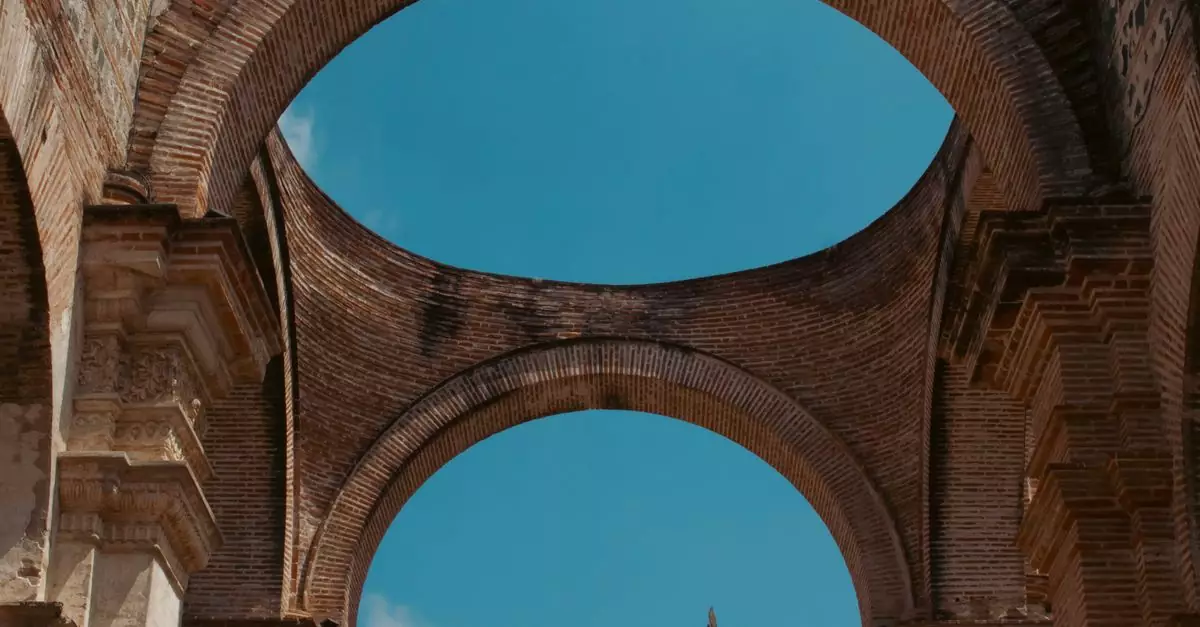
Choosing the right time to visit Central America significantly impacts your experience, from the weather you’ll encounter to the crowds at popular attractions. This region, stretching from Mexico down to Panama, offers diverse climates and distinct seasons. Understanding these nuances will help you plan a trip that aligns with your priorities, whether that’s sunshine, fewer people, or budget-friendly travel. This guide breaks down the key periods to help you decide.
Dry Season Delights: December to April
The dry season is widely considered the prime time for visiting most of Central America. During these months, expect sunny skies, lower humidity, and minimal rainfall across much of the region, from the beaches of Costa Rica to the ancient ruins of Guatemala. This predictability makes it easier to plan outdoor activities, from hiking volcanoes to exploring rainforests.
However, this period also coincides with peak tourist season. Consequently, you’ll likely encounter larger crowds at popular destinations and potentially higher prices for flights and accommodations. Booking well in advance is highly recommended, especially if you’re traveling during major holidays like Christmas or Easter. Despite the crowds, the reliable weather makes it a compelling choice for many travelers.
Green Season Opportunities: May to November
The “green season,” or rainy season, presents a different yet rewarding travel experience in Central America. From May through November, expect afternoon showers, typically brief but intense, followed by sunny periods. This rainfall revitalizes the lush landscapes, creating vibrant scenery and often leading to fewer mosquitoes in certain areas.
This shoulder season offers several advantages. You’ll find fewer tourists, leading to a more relaxed atmosphere and often more competitive prices for travel and lodging. It’s an excellent time for budget-conscious travelers or those seeking a more authentic, less crowded experience. Birdwatching and wildlife spotting can be particularly rewarding during this time due to the abundance of water and food.
A key consideration for the green season is the potential for heavier rain in certain areas, which can sometimes impact road conditions or disrupt outdoor activities. However, for many travelers, the trade-off for fewer crowds and lower costs is well worth it.
Hurricane Season Considerations
Central America’s Caribbean coast is susceptible to hurricanes between June and November, with the peak typically occurring from August to October. While not every year sees direct hits, it’s a crucial factor for planning, especially for travel to countries like Belize or the Caribbean coasts of Honduras and Nicaragua.
Travelers visiting during this period should monitor weather forecasts closely and consider purchasing travel insurance that covers weather-related disruptions. Many accommodations and tour operators are accustomed to these conditions and have contingency plans. Despite the risks, many travelers still find success visiting during these months by remaining flexible and informed.
Comparing Travel Seasons
| Season | Months | Weather Highlights | Crowd Levels | Budget Impact | Best For |
|---|---|---|---|---|---|
| Dry Season | December-April | Sunny, low humidity, minimal rain | High | Higher | Beach activities, hiking, reliable outdoor adventures |
| Green Season | May-November | Afternoon showers, lush landscapes, fewer mosquitoes | Low | Lower | Budget travel, nature photography, wildlife viewing, fewer crowds |
| Hurricane Risk | August-October | Increased risk of tropical storms/hurricanes (Caribbean) | Variable | Variable | Travelers prioritizing flexibility and monitoring weather forecasts |
When planning your Central America adventure, weigh the benefits of the dry season’s consistent sunshine against the green season’s affordability and tranquility. Understanding these seasonal differences is a cornerstone of any comprehensive Central America travel guide.
Savoring Central America: Culinary Adventures and Local Flavors
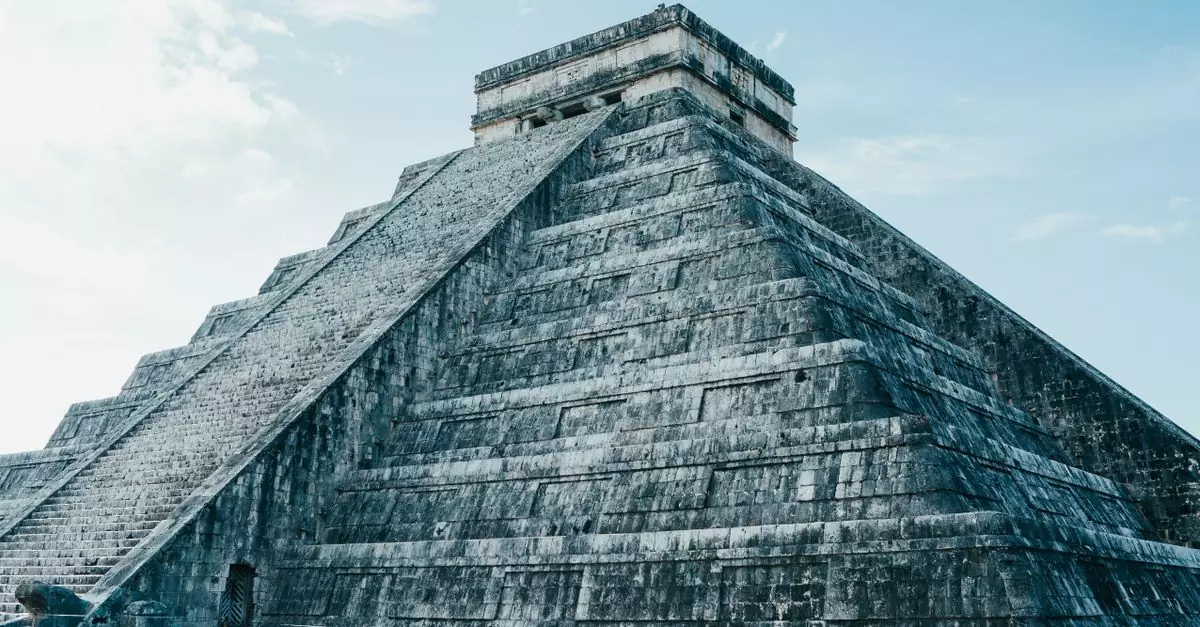
Central America’s vibrant cultures are best experienced through its diverse and delicious cuisine. From hearty staples to sweet treats, embarking on a culinary journey is essential to any visit. This guide will help you navigate the region’s gastronomic landscape, ensuring you taste the authentic flavors that define each country.
Must-Try Dishes from Pupusas to Gallo Pinto
No exploration of Central American food is complete without sampling its iconic dishes. In El Salvador, the pupusa reigns supreme. These thick corn tortillas are stuffed with cheese, beans, or chicharrón (pork) and are typically served with curtido (a lightly fermented cabbage slaw) and salsa roja. They are a filling and flavorful snack or meal, readily available from street vendors and restaurants alike.
Across Nicaragua and Costa Rica, Gallo Pinto is a breakfast staple. This flavorful mix of rice and beans, seasoned with onions, peppers, and cilantro, is often served with eggs, plantains, and sour cream. While seemingly simple, each region and household has its own subtle variation, making it a dish worth trying multiple times.
Guatemala offers Pepian, a rich and complex stew made with chicken or beef and a blend of toasted spices, chilies, and seeds, often served with rice. Honduras boasts Baleadas, a flour tortilla folded and filled with beans, cheese, and often scrambled eggs or meats. These dishes represent the heartiness and local ingredients that form the backbone of Central American cooking.
Exploring Local Markets and Street Food
To truly connect with the culinary soul of Central America, immerse yourself in its bustling local markets and vibrant street food scene. Markets like La Boqueria in Antigua, Guatemala, or Mercado Oriental in Managua, Nicaragua, provide a sensory overload in the best way. Here, you can find an incredible array of fresh produce, spices, local cheeses, and prepared foods.
Street food offers a quick, affordable, and authentic taste of local life. Beyond pupusas and baleadas, look for elotes (grilled corn on the cob), tostones (twice-fried plantain slices), and various fried snacks. Always choose vendors with high turnover and visible food preparation for the best experience. Many travelers find street food to be one of the most memorable aspects of their trip.
When navigating street food, it’s wise to observe local habits. If a stall is crowded with locals, it’s usually a good sign of quality and safety. Carry small denominations of local currency for easy transactions. While most street food is safe and delicious, exercising common sense regarding hygiene is always recommended.
Coffee Plantations and Chocolate Experiences
Central America is a world-renowned producer of some of the finest coffee and cacao. Visiting a coffee plantation offers a fascinating glimpse into the journey from bean to cup. Many farms in Costa Rica, Guatemala, and Colombia (though technically South America, it shares many cultural and culinary traits with its northern neighbors) offer tours that explain the cultivation, harvesting, and roasting process. You’ll often get to sample freshly brewed coffee, experiencing its nuanced flavors directly.
Similarly, the region’s chocolate experiences are increasingly popular. Cacao has a long history in Central America, with the Maya and Aztec civilizations valuing it highly. Today, you can find tours at cacao farms where you can learn about the bean-to-bar process, from fermenting and drying the beans to grinding and conching them into finished chocolate. Some tours even allow you to participate in the process and create your own chocolate bars.
These agricultural tours are not only educational but also provide a deeper appreciation for the quality and care that goes into these beloved products. Many plantations and farms are accessible via day trips from popular tourist hubs, offering a welcome break from city exploration and a chance to connect with the natural landscape.
Frequently Asked Questions for Central America Explorers
Navigating a new region can bring up many questions. This guide aims to answer some of the most common queries travelers have when planning an adventure through Central America, offering practical advice for a smoother journey.
Is Central America safe for tourists?
Safety in Central America varies by country and region, much like any other part of the world. Most tourist areas are generally safe, especially when exercising common-sense precautions. It’s advisable to research specific destinations within countries, be aware of your surroundings, avoid displaying valuable items, and use reputable transportation. Many travelers have safe and rewarding experiences by staying informed and prepared. For general information on regional safety, you can consult resources on North America.
What is the average budget for a trip to Central America?
Your budget for Central America can range significantly based on your travel style, duration, and chosen activities. Backpackers can manage on $30-$50 USD per day, covering hostels, local food, and public transport. Mid-range travelers might spend $60-$100 USD daily for comfortable guesthouses, a mix of local and tourist restaurants, and occasional private transfers. Luxury travelers could easily exceed $150 USD per day. Prices for flights to Central America also fluctuate seasonally.
| Travel Style | Daily Budget (USD) | Accommodation Type | Food Style |
|---|---|---|---|
| Budget | $30 – $50 | Hostels, basic guesthouses | Local eateries, street food |
| Mid-Range | $60 – $100 | Guesthouses, boutique hotels | Mix of local and tourist |
| Luxury | $150+ | Resorts, high-end hotels | Fine dining, upscale restaurants |
What essential items should I pack for Central America?
Packing for Central America generally involves lightweight, breathable clothing suitable for warm and humid climates. Include items like quick-dry shirts, shorts, comfortable walking shoes, sandals, swimwear, and a light rain jacket, especially if traveling during the rainy season. Don’t forget insect repellent, sunscreen, a hat, sunglasses, and a reusable water bottle. A small backpack or daypack is useful for excursions.
Do I need specific vaccinations for Central America?
It’s recommended to consult with your doctor or a travel clinic at least 4-6 weeks before your trip regarding recommended vaccinations and health precautions for Central America. Routine immunizations should be up-to-date. Depending on your specific itinerary and activities, your doctor might suggest vaccines for Hepatitis A, Typhoid, and potentially others like Yellow Fever or Rabies. Malaria precautions may also be advised for certain rural areas.